Winter in Beijing: A Complete Guide to Experiencing the Forbidden City After Snowfall
Meta Description: Planning a winter trip to Beijing? Discover the magic of the Forbidden City after snow through a family's eyes. Expert tips, must-see spots, and practical advice for your snowy Beijing adventure.
Introduction: Why Winter in Beijing Captivates the Soul
There's something almost magical about Beijing in winter—especially when snow transforms the ancient capital into a world of white. For a southerner who has never experienced a true northern winter, the allure is irresistible. When a photo of Beijing's first snowfall appeared on my social feed in mid-December, my heart took flight. The capital, blanketed in white, had shed its usual clamor, resting as quietly as if asleep in a fairy tale.
I'd visited Beijing many times before, but never in winter—let alone to witness the Forbidden City after snow. That flutter of excitement was like when I first heard about the shape of snowflakes as a child: knowing they existed, yet feeling they were always just out of reach.
So I booked tickets for the New Year holiday. The trip's main characters, besides my wife and me, were our five-year-old daughter, Niuniu. Taking her to Beijing had been on the list since she was born, but I'd always hesitated: Would the weight of history and culture be too heavy for a five-year-old? Later, I came to a realization—why force her to understand the gravity of history? Letting her feel the northern winter, letting her run wild in the snow—wasn't that beautiful in its own way?
Honestly, my feelings for Beijing have always been complicated. As a southerner, I'm not fond of big cities' rigid rules. Beijing's traffic, its food—they all give me a love-hate feeling. But this time, I found the perfect reason to fall for it: Beijing after snow is irresistibly beautiful. Maybe it's just a southerner's obsession with ice and snow, but that's enough.
For Niuniu, this was her first impression of Beijing. Lucky for us, she fell in love with the northern winter—and with this city, both modern and ancient.
The Forbidden City in Winter: A Six-Hundred-Year Date with Snow
Best Time to Visit the Forbidden City After Snowfall
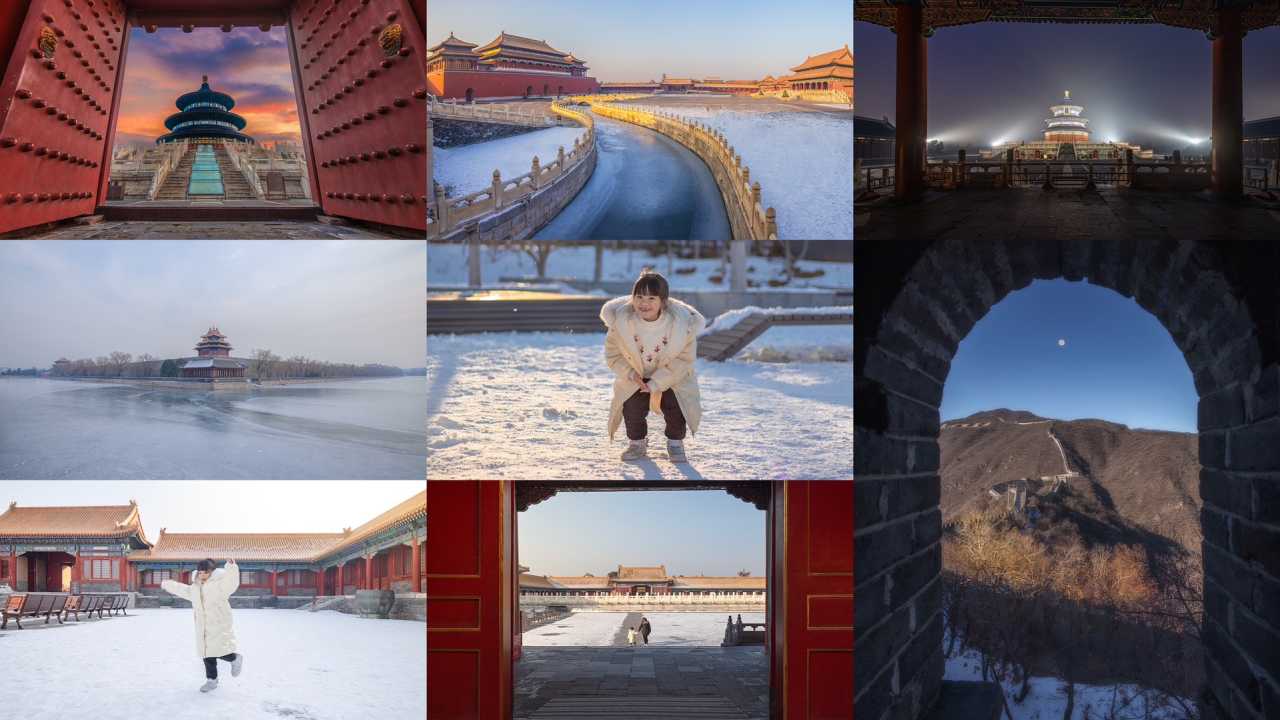
What I anticipated most on this Beijing winter trip was undoubtedly the Forbidden City. Though I'd visited before, the snow-covered scene of red walls and yellow tiles had always eluded me. Those photos—"white snow inlaid on red walls, scattered like fallen petals"—were intoxicating. I'd even secretly prayed for another snowfall in Beijing, but after the first snow, the weather stayed clear.
Finding the snow still on the ground when we landed was a pleasant surprise—the north's dry cold had preserved it for a few extra days. This is a key tip for Beijing winter travel: snow can linger for days in dry northern air, unlike the wet south where it melts quickly.
Morning Light at the Forbidden City: A Photographer's Dream
The next morning, we rose early. Beijing's dawn was touched with pale light, the chill not biting. The damp cold of the south seeps into your bones; no amount of clothing helps. The north's dry cold has a crispness to it—where the sun hits, warmth spreads.
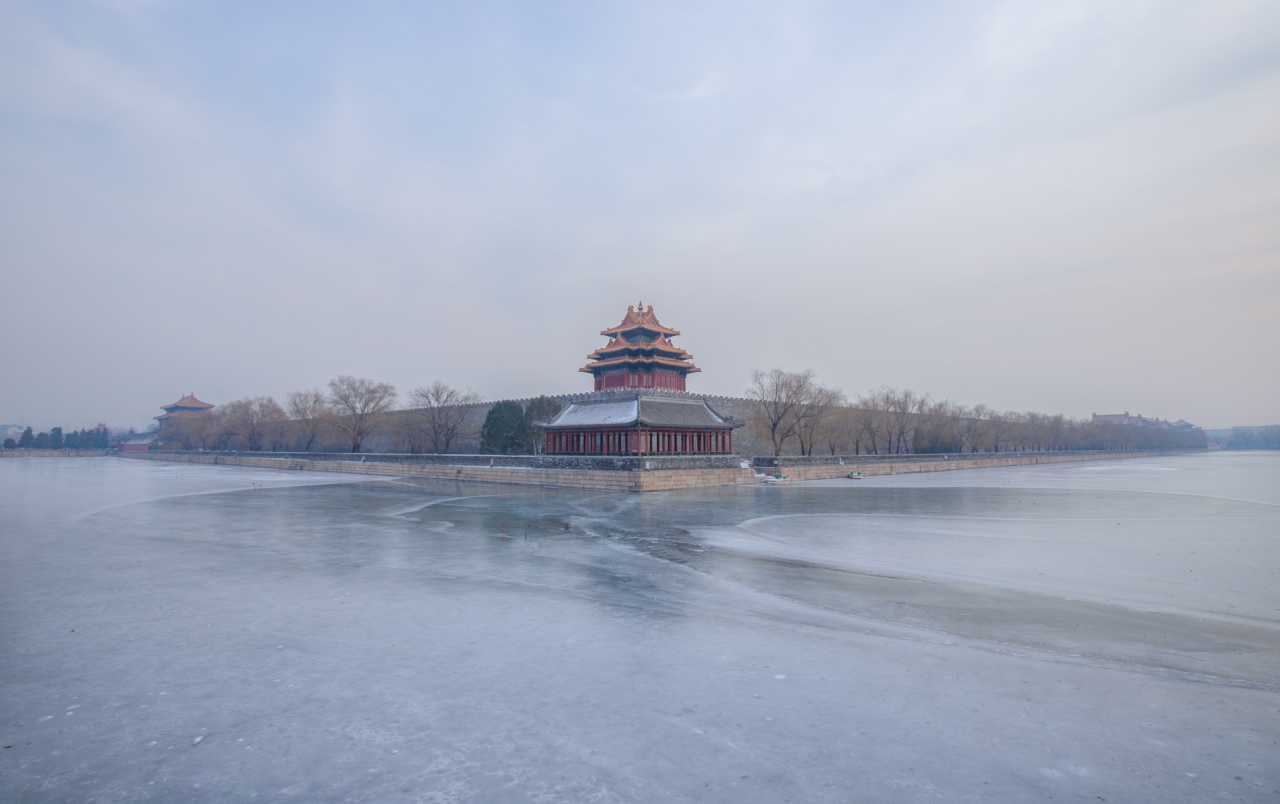
We walked along the moat toward the Meridian Gate. The river had frozen over—a first for Niuniu. In her little red hat, she was as excited as a bird. She crouched down, poked the ice with her finger, then pulled it back, giggling.
The air in Beijing these days wasn't crystal clear. In the distance, it was hazy; even the China Zun tower was barely visible. The taxi driver said winter in Beijing always comes with some smog—not unlike Hangzhou. Luckily, the sun was bright, warming us as we moved, perfect for a slow stroll through the Forbidden City.
Rounding the corner tower, the Meridian Gate appeared. Its solemn grandeur is something no imitation ancient building can replicate. I've always felt the Forbidden City's essence lies in six hundred years of accumulated time—something you can't explain, only feel.
While queuing, Niuniu stared at the Meridian Gate's red walls and said, "Daddy, this red is so pretty." She's been sensitive to red since she was little. And the Forbidden City's vermilion—vivid yet not showy, carrying peace and dignity—is a color uniquely Chinese, a kind of ultimate romance.
Stepping into the Depths of History: What to See First
As soon as the Forbidden City opened, the crowd surged in like a tide. I'd hoped to capture some empty scenes, but seeing the crowds, I let go of that notion. Instead of rushing through to store memories in photos, I'd rather hold Niuniu's hand and experience this six-hundred-year human wonder together.
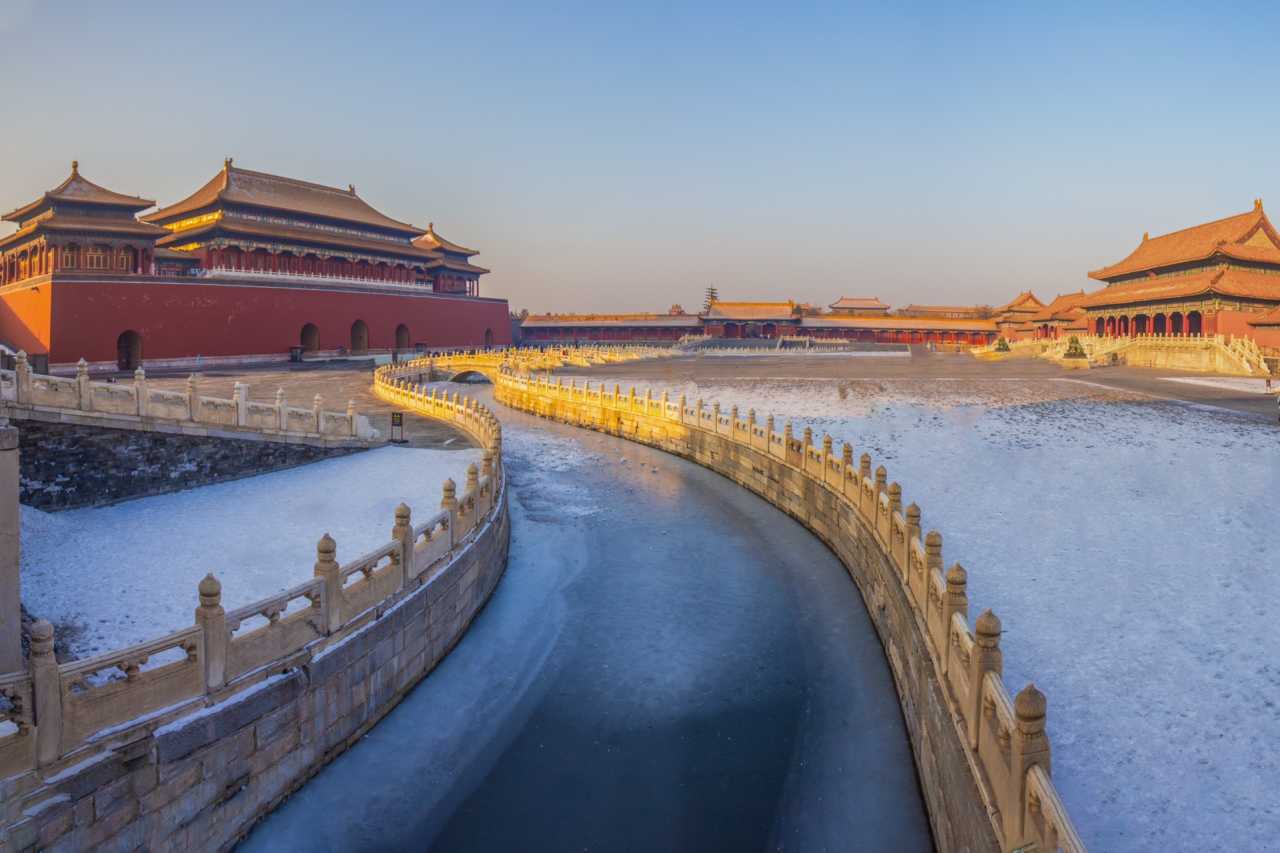
On both sides of the Gate of Supreme Harmony Square, we were delighted to find large patches of snow. The sun had just risen above the city walls, its golden light spilling over the Golden Water Bridge, making it look like a waking dragon. My wife rented an audio guide and listened while explaining things to Niuniu. The little one didn't get impatient—instead, she kept asking questions, which warmed our hearts.
Walking on the Forbidden City's stone slabs, I suddenly felt a sense of fate—centuries ago, people walked the same paths, stepped on the same bricks, gazed at the same sky. In that moment, two words came to mind: the transmission of life and the transmission of culture. How had they intertwined to keep Chinese civilization alive for five thousand years? What was the core of culture? I stood frozen until Niuniu tugged at my sleeve and said, "Daddy, what are you thinking?"
The sunlight hit the Forbidden City's walls and pathways, as if the entire palace was waking from the night. Niuniu stood on tiptoe to look out, then turned back with a smile: "This is so beautiful. Take a picture of me and Mom."
A Little Snow Spirit: Family-Friendly Moments in the Forbidden City
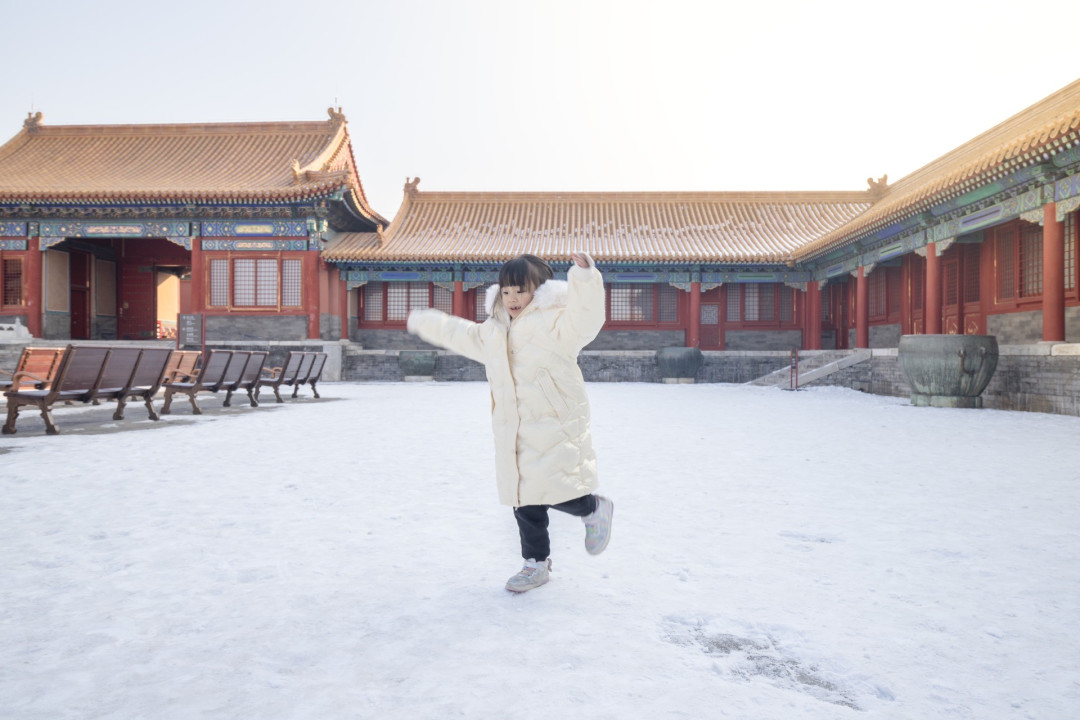
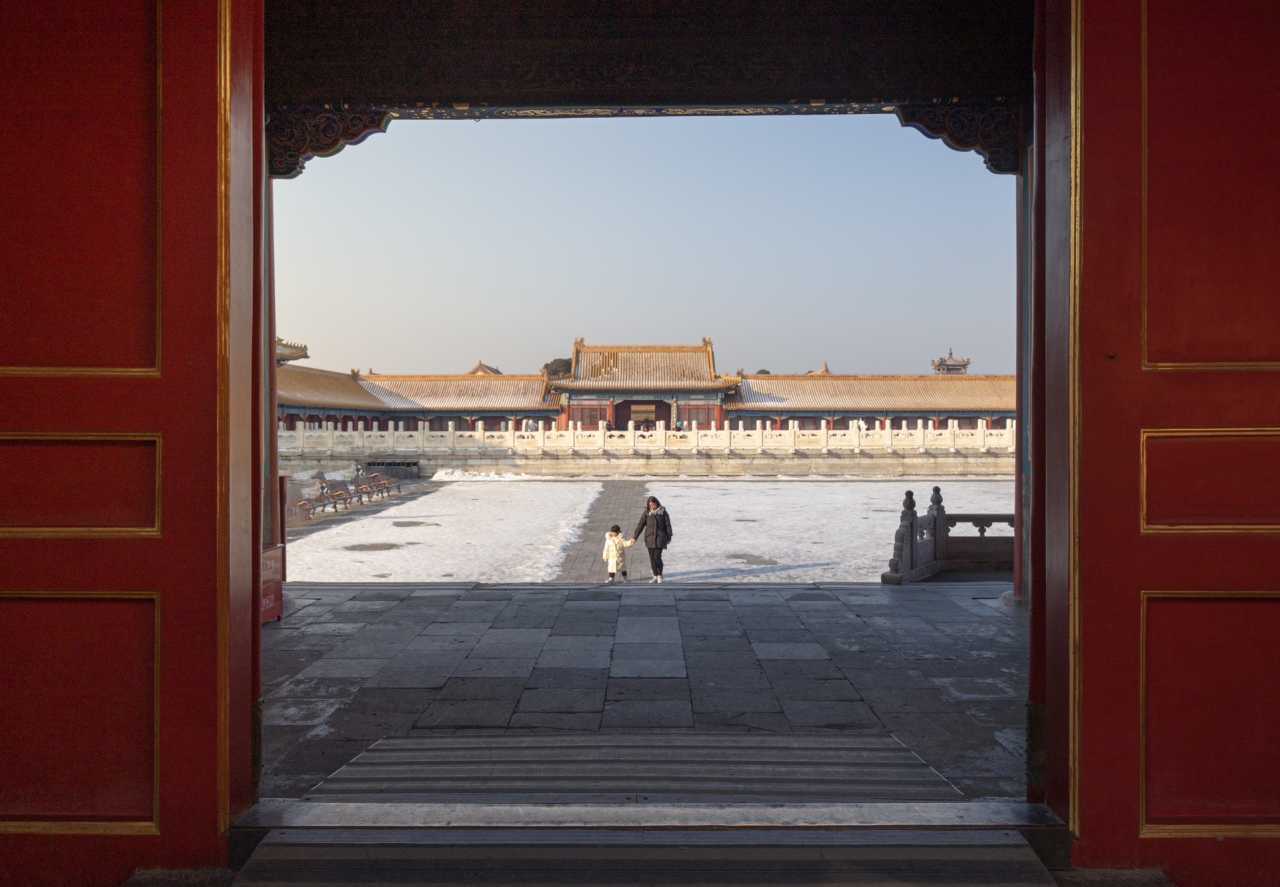
Passing through the Hall of Supreme Harmony, Niuniu spotted a large, untouched patch of snow. She ran over excitedly, stomping around in it. Her white down jacket stood out against the red walls and yellow tiles—she looked like a little snow spirit dancing among the palace walls.
For a child from Hangzhou, snow is a luxury. Urban heat islands make snowfall increasingly rare; I can't even remember the last heavy snow in Hangzhou. So we treasure snow with near-reverence. Niuniu pulled her mom to join her in stomping, while I sat on a nearby bench, watching them quietly. Strange—though the queue had been packed, here we were almost alone. It was as if the snow had cut off the Forbidden City from the outside world.
Through the Gate of Flourishing Fortune, I pressed the shutter. Suddenly, I felt that this Forbidden City, standing for over six hundred years, watching generations come and go, carried a hint of sadness and solitude. How many people, upon first seeing it, had been trapped here for life? No matter how bustling the world outside, it was all blocked by these deep palace walls. Perhaps what's open is the Forbidden City, but what's locked away is the Forbidden City itself.
Looking Up at the Pavilion of Ten Thousand Springs: A Must-See Ceiling
Following the central axis to the Imperial Garden, I made a point to take Niuniu to see the caisson ceiling of the Pavilion of Ten Thousand Springs. I'd only seen it in pictures before, but seeing it in person was stunning—intricate carvings, rich colors, a lifelike dragon at the center, as if gazing down at all beings.
At ten in the morning, sunlight streamed through small windows, forming beams that lit up the ceiling. The ingenuity and craftsmanship of the ancients were undeniable. I stood there looking up for a long time, feeling a strange connection. Through it, I seemed to glimpse that era buried by history, the stories trapped within the Forbidden City's walls.
[Link: Forbidden City ticket booking guide]
Stealing a Moment of Leisure: Dining Tips Inside the Forbidden City
Before we knew it, it was noon. Niuniu said she was tired, so we found a corner in the Imperial Garden to sit. Sunlight filtered through shadows, casting mottled patterns on the brick walls—the beauty of light and shadow in the Forbidden City lives up to its reputation.
The simple meals at the Forbidden City restaurant didn't appeal to us, but the creative desserts caught Niuniu's eye. We waited a full hour; my wife ended up ordering all the popular ones. I'd expected tourist-trap food that looks good but tastes meh, but it was surprisingly decent—you could tell they'd put thought into it. Sunlight streamed through the window, forming a halo around Niuniu's head.
[Link: Best restaurants near the Forbidden City]
Practical Tips for Your Beijing Winter Trip
What to Pack for Beijing in Winter
| Item | Why You Need It |
|---|---|
| Thermal base layers | Northern dry cold requires layering |
| Waterproof boots | For walking on snow and ice |
| Warm hat and gloves | Essential for outdoor sightseeing |
| Moisturizer | Dry air can chap skin quickly |
| Hand warmers | Useful for early morning visits |
How to Avoid Crowds at the Forbidden City

Book your tickets online at least 7 days in advance, especially during winter holidays. Visit on weekdays if possible. Arrive at opening time (8:30 AM) to enjoy the quietest moments.
FAQ: Winter in Beijing and the Forbidden City
Q1: What is the best month to see snow in Beijing?
December and January offer the highest probability of snowfall in Beijing. Late December through early February typically sees the coldest temperatures and most consistent snow cover.
Q2: Is the Forbidden City open during snowfall?
Yes, the Forbidden City remains open during normal snowfall. However, during extreme weather events, closures may occur. Always check the official website before visiting.
Q3: How long does snow last in the Forbidden City?
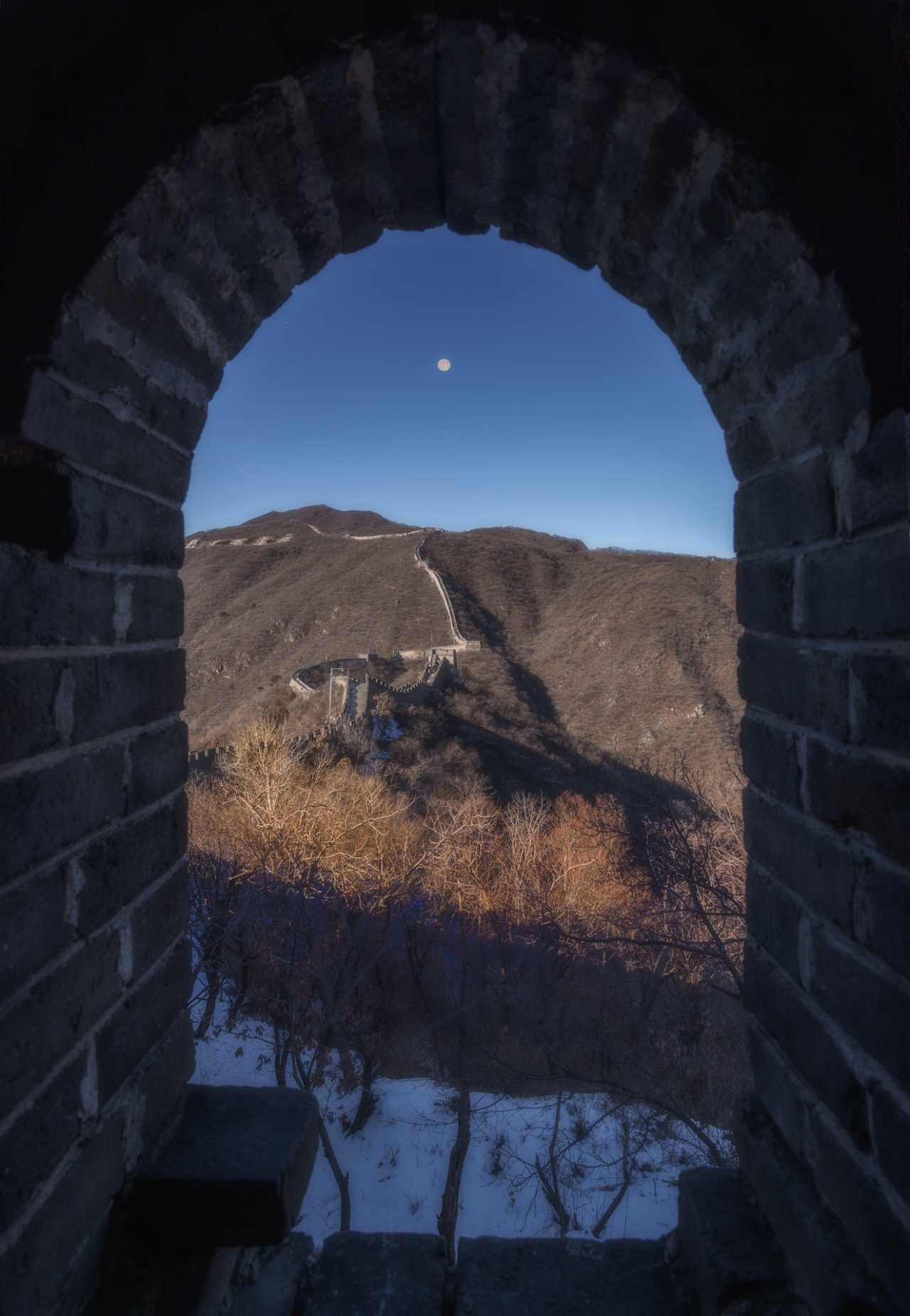
In dry northern winters, snow can remain on the ground for 3-5 days after a snowfall, especially in shaded areas. This gives you a good window to plan your visit.
Q4: Is winter a good time to visit Beijing with children?
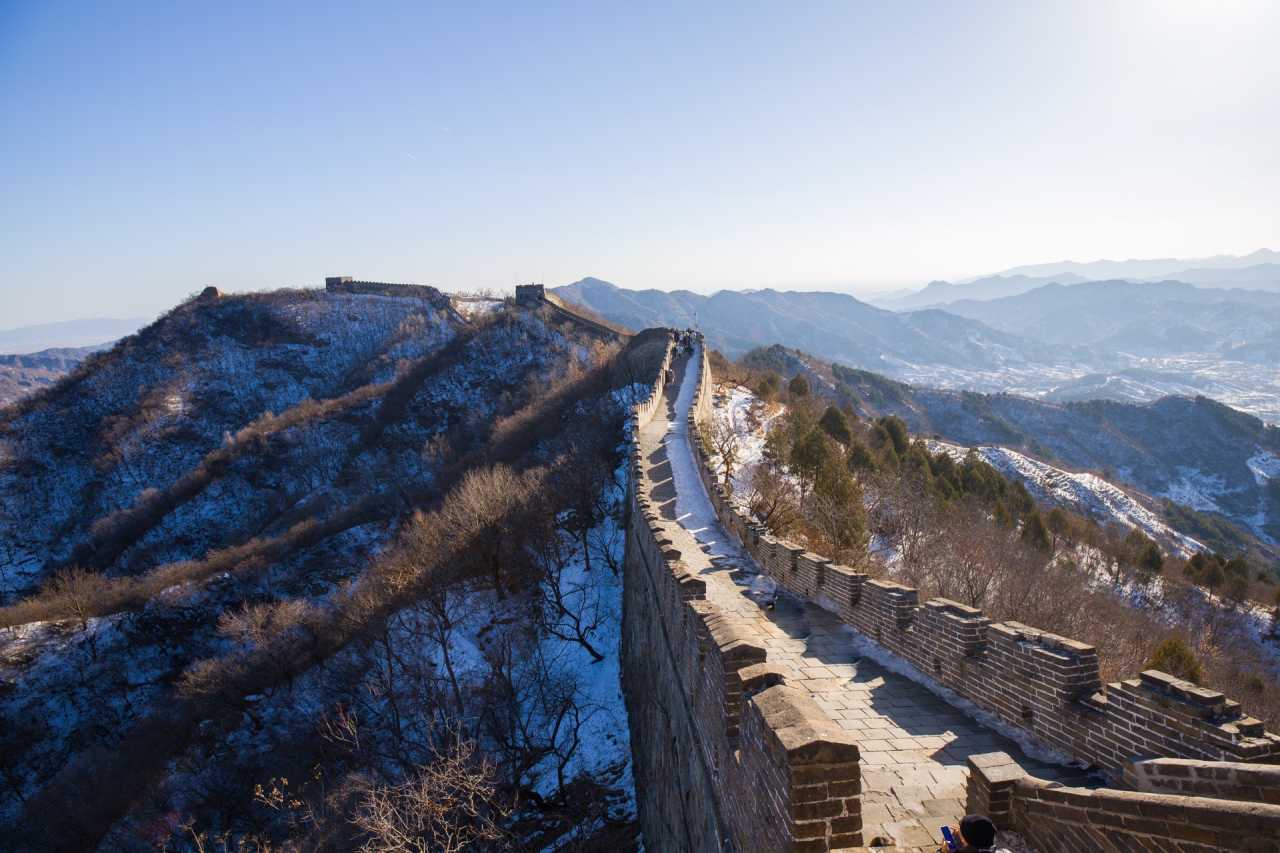
Absolutely. Children love playing in the snow, and the Forbidden City is less crowded than in summer. Just ensure proper winter clothing and plan indoor breaks.
Q5: What other winter attractions in Beijing should I consider?
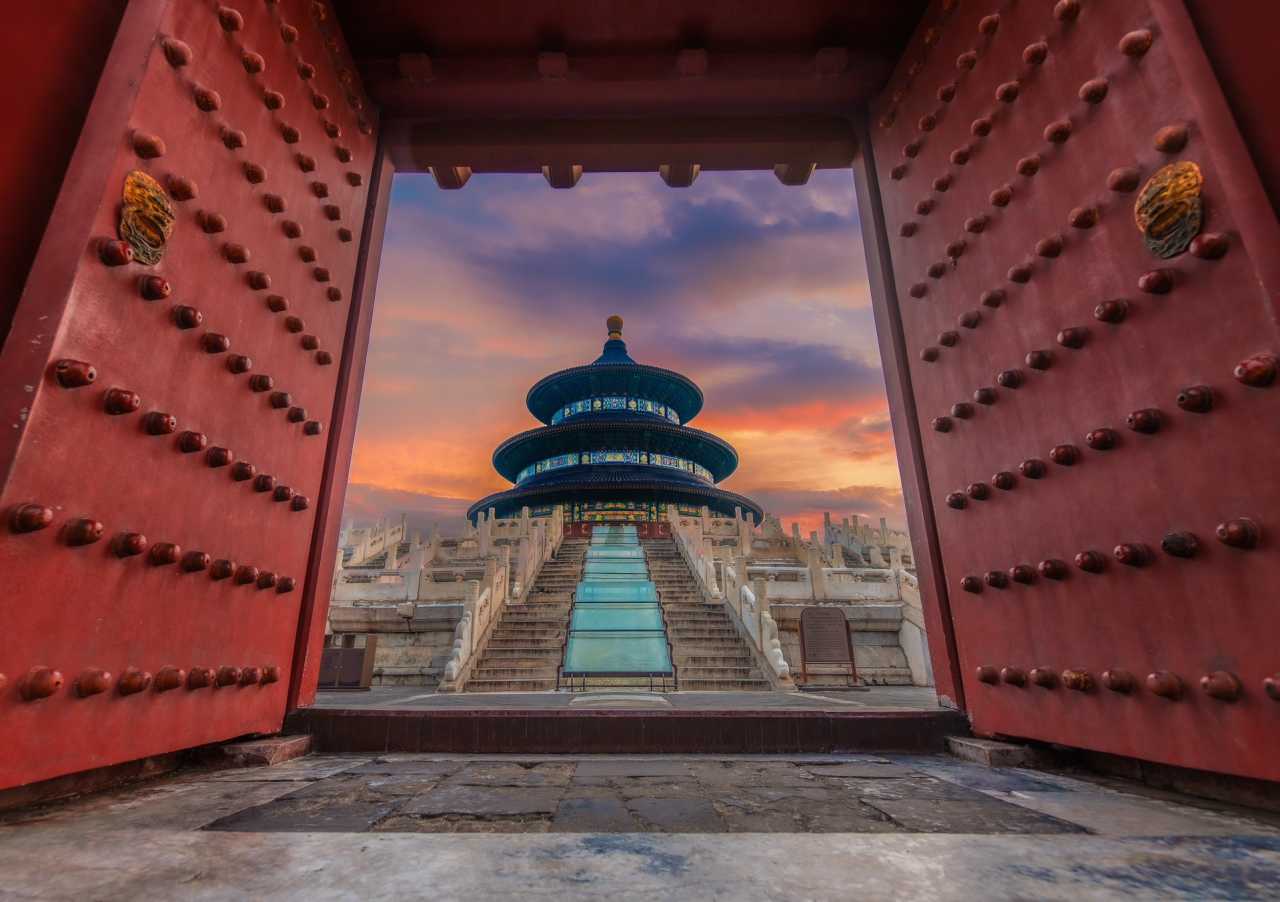
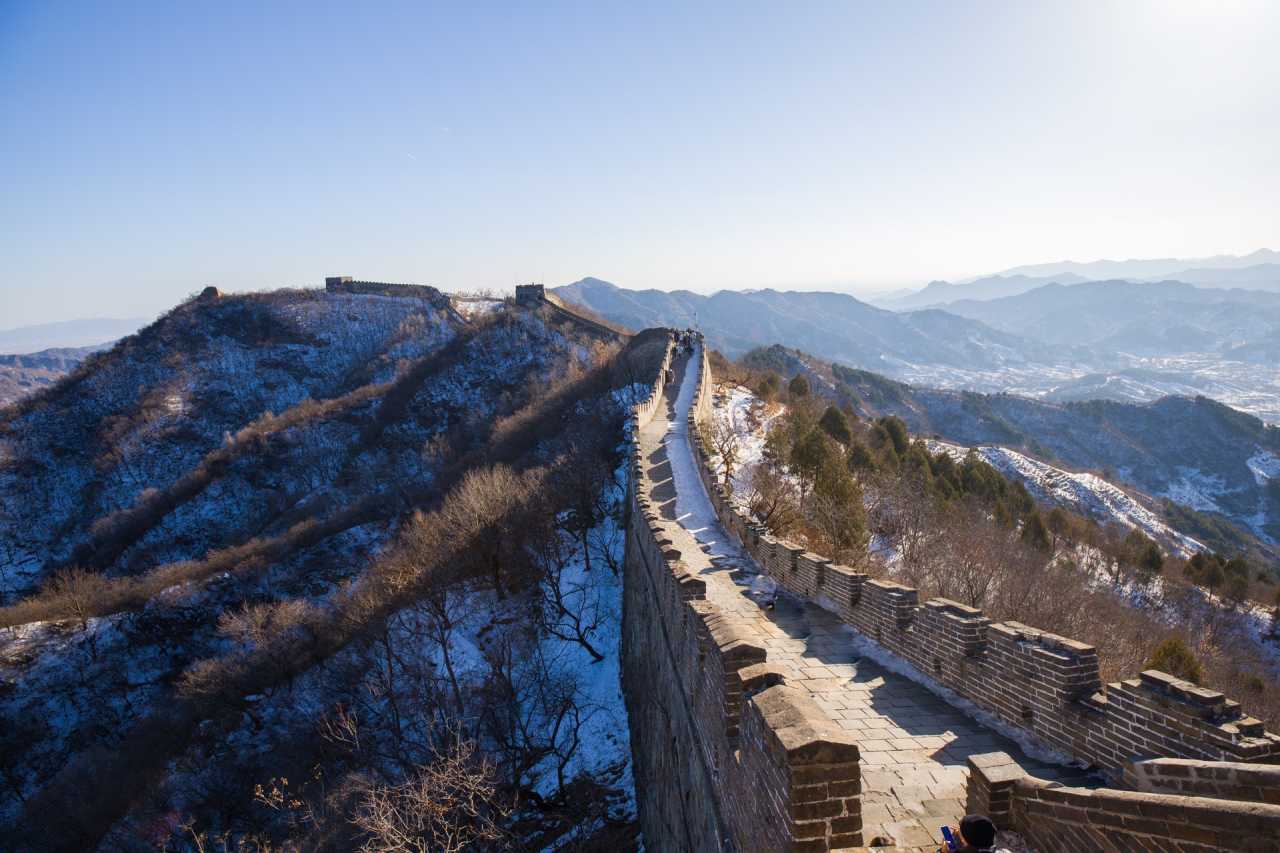
Beyond the Forbidden City, consider visiting the [Link: Great Wall in winter], the Temple of Heaven, and the Summer Palace. Each offers unique snow-covered scenery.
Conclusion: Why You Should Experience Beijing in Winter
Standing in the Forbidden City with snow dusting the red walls and golden roofs, I understood something profound. This is not just a tourist attraction—it's a living testament to Chinese civilization, made even more magical by winter's quiet blanket.
For Niuniu, this trip planted a seed. She now knows that snow can be more than just cold—it can be beautiful, historical, and deeply moving. For my wife and me, it was a reminder that travel isn't about checking boxes. It's about feeling the weight of time, the joy of discovery, and the warmth of family in a cold world.
Ready to plan your own Beijing winter adventure? Book your Forbidden City tickets today, pack your warmest clothes, and prepare for a journey through six hundred years of history—made unforgettable by a world of white.
[Link: Book Forbidden City tickets] [Link: Beijing winter travel packages] [Link: Family-friendly Beijing itineraries]
Have you visited the Forbidden City in winter? Share your experience in the comments below!
You should also read:
Nine Stories of the Forbidden City: Gazing at Time Amid Yellow Tiles and Red Walls
Meta Description: Discover the hidden stories of Beijing's Forbidden City beyond the tourist trail. From autumn ginkgo leaves to Song dynasty ceramics, explore nine intimate tales of China's imperial palace. The winter sunlight in Beijing carries a crisp tenderness. When it slants across the yellow…
Continue reading...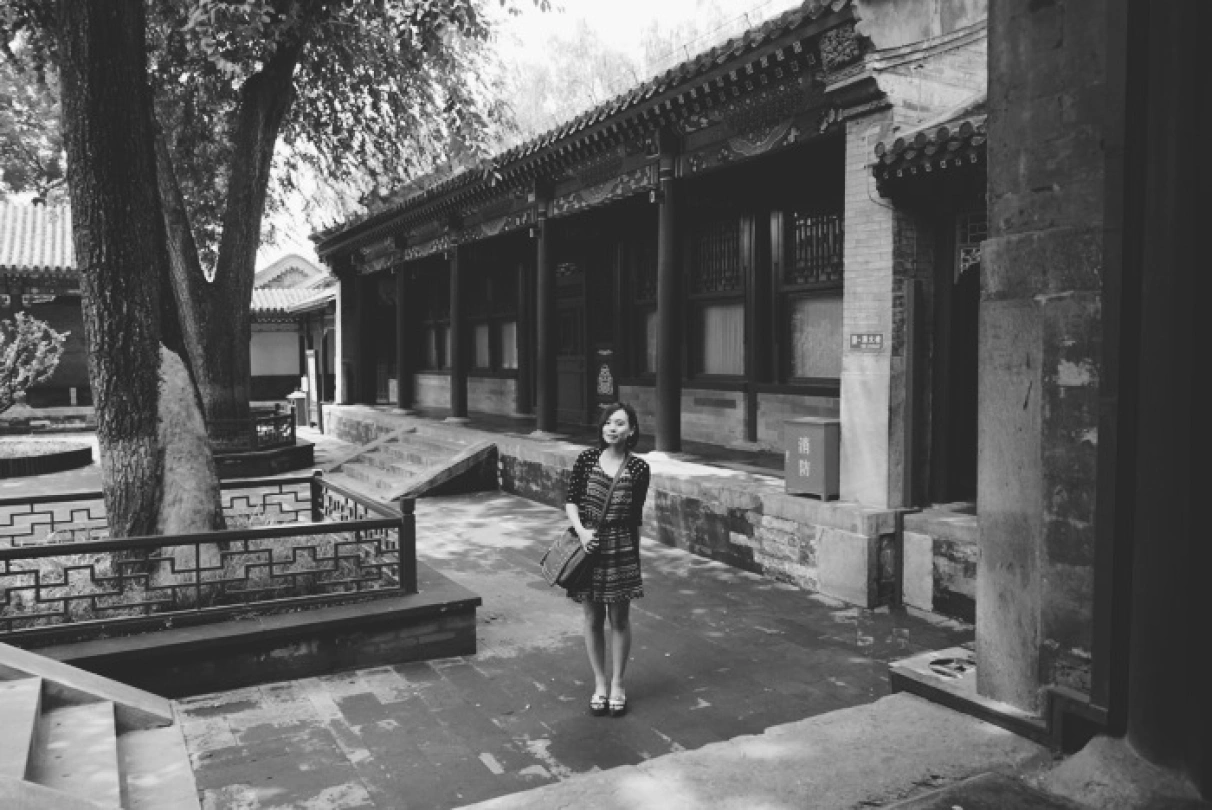
Solo in Beijing: Discovering Another Side of the Capital Amid Red Walls and Grey Tiles
Meta Description: Traveling solo in Beijing on a student budget? Discover hidden gems, practical tips for first-time solo travelers, and how to explore the capital's red walls and grey tiles without breaking the bank. When my friends asked why I chose to go to Beijing…
Continue reading...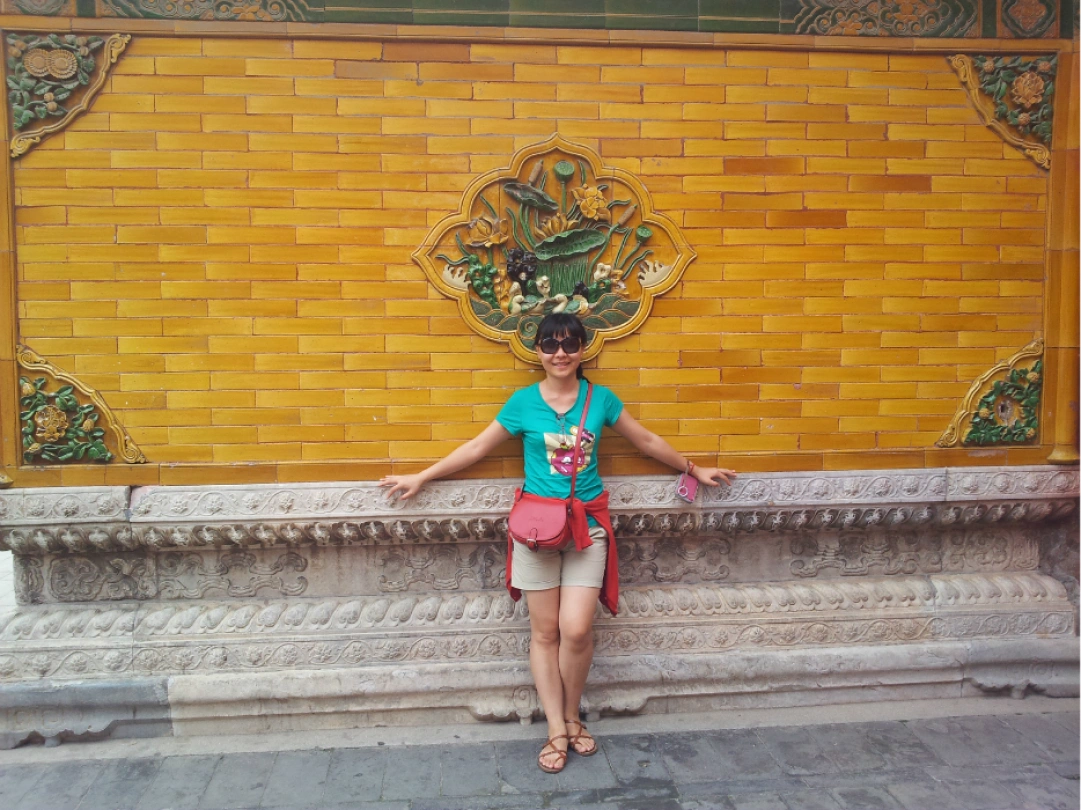
Four Days, Three Nights in Beijing: A Super Practical Self-Guided Travel Guide (Including Food, Stay, and Transport Tips)
Here is the SEO-optimized, rewritten version of your article, structured for maximum search visibility and reader engagement. SEO Title: 4 Days 3 Nights in Beijing: The Ultimate Self-Guided Travel Guide (Food, Stay & Transport) Meta Description (160 chars): Plan the perfect 4-day Beijing itinerary. From…
Continue reading...