Winter in Beijing: A Romantic Tussle with Freezing Winds and Static Shocks – The Ultimate Travel Guide
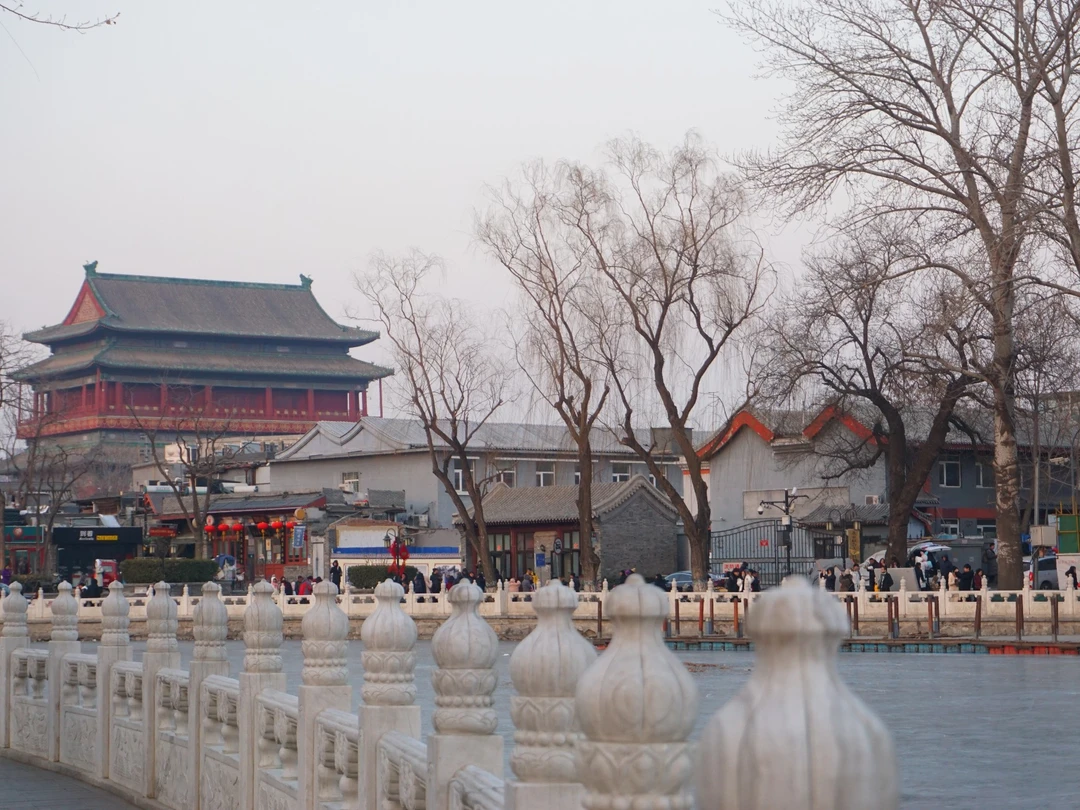
Meta Description: Discover the magic of winter in Beijing with our guide to Yonghe Temple, Ditan Park temple fair, Tiananmen Square, and Houhai sunset. Includes tips on static shocks, wind chill, and must-see attractions. Plan your Beijing winter trip now!
Introduction: Why Winter in Beijing is an Unforgettable Adventure
Winter in Beijing isn't for the faint of heart—it's a romantic tussle with freezing winds, static shocks, and unexpected discoveries. When I impulsively booked a trip to the capital, I never imagined I'd end up battling sub-zero wind chills at Tiananmen Square, losing a glove at a temple fair, and falling in love with the city's icy charm. This is the quintessential "impulsive travel" experience: plans crumble, but the memories last forever.
If you're planning a Beijing winter itinerary, expect surprises. The Shichahai ice-skating rink may close early, the Great Wall might be too daunting, and the Forbidden City's "Celebrate the New Year" event tickets vanish in seconds. But that's the beauty of winter travel in Beijing—the city reveals its soul when you least expect it.
Yonghe Temple, Confucius Temple, and the Imperial College: An Accidental Cultural Pilgrimage

Yonghe Temple: From Princely Mansion to Lamasery
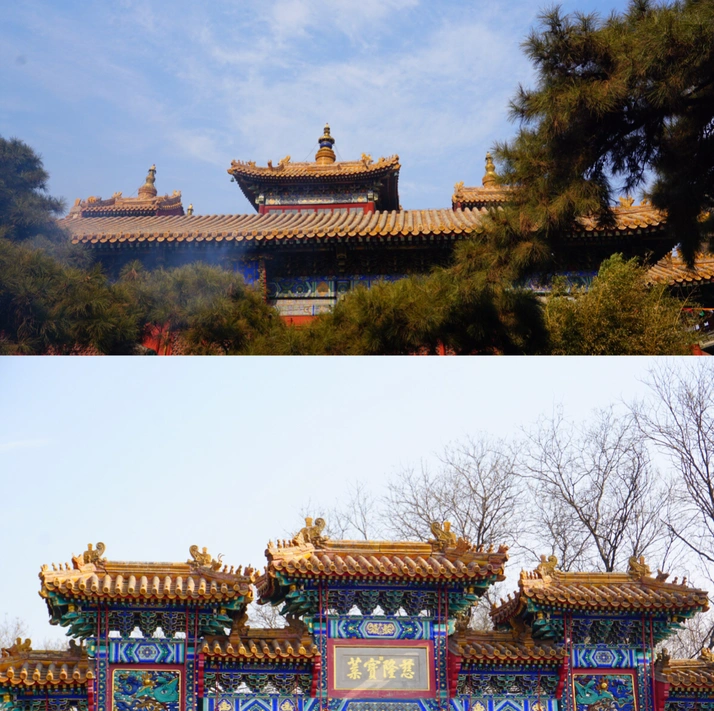
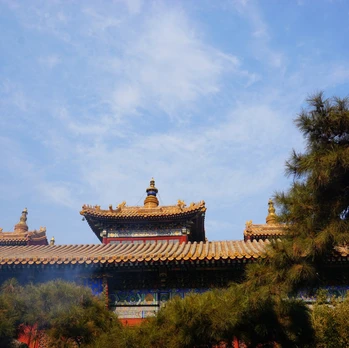
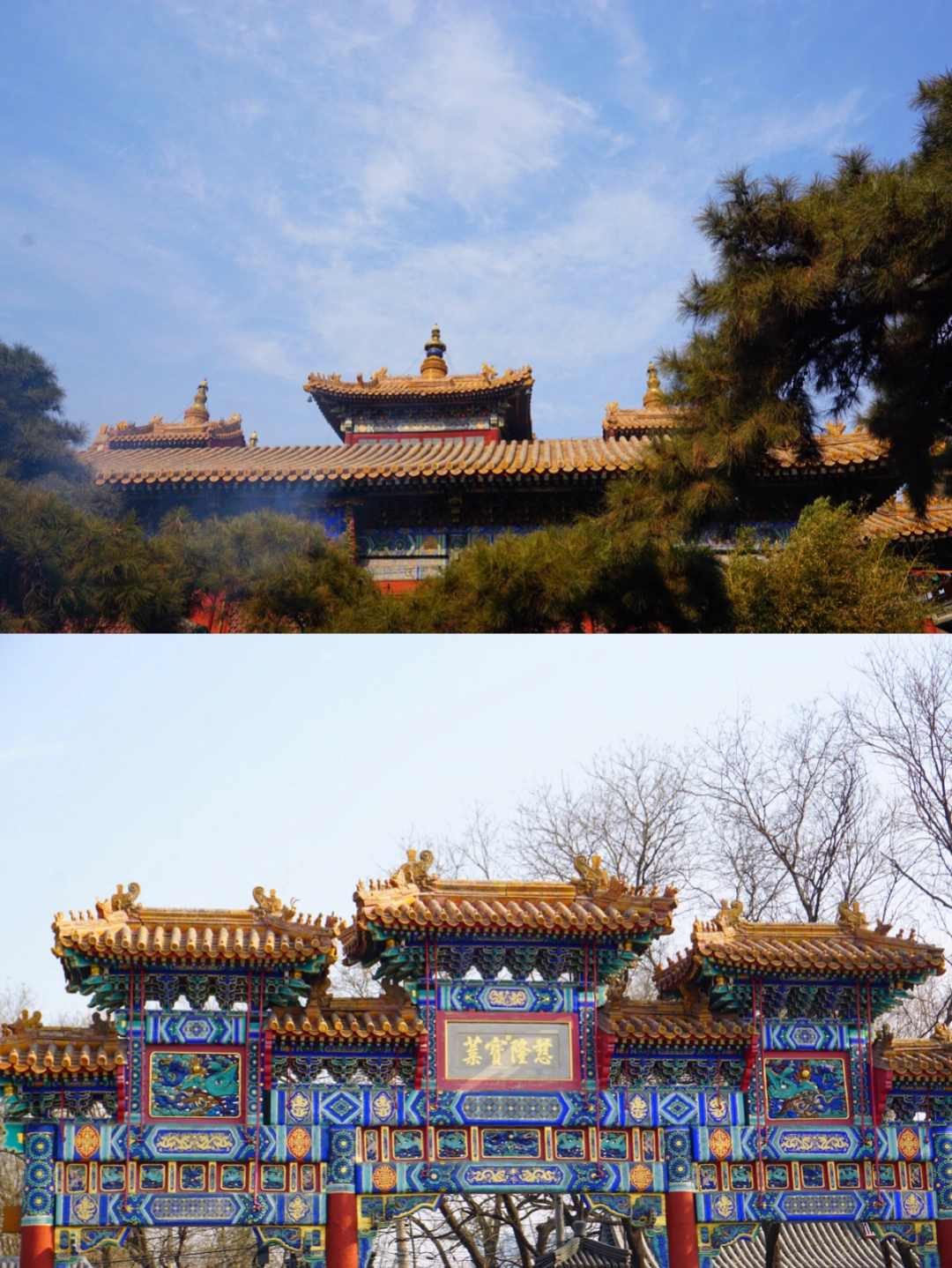
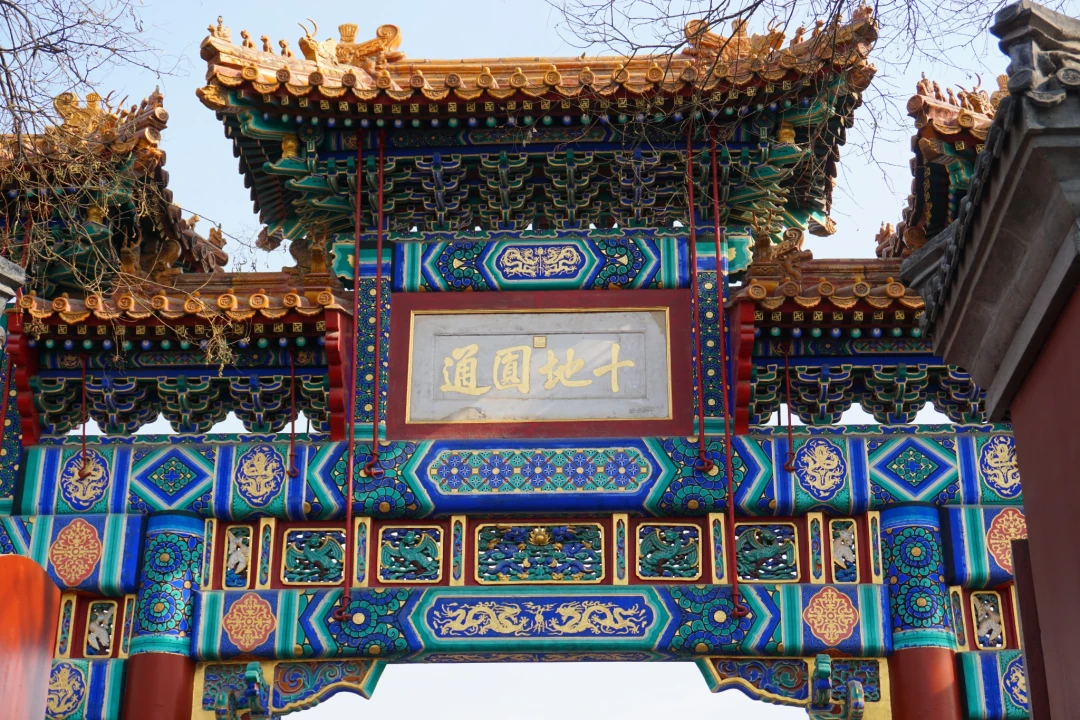
Yonghe Temple (雍和宫) isn't just a tourist attraction—it's a living piece of history. Originally the residence of Emperor Yongzheng and birthplace of Emperor Qianlong, it was later converted into a Tibetan Buddhist lamasery. Even if you're not into burning incense or praying for exam success, the Beijing winter sky here is unforgettable. Against the red walls and golden tiles, the azure sky creates movie-worthy snapshots.
Pro tip: They give you a free stick of incense at the entrance. Don't miss the chance to explore the temple's intricate architecture and peaceful courtyards—a perfect escape from the biting wind.
Confucius Temple and the Imperial College: A Pilgrimage for Overachievers
These two attractions share a combined ticket—one purchase gets you into both. Parents drag their kids here to "soak up the academic atmosphere," but the real charm lies in the frozen ponds and ancient trees. The Confucius Temple Beijing is a serene oasis in the heart of the city, while the Imperial College (国子监) offers a glimpse into China's imperial education system.
Keyword tip: Search "Confucius Temple and Imperial College combo ticket" for the best deal.
Wudaoying Hutong: Getting Lost in the Festive Spirit
Wudaoying Hutong (五道营胡同) is a commercial strip, but venture into the nameless alleyways to experience the real Beijing New Year vibe: red lanterns, couplets on doorways, and the occasional crackle of firecrackers. It's the perfect spot for Beijing winter photography—old buildings tucked away in corners, frozen in time.
Ditan Park: An Unexpected Treat at the Temple Fair
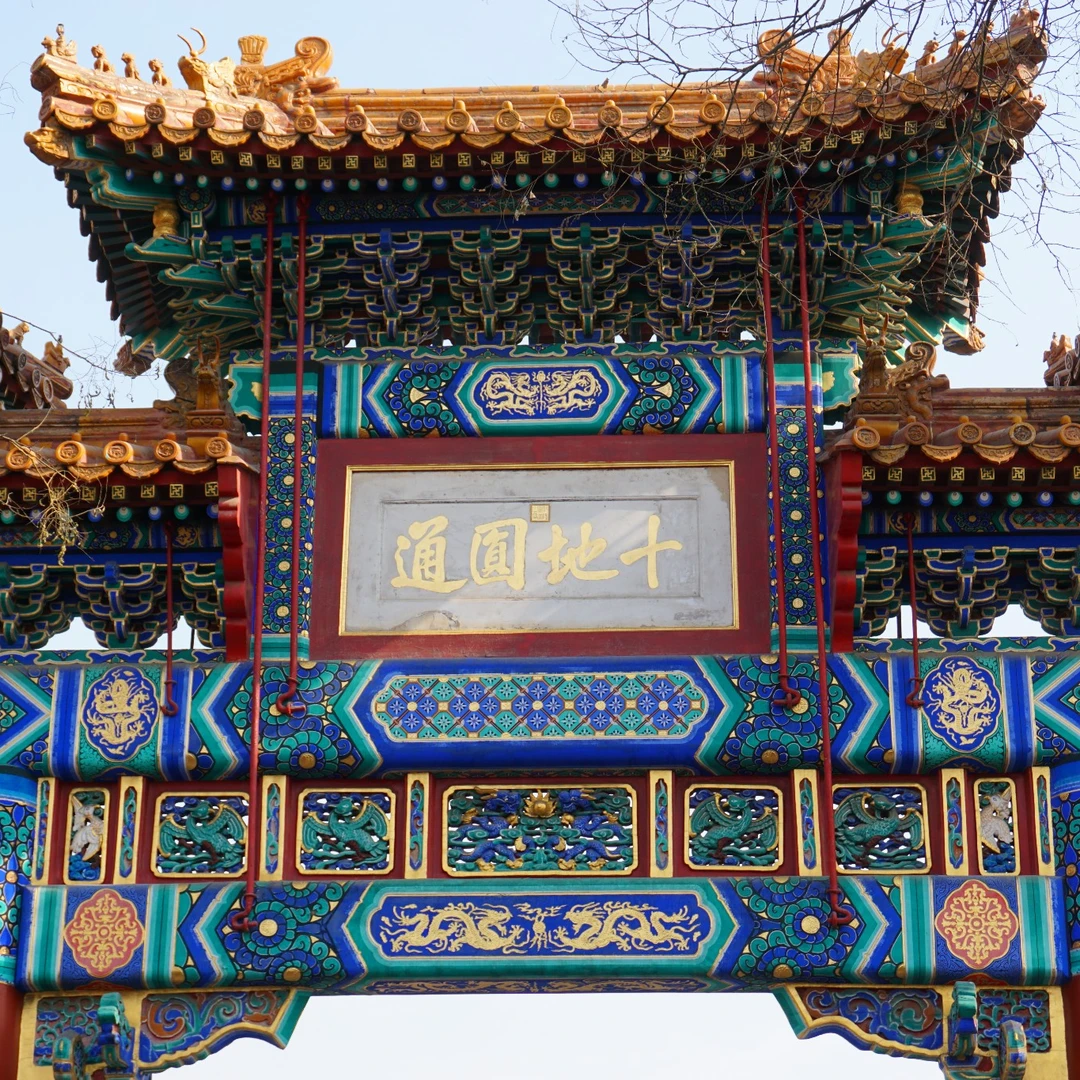
Ditan Park Temple Fair: A Winter Wonderland
On a normal day, entry to Ditan Park (地坛公园) costs just two yuan, but during the Spring Festival temple fair, it jumps to ten. We showed up too late on the first day and found the gates already closed, so we made a special trip back. The fair itself isn't extraordinary—just extra red lanterns, fake flowering trees, and display panels showing Beijing's transformation. But Ditan Park is enormous, and I can only imagine how stunning it would be in autumn when the ginkgo leaves turn gold.
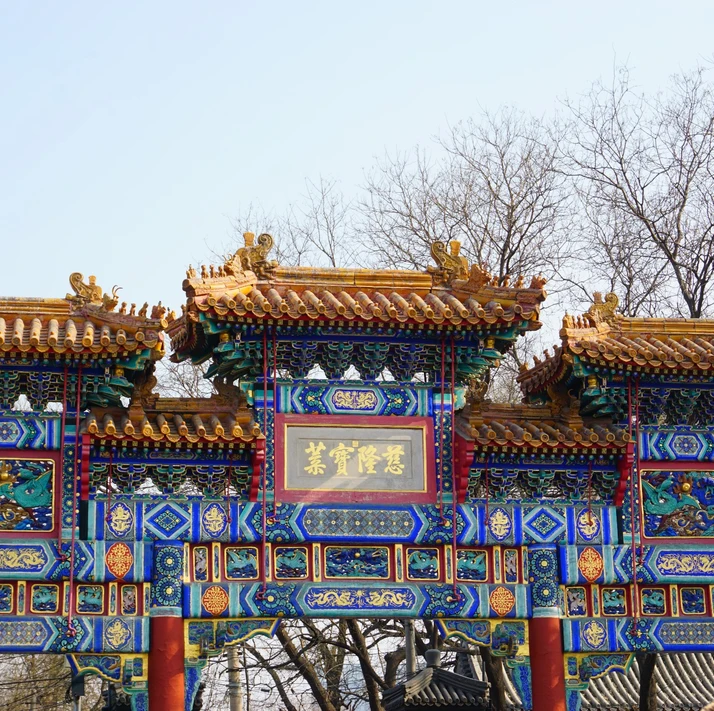
Photo tip: That red wall is Instagram gold—fake flowers or not.
[Link: Best parks in Beijing for winter photography]
The Bird's Nest and the Water Cube: Checking the Boxes
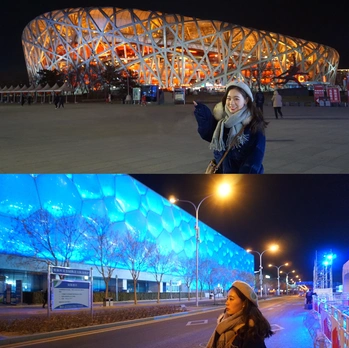
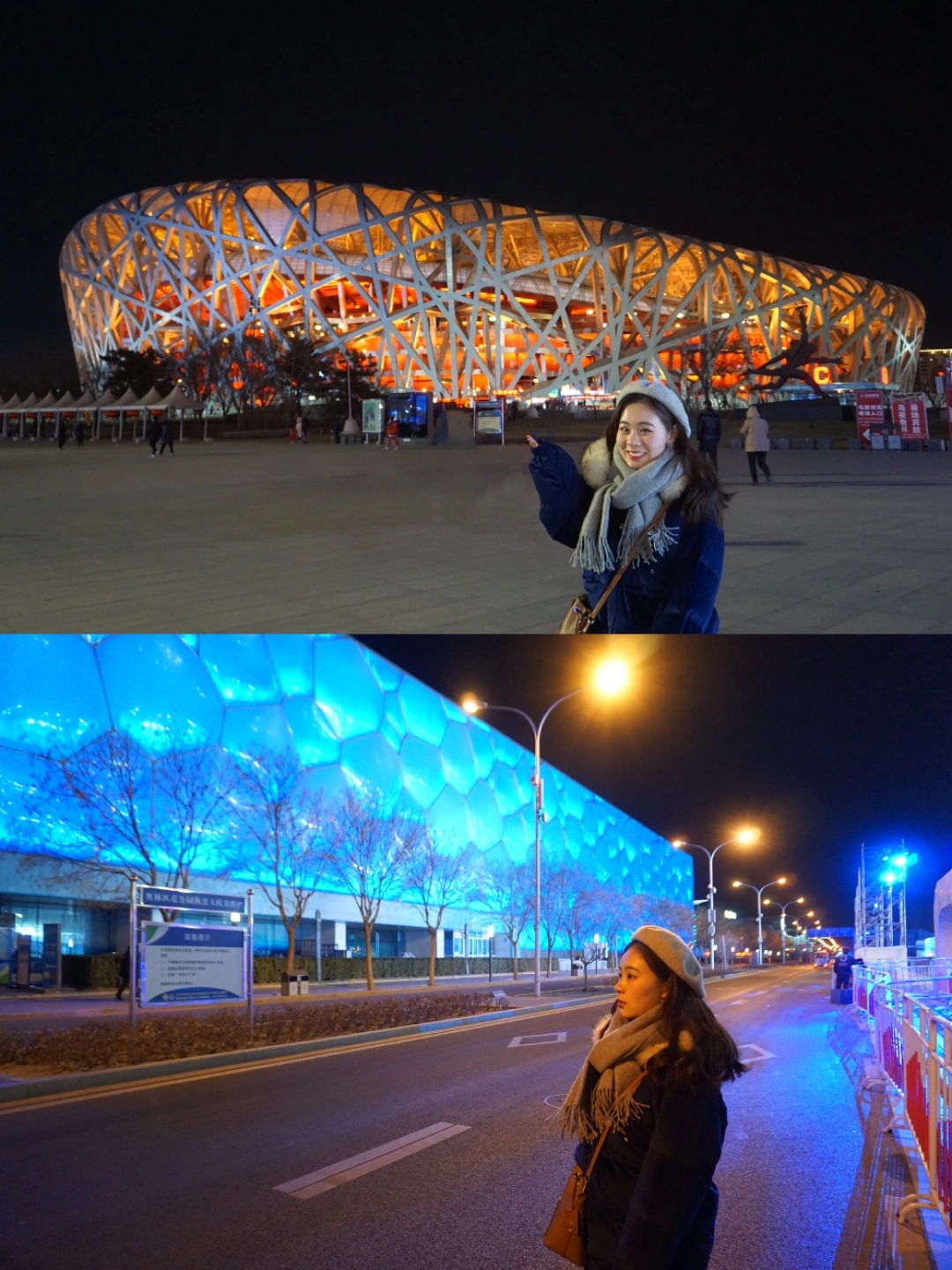
These two Beijing Olympic venues are purely for the sake of saying you've been there. I didn't even feel the urge to go inside—just snapped a picture from outside and moved on. But honestly, if you're in Beijing and skip them, doesn't it feel like something's missing? The Water Cube (水立方) even changes color, looking like some kind of dreamy giant neon sign. Coming out of the subway station, you can also spot the IBM building, whose curved architecture is pretty distinctive.
Keyword tip: "Bird's Nest and Water Cube photo spots" for the best angles.
The Temple of Heaven: Royal Sacrifices on a Grand Scale
Temple of Heaven Ticket Tips
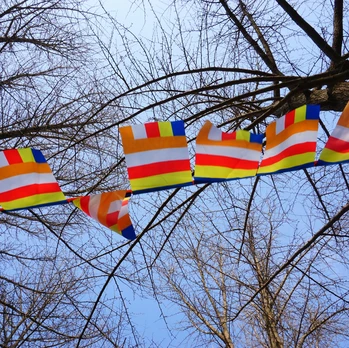
Since I'd already been to Ditan, how could I skip the Temple of Heaven (天坛)? It's huge—well, what attraction in Beijing isn't? Even check-the-box spots like the Bird's Nest and Water Cube are absurdly massive. I was absolutely exhausted walking around the Temple of Heaven because there were just too many people.
The Temple of Heaven was where emperors performed sacrificial rites. It has a "divine kitchen" and areas for processing the offerings. Definitely buy the combo ticket—the main attractions like the Hall of Prayer for Good Harvests (祈年殿) and the Echo Wall (回音壁) require separate admission otherwise. The combo ticket is only 28 yuan—a real bargain.
Dragon-Claw Trees and Winter Charm
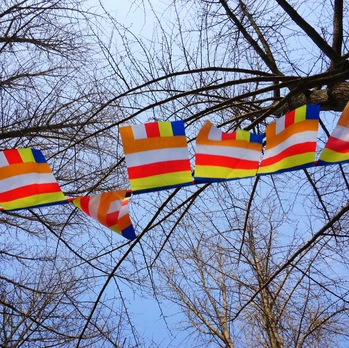
The weather wasn't great that day—the sky wasn't blue, the crowds were thick, and my photos came out terrible. But those dragon-claw trees (龙爪树) were once only planted by wealthy families, and the patterns on them were exquisitely detailed. A reminder that even on a gray day, Beijing's winter beauty shines through.
[Link: Temple of Heaven guided tours]
Tiananmen Square: A "Terrifying" Experience at -50°C Wind Chill
Surviving the Wind Chill and Static Shocks
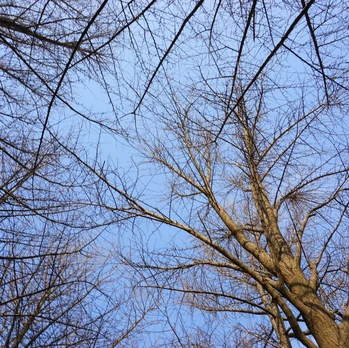
The actual temperature was 0°C, but the wind chill made it feel like -50°C—that's the kind of "terror" Tiananmen Square served up. We queued up to swipe our IDs for entry, and from the subway station onward, it was a sea of people. We wound around in circles just to get in, and I regretted stepping out of the subway the moment I did, but there were people packed in behind me—no turning back.
Static electricity tip: Every time I touched my travel buddy, zap! My hair stood on end from rubbing against my coat, and even pushing through the subway turnstiles gave me a shock. By the end of the day, I'd been zapped at least a hundred times. Wear natural fibers and use anti-static spray if possible.
Respect for the Guards
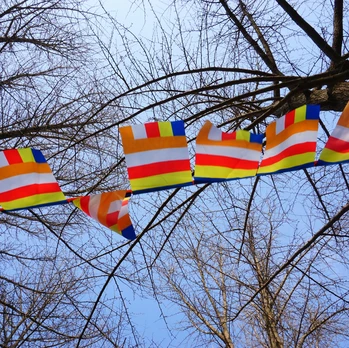
I'd originally planned to pay my respects at Chairman Mao's mausoleum and visit the National Museum, but if I'd stayed any longer, I might have frozen solid. I'll just have to come back in spring. Still, those PLA soldiers standing guard out there—they really deserve respect. Standing firm in that bone-chilling cold, saluting like it's nothing.
[Link: Tiananmen Square visiting hours and tips]
Qianhai and Houhai: My Favorite Part of the Trip
Houhai Sunset and Ice Skating
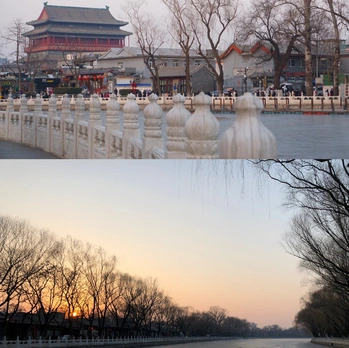
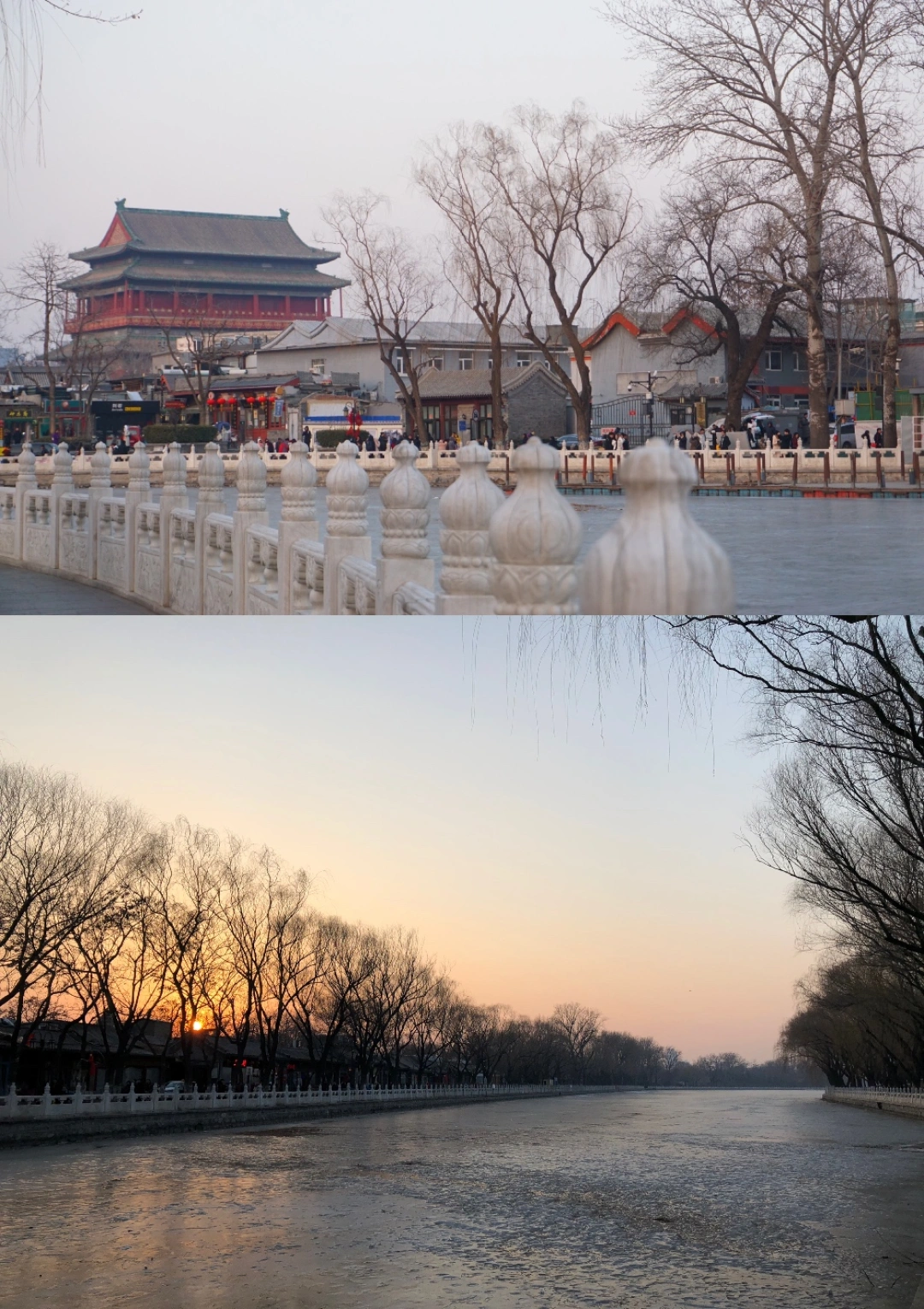
We walked from Nanluoguxiang (南锣鼓巷) all the way to Gulou Street (鼓楼大街), then cut through Yandai Xiejie (烟袋斜街) into the Houhai (后海) area. We were hoping to find the Shichahai ice-skating rink, but it had already been closed because the ice wasn't thick enough and someone had fallen through. So we started walking along Houhai's bar street, circled around Qianhai (前海), and unexpectedly caught a stunning sunset over the ice.
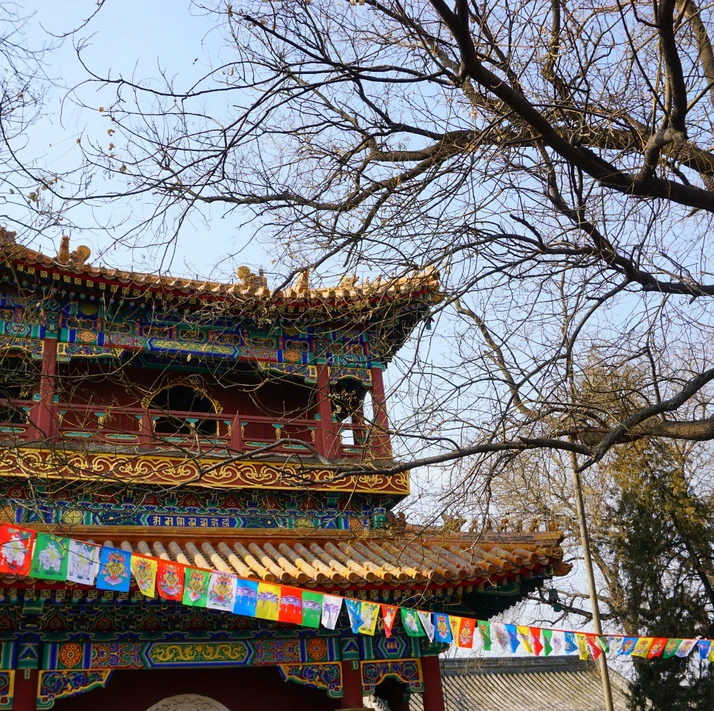
Photo tip: The Lotus Market (荷花市场) is covered in lotus flowers during summer—I'd love to come back and see that. And those kites were really something special: not the usual single-string setup, but a whole bunch of little kites strung along one line. I have no idea how they got them up there.
[Link: Best sunset spots in Beijing]
Wandering Through the Streets and Alleys: From Wangfujing to Xidan
We hit up Wangfujing (王府井), Yandai Xiejie, Nanluoguxiang, Dashilan (大栅栏), and Xidan (西单). Wangfujing felt a lot like Nanjing Road in Shanghai—same layout, same crowds packed shoulder to shoulder. Both sides are lined with shopping malls, and there's a snack street.
Shopping tip: Yandai Xiejie and Nanluoguxiang have a similar vibe—old-style architecture on the outside, but inside it's all the same snack shops, souvenir stores, and bubble tea joints. Perfect for a casual winter stroll.
[Link: Beijing shopping streets guide]
FAQ: Winter in Beijing
1. What is the best time to visit Beijing in winter?
 December to February offers the coldest temperatures but also the clearest skies. January is the coldest month, with average lows around -8°C (17°F). If you want to avoid extreme cold, visit in late February when temperatures start rising.
2. How should I dress for winter in Beijing?
 Layer up! Thermal underwear, a fleece or wool sweater, a windproof jacket, gloves, a hat, and a scarf are essential. Don't forget anti-static spray—static shocks are common in dry winter air.
3. Are Beijing's attractions open in winter?
 Most attractions remain open, but hours may be shorter. The Shichahai ice-skating rink typically closes in early February if the ice isn't thick enough. Check individual websites for updates.
4. Is it safe to visit Beijing in winter?
 Absolutely. Beijing is a safe city for tourists. Just be cautious of the cold—wind chill can make temperatures feel much lower. Stay hydrated and take breaks indoors.
5. What are the must-see winter attractions in Beijing?
Top picks include the Temple of Heaven, Yonghe Temple, Ditan Park temple fair (if visiting during Spring Festival), Houhai for sunset views, and Tiananmen Square for a truly memorable (and freezing) experience.
Conclusion: Embrace the Chaos of Winter in Beijing
Winter in Beijing is a romantic tussle—with freezing winds, static shocks, and unexpected discoveries. From the serene courtyards of Yonghe Temple to the breathtaking sunset over Houhai, every moment is a story waiting to be told. Yes, the cold is brutal. Yes, the static shocks are relentless. But the memories? They'll last a lifetime.
Ready to plan your Beijing winter adventure? Book your trip today and embrace the chaos. Don't forget to pack layers, anti-static spray, and a sense of humor. Beijing is waiting—freezing winds and all.
[Link: Book your Beijing winter tour now] [Link: Best winter travel insurance for China]
You should also read:
A Passionate Journey Through Beijing & Tianjin: Beijing Complete Guide – JOJO's In-Depth Travel Notes
Meta Description: Explore Beijing & Tianjin in 5 days with this complete travel guide. From the Forbidden City to the Great Wall, discover insider tips, transportation hacks, and must-see attractions. Plan your perfect China trip today. Beijing is not just a city—it's a living museum…
Continue reading...
The Accent of Beijing: A Hutong Odyssey in a Downpour – Exploring Beijing's Hidden Charms
Meta Description: Discover Beijing's soul through a rain-soaked hutong odyssey. From Shichahai's melancholy to Mianhua Hutong's philosophy, experience the authentic "accent of Beijing" in this immersive travel story. I'm probably going to laze myself to death. I visited Beijing eight hundred years ago—took the high-speed…
Continue reading...
A Solo Journey Through Beijing: One Girl's Seven-Day Adventure
Here is the SEO-optimized, rewritten article based on your source material. It is structured for high readability, keyword density, and user engagement, targeting approximately 1500 words. SEO Title: Solo Travel in Beijing: One Girl’s 7-Day Budget Adventure (2,000 Yuan Itinerary) Meta Description: Discover the ultimate…
Continue reading...