Winter in Beijing: An Absolutely Unforgettable Snowy Spectacle – Your Ultimate Travel Guide
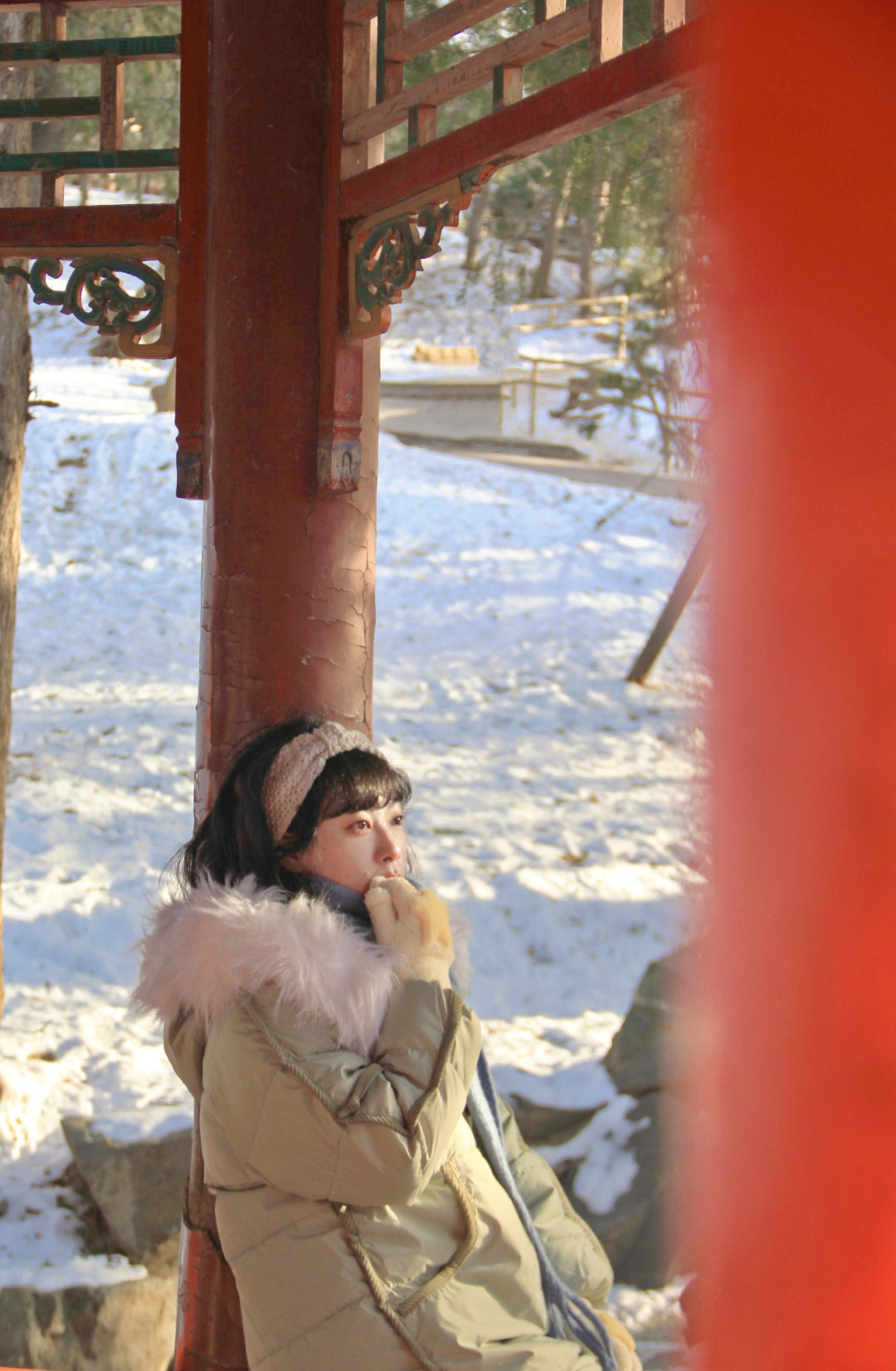
Meta Description: Discover Beijing's magical winter transformation. From Forbidden City snowscapes to the Summer Palace's "Golden Light Piercing the Bridge," this 1500-word guide covers top attractions, photography tips, and hidden gems for an unforgettable snowy adventure.
Introduction: When the Forbidden City Dons Its Silver Coat
Every winter, Beijing keeps its promise of snow. When the first flake drifts silently down, this ancient city begins its most enchanting transformation of the year. Crimson walls and golden tiles intertwine with pure white snow; history and modernity converse in the biting wind—just imagining this scene is enough to stir the soul.
This year, Beijing was blessed with another magnificent snowfall. Watching the swirling flakes outside my window, a voice inside me cried out: If you don't go now, you'll only regret it later! So I grabbed my camera and set off on this winter journey through the capital.
[Link: Best time to visit Beijing in winter]
Why Winter in Beijing Is a Must-See Spectacle
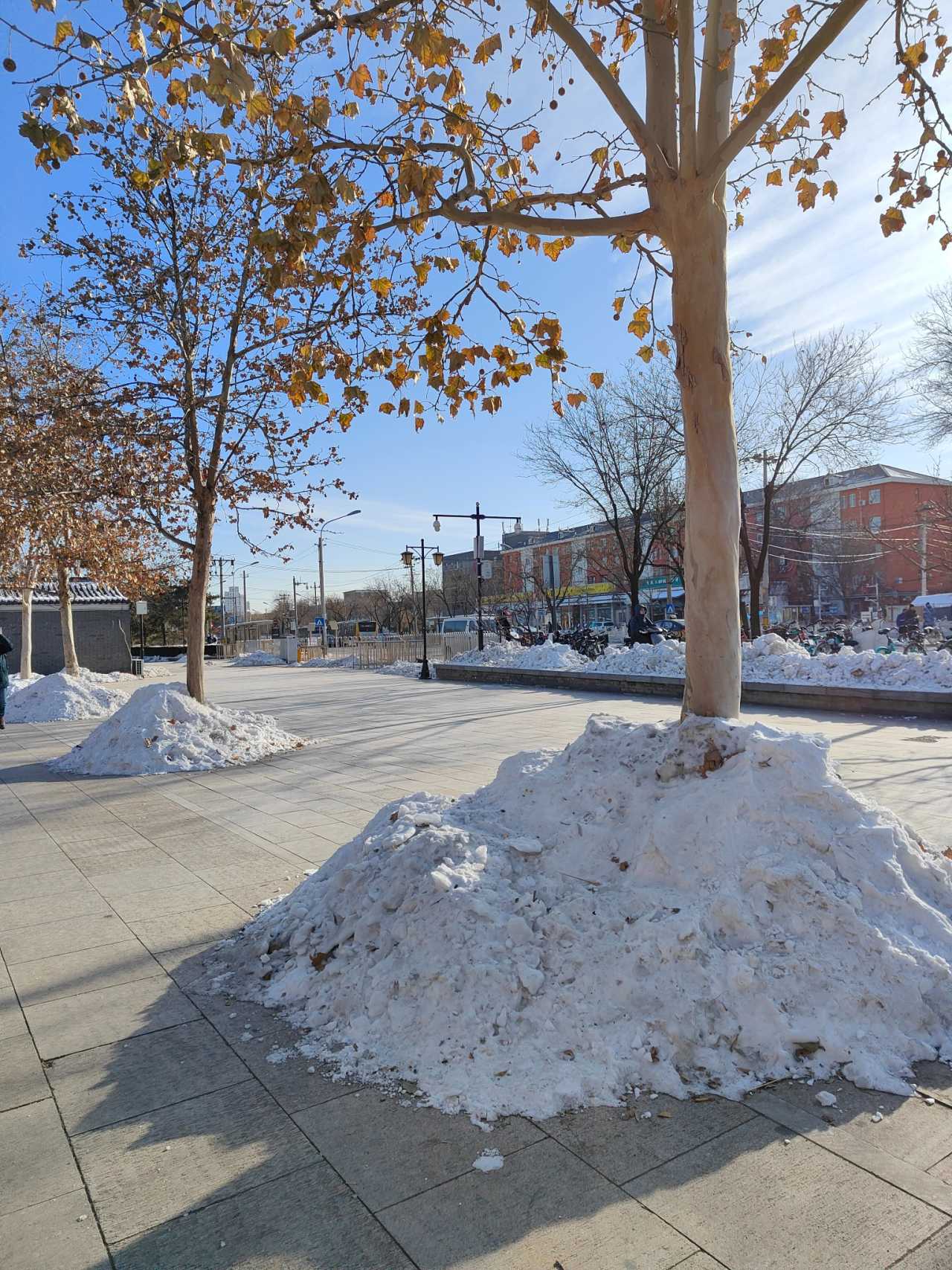
Winter in Beijing offers a unique blend of cultural heritage and natural beauty. The city's iconic landmarks—the Forbidden City, Great Wall, Temple of Heaven, and Summer Palace—take on a serene, almost ethereal quality under a blanket of snow. Fewer tourists mean quieter paths, better photo opportunities, and a deeper connection with history.
Top Winter Attractions in Beijing
| Attraction | Highlights | Best Time to Visit |
|---|---|---|
| Forbidden City | Snow-covered golden roofs, crimson walls | Early morning after snowfall |
| Summer Palace | Kunming Lake ice, "Golden Light Piercing the Bridge" | Late afternoon, Winter Solstice |
| Yuanmingyuan | Ruins, Huanghua Zhen maze, scenic lakes | Midday for softer light |
| Great Wall (Mutianyu) | Snow-dusted watchtowers, fewer crowds | Weekdays, after snowfall |
Yuanmingyuan (Old Summer Palace): Half Breathtaking Beauty, Half Sigh of Regret
A Snowy Stroll from the South Gate
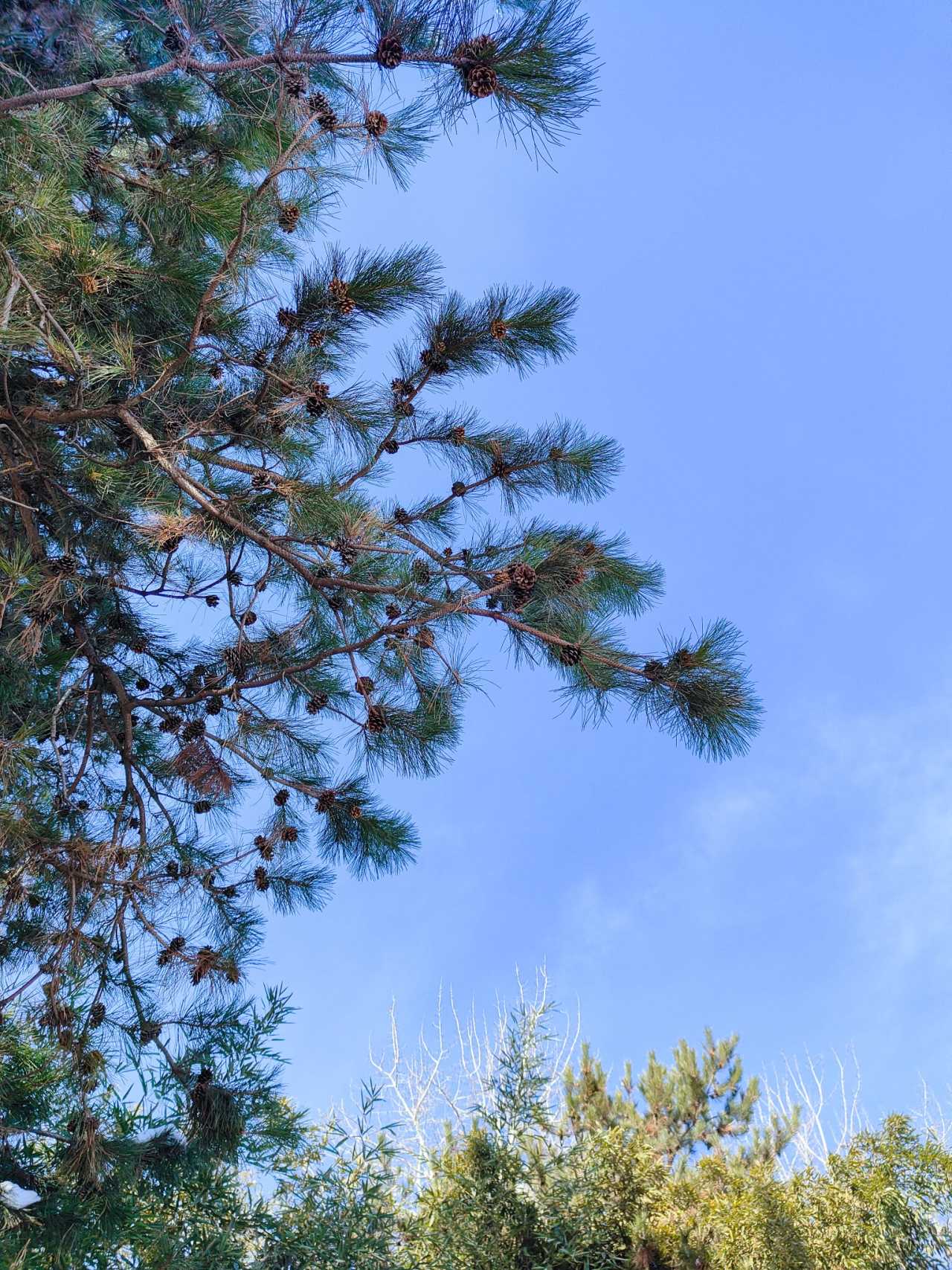
Metro Line 4 takes you directly to the South Gate of Yuanmingyuan—super convenient. If you're planning to visit both Yuanmingyuan and the Summer Palace in one day like I did, I recommend starting with Yuanmingyuan. The sunset views at the Summer Palace deserve to be savored last.
Stepping into the park, the world seemed to hit the mute button. The winter snow lay pristine and untouched, so peaceful you almost felt guilty for disturbing it. But the silence was broken by light footsteps—a plump little bird leaving tiny tracks across the snow. It shivered slightly in the cold wind, yet maintained an elegant poise, occasionally pecking at the ground, then lifting its head to look around with curious, sparkling eyes.
The lake had been frozen into a massive mirror by the low temperatures. A worker stood on the ice, gently sweeping fallen leaves. There were hardly any other visitors—just me and my companion. There was something inexplicably moving about this scene, and I pressed the shutter without hesitation.
The Former Glory of an Imperial Garden
In its heyday, Yuanmingyuan was famed worldwide for its grand scale, exquisite design, and rich cultural heritage. Gilded palaces, winding corridors, jagged rockeries, and shimmering lakes—every detail embodied the painstaking craftsmanship of its creators.
Today, only a small section of the lake remains, but it was enough to stop me in my tracks. Winter willows stood silently by the water's edge, having shed their spring and summer greenery, yet displaying a unique grace in the cold wind. Their branches brushed against the ice, occasionally making a faint cracking sound—the most beautiful melody of winter.
Walking through such scenery, gazing at the lake's surface with its subtle gradient of colors, a warmth welled up in my heart. I finally understood why Qing Dynasty emperors regarded this place as a paradise away from the clamor of the Forbidden City. From late spring to early autumn, they would compose poetry, paint, and stroll along the corridors here, enjoying nature's beauty and a life of tranquility.
Scars of History and Reflections of Today
However, the catastrophe of 1860 brought devastating destruction to this garden. The Anglo-French forces looted its treasures and set fire to most of its buildings. The former splendor was reduced to crumbling walls and broken pillars, telling a tale of historical tragedy.
Today's Yuanmingyuan, though no longer what it once was, still possesses a unique charm. Within the ruins park, the remaining structures and sculptures still convey the dignity and refinement of an imperial garden. Half breathtaking beauty, half sigh of regret—this contrast invites deep reflection on history.
Practical Tips: - You must buy a ticket for the Xiyang Lou (Western Mansions) area—that's where the real highlights are - The genuine Horse Head bronze sculpture is displayed at Zhengjue Temple, near the South Gate - Recommended route: South Gate → Zhengjue Temple → Qichun Garden → Xiyang Lou Ruins → Panoramic Sand Table → East Gate exit (about 3 hours) - The park is several times larger than the Forbidden City—buy a ticket for the electric cart, or you'll be exhausted
The Must-Try Maze: Huanghua Zhen (Yellow Flower Array)
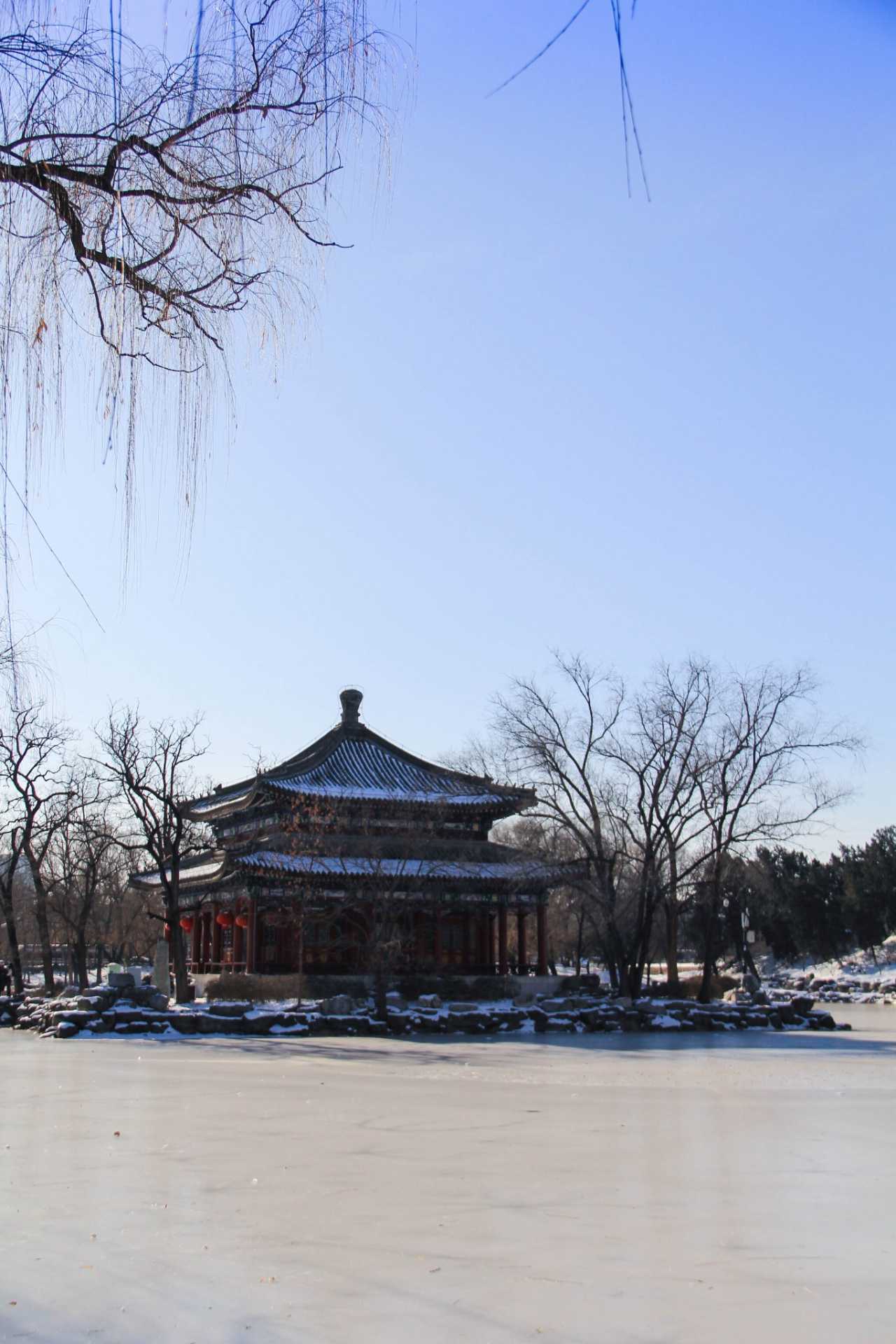
You absolutely have to experience the Huanghua Zhen maze—it's so much fun! This labyrinth combines French garden design with over 3,000 years of Chinese gardening tradition. Legend has it that on Mid-Autumn Festival nights, palace maids would hold yellow silk lanterns on their heads and race toward the stone pavilion at the center; whoever arrived first would receive a reward from the emperor. My companion and I tried several times before we finally found our way through. We laughed at ourselves: in ancient times, we'd probably be the maids who never got a reward.
[Link: Top 10 things to do in Beijing in winter]
Summer Palace: Walking Inside a Painting, Living Within a Landscape
From Suzhou Street to "Painting in the Landscape"

From Yuanmingyuan to the Summer Palace, it's less than 10 minutes by bus or taxi. You can also take Metro Line 4 to Beigongmen (North Palace Gate). In winter, I recommend entering through Beigongmen and exiting through Donggongmen (East Palace Gate).
Upon entering Beigongmen, the first thing you see is Suzhou Street. When Emperor Qianlong toured Jiangnan (the region south of the Yangtze River), he fell in love with the charm of its water towns. Suzhou Street was his recreation of that watery romance. This canal-side street includes a dye house, an oil workshop, a money exchange, a pastry shop, and more, evoking the lively market scenes of ancient times. Admission is 10 RMB—just take a look from the bridge, it's enough.
Follow the crowd and you'll come across a lovely little pavilion. I don't know if it has a story behind it, but since nobody was around, I climbed up and took a couple of photos.
"Painting in the Landscape": A Photographer's Paradise
The "Painting in the Landscape" (Huazhong You) scenic area is located on the western part of Wanshou Mountain (Longevity Hill). It includes several buildings: Huazhong You, Chenghui Pavilion, Jieqiu Tower, Aishan Tower, and Hushanzhenyi. The terrain here is quite steep, with each structure built to follow the natural contours of the hill—a truly distinctive architectural ensemble.
Honestly, I don't think you need to research camera angles beforehand. There are so many young women dressed as ancient court ladies, princesses, and empresses here that you can just look where the photographers are pointing and copy them. Besides the pavilions up front, the long corridor at the top level is also a great spot—fewer tourists, allowing you to quietly enjoy the entire "Painting in the Landscape" vista.
The golden glazed tiles, red-and-green beams, snow-covered rockeries, and the setting sun casting its glow on the white snow—this collision of colors is so beautiful it leaves you speechless. From here, you can also overlook the entire Kunming Lake. The lake surface is covered with thin ice, and the pavilions and towers along its banks are blanketed in snow, like a classical Chinese landscape painting come to life.
The Winter Solstice Spectacle: Golden Light Piercing the Bridge
The Summer Palace at dusk on the Winter Solstice—I can only describe it as "absolutely stunning." It's breathtaking from every angle, a true photographer's paradise.
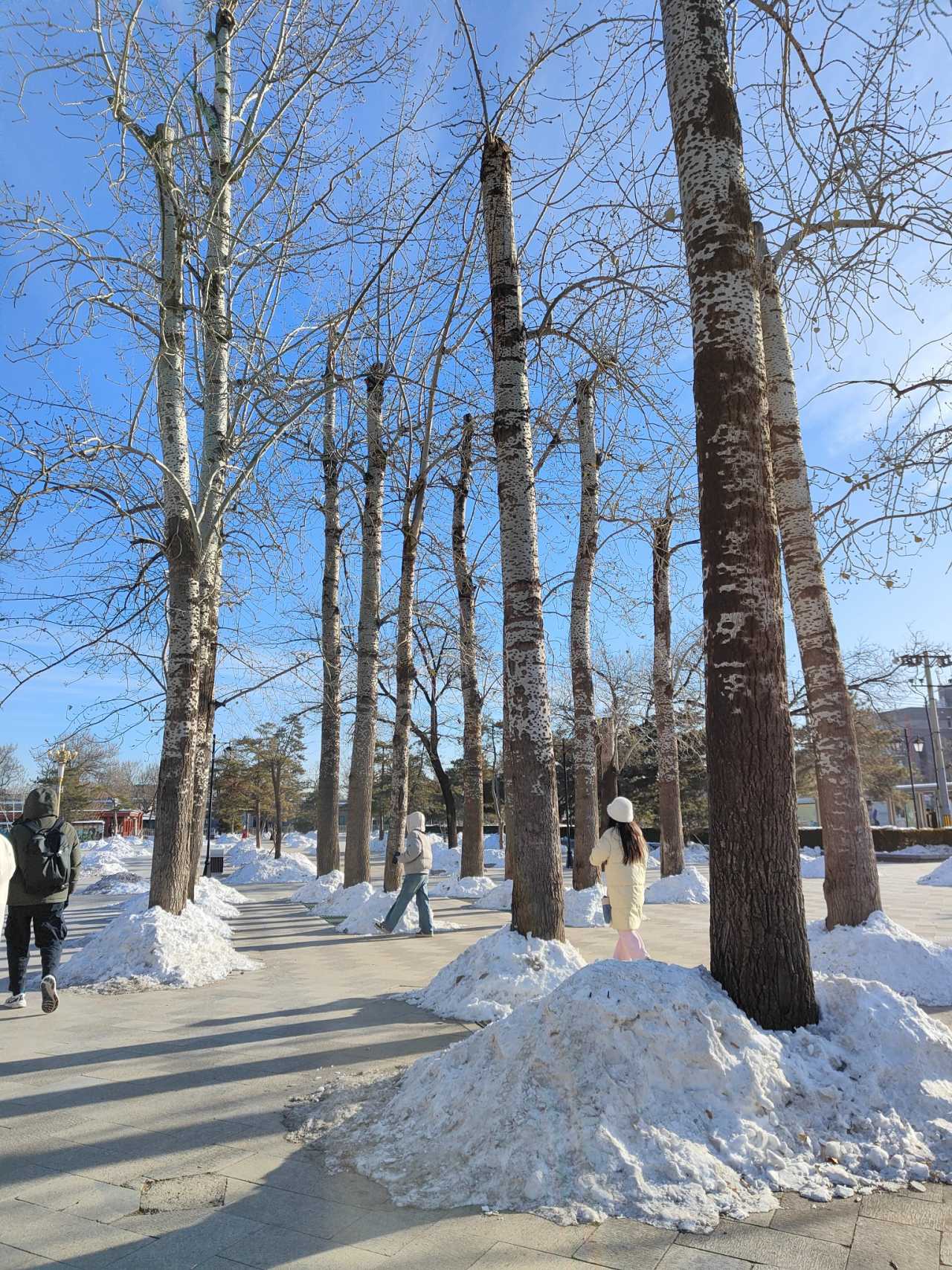
"Golden Light Piercing the Bridge" (Jinguang Chuandong) is a natural phenomenon that occurs around the Winter Solstice each year. The setting sun's rays strike the side walls of the Seventeen-Arch Bridge's arches, creating a golden glow that looks like seventeen lanterns rising above the lake. This spectacle is related to the Earth's rotation and axial tilt: during the Winter Solstice, the sun reaches its southernmost point, the angle of sunlight is at its minimum, and the mixture of red and orange light creates that "golden" effect.
We happened to visit on the Winter Solstice itself, but we clearly underestimated the crowds. We arrived two hours before sunset, and there was already no space left. I heard that Nanhu Island offers an even better vantage point—but that's for next time.
[Link: Photography tips for Beijing winter landscapes]
FAQ: Winter in Beijing Travel Tips
1. What is the best time to see snow in Beijing?
Snowfall in Beijing typically occurs between December and February, with January being the snowiest month. Check the weather forecast closely—snow often arrives overnight, so plan your visit for early morning to catch pristine snowscapes.
2. Is it safe to walk on frozen lakes in Beijing?
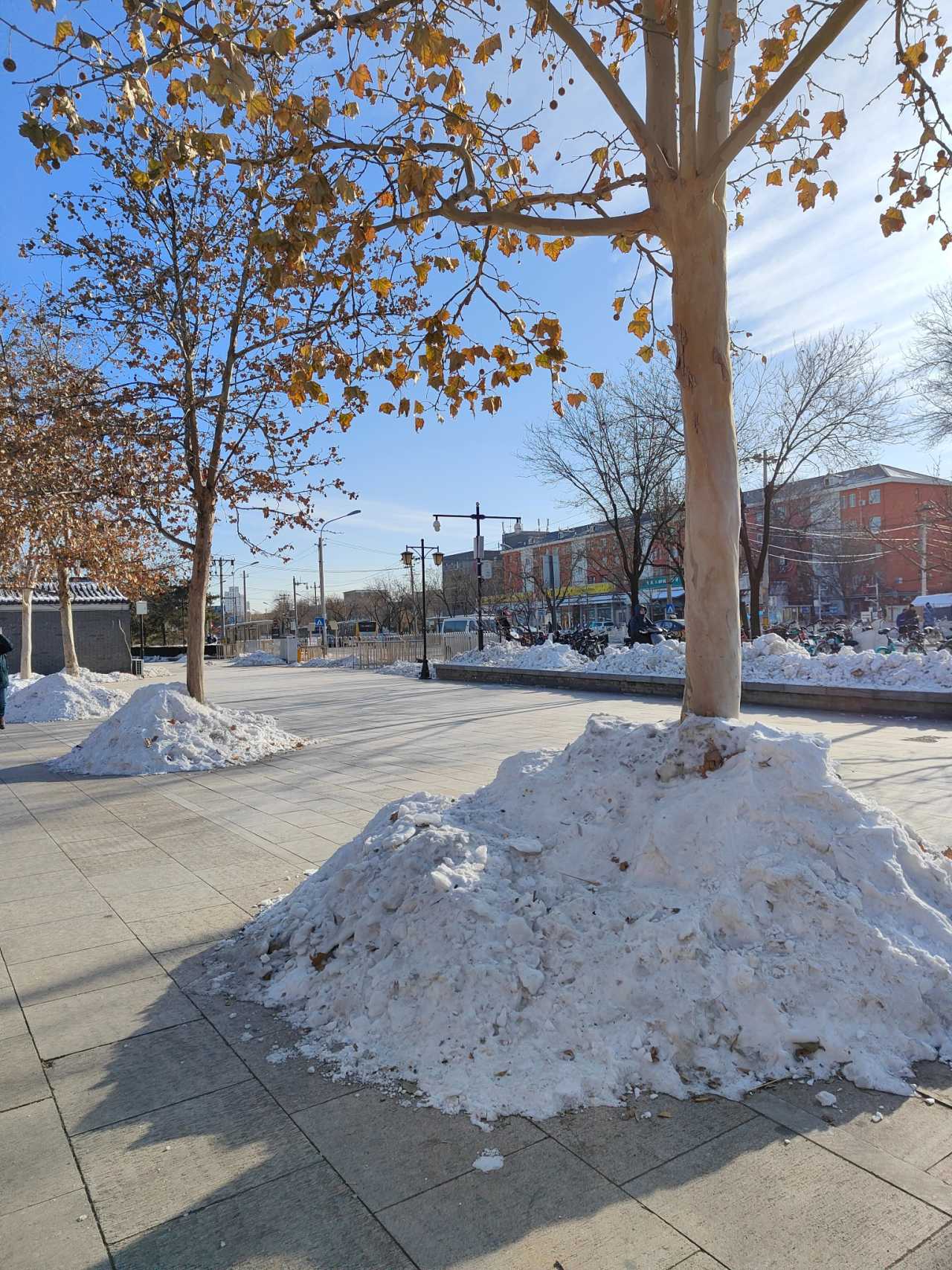
No. While Kunming Lake and other bodies of water may appear frozen, ice thickness is unpredictable. Stick to designated pathways and avoid venturing onto any frozen lake surface. The park authorities sometimes close off dangerous areas.
3. How should I dress for winter in Beijing?
Layering is essential. Wear thermal underwear, a fleece or sweater, and a windproof jacket. Don't forget a warm hat, gloves, scarf, and waterproof boots. Temperatures can drop to -10°C to -15°C (14°F to 5°F) , especially at night.
4. Are the Forbidden City and Great Wall open in winter?
Yes, both are open year-round. The Forbidden City typically operates from 8:30 AM to 4:30 PM (last entry at 3:30 PM). The Great Wall (Mutianyu section) is open from 7:30 AM to 5:30 PM. Book tickets online in advance to avoid queues.
5. What are the best winter photography spots in Beijing?
Top spots include: - Forbidden City (especially the Hall of Supreme Harmony after snowfall) - Summer Palace (Seventeen-Arch Bridge at sunset) - Yuanmingyuan (Xiyang Lou ruins with snow) - Temple of Heaven (the Hall of Prayer for Good Harvests) - Houhai Lake (frozen lake with traditional hutong backdrop)
Conclusion: Your Winter Beijing Adventure Awaits
Winter in Beijing is not just a season—it's a spectacle. From the serene snowscapes of Yuanmingyuan to the breathtaking "Golden Light Piercing the Bridge" at the Summer Palace, this city offers an unforgettable blend of history, culture, and natural beauty.
Whether you're a photographer chasing the perfect shot, a history buff exploring imperial gardens, or simply a traveler seeking a unique winter experience, Beijing delivers. The quiet paths, the fewer crowds, the crisp air filled with the scent of snow—these are memories that will stay with you long after you've returned home.
Ready to plan your trip? Book your flights, pack your warmest clothes, and prepare to witness Beijing's winter magic firsthand. Don't wait—snow season is short, and the best moments are often the ones you seize without hesitation.
Start your Beijing winter adventure today! [Link: Book your Beijing winter tour]
You should also read:
A Spontaneous Escape Through Tianjin, Beijing, and Shandong: An Unforgettable Solo Travel Adventure
Meta Description: Discover the raw beauty of a spontaneous solo journey through Tianjin, Beijing, and Shandong. From Quanjude roast duck to Tanggu night views, read this heartfelt travelogue of escape and self-discovery. The July wind carried restlessness and unease. After abruptly ending a ten-day job…
Continue reading...
A Passionate Journey Through Beijing & Tianjin: Beijing Complete Guide – JOJO's In-Depth Travel Notes
Meta Description: Explore Beijing & Tianjin in 5 days with this complete travel guide. From the Forbidden City to the Great Wall, discover insider tips, transportation hacks, and must-see attractions. Plan your perfect China trip today. Beijing is not just a city—it's a living museum…
Continue reading...
The Accent of Beijing: A Hutong Odyssey in a Downpour – Exploring Beijing's Hidden Charms
Meta Description: Discover Beijing's soul through a rain-soaked hutong odyssey. From Shichahai's melancholy to Mianhua Hutong's philosophy, experience the authentic "accent of Beijing" in this immersive travel story. I'm probably going to laze myself to death. I visited Beijing eight hundred years ago—took the high-speed…
Continue reading...