Winter Journey to the Great Wall in Beijing: Fulfilling a Father-Son Promise Two Years in the Making (Spring Festival 2025 Beijing Trip)
Meta Description: A father-son winter journey to Beijing's Great Wall fulfills a two-year promise. Experience the nostalgia of green trains, Tianjin's winter charm, and the emotional payoff of a long-awaited trip.
Introduction: The Promise That Changed Everything
Two years ago, my son made me two promises: we would see real snowfall together, and he would save his allowance to buy a Zhang clay sculpture. I thought it was a child's whim. But he held true—skipping blind boxes, saving every yuan, his eyes fixed on a winter adventure in northern China.
This winter, we traveled north. Snow, wind, and a father-son bond made good on that promise. Here's our story—a winter journey to the Great Wall in Beijing that became so much more.
Chapter One: The Green Train – A Time Capsule to the Past
January 17 – Why We Chose an Overnight Train for Our Beijing Winter Trip
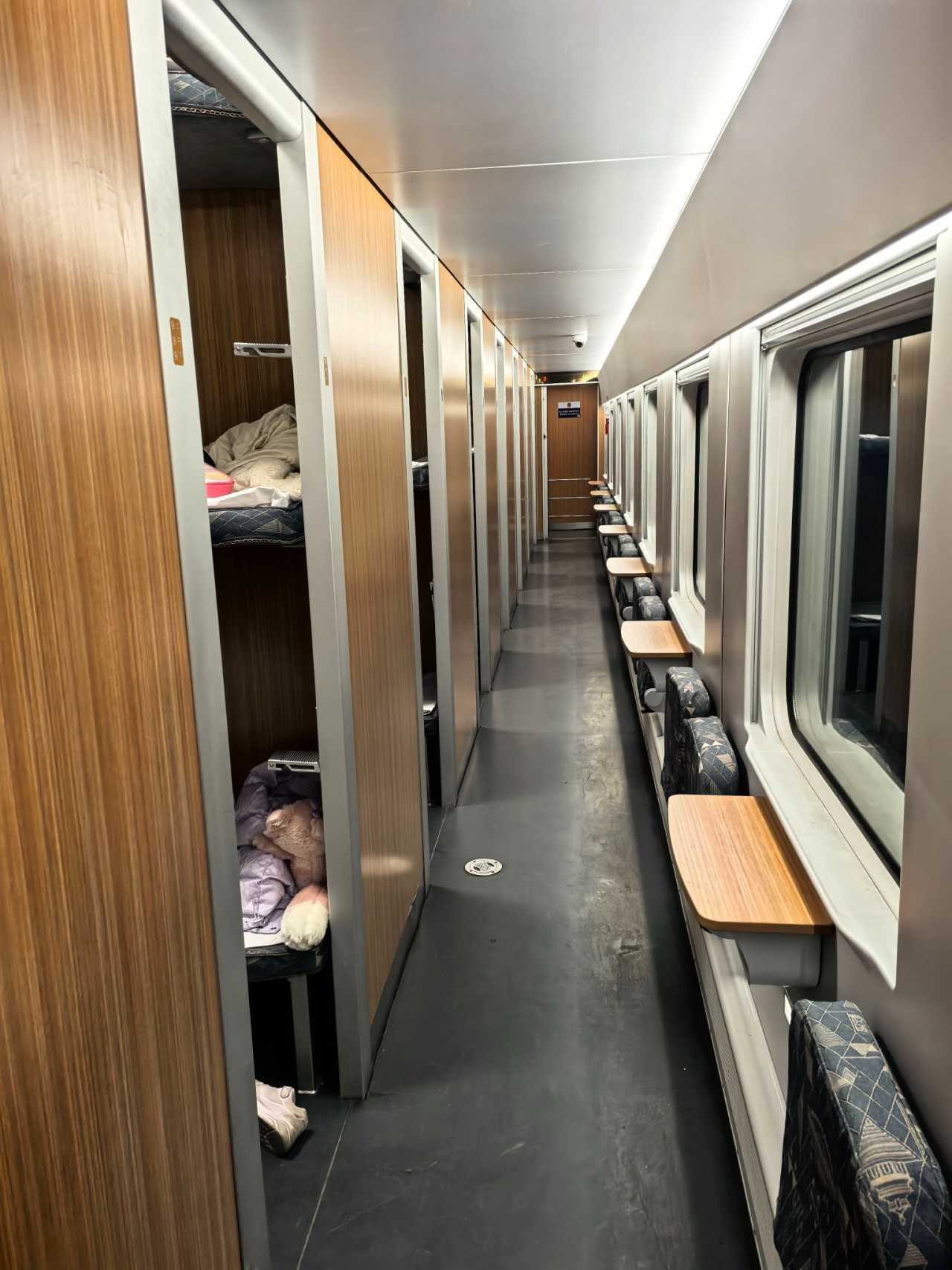
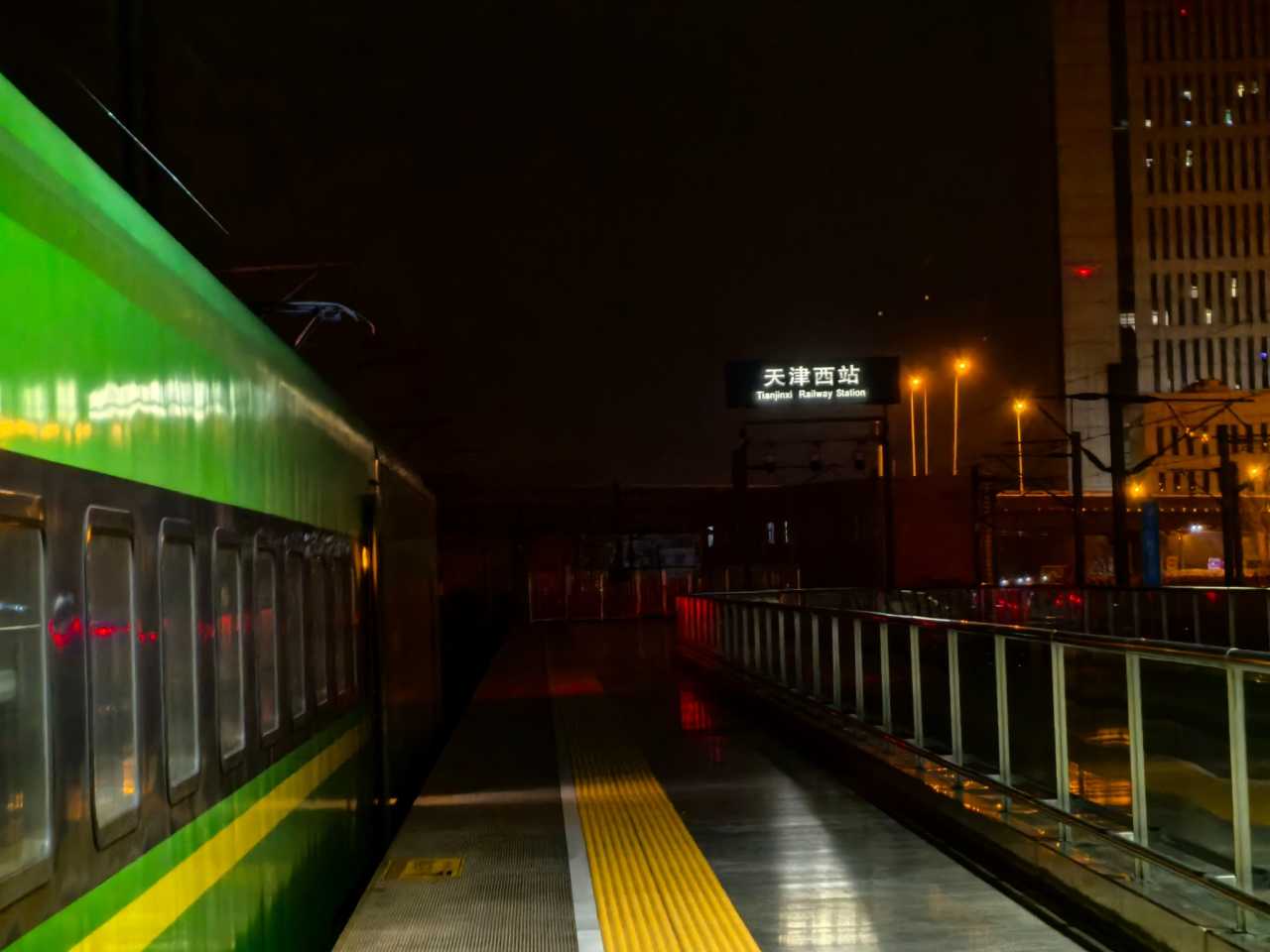
Before the Spring Festival rush, I shipped my car to Tianjin. For the journey itself, we deliberately chose an overnight D-series green train—departing at dusk, arriving at dawn. For my son, raised on high-speed rail, the green train was alien. For me, it was a portal to memory.
I remember green trains as slow, window-open, no-air-conditioning relics. Summer trips from Xi'an to Chongqing meant sweating through sleeveless nights, laughing with friends. That shade of green—frog-green, we called it—was the color of youth.
Today's green trains are transformed: clean, quiet, comfortable. Hard sleeper compartments feel almost luxurious. Yet that familiar hue still triggers deep nostalgia.
The instant noodle ritual: I never eat them at home. But on a train? Essential. The steam, the simple taste, the carriage atmosphere—only then does the journey feel complete.
Chapter Two: Tianjin's Winter – Hearthside Charm and Century-Old Splendor
January 18 – Morning Market at Northwest Corner: Authentic Local Flavors

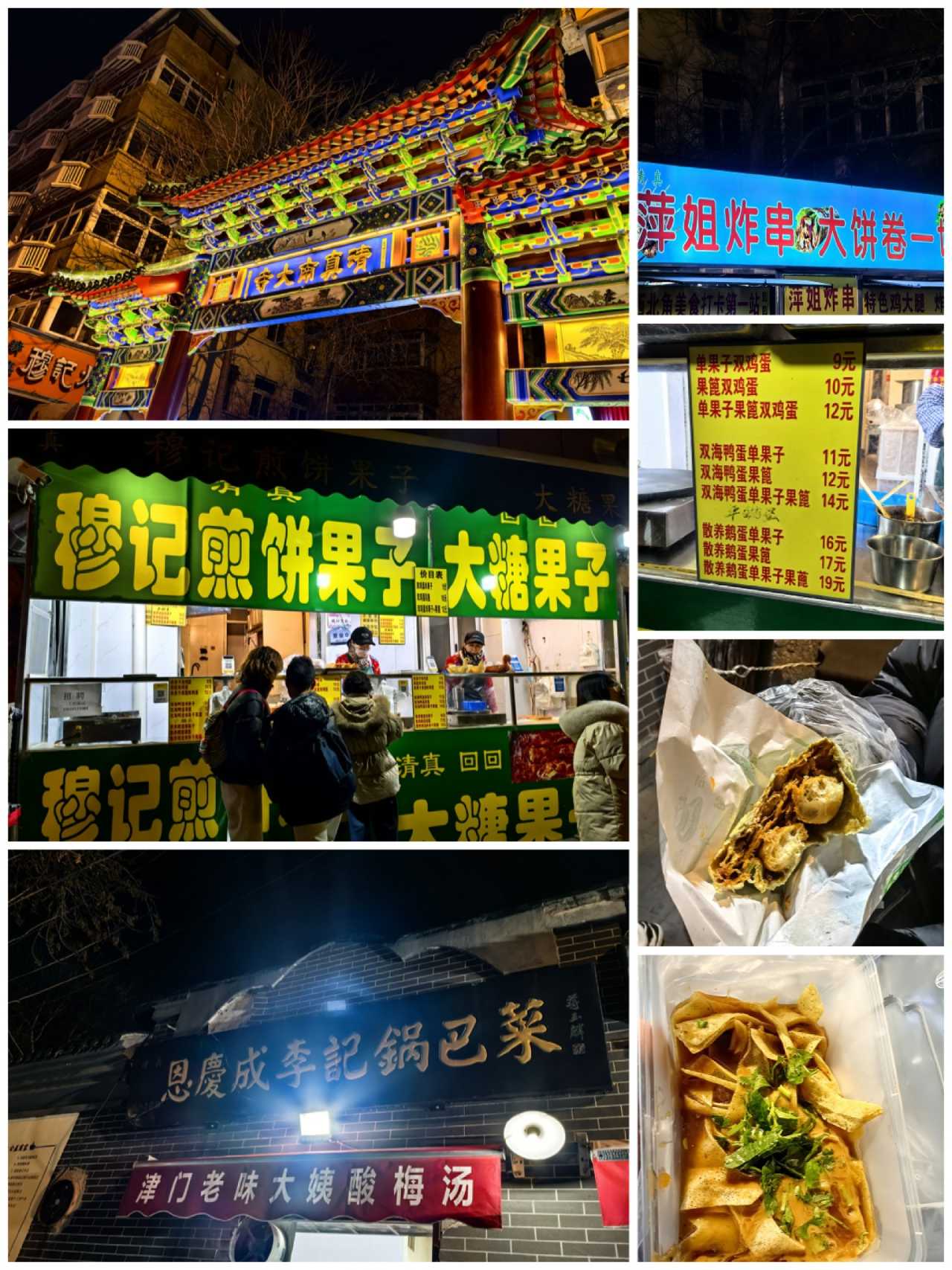
The train arrived at Tianjin West Station at 5:48 AM. Dark sky, crisp air. We took the subway to the Northwest Corner Morning Market for duck egg pancakes and pot-sticker cakes. Modest but genuine.
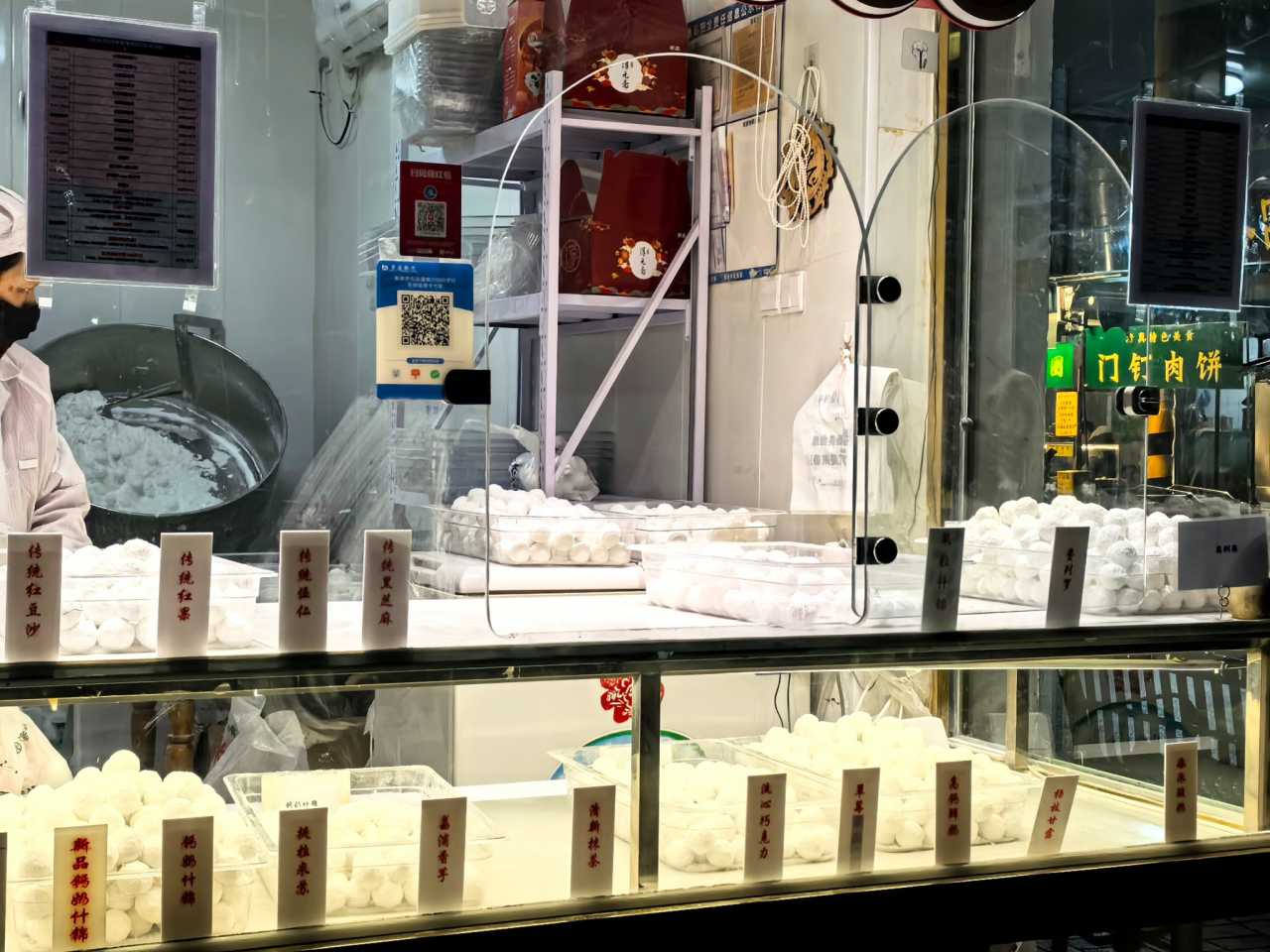
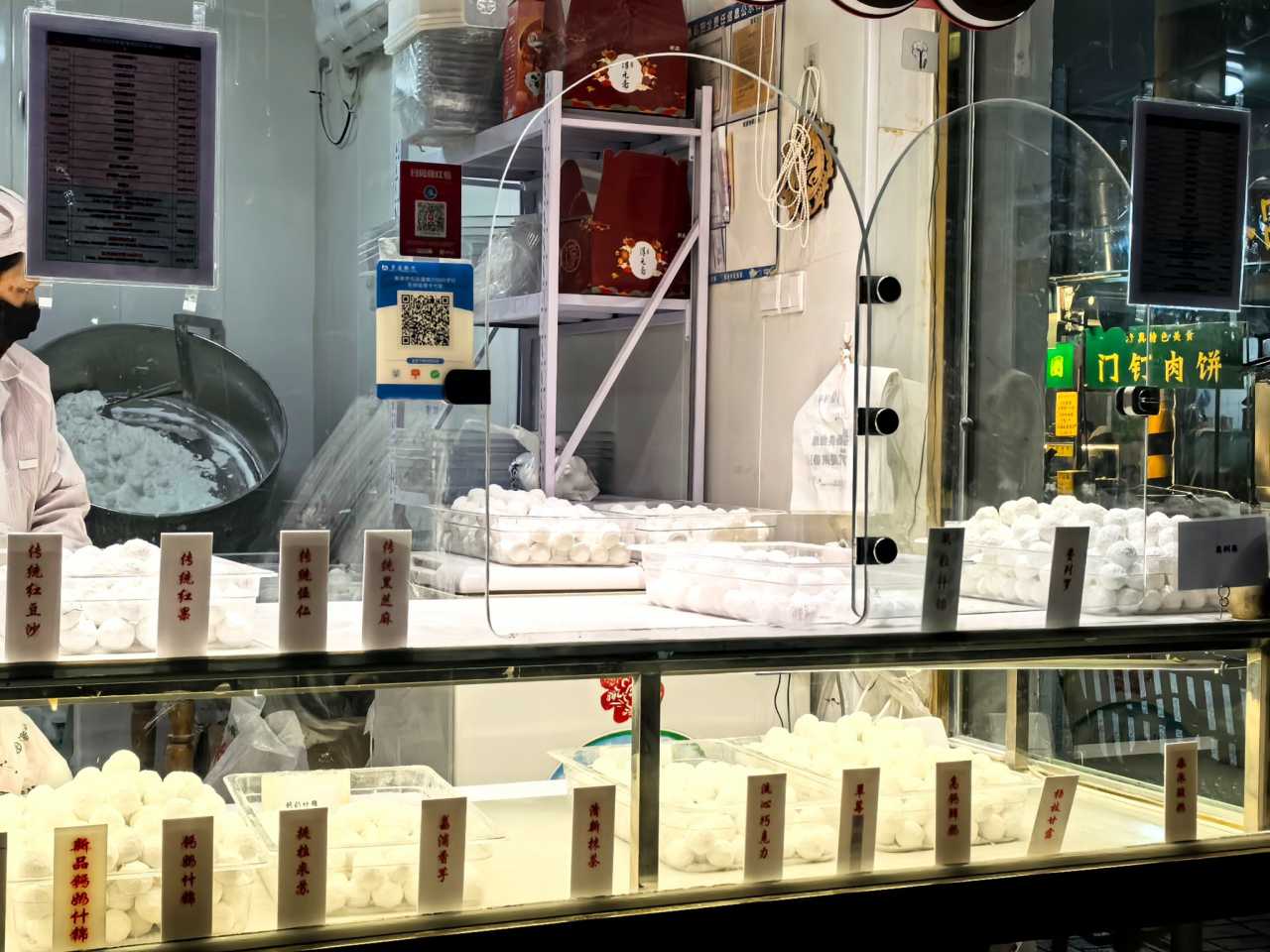
At a street corner, we found an old shop making yuanxiao fresh. Yuanxiao vs. tangyuan: same look, different process. Yuanxiao are rolled; tangyuan are wrapped. As a child during New Year, we'd watch the bamboo tray shake, the glutinous rice flour layer by layer. Now, a rolling machine replaces the hands. A subtle sign of changing times.
Liberation Bridge and Century Clock: Frozen in Time
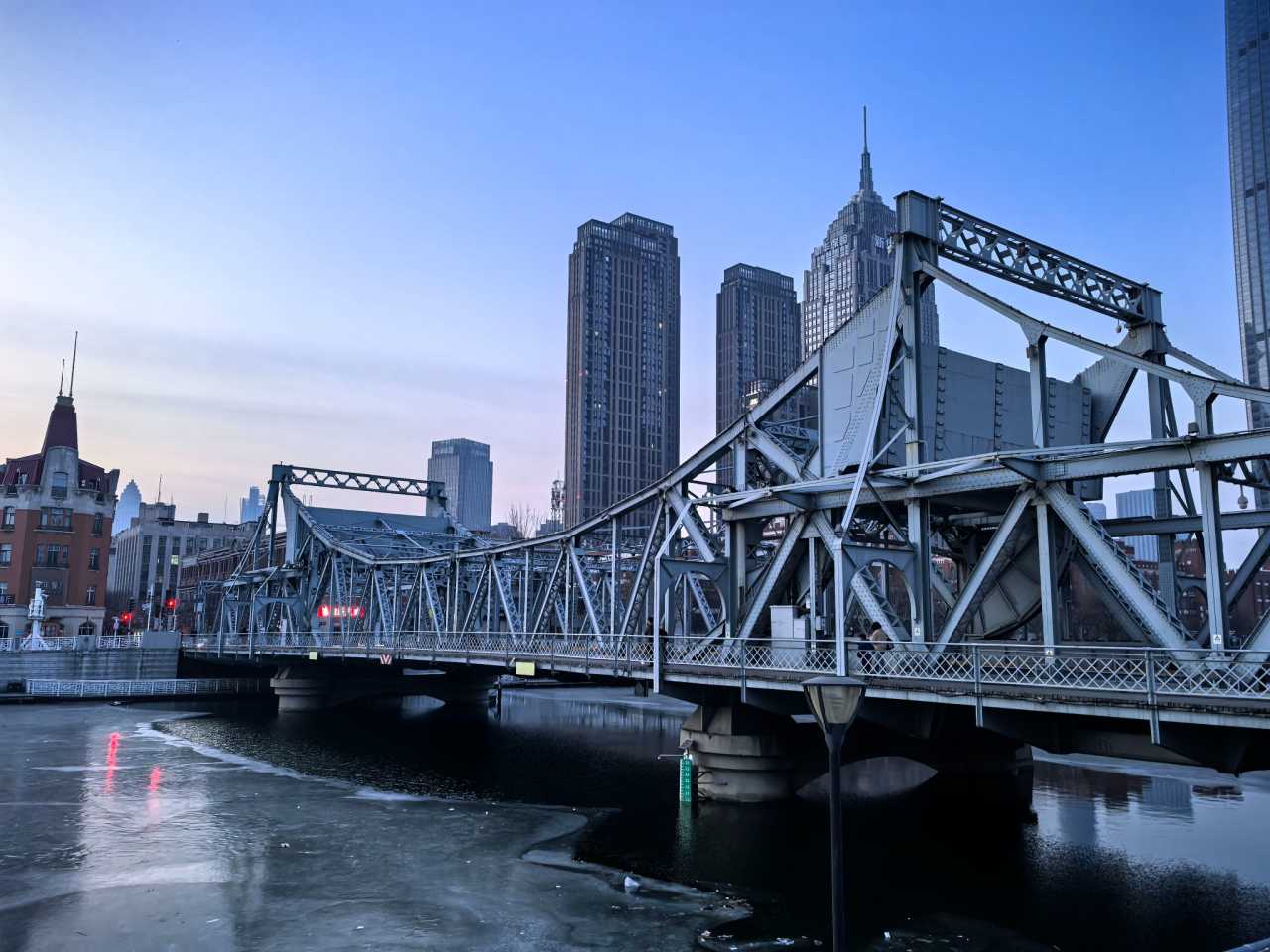
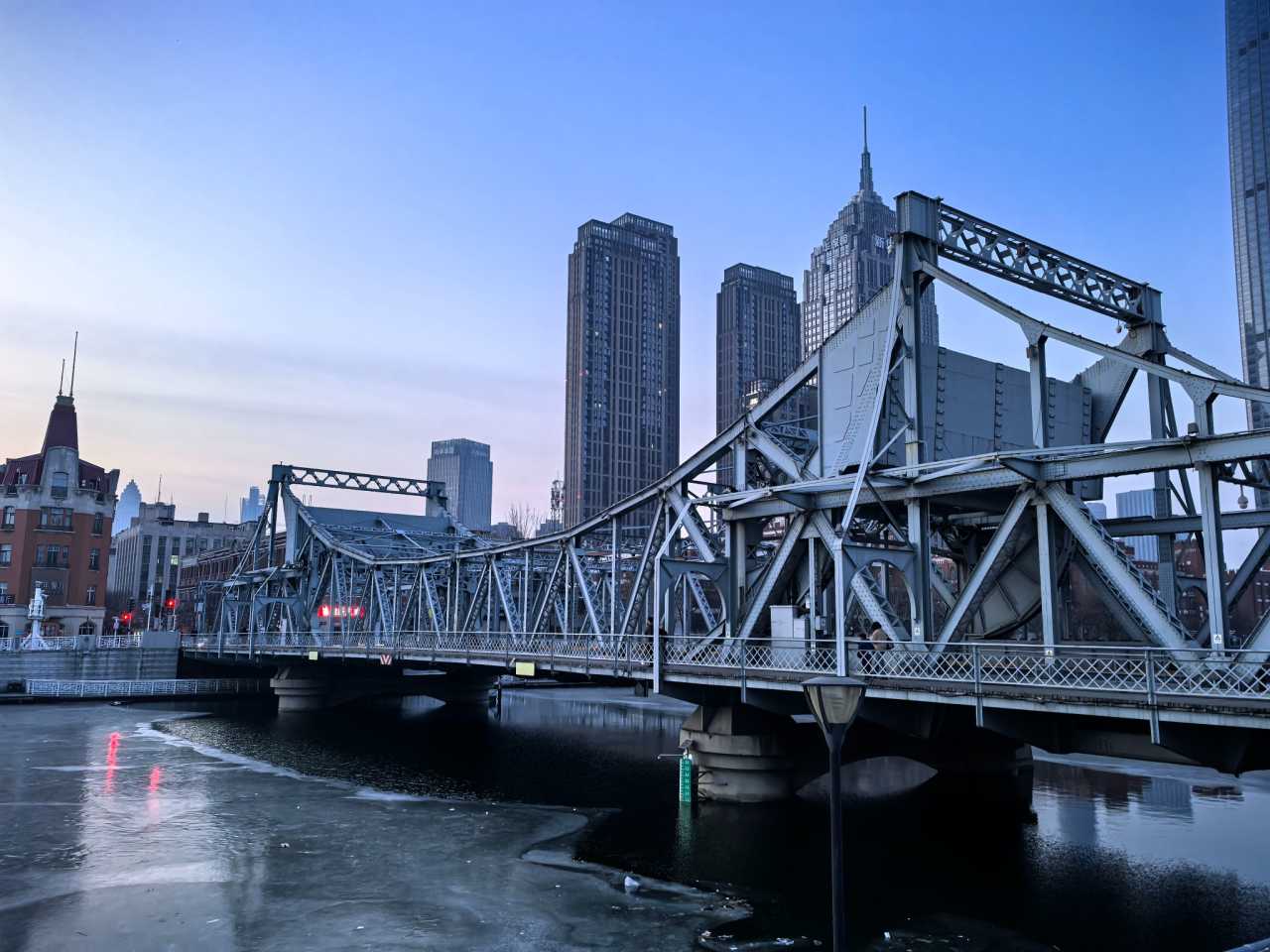
After breakfast, we taxied to Liberation Bridge. The Hai River is lined with bridges, each unique. Liberation Bridge carries a century of Tianjin history.
Bridge facts: - Length: 97.64 meters - Width: 19.5 meters - Central span: Double-leaf bascule, opens to 89 degrees - Built: 1923–1927 - Original name: International Bridge (also French Bridge) - Renamed: Zhongzheng Bridge (1945), Liberation Bridge (1949) - Designer: American firm Scherzer - Cost: 1.9 million taels of silver
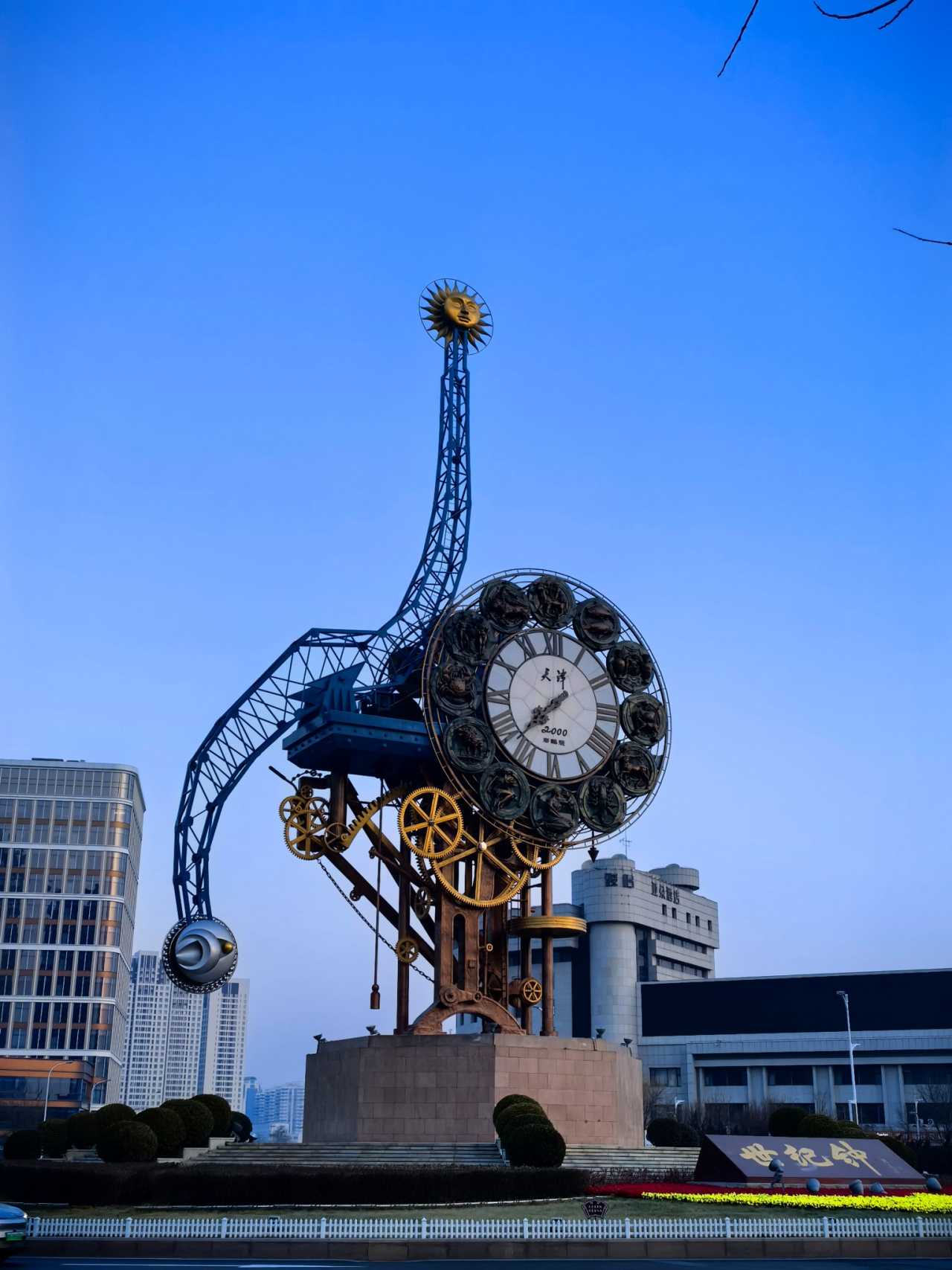
Beside it stands the Century Clock: 40 meters tall, 14.6-meter dial, over 170 tons. Completed in 2001, once China's largest artistic three-dimensional clock. The outer ring features twelve bronze zodiac reliefs. The pendulum is an S-curve taiji line—gold sun above, silver moon below. Gears and chains at the base reflect Tianjin's industrial heritage.
Winter in Tianjin: Winter Swimming, Cross talk, and Zhang Clay Sculptures
The winter morning was biting. The Italian-style district was close, but the cold was brutal. A local grandpa offered rides on his tourist tricycle. The price wasn't cheap, but starting early on a freezing morning? We hopped on. He took it slow, telling stories of streets and alleys.

Winter in Tianjin has three defining elements: winter swimming (braving the icy Hai River), bridge diving (a local daredevil tradition), and tea house cross talk (the city's signature comedy art form). We didn't brave the water, but we felt the city's resilient spirit.
The Zhang clay sculpture moment: My son had saved for two years. We found the shop. His eyes lit up as he picked his prize—a tiny warrior from ancient Beijing opera. The promise fulfilled.
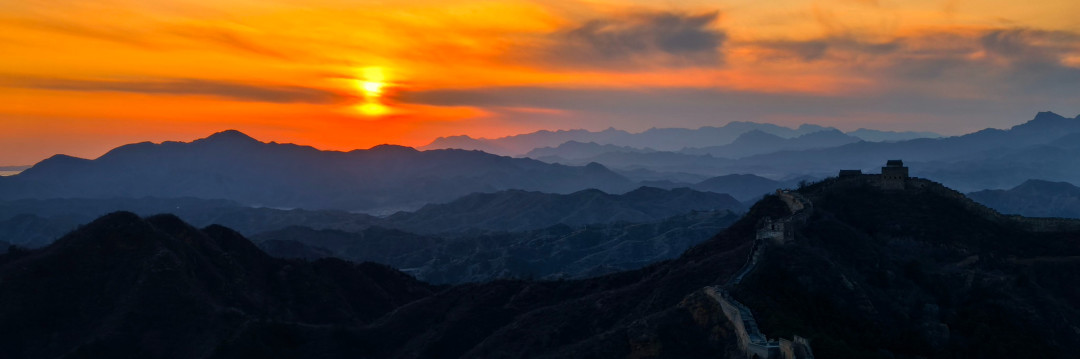
Chapter Three: The Great Wall in Winter – A Father-Son Milestone
Why Winter Is the Best Time to Visit the Great Wall Near Beijing
Most tourists visit the Great Wall in summer—crowded, hot, touristy. Winter is different. Fewer crowds, clearer skies, and the possibility of snow. The wall transforms into a dragon of white and gray, winding through frozen mountains.
We chose the Mutianyu section—less crowded than Badaling, well-restored, with a cable car for easy access. In winter, the wind bites hard. But the reward is solitude: standing on ancient stone, watching snow-covered peaks stretch to the horizon.
Our Great Wall Winter Experience: Snow, Wind, and Tears
The day dawned clear and cold. We took a bus from Tianjin to Beijing, then a shuttle to Mutianyu. The cable car ride was breathtaking—the wall snaking below, snow dusting the battlements.

Walking the wall in winter is a sensory experience: the crunch of frozen gravel underfoot, the sting of wind on cheeks, the vast silence broken only by distant crows. My son held my hand tighter than usual.
At the highest watchtower, we stopped. Snow began to fall—gentle at first, then heavier. My son looked at me, eyes wide. "Real snow," he whispered. Two years of waiting, fulfilled in that moment.
We didn't speak much. We didn't need to. The wall, the snow, the promise—it was all there.
FAQ: Winter Travel to the Great Wall – What You Need to Know
1. Is the Great Wall open in winter?
Yes. Most sections, including Mutianyu and Badaling, are open year-round. Winter hours are typically shorter (8:00 AM–5:00 PM). Check official websites for weather-related closures.
2. What should I wear for a winter Great Wall visit?
Layers are essential. Thermal underwear, fleece, windproof jacket, hat, gloves, scarf, and waterproof boots. The wind at the wall is brutal—don't underestimate it.
3. How do I get from Beijing to the Great Wall in winter?
Options include: - Public bus: Route 916 from Dongzhimen to Huairou, then transfer to H23 or H24 to Mutianyu - Private car/taxi: More expensive but flexible - Tour bus: Many companies offer winter packages - Cable car: Available at Mutianyu and Badaling
4. Is the Great Wall crowded in winter?
Significantly less crowded than summer. Weekdays are nearly empty. Weekends see moderate crowds, but nothing like peak season.
5. Can I see snow on the Great Wall in winter?
Yes, especially in January and February. Snowfall is unpredictable, but winter temperatures ensure any snow that falls sticks. Check weather forecasts before booking.
Internal Linking Suggestions
- [Link: Best time to visit the Great Wall – seasonal guide]
- [Link: How to plan a father-son trip to Beijing]
- [Link: Tianjin to Beijing: transportation options]
- [Link: Mutianyu vs. Badaling: which section to choose]
- [Link: Winter travel essentials for China]
Conclusion: The Promise Kept
Two years. A boy's determination. A father's pride. The Great Wall in winter—cold, stark, magnificent—witnessed it all.
If you're considering a winter journey to Beijing, don't hesitate. The crowds thin, the air clears, and the wall reveals its true character. But more than that: travel creates moments that last. A shared promise. A snowfall. A hand held tight.
Your turn: What promise are you waiting to fulfill? Book your winter Beijing trip today. The Great Wall is waiting—and so is the memory you'll make.
Plan your Spring Festival 2025 Beijing trip now. [Link: Check winter Great Wall tours and packages]
You should also read:
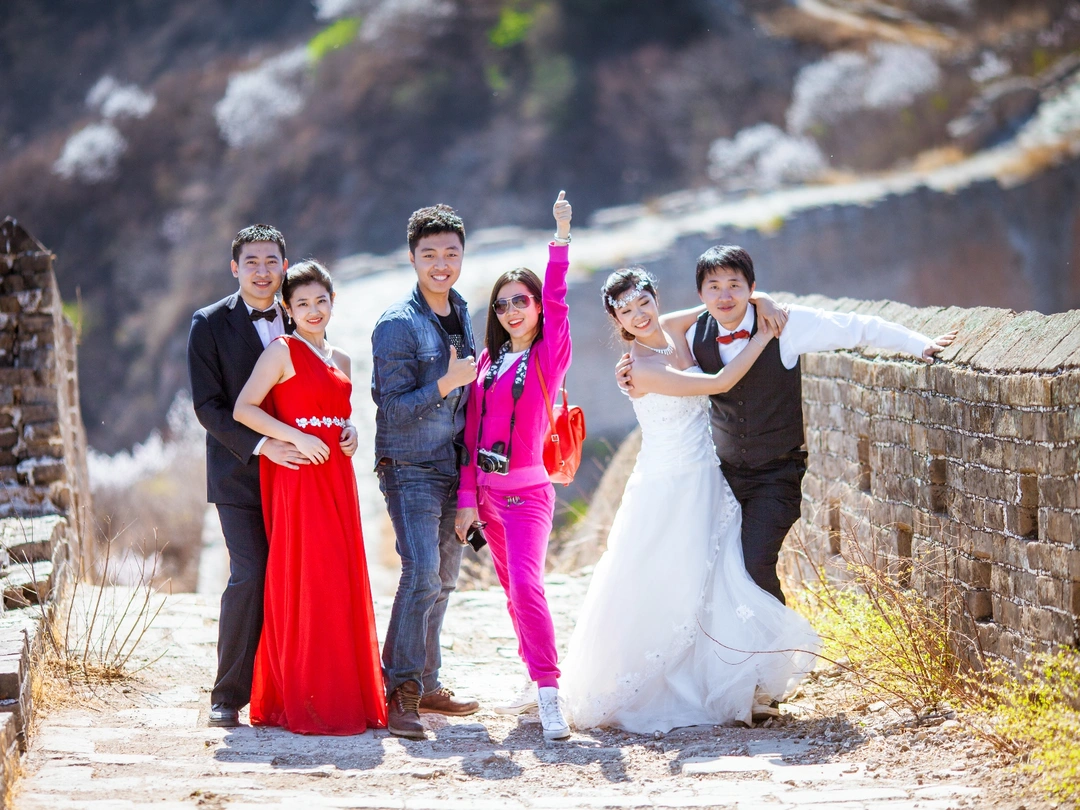
[Fish with You, Tong in Step] The Beijing We Conquered Together: A Wedding Travel Photography Gift for a Beloved Brother
Meta Description: Discover how a heartfelt Beijing wedding travel photography trip became the ultimate gift for a beloved brother. Explore Nanluoguxiang, the Forbidden City, the Great Wall, and more in this 4-day adventure filled with family, friendship, and love. There are moments in life that…
Continue reading...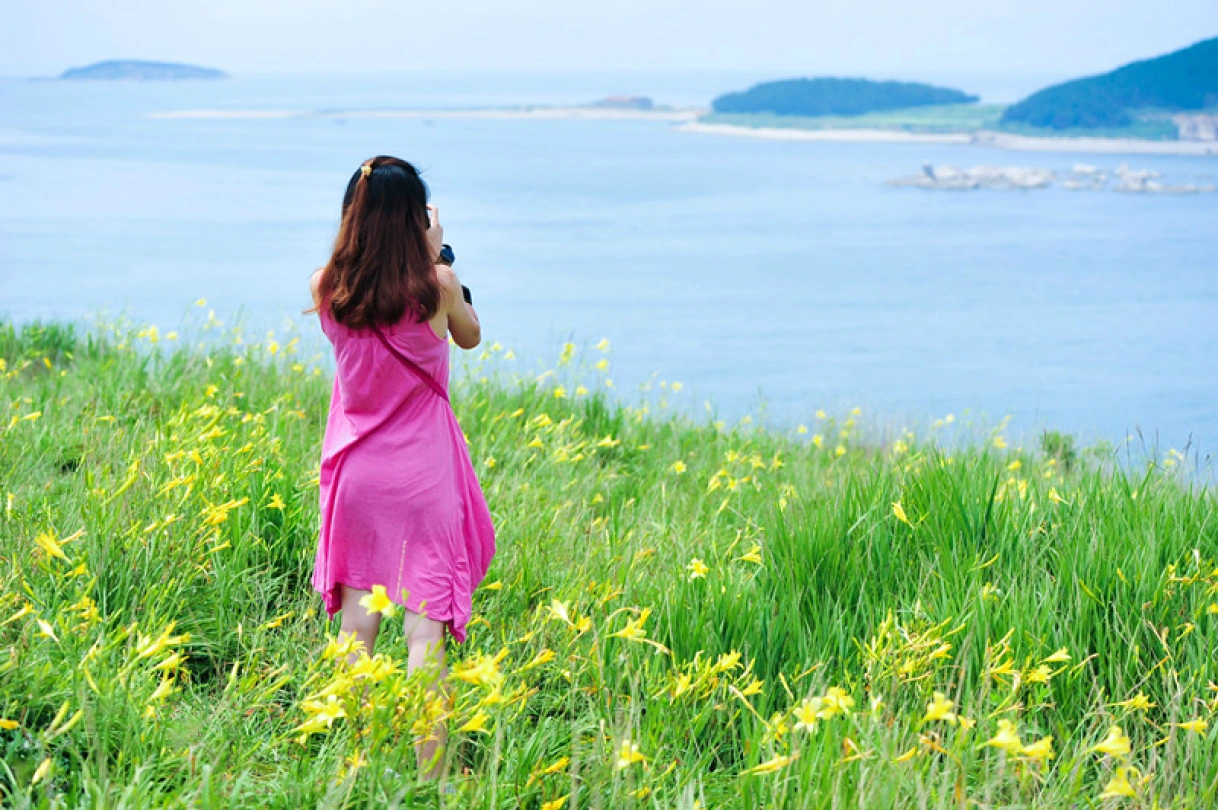
A Spontaneous Escape Through Tianjin, Beijing, and Shandong: An Unforgettable Solo Travel Adventure
Meta Description: Discover the raw beauty of a spontaneous solo journey through Tianjin, Beijing, and Shandong. From Quanjude roast duck to Tanggu night views, read this heartfelt travelogue of escape and self-discovery. The July wind carried restlessness and unease. After abruptly ending a ten-day job…
Continue reading...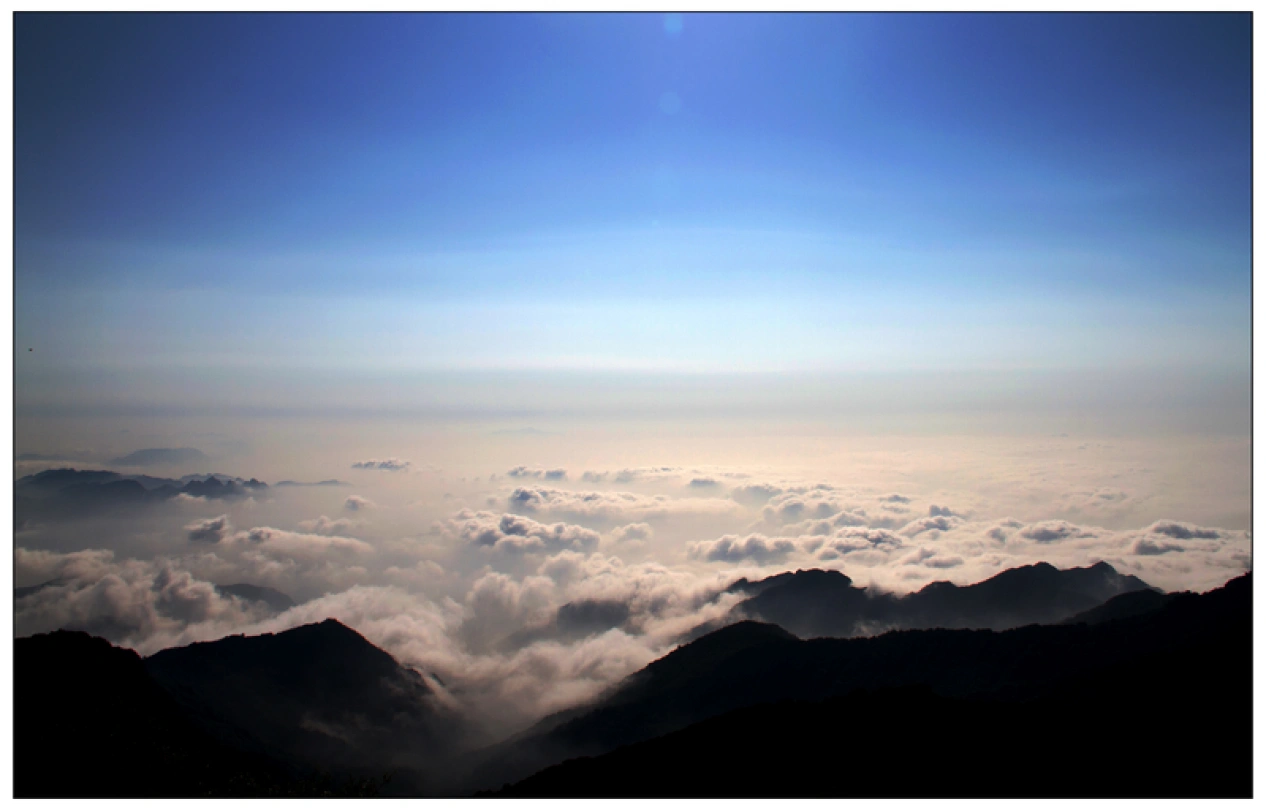
Hai Tuo Mountain Above the Sea of Clouds: A Skyward Feast on the Roof of Beijing
Meta Description: Discover Hai Tuo Mountain, Beijing's second-highest peak, where sea of clouds, starry nights, and alpine meadows await. Your ultimate guide to hiking, camping, and photography on the "Roof of Beijing." At the border of Beijing's Yanqing District and Hebei's Chicheng County lies a…
Continue reading...