Yanqing Antiquities|Donghongsi Village: A Ming Dynasty "Treasure Trove" Forgotten by Time
Meta Description: Discover Donghongsi Village in Yanqing, Beijing—a 600-year-old Ming dynasty settlement with a 500-year-old bell, ancient murals, and Qing-era stage. Free entry, no crowds, and living history await.
Introduction: Escape Beijing's Crowds to a Living Ming Dynasty Village
On weekends in Beijing, the scenic spots are packed with crowds and traffic jams. If you're tired of this "people-watching" style of travel, why not head northwest instead? In Kangzhuang Town, Yanqing District, lies a small village called Donghongsi. There are no entrance fees, no noise, yet it quietly preserves Ming Dynasty relics from over 500 years ago. For history buffs and photography enthusiasts, this is nothing short of a "treasure trove" forgotten by time.
This Yanqing antiquities guide will walk you through everything you need to know about visiting Donghongsi Village—from its legendary bell to its Instagram-worthy stage.
Into Donghongsi: A Slow Life Sample in a 600-Year-Old Village
The fate of Donghongsi Village began in the early Ming Dynasty. At that time, the imperial court implemented a policy of immigration and land reclamation, and waves of people migrated here from Shanxi, Shandong, and other regions, putting down roots in Yanqing. The village takes its name from an ancient temple with red walls—though the temple itself has been lost to the ages, the name "Donghongsi" (Eastern Red Temple) has become the village's eternal calling card.
Walking through the village, you'll feel a strange sense of temporal dislocation. Modern homes sit side by side with Ming and Qing dynasty residences; electric scooters brush past century-old bells. Villagers chat and play chess in front of an ancient stage, while children chase each other under pavilions. Six hundred years of history here isn't a museum exhibit—it's a living, breathing part of everyday life.
Why visit Donghongsi? Unlike Beijing's Forbidden City or Summer Palace, this village offers authentic, unfiltered Ming dynasty relics with zero tourist crowds. It's a hidden gem for slow travel in Beijing's northwest suburbs.
The Village's Greatest Treasure: A Ming Dynasty Bell, a 500-Year Guardian
One Bell, Half a Village's History
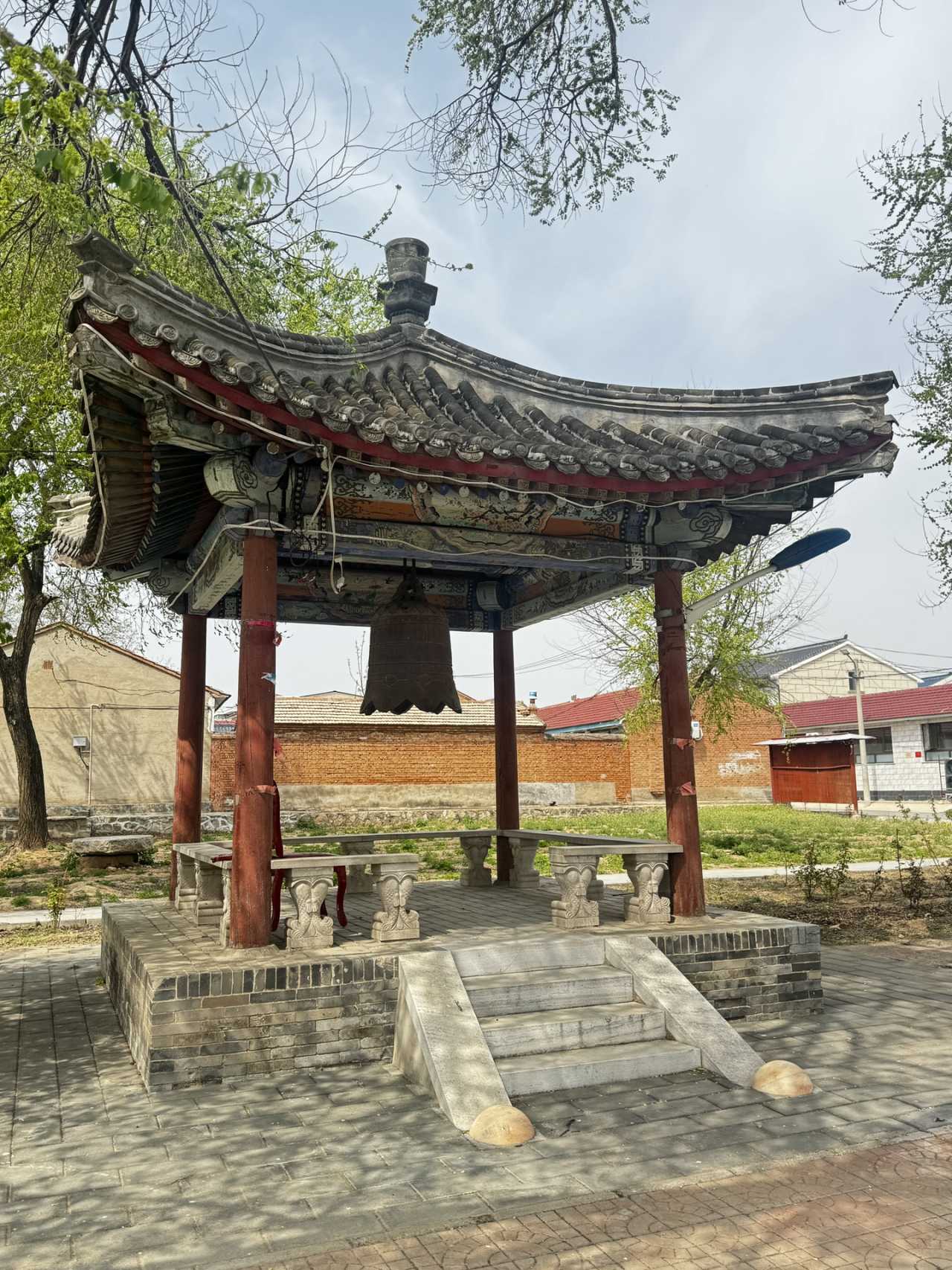
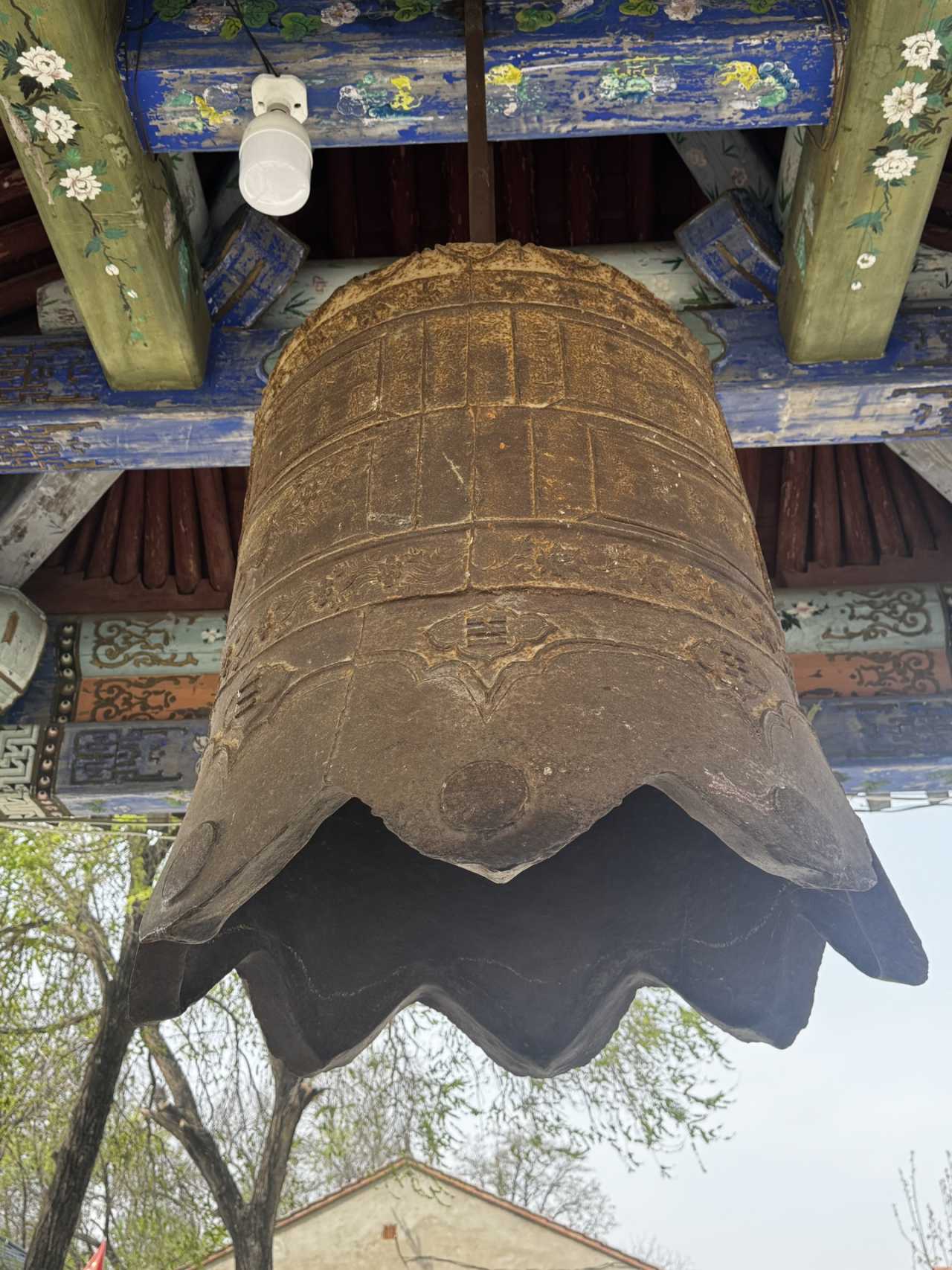
If you ask any villager, "What is Donghongsi's most precious possession?" nine times out of ten, they'll lead you to the pavilion at the village center. There hangs a massive ancient bell, its body gleaming with a bluish-black luster, twin dragons coiling in relief, faintly visible in the sunlight.
This bell was cast in the third year of the Ming Zhengde era (1508 AD), making it over 500 years old. Weighing 500 jin (about 550 pounds), the bell's surface bears clearly legible inscriptions recording the year of casting, the names of the craftsmen, and the prayers offered at the time. For Donghongsi Village, it's not just an artifact—it's a silent witness. It has seen the village's rise and fall, witnessed dynastic changes, and observed countless sunrises and sunsets.
Where Legend and Reality Meet
A charming story circulates in the village: when the temple once caught fire, this bell supposedly "rang out a warning" on its own, its thunderous peal waking the sleeping villagers, who rushed to put out the flames. Though it's just a legend, it shows how deeply the bell is cherished by the locals—it has transcended its role as a mere object to become the village's "guardian spirit."
Today, the bell hangs in the roadside pavilion without any fences or glass cases. When the wind blows, the bell sways slightly, as if whispering. Reach out and touch it—you can feel the coldness of the metal and the warmth of history. This kind of "zero-distance contact" is something you'll never experience in a museum.
Photography Tips for the Ming Bell
The bell's location is wonderfully accessible—right by the road, no tickets or reservations needed. The best time to photograph it is early morning or dusk, when sunlight slants across the bell's surface, making the twin dragon reliefs pop with three-dimensionality. If you can capture the moment the wind brushes the bell and sets it gently swaying, you'll have a truly stunning shot.
Pro tip: Use a wide-angle lens to capture the bell within its pavilion setting, or zoom in on the dragon reliefs for detailed close-ups.
The Dragon King Temple: Ming Dynasty Origins, with a "Finding Nemo" of Murals
Tranquility Amid Red Walls and Gray Tiles
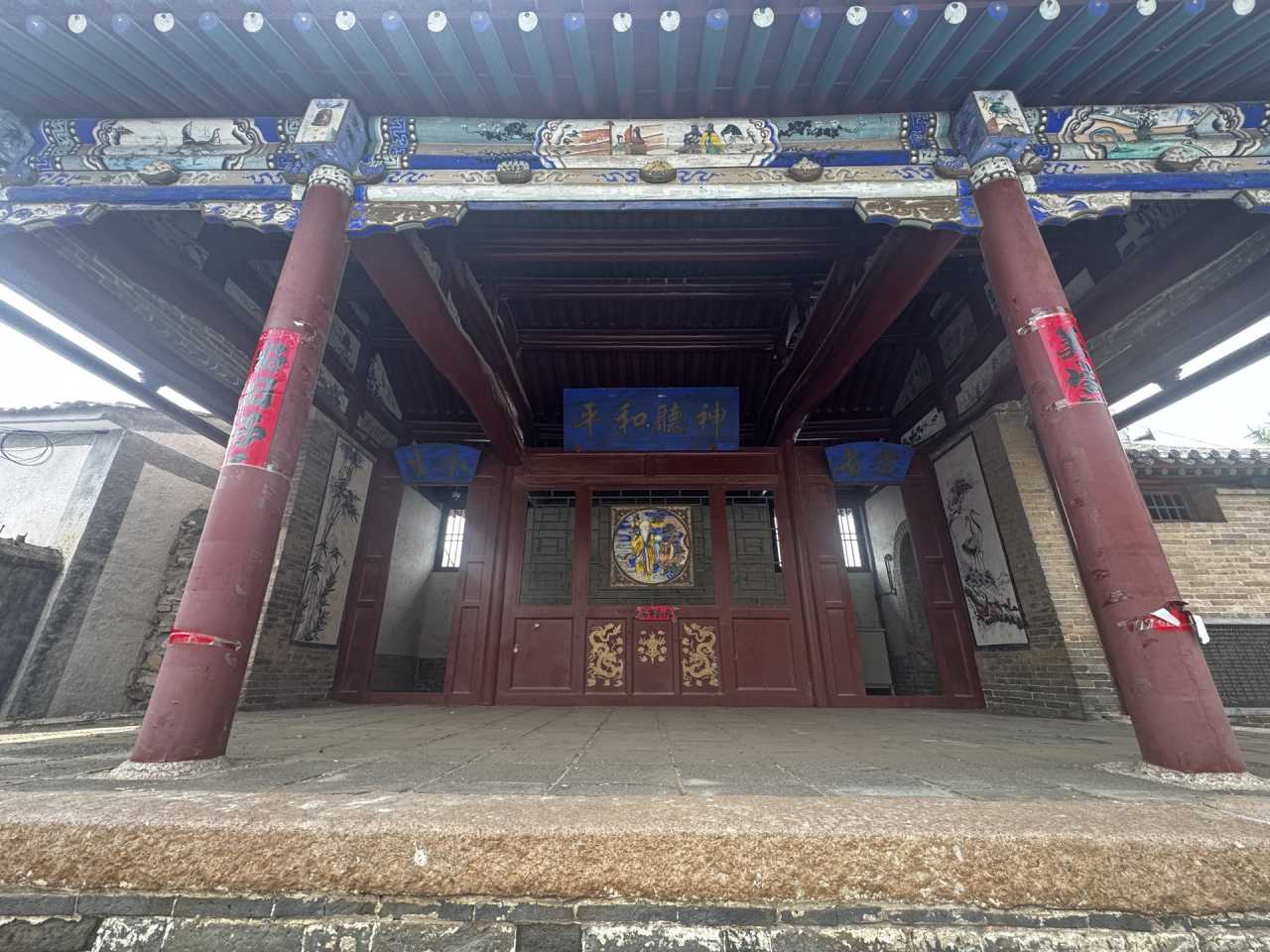
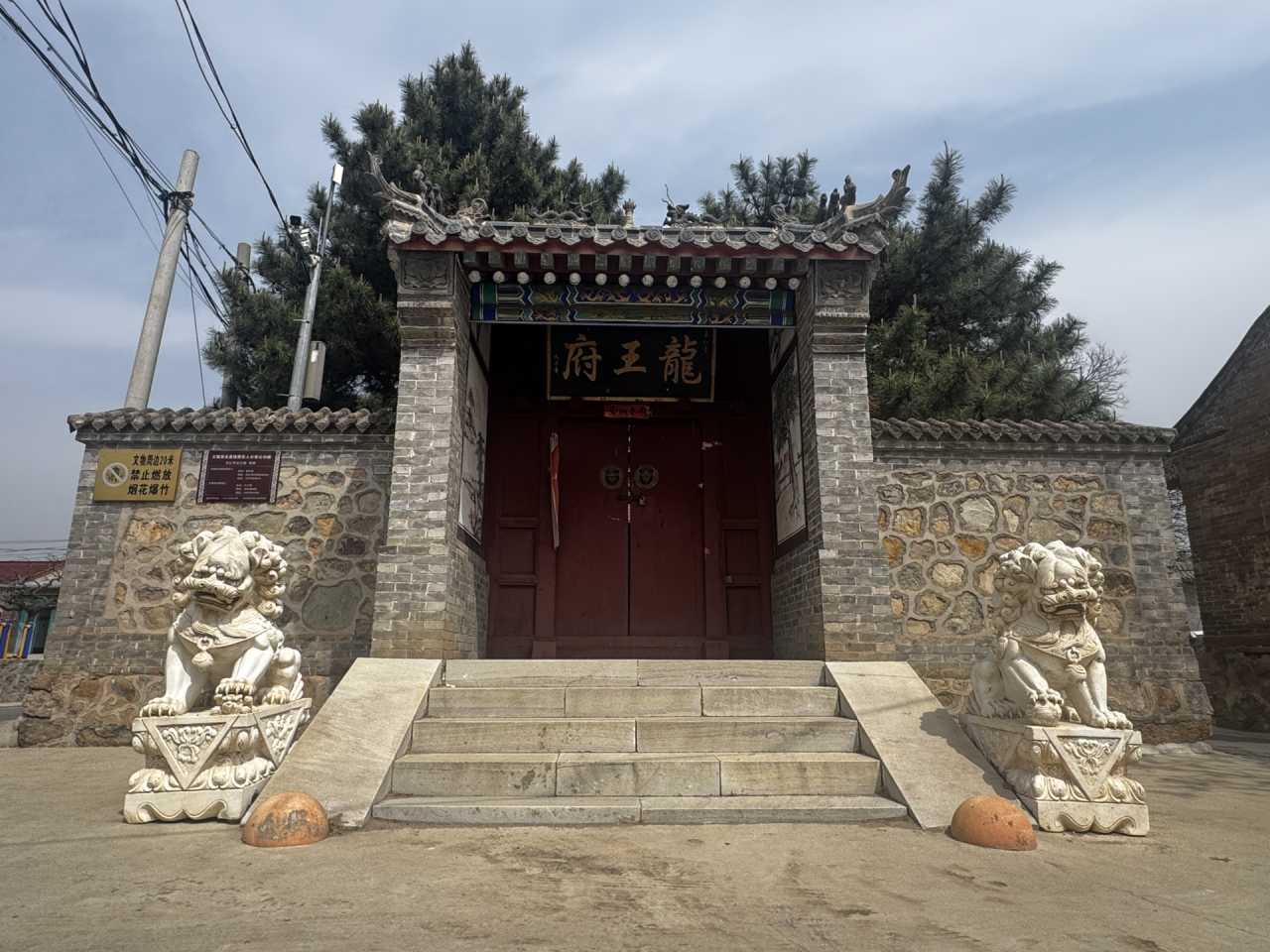
A few minutes' walk from the bell brings you to an ancient building with red walls and gray tiles—the Dragon King Temple (Longwang Temple). This is the best-preserved Ming Dynasty structure in the village. Though it has weathered centuries of wind and rain, its main structure remains intact. The painted decorations on the temple gate are somewhat faded, but the three characters "龙王庙" (Dragon King Temple) are still clear and bold.
An Underwater World on the Walls
Step inside, and what will amaze you most are the murals on the walls. These paintings are vivid in color and rich in detail, depicting various aquatic deities: fish, turtles, shrimp, crabs, and more. Some hold weapons, looking fierce and imposing; others swim leisurely, with serene expressions. The whole scene feels like an aquatic fantasy—you can't help but lean in for a closer look.
The exact date of these murals is unknown, but judging by their style and technique, they were likely painted by folk artists from the Ming or Qing dynasties. They lack the strict precision of court painters but make up for it with a rustic liveliness and charm. Some of the aquatic deities even have a certain "cuteness" that will make you smile.
Visitor Information for the Dragon King Temple
The Dragon King Temple is not usually open to the public, only on special occasions like festivals or ceremonies. If you happen to visit during a temple fair or ritual event, be sure to seize the chance to go inside. But even if you can't enter, just standing outside and admiring the red walls and gray-tiled roofline is enough to appreciate the beauty of this ancient architecture.
When to visit: Check local festival calendars for temple fair dates. The Dragon King Temple typically opens during traditional celebrations in spring and autumn.
[Link: Yanqing temple festivals and cultural events calendar]
The Qing Dynasty Stage: A Three-Sided "Instagram Hotspot"
The Unique Charm of an "Extended" Design

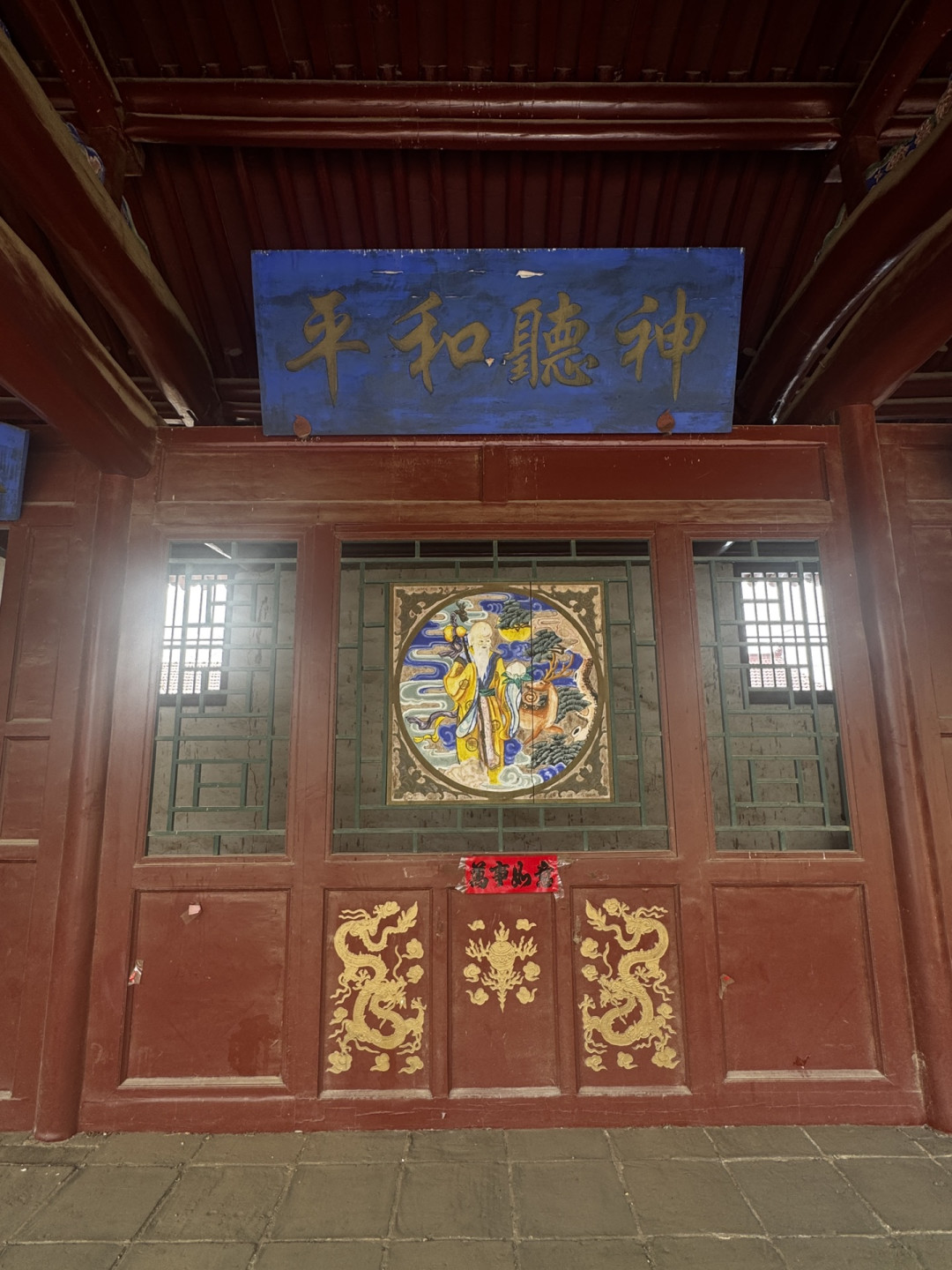
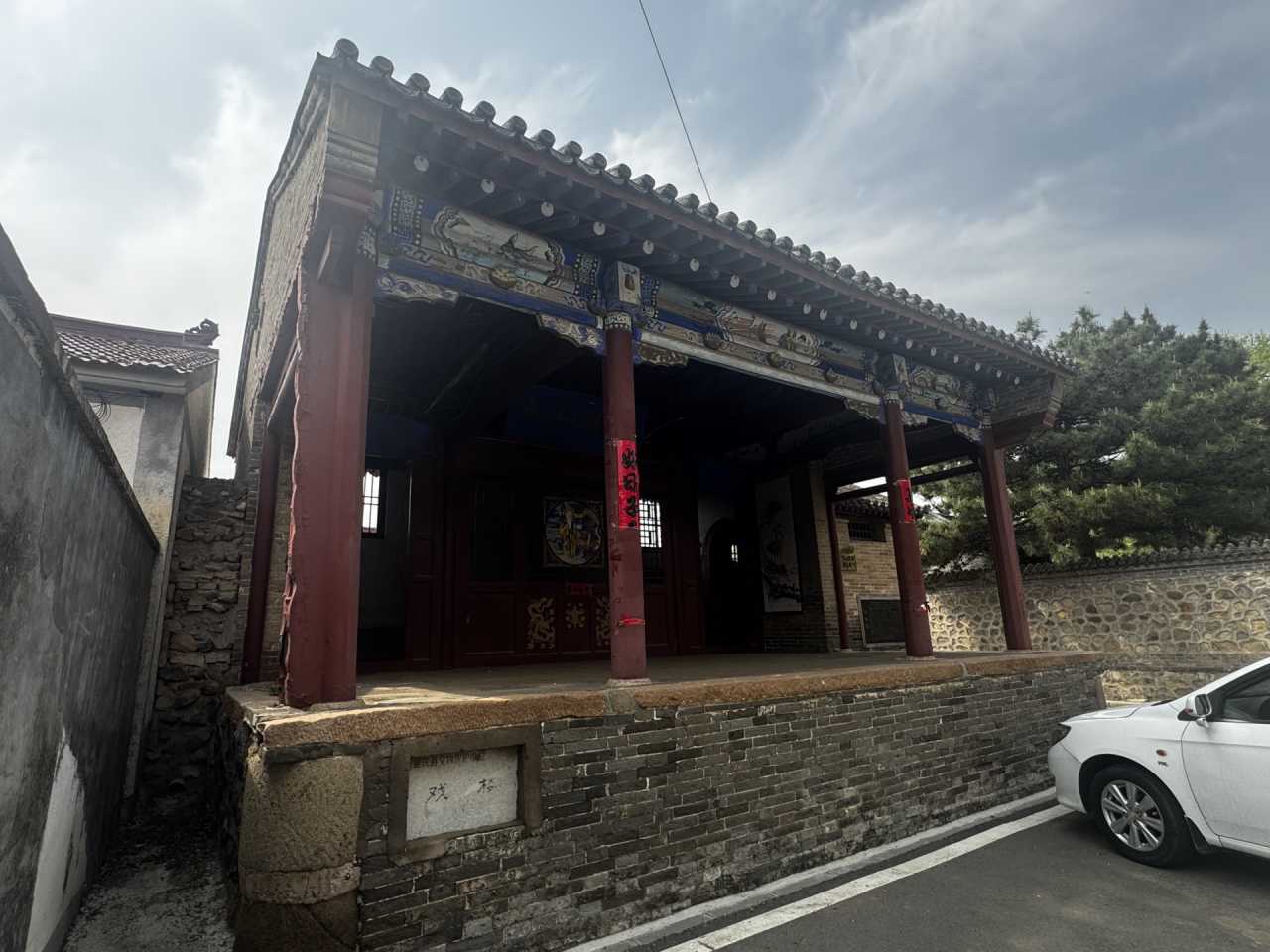
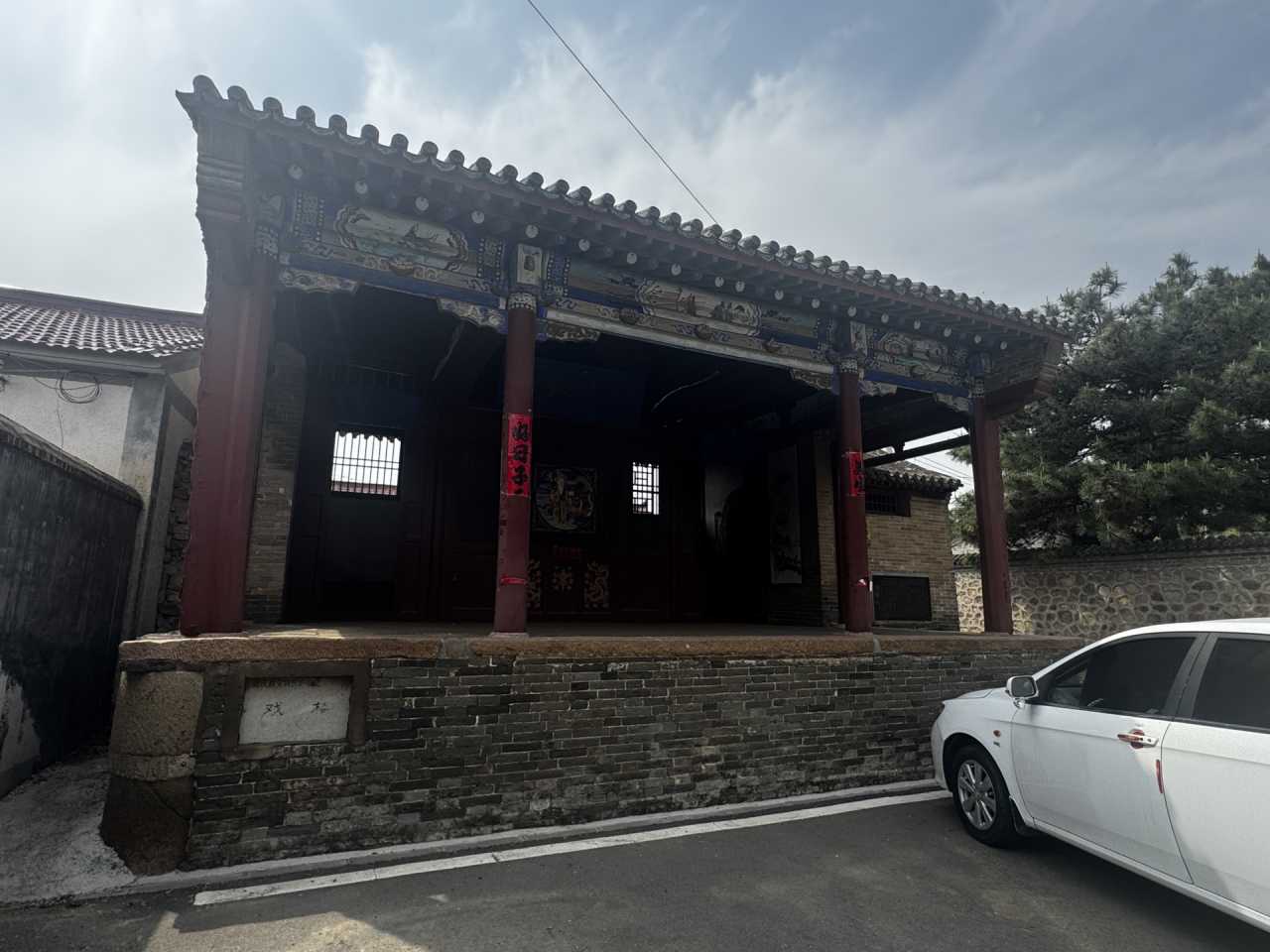
If the bell and the Dragon King Temple are the village's "history bearers," then the ancient stage is definitely its "style icon." Built during the Qing Dynasty and restored in 2002, the stage retains its original Qing architectural character.
What makes it most striking is its "extended" design—the stage protrudes from the main building, allowing audiences to watch performances from three sides. This design is rare among northern Chinese stages; legend has it that it was meant to accommodate more spectators at once. Red lacquered pillars support a roof of gray-green cylindrical tiles, with eaves that curl slightly upward, as if ready to take flight.
The Philosophy of "This Life" and "Reflecting on the Past"
Two plaques hang above the stage. One reads "今生" (This Life), the other "鉴古" (Reflecting on the Past). You step onto the stage from "This Life" to perform the joys and sorrows of human existence; you exit toward "Reflecting on the Past," leaving it for posterity to judge. These plaques aren't just decorations—they carry a profound philosophical message: life is like a play, and a play is like life.
The painted decorations on the gable walls, though somewhat faded, still show their original delicacy. Flowers, birds, insects, fish, and scenes from stories—every brushstroke reflects the craftsman's care. Standing before the stage, you can almost hear the clamor of gongs and drums from long ago, and see the actors' every expression.
Photo Tips for the Ancient Stage
The ancient stage is the village's most photogenic spot. I recommend wearing traditional Chinese clothing (hanfu) or Republic-era style outfits. Stand in the center of the stage, with the red pillars and gray-green tiles as your backdrop—you'll get a stunning shot with no effort. If villagers happen to be gathering in front of the stage, the scene becomes even more lively: elderly people sitting on the steps basking in the sun, children playing chase below. These "scenes of everyday life" are far more evocative than any posed photo.
Best time for photography: Late afternoon (3-5 PM) when golden hour light illuminates the stage's red pillars and creates dramatic shadows.
Ming and Qing Dynasty Residences: Fragments of History Scattered Through the Alleys
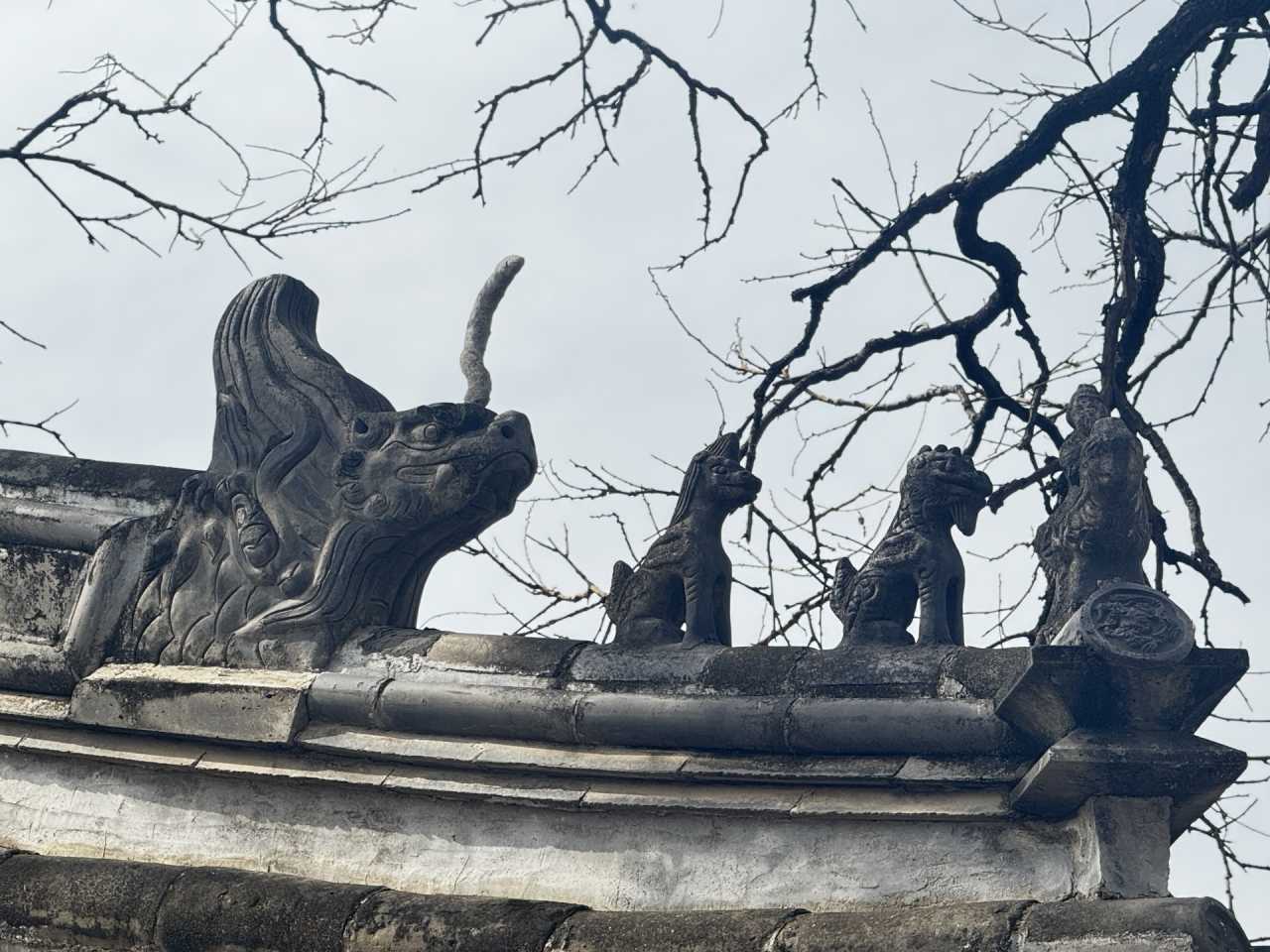
Beyond the bell, the Dragon King Temple, and the stage, Donghongsi Village is dotted with many Ming and Qing dynasty homes. Most of these old houses are still inhabited, with gray bricks, gray tiles, wooden doors, and stone steps—every detail bearing the marks of time.
Some residences still have intricate brick carvings above their doorways, with lifelike depictions of flowers, birds, insects, and fish. Others have courtyards with old locust trees, under which villagers gather to chat or play chess.
What to look for: Pay attention to the carved stone doorsteps, wooden window lattices, and rooftop ridge decorations. Each detail tells a story of craftsmanship from centuries past.
[Link: Guide to identifying Ming vs. Qing dynasty architecture in Beijing villages]
FAQ: Visiting Donghongsi Village
1. How do I get to Donghongsi Village from Beijing?
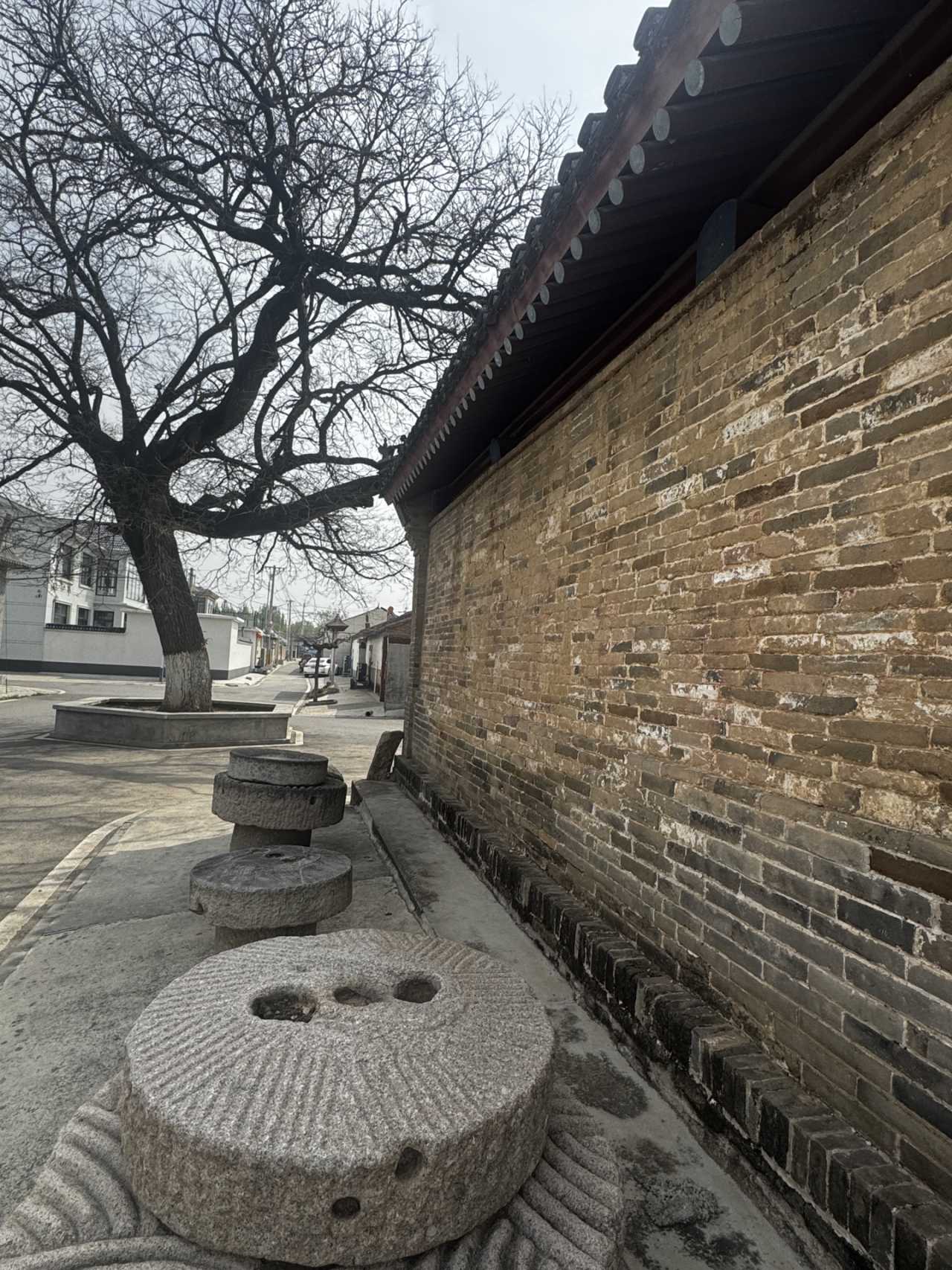
Donghongsi Village is located in Kangzhuang Town, Yanqing District. You can drive via the G6 or G7 expressway (about 1.5 hours from central Beijing). Alternatively, take the S2 train from Beijing North Station to Yanqing Station, then transfer to a local bus or taxi.
2. Is there an entrance fee for Donghongsi Village?
No. Donghongsi Village is a living community, not a ticketed scenic spot. There are no entrance fees for the village itself. The bell pavilion and ancient stage are freely accessible year-round.
3. When is the best time to visit Donghongsi Village?
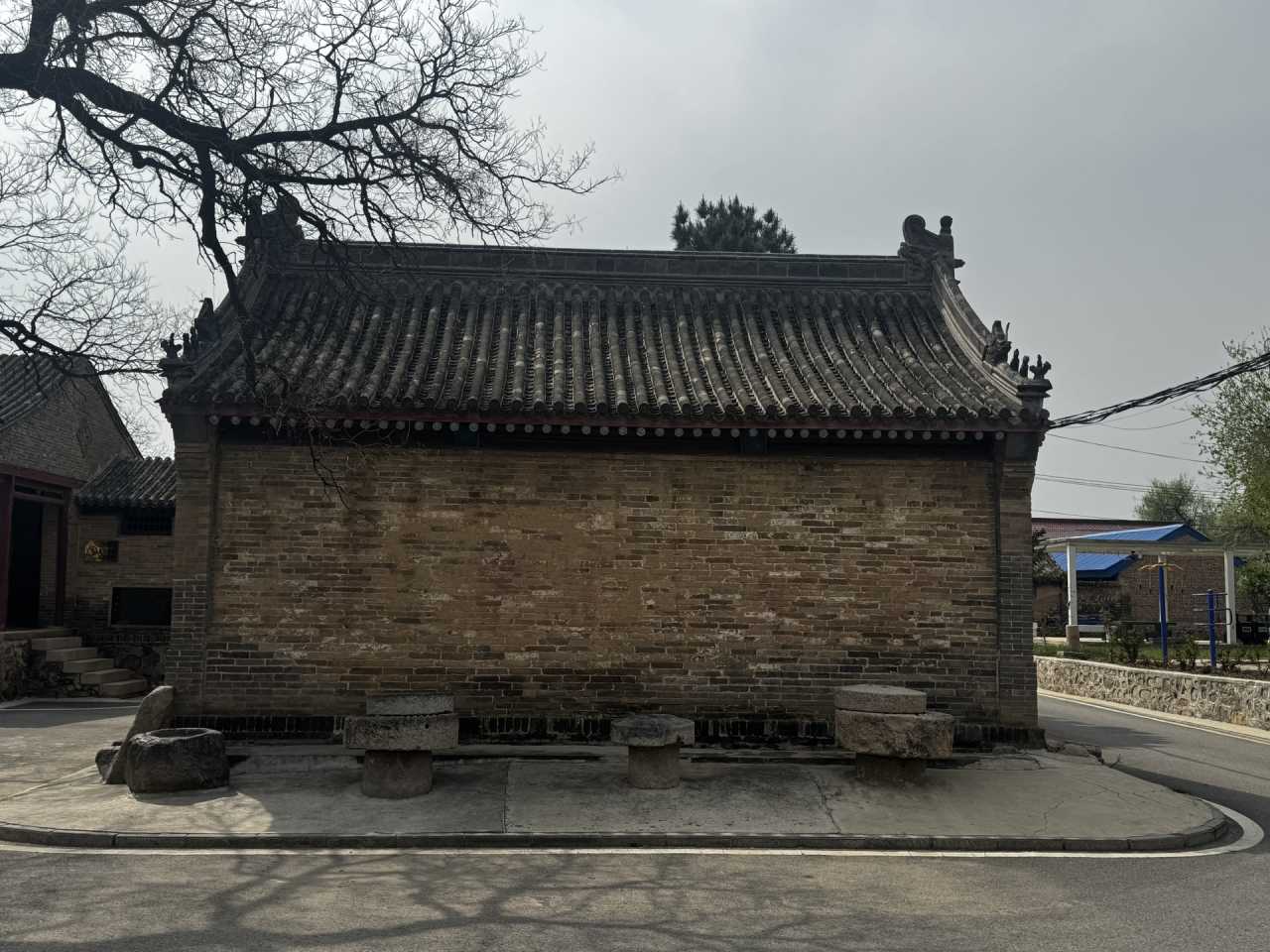
Spring (April-May) and autumn (September-October) offer the most pleasant weather. Early morning or late afternoon provide the best lighting for photography. If you want to see the Dragon King Temple open, plan your visit around local temple fairs or traditional festivals.
4. Can I touch the Ming Dynasty bell?
Yes. Unlike museum artifacts, the bell is displayed without barriers in an open pavilion. Visitors are welcome to touch it, though we recommend doing so gently to preserve its surface.
5. Are there dining or accommodation options in the village?
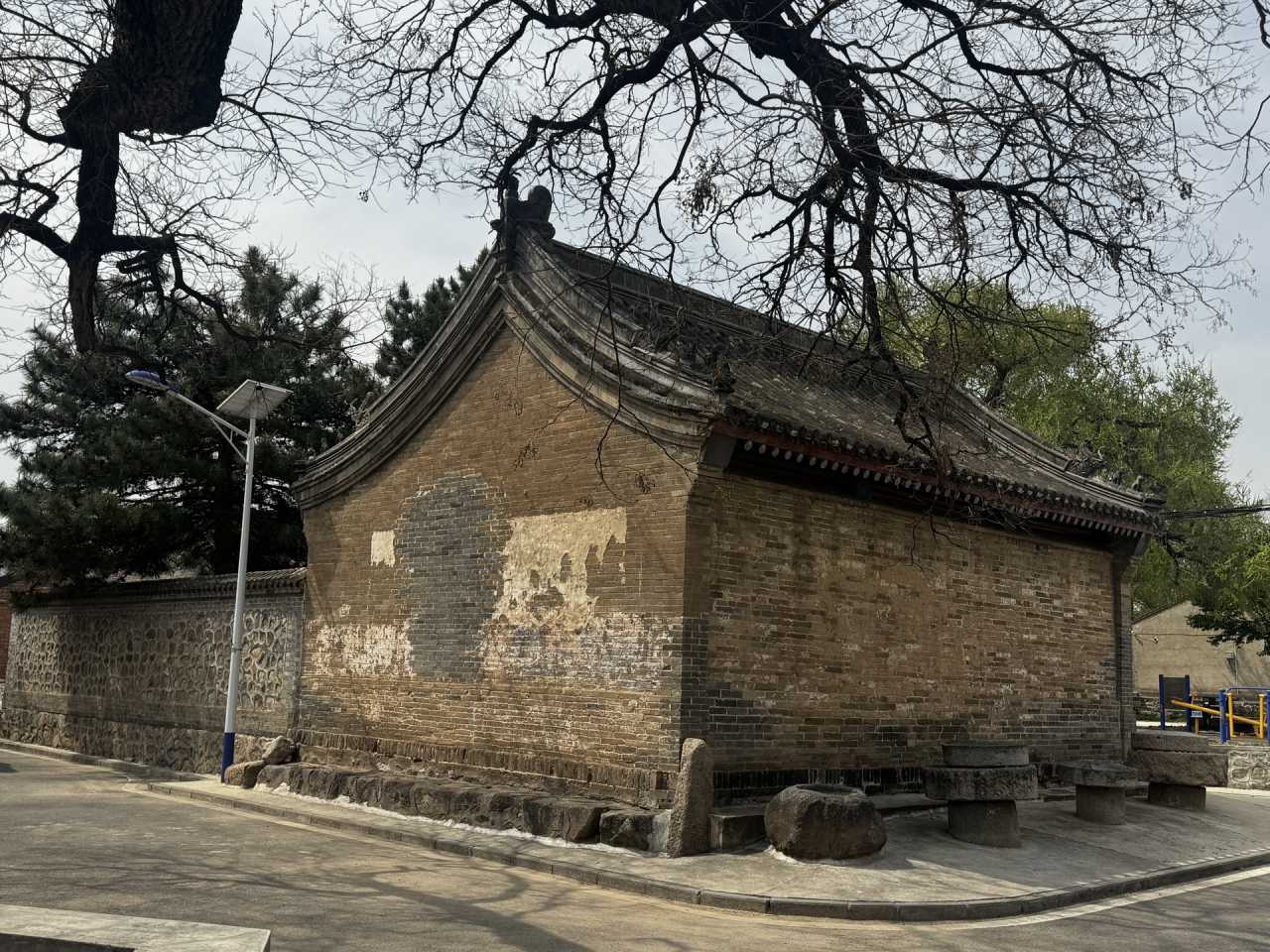
Donghongsi Village has small local eateries serving home-style Yanqing cuisine. For accommodation, nearby Kangzhuang Town offers guesthouses and hotels. Many visitors also combine a Donghongsi visit with a trip to the Great Wall at Badaling or Juyongguan.
Conclusion: Your Invitation to Discover Yanqing's Hidden History
Donghongsi Village isn't just a destination—it's a time capsule. Here, a 500-year-old bell hangs without barriers, Ming dynasty murals wait in quiet temples, and a Qing dynasty stage invites you to step into its philosophy of "This Life" and "Reflecting on the Past."
In an era where ancient sites are often roped off and commercialized, Donghongsi offers something rare: history you can touch, feel, and live. No entrance fees, no crowds, no souvenir shops. Just the whisper of wind through an ancient bell, the faded colors of folk murals, and the everyday rhythms of village life that have continued for six centuries.
Plan your visit today. Pack comfortable walking shoes, bring your camera, and prepare to step into a Ming dynasty treasure trove that time forgot—but that's waiting for you to rediscover.
Have you visited Donghongsi Village or other hidden historical sites in Yanqing? Share your experience in the comments below, or tag us in your photos on social media. For more off-the-beaten-path Beijing travel guides, subscribe to our newsletter.
You should also read:

Every Time You @ Me, Ma Xiaofeng Takes It to Heart! (Surprise at the End)
Meta Description: Discover how Mafengwo's beloved mascot Ma Xiaofeng celebrates 20 million followers with a photo contest. Learn tips to win mystery gifts by tagging @Ma Xiaofeng in your travel photos. Surprise giveaway inside! Have you ever imagined that inside a travel app, there's a…
Continue reading...
Mostly Sunny — Beijing: A Journey Through Time
Here is the SEO-optimized, rewritten article based on your source content. It is structured to rank for keywords related to "Beijing travel guide," "Forbidden City tips," and "couples travel in Beijing," while preserving the emotional narrative of the original. SEO Title: Mostly Sunny in Beijing:…
Continue reading...
The Ming Dynasty from Start to Finish: A Journey Through Every Imperial Tomb of the Ming Thirteen Tombs
Meta Description: Explore the complete history of the Ming Dynasty through its imperial tombs. Discover 13 Ming emperors' final resting places at Changping District, Beijing—from Yongle's grand Changling to the mysteries of blank steles. Plan your visit today. In the northwestern outskirts of Beijing, at…
Continue reading...