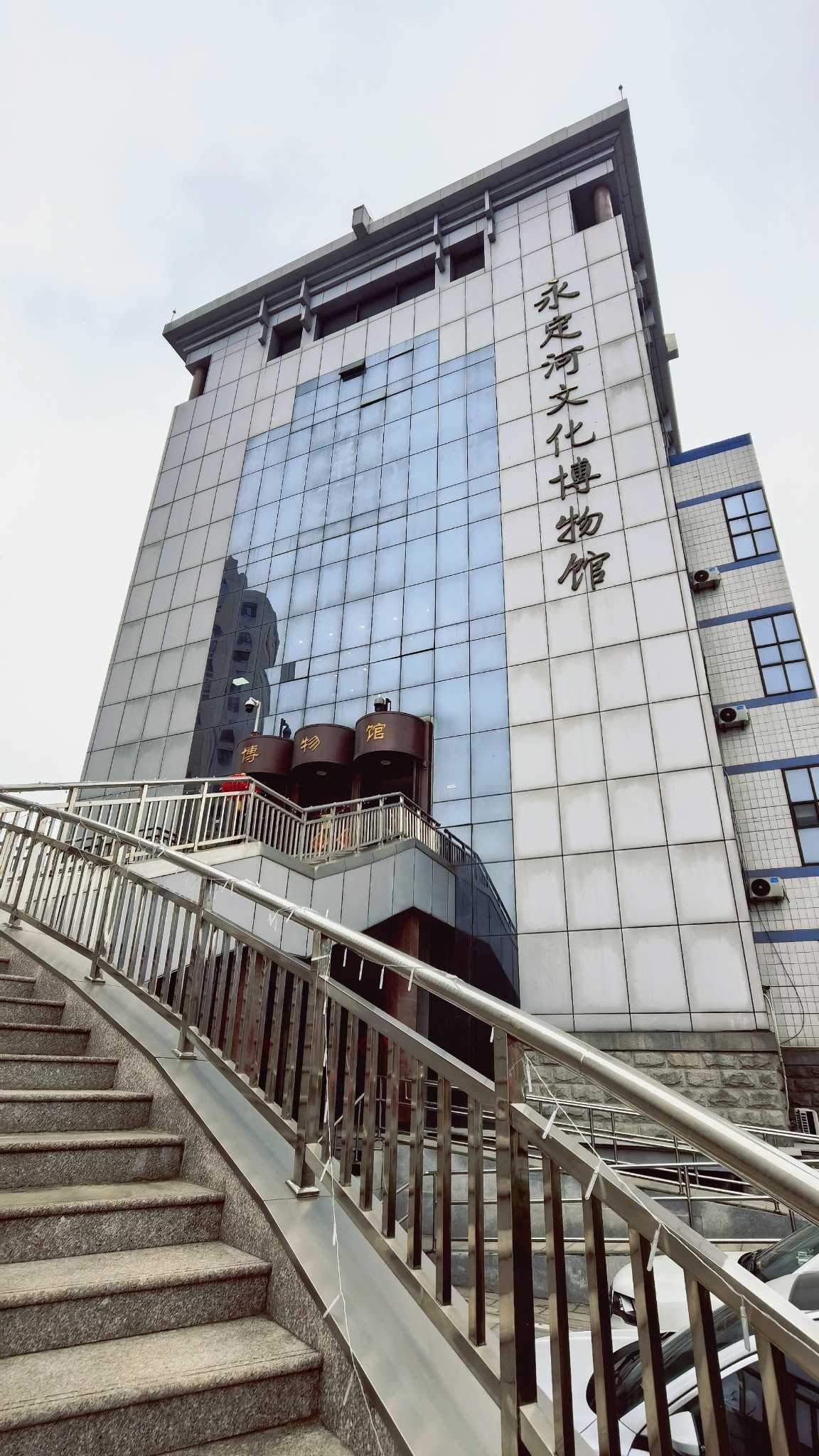
Yongding River Cultural Museum: Beijing's Hidden Gem in Mentougou
Meta Description: Discover Beijing's first district-level museum and first river basin cultural museum. Explore the Yongding River Cultural Museum in Mentougou, home to ancient Buddha heads, stone inscriptions, and millennia of history. Plan your visit today.
Introduction: Why the Yongding River Cultural Museum Deserves a Spot on Your Beijing Itinerary
Beijing is home to 302 museums—more than any other city in China. Among these, 55 are district-level museums, but one stands out as exceptionally special. The Yongding River Cultural Museum (Yongdinghe Wenhua Bowuguan) holds the distinction of being Beijing's first district- and county-level museum and also the first comprehensive museum dedicated to a river basin culture.
Located in Mentougou District, this museum has quietly preserved the region's rich history for decades. For locals and tourists alike, it offers an intimate glimpse into the cultural, industrial, and natural heritage of western Beijing. Whether you're a history enthusiast, a cultural traveler, or simply looking for off-the-beaten-path attractions in Beijing, this museum is a must-visit.
In this article, we'll explore the museum's unique identity, its fascinating exhibitions, and the stories behind its most treasured artifacts. Plus, we'll answer common questions and provide practical tips for your visit.
Two "Firsts" That Define the Yongding River Cultural Museum
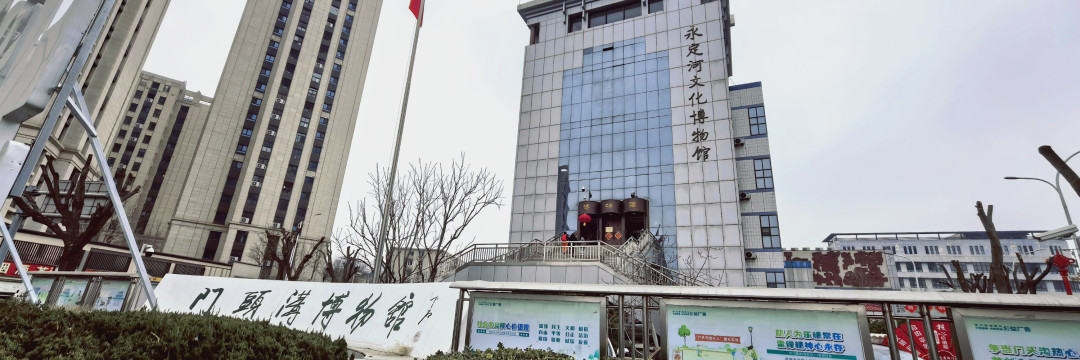
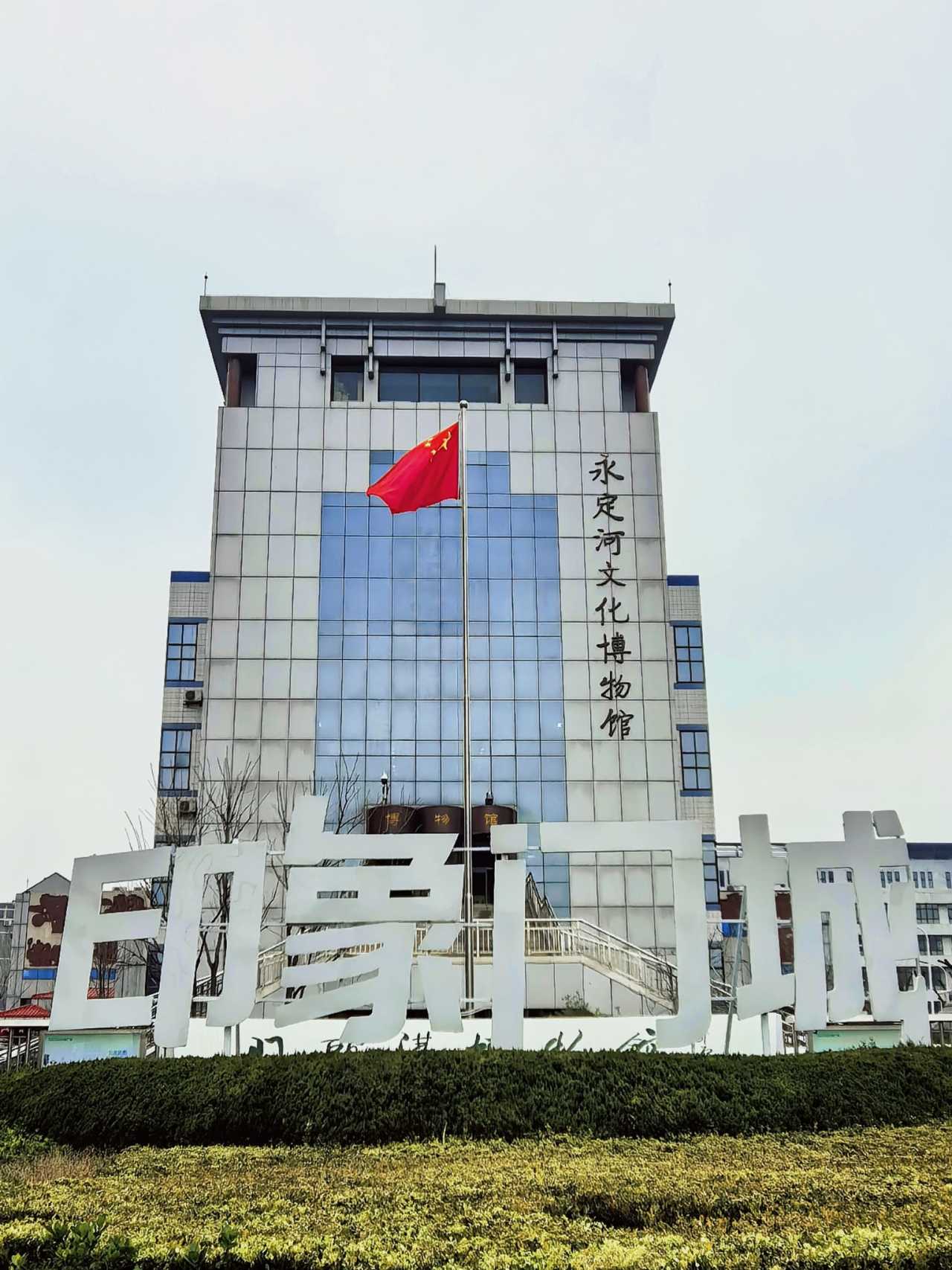
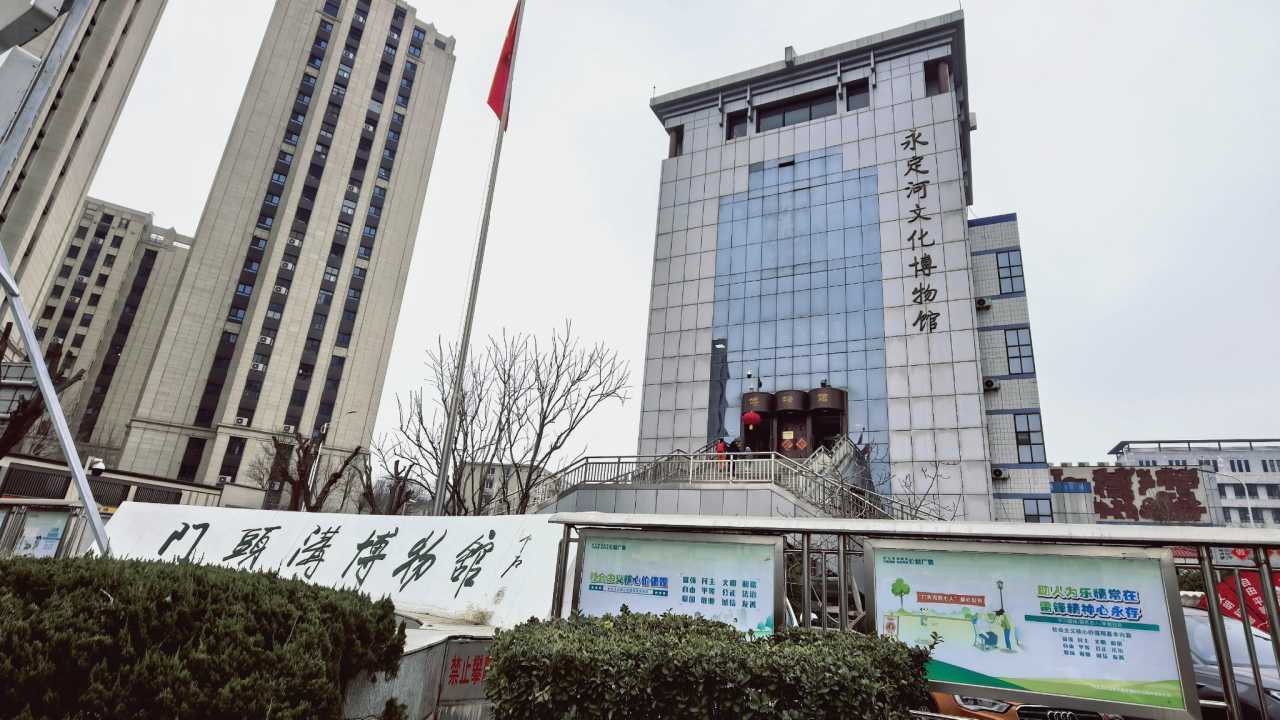
The Yongding River Cultural Museum was originally established as the Mentougou District Museum in 1984. Even today, the original sign remains at the entrance, a reminder of its groundbreaking role in Beijing's museum landscape.
Beijing's First District-Level Museum
On September 1, 1984, the Mentougou District Museum opened its doors, becoming Beijing's first district- and county-level comprehensive local history museum. This was a pioneering move, as most district museums in the city were established years later.
Beijing's First River Basin Cultural Museum

After a new building was completed in 2003, the museum expanded its scope to focus on the Yongding River—Beijing's mother river. In 2011, it was officially renamed the Yongding River Cultural Museum, making it Beijing's first comprehensive museum dedicated to a river basin culture.
Museum Layout and Key Exhibitions
The museum covers an area of 12,800 square meters, with a building area of 10,120 square meters. It houses three permanent exhibitions:
- The History of the Pingxi Anti-Japanese Resistance
- Mentougou Through the Ages
- The Yongding River Cultural Museum Stone Inscription Exhibition
Additionally, two temporary exhibitions are currently on display:
- Longquanwu Kiln Ceramics Exhibition (first floor, south wing)
- Second Calligraphy Competition of Writing the Yongding River (second floor)
[Link: Beijing district museums guide]
Mentougou Through the Ages: A Journey Through Millennia
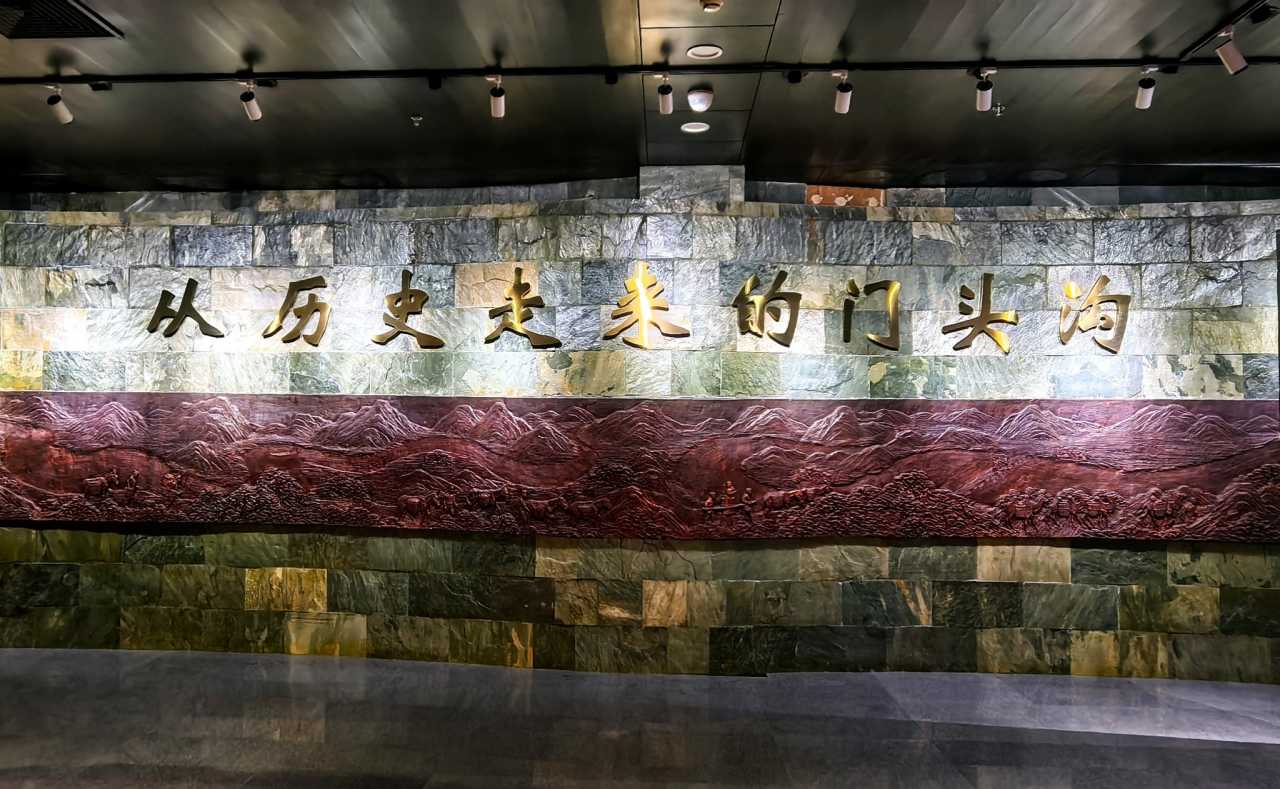
The "Mentougou Through the Ages" exhibition on the fourth floor is the heart of the museum. It tells the story of Mentougou's evolution from prehistoric times to the modern era.
Prehistoric Roots: The Donghulin Man
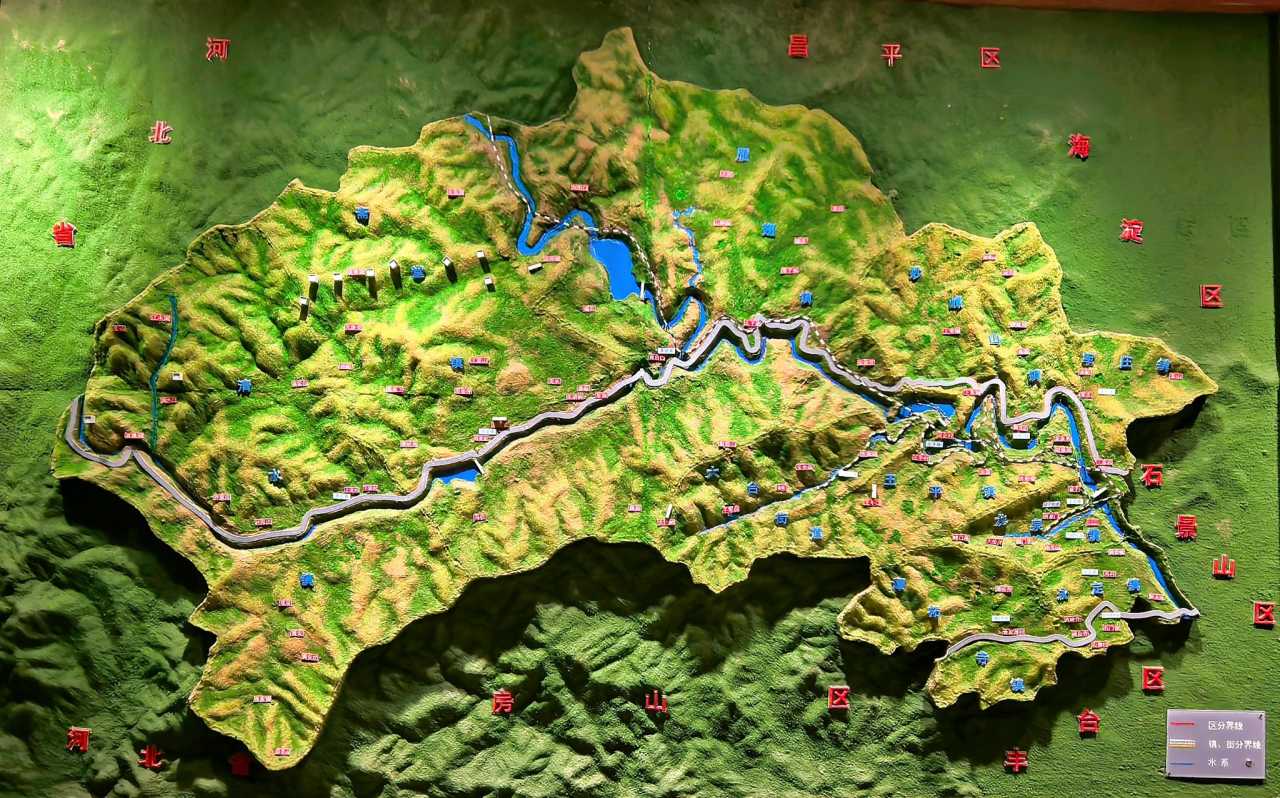
Mentougou's history is far older than most visitors imagine. Around 1.2 million years ago, during the early Paleolithic era, human activity appeared in the mountain forests along the Yongding River and its tributaries. The Donghulin Man site, dating back approximately 10,000 years, is a critical archaeological discovery. According to the museum, it "fills the gap in the history of human development in North China since the Upper Cave Man of 30,000 years ago, and is one of the pioneers of Neolithic culture in North China."
Administrative Evolution
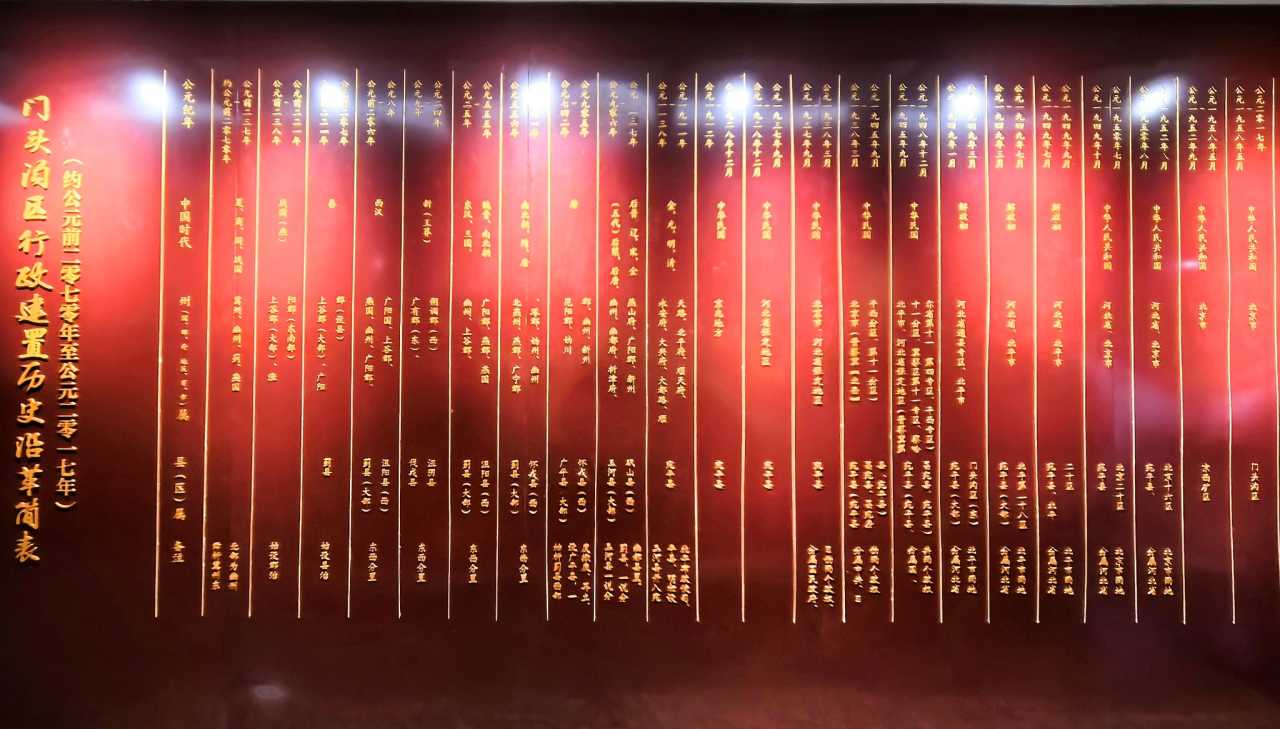
From the Youzhou region of the Shang and Zhou dynasties to the Yan State of the Spring and Autumn and Warring States periods; from the Shanggu Commandery of the Qin and Han dynasties to the Yuhe County of the Sui and Tang dynasties; from the Wanping County of the Liao and Jin dynasties to the Shuntian Prefecture of the Ming and Qing dynasties—Mentougou's administrative divisions have changed many times. Yet, it has always remained an important gateway to western Beijing.
Mentougou's Unique Administrative History
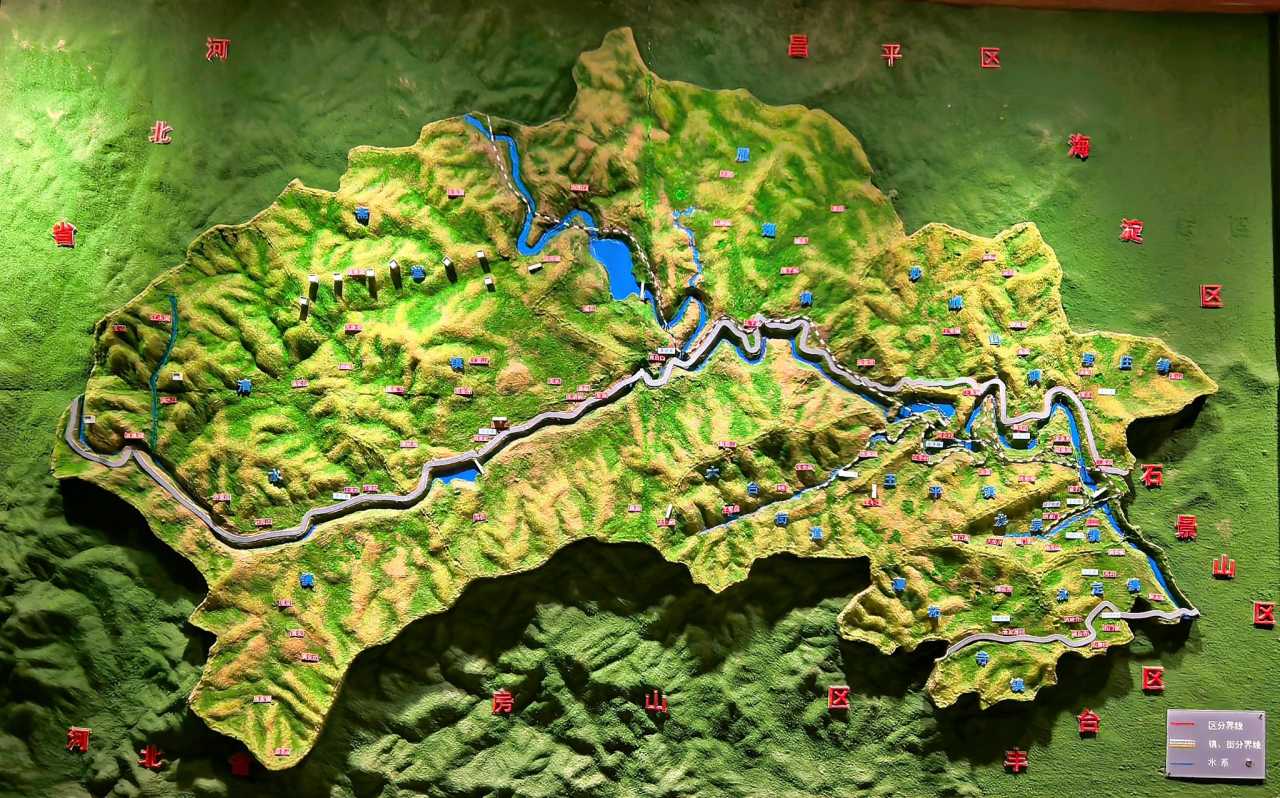
Mentougou was the earliest established administrative district among Beijing's outer suburbs. After the abolition of the Jingxi Mining District in 1958, Mentougou District was officially named, becoming the only outer suburb in Beijing to be directly established as a district without first going through a "county" stage. This happened decades earlier than other suburbs like Changping, Shunyi, Tongzhou, and Daxing, which transitioned from counties to districts.
[Link: History of Mentougou District]
Nine Distinctive Features of Mentougou
Based on the exhibition content, here are the nine most distinctive features of Mentougou that make it a unique destination:
1. A Wealth of Temples
"First came Tanzhe Temple, then came Beijing City"—this centuries-old saying speaks to the ancient age and reverence of Tanzhe Temple. Other ancient monasteries like Jietai Temple, Baipu Temple, and Lingyue Temple are scattered like stars, creating a unique religious cultural landscape in western Beijing.
2. Dense Concentration of Ancient Villages
The scholar culture of Lingshui Village, the Ming Dynasty legacy of Sanjiadian, and the terraced fields of Weizishui Village are just a few examples. These ancient villages are like pearls scattered among the mountains, stringing together the nostalgic memories of western Beijing.
3. Rich Folk Culture
Intangible cultural heritages such as the Miaofeng Mountain Pilgrimage Association and the Jingxi Ancient Banner Festival continue to be passed down to this day. The exhibition hall displays items like a Qing Dynasty folk painting of "The Seventy-Two Departments and Five Halls of Yama," a Buddhist plaque painting of "Namo Dharma Ocean Buddha," and a Republican-era Shanxi opera robe—all physical testimonies to these living cultures.
4. The Jingmen Railway
The century-old railway bridge that spans the Yongding River still stands tall, telling the story of the rise and fall of western Beijing's industrial civilization.
5. The Longquanwu Kilns
This Liao and Jin Dynasty site was the largest comprehensive kiln complex in North China at the time. A dedicated exhibition showcases its history and significance.
6. The Coal Industry
Mentougou was once the main fuel supplier for Beijing City. The exhibition hall features coal chunks and a scene of a "pull-out tunnel" from a small pre-Qing Dynasty coal mine, making visitors feel as if they have traveled back to an era of rolling "black gold."
7. Glazed Tile Production
Mentougou's glazed products once "added bricks and tiles" to imperial buildings like the Forbidden City. This craft continues to be practiced today.
8. Revolutionary Old Base Area
Whether it was establishing the Pingxi Anti-Japanese Base Area or resisting the Kuomintang reactionaries, Mentougou was always at the forefront. The special exhibition on the Pingxi Anti-Japanese War presents this period of turbulent history in its entirety.
9. The Ever-Changing Yongding River
This mother river of Beijing both nourished the land of western Beijing and brought devastating floods. The exhibition hall displays a copy of a memorial to the throne from the Guangxu period of the Qing Dynasty, in which Prince Chun reported on the repair of the Yongding River, bearing witness to the millennia-long struggle between humans and the river.
[Link: Yongding River history and ecology]
The Treasured Stone Inscription Exhibition: A Private Dialogue with the Millennia
My original purpose for this visit was to find the Buddha head from Shifo Village (Stone Buddha Village). Not finding it in the "Mentougou Through the Ages" exhibition hall, a staff member suggested I check the stone inscription exhibition on the basement level.
Going down the stairs and pushing open the door on the north side of the exhibition hall, I found myself the sole visitor in this space. While the previous halls might have had a few people passing through, here I was completely alone—a quiet, private moment with thousand-year-old stone carvings.
The Buddha Head from Shifo Village
And there the Buddha head was, in the most prominent spot near the entrance. It is 44 centimeters high and 42 centimeters in diameter, preserved in remarkably good condition. According to the "Records of Imperial Capital Scenic Spots and Historical Sites" (Dijing Jingwu Lue), the cliff-side carvings at Shifo Village were originally on the site of the Yongqing Nunnery. Today, the genuine Buddha head lies quietly here, waiting for every attentive visitor.
Stories Behind the Stone Inscriptions
Every piece in this exhibition has a story to tell. From ancient Buddhist carvings to official inscriptions marking river repairs, these stones are not just artifacts—they are windows into the lives, beliefs, and struggles of people who lived centuries ago.
[Link: Stone inscription exhibitions in Beijing]
FAQ: Everything You Need to Know About the Yongding River Cultural Museum
1. What are the opening hours and admission fees?
The museum is typically open from 9:00 AM to 4:30 PM, Tuesday through Sunday. It is closed on Mondays. Admission is free, but visitors may need to register at the entrance with a valid ID.
2. How do I get to the Yongding River Cultural Museum?
The museum is located in Mentougou District, about 25 kilometers west of central Beijing. You can take Subway Line S1 to Shichang Station or Pingleyuan Station, then transfer to a local bus (such as Bus 931 or Bus 977). Alternatively, a taxi from central Beijing takes approximately 40–60 minutes, depending on traffic.
3. What are the must-see exhibits?
Don't miss the Buddha head from Shifo Village in the stone inscription exhibition, the Longquanwu Kiln ceramics, and the Mentougou Through the Ages exhibition on the fourth floor. The Pingxi Anti-Japanese Resistance exhibition is also highly recommended for history buffs.
4. Is the museum suitable for children?
Yes, the museum is family-friendly. Interactive displays and visual exhibits make it engaging for children, especially those interested in history and archaeology. However, some exhibitions may be text-heavy, so younger children may need guidance.
5. Are there guided tours available?
Guided tours are available upon request, but it's best to call ahead to confirm availability. Audio guides may also be available at the front desk.
Conclusion: Plan Your Visit to Beijing's Hidden Cultural Treasure
The Yongding River Cultural Museum is more than just a museum—it's a gateway to understanding the deep history, culture, and natural heritage of western Beijing. From prehistoric human activity to the industrial revolution, from ancient temples to revolutionary struggles, this museum offers a comprehensive and intimate look at a region that has shaped Beijing's identity.
Whether you're a local resident or a traveler seeking unique experiences in Beijing, this museum deserves a spot on your itinerary. It's a place where history comes alive, where you can have a private moment with a thousand-year-old Buddha head, and where you can walk through the stories of a river that has nourished a civilization.
Plan your visit today. Step into the Yongding River Cultural Museum and discover the "firsts" that make Mentougou truly special.
Have you visited the Yongding River Cultural Museum? Share your experience in the comments below, or tag us in your photos on social media. For more off-the-beaten-path attractions in Beijing, explore our [Beijing hidden gems guide].
You should also read:
Hidden Beijing: Your Ultimate Guide to the City's Lesser-Known Spots (2024 Update)
Meta Description: Discover Beijing's secret gems beyond the Forbidden City. From the Red Brick Art Museum to Tianning Temple Pagoda, explore off-the-beaten-path attractions with this insider's guide to hidden Beijing. Beijing is a city of contrasts. While millions flock to the Great Wall, Forbidden City,…
Continue reading...
In Beijing: Nine Small Bars and Nine Travel Stories: A Journey Through the City's Hidden Drinking Culture
Meta Description: Discover Beijing's best small bars through nine unforgettable travel stories. From hutong craft beer havens to snow-covered Great Wall adventures, explore the city's soul one glass at a time. "May the lonely always have wine to drink, and the wanderers always have songs…
Continue reading...
Beneath the Surface: Discovering Beijing’s Hidden Colors Through Its Metro – An SEO-Optimized Guide
Meta Description: Explore Beijing’s hidden colors through its metro art. From Yuanmingyuan murals to Xidan reliefs, discover the city’s soul underground. Plan your cultural subway tour now. Most travelers judge Beijing by its skyline, street food, or famous landmarks. But if you truly want to…
Continue reading...