You Must See Beijing's Autumn Once: The Ultimate Roaming Guide Within the Third Ring Road
Meta Description: Discover Beijing's autumn magic within the Third Ring Road. From Yongdingmen to the Temple of Heaven, this SEO-optimized guide reveals hidden gems, ginkgo-lined paths, and ancient architecture. Plan your perfect fall trip now.
Introduction: Why Beijing’s Autumn Is a Must-See
Six years ago, I rushed through Beijing on a brief visit. This time, I finally made up my mind—for a film screening at the French Cultural Center—to embark on this long-overdue autumn journey. Over eight days in early November, I experienced Beijing in bright sunshine, drizzling rain, and light mist. Yet unexpectedly, I discovered that the city's most beautiful moments are hidden in the bicycle bells ringing through the hutongs, in the instant of looking up beneath a ginkgo tree, in lazy afternoons soaking up warm sunlight on a park bench, and in front of those ancient buildings with red walls and yellow tiles, where you can't help but marvel at the wisdom and craftsmanship of the ancients.
If you also want to experience Beijing in autumn, this comprehensive guide within the Third Ring Road might help you avoid detours and leave you more time for simply daydreaming.
The Central Axis: A Time Tunnel from South to North
Yongdingmen: The Southernmost Point of the Central Axis
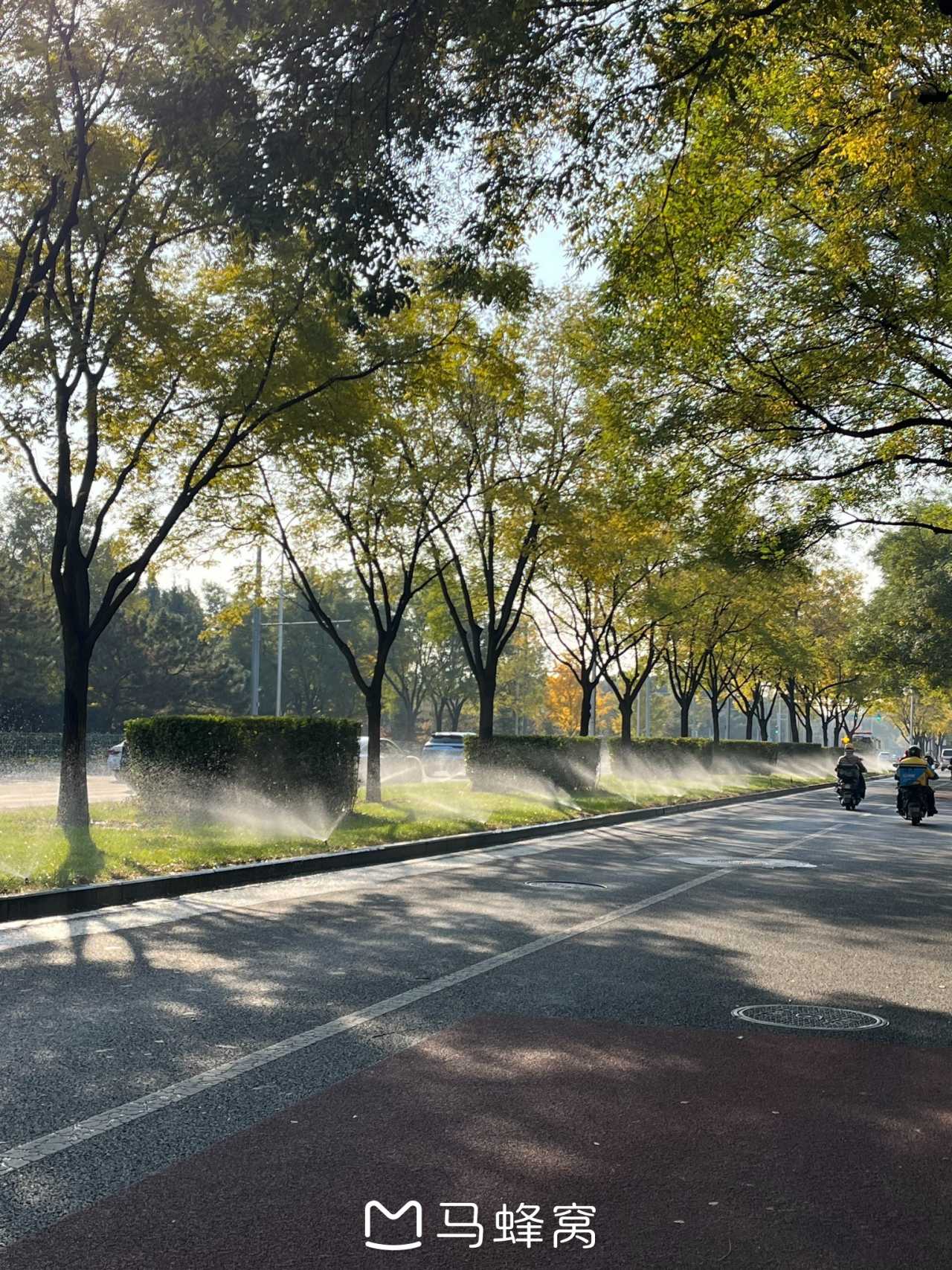
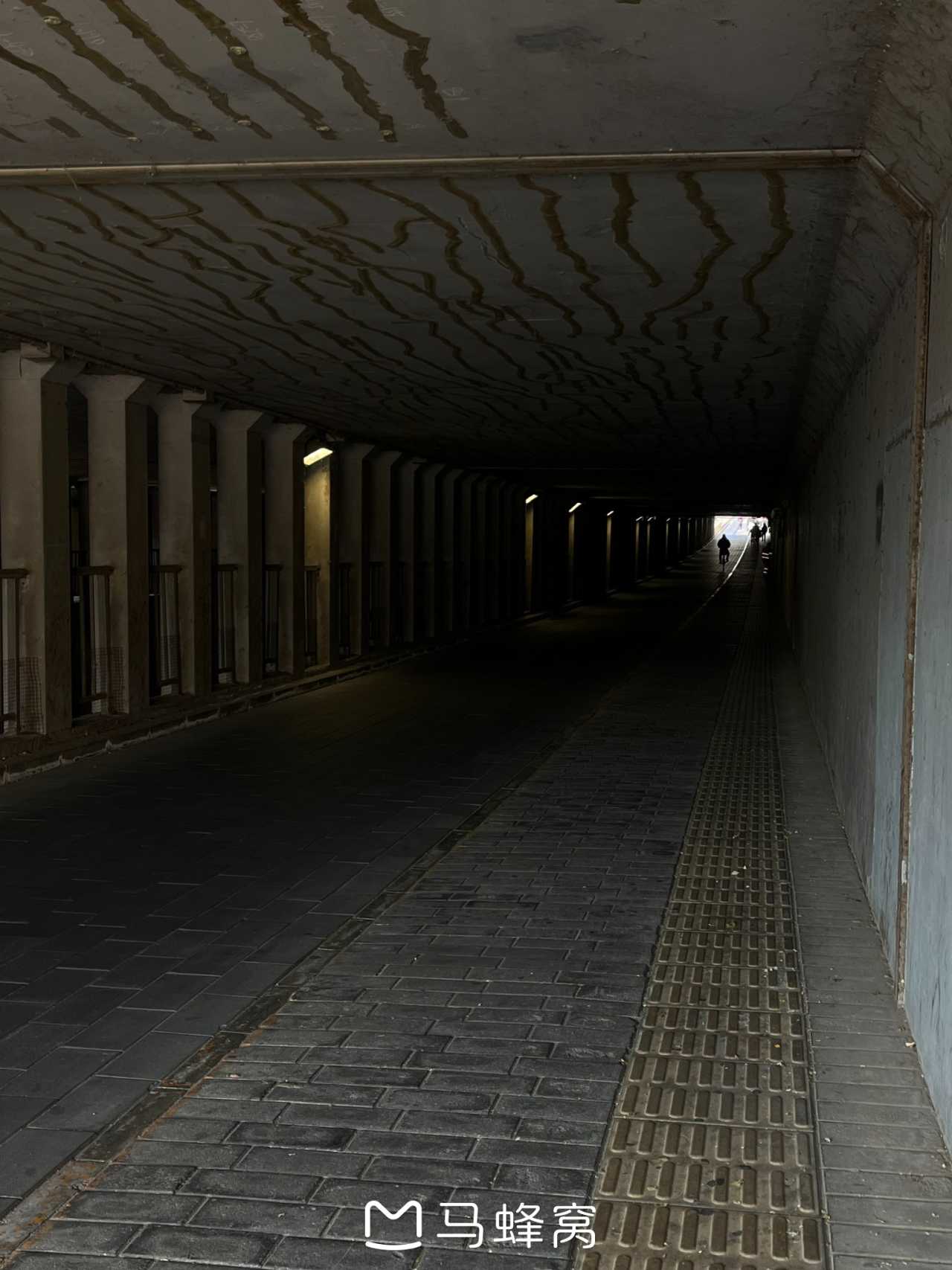
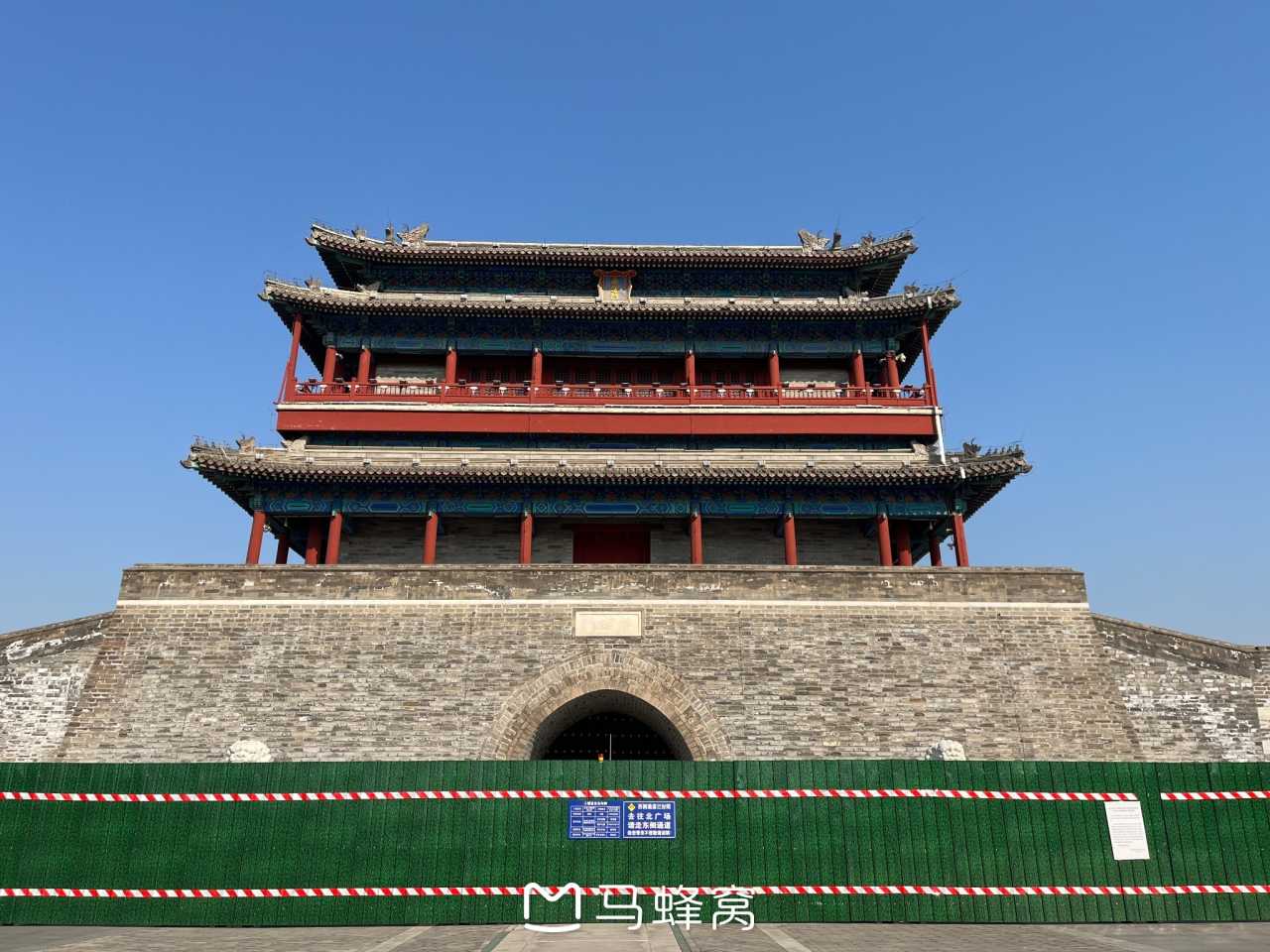
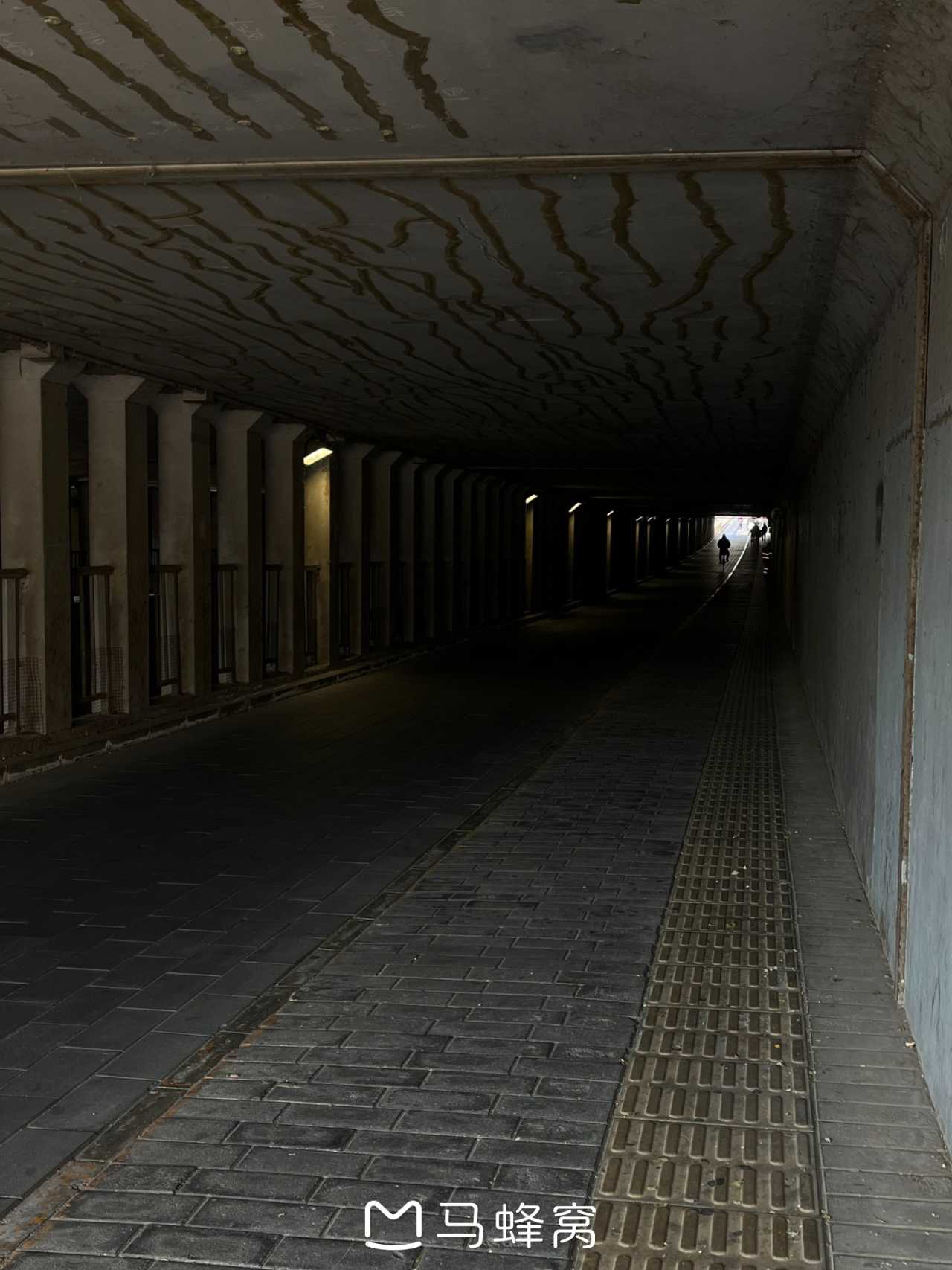
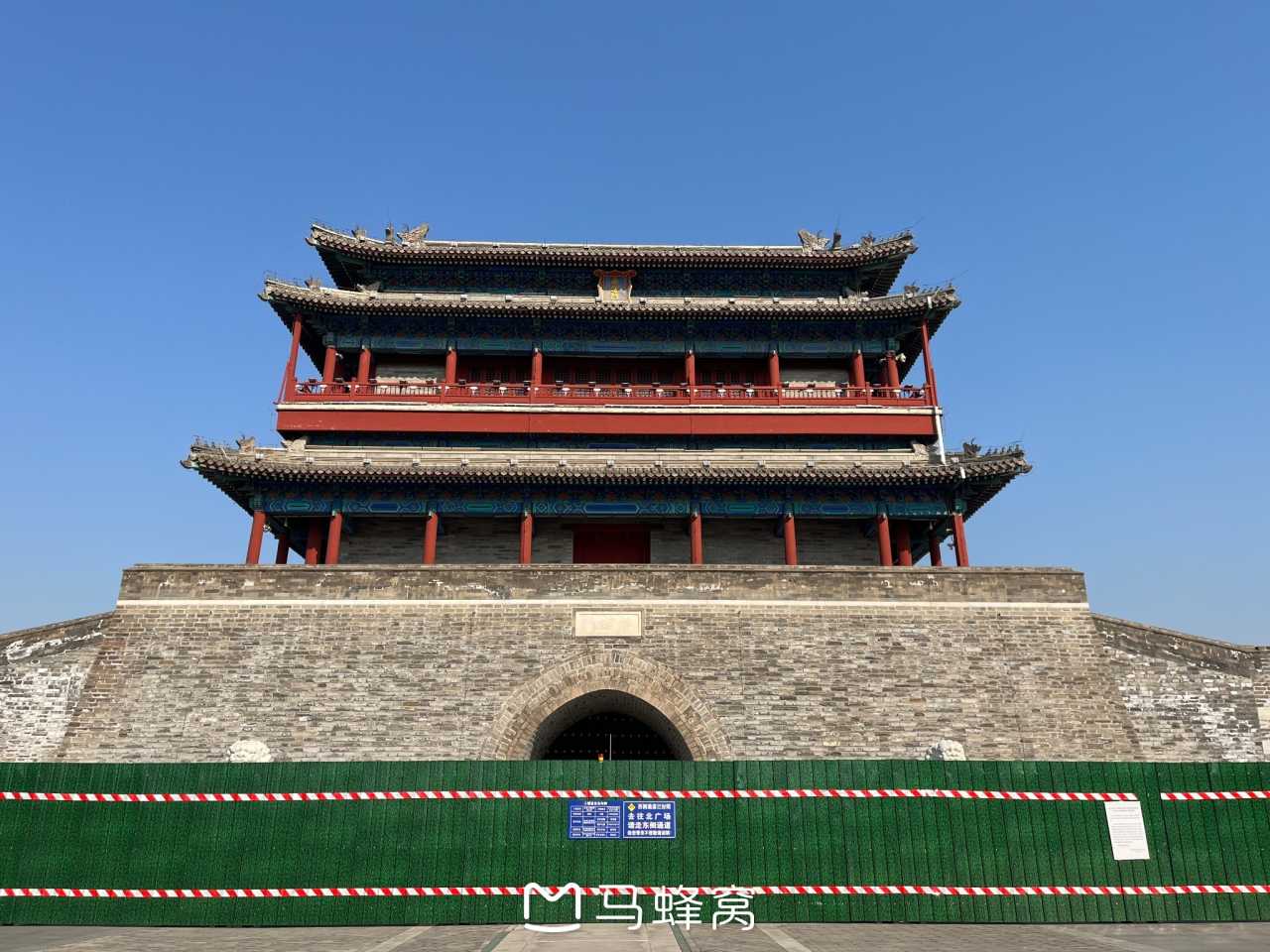
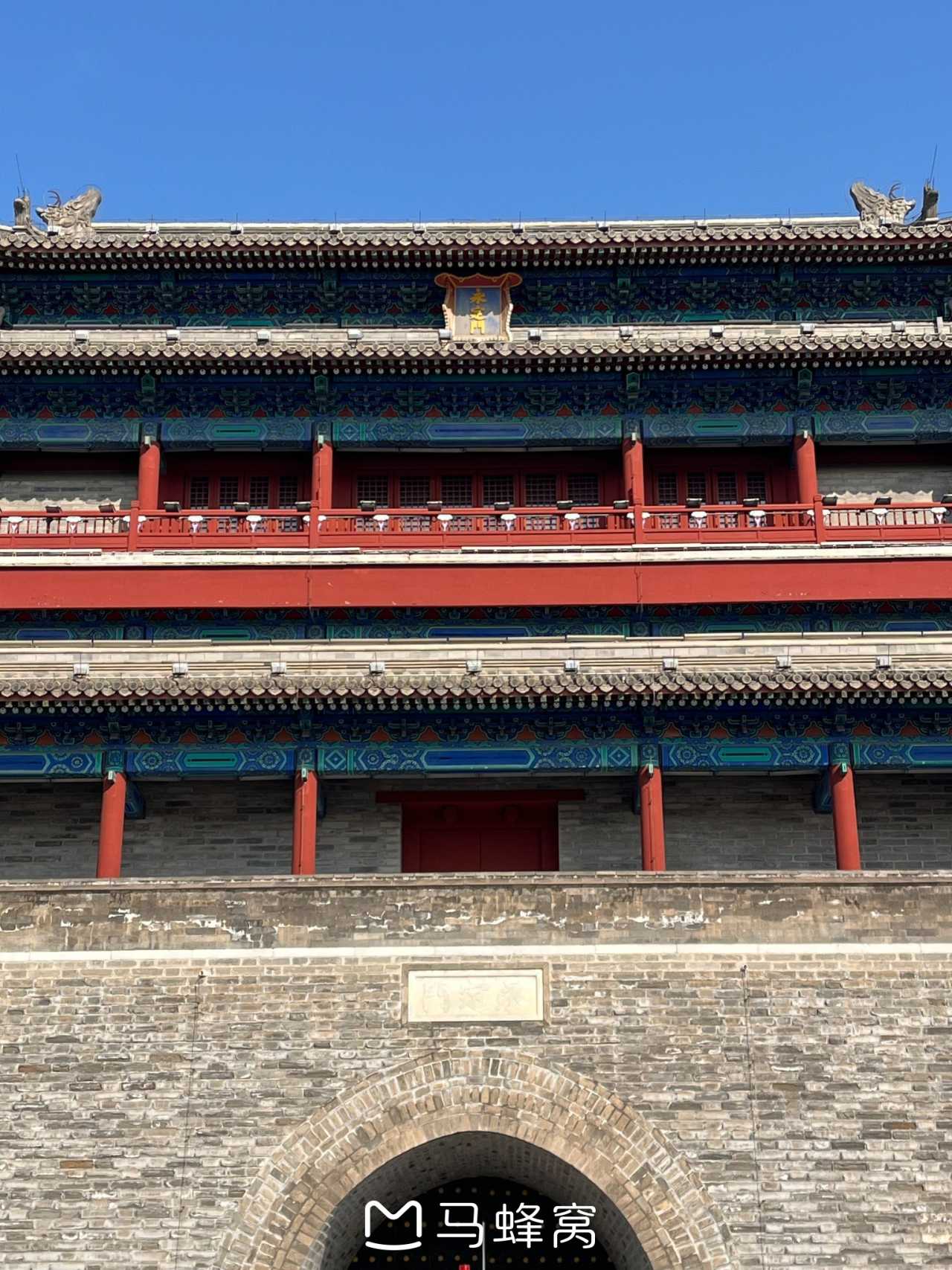
On a clear day, cycling along Yongdingmen Inner Street is a pleasure. Climb the stairs from the middle of the underpass, and you'll find yourself in a small square in front of Yongdingmen. As the southernmost structure on the central axis, Yongdingmen was once the most prestigious of the seven outer city gates. In September of this year, it was fenced off for renovations, but that doesn't stop you from feeling its grandeur from the square.
Behind Yongdingmen lies Yongdingmen Park, divided into northern and southern sections. The area closest to Yongdingmen is the most lively, where locals dance, exercise, and relax, making you want to sit down for a cup of tea. The road in the middle of the park is a remnant of the southern section of the central axis—the path ancient emperors took from the Forbidden City to the southern suburbs for sacrificial ceremonies. Walking along this road, you can almost hear the echoes of history.
Pro Tip: Visit early morning or late afternoon for golden light and fewer crowds. [Link: Best time to visit Beijing autumn attractions]
The Altar of Agriculture and the Beijing Ancient Architecture Museum
Practical Information for Your Visit
Getting There: Get off at Tianqiao subway station and walk to the end of Dongjing Road. The first 200 visitors on Wednesdays get free entry. Note: Closed on Mondays.
Just inside the entrance on the left, a few ginkgo trees dazzle in their yellow brilliance. I recommend waiting in front of the Divine Kitchen for the 9:30 AM volunteer-guided tour. I listened to the guide from 9:30 until nearly noon, and it was incredibly rewarding—plus, there were very few people, making for an excellent experience.
History and Architecture of the Altar of Agriculture
The Altar of Agriculture was originally called the Altar of Mountains and Rivers, built by Zhu Di (the Yongle Emperor) in imitation of Zhu Yuanzhang's construction in Nanjing. At its peak, it had inner and outer altars, covering an area larger than the Forbidden City, primarily dedicated to the God of Agriculture and the God of the Year (Tai Sui). The Divine Kitchen area features an ancient well, and the eastern and western side halls and main hall display information about sacrificial rituals—preliminary offerings, imperial participation, plowing and viewing ceremonies, tea offerings—each step with its own significance. The animal slaughter pavilion on the left features a double-eave overhanging gable roof, a unique example among imperial altars and temples. The roof directly exposes its beams, with a washing pool below and ventilation openings specifically for observing the pillars.
Highlights You Cannot Miss
In front of the Divine Kitchen is the sacrificial altar of the Altar of Agriculture, with eight steps—even numbers are used for earth sacrifices. The deities face south from the north, while the emperor faced north during worship. The adjacent incense burner is a Ming-dynasty structure, featuring a V-shaped design with three curves, occupying one-third of the group, adorned with exquisite swirling-pattern polychrome paintings (during the Qing dynasty, it became a W-shaped design with two curves, occupying half, using harmonious imperial-style paintings).
The Worship Hall (Bai Dian) was where ministers paid their respects from a distance. The coiled-dragon caisson ceiling inside is breathtaking—the dragon is so intricately carved that no matter where you stand, it seems to be watching you. In the corner, there's an old phoenix pattern fragment; the rest was restored after an earthquake. The Hall of the God of the Year (Tai Sui Dian) houses the God of the Year, and on the left is the famous starry caisson ceiling—said to contain over a thousand stars, surrounded by a six-tiered three-dimensional celestial palace pavilion, filled with jade towers and adorned with imposing statues of the Four Heavenly Kings at the corners. This is the most beautiful caisson ceiling I've ever seen, bar none.
Exhibitions and Lesser-Known Spots
The Worship Hall, eastern and western side halls, and the Hall of the God of the Year all host exhibitions on ancient architecture; if you have time, take a leisurely look. The Robing Hall (Ju Fu Dian) was for changing clothes, and in front of it is the Plowing Platform (Geng Tai)—the emperor sat here watching officials plow the fields. The unique "dragon-entwined grass" pattern on the yellow and green glazed tiles is distinctive. The "one mu and three fen" (about 0.2 acres) of land in front was where the emperor performed three pushes of the plow and planted rice, the crown prince five pushes, and ministers nine pushes.
The Celebration Palace (Qing Cheng Gong) was the emperor's resting place, where tea was offered to celebrate the successful completion of the ceremony. It opened to the public in December 2024, about a 20-minute walk away. The Divine Granary (Shen Cang) is in a small area next to the Altar of Agriculture, opened in April 2024, and is known as "the world's first granary." After the grain was harvested, it was transported here for storage and transformed into offerings for sacrifices. The grain-drying pavilion, eastern and western mill rooms, and eastern and western granaries all feature small skylights designed to prevent mold and moisture. The guide mentioned that a brick was deliberately left exposed on the back wall of the Divine Granary, revealing an old brick inscribed with the craftsman's name—the brick's maker was called "Li Ming" (黎明). The Altar of Agriculture has its own Four Heavenly Kings; without the guided tour, you'd never know these details. [Link: Beijing ancient architecture museums guide]
The Temple of Heaven: A Place with a Different Energy
Planning Your Visit
The Temple of Heaven is truly vast; if you want to explore it slowly, you could spend an entire day there. I visited twice. Note: The Hall of Prayer for Good Harvests (Qi Nian Dian) is closed on Mondays.
First Visit: Entering Through the West Gate
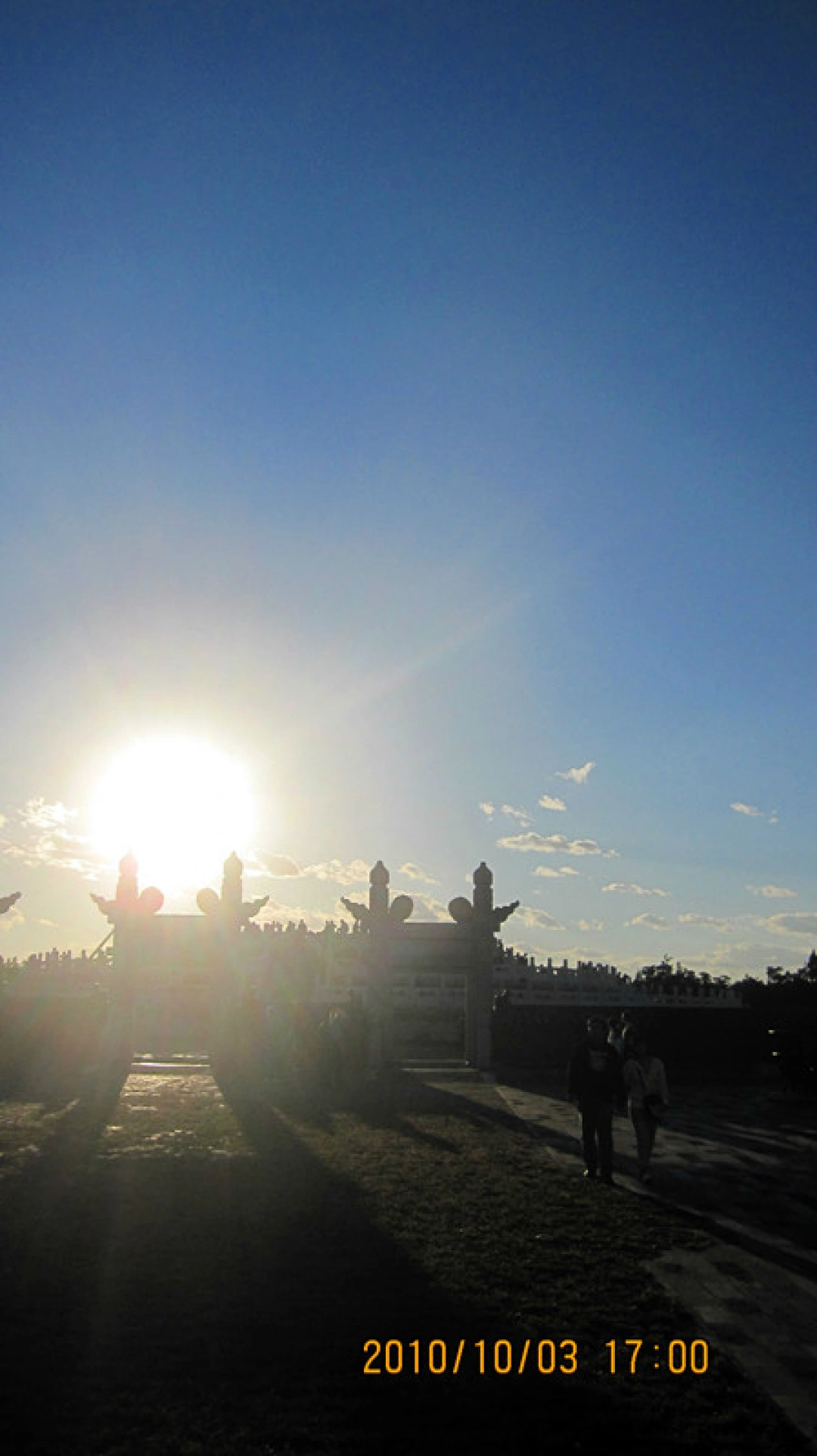
The first time, I entered through the west gate. Someone was practicing bamboo clappers at the entrance. The park's greenery is superb—Beijing has over three thousand ancient trees, and the Temple of Heaven accounts for one-third of them. Red tags mark first-grade ancient trees, while green tags mark second-grade ones. The sunlight was perfect that day, streaming through the trees to create multiple beams of light, unreal in its beauty. I also spotted small squirrels and a bird with beautiful light blue long feathers.
The Hall of Abstinence (Zhai Gong) has three gates. The Double Ring Longevity Pavilion (Shuang Huan Wan Shou Ting) features a double-ring structure with connecting corridors on both sides—the first time I'd seen a pavilion of this shape. Walking along the city wall, there's a photo spot where you can capture the palace gate, yellow ginkgo trees, and the back of the Hall of Prayer for Good Harvests. I finally exited through the north gate.
Second Visit: Entering Through the South Gate
The second time, I entered through the south gate and bought a combined ticket for the core attractions. The Temple of Heaven was originally used for joint sacrifices to Heaven and Earth. During the Jiajing period of the Ming dynasty, "separate sacrifices to Heaven and Earth" were implemented, and a new Circular Mound Altar (Huan Qiu Tan) was built. The acoustics here are famous—stand on the center stone and speak, and your voice echoes back to you. The surrounding marble balustrades are beautifully carved, and the entire structure is designed to symbolize the connection between heaven and earth.
Photography Tip: The golden ginkgo trees near the Hall of Prayer for Good Harvests create stunning reflections in the rain pools after light showers. [Link: Temple of Heaven photography tips]
FAQ: Your Beijing Autumn Travel Questions Answered
1. What is the best time to visit Beijing in autumn?
The peak autumn foliage season in Beijing typically runs from late October to mid-November. Early November offers the best balance of vibrant colors and comfortable weather, with temperatures ranging from 5°C to 15°C (41°F to 59°F).
2. How many days do I need to explore the Third Ring Road attractions?
A minimum of 2–3 days is recommended to cover the major sites within the Third Ring Road, including the Temple of Heaven, Altar of Agriculture, and Yongdingmen. Add an extra day if you want to explore hutongs and local markets.
3. Are there any free entry days for these attractions?
 Yes! The Altar of Agriculture offers free entry to the first 200 visitors on Wednesdays. Many other parks and temples also have discounted or free entry on specific days—check official websites before visiting.
4. What should I wear for autumn sightseeing in Beijing?
Layered clothing is essential. Mornings and evenings can be chilly (around 5°C), while afternoons are milder. Comfortable walking shoes are a must, as many sites like the Temple of Heaven involve extensive walking.
5. Can I cycle between attractions within the Third Ring Road?
Absolutely! Cycling is one of the best ways to explore Beijing's central axis. Bike-sharing apps like Mobike and HelloBike are widely available. Yongdingmen Inner Street and the hutongs near the Altar of Agriculture are particularly bike-friendly.

Internal Linking Suggestions
- [Link: Beijing autumn foliage hotspots beyond the Third Ring Road]
- [Link: Complete guide to Beijing's ancient architecture museums]
- [Link: Best cycling routes in Beijing for autumn sightseeing]
- [Link: Temple of Heaven photography guide for beginners]
- [Link: Beijing hutong walking tours in fall]
Conclusion: Your Autumn Beijing Adventure Awaits
Beijing in autumn is not just a visual feast—it's a journey through time, culture, and nature. From the grand Yongdingmen to the serene Altar of Agriculture, and from the majestic Temple of Heaven to the golden ginkgo trees lining ancient paths, every corner of the city within the Third Ring Road offers a story waiting to be discovered.
Whether you're a history buff, a photography enthusiast, or simply a traveler seeking beauty and tranquility, Beijing's autumn will leave you spellbound. The bicycle bells in the hutongs, the warm sunlight on park benches, and the awe-inspiring craftsmanship of ancient builders—these moments will stay with you long after you leave.
Ready to experience Beijing's autumn magic? Book your trip now, grab a bike, and start exploring. Don't forget to share your favorite spots with us in the comments below—we'd love to hear about your own Beijing autumn adventure!
Plan your visit today and discover why Beijing's autumn is truly a must-see.
You should also read:
A Passionate Journey Through Beijing & Tianjin: Beijing Complete Guide – JOJO's In-Depth Travel Notes
Meta Description: Explore Beijing & Tianjin in 5 days with this complete travel guide. From the Forbidden City to the Great Wall, discover insider tips, transportation hacks, and must-see attractions. Plan your perfect China trip today. Beijing is not just a city—it's a living museum…
Continue reading...
The Accent of Beijing: A Hutong Odyssey in a Downpour – Exploring Beijing's Hidden Charms
Meta Description: Discover Beijing's soul through a rain-soaked hutong odyssey. From Shichahai's melancholy to Mianhua Hutong's philosophy, experience the authentic "accent of Beijing" in this immersive travel story. I'm probably going to laze myself to death. I visited Beijing eight hundred years ago—took the high-speed…
Continue reading...
Four Seasons in Beijing: A Complete Guide to Experiencing the Capital's Year-Round Beauty
Meta Description: Discover Beijing through all four seasons in this comprehensive guide. From late summer ginkgo leaves to winter snow at the Forbidden City, explore the capital's hidden gems, cultural festivals, and timeless charm. On the first day of August, I boarded a northbound train…
Continue reading...