Four Seasons in the Imperial Capital: A Photographer’s Guide to Beijing’s Timeless Beauty
Meta Description: Discover Beijing’s four seasons through a photographer’s lens. From autumn’s golden ginkgo at Ditan Park to spring’s cherry blossoms, explore iconic spots, travel tips, and hidden gems in the Imperial Capital.
Prologue: A Belated Encounter with Beijing’s Four Seasons
This is a record long overdue. In 2020, fate brought me to Beijing—an ancient capital bearing millennia of civilization. Between work commitments, I shouldered my camera and wandered through winding alleyways, capturing the city’s spring blossoms and autumn leaves, its dawn light and dusk shadows. This article is my personal chronicle of the four seasons in the Imperial Capital, where time freezes through the lens and stories flow through the years.

Beijing’s seasons are never half-hearted. Spring bursts with riotous blooms, autumn blazes with layered forests, summer scorches with relentless sun, and winter blankets everything in pristine snow. The vibrant colors through my lens left me in awe time and again at the city’s thousand faces. From the gentle caress of spring breezes to the fierce heat of summer sun, from autumn’s dazzling palette to winter’s silent snowfall, every moment deserves to be remembered.
The year 2020 was destined to be extraordinary. The sudden pandemic made us witness the resilience and strength of a heroic nation. Thanks to the sacrifices of frontline workers, our motherland once again welcomed spring with flowers blooming. That year’s experiences impressed upon me the sense of security and belonging this land provides—and gave me more opportunities to document the Beijing four seasons photography that you’ll find in this guide.
I’ve gotten lost with friends on self-driving trips, missed the last train while waiting for the perfect shot, and crouched for half a day to get the right angle. But for someone who loves life, it was all worth it.
Autumn in Beijing: A Symphony of Colors and Old Peking Charm
Autumn in Beijing is a riot of color. As soon as autumn arrives, Beijing transforms into “Beiping” (the city’s historical name). The writer Lao She once said, “If you must live somewhere in autumn, let it be Beiping. I don’t know what heaven looks like, but judging from my life experience, autumn in Beiping is heaven itself.” I too fell in love with autumn in Beijing—and here are the spots that stole my heart.
Ditan Park: Autumn as I Remembered It
Autumn at Ditan Park first entered my memory through Shi Tiesheng’s essay “Ditan and I.” When I finally stepped into the park, I knew—this was the Beijing autumn photography spot I had been waiting for.
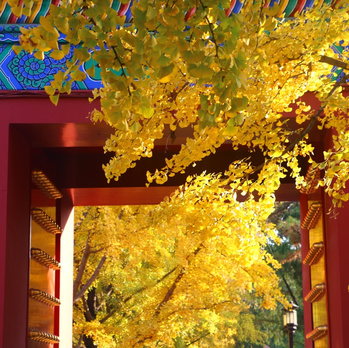
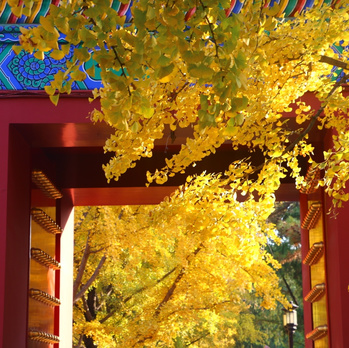
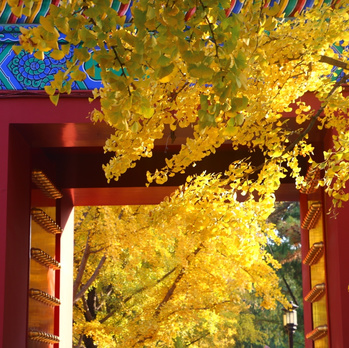
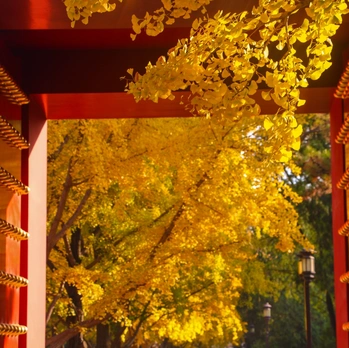
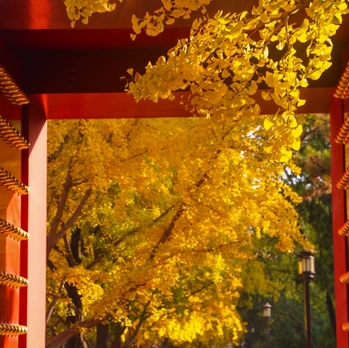
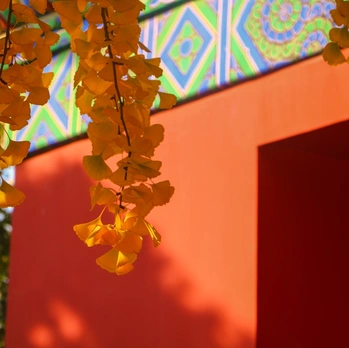
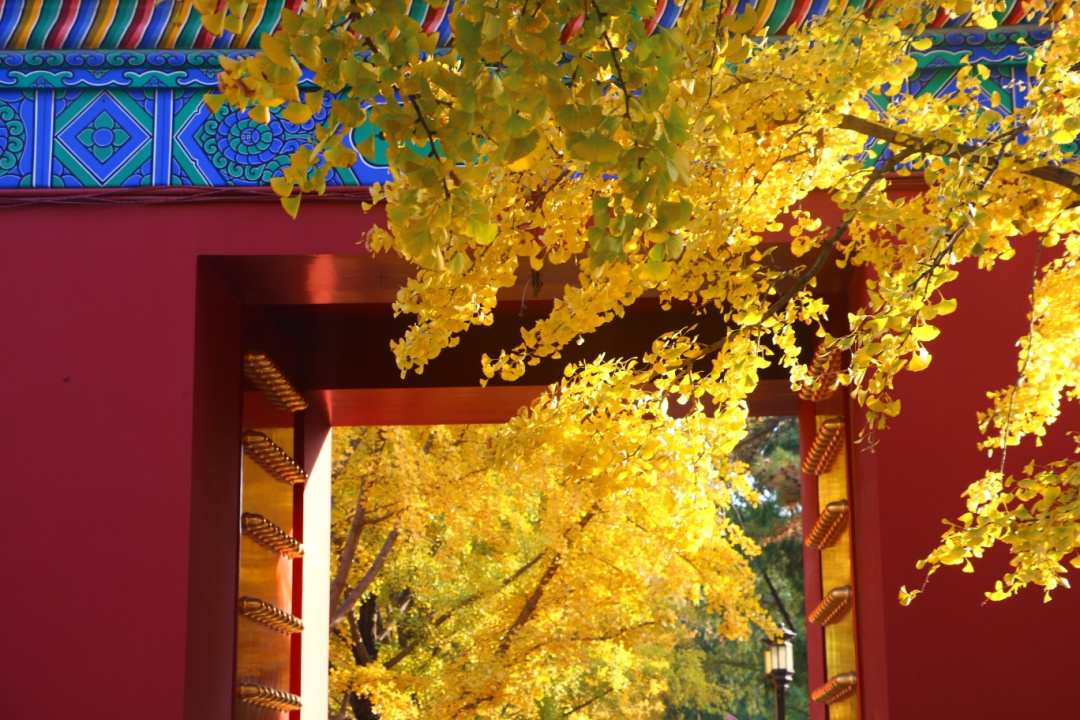
The beauty of Ditan is inseparable from its ginkgo trees. In late autumn, through the main gate’s archway, an endless stretch of gold unfolds before your eyes. My favorite is the “inside and outside the walls”—three gates open on the city wall, with autumn spilling through both sides. Through those open gates, time itself seems frozen.
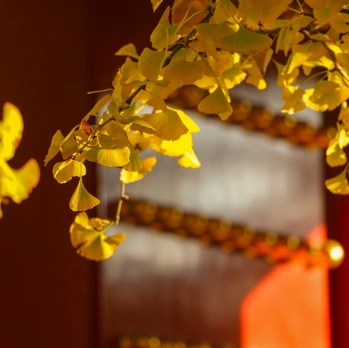
Red walls and glazed tiles form Beijing’s quintessential backdrop. Sunlight filters through golden ginkgo leaves, casting dappled shadows on the red walls, painting a picture of autumn light. Ditan’s autumn feels wonderfully down-to-earth—elderly Beijingers strolling, chess players deep in thought, opera enthusiasts humming tunes. Everywhere, the warmth of everyday life permeates the air.
The Ginkgo Avenue at Ditan Park is a must-see. Two rows of ancient trees interlace, forming a golden corridor. Yellow leaves carpet the path, elevating poetry and romance to their peak. But the most beautiful things are always fleeting—one autumn wind can turn all the trees gold; one autumn rain can send the leaves falling. Walking through it, you can almost hear autumn’s melody.
The ancient trees at Ditan are a highlight, most over 300 years old. Oriental arborvitae, locust trees, jujube trees, elms, and ginkgos all show off their finest colors in autumn. Looking up, between the gold you catch glimpses of bright blue—the sky’s own signature.
[Link: Best time to visit Ditan Park for ginkgo season]
Fragrant Hills: Frosty Autumn, Leaves Like Fire
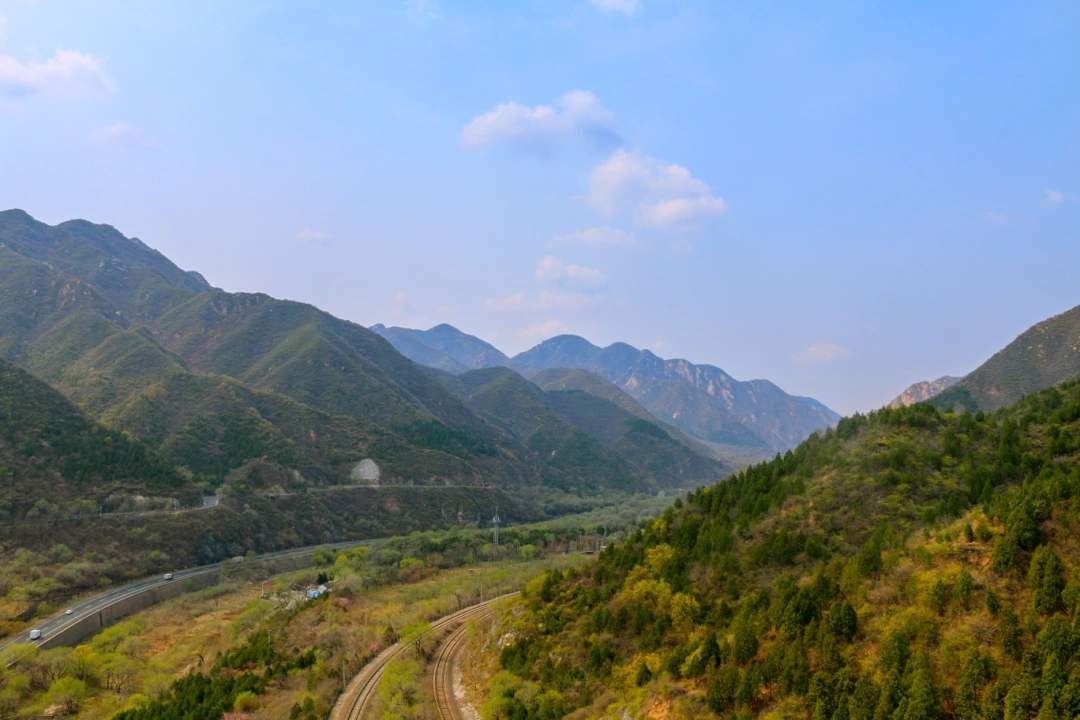
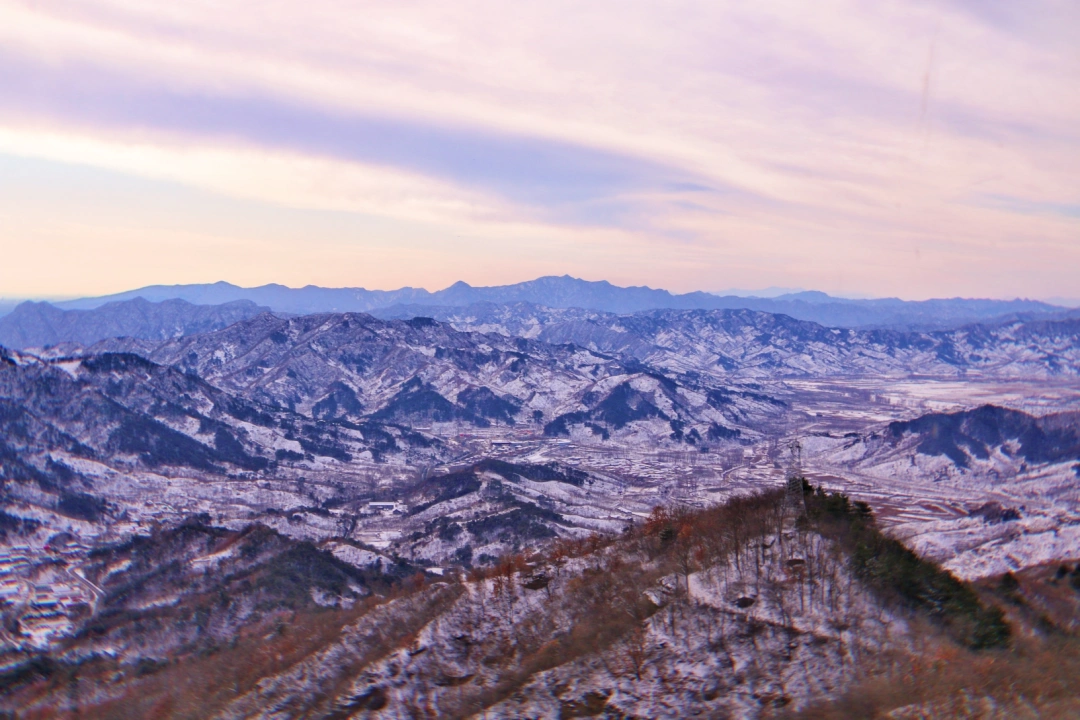
Standing on Incense Burner Peak, the entire Fragrant Hills unfolds before you. The mountainsides are painted red, forests layered in color, presenting a kaleidoscope of hues—the higher you go, the richer the colors, like an oil painting. Fragrant Hills leaf viewing is a quintessential Beijing autumn experience.
Incense Burner Peak isn’t very high, and the climb is moderate, but the latter half features steep stone steps that demand some effort. Still, when you see the spectacular, vibrant scenery, it’s all worth it. The best time for Fragrant Hills autumn foliage is mid-November, when the park seems to flip an autumn switch, and overnight the maple leaves burst into flames of red.
Every tree, every leaf shows a different color—green, pale yellow, orange-yellow, orange-red, deep red, purple-red, brilliant red—interweaving and overlapping like an artist’s palette. If your energy allows, I recommend hiking instead of taking the cable car (50 yuan one way, 100 yuan round trip). The trail lets you get up close to the fiery maple leaves. The ancient poem “I stop my carriage to sit and admire the evening maple grove; its frost-touched leaves are redder than February flowers” finds its truest expression here.
Among the ancient trees, pavilions dot the mountainside. Sunlight pierces through the leaves, illuminating their veins with crystal clarity. Tree trunks are wrapped in climbing vines, which also express their attachment to autumn in brilliant colors.
[Link: Hiking trails at Fragrant Hills Park]
Jingshan Park: Overlooking the Imperial Capital’s Grandeur
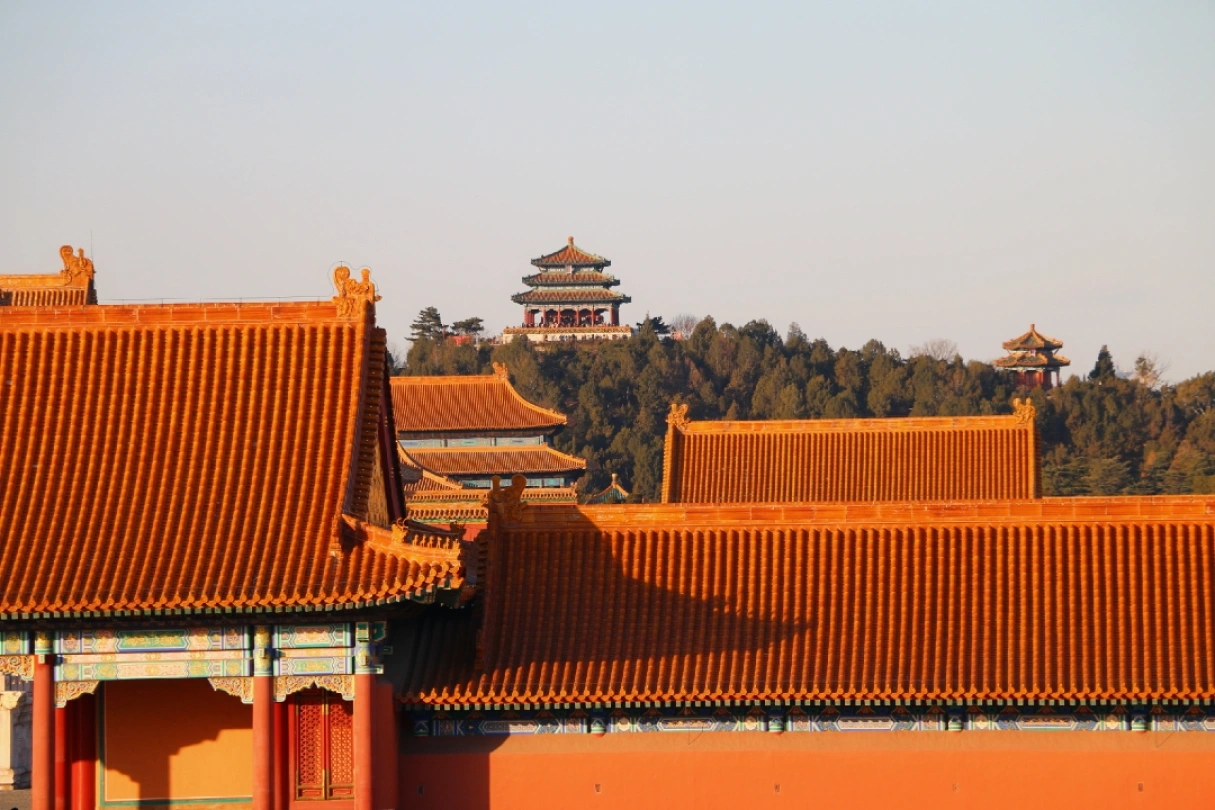
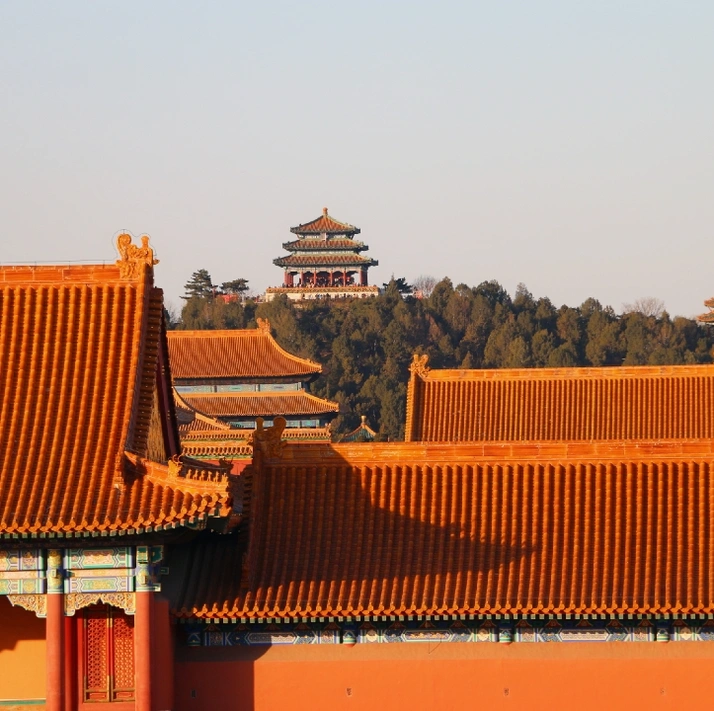
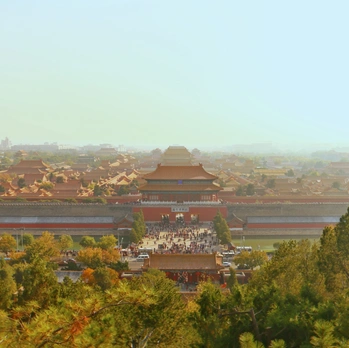
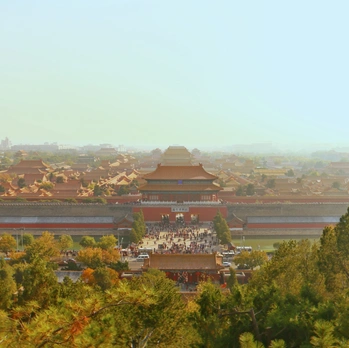
Perched on the central axis, Jingshan was a royal garden during the Ming and Qing dynasties. To the south lies the majestic Forbidden City, looking even more mysterious under autumn’s hues when viewed from the summit. To the north stands the Hall of Imperial Longevity, used for ancestral worship, its perfectly symmetrical architecture, red walls, and yellow tiles exuding solemn dignity.
Jingshan Park autumn views are among the best in Beijing. The park is surrounded by red walls, with ginkgo trees planted on both sides. When autumn arrives, the ginkgo branches reaching over the walls catch the sunlight, casting layered shadows on the red walls. Near Jingshan, another ginkgo avenue offers both golden fallen leaves and green leaves that haven’t yet changed. When autumn winds blow, the ginkgo trees shake their “little fans,” sending them spiraling down. Picking up a leaf feels like picking up the entire autumn.
The lotus flowers in the pond have withered, ending summer’s grand display. The persimmon trees at the entrance are heavy with fruit, telling a story of autumn’s harvest and comfort.
[Link: Jingshan Park vs. Coal Hill for Forbidden City views]
Beihai Park: Let’s Row Our Boats
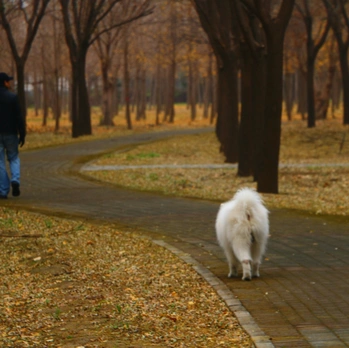
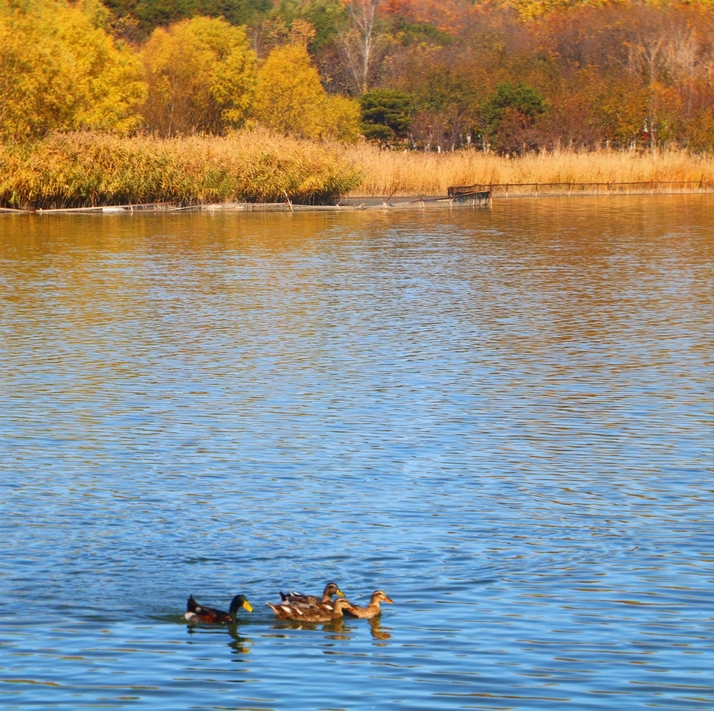
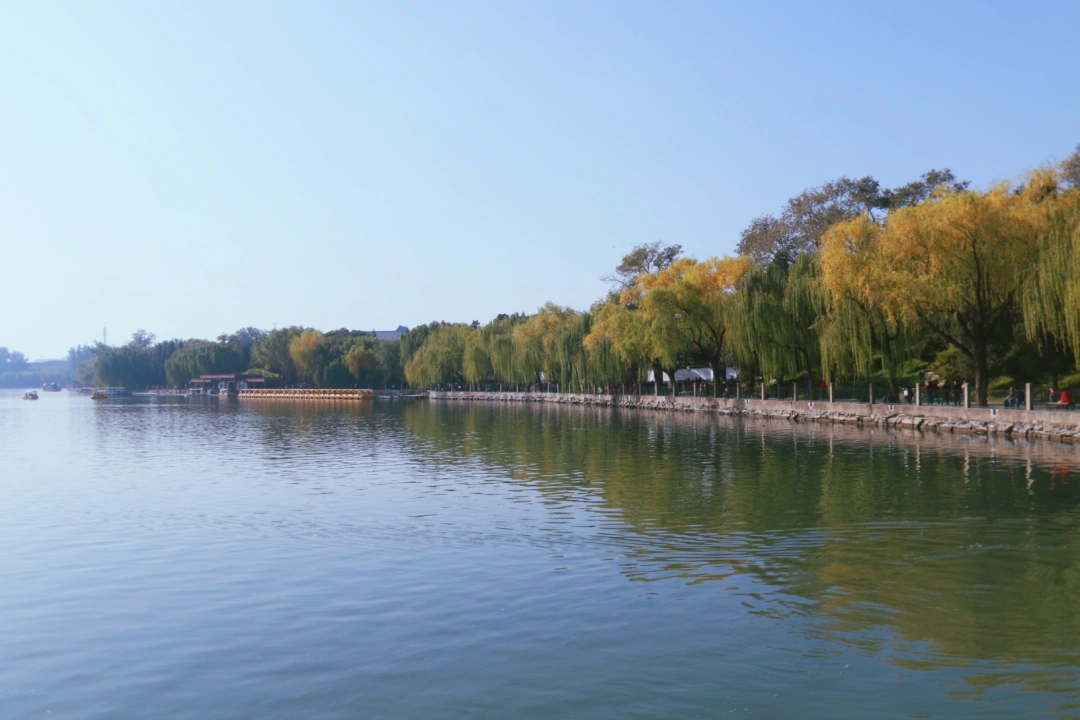
Beihai sits close to Jingshan and Shichahai, its shores lined with weeping willows that turn golden in autumn. On a clear weekend, gather family or friends, row a boat across the lake, hum the tune “Let’s Row Our Boats,” and enjoy a leisurely afternoon. Beihai Park autumn photography captures both natural beauty and imperial elegance.
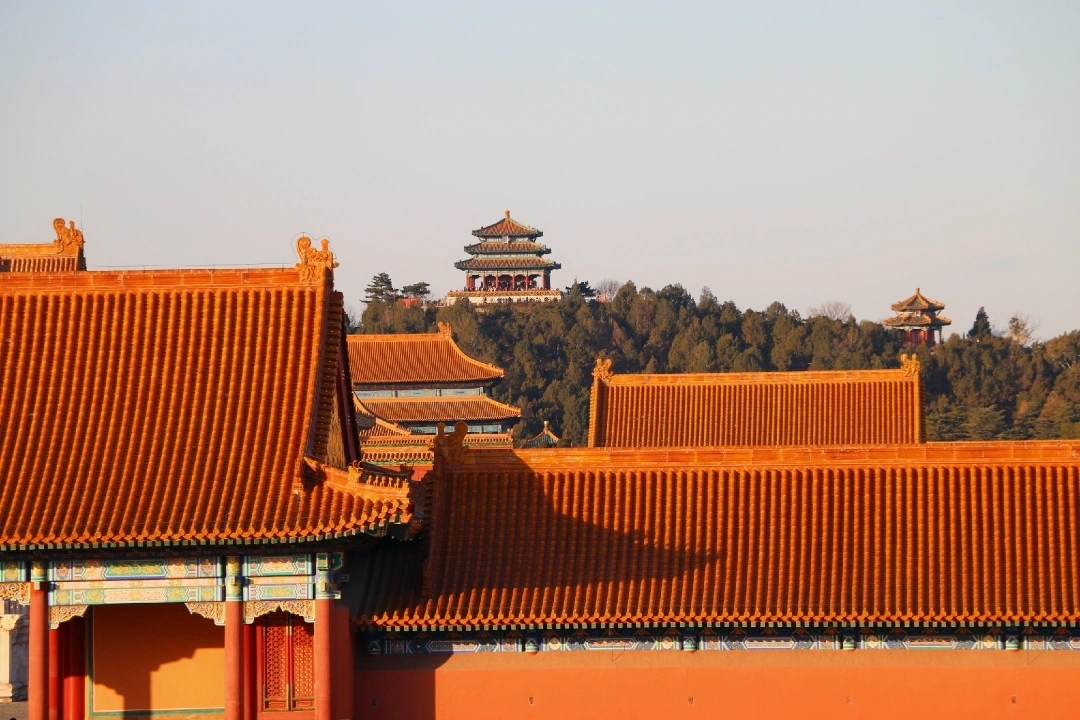
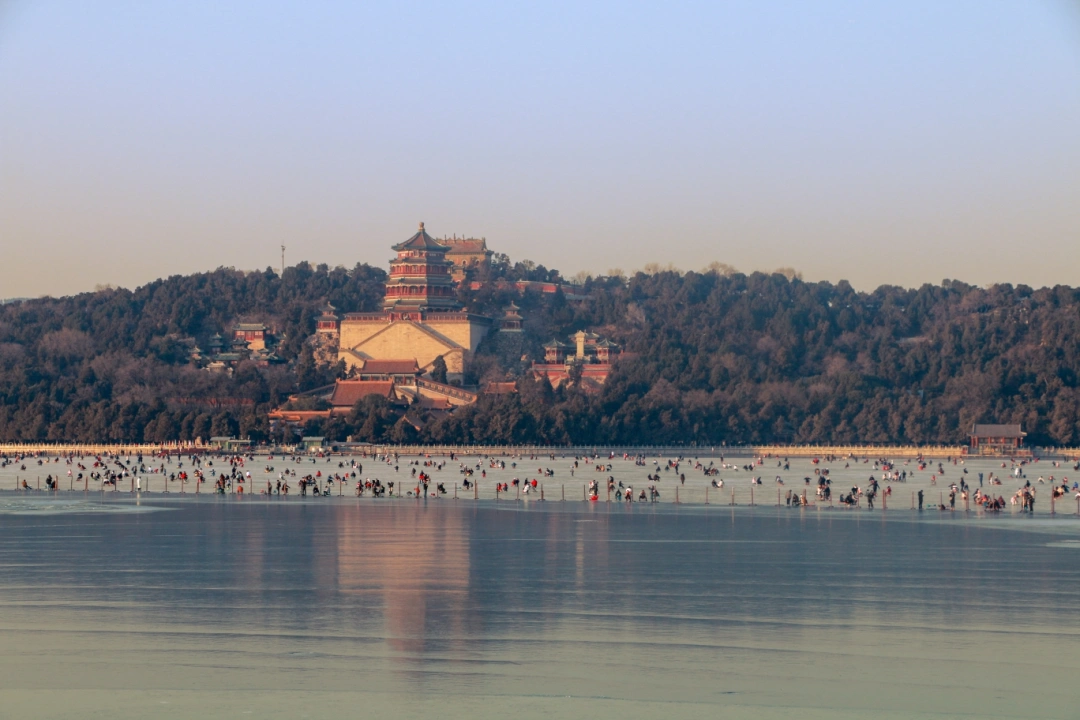
Beihai’s most famous landmark is the White Pagoda, built in Tibetan Buddhist style, appearing elegant, dignified, and serene from afar. As the best-preserved imperial garden, every corner exudes refinement and grace. The shore is where the elderly and children sunbathe, chat, and play. A lake of green water, a gentle breeze—stroll along the bank and savor the feeling of autumn wind skimming across the water.
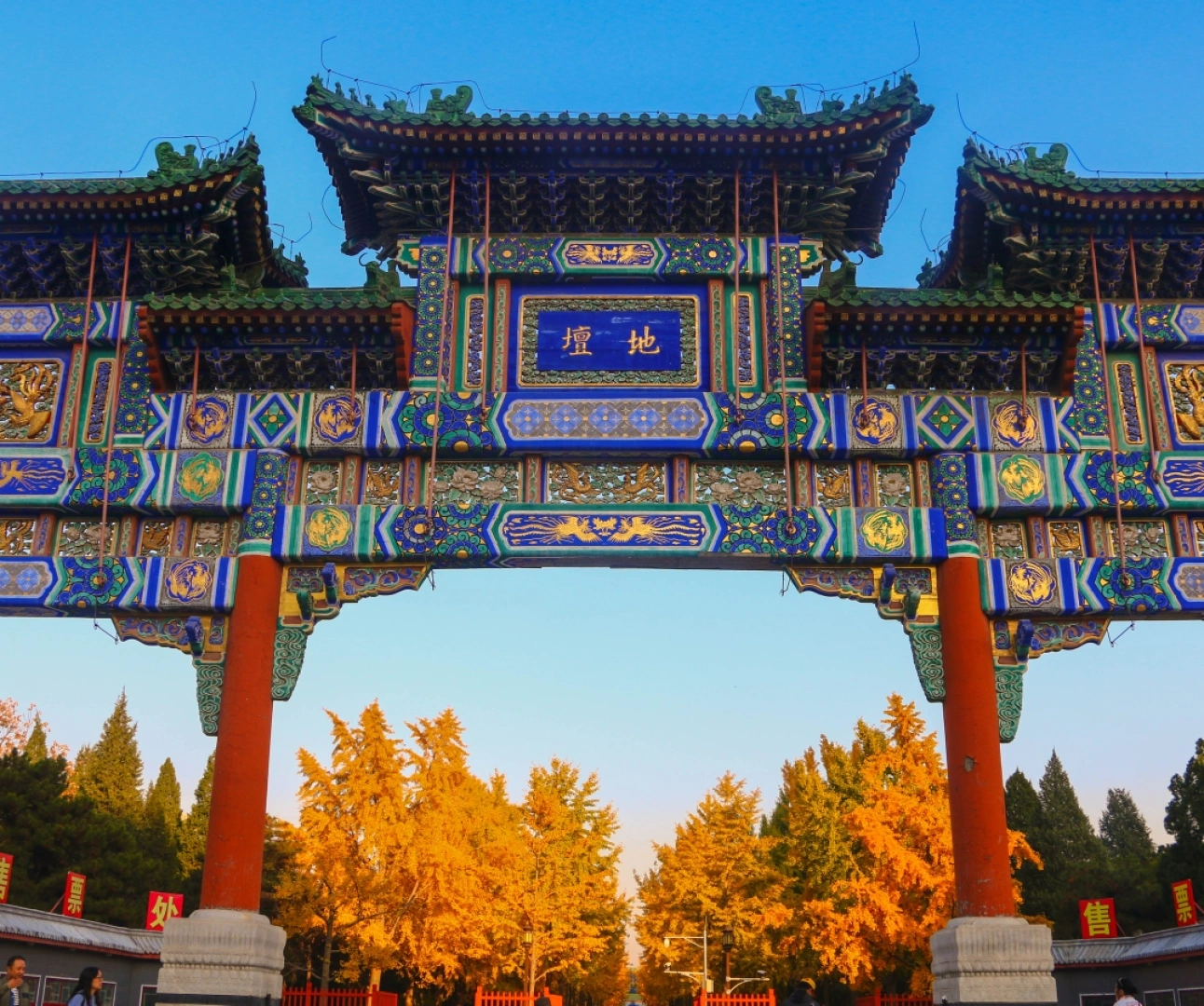
In one corner of the shore, autumn chrysanthemums bloom defiantly in the frost. “A curtain of autumn wind rises, the fragrance of chrysanthemums by the eastern fence”—here, one can feel the leisurely ease of the ancient poet Tao Yuanming. The autumn wind, like a brush dipped in paint, turns the tips of reeds yellow and dyes the roadside vines.
[Link: Beihai Park boat rental prices and tips]
Olympic Forest Park: A Spilled Paintbox
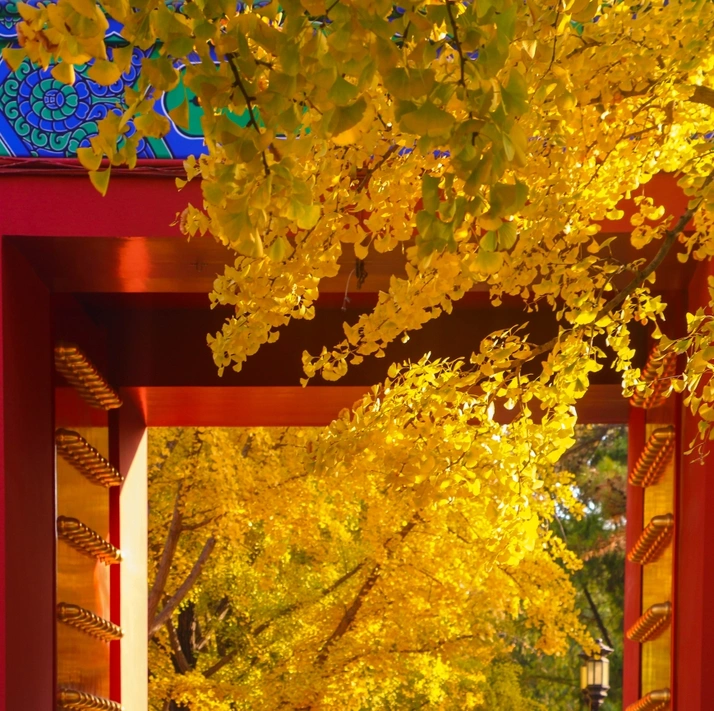
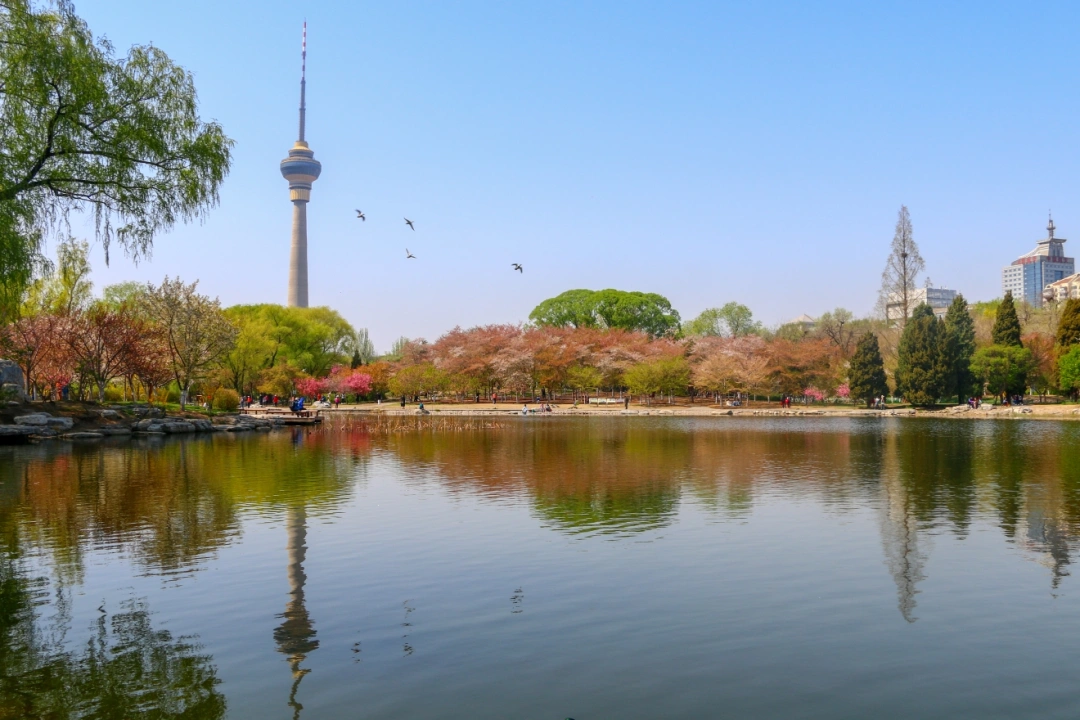
Autumn at the Olympic Forest Park is a rainbow of colors. Golden ginkgo, fiery maple leaves, deep blue lake water—it’s as if the park has been draped in a “captivating gown.” Located at the northern end of the central axis, the park is divided into southern and northern sections, with hills and a lake, making it Beijing’s largest urban park and a top spot for autumn colors in Beijing.
In late autumn, the park enters its most beautiful season. Every plant begins to turn yellow, displaying a breathtaking palette. This is the perfect place for a full-day outing, combining photography, hiking, and picnicking.
FAQ: Your Questions About Beijing’s Four Seasons
1. What is the best time to visit Beijing for autumn foliage?
The peak autumn foliage season in Beijing runs from mid-October to mid-November. For ginkgo trees at Ditan Park, late October to early November is ideal. For maple leaves at Fragrant Hills, mid-November offers the deepest reds. Always check the park’s official updates before planning your trip.
2. Which Beijing park is best for photography in autumn?
Ditan Park is the top choice for ginkgo photography with its iconic red walls and golden corridor. For panoramic views of the Forbidden City with autumn colors, Jingshan Park is unbeatable. Fragrant Hills offers dramatic mountain landscapes with fiery maple leaves.
3. How many days do you need to explore Beijing’s autumn spots?
A 3-4 day itinerary is recommended for the main autumn photography spots: Day 1 – Ditan Park and Jingshan Park; Day 2 – Fragrant Hills; Day 3 – Beihai Park and Shichahai; Day 4 – Olympic Forest Park. Adjust based on your pace and interests.
4. Are these parks crowded during autumn?
Yes, especially on weekends. Fragrant Hills and Ditan Park can be very crowded during leaf-viewing season. Visit on weekdays if possible, or arrive early (before 8 AM) to avoid peak crowds. The Olympic Forest Park is less crowded than central parks.
5. What should I pack for a Beijing autumn photography trip?
- Camera with a telephoto lens (for distant foliage and architecture)
- Comfortable walking shoes (some parks have steep trails)
- Light layers (Beijing autumn temperatures range from 5°C to 20°C)
- Water and snacks (especially for Fragrant Hills and Olympic Forest Park)
- Tripod for low-light shots at sunrise or sunset
Conclusion: Capture Your Own Beijing Seasons Story

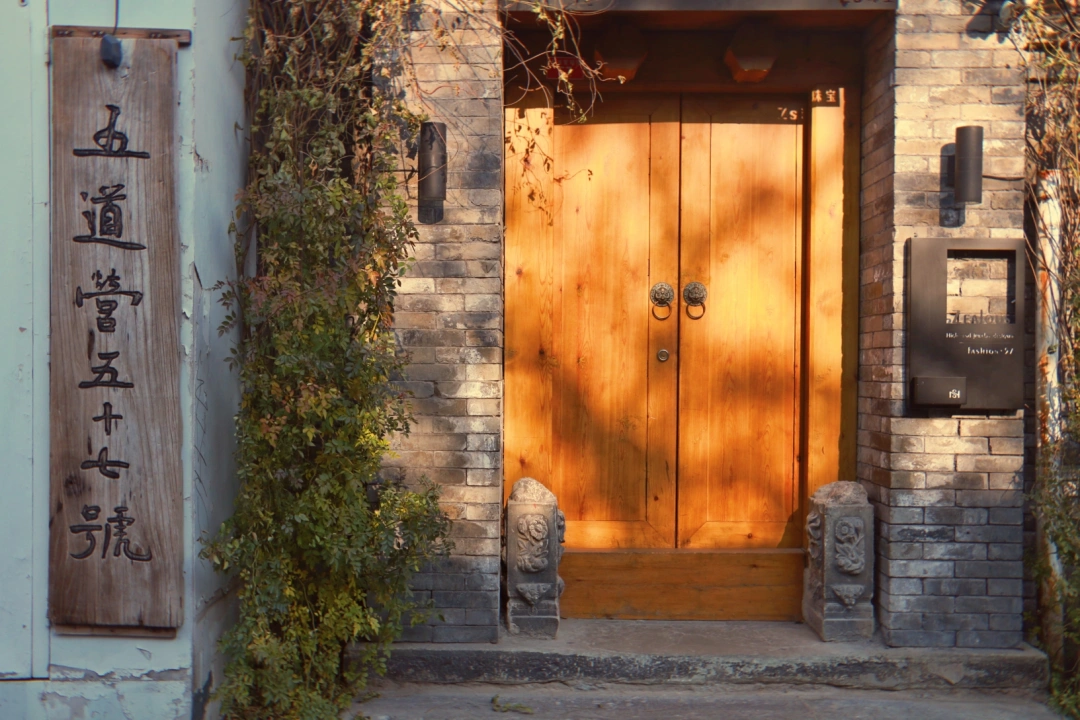
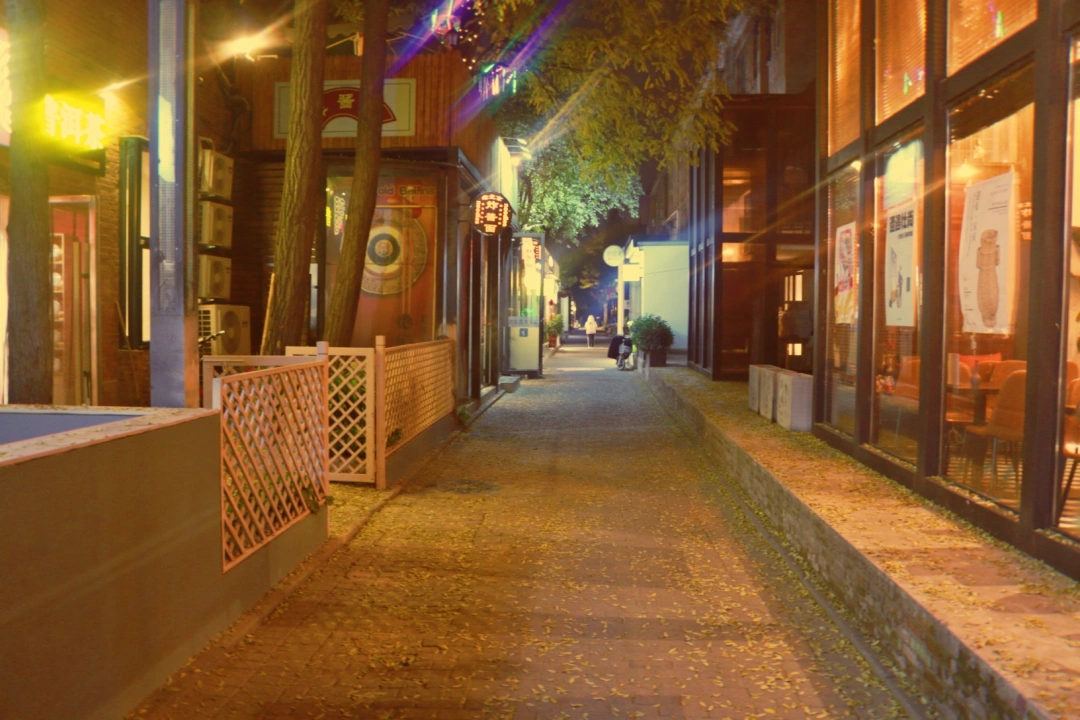
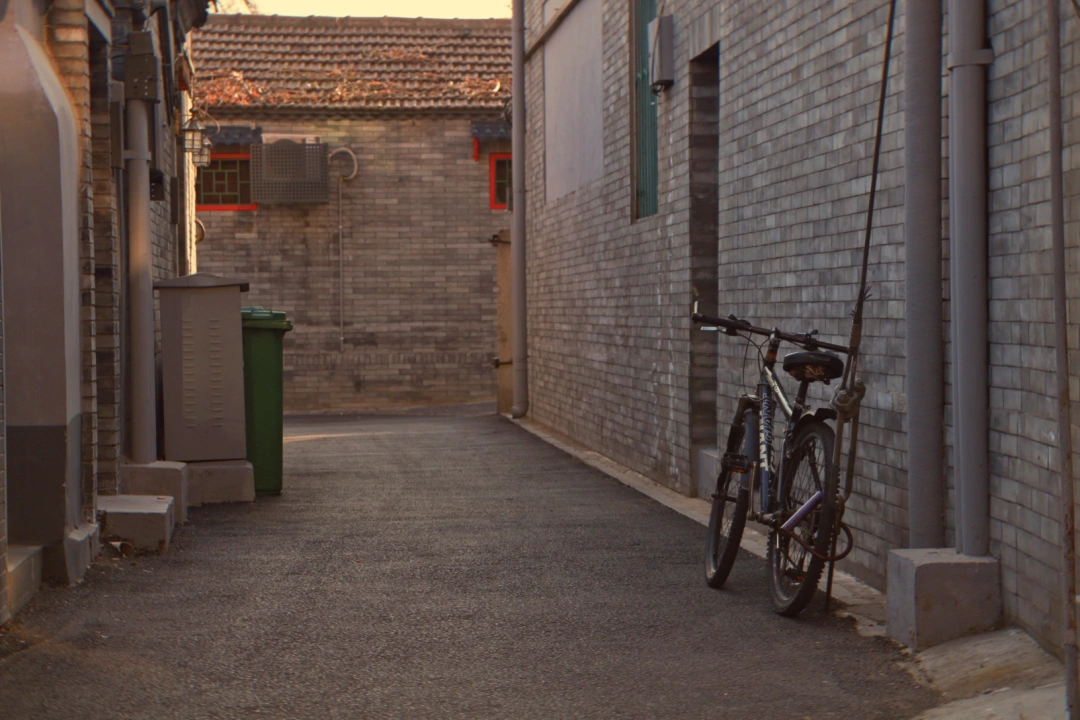
Beijing’s four seasons are a photographer’s dream. From the golden ginkgo at Ditan Park to the fiery maple leaves at Fragrant Hills, from the serene White Pagoda at Beihai to the sprawling colors of Olympic Forest Park—every spot tells a story of time frozen through the lens.
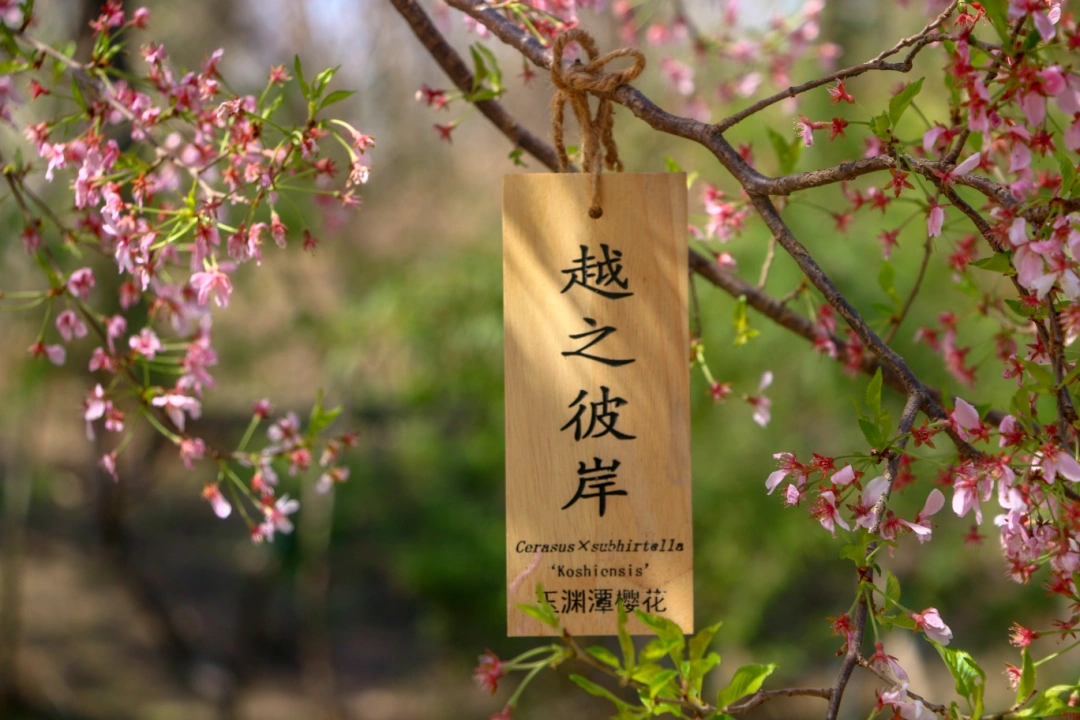
Whether you’re a professional photographer or a casual traveler with a smartphone, the Imperial Capital in autumn offers endless opportunities for breathtaking images. The key is to plan ahead, arrive early, and immerse yourself in the beauty of each season.
Ready to capture your own Beijing four seasons story? Start planning your trip today. Bookmark this guide, share it with fellow travelers, and don’t forget to check the latest travel updates for each park. The Imperial Capital is waiting to reveal its timeless beauty through your lens.
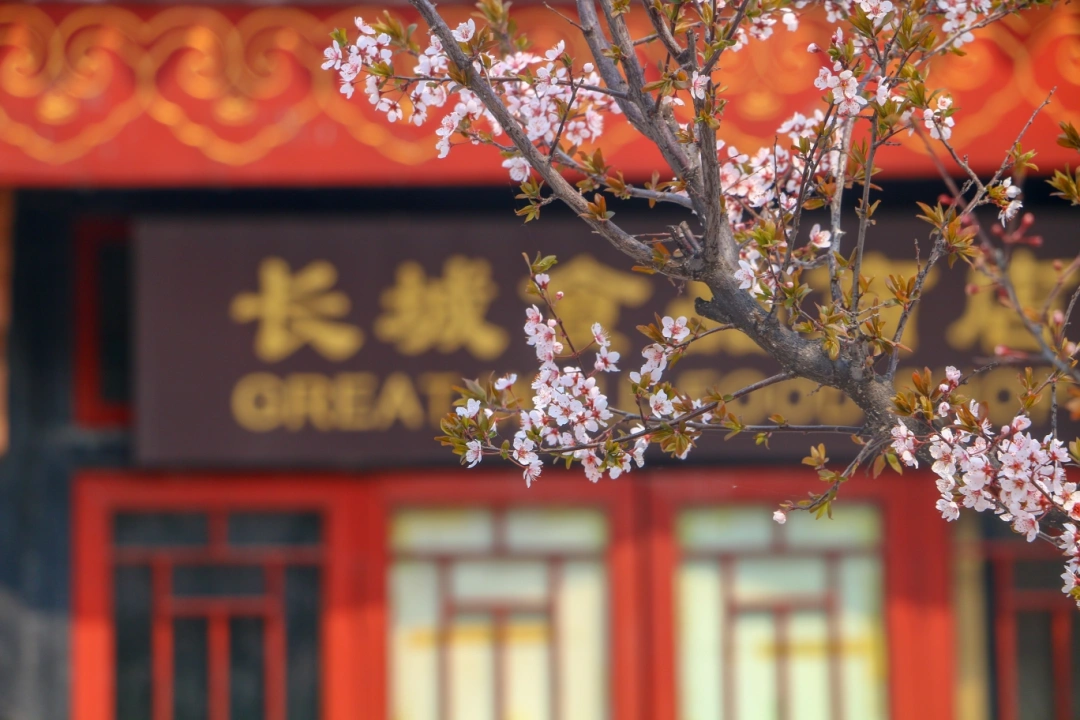
[Link: Complete Beijing travel itinerary for photographers]
Have you visited Beijing in autumn? Share your favorite photography spots in the comments below!
You should also read:
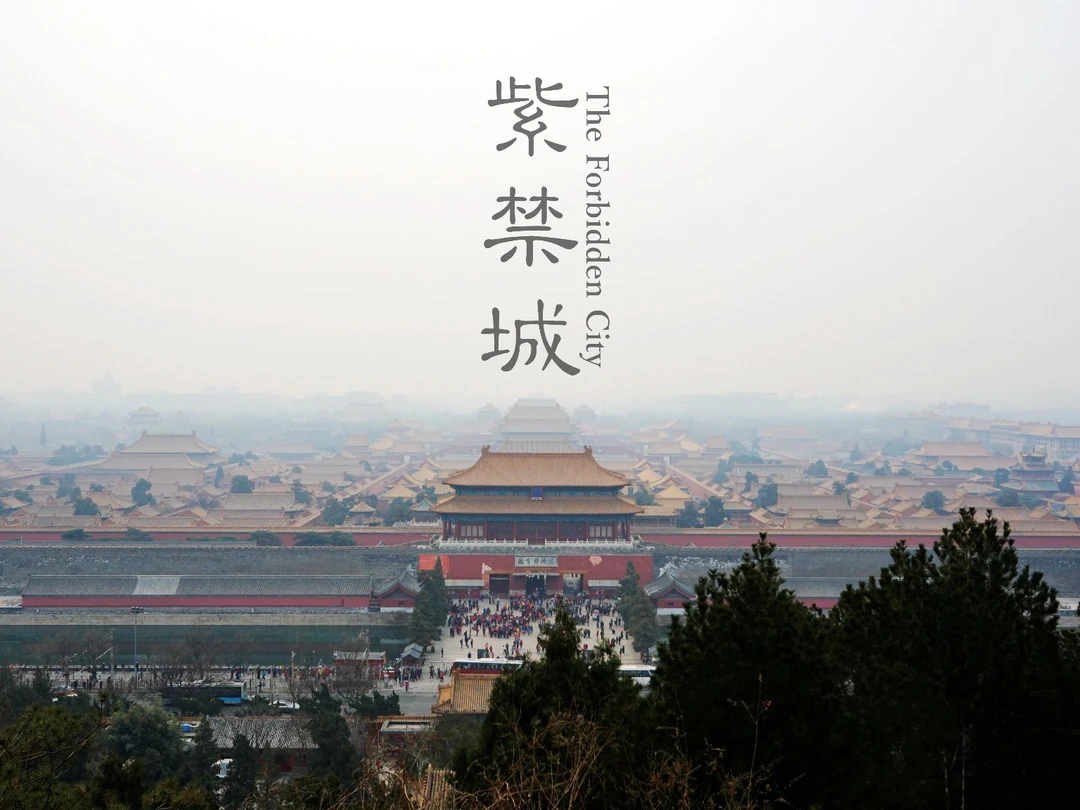
Ten Years Later: Chasing Spring in the Imperial City – A 5-Day Beijing Adventure in March 2017
Meta Description: Relive a 5-day Beijing spring itinerary from March 2017—Forbidden City, Great Wall, hutongs & cherry blossoms. Budget tips, bike hacks, and hidden gems for your own imperial city chase. Beijing. Just the name stirs something deep in the chest. It's the heartbeat of…
Continue reading...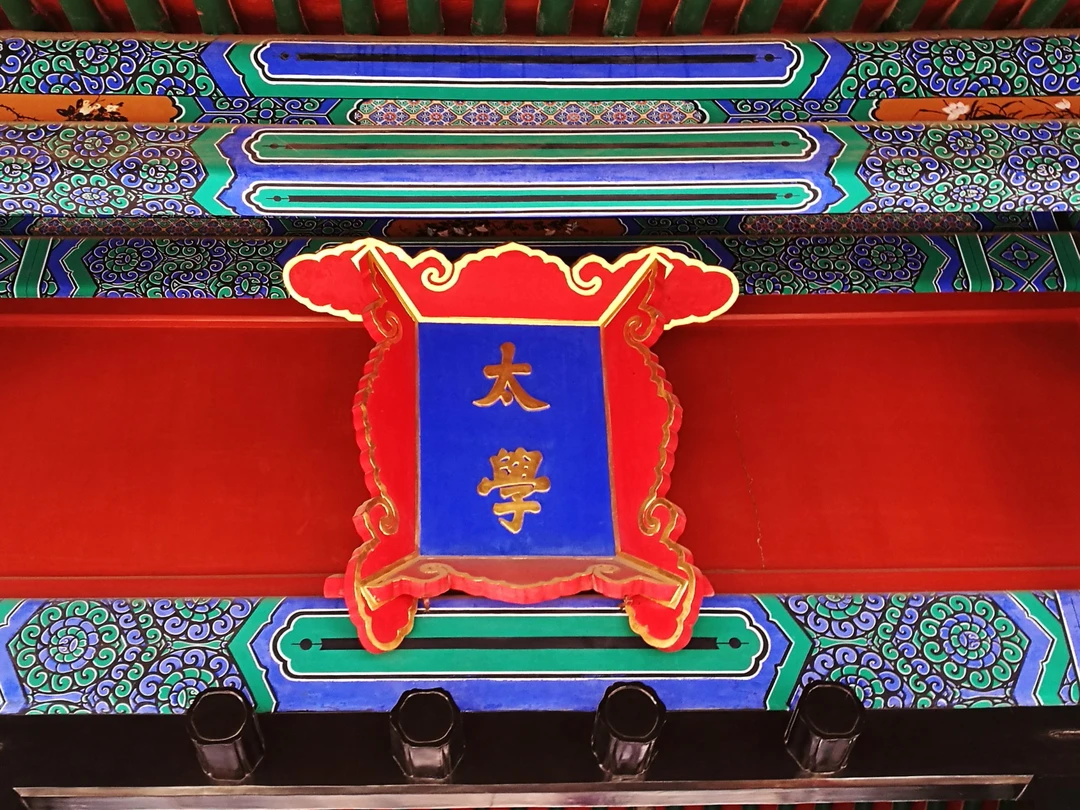
The Imperial College (Guozijian): Beijing's Ancient "Central University" & Confucius Temple Guide
Meta Description: Discover the Beijing Imperial College (Guozijian) and Confucius Temple – ancient China's highest learning institution. Explore 700-year-old stelae, the Treachery-Exposing Cypress, and Qianlong Stone Classics. Plan your cultural pilgrimage with our complete guide. Beijing has always been more than a capital – it's…
Continue reading...
Strolling Through Fragrant Beijing: The Imperial City of Crimson Walls and Azure Tiles – A Complete Travel Guide
Meta Description: Explore Beijing's Forbidden City, Temple of Heaven & hidden hutongs in this SEO-optimized travel guide. Walk 60km through crimson walls & azure tiles with insider photography tips. Plan your imperial city adventure today. "My Beijing City" plays on repeat as I write this—the…
Continue reading...