From Ape to Olympian: A Two-Day Beijing Journey Across 700,000 Years
Meta Description: Explore Beijing's 700,000-year timeline in just 48 hours—from Zhoukoudian's Peking Man caves to the Olympic Bird's Nest. A solo traveler's guide to China's ancient and modern marvels.
Introduction: A Time-Traveler's Guide to Beijing
Some trips are for the scenery, some for the history, and some—like this one—are for touching the dawn and pinnacle of human civilization within the span of just two days. In late May 2025, I set out alone on a journey through time and space in Beijing: from the caves of "Peking Man" 700,000 years ago to the steel forest of the "Bird's Nest" in the 21st century, from the ancient water town at the foot of the Great Wall to the pockmarked bullet scars on the walls of Wanping Fortress.
This was no simple city sightseeing tour. It was an immersive exploration of the question: "How did humans become human?"
Whether you're a history buff, a culture enthusiast, or a first-time visitor seeking a deeper connection to China's capital, this two-day Beijing itinerary offers a unique blend of ancient wonders and modern marvels. Let's dive into a journey that spans 700,000 years.
The Beginning: A Solo Trip to Beijing, 18 Years Later
I boarded a high-speed train in Huludao in the morning. Outside the window, the scenery gradually transformed from the blue waves of the Liaodong Bay to the wheat fields of the North China Plain. Two and a half hours later, I arrived at Beijing Railway Station. This city, where I once lived and worked in my youth, now greeted my return with a completely new face.
The last time I came to Beijing was 2007. Back then, the Olympic venues were still under construction, and Zhoukoudian was just a term in textbooks. Eighteen years later, I decided to complete a journey from ancient times to the modern era in just two days. I made plans with a friend to first visit Jinshanling Great Wall in Chengde, stop by Gubei Water Town along the way, and then explore the Zhoukoudian Site and the Olympic Park on my own the next day.
[Link: How to plan a solo trip to Beijing]
Day 1: Gubei Water Town – A Jiangnan Dream Beneath the Great Wall
Republican-Era Charm Amid Mountains and Waters
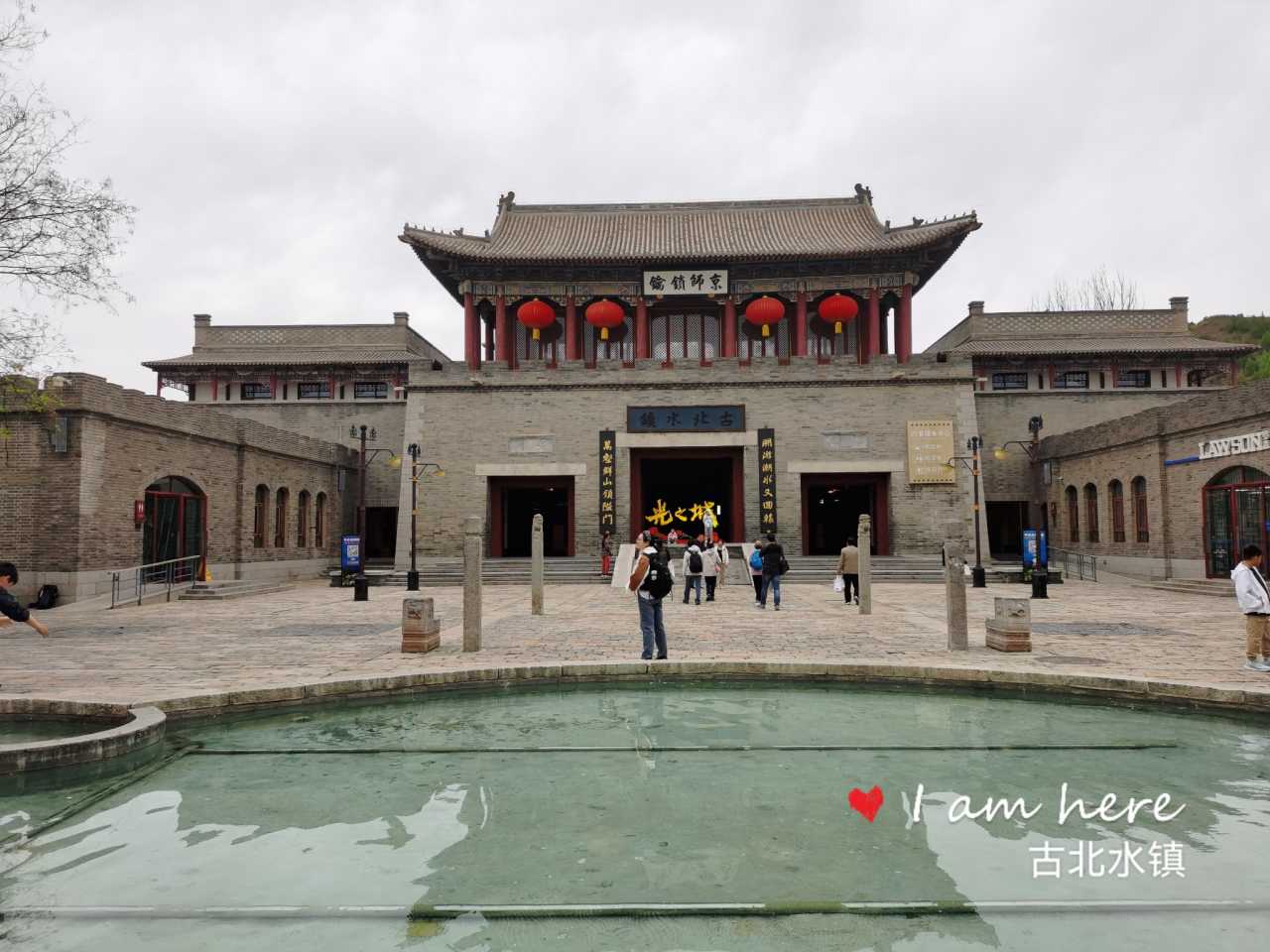
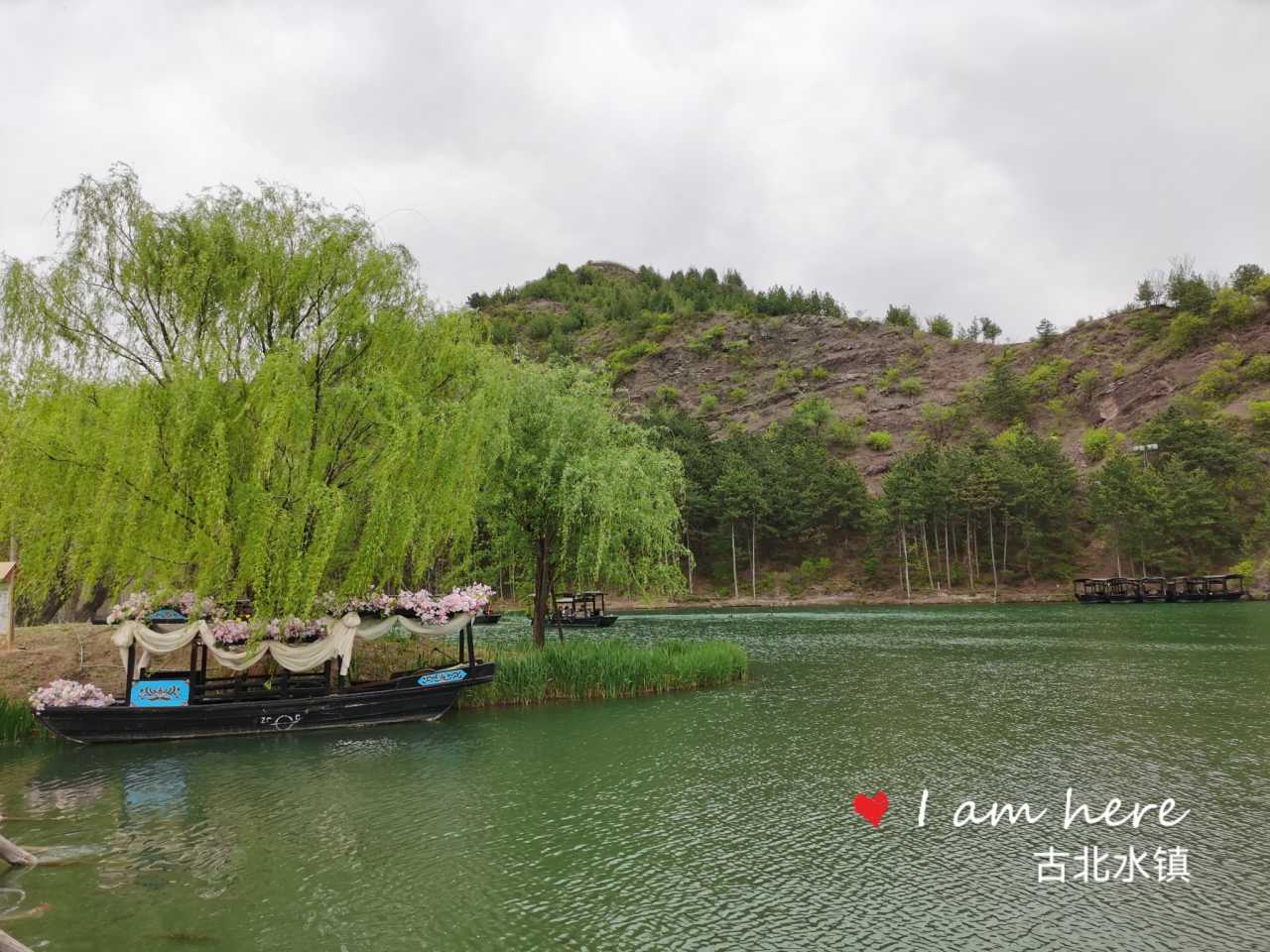
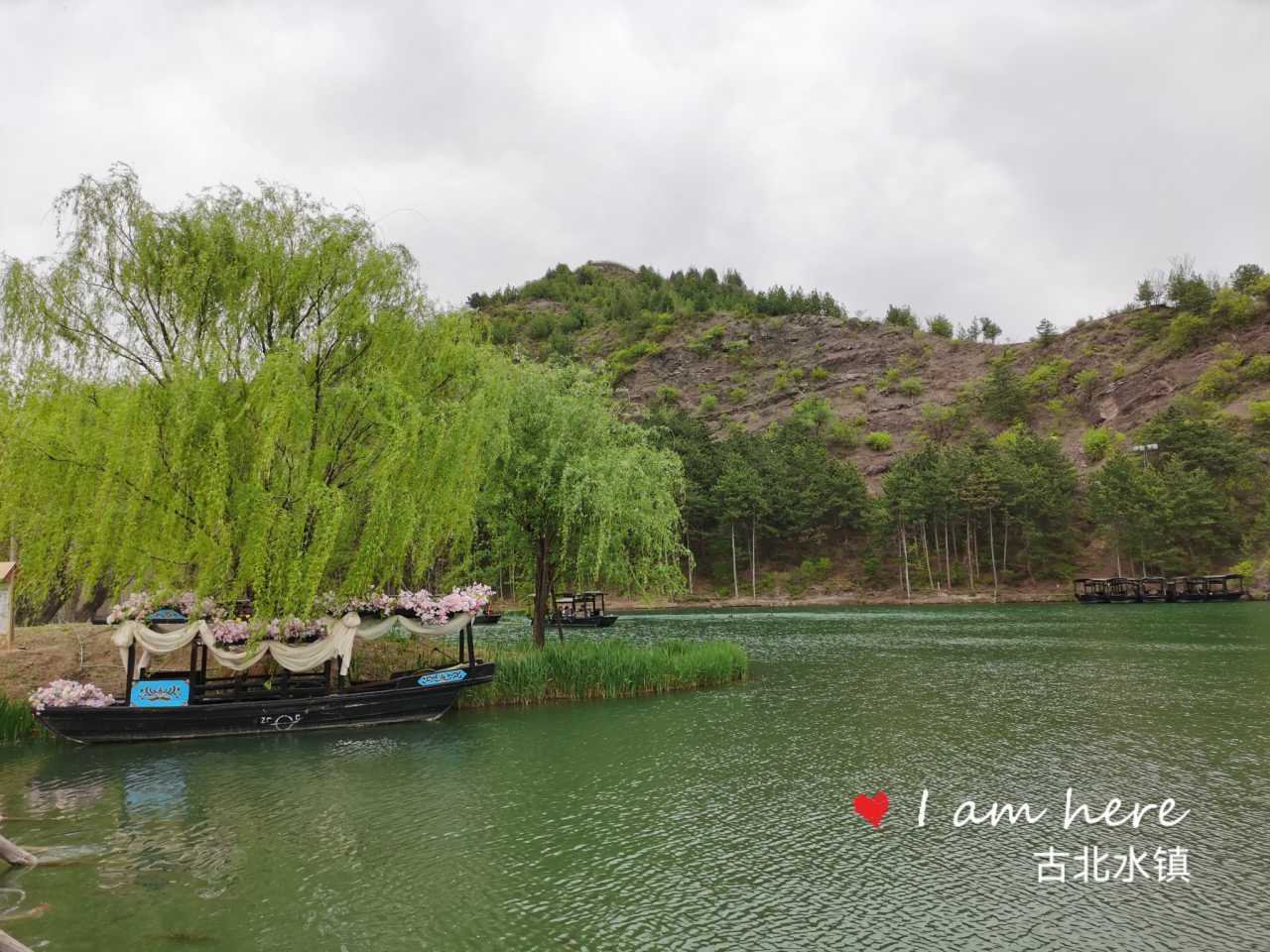
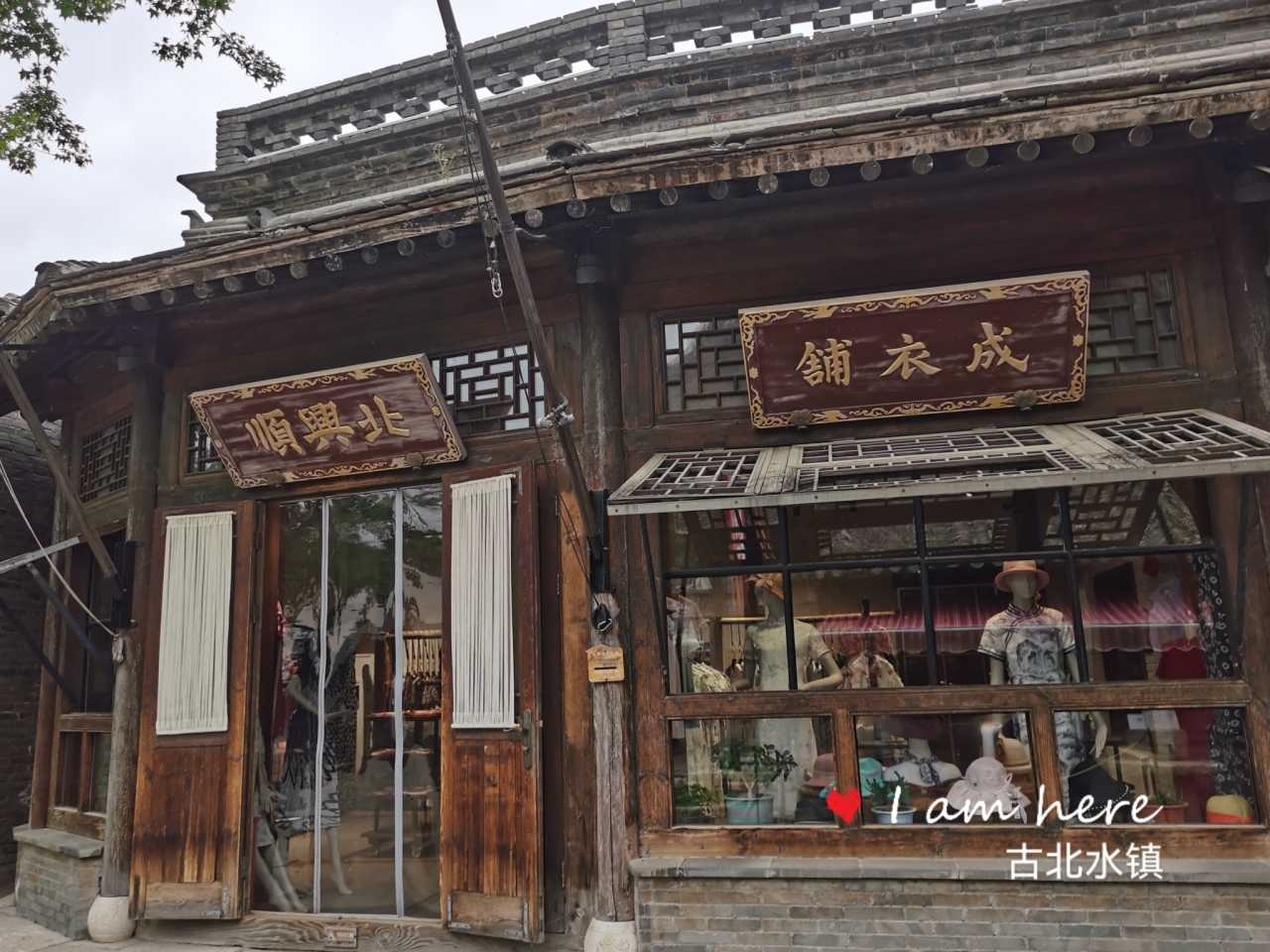
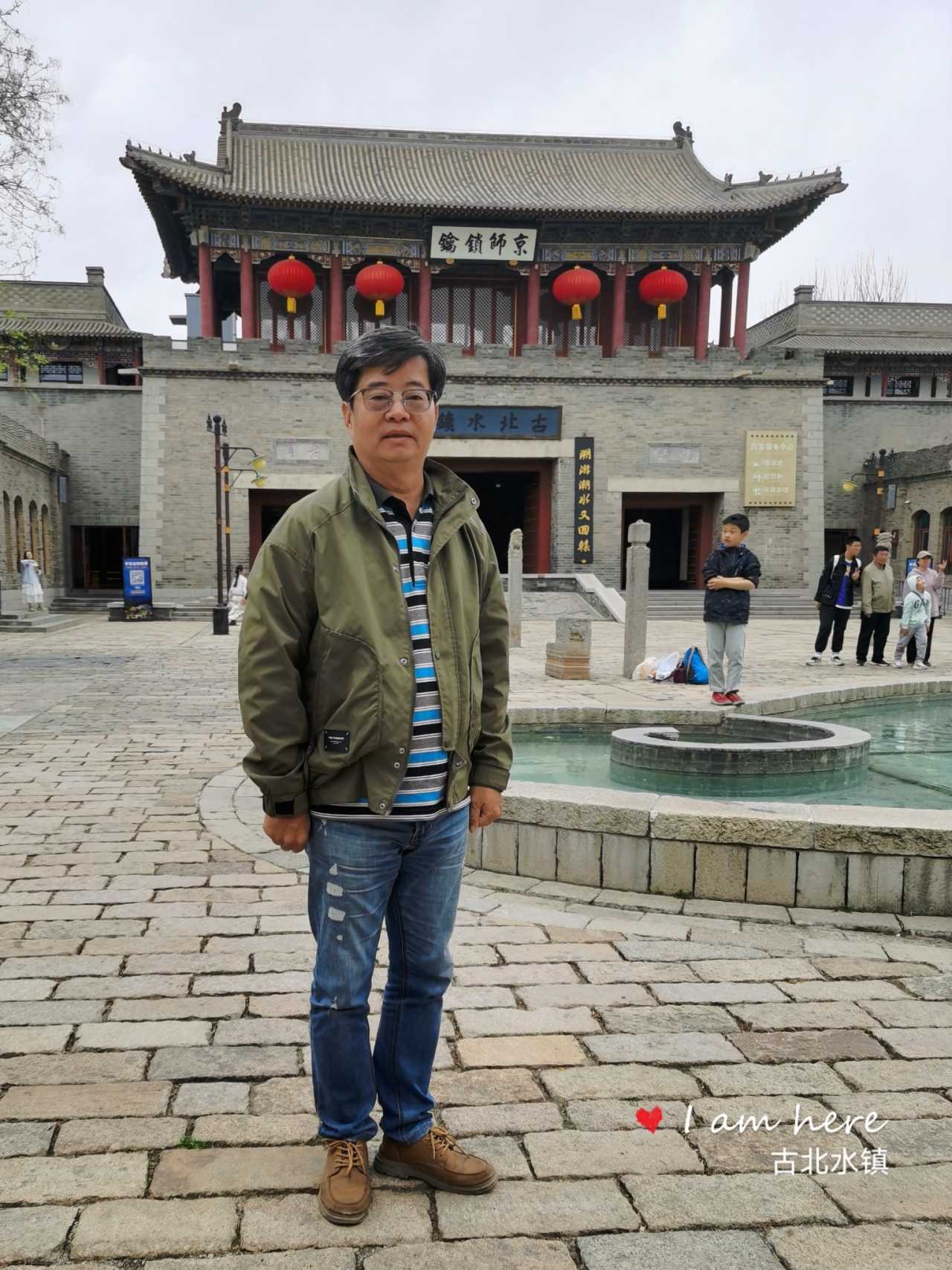
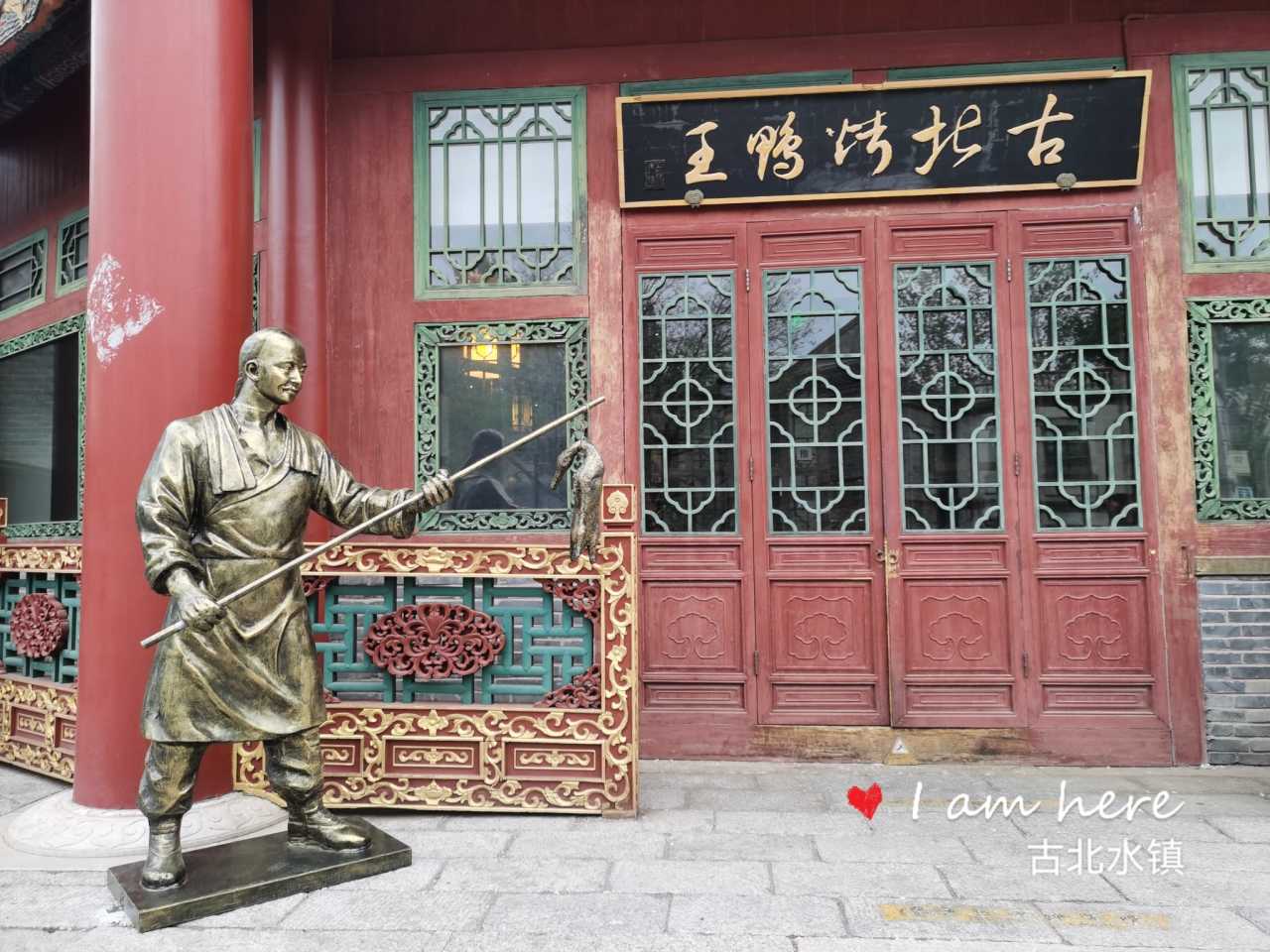
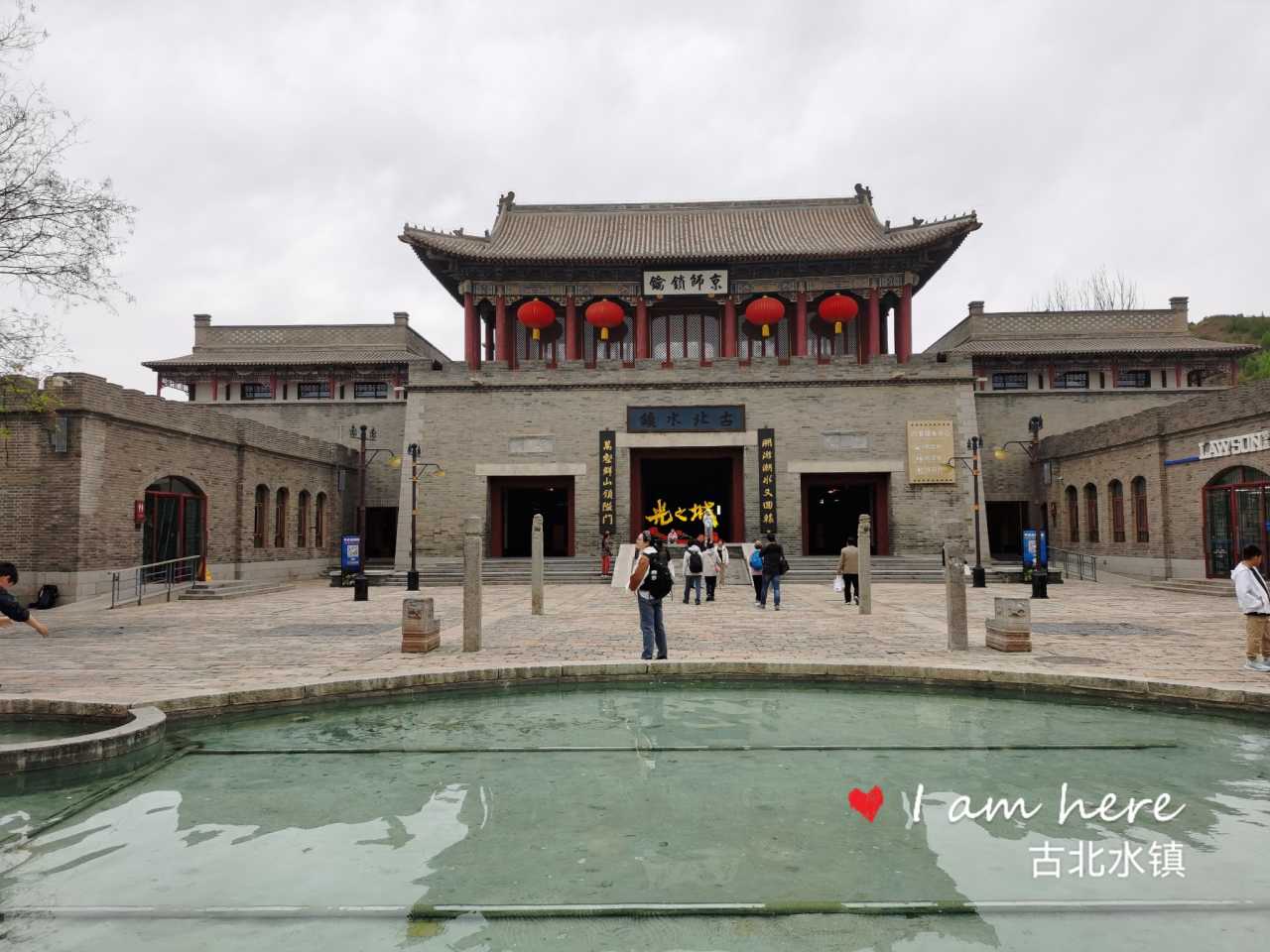
After driving 130 kilometers, we arrived at Gubei Water Town in Gubeikou Town, Miyun District. The ticket price was a reasonable 80 yuan at half price. Nestled against the Yuanyang Lake Reservoir, this is one of the rare natural ancient villages in the Beijing suburbs that combines mountains, waters, and urban settlements. Built on the foundation of three natural villages, the entire scenic area has been renovated and preserved, featuring 430,000 square meters of Republican-era (1912–1949) mountain courtyard houses, covering a total area of 9 square kilometers.
Walking along the old streets paved with bluestone slabs, I was surrounded by rows of gray brick houses, long alleyways, and a crisscrossing network of waterways—it felt like stepping back in time to a northern town of the Republican era. The ancient Tang River tributary winds through the area, with traditional houses built along its banks. In late spring and early summer, I boarded a black-canopied boat (wupeng chuan) and glided slowly across the green waters, listening to the boatman recount the thousand-year-old stories of the ancient town. In the distance, towering peaks and the majestic Great Wall rose against the sky. At that moment, all my fatigue melted away.
Four Dimensions of the Ancient Town
The scenic area is divided into several zones: - Republican-Era District - Old Camp District - Water Street Scenic District - Wolong Fortress Folk Culture District - Tang River Ancient Village District - Accommodation and Dining District
If you have the energy, you can also climb Simatai Great Wall to get a bird's-eye view of the entire town's layout.
In the evening, my friend and I had a small dinner at a Huaiyang cuisine restaurant in the Xinxing Hotel. Beijing Erguotou (a traditional Chinese liquor) paired with the delicate flavors of Huaiyang cuisine—this blend of northern and southern experiences is something you can probably only find in the capital. We drank and talked happily, then called it a night and stayed nearby at the Xinxing Hotel, saving our energy for the next day's itinerary.
[Link: Best things to do in Gubei Water Town]
Day 2: Zhoukoudian Site – A Conversation with Our Ancestors on Dragon Bone Hill
A Time Capsule in the Museum
Early the next morning, I took the subway to Zhoukoudian Town in Fangshan District. About 50 kilometers from the city center, the journey took roughly an hour and a half by subway and bus. The Zhoukoudian National Archaeological Site Park is divided into two parts: the museum and the ruins, which are 600 meters apart. The museum opens at 9:00 AM sharp, and admission is free.
Stepping into the museum felt like entering a time capsule. The exhibition hall displayed a large collection of mammal fossils and stone tools, along with sculptures depicting the daily life and hunting scenes of Peking Man. The most eye-catching exhibits were naturally the skull model of Upper Cave Man and the head model of Peking Man. Looking closely at the Peking Man skull: the bone walls are thick, the forehead is low and flat, the brow ridges are prominent, the occipital ridge is sturdy, and the mandible is thick with multiple mental foramina—features that stand in stark contrast to those of modern humans (Homo sapiens).
Memories of Fire
In the exhibition area of the Peking Man Cave, I was deeply captivated by a set of ash layers. A total of four thick ash layers have been discovered here, with the thickest reaching over six meters. Some areas show ash in heaps, indicating that Peking Man had already mastered the ability to manage and preserve fire. The use of fire was a major milestone in the development of human culture—it allowed humans to cook food, drive away wild animals, survive the cold, and even altered the trajectory of human physical evolution. Standing before these ashes, I could almost see a group of primitive humans sitting around a campfire 700,000 years ago, the flames casting flickering light on their rough faces.
The Secrets of Dragon Bone Hill

Walking from the museum to the ruins, a low hill called Dragon Bone Hill (Longgu Shan) came into view. This was originally a natural limestone cave, about 140 meters long, commonly known as the "Peking Man Cave." After the first discovery of ancient human remains here in 1929, it was named "Zhoukoudian Locality 1." Starting from about 500,000 to 600,000 years ago, Peking Man lived here intermittently for approximately 200,000 years.
Since its discovery in 1918, trial excavation in 1921, and formal excavation in 1927, the Zhoukoudian Site has yielded 27 localities with various types of fossils and cultural remains from different periods. Among them: - Locality 1 (Peking Man Cave): Over 200 ancient human fossils from more than 40 individuals - Over 100,000 stone artifacts - Hundreds of species of animal fossils - Numerous traces of fire use
Behind these numbers lies the convergence of multiple disciplines: paleoanthropology, archaeology, paleontology, stratigraphy, geochronology, environmental science, and karstology.
The Secrets of Upper Cave Man
Climbing to the top of the hill, I arrived at the Upper Cave Man site. This is the cave where Upper Cave Man lived approximately 30,000 to 10,000 years ago. Discovered in 1930 and excavated in 1933 and 1934, it yielded human fossils representing at least eight individuals, including three skulls, along with a large number of animal fossils.
The cultural relics of Upper Cave Man are astonishing: charcoal fragments, stone tools, bone tools (including bone needles), and ornaments made from perforated stones, animal teeth, and shells. Red ochre powder was also found around the human bone fossils—evidence that Upper Cave Man buried their dead, suggesting they had some form of belief or ritual. The original cave is divided into four parts: - The entrance - The upper chamber (living area) - The lower chamber (burial ground) - The lower pit (where only animal fossils were found, possibly a natural trap)
Memorial Garden for Scientists
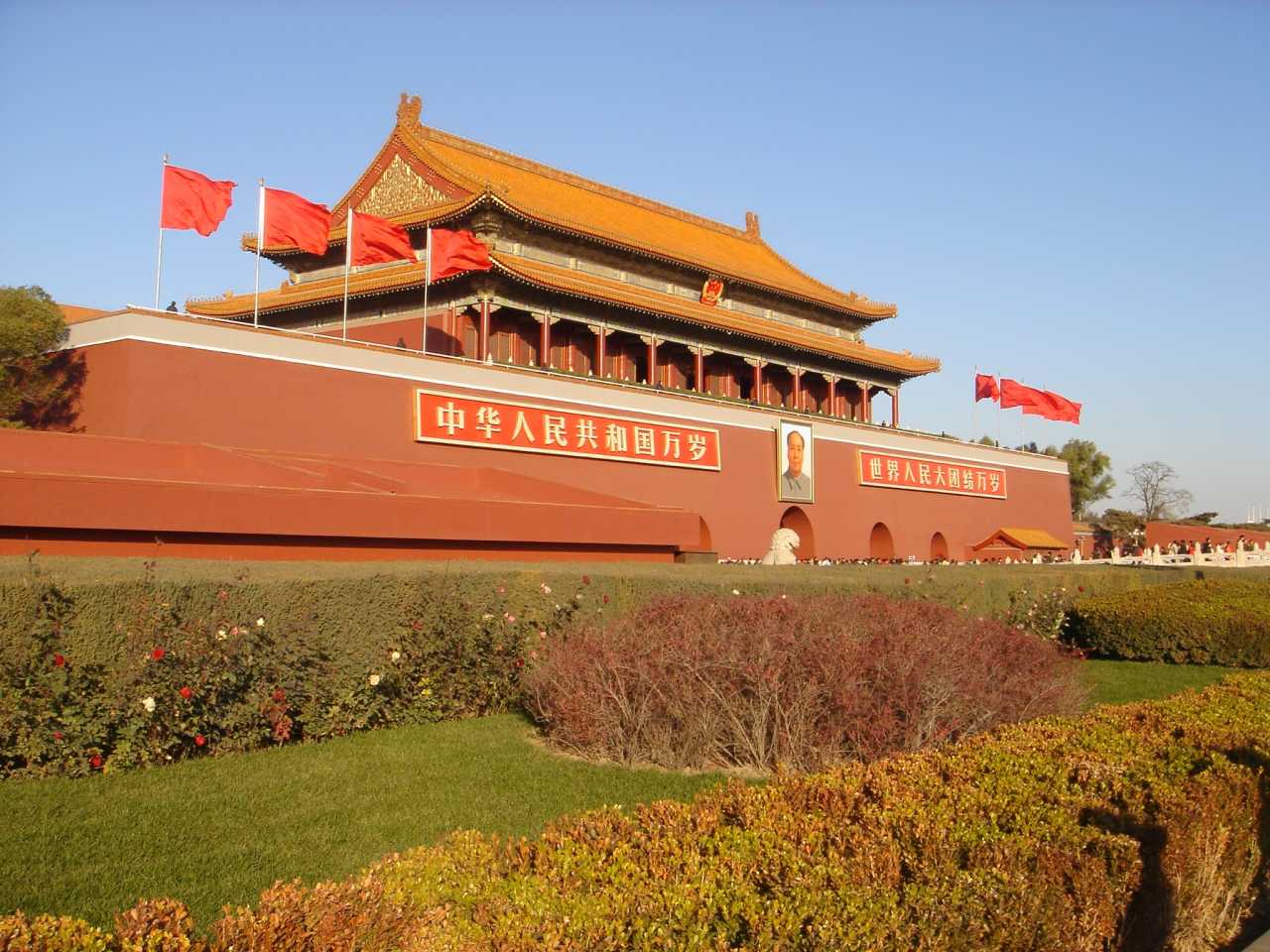
The site also includes other features such as the Pigeon Hall (Gezi Tang), the Eastern Slope Excavation Area, the Cap Deposit (Dinggai Duiwu), Locality 4, Locality 15, and Locality 12. In the Memorial Garden for Scientists, the tombstones and life stories of several renowned archaeologists who dedicated their lives to this site are preserved—a humbling reminder of the human quest to understand our own origins.
[Link: Zhoukoudian travel guide – tips and tickets]
Day 2 (Afternoon): The Olympic Park – A Leap into the 21st Century
The Bird's Nest and Water Cube
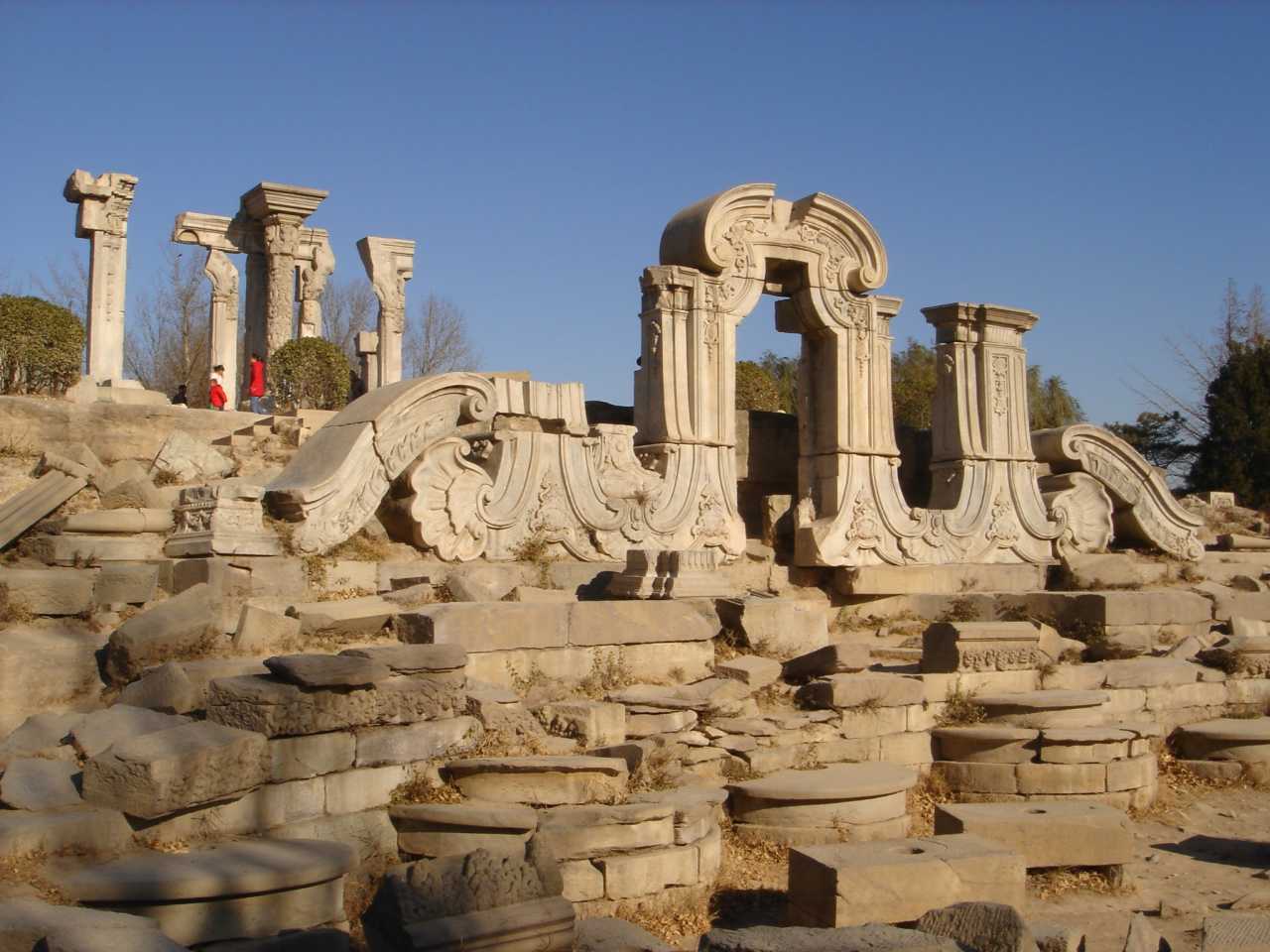
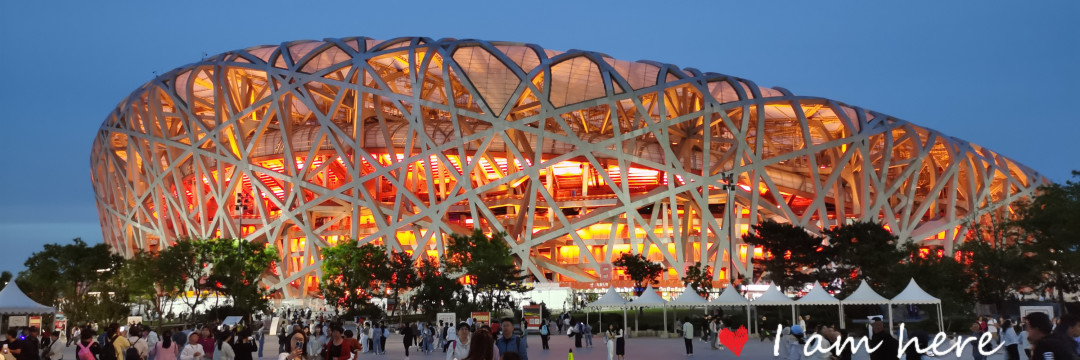
From Zhoukoudian, I took the subway to the Olympic Green in northern Beijing. The contrast was breathtaking: from the rough stone tools of Peking Man to the sleek steel beams of the Bird's Nest National Stadium—a journey of 700,000 years compressed into a single afternoon.
The Bird's Nest, officially the National Stadium, was the main venue for the 2008 Beijing Olympics. Its lattice-like steel structure, designed by Herzog & de Meuron, is a marvel of modern engineering. Adjacent to it, the Water Cube (National Aquatics Center) shimmers in its blue bubble-wrap facade, now repurposed as a water park.
Walking through the Olympic Green, I felt the weight of human achievement. From the first controlled fire in Zhoukoudian to the Olympic flame that burned here in 2008, the thread of human ingenuity is unbroken.
Wanping Fortress: Echoes of History
Before heading home, I made a detour to Wanping Fortress, a Ming Dynasty fortress near the Marco Polo Bridge (Lugou Bridge). The pockmarked bullet scars on its walls are a somber reminder of the 1937 Marco Polo Bridge Incident, which marked the beginning of the Second Sino-Japanese War. It was a poignant end to a journey that began with the dawn of humanity and touched on the resilience of civilization through war and peace.
[Link: Beijing Olympic Park – what to see and do]
FAQ: Your Questions About This Two-Day Beijing Journey
1. Is two days enough to visit Zhoukoudian and Gubei Water Town?
 Yes, but you'll need to plan carefully. Day 1 is best for Gubei Water Town and a Great Wall hike (Simatai). Day 2 is for Zhoukoudian in the morning and the Olympic Park in the afternoon. Travel time between sites is about 1.5–2 hours by subway or car.
2. How do I get to Zhoukoudian from Beijing city center?
Take Subway Line 1 to Pingguoyuan Station, then transfer to Bus 917 to Zhoukoudian. Alternatively, take a taxi or ride-hailing service (about 50 km from city center). The journey takes roughly 1.5 hours.
3. Is the Zhoukoudian museum free?
 Yes, admission to the Zhoukoudian National Archaeological Site Park is free, but you need to reserve a ticket in advance through the official WeChat mini-program or website.
4. Can I visit both Gubei Water Town and Simatai Great Wall in one day?
Absolutely. Gubei Water Town is located at the foot of Simatai Great Wall. You can spend the morning exploring the water town and the afternoon hiking the Great Wall. Many visitors choose to stay overnight in the water town.
5. What's the best time of year for this trip?
Late spring (May–June) and early autumn (September–October) offer the most pleasant weather. Summer can be hot and humid, while winter is cold but less crowded.
Conclusion: Why This Journey Matters
In just two days, I traveled from the first sparks of human fire at Zhoukoudian to the Olympic flame at the Bird's Nest. I walked through a water town that preserves the charm of Republican-era China, stood on Dragon Bone Hill where our ancestors lived, and touched the walls of Wanping Fortress that bear witness to modern history.
This is not just a travel itinerary—it's a meditation on what it means to be human. From the first stone tools to the steel and glass of the 21st century, the journey of our species is written across the landscape of Beijing.
Ready to embark on your own journey through time? Start planning your trip today. Book your high-speed train to Beijing, reserve your free tickets to Zhoukoudian, and prepare to walk in the footsteps of history—from ape to Olympian, from 700,000 years ago to the present moment.
[Book Your Beijing Adventure Now] – Experience 700,000 years of human civilization in just 48 hours.
You should also read:
Impressions of Beijing: Mentougou Part Three — Lingshui Village, Searching for a World of the Past in the Depths of Time
Meta Description: Discover Lingshui Village, Beijing's "Juren Village" in Mentougou District. Explore millennium-old courtyard houses, Ming-Qing scholar legacy, and practical travel tips. A journey into ancient Chinese culture awaits. "Spring deep, my official duties are complete; day by day, my heart turns to the mountains."…
Continue reading...
Strolling Through Fragrant Beijing: The Imperial City of Crimson Walls and Azure Tiles – A Complete Travel Guide
Meta Description: Explore Beijing's Forbidden City, Temple of Heaven & hidden hutongs in this SEO-optimized travel guide. Walk 60km through crimson walls & azure tiles with insider photography tips. Plan your imperial city adventure today. "My Beijing City" plays on repeat as I write this—the…
Continue reading...
Beijing: From Deep Autumn to Early Winter – Discover Hidden Seasonal Beauty in China's Capital
Meta Description: Explore Beijing's transition from autumn to winter through personal stories and hidden gems. Discover Western Hills sunrises, Forbidden City snow scenes, and authentic hutong experiences in this SEO-optimized travel guide. Beijing isn't just a city of history and politics—it's a living, breathing entity…
Continue reading...