From Lingnan to the Imperial Capital: A Six-Day Deep Dive into Beijing's 600-Year Legacy
Meta Description: Discover Beijing's imperial wonders in this 6-day itinerary from a Cantonese traveler's perspective. Explore the Forbidden City, Great Wall, and hidden gems with expert tips on tickets, transport, and food. Plan your perfect Beijing trip today.
Introduction: Why Beijing Still Captivates After 600 Years
For every Chinese citizen, the name "Beijing" carries extraordinary weight. It is an ancient capital spanning six dynasties, a living museum of civilization fragments沉淀 in the river of history, and the pulse of modern China. As a native Cantonese from Lingnan (Guangdong), my imagination of this northern imperial city had always been confined to textbook illustrations, film and television depictions of red walls and golden tiles, and that familiar "airplane announcement" sound on Douyin. In my thirties, I finally set foot on this land, measuring its depth with my own feet and recording its majesty with my own eyes.
During the 2020 National Day holiday, many chose to stay home due to the pandemic. But my wife and I deliberately went against the grain—when we spotted a flight from Guangzhou to Beijing for just over 300 RMB (about $45 USD) two months in advance, we didn't hesitate. We trusted that the country could manage the outbreak, and that trust ultimately rewarded us with an unforgettable journey.
This comprehensive Beijing travel guide covers everything from pre-trip preparation to daily itineraries, insider tips, and practical advice for first-time visitors. Whether you're planning a Beijing family vacation, a cultural heritage tour, or simply seeking budget-friendly Beijing travel tips, this guide has you covered.
[Link: Best time to visit Beijing]
Pre-Trip Preparation: How to Plan Your Beijing Adventure
Accommodation and Transportation in Beijing
We booked our hotel over a month in advance, located near Zhushikou (Pearl Market) subway station, within walking distance of Qianmen Street and Tiananmen Square. During the National Day holiday, the room rate, originally around 150 RMB, nearly tripled—proof of the importance of early booking.
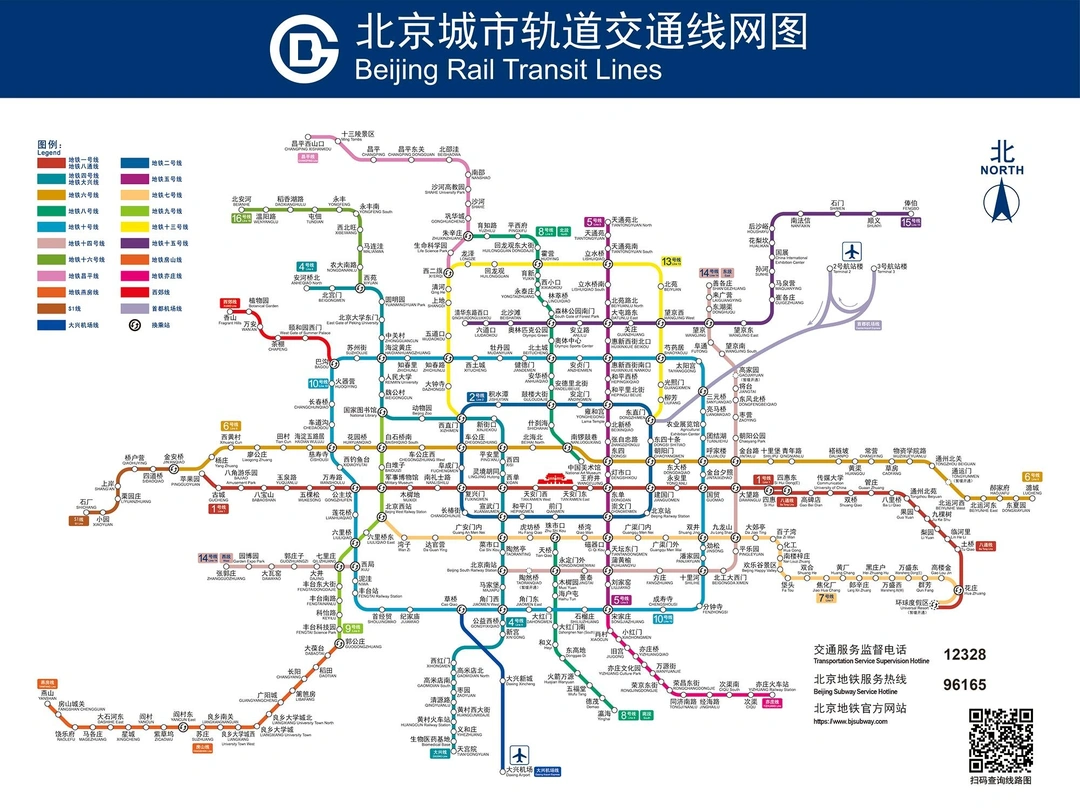
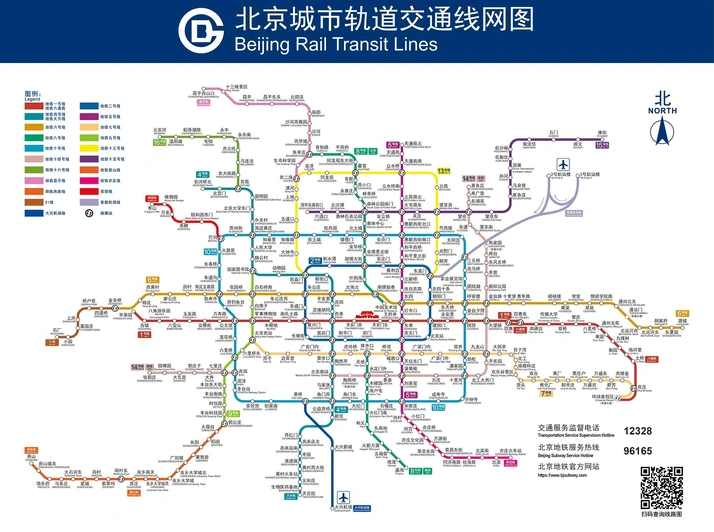
Beijing public transport is near-perfect. The subway network is extensive, buses cost just 1 RMB per ride, and every major road has dedicated bike lanes. We used the "Yitongxing" (Easy Pass) mobile app to scan QR codes for all rides—convenient and hassle-free, saving us the trouble of getting and returning physical transit cards. I strongly advise short-term visitors to skip the physical card; refund points are few and far between, while the app offers far more flexibility.
[Link: Beijing subway map and tips]
What to Pack for Beijing in October

In early October, Beijing experiences extreme temperature swings between day and night. The daytime sun still brings autumn warmth, but by evening, temperatures plummet to around 10°C (50°F), with a biting wind that feels like a direct plunge into Guangdong's winter. We packed down jackets, moisturizer, and sunglasses—the northern dryness is far more intense than expected, and chapped lips are a common complaint.
How to Book Beijing Attraction Tickets in Advance
Most Beijing attractions do not sell same-day tickets; reservations must be made in advance through official channels. Here are the ticket prices for the major sites (all peak-season rates):
| Attraction | Ticket Price | Booking Platform |
|---|---|---|
| Forbidden City | 60 RMB | WeChat official account or website |
| Summer Palace | 30 RMB | "Changyou Gongyuan" (Park Tour) WeChat account |
| Badaling Great Wall | 40 RMB | WeChat official account |
| Prince Gong's Mansion | 40 RMB | WeChat official account |
| Temple of Heaven | 34 RMB (combo) | "Changyou Gongyuan" WeChat account |
| Jingshan Park | 2 RMB | "Changyou Gongyuan" WeChat account |
Special reminder: All attractions require ID card scanning for entry—carry it with you at all times. Also, register for the "Beijing Health Kit" health code on WeChat in advance, as nearly every site will check it.
[Link: How to register for Beijing Health Kit]
Beijing 6-Day Itinerary: Step-by-Step Guide
We deliberately chose to depart on October 3rd, avoiding the peak crowds of the first two days of the holiday. Here's our complete schedule:
- DAY 1: Guangzhou → Beijing → Dongjiaomin Lane → Tiananmen Square Night View → Wangfujing
- DAY 2: Tiananmen Square → Forbidden City → Jingshan Park → Qianmen Street
- DAY 3: Summer Palace → Old Summer Palace → Tsinghua & Peking University Gates → Bird's Nest & Water Cube
- DAY 4: Badaling Great Wall → National Centre for the Performing Arts
- DAY 5: Prince Gong's Mansion → Shichahai → Bell & Drum Towers → Nanluoguxiang
- DAY 6: Temple of Heaven → Guangzhou
Day 1: First Encounter with the Capital, from Dusk to Lights
Dongjiaomin Lane: Beijing's Longest "Foreign Alley"
We arrived at our hotel around 3 PM, settled in quickly, then hopped on shared bikes and headed straight for Dongjiaomin Lane. Stretching nearly 1.6 kilometers from the east side of Tiananmen Square to Chongwenmen Inner Street, it's the longest hutong in old Beijing. During China's pre-1949 era, this was the legation quarter, and it wasn't until 1959 that all foreign embassies moved to Sanlitun. The Western-style buildings lining the road stand in silent testimony to a history woven with humiliation and glory.
To be honest, it reminded me a bit of Shamian Island in Guangzhou, but quieter and more solemn. Young couples posed for photos here, sunlight filtering through leaves onto the mottled walls, creating a sense of frozen time.
Tiananmen Square: The Flag-Lowering Ceremony
As evening fell, we walked along Chang'an Avenue toward Tiananmen Square. The flag-lowering time was 5:53 PM, but the square was already packed. The ceremony, conducted without music, was so quiet it inspired awe. As the national flag slowly descended, the crowd fell into spontaneous silence—that wordless solemnity carried more power than any clamor.
When night came, the Tiananmen Rostrum and surrounding buildings lit up in dazzling brilliance. The words "Long Live the People's Republic of China" and "Long Live the Great Unity of the World's People" shone brightly on the rostrum. Standing in the center of the square, looking at the giant floral basket inscribed with "Unity of Will," I suddenly recalled Premier Zhou Enlai's famous remark from the early days of the People's Republic: "If our planes aren't enough, we'll fly them twice." Today, this prosperous era has fulfilled his wish—we no longer need to fly twice.
Wangfujing: First Peking Duck Experience
It took about 20 minutes to walk from the square to Wangfujing. We ducked into a food street and ordered half a Peking duck for 88 RMB via Meituan. To be honest, as a Cantonese accustomed to Cantonese-style roast duck, my first impression of Peking duck wasn't overwhelming. The skin was crispy, but the meat was a bit dry, relying heavily on sauce and thin pancakes for flavor. It wasn't bad, but it didn't leave a lasting impression either.
By the end of the first day, our step count had already exceeded 20,000. Back at the hotel, the Beijing wind made us shiver. Transitioning from Guangzhou's sweltering heat to the northern chill—our bodies still needed time to adjust.
[Link: Best Peking duck restaurants in Beijing]
Day 2: The Forbidden City by Day and Night
How to Visit the Forbidden City Without Crowds
We'd originally planned to get up early for the flag-raising ceremony, but the northern wind convinced us otherwise—we were worried it would drain our energy for the Forbidden City. We left at 7 AM, grabbing a Shandong-style jianbing guozi from a street vendor. The hot soy milk was cold within five minutes.
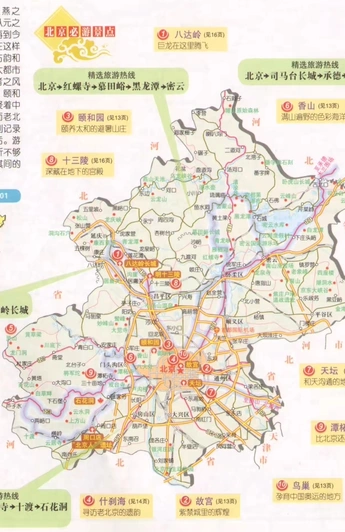
Today's highlight was the Forbidden City. As 2020 marked the 600th anniversary of its completion, tickets during the National Day holiday were nearly impossible to get. We entered through the Meridian Gate (Wumen) and rented an audio guide for 20 RMB—it automatically triggered explanations as we passed each hall, very convenient. If you're traveling with a companion, you could download an audio file in advance and play it on your phone speaker together.
Forbidden City Layout: Outer Court vs Inner Court
The Forbidden City architecture is divided into two main sections:
The Outer Court centers on the Three Great Halls (Hall of Supreme Harmony, Hall of Central Harmony, Hall of Preserving Harmony), where grand state ceremonies were held. These halls represent the highest achievement of Chinese imperial architecture, with their sweeping roofs, intricate dougong brackets, and golden tiles that seem to glow in the sunlight.
The Inner Court revolves around the Palace of Heavenly Purity, Hall of Union, and Palace of Earthly Tranquility—the living quarters of emperors and empresses. This is where the daily life of the imperial family unfolded, far from the formal ceremonies of the Outer Court.
Jingshan Park: The Best View of the Forbidden City
After exploring the Forbidden City for nearly four hours, we walked to Jingshan Park (only 2 RMB entry fee). Climbing to the top of the artificial hill, we were rewarded with a panoramic view of the entire Forbidden City complex. The golden roofs stretched to the horizon, framed by the modern skyline of Beijing. It was the perfect photo opportunity and a moment to reflect on the sheer scale of this UNESCO World Heritage site.
[Link: Forbidden City audio guide tips]
Day 3: Imperial Gardens and Olympic Legacy
Summer Palace: A Day of Tranquility
The Summer Palace, with its vast Kunming Lake and Long Corridor, offers a different perspective on imperial life. For 30 RMB, you can spend an entire day wandering through gardens, pavilions, and temples. The Marble Boat and Seventeen-Arch Bridge are must-see landmarks. We spent the morning here, enjoying the autumn colors reflecting on the lake.
Old Summer Palace: A Poignant Reminder
The Old Summer Palace (Yuanmingyuan) is a stark contrast to its neighbor. Once described as the "Garden of Gardens," it was destroyed by British and French forces in 1860. Today, the ruins stand as a powerful reminder of China's past humiliations and its determination to rebuild. The Western-style palace ruins are particularly photogenic, with their broken columns and scattered marble fragments.
Tsinghua and Peking University: Academic Icons
We cycled past the gates of Tsinghua University and Peking University, two of China's most prestigious institutions. While we didn't go inside (advance reservations are required), the gates themselves are iconic photo spots. The area around Wudaokou is a hub for students and offers great affordable food options.
Bird's Nest and Water Cube: Olympic Memories
In the evening, we visited the Bird's Nest (National Stadium) and Water Cube (National Aquatics Center) from the 2008 Beijing Olympics. The structures are beautifully lit at night, and the surrounding Olympic Park is perfect for an evening stroll. Entry to the park is free, though tickets are needed to go inside the venues.
[Link: Summer Palace vs Old Summer Palace: Which to visit]
Day 4: The Great Wall and the Performing Arts
Badaling Great Wall: Tips for a Smooth Visit
The Badaling Great Wall is the most accessible section from Beijing, about 70 kilometers northwest of the city. We booked a bus tour through our hotel for 120 RMB per person, including round-trip transport and entrance fee (40 RMB). The journey took about 1.5 hours each way.
Pro tip: Go as early as possible. We arrived at 8 AM and had the wall almost to ourselves for the first hour. By 10 AM, the crowds had arrived in force. The cable car (120 RMB round trip) can save you a steep climb, but the walk up is manageable for most fitness levels.
The wall itself is breathtaking. Walking along its ancient stones, looking out over the rolling mountains, you understand why it's one of the New Seven Wonders of the World. We spent about three hours on the wall, climbing to the highest accessible point for panoramic views.
National Centre for the Performing Arts: The Giant Egg
Back in Beijing, we visited the National Centre for the Performing Arts, nicknamed "The Giant Egg." This titanium-and-glass dome is a masterpiece of modern architecture. While we didn't catch a performance, the building itself is worth seeing, especially at sunset when the reflection in the artificial lake creates stunning photo opportunities.
[Link: Great Wall sections comparison: Badaling vs Mutianyu]
Day 5: Hutong Culture and Imperial Mansions
Prince Gong's Mansion: A Glimpse into Qing Dynasty Aristocracy
Prince Gong's Mansion is one of the best-preserved princely residences from the Qing Dynasty. For 40 RMB, you can explore its grand halls, exquisite gardens, and the famous "Grand Theater Building." The mansion offers a fascinating contrast to the Forbidden City—more intimate, yet still opulent.
Shichahai and the Bell & Drum Towers
From the mansion, we walked to Shichahai, a scenic area of three interconnected lakes. This is the heart of Beijing hutong culture, with winding alleys, traditional courtyard homes (siheyuan), and lively bars. We rented a paddleboat on Houhai Lake for 80 RMB per hour—a perfect way to relax after days of walking.
The Bell Tower and Drum Tower are nearby. For 30 RMB (combo ticket), you can climb both towers for views over the hutongs. The Drum Tower still features daily drum performances at specific times—check the schedule in advance.
Nanluoguxiang: The Trendy Hutong
Nanluoguxiang is Beijing's most famous hutong, a narrow alley lined with shops, cafes, and street food stalls. It's touristy but fun, especially in the evening when the lanterns are lit. We tried Beijing yogurt, sugar-coated hawthorn sticks, and zhajiangmian (noodles with fried sauce)—all affordable and delicious.
[Link: Best Beijing hutong tours]
Day 6: Temple of Heaven and Farewell
Temple of Heaven: Where Emperors Prayed for Harvest
On our final day, we visited the Temple of Heaven, a UNESCO World Heritage site and one of Beijing's most iconic landmarks. The 34 RMB combo ticket includes access to the Hall of Prayer for Good Harvests, the Imperial Vault of Heaven, and the Echo Wall.
The temple complex is set in a large park where locals practice tai chi, play traditional instruments, and fly kites. The Echo Wall is a fascinating acoustic phenomenon—whisper against the wall, and someone on the opposite side can hear you clearly.
We spent the morning here, soaking in the peaceful atmosphere before heading to the airport. The Temple of Heaven architecture is a masterpiece of symmetry and symbolism, with its circular design representing heaven and the square base representing earth.
FAQ: Your Beijing Travel Questions Answered
Q1: When is the best time to visit Beijing?
The best time to visit Beijing is spring (April-May) and autumn (September-October). These months offer mild temperatures, clear skies, and beautiful foliage. Avoid the summer months (June-August) when temperatures can exceed 35°C (95°F) and the winter months (December-February) when it's bitterly cold and dry.
Q2: How many days do I need to see Beijing's main attractions?
A minimum of 4-5 days is recommended for Beijing's major sites. Our 6-day itinerary allows for a relaxed pace, covering the Forbidden City, Great Wall, Summer Palace, Temple of Heaven, and hutong areas. If you're short on time, prioritize the Forbidden City and Great Wall.
Q3: Is Beijing safe for solo travelers?
Beijing is extremely safe for solo travelers, including women. The city has a low crime rate, and public areas are well-policed. However, be aware of common tourist scams, such as overpriced tea ceremonies or fake "art students" asking for donations. Stick to official taxis and registered tour operators.
Q4: Do I need to speak Mandarin to visit Beijing?
While English is not widely spoken outside tourist areas, you can manage with basic Mandarin phrases and translation apps. Many attractions have English signage and audio guides. Learning a few key phrases like "xièxiè" (thank you) and "duōshao qián" (how much) will go a long way.
Q5: What's the best way to get from Beijing Airport to the city?
Beijing Capital International Airport (PEK) is connected to the city via the Airport Express subway line (25 RMB, about 30 minutes to Dongzhimen). Taxis cost around 100-150 RMB depending on traffic. For Daxing International Airport (PKX), the high-speed train (30 minutes to Beijing West Station) is the fastest option.
Conclusion: Your Beijing Adventure Awaits
From the ancient walls of the Forbidden City to the modern marvel of the Bird's Nest, Beijing is a city that rewards careful planning and an open mind. Our six-day journey from Lingnan to the imperial capital was more than just a vacation—it was a pilgrimage through 600 years of Chinese history.
Whether you're a history buff, a food lover, or simply seeking an unforgettable travel experience, Beijing has something for everyone. The key is to plan ahead, book your tickets early, and embrace the city's unique rhythm.
Ready to plan your own Beijing adventure? Start by booking your flights and accommodation at least two months in advance, especially during peak seasons. Download the essential apps (Yitongxing for transport, Changyou Gongyuan for park tickets, and Beijing Health Kit for health codes), and don't forget to pack for temperature swings.
The Forbidden City, the Great Wall, the hutongs, and the imperial gardens are waiting for you. Your journey from Lingnan to the imperial capital begins now.
[Link: Book your Beijing hotel] [Link: Beijing tour packages] [Link: Beijing travel insurance]
Have you visited Beijing? Share your tips and experiences in the comments below! Follow us for more China travel guides and insider recommendations.
You should also read:
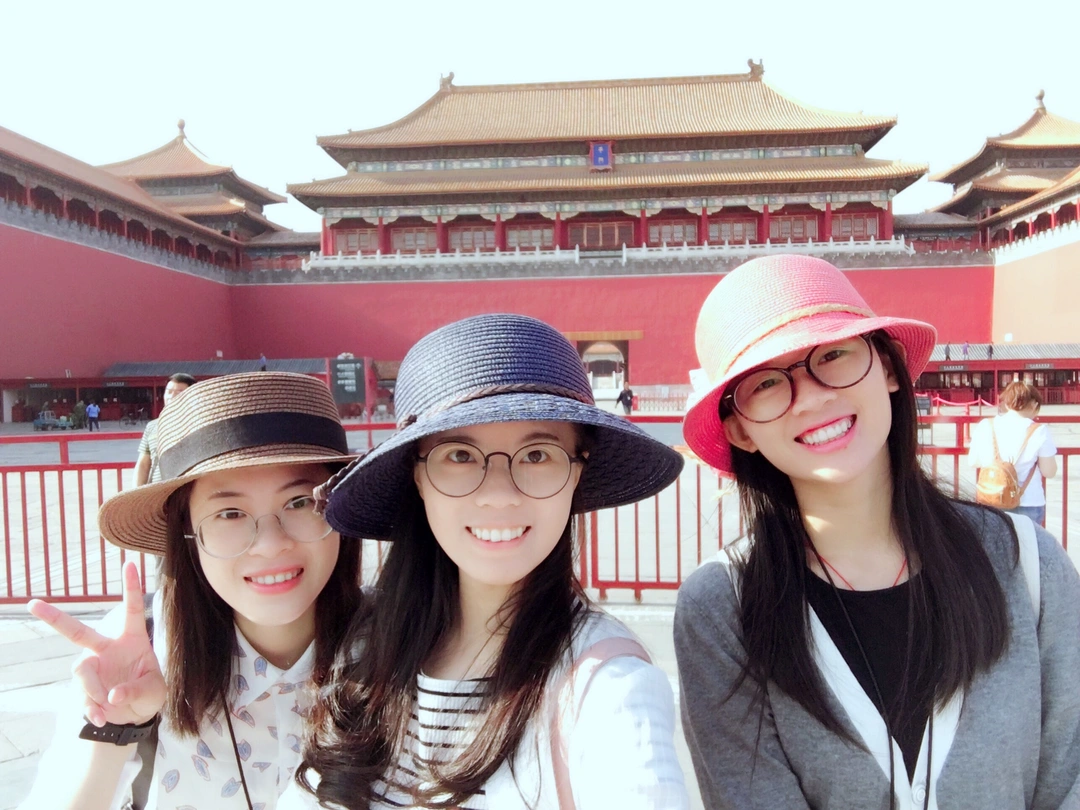
The Ultimate One-Day Forbidden City Marathon: A Maddeningly Detailed Guide to Conquering Beijing's Imperial Palace
Meta Description: Conquer the Forbidden City in one day with this obsessive guide. From 3:30 AM flag-raising to sunset panoramas, learn step-by-step routes, insider tips, and mistakes to avoid for a 13-hour imperial marathon. Let's be honest from the start: this itinerary is not for…
Continue reading...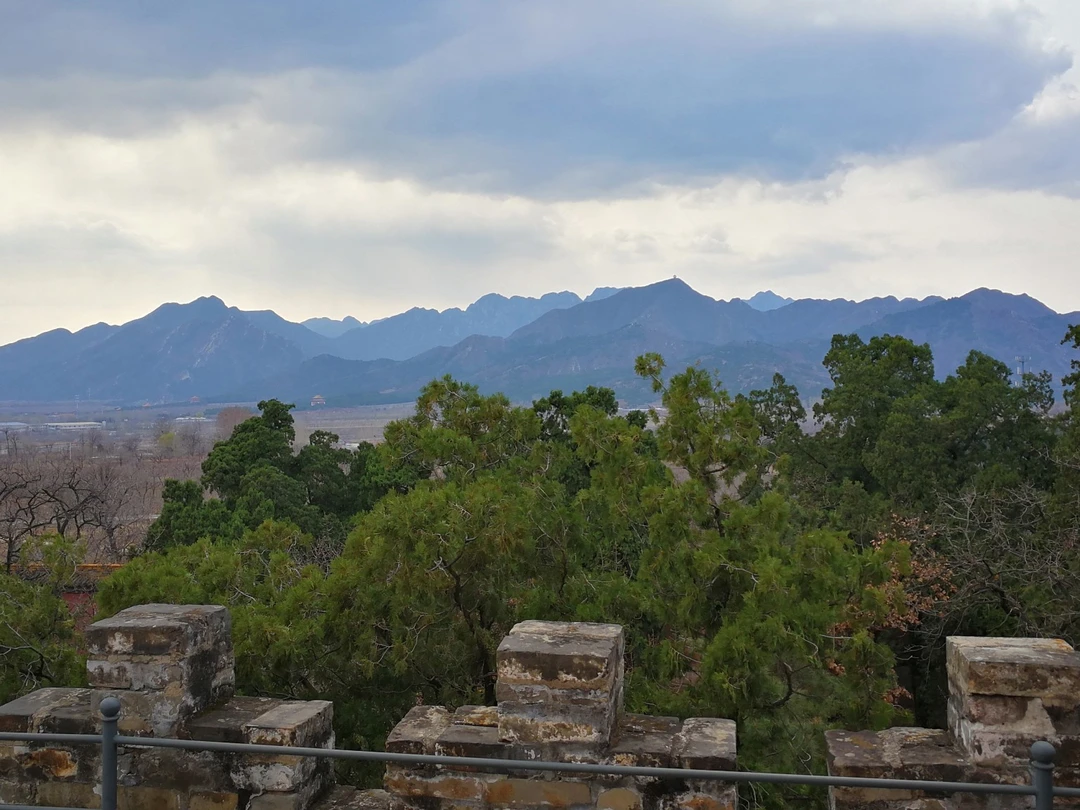
The Ming Dynasty from Start to Finish: A Journey Through Every Imperial Tomb of the Ming Thirteen Tombs
Meta Description: Explore the complete history of the Ming Dynasty through its imperial tombs. Discover 13 Ming emperors' final resting places at Changping District, Beijing—from Yongle's grand Changling to the mysteries of blank steles. Plan your visit today. In the northwestern outskirts of Beijing, at…
Continue reading...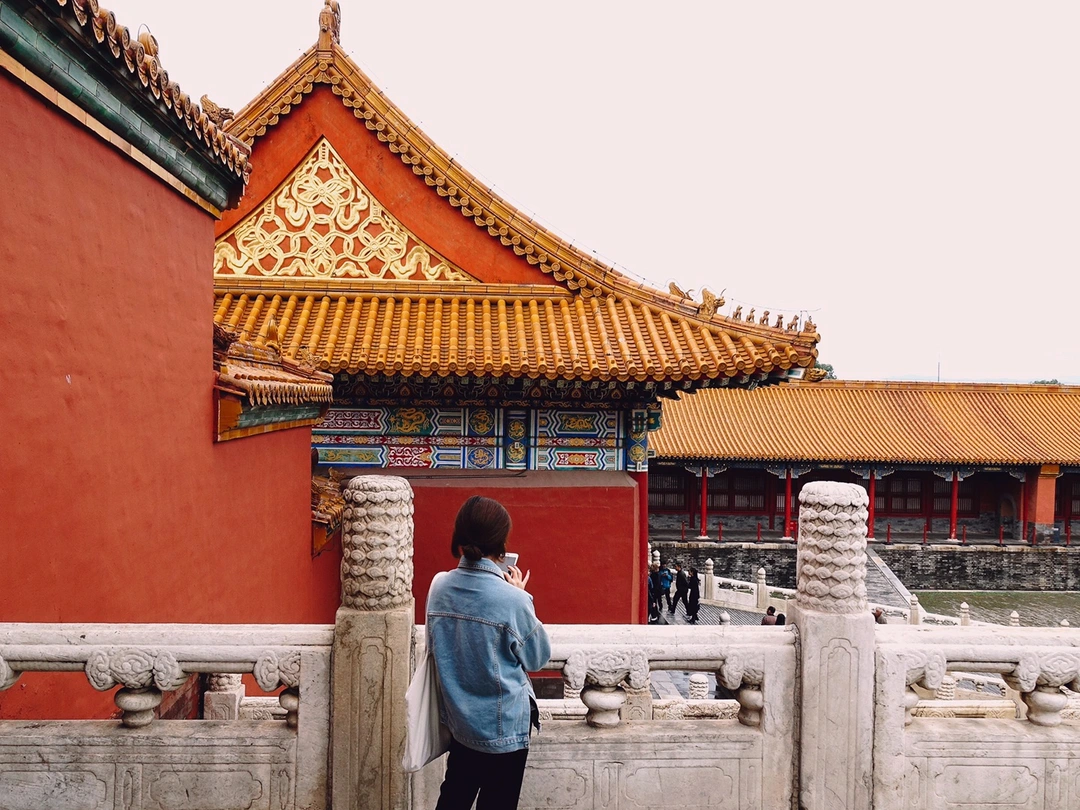
BEIJING|When a Southerner Moves into an Old Hutong: A Journey Through Art, Food, and the Pulse of the Capital
Meta Description: Discover Beijing like a local: live in an old hutong, savor authentic miancha and fried liver, and explore the Forbidden City’s hidden exhibitions. A southerner’s guide to art, food, and culture in the capital. Beijing has never been a stranger to me. My…
Continue reading...