Hiking Dragon Bone Mountain: A Journey Through 700,000 Years of Human History in Zhoukoudian
Meta Description: Experience the ultimate Zhoukoudian hiking adventure on Dragon Bone Mountain. Discover Peking Man fossils, ancient caves, and panoramic views on this 5.46km trail through Beijing's prehistoric past. Perfect for history buffs and outdoor enthusiasts.
Introduction: Why Dragon Bone Mountain Demands Your Attention
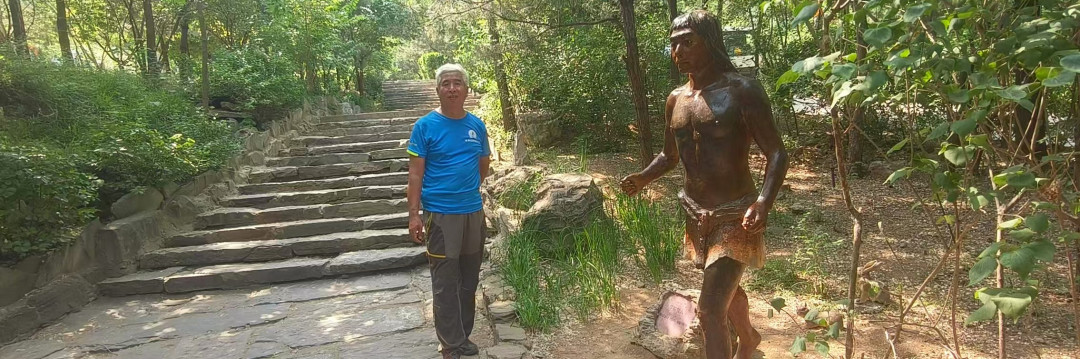
Beijing in May. The sun beats down mercilessly at 33°C (91°F), the air thick and stifling like a steam cooker. Most sensible people hide in air-conditioned rooms. But here I am, standing on a barren hill in Fangshan District, gasping for breath, sweat streaming into my eyes. Why would anyone willingly endure this? Because the mountain beneath my feet is Dragon Bone Mountain (Longgu Shan) —and buried in this very soil lies the secret of human origins.
This isn't just another hiking trail. It's a 5.46-kilometer dialogue with our 700,000-year-old ancestors, a journey that condenses tens of thousands of years of civilization into a single afternoon. Whether you're a history enthusiast, an archaeology buff, or simply someone seeking a challenging Beijing day hike, Dragon Bone Mountain offers an experience you won't forget.
What Makes Dragon Bone Mountain a UNESCO World Heritage Site?
From "Dragon Bones" to Archaeological Goldmine

Dragon Bone Mountain sits on the western side of Zhoukoudian Town in Beijing's Fangshan District. Its name carries an air of mystery: locals once unearthed ancient fossils here and sold them as traditional Chinese medicine called "dragon bones." But look closer, and you'll see another meaning—the winding ridgeline, with its exposed limestone layers stacked like vertebrae, truly resembles the spine of a giant dragon lying across the North China Plain.
This is a typical low-mountain region with well-developed karst landforms and dense cave networks. Those natural caves provided shelter for ancient humans 700,000 years ago. In 1929, Pei Wenzhong discovered the first complete Peking Man skull here. Since then, the site has yielded: - Six skull fossils - Nearly 100,000 stone tools - Extensive evidence of fire use—pushing back human fire history by hundreds of thousands of years
In 1987, the Zhoukoudian Peking Man Site was inscribed on the UNESCO World Heritage List. Today, 27 fossil localities form a vast archaeological complex spanning the entire mountain.
Chicken Bone Mountain vs. Dragon Bone Mountain: The Origin Story
Many visitors don't realize that Dragon Bone Mountain wasn't the starting point of archaeological discovery. About 2 kilometers southwest of Zhoukoudian Railway Station lies Chicken Bone Mountain (Jigu Shan) —named after the small mammal bones locals found in yellow clay. In 1918, Swedish geologist Johan Gunnar Andersson collected fossils here, but finds were limited. Three years later, guided by villagers, he came to Dragon Bone Mountain and discovered the much richer deposit that became "Zhoukoudian Locality 1"—the site of Peking Man.
[Link: Zhoukoudian Peking Man Site travel guide]
The Ultimate Dragon Bone Mountain Hiking Route: 5.46 Kilometers Through Time
Trail Overview: What to Expect
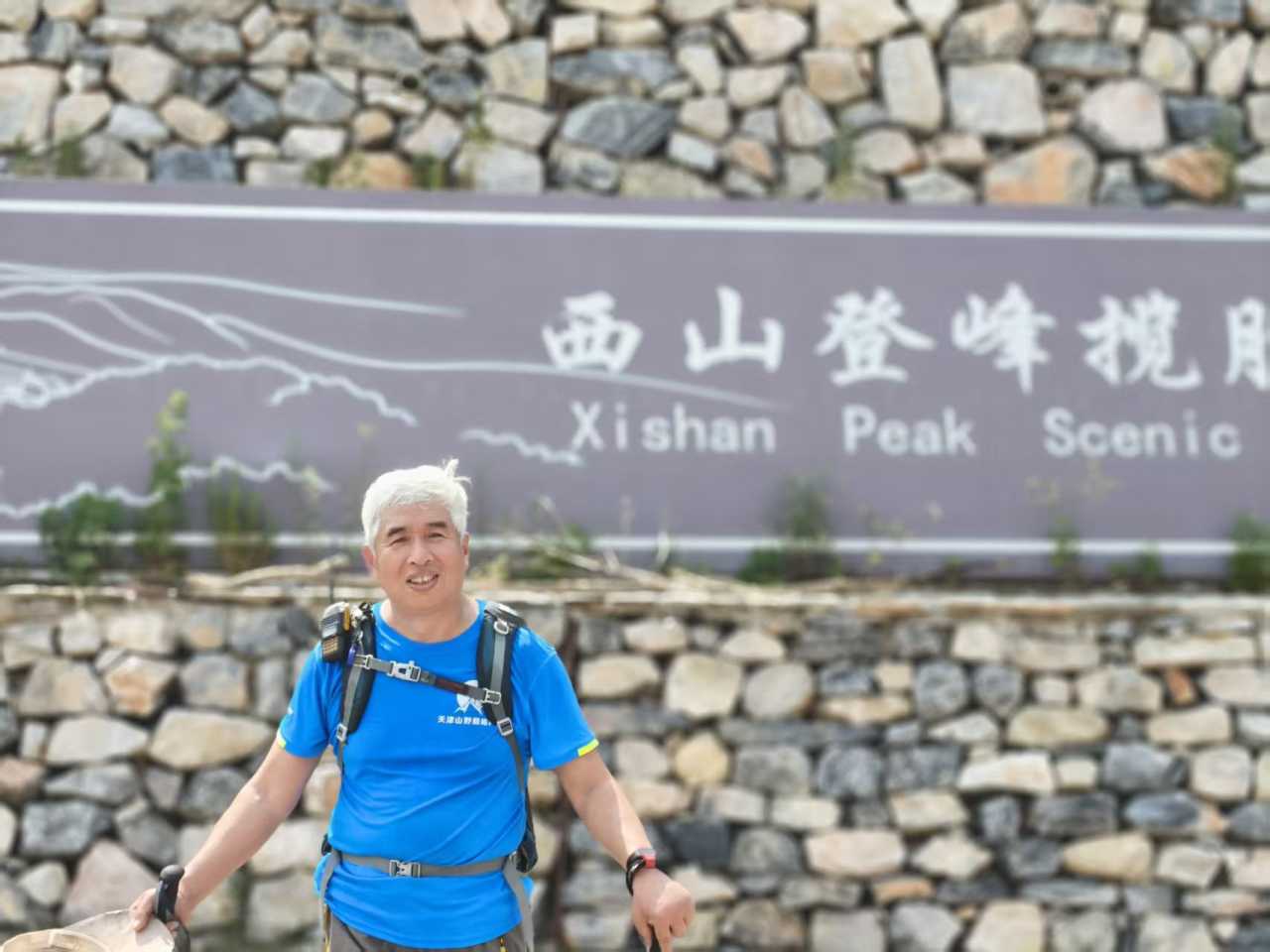
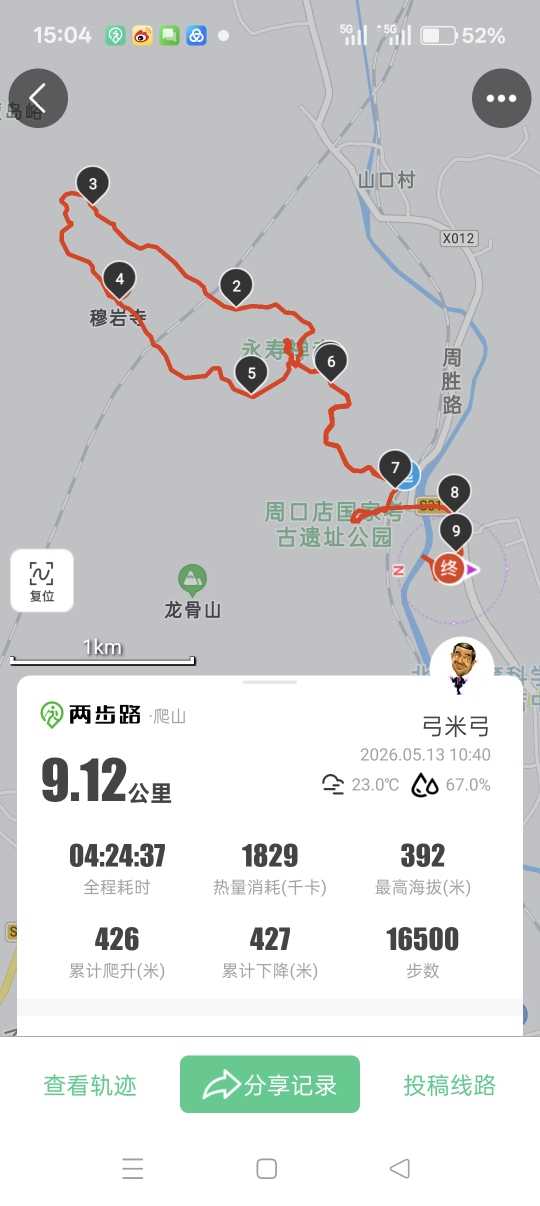
The "Summit Scenic Hiking in Fangshan" mountain greenway stretches approximately 5.46 kilometers with an elevation gain of about 200 meters. Under normal conditions, it takes about 2 hours to complete. The trail features six observation decks, each offering unique perspectives on Beijing's ancient and modern history.
Difficulty Level: Moderate Best Season: Spring (April-May) and Autumn (September-October) What to Bring: Water (at least 1.5L), sun protection, sturdy hiking shoes, snacks
Starting Point: Yongsou Temple (Yongle Temple)
Begin your journey at the parking lot near Yongsou Temple. This ancient structure was built before 1117 AD during the Liao Dynasty, with its full name being "The Imperially Bestowed Linggan Yongsou Zen Temple." Surviving structures include a bell tower, drum tower, and three beamless Buddha halls, along with a fragmentary stone plaque from the Liao Dynasty.
During the War of Resistance Against Japan, Japanese forces damaged the temple. It was reconstructed between 2012 and 2015, and today the Mountain Gate Hall and Heavenly King Hall have been restored to their original appearance.
Pro Tip: From the steps on the right side of the temple, hike counterclockwise up the mountain. Alternatively, take the path behind the temple directly onto the ridgeline. At 197 meters elevation, this spot serves as both start and end point of the loop.
Six Observation Decks: Your Panoramic Guide
1. Tanyuan Terrace (Origin-Seeking Terrace)
The first stop on your journey. Take a moment to orient yourself and appreciate the scale of the landscape before you.
2. Yongsou Terrace
From here, enjoy a panoramic view of the Zhoukoudian Site and the Yanshan Petrochemical New Materials Technology Industrial Base—700,000 years of human civilization and modern industry interwoven in a single frame. It's a powerful reminder of how far we've come.
3. Yanhua Terrace (Fireworks Terrace)
Also called Yanyu Terrace, this viewpoint offers stunning vistas of the Jinling (Jin Dynasty) Site below and the Liulihe Site in the distance.
Jinling Site: Located at the foot of Jiulong (Nine Dragons) Mountain in Chechang Village, this is the burial ground for Jin Dynasty emperors, empresses, and imperial clan members. Construction began in 1155 AD, covering approximately 65,000 square meters. It's the oldest and largest imperial mausoleum complex in the Beijing area.

Liulihe Site: Dating back to approximately 1045 BC, this was the capital of the Yan State during the Western Zhou Dynasty. Stretching 3.5 kilometers east to west and 1.5 kilometers north to south, its discovery pushed Beijing's history as a city back more than 3,000 years.
4. Xiwang Terrace (Hope Terrace)
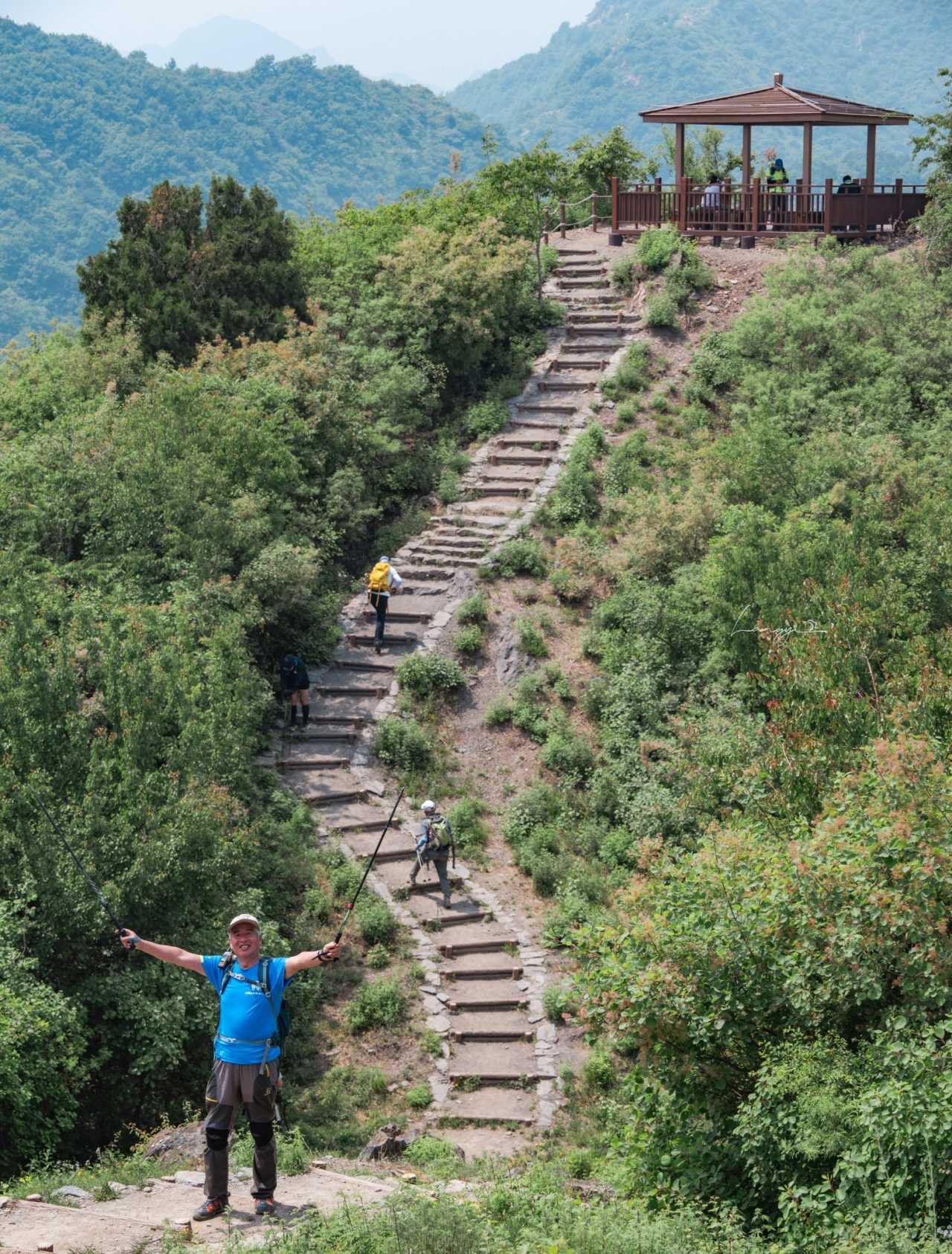
At 12:28 PM, I reached Xiwang Terrace after hiking 2.8 kilometers in 1 hour and 40 minutes. Elevation: 388 meters. Here, you'll find a pavilion with sunshade—a rare refuge from the heat along the entire route. Everyone stops here to rest, eat lunch, and replenish water.
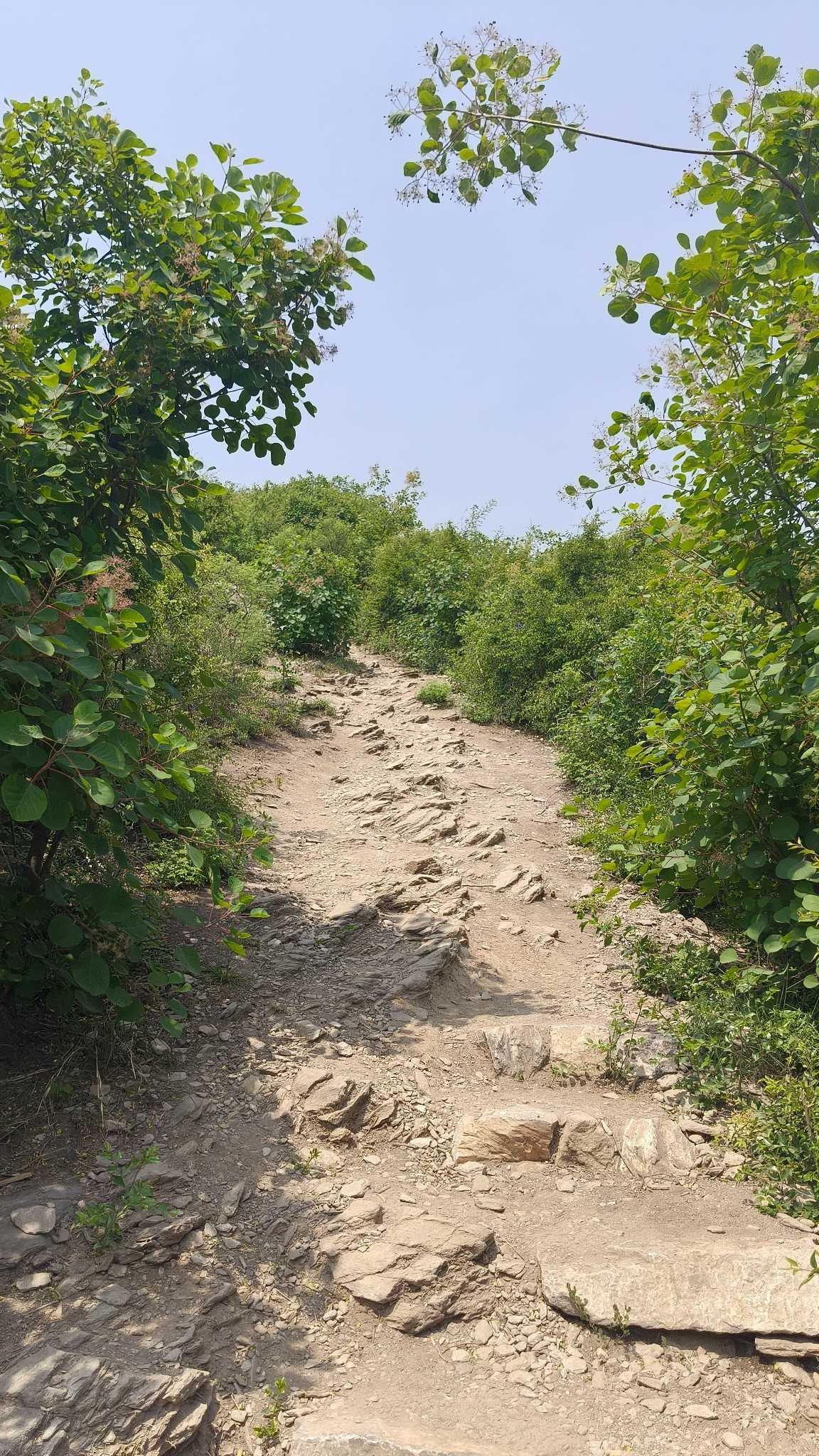
Personal Note: On hot days (33°C with only a force 2 breeze), breathing becomes rapid on ascents. Every ten steps required a three-minute break. Sweat soaked my eyes, stinging so much I could barely keep them open. The reeds blooming from oak trees blurred into a dreamlike sea of fluffy balls before my eyes.
5. Xingyun Terrace (Lucky Terrace)
A small pavilion marks this spot. From here, begin your descent.
6. Langxian Terrace
Passing the ruins of Muyan Temple, broken walls whisper stories of their past—research confirms a temple once stood here. From Langxian Terrace, descend along a concrete mountain path and re-enter civilization.
The "Three Origins" Code: Why This Trail Matters
The essence of this greenway lies in how it connects three foundational elements of human civilization:
- Origin of Humanity: Zhoukoudian Site (700,000 years ago)
- Origin of the City: Liulihe Site (1045 BC)
- Origin of the Capital: Jinling Site (1155 AD)
In just 5 kilometers, you experience tens of thousands of years of Beijing's—and humanity's—civilization. It's a humbling reminder of our place in the grand narrative of history.
Practical Tips for Hiking Dragon Bone Mountain
Best Time to Visit
- Spring (April-May): Pleasant temperatures, blooming vegetation
- Autumn (September-October): Spectacular red leaves, comfortable weather
- Avoid: Summer midday heat (temperatures can exceed 33°C/91°F)
What to Pack
 - Water: Minimum 1.5 liters (more on hot days) - Sun protection: Hat, sunscreen, sunglasses - Footwear: Sturdy hiking shoes with good traction - Snacks: Energy bars, fruit, electrolyte drinks - First aid kit: Bandages, antiseptic, blister treatment
Getting There
- By car: Take Jingjiang Road to Zhoukoudian Town, Fangshan District
- By public transport: Bus routes from downtown Beijing to Zhoukoudian
Safety Considerations
- Check weather forecasts before departure
- Start early to avoid midday heat
- Stay on marked trails
- Carry a fully charged phone
- Inform someone of your hiking plans
[Link: Beijing day trips from downtown]
Frequently Asked Questions About Dragon Bone Mountain
Q1: How long does it take to hike Dragon Bone Mountain?
Under normal conditions, the 5.46-kilometer loop takes approximately 2 hours to complete. However, allow 3-4 hours if you plan to stop at all six observation decks and explore the archaeological sites.
Q2: Is Dragon Bone Mountain suitable for beginners?
 The trail is moderate difficulty with an elevation gain of 200 meters. While not extremely challenging, some sections are steep. Beginners should start early, bring plenty of water, and take frequent breaks at the pavilions.
Q3: Can I visit the Peking Man Site and hike in one day?
Yes. The Zhoukoudian Peking Man Site Museum is located nearby and can be visited before or after your hike. Plan a full day to experience both the museum and the trail.
Q4: What is the best season for hiking Dragon Bone Mountain?
 Spring (April-May) and autumn (September-October) offer the most comfortable temperatures. Autumn is particularly spectacular when the mountain is covered in red leaves. Summer can be extremely hot, especially at midday.
Q5: Are there facilities along the trail?
Yes. Yongsou Temple has restroom facilities, and Xiwang Terrace (at 388 meters elevation) has a pavilion with shade. There are no food vendors on the trail, so bring your own snacks and water.
Conclusion: Your Invitation to Walk with History
As I descended from Langxian Terrace, sweat-soaked and exhausted, I realized something profound: I had just walked the same paths that our ancient ancestors might have traversed 700,000 years ago. The same sun that beat down on me had warmed their faces. The same limestone caves had sheltered them. The same mountain had witnessed their struggles, their triumphs, their very existence.
Dragon Bone Mountain isn't just a hiking trail—it's a time machine. In 5.46 kilometers, you compress 700,000 years of human history into a single afternoon. You stand where Peking Man stood. You see what they saw. You feel the same earth beneath your feet.
Ready to make your own journey through time? Plan your Dragon Bone Mountain hike today. Book your transportation, pack your gear, and prepare for an experience that will change how you see Beijing—and humanity itself.
Your ancestors are waiting. The mountain is calling. Answer it.
Have you hiked Dragon Bone Mountain? Share your experience in the comments below. For more Beijing hiking guides and historical site recommendations, subscribe to our newsletter.
You should also read:
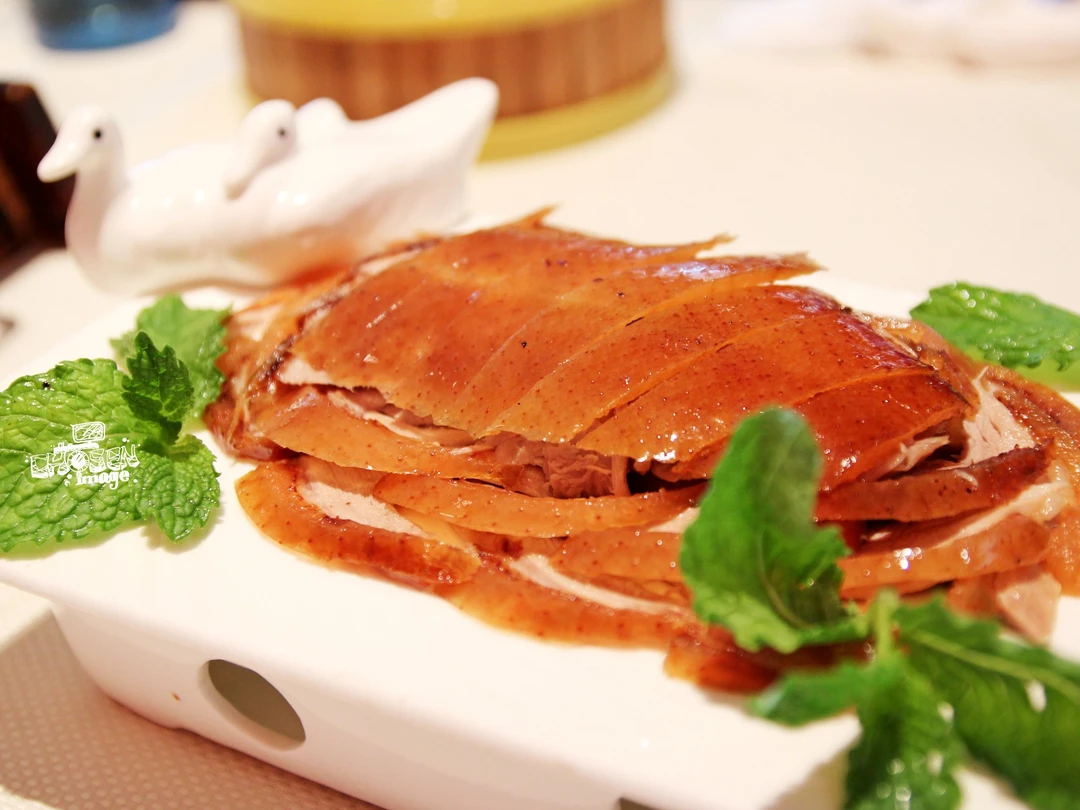
Strolling Through Beijing: When the Forbidden City's Twilight Meets the Alleyways' Hearth Smoke
Meta Description: Discover Beijing's imperial grandeur and culinary soul in this 5-day guide. From Forbidden City secrets to Niujie food walks, learn where to stay, eat, and explore for an unforgettable trip. Beijing isn't just a city—it's a living museum where six centuries of imperial…
Continue reading...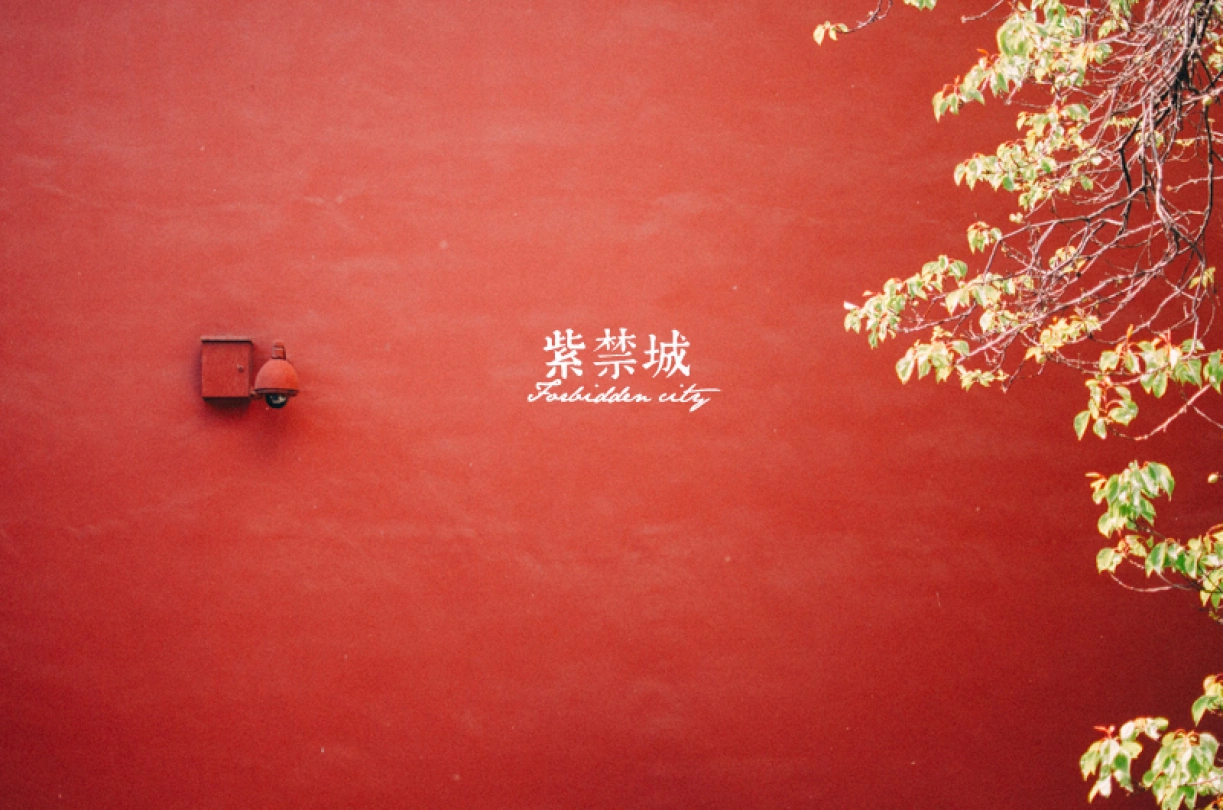
Strolling Through Fragrant Beijing: The Imperial City of Crimson Walls and Azure Tiles – A Complete Travel Guide
Meta Description: Explore Beijing's Forbidden City, Temple of Heaven & hidden hutongs in this SEO-optimized travel guide. Walk 60km through crimson walls & azure tiles with insider photography tips. Plan your imperial city adventure today. "My Beijing City" plays on repeat as I write this—the…
Continue reading...
Beijing Travel Guide: A Personal Journey Through Smog, History, and Hidden Stories
Meta Description: Discover Beijing beyond the tourist traps. This personal travel story explores hutong culture, historical sites, and local secrets—from Jingshan Park to Yuanmingyuan. Perfect for travelers seeking authentic experiences. Beijing. The name alone conjures images of smog-shrouded skylines, the majestic Forbidden City, labyrinthine hutong…
Continue reading...