I Love Beijing: A Late Autumn Journey Through the Imperial Capital (Part Two)
Meta Description: Explore Beijing in late autumn with our detailed guide to the Forbidden City, Mutianyu Great Wall, Summer Palace & Temple of Heaven. Discover hidden history & travel tips for an unforgettable Beijing autumn trip.
Every heart holds its own vision of Beijing. For some, it is the solemn grandeur of Tiananmen from school textbooks; for others, the aroma of fermented mung bean soup drifting from a narrow hutong alley, a sliver of sunset glowing against the Forbidden City's crimson walls, or perhaps simply a story yet to be written between you and this ancient land.
In the deep autumn of 2020, I set out on a six-day journey, carrying both reverence and curiosity for this historic capital. The first part of my account covered the initial three days; now, I wish to share the wonders of the remaining three—from the majesty of the Forbidden City, to the breathtaking expanse of the Mutianyu Great Wall, and finally to the serene beauty of the Summer Palace and the Temple of Heaven. This was a journey of dialogue with history, and also a quiet reconciliation with myself.
Day Four: Exploring the Forbidden City in Autumn — A Dynasty's Memory
The Meridian Gate: Stepping Through the Doorway of History

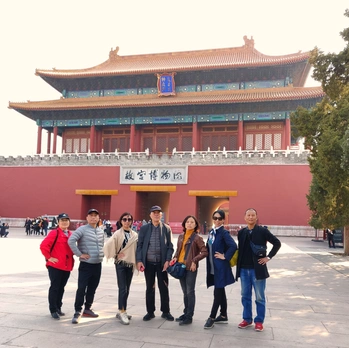
October 29th dawned with a sky of crystalline blue. The autumn wind carried a chill, yet it was invigorating. After an early breakfast, we split into two groups: one took a taxi with the elderly, while I chose to walk. My route led me along Dengshikou West Street, through East Huangchenggen South Street, and into Donghuamen Avenue. In less than twenty minutes, the Eastern Gate of the Forbidden City appeared before me.
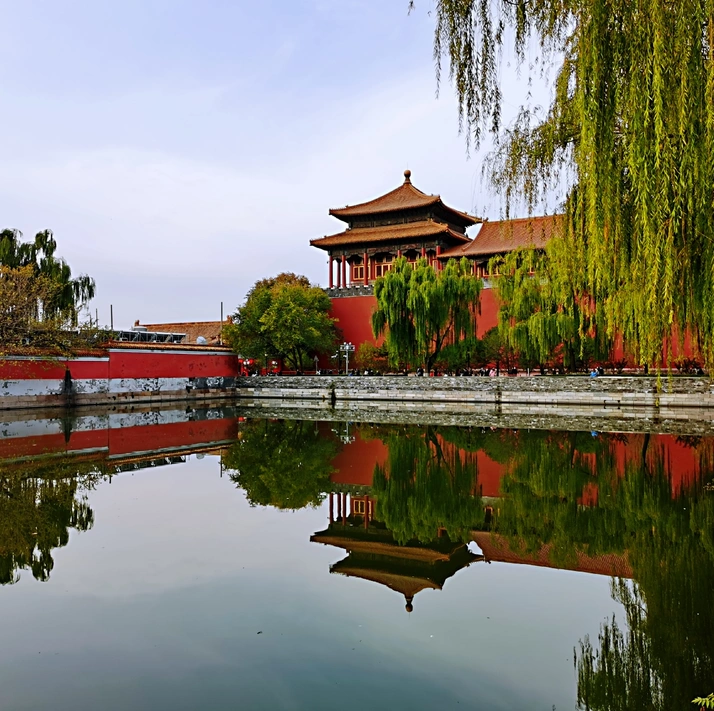
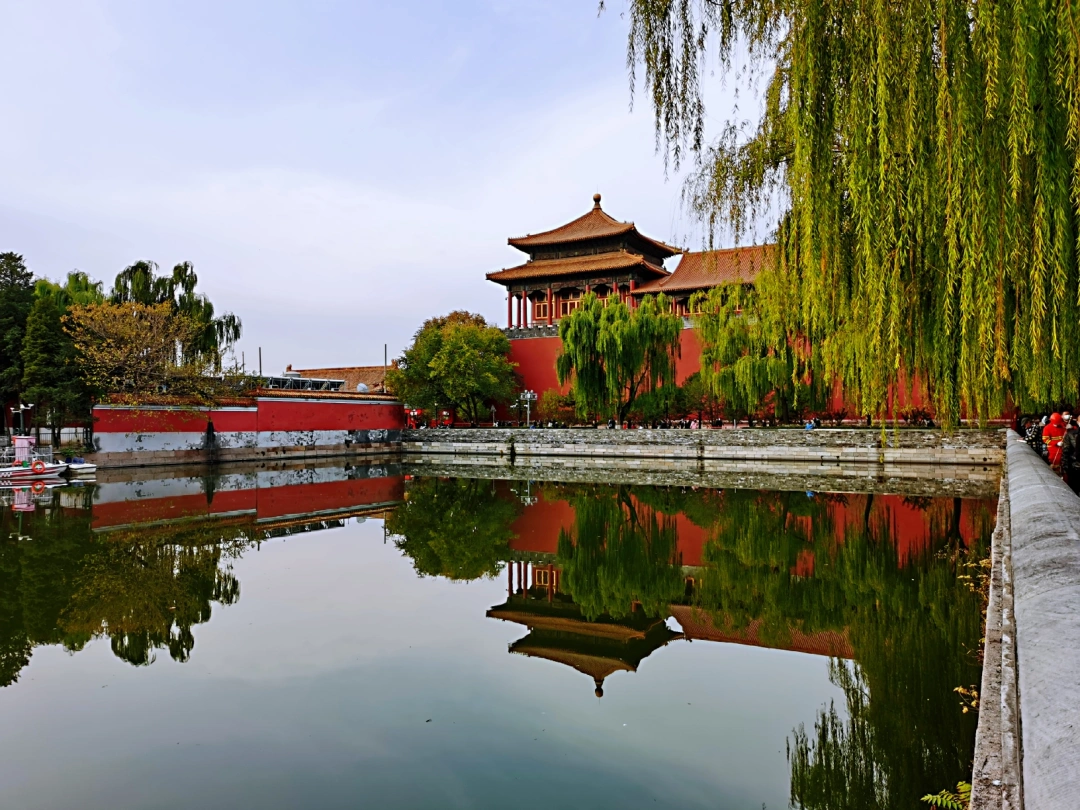
The Eastern Gate, first built in the 18th year of the Yongle reign of the Ming Dynasty (1420 CE), is one of the four main gates. Its door nails are arranged in nine rows horizontally and eight vertically—a subtle difference from the other three gates, a detail only noticed by those who truly draw near. Strolling along the moat, I saw elderly people practicing morning exercises and fishermen casting their lines, forming a vivid tableau of everyday life. The water shimmered, reflecting the towering palace walls as if whispering tales of six centuries.
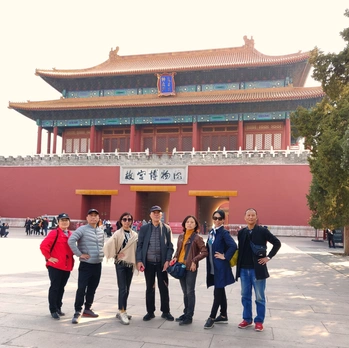
The Meridian Gate is the main entrance to the Forbidden City. Shaped like an inverted "凹" (a concave form), it stands 37.95 meters tall. Originally constructed in 1420, it was rebuilt during the 4th year of the Shunzhi reign of the Qing Dynasty and renovated again in the 6th year of the Jiaqing reign. Its name, "Meridian Gate," comes from its central, sun-facing position, aligned with the meridian. This was not merely an entrance but a symbol of imperial power—the emperor, empress, top scholars, and officials each had their designated passage. The popular notion of "being taken out of the Meridian Gate for execution" is a dramatic invention of film and television; historically, it was more commonly the site of "court flogging."
The Outer Court: The "Perfect Ten" of the Hall of Supreme Harmony
Passing through the Meridian Gate, I was greeted by the Inner Golden Water Bridge and the Gate of Supreme Harmony Square. Five stone bridges stretched across the Golden Water River, like five jade arrows drawn upon a bowstring, poised in silent tension. The intricately carved railings resembled jade belts spanning the water. The paving stones of the imperial bridge had been polished to a smooth, lustrous sheen by countless footsteps, as if narrating the stories of bygone eras.
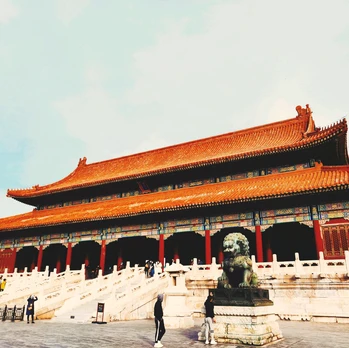
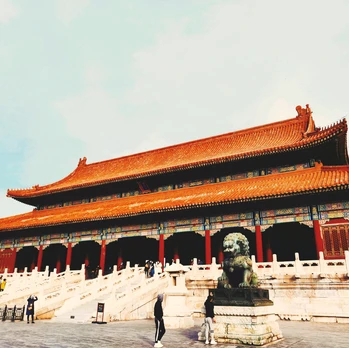
The Gate of Supreme Harmony is the largest palace gate in the Forbidden City, spanning nine bays in width and four in depth. A pair of bronze lions and four bronze tripods stood before it, exuding an overwhelming sense of power. During the Ming Dynasty, this was where the emperor held morning court; in the Qing Dynasty, the venue shifted to the Gate of Heavenly Purity.
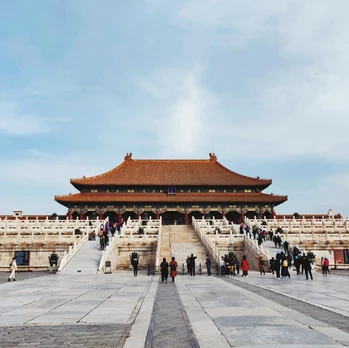
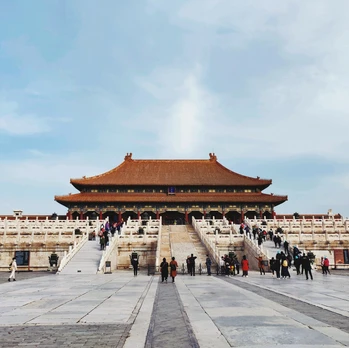
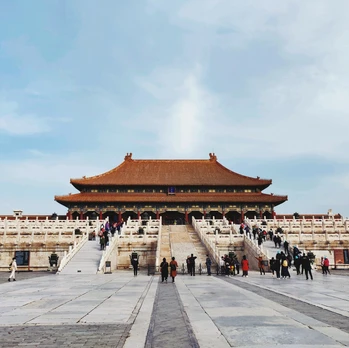
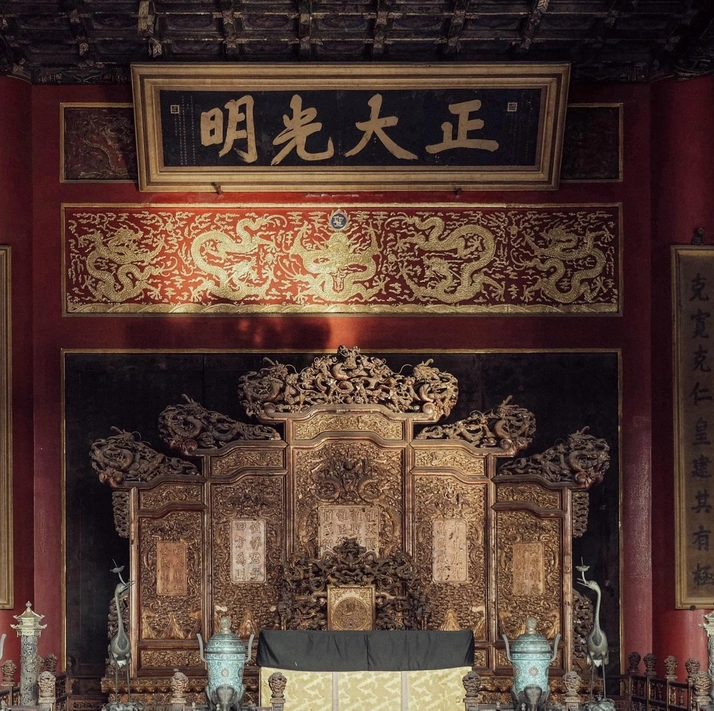
Beyond the gate lay the Hall of Supreme Harmony Square. The ground was paved with bricks arranged in seven vertical and eight horizontal layers, fifteen layers deep—a design said to thwart potential assassins. The square was devoid of trees or flowers, open and imposing. The Hall of Supreme Harmony, commonly known as the "Golden Throne Hall," measures eleven bays in width and five in depth, with a height of 26.92 meters, rising to 35.05 meters including its marble platform. Its roof is of the double-eave hip-and-ridge style, covering an area of 2,377 square meters. It is the largest structure within the Forbidden City and a unique example of ancient Chinese architecture.
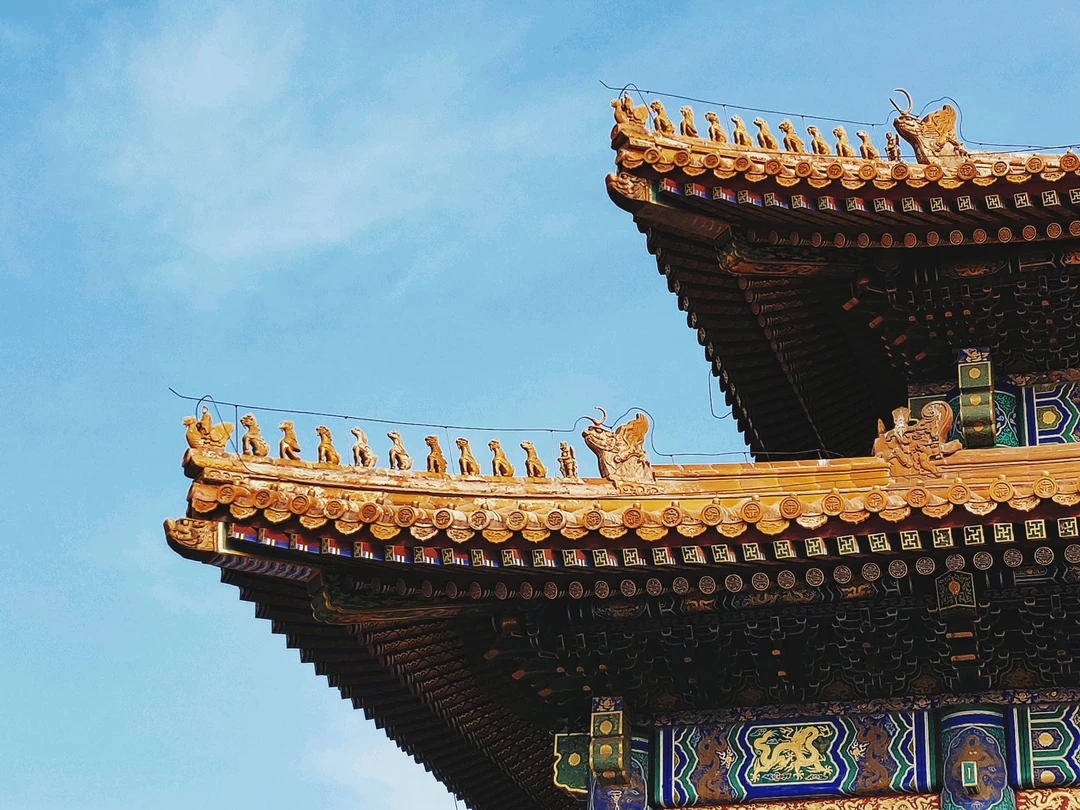
On the eaves of the Hall of Supreme Harmony sit ten mythical beasts—a number unmatched in any surviving ancient building. Starting with the "Riding the Immortal" figure, the sequence includes the dragon, phoenix, lion, heavenly horse, sea horse, xiayu (a mythical fish), suanni (a lion-like creature), xiezhi (a justice-bringing beast), douniu (a horned dragon), and xingshi (a thunder god). Each beast carries a symbolic meaning: the dragon represents imperial authority, the phoenix signifies auspiciousness, the lion embodies bravery, and xingshi resembles a thunder god, warding off lightning. A folk rhyme goes: "One dragon, two phoenixes, three lions, sea horse, heavenly horse, six xiayu, suanni, xiezhi, nine douniu, and last xingshi like a monkey." Across the entire world, only the Hall of Supreme Harmony displays all ten of these ridge beasts.
The floor within the hall is paved with 4,718 "golden bricks"—not made of gold, but specially crafted in Suzhou. When tapped, they ring with a clear sound, and when broken, they reveal no pores. Above the throne hangs a caisson ceiling adorned with a coiled dragon holding a pearl in its mouth. The six main pillars are painted with colorful dragons using gold powder, showcasing the opulence of the "Golden Throne Hall."
The Hall of Central Harmony and the Hall of Preserving Harmony: Continuity of Ritual
The Hall of Central Harmony sits between the Hall of Supreme Harmony and the Hall of Preserving Harmony. It is square in plan, 19 meters high, with a single-eave, four-cornered pyramidal roof capped by a gilded copper finial. This was where the emperor rested and received ceremonial bows from officials before major ceremonies in the Hall of Supreme Harmony. Each spring, before offering sacrifices at the Altar of Agriculture, the emperor would also review the ritual texts here.
The Hall of Preserving Harmony served as the venue for the imperial examinations. After the 54th year of the Qianlong reign, the palace examination for newly advanced scholars was held here, while the "announcement of results" ceremony continued at the Hall of Supreme Harmony. Standing before this hall, one could almost hear the nervous heartbeats of the scholars and feel the glory of "ten years of hard study unrecognized, yet a single day's fame known to all."
[Link: Forbidden City ticket booking tips and best visiting hours]
Day Five: Mutianyu Great Wall in Autumn — A Tapestry of Fall Colors
The Main Pass: Majestic Amidst Layered Mountains
If the Forbidden City represents the weight of history, the Mutianyu Great Wall embodies the grandeur of nature. On October 30th, we drove to Huairou District, where Mutianyu is located. Unlike the bustling crowds of Badaling, Mutianyu offers a quieter, more serene experience, with lush vegetation and a forest painted in vibrant autumn hues.
The main pass of Mutianyu is the heart of the wall. Standing there, I gazed upon the undulating mountain ranges, their peaks stretching into the distance. The Great Wall wound like a dragon through the hills, each brick and stone whispering tales of frontier defense. Carved into the cliffside, the words "Loyal to Chairman Mao" remained clearly visible—a mark of a bygone era and a testament to history.
The 20th Beacon Tower: Summit of Reunion
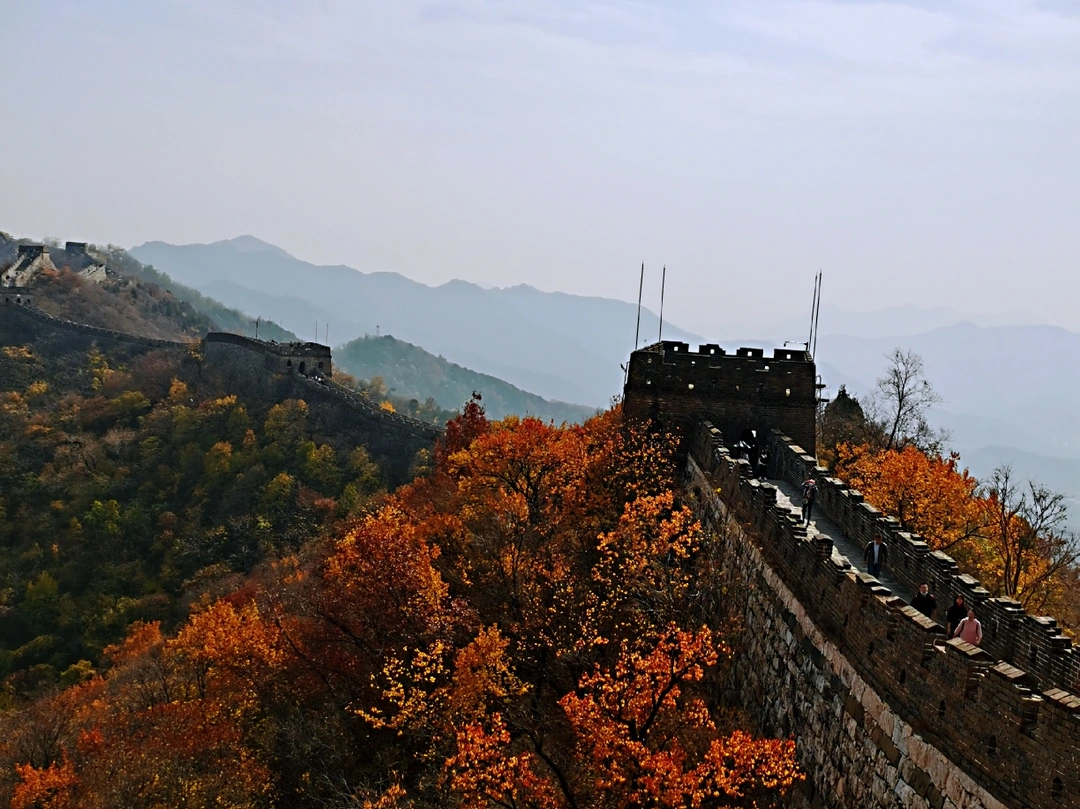
We climbed step by step, steadily ascending. Along the way, the frosted leaves were redder than spring flowers, and the autumn breeze carried the scent of pine. After over an hour of climbing, we finally reached the 20th beacon tower. With the Great Wall at our backs and the blue sky above, a surge of exhilaration washed over me. This was the highest point accessible to visitors, offering a panoramic view of the autumn tapestry below.
The Mutianyu section is particularly famous for its autumn foliage. The red leaves of the smoke trees, the golden ginkgo, and the evergreen pines created a mosaic of color that stretched as far as the eye could see. The wall itself, built primarily during the Ming Dynasty (1368–1644), features distinctive watchtowers at regular intervals. Unlike other sections, Mutianyu has both inner and outer parapets, allowing defenders to fight on both sides—a strategic advantage.
[Link: How to get to Mutianyu Great Wall from Beijing city center]
Day Six: The Summer Palace and Temple of Heaven — Imperial Serenity
The Summer Palace: A Royal Retreat in Autumn
On our final day, we visited the Summer Palace (Yiheyuan), the largest and best-preserved imperial garden in China. Built in 1750 during the Qianlong reign, it was originally a summer retreat for the imperial family. The autumn light cast a golden hue over Kunming Lake, and the Long Corridor—a covered walkway stretching 728 meters—offered shelter from the crisp breeze.
The Tower of Buddhist Incense atop Longevity Hill provided a stunning vantage point. From here, the entire garden unfolded like a traditional Chinese painting: the Seventeen-Arch Bridge, the marble boat, and the distant hills all bathed in the soft autumn light. The Summer Palace is a masterpiece of landscape design, blending natural scenery with architectural elegance.
The Temple of Heaven: Where Heaven and Earth Meet
Our journey concluded at the Temple of Heaven (Tiantan), a complex of religious buildings used by Ming and Qing emperors for annual ceremonies of prayer to Heaven for good harvests. The Hall of Prayer for Good Harvests is the iconic structure—a triple-eaved circular building with a deep blue roof, symbolizing heaven.
The Echo Wall and the Circular Mound Altar are marvels of acoustic engineering. Standing at the center of the altar, one can hear their own voice amplified, a phenomenon that ancient builders used to communicate with the heavens. The surrounding park was alive with locals practicing tai chi, playing chess, and singing opera—a vibrant contrast to the solemnity of the temple.
[Link: Best time to visit Summer Palace and Temple of Heaven]
Frequently Asked Questions (FAQ)
1. What is the best time to visit Beijing for autumn colors?
 Late October to early November is the peak season for autumn foliage in Beijing. The Forbidden City, Mutianyu Great Wall, and the Summer Palace are especially stunning during this period.
2. How much time should I allocate for the Forbidden City?
A thorough visit to the Forbidden City requires at least 4–5 hours. To see the main halls, the Inner Court, and the surrounding gardens, plan for a full morning or afternoon.
3. Is Mutianyu Great Wall less crowded than Badaling?
 Yes, Mutianyu is significantly less crowded than Badaling. It offers a more peaceful experience, excellent autumn views, and a cable car for those who prefer not to climb.
4. Can I visit the Summer Palace and Temple of Heaven in one day?
 Yes, both sites are located in the Haidian and Dongcheng districts respectively, and can be visited in a single day with careful planning. Start early at the Summer Palace, then head to the Temple of Heaven in the afternoon.
5. What should I wear for a late autumn trip to Beijing?
Layered clothing is essential. Mornings and evenings can be chilly (5–10°C / 41–50°F), while afternoons may be milder (15–20°C / 59–68°F). Comfortable walking shoes, a warm jacket, and a scarf are recommended.
Your Beijing Autumn Adventure Awaits
From the golden bricks of the Forbidden City to the fiery red leaves of Mutianyu, from the serene lakes of the Summer Palace to the celestial echoes of the Temple of Heaven, Beijing in late autumn is a journey you will never forget. Each site tells a story—of emperors and scholars, of battles and prayers, of a civilization that has endured for millennia.
Ready to plan your own imperial capital adventure? [Download our free Beijing autumn itinerary PDF] or [book a guided tour] to experience the best of Beijing's history, culture, and natural beauty. Share your favorite Beijing memory in the comments below, and don't forget to subscribe for more travel inspiration from China's ancient capitals.
You should also read:
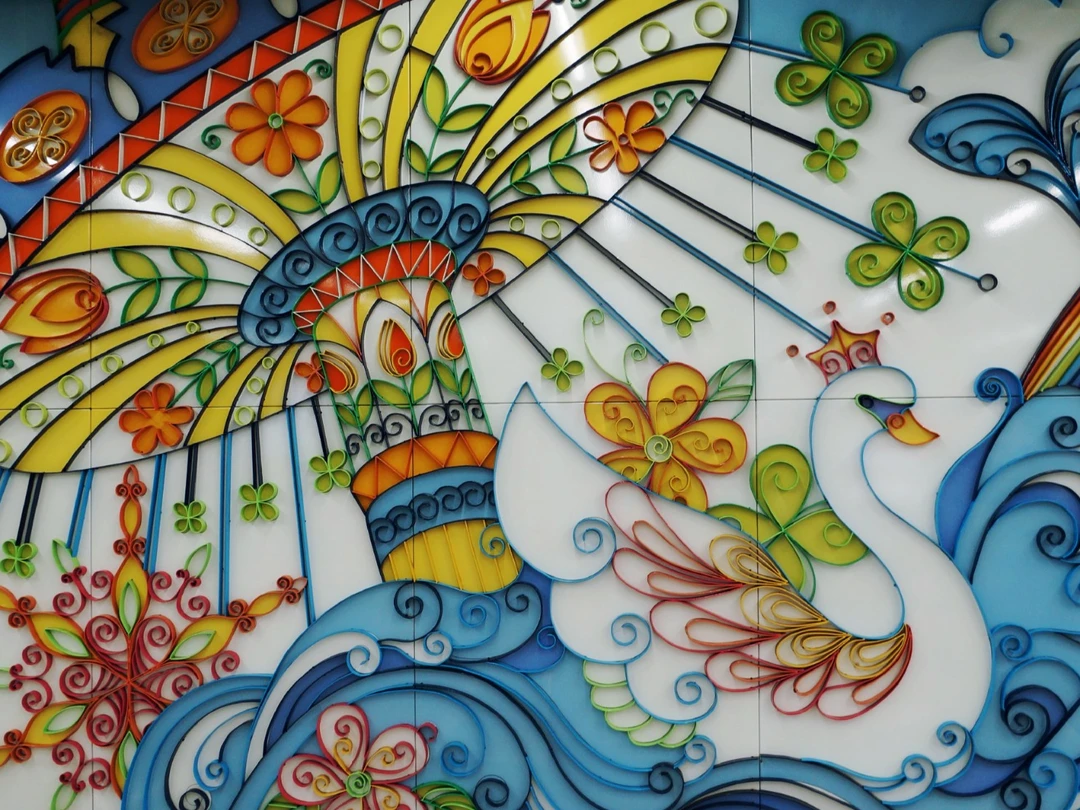
Beneath the Surface: Discovering Beijing’s Hidden Colors Through Its Metro – An SEO-Optimized Guide
Meta Description: Explore Beijing’s hidden colors through its metro art. From Yuanmingyuan murals to Xidan reliefs, discover the city’s soul underground. Plan your cultural subway tour now. Most travelers judge Beijing by its skyline, street food, or famous landmarks. But if you truly want to…
Continue reading...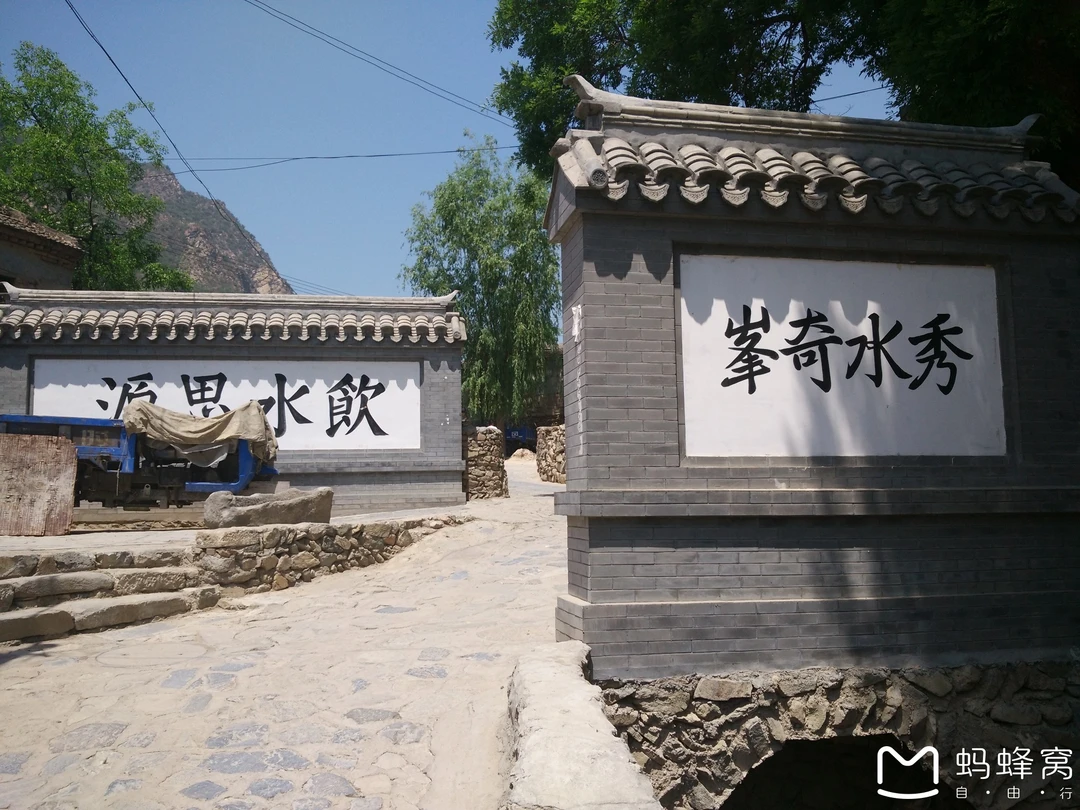
Impressions of Beijing: Mentougou Part Three — Lingshui Village, Searching for a World of the Past in the Depths of Time
Meta Description: Discover Lingshui Village, Beijing's "Juren Village" in Mentougou District. Explore millennium-old courtyard houses, Ming-Qing scholar legacy, and practical travel tips. A journey into ancient Chinese culture awaits. "Spring deep, my official duties are complete; day by day, my heart turns to the mountains."…
Continue reading...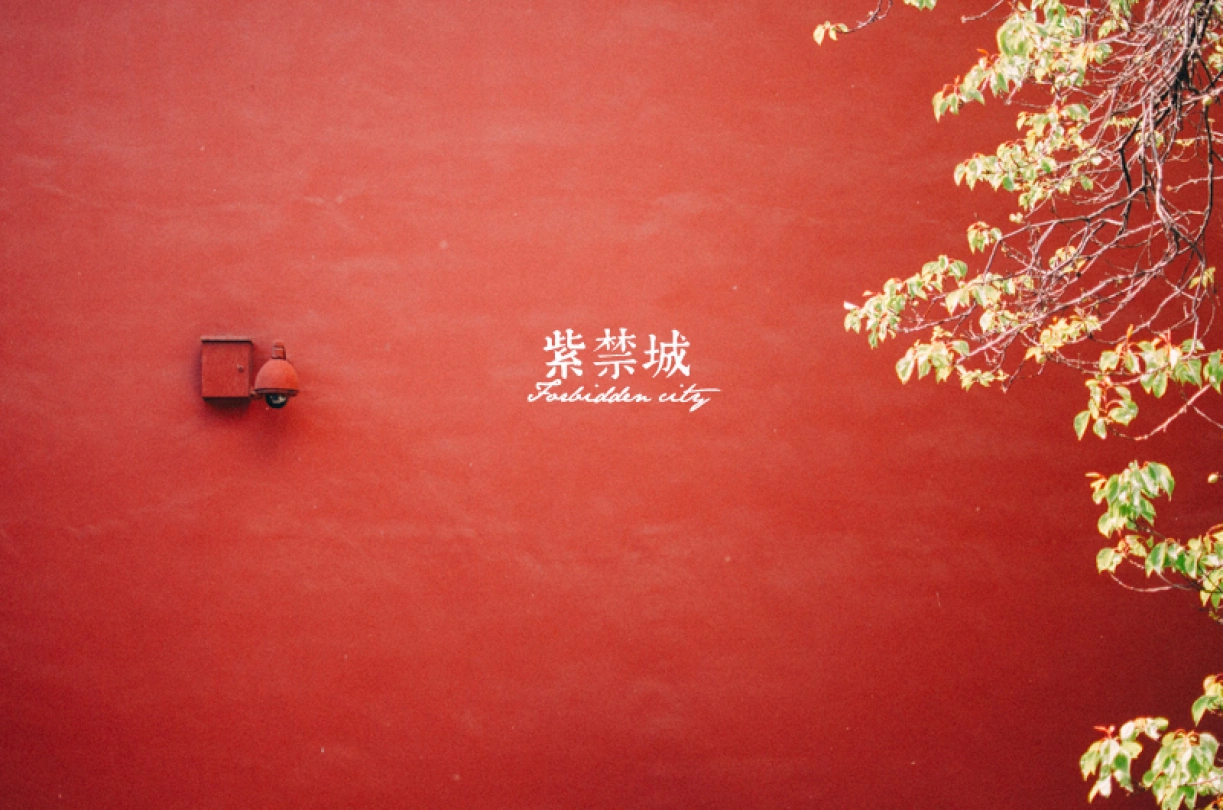
Strolling Through Fragrant Beijing: The Imperial City of Crimson Walls and Azure Tiles – A Complete Travel Guide
Meta Description: Explore Beijing's Forbidden City, Temple of Heaven & hidden hutongs in this SEO-optimized travel guide. Walk 60km through crimson walls & azure tiles with insider photography tips. Plan your imperial city adventure today. "My Beijing City" plays on repeat as I write this—the…
Continue reading...