Innocence, Joy, Childhood | Our Year in Beijing, 2024: A Family Travel Guide to Rediscovering Wonder
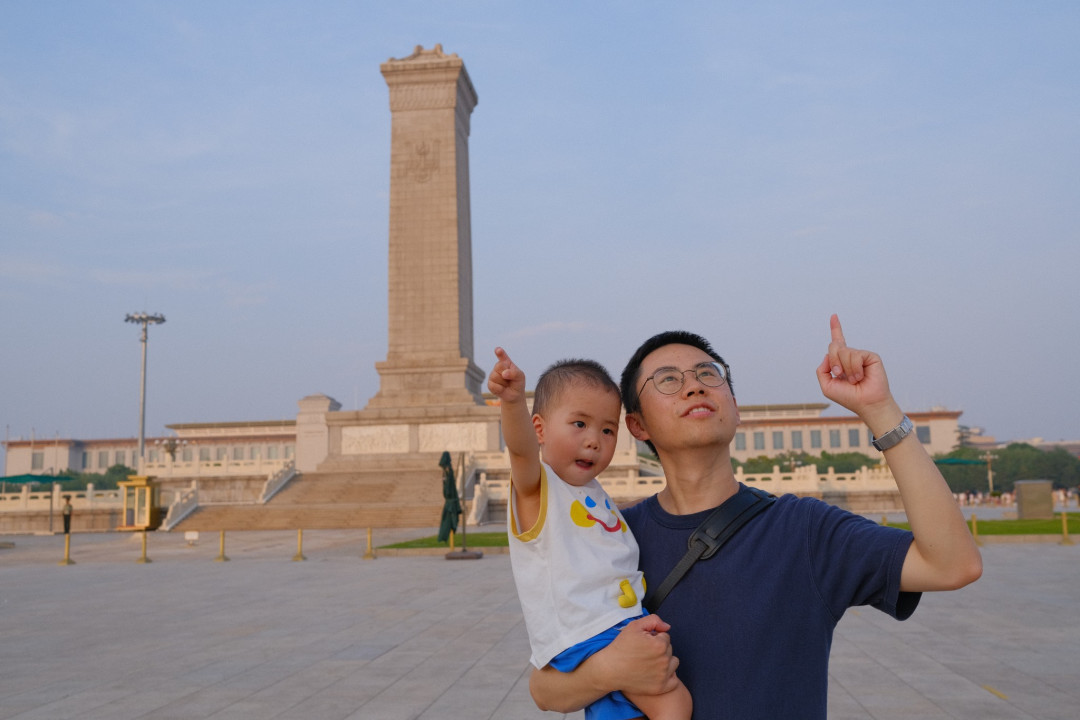
Meta Description (155 characters):
Discover how one family spent 2024 exploring Beijing with a child—from Happy Valley snow dreams to ancient pagodas. Your guide to rediscovering innocence and joy in China's capital.
Introduction: When Innocence Meets Beijing
2024 was like a picture book that never ended, each page filled with our child's laughter and our own wonder. I originally planned to start writing in mid-December, turning this year's "Beijing Diary" into a proper article—but as it turned out, the end-of-year work got magically busier, dragging on until just before the New Year's countdown, when I finally sat down to face a screen full of memories.
This year, we took our child to quite a few places. Scrolling through my phone's photo album, I see the grasslands of Hebei, the vastness of Inner Mongolia, the ancient charm of Shanxi, and the cozy烟火气 (lively, everyday atmosphere) of my hometown in Guangxi—a total of 13 travelogues, each recording a different "voyage." But when I flipped through those photos buried at the bottom of the album, I suddenly realized: what about the days and nights we spent in the capital, those ordinary moments in hutongs, parks, and beneath the city walls? Don't they deserve to be written about?
Yes, in 2024, together with our child, we rediscovered "innocence" right here in Beijing. This article is our family's Beijing travel diary—a guide for parents seeking authentic, child-friendly experiences in the city.
Late Winter: Waiting for Snow at Happy Valley Beijing
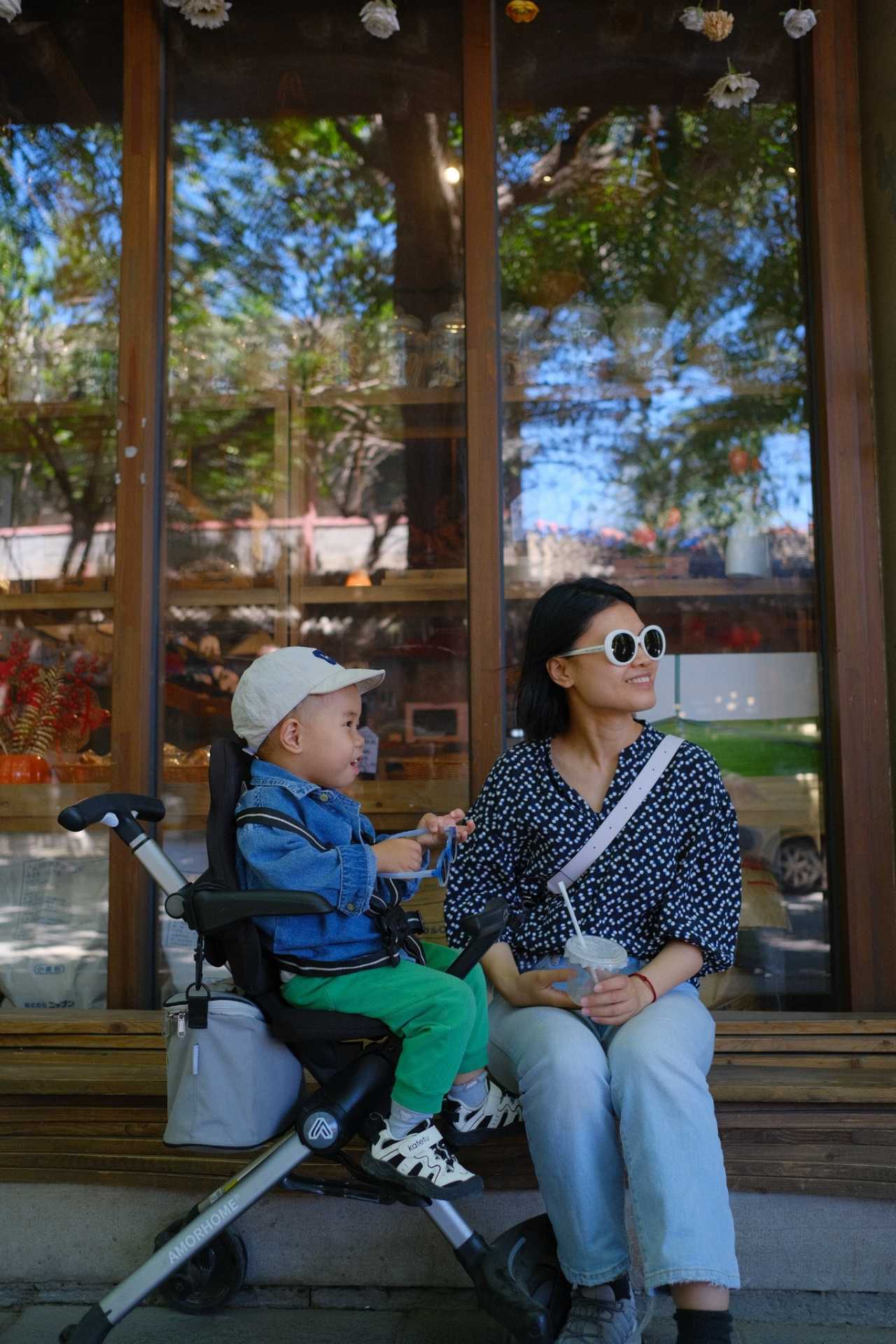
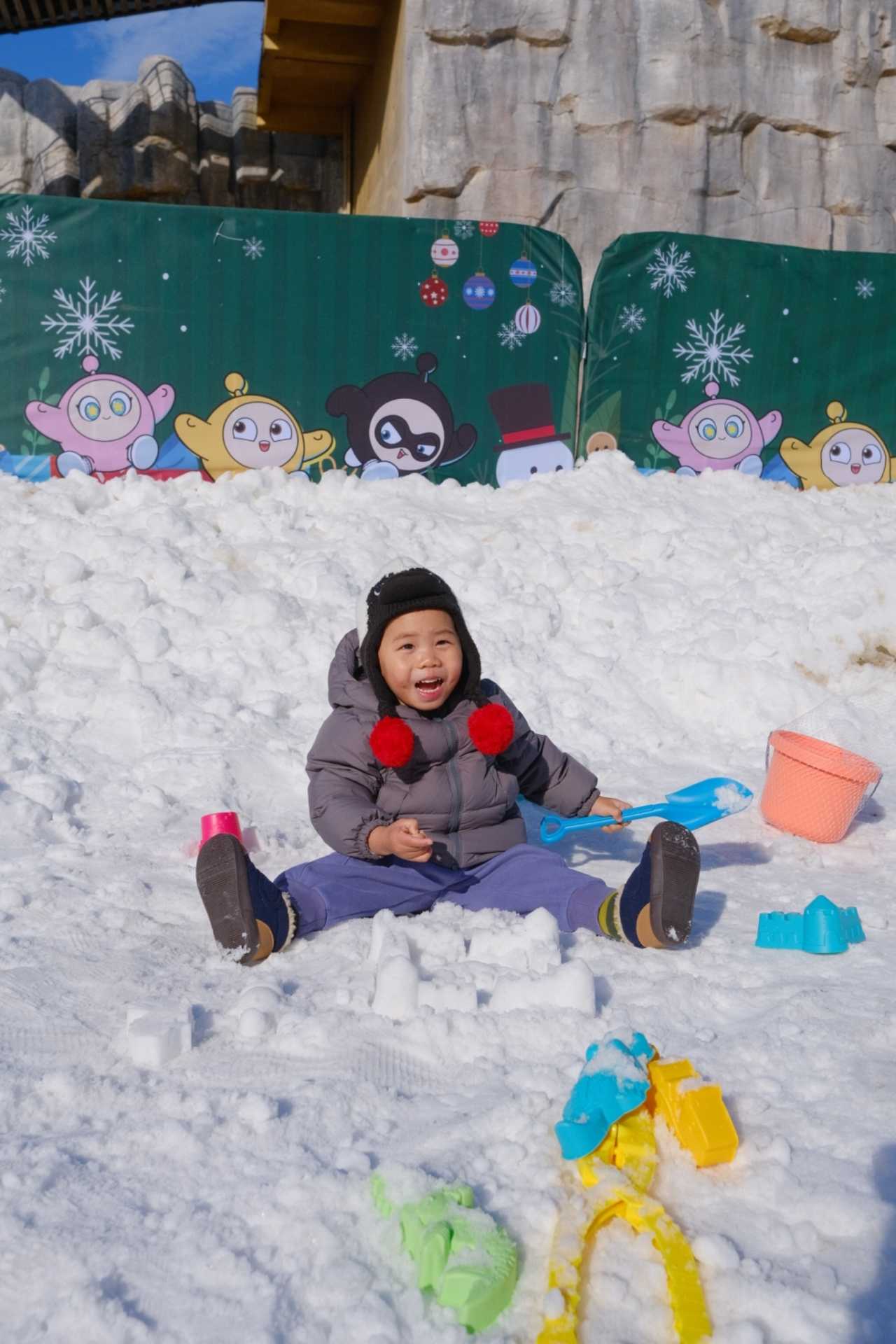
In 2024, Beijing's winter was like a shy child, refusing to let snow fall. The first snow was "difficult to deliver"—even by the end of the year, the snowflakes never arrived as promised. But fortunately, Happy Valley Beijing made our dream come true.
Why Happy Valley Annual Pass Was Our Best Purchase
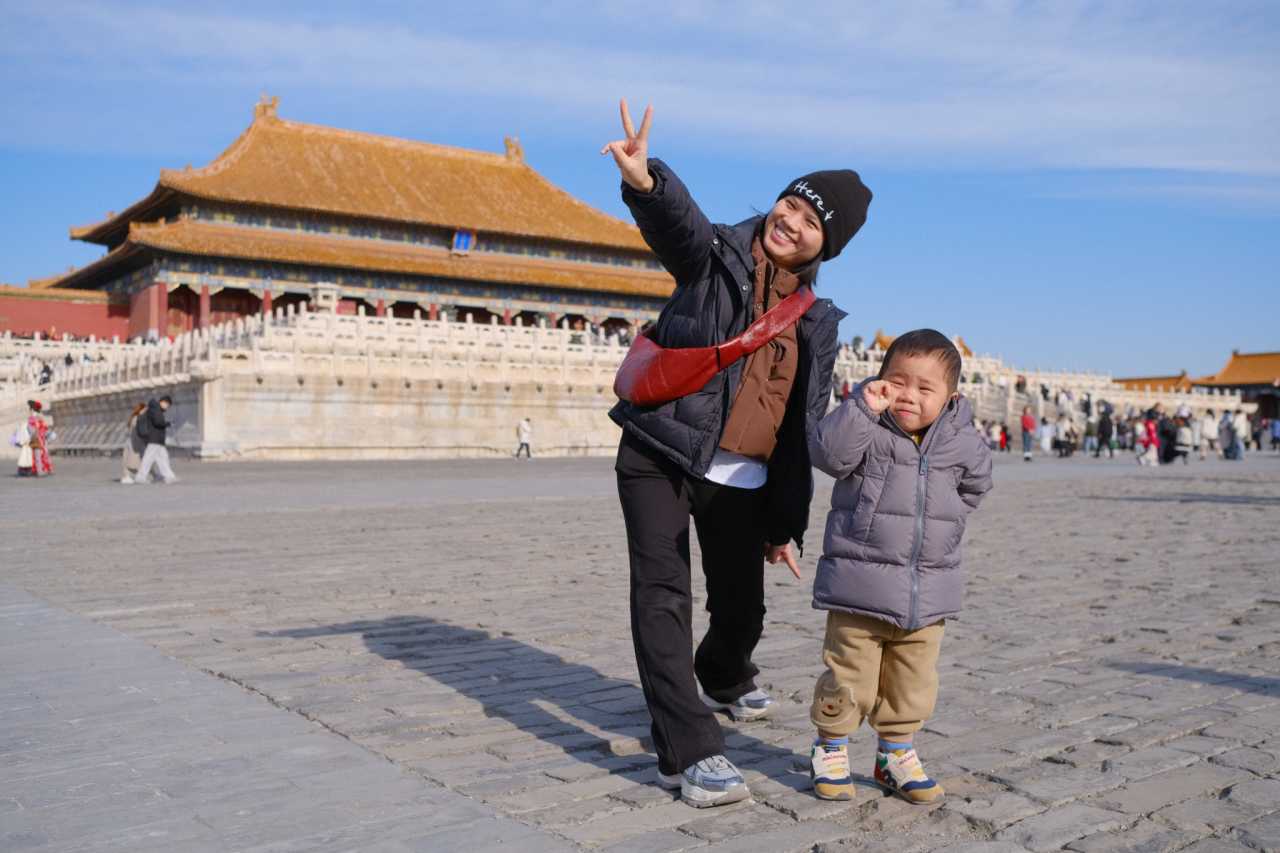
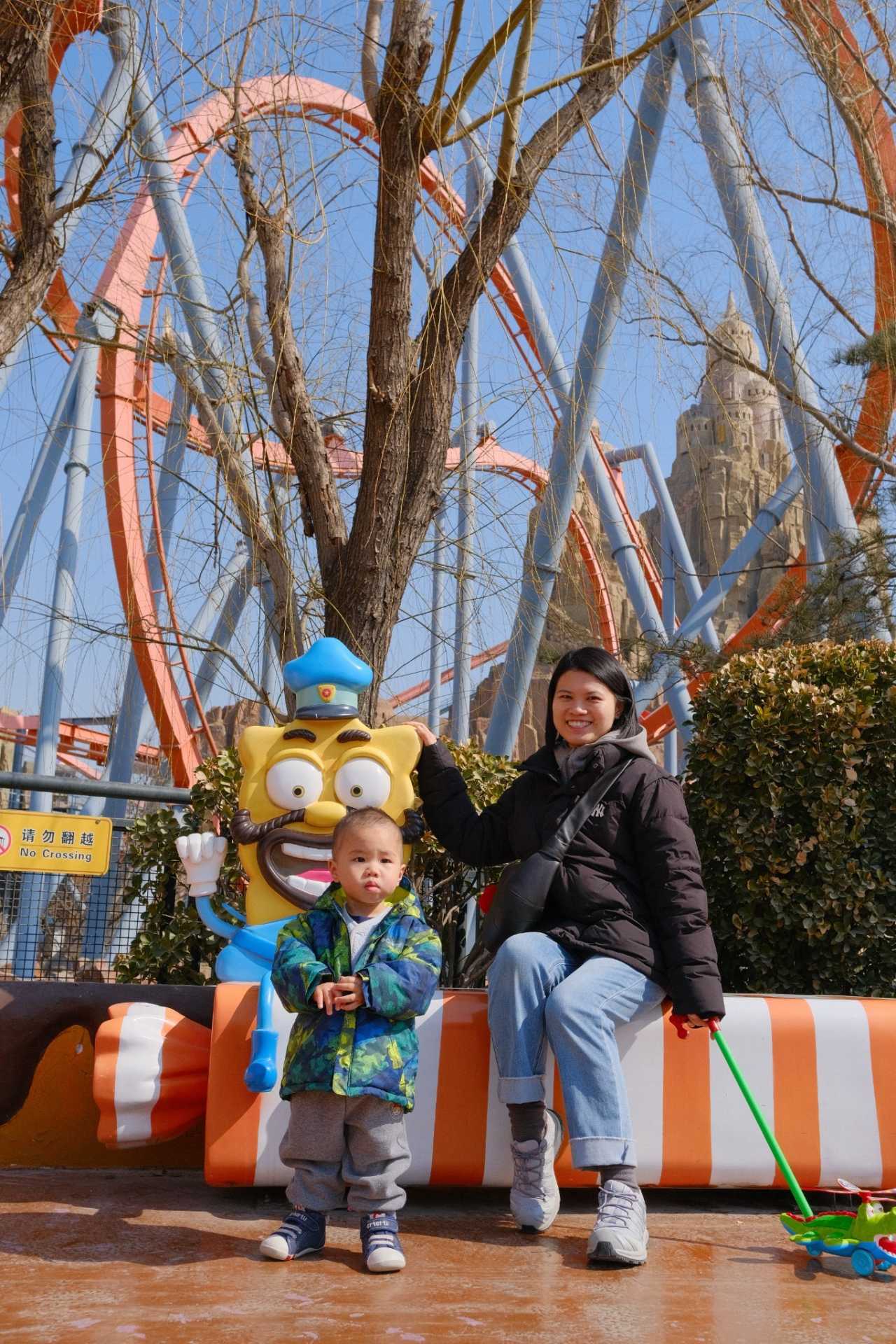
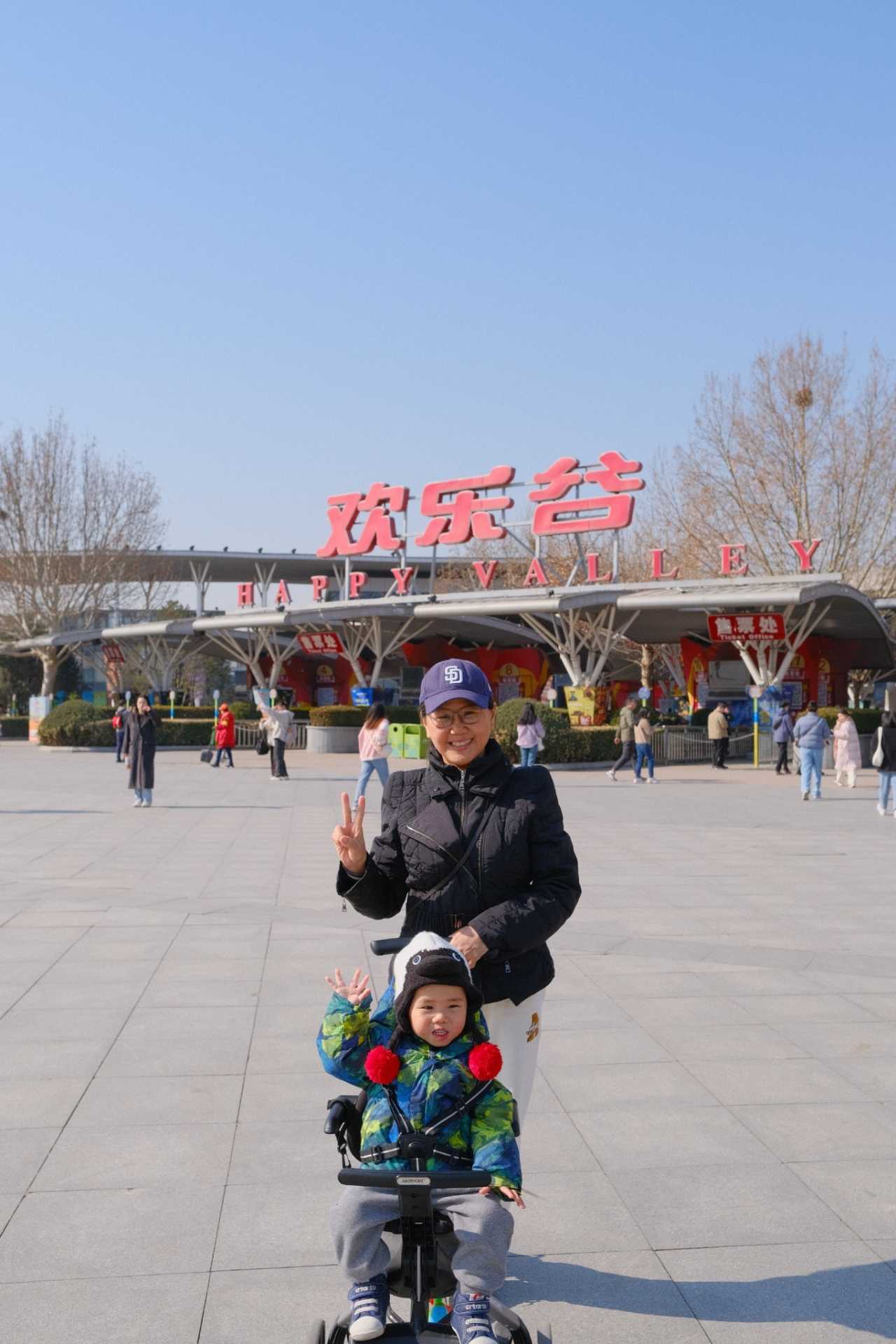
In early March, just as Beijing was waking up from the deep cold, we didn't hesitate to buy annual passes for the whole family at Happy Valley. To be honest, I had my doubts at the time: our child was so young that he couldn't play on most rides—would the annual pass be a waste of money? But looking back over the year, we realized it was probably the best purchase we made in 2024.
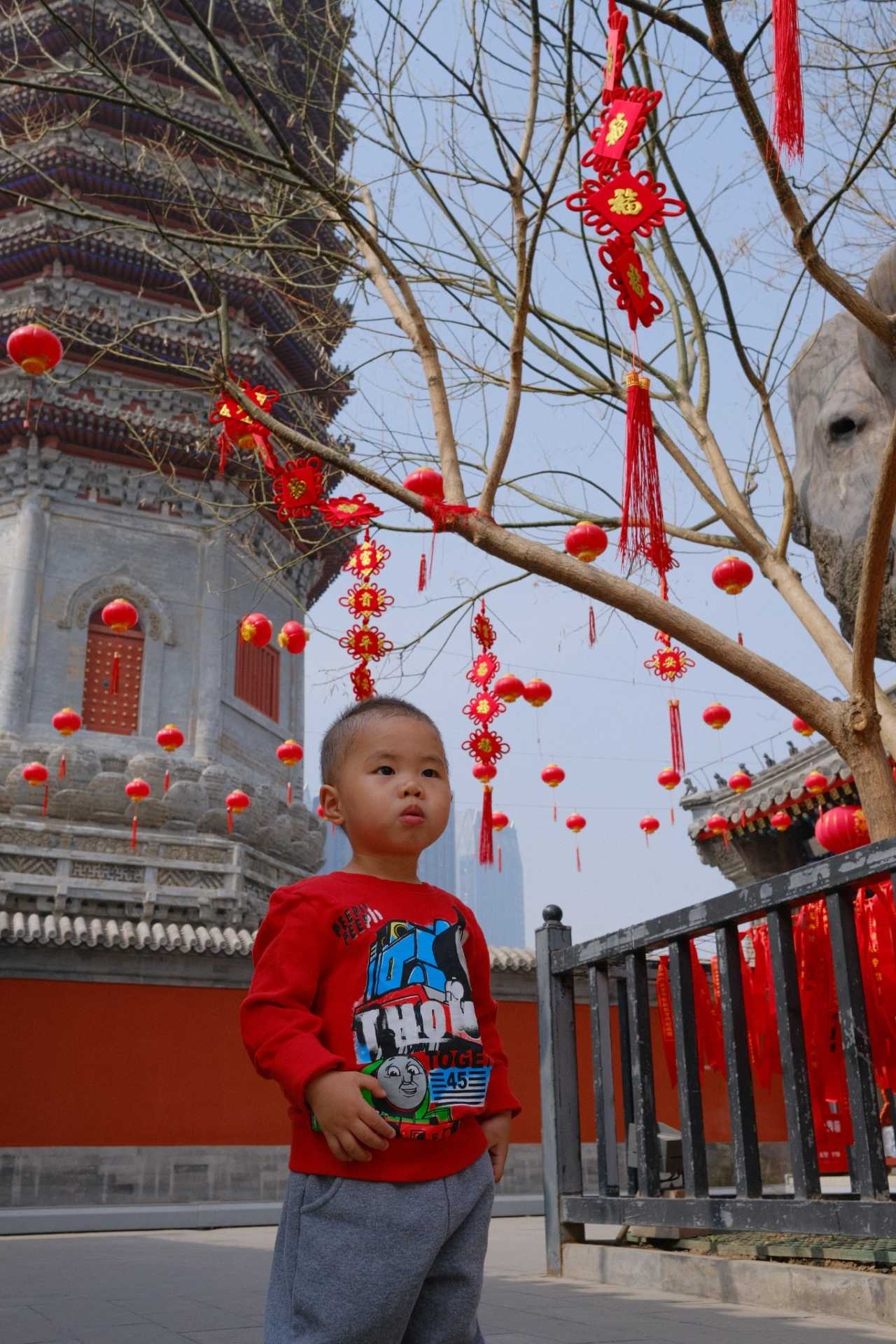
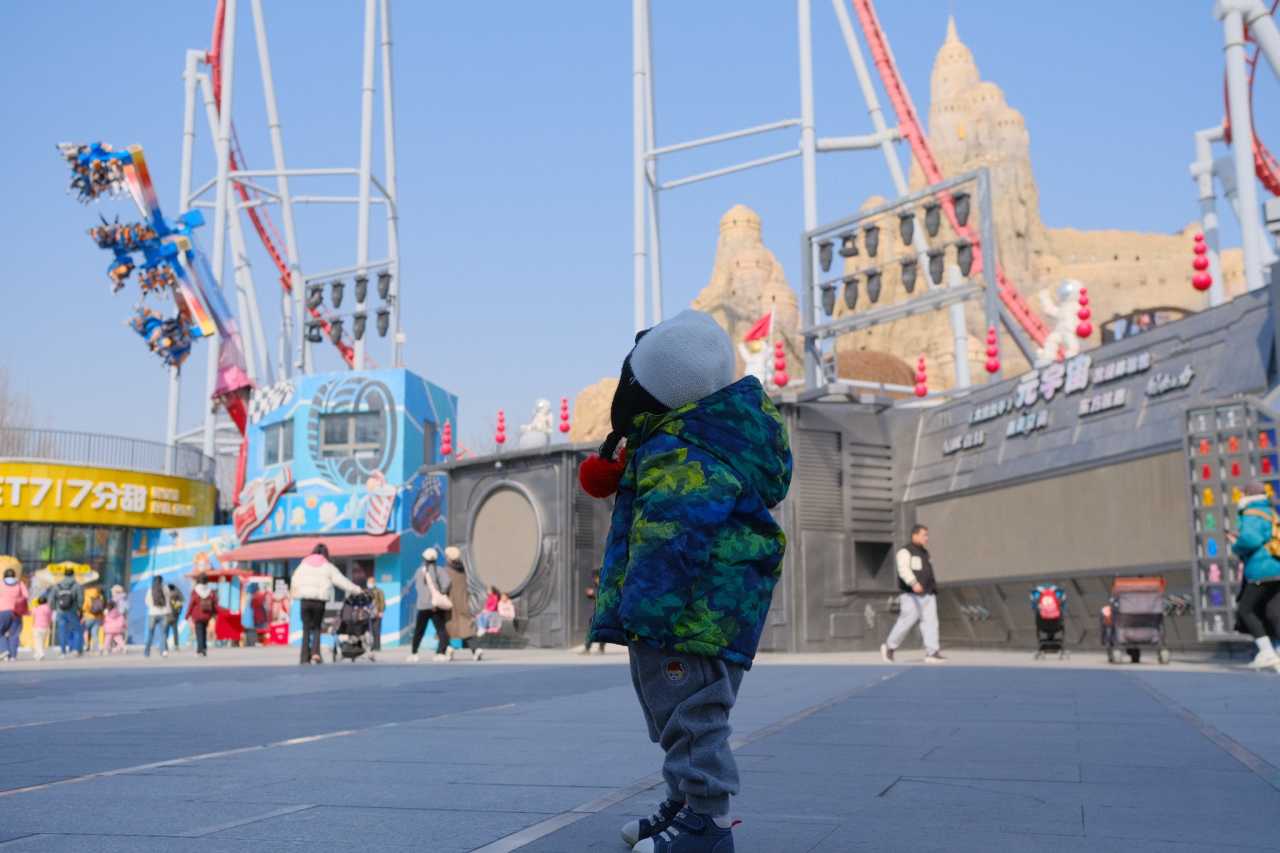
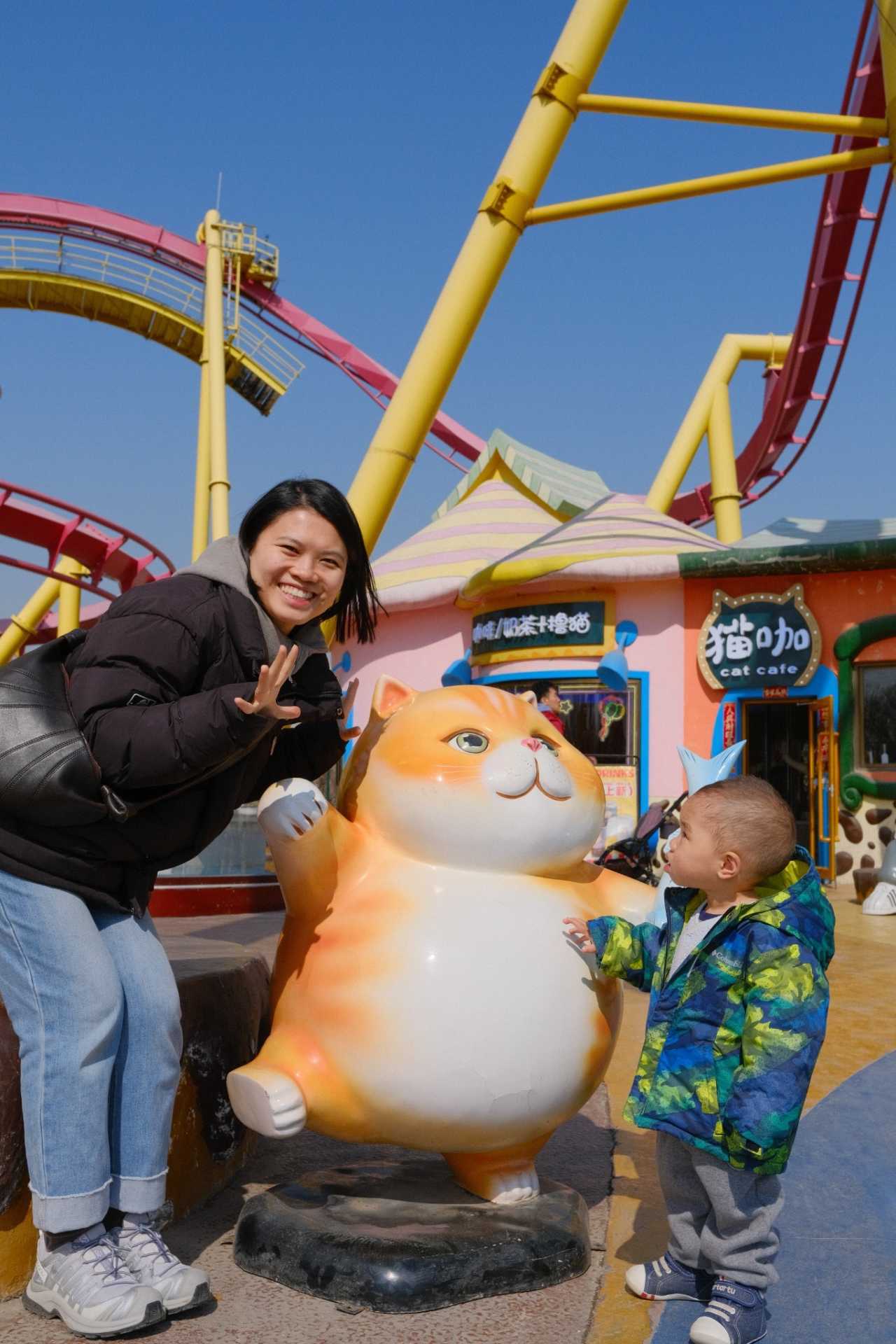
The magic of Happy Valley is that it's not just about roller coasters and carousels. The interactive shows, holiday exhibitions, and parade performances in the park feel like a never-ending fairy tale. Our child stood in front of the stage, eyes sparkling, dancing along to the music; we watched from the side, laughing, as if we had returned to our own childhoods. Living so close to such a "happy place" and letting "joy" accompany our child as he grows up—this is probably one of the best childhood gifts we can give him.
SEO Tip: If you're planning a family trip to Beijing, consider purchasing an annual pass for Happy Valley. It pays for itself after just two visits and gives you the flexibility to visit for short, spontaneous outings. [Link: Best family-friendly amusement parks in Beijing]
Spring: From the Ancient Pagoda to Longtan Lake
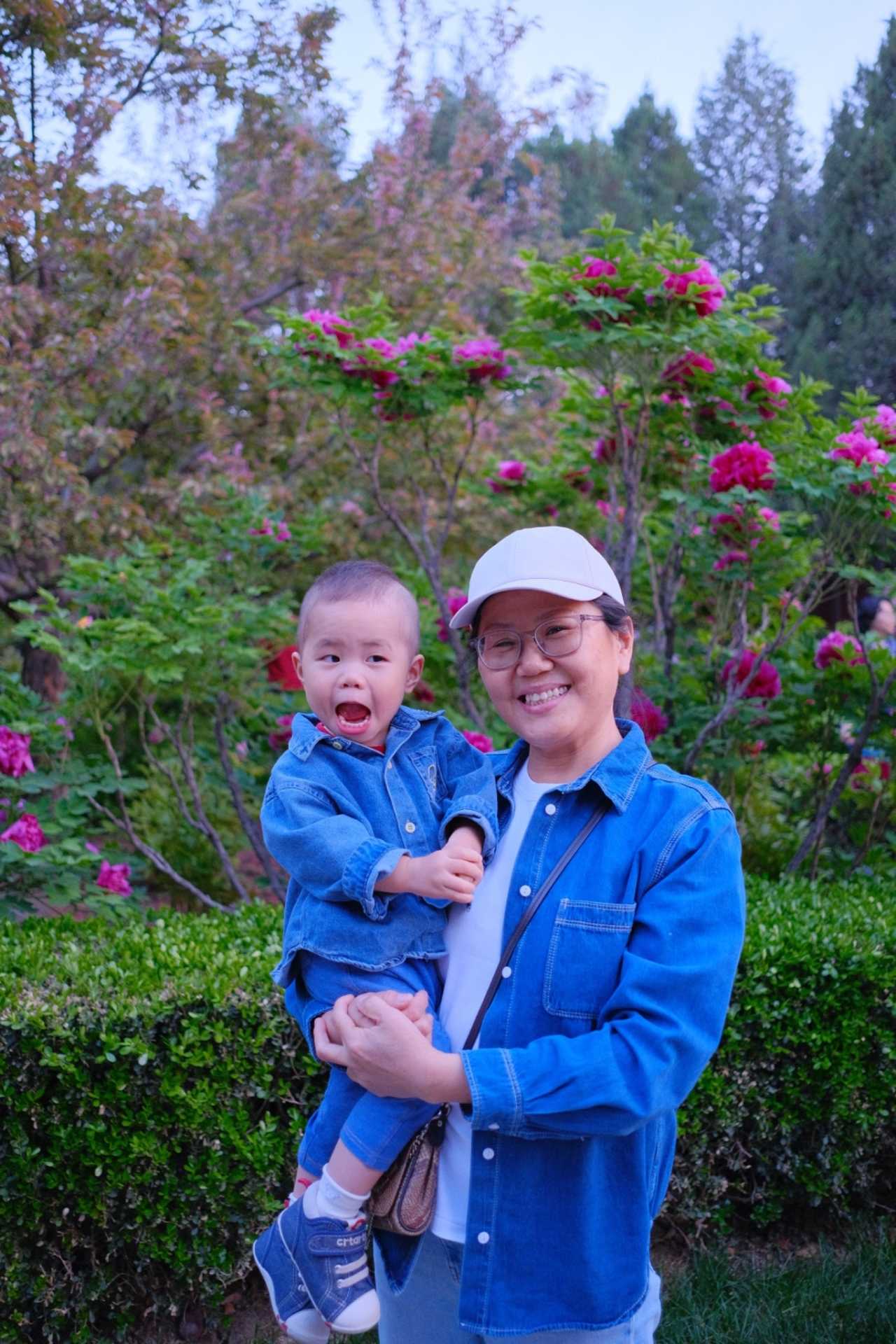
The Randeng Buddha Relic Pagoda: A New Life for a Thousand-Year-Old Tower
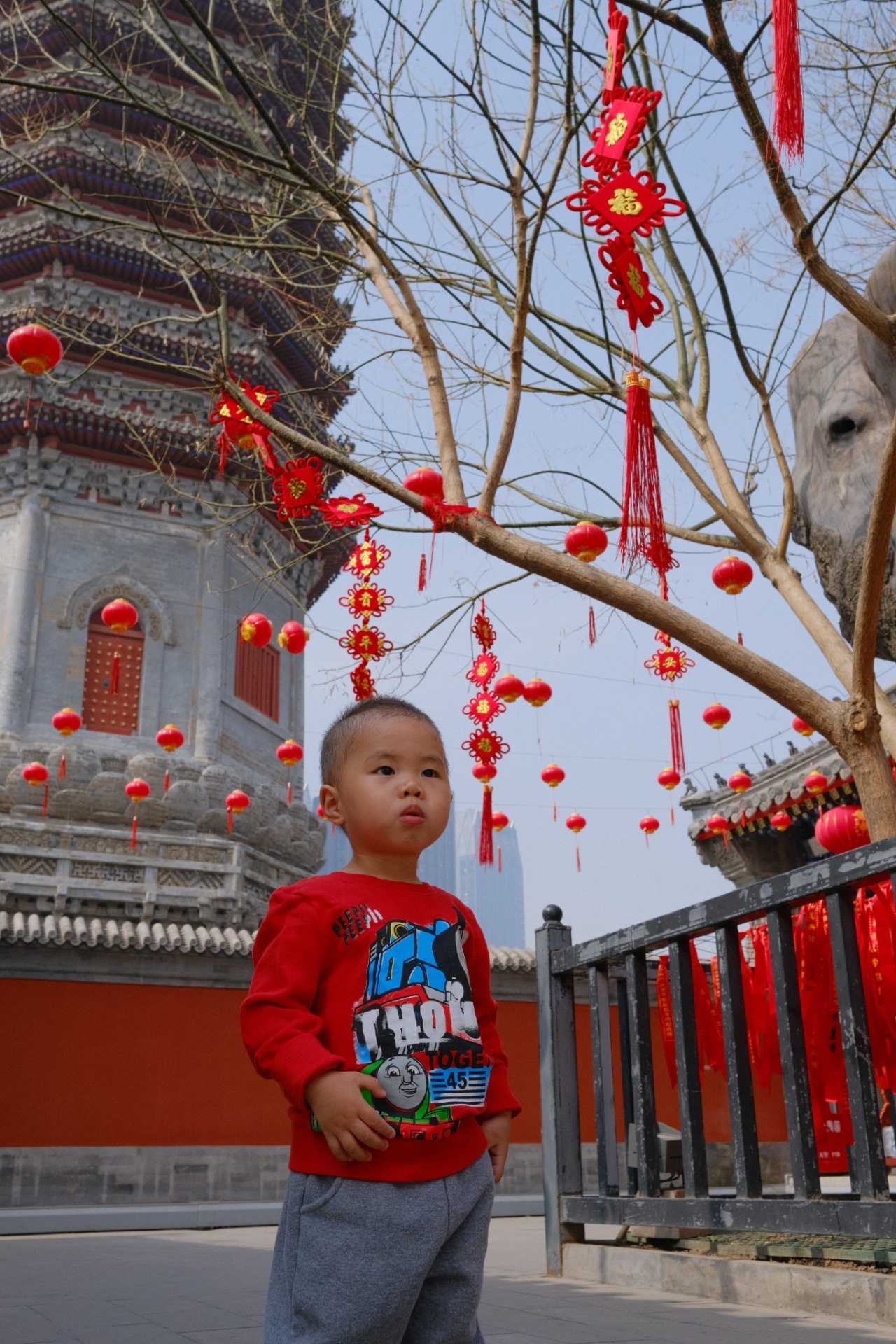
In mid-March, at the Grand Canal Park in Tongzhou, a spring breeze brushed our faces. We walked along the riverbank and saw it in the distance—the Randeng Buddha Relic Pagoda (Randeng Foshèlì Tǎ). It's quite famous, ranking alongside the Linqing Relic Pagoda, Hangzhou's Six Harmonies Pagoda, and Yangzhou's Wenfeng Pagoda as one of the "Four Great Pagodas of the Grand Canal." I had heard its story on the TV program "This Is Beijing," but seeing it in person was still breathtaking.
This pagoda was first built during the Northern Zhou dynasty, restored in the seventh year of the Zhenguan era of the Tang dynasty (633 AD), and the body was rebuilt in the 37th year of the Kangxi era of the Qing dynasty (1698 AD). But honestly, it doesn't look like a relic over a thousand years old—it was severely damaged during the Tangshan earthquake, underwent restoration in the late 1980s, and with the surrounding high-rises, it seems more like a "new friend."
However, the You Sheng Jiao Temple at its base has been beautifully renovated, with a thriving incense trade. Inside the temple, there's an ancient locust tree with gnarled branches that must be several hundred years old. The Qing dynasty poet Wang Weizhen once wrote: "Cloud light and water color on the Lu River in autumn, the path full of locust blossoms stirs memories of old travels. The unfurled sail is unharmed after the new rain, and a single pagoda shadow identifies Tongzhou." The "pagoda shadow" in the poem refers to this very Randeng Buddha Relic Pagoda. Standing beneath it, you can almost hear the oars of the Grand Canal from a thousand years ago.
Family Tip: The pagoda grounds are flat and stroller-friendly. Visit in late afternoon for golden-hour photos without the midday crowds. [Link: Grand Canal Park Tongzhou guide]
Longtan Lake: Spring Scenery of the South in a Northern Garden
Longtan Lake Park is not far from our home—we always pass it when driving into the city. On the last weekend of March, we finally stopped and explored it properly.
Built in 1984 and covering 42.3 hectares, the park is an urban garden that blends northern classical architecture with modern landscape art. As soon as we entered, we were greeted by rows of yellow glazed-tile roofs, glistening in the sunlight, exuding an air of imperial grandeur. Our main goal this time was to enjoy the flowers and go boating—tickets for boats at Beihai Park were nearly impossible to get, but the lake scenery at Longtan Lake is no less impressive.
The eastern section, "Longtan East Lake," is where we often go. By the lakeside stands a temple dedicated to Yuan Chonghuan, built in 1917 and restored in 1980. The story of Governor Yuan needs no elaboration—in the capital where he once fought and bled to defend, a small temple is only fitting.
Budget-Friendly Tip: Longtan Lake Park offers affordable boat rentals compared to Beihai Park. Spring cherry blossoms and fall foliage make it a year-round destination. [Link: Best free and cheap parks in Beijing for families]
Early Summer: Jingshan, Qianmen, and Tiananmen

Jingshan Park: Peonies and the Sunset over the Forbidden City
In mid-to-late April, we originally planned to visit Beihai Park. But when we arrived at around 3 PM, we found it swarming with tour buses—little red hats and little yellow hats as far as the eye could see. After some detours, we finally parked near Nanluoguxiang subway station, where the fees were high and the parking spaces painfully narrow.
Since Beihai was out of the question, we decided to head south instead. Emerging from Beiheyan Avenue, we found ourselves right in front of Jingshan Park. Even though it wasn't a holiday, the park was still crowded. It wasn't until after sunset, when the tourists watching the sunset over the Forbidden City from the hilltop gradually dispersed, that the park grew quiet. We took advantage of the remaining twilight to snap a few photos.
The peony exhibition at Jingshan Park was in full bloom. Modern cultivation techniques are truly remarkable—peonies in every color, each one larger than the last, dazzling the eyes. Unfortunately, some of the rarer varieties had already passed their peak bloom and looked a bit wilted. The night-time lighting for the peony exhibition was nice, but with barriers blocking close access to the flower beds, the viewing experience was somewhat diminished.
Pro Tip: Visit Jingshan Park on weekdays at 4 PM to catch the sunset over the Forbidden City. Avoid weekends and public holidays when the hilltop becomes extremely crowded. [Link: Jingshan Park sunset photography guide]
Qianmen Street and Caochang Hutong: Old and New in Beijing
Late May in Beijing—not too hot, not too cold—was the perfect season.
It had been a long time since I last visited Qianmen Street. In my memory, the commercial scene there had always been lukewarm. But this time, I found trendy restaurants and stores co-branded with the Palace Museum moving in, giving the entire street a fresh new look. While it primarily serves tourists, managing to preserve its character while winning their approval is no small feat. Nearby, Dashilan hasn't undergone such a thorough renovation, retaining some old shops that actually give it more charm.
Caochang Hutong is one of my favorite hutongs. Most hutongs in Beijing run east-west in straight lines, but Caochang Hutong runs north-south and isn't a straight line either. Legend has it that this area was once a riverbed; when the river dried up, residents built their houses along its course, creating the current layout. The name "Caochang" (grass factory) comes from the fact that, in ancient times, people who wove grass mats lived here. Located in the city center, Caochang Hutong underwent residential upgrades years ago, becoming a high-quality hutong community. Later, some "hipster" businesses were introduced, but for various reasons, they didn't take off—a blessing in disguise, as the hutong retains its character, with longtime residents still living there and no excessive commercialization.
Hidden Gem: Caochang Hutong is perfect for a quiet afternoon walk. Stop by a local tea house or grab a coffee at one of the few independent cafes. [Link: Off-the-beaten-path hutongs in Beijing]
Frequently Asked Questions (FAQ)
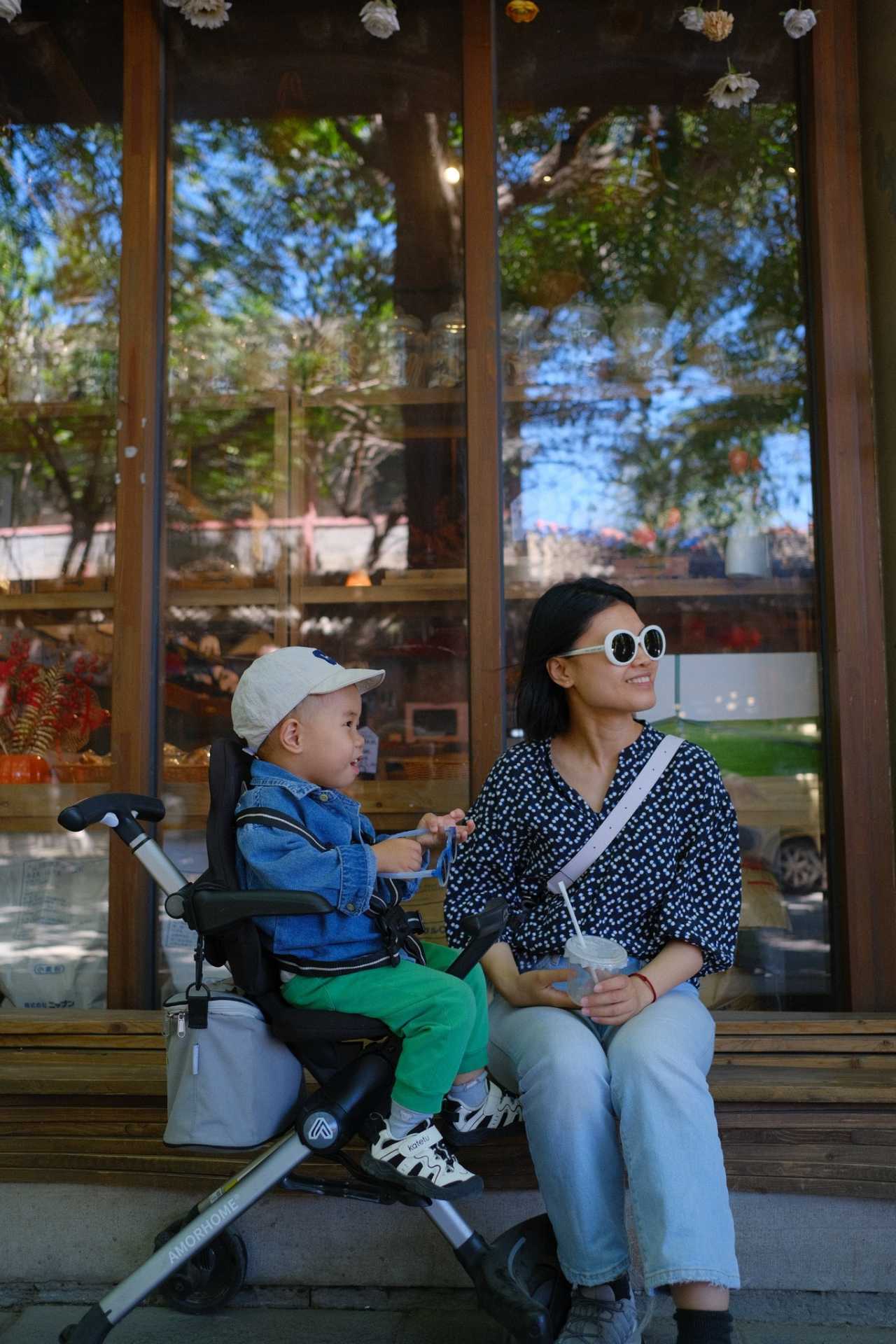
1. Is Happy Valley Beijing suitable for toddlers?
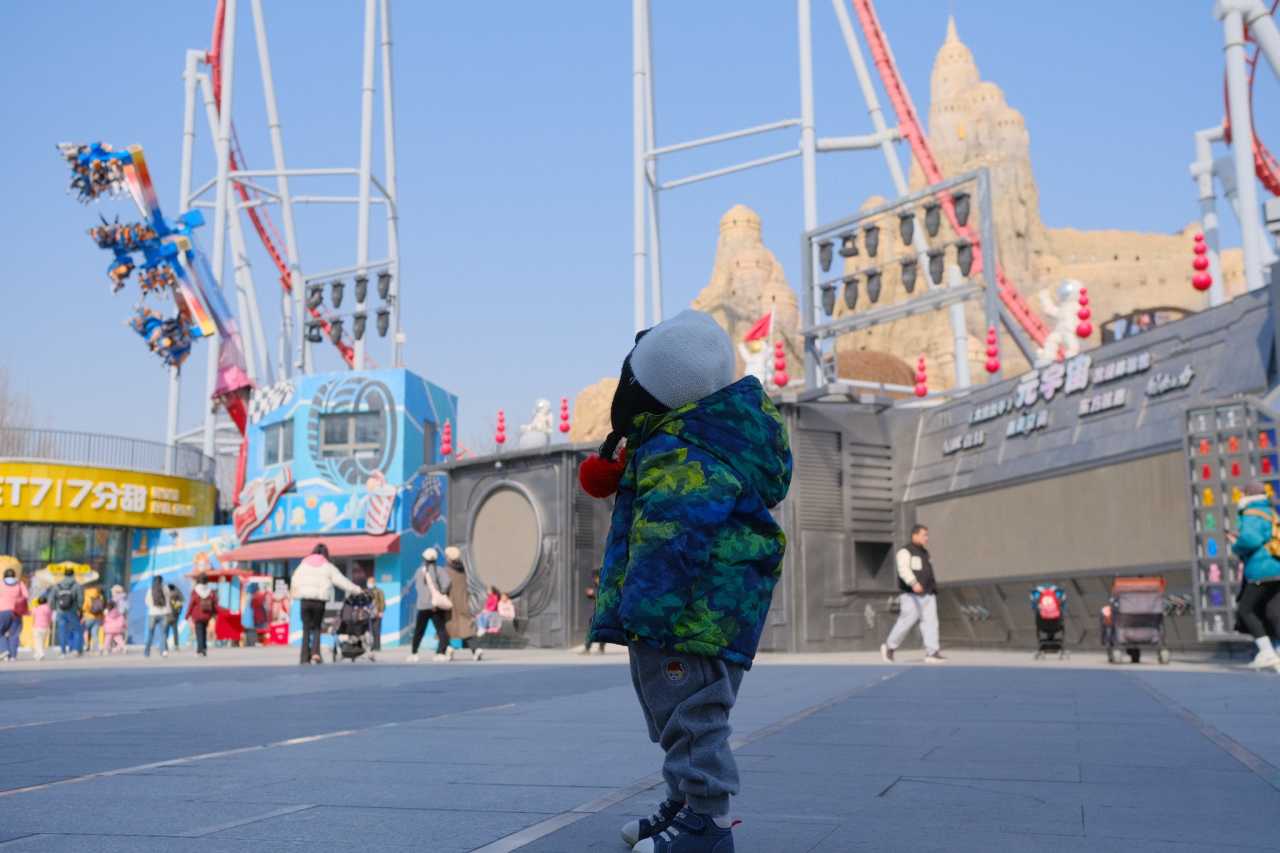 Yes! While many rides have height restrictions, the park offers numerous shows, parades, and interactive areas designed for young children. The annual pass is a great value if you live nearby or plan multiple visits.
2. What is the best time to visit Jingshan Park for sunset?
 Arrive around 4 PM on a clear day. The hilltop fills up quickly, especially during peak tourist season (April–October). Weekdays are significantly less crowded than weekends.
3. Are Longtan Lake Park boats expensive?
 No—boat rentals at Longtan Lake are very affordable, typically 60–100 RMB per hour depending on the boat type. This is much cheaper than Beihai Park, where wait times can exceed an hour.
4. How do I get to the Randeng Buddha Relic Pagoda?
 Take subway Line 6 to Tongzhou Beiguan Station, then walk or take a short taxi ride to Grand Canal Park. The pagoda is visible from the riverbank and well-signposted.
5. Which hutong is best for a family with kids?
Caochang Hutong is ideal—it's quiet, safe, and has minimal traffic. The nearby Qianmen Street and Dashilan offer more dining and shopping options within walking distance.
Conclusion: Your Beijing Family Adventure Awaits
Our year in Beijing taught us that innocence and joy aren't destinations—they're found in the everyday moments: a child's laughter at Happy Valley, the breeze off Longtan Lake, the golden light over Jingshan's peonies, and the quiet charm of a hutong untouched by time.
Beijing is a city of contrasts—ancient and modern, bustling and serene. But for families, it offers something even more precious: a chance to slow down, explore, and rediscover wonder together.
Your Turn: Which of these spots would your family love most? Drop a comment below or share your own Beijing family travel tips! And if you're planning a trip, start with our recommended route: Happy Valley → Grand Canal Park → Longtan Lake → Jingshan Park → Qianmen & Caochang Hutong. [Link: Complete Beijing family itinerary]
Safe travels, and may your 2025 be filled with even more innocence and joy.
You should also read:
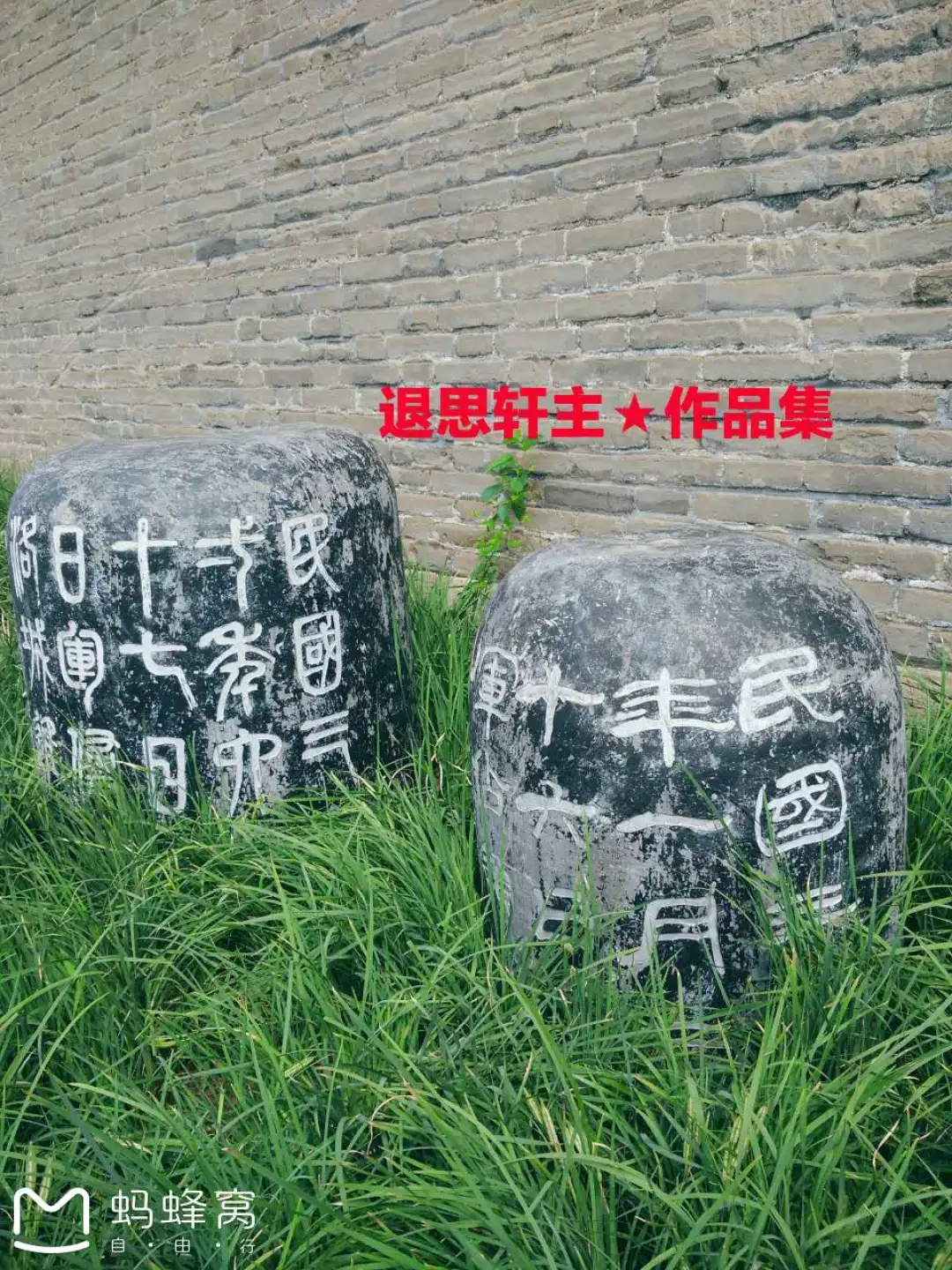
The Museum of the War of Chinese People's Resistance Against Japanese Aggression: A Complete Guide to Beijing's Most Important Historical Site
Meta Description: Discover the Museum of the War of Chinese People's Resistance Against Japanese Aggression in Beijing's Wanping City. Explore bullet-riddled walls, hero-named streets, and the legacy of the July 7 Incident. Plan your visit now. On the night of July 7, 1937, a single…
Continue reading...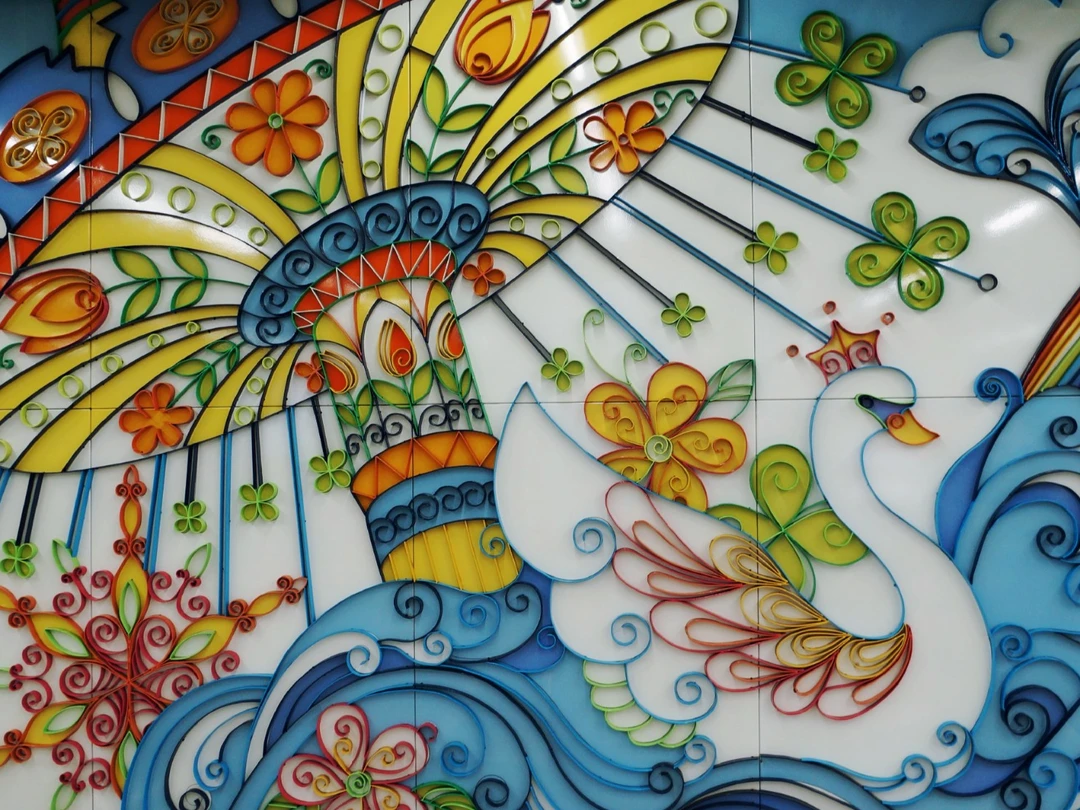
Beneath the Surface: Discovering Beijing’s Hidden Colors Through Its Metro – An SEO-Optimized Guide
Meta Description: Explore Beijing’s hidden colors through its metro art. From Yuanmingyuan murals to Xidan reliefs, discover the city’s soul underground. Plan your cultural subway tour now. Most travelers judge Beijing by its skyline, street food, or famous landmarks. But if you truly want to…
Continue reading...
Strolling Through Fragrant Beijing: The Imperial City of Crimson Walls and Azure Tiles – A Complete Travel Guide
Meta Description: Explore Beijing's Forbidden City, Temple of Heaven & hidden hutongs in this SEO-optimized travel guide. Walk 60km through crimson walls & azure tiles with insider photography tips. Plan your imperial city adventure today. "My Beijing City" plays on repeat as I write this—the…
Continue reading...