Journey Through the Bronze Age: In Search of "National Treasures" Across 23 Chinese Museums
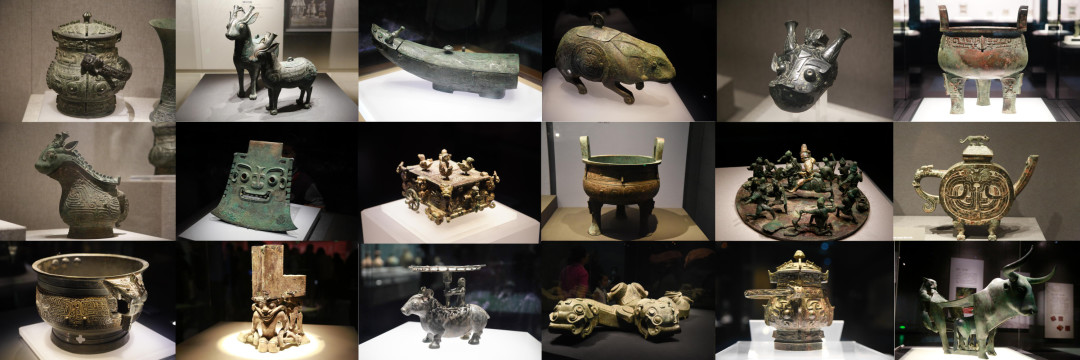
Meta Description: Explore China's Bronze Age through 23 museums featuring national treasures like the He Zun, Houmuwu Ding, and Sanxingdui masks. Discover ancient bronze artifacts, their history, and where to find them.
Introduction: When Bronze Meets the Soul
Have you ever walked into a museum and failed to find a decent bronze artifact? It feels like opening a history book only to discover the most important pages have been torn out. It's not just disappointment—it's emptiness.
I'm a museum enthusiast who has traveled far and wide across China, with my camera and notebook as my most loyal companions. Every time I stand before a bronze exhibition case, I feel a magnetic pull that transcends millennia. Those mottled green patinas, mysterious motifs, and weighty forms seem to whisper stories of dynasties long gone.
Bronze artifacts are the undisputed centerpieces of Chinese museums. Without them, even the most magnificent exhibition hall is just an empty shell. Today, I'll take you on a virtual tour of 23 Chinese museums to discover those "national treasures" tempered by time.
[Link: Best Chinese museums for ancient artifacts]
The Bronze Age: Humanity's "Golden Childhood"
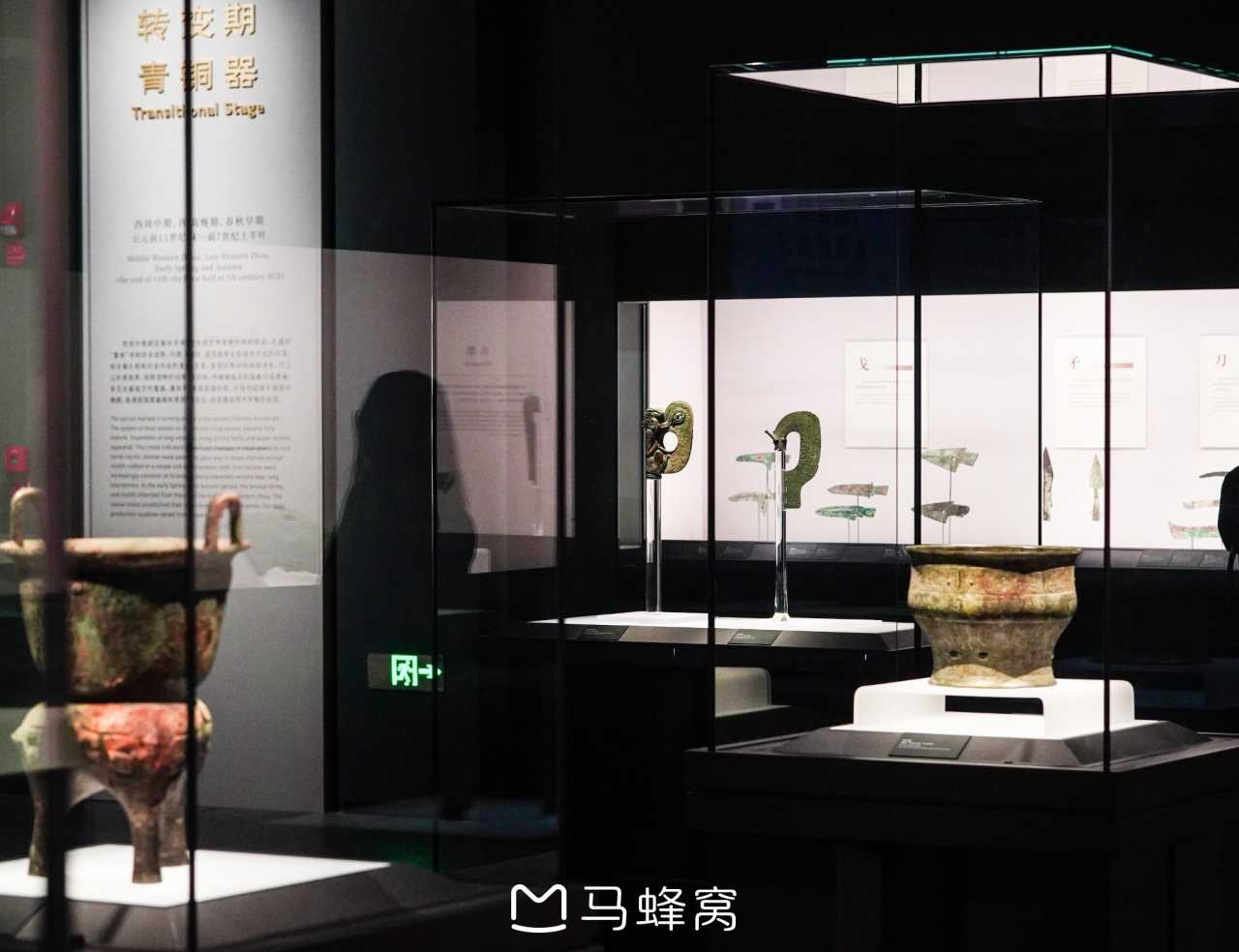
What Are Bronze Artifacts?
Bronze, known in ancient times as "jin" (metal) or "jijin" (precious metal), is an alloy of copper, tin, lead, and other elements. It may not shine like gold, but it's tougher than stone and entered human civilization earlier than iron. When exposed to air, its surface oxidizes to a bluish-green hue—hence the name "bronze" (literally "green metal" in Chinese).
Bronze artifacts were cast using precise proportions of copper, tin, and lead. The ancients had already mastered the "recipe": more tin meant harder metal, suitable for weapons; less tin meant softer metal, ideal for ritual vessels. This ingenuity made bronze the most advanced technological product of the pre-Qin period.
What Was the Bronze Age in China?
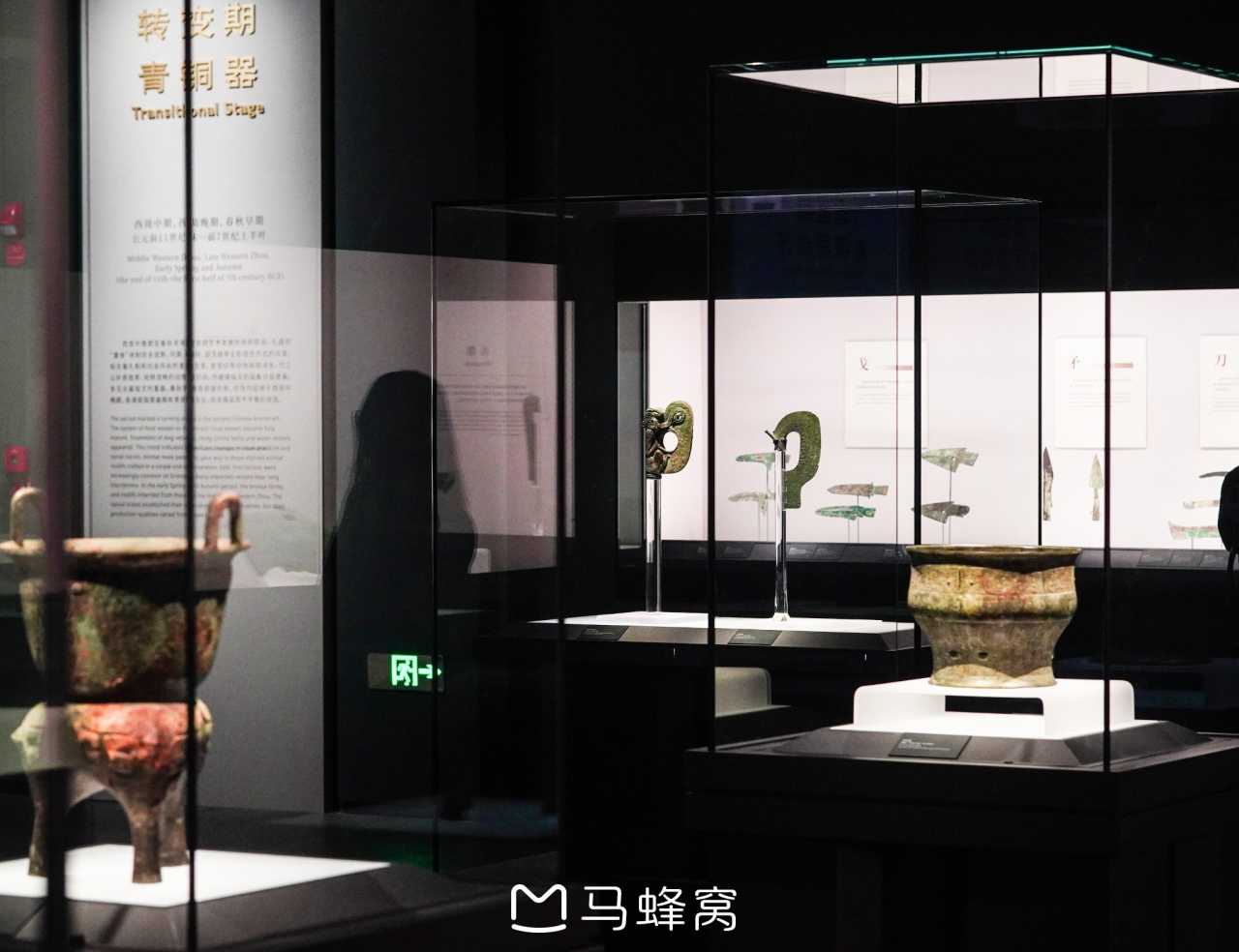
Historically, the "Bronze Age" refers to the period when bronze tools and ritual vessels were widely used. In China, this era spanned from the Xia, Shang, and Zhou dynasties to the Qin and Han dynasties, covering roughly two thousand years. It was the golden age of bronze, from its infancy to its peak.
Why are bronze artifacts called "living history books"? Because they are not just objects—they are carriers of writing, art, religion, and politics. Each bronze artifact is like a time capsule, preserving the secrets of its era. For those seeking to understand ancient Chinese civilization, these artifacts are indispensable.
[Link: History of the Shang and Zhou dynasties]
Classification of Bronze Artifacts: More Than Just "Pots and Pans"
Bronze artifacts come in many varieties, categorized by function into six main types:
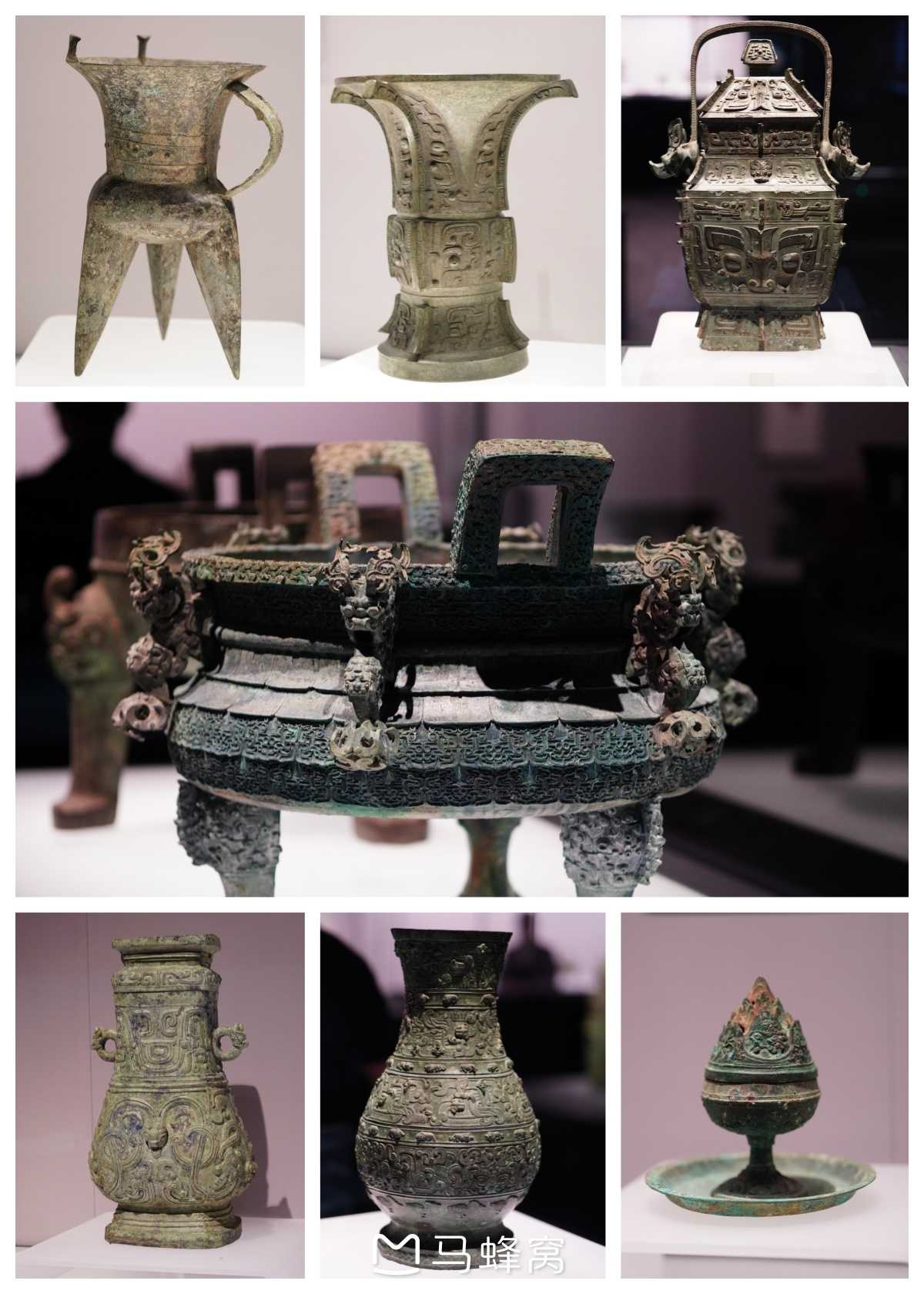
Food Vessels: ding (tripod cauldrons), gui (food containers), li (tripod cooking pots), fu (rectangular food containers), dou (stemmed bowls), dui (lidded bowls), yan (steamers). The ding is the "king of vessels," used for boiling meat; the gui is the "rice bowl," used for serving grain.
Wine Vessels: jue (tripod wine cups), jiao (wine cups), jia (wine warmers), hu (wine jars), gu (wine goblets), he (wine pitchers), you (wine containers), lei (wine vats). Wine vessels are the most ornate among bronze artifacts because Shang and Zhou nobles were avid drinkers.
Water Vessels: pan (basins), yi (ewers), yu (containers), fou (jars), jian (mirror basins). Used for the "ritual of washing hands" before sacrifices.
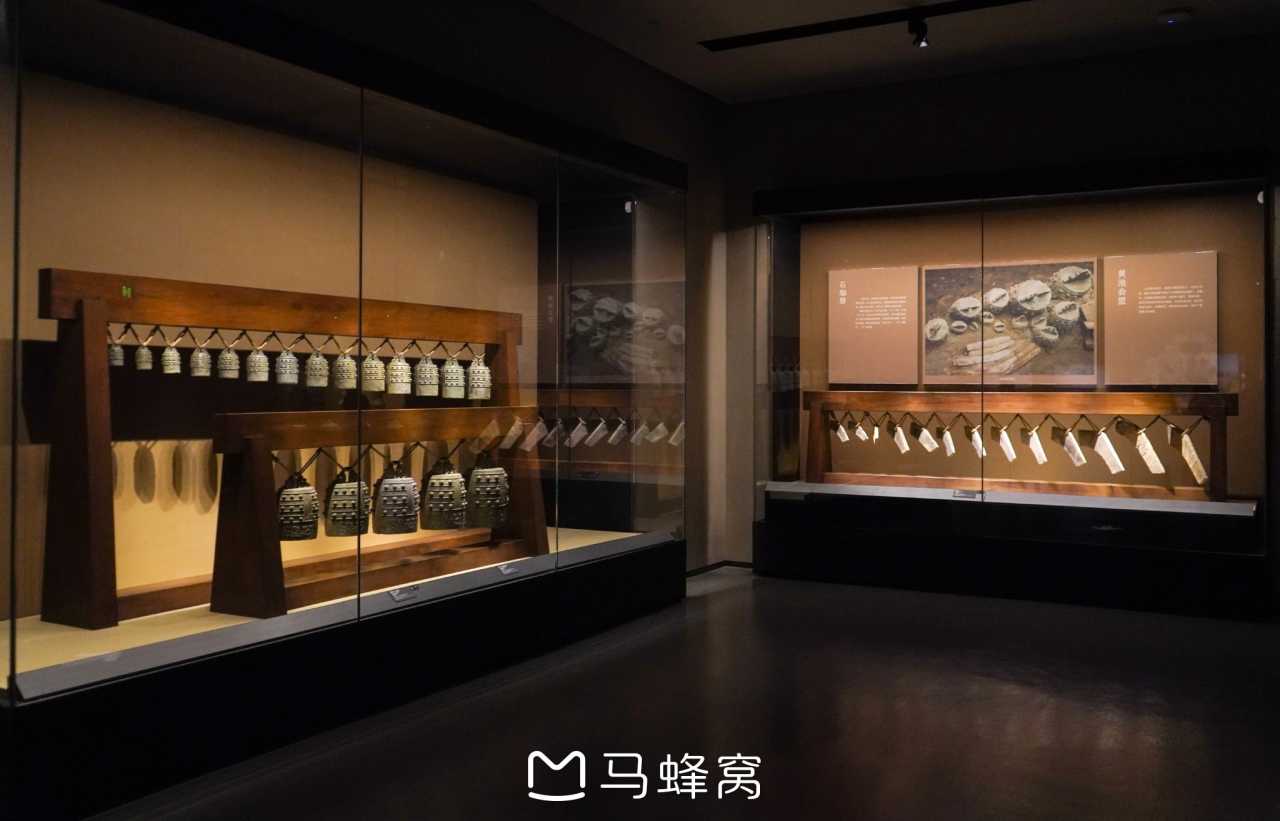
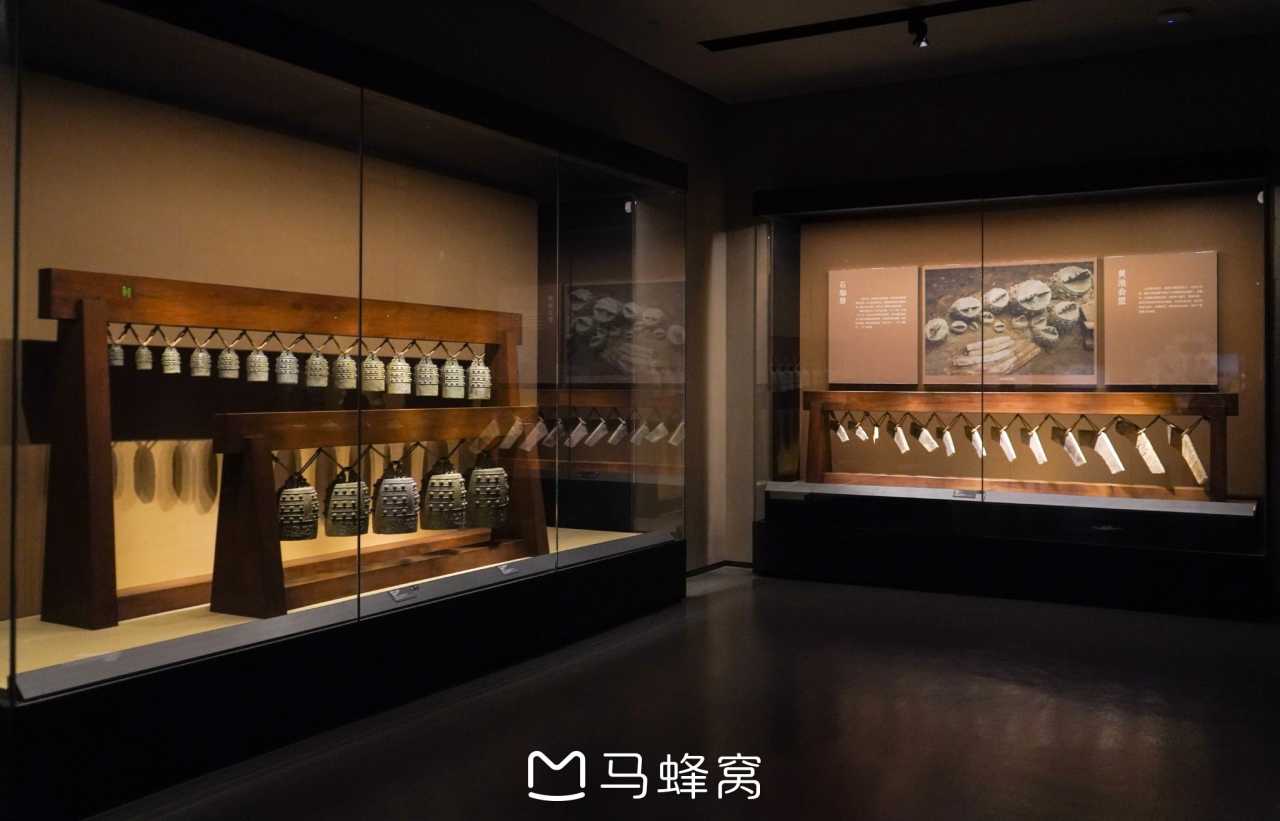
Musical Instruments: zhong (bells), zheng (percussion instruments), duo (clapper bells), ling (small bells), gu (drums), nao (cymbals). "Bells and cauldrons" were the hallmark of aristocratic life.
Weapons: ge (dagger-axes), mao (spears), yue (battle-axes), jian (swords), dao (knives), zu (arrowheads). The bronze sword is the "lord of all weapons," with Chu swords renowned far and wide.
Chariot and Horse Fittings: wei (axle caps), xia (linchpins), e (yokes), gu (wheel hubs), luan (bells). Chariots were symbols of status—the more elaborate the decoration, the higher the owner's rank.
[Link: Types of ancient Chinese bronze vessels]
National Treasures: Bronze Gems from 23 Chinese Museums
Below are the finest bronze artifacts I've selected from 23 museums across China. Each has a story to tell, and each is worth your attention.
Shaanxi History Museum: The Yu Ding (Yu Tripod)—A "Ironclad" Land Deed
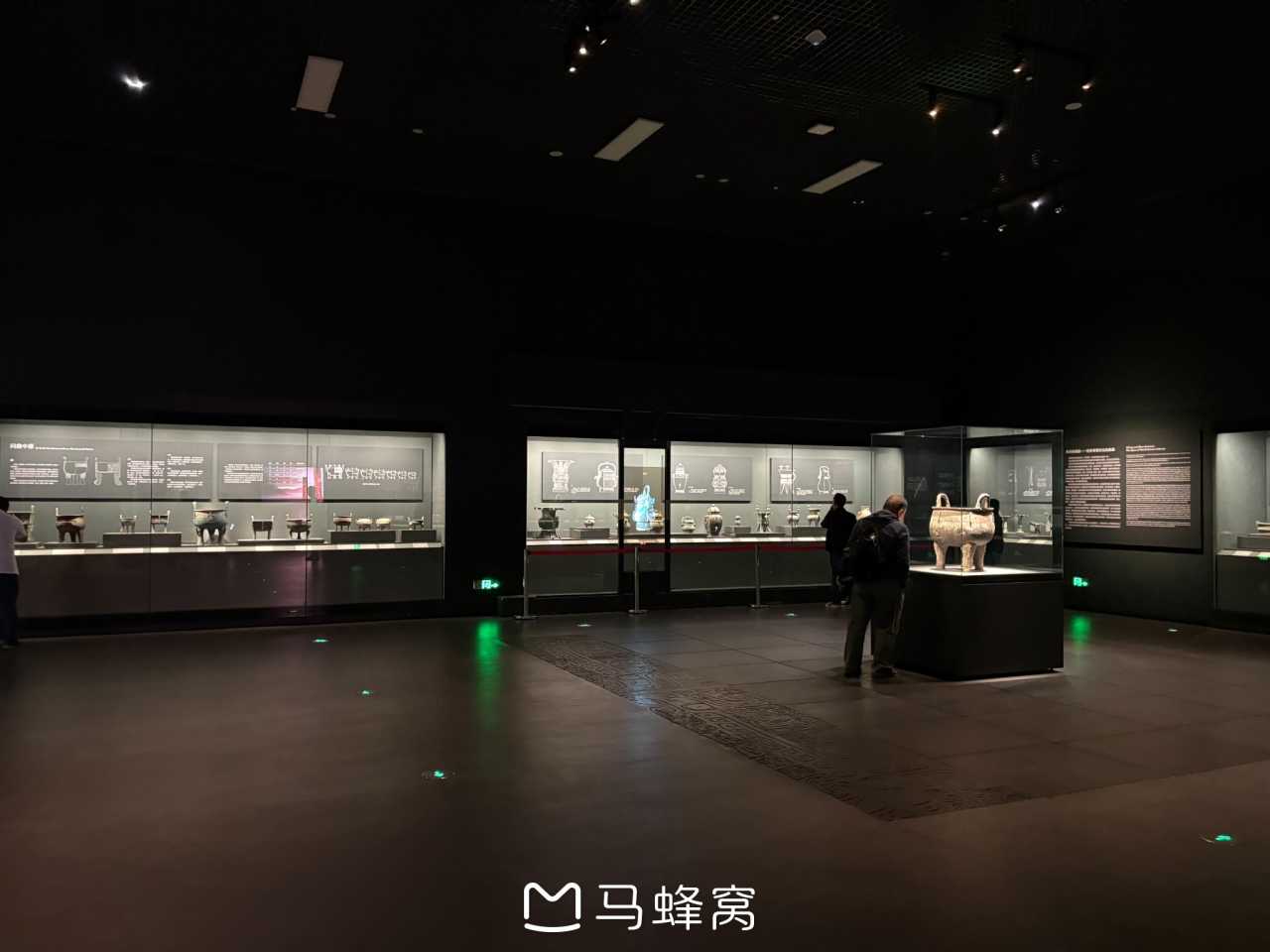
The Yu Ding, dating to the reign of King Kang of the Western Zhou, bears 28 inscribed characters on its inner wall, recording a land transfer: the queen reclaimed three plots of land originally granted to Shi Lu and awarded them to Yu. These few words starkly reveal the rigid system of "all under heaven is the king's land." This is one of the earliest land deeds ever discovered—a "bronze property certificate." For anyone studying Western Zhou bronze artifacts, this piece is essential.
Shanghai Museum: The De Ding (De Tripod) and the Da Ke Ding (Great Ke Tripod)

The character "ci" (to bestow) on the De Ding is shaped like a cup filled with wine. The ancients used a wine cup to symbolize "giving you something precious that I possess"—a sophisticated metaphor that imbued the written word with ritual significance.
The Da Ke Ding is even more monumental. Its 290-character inscription, with lines separated by grids and rounded brushstrokes, records the deeds of "Ke," the chief steward of the Zhou king's kitchen. This inscription is not only a calligraphic masterpiece but also a living archive for studying Western Zhou politics and economy. The Shanghai Museum bronze collection is among the finest in the world.
National Museum of China: The Houmuwu Ding (Queen Mother Wu Tripod)
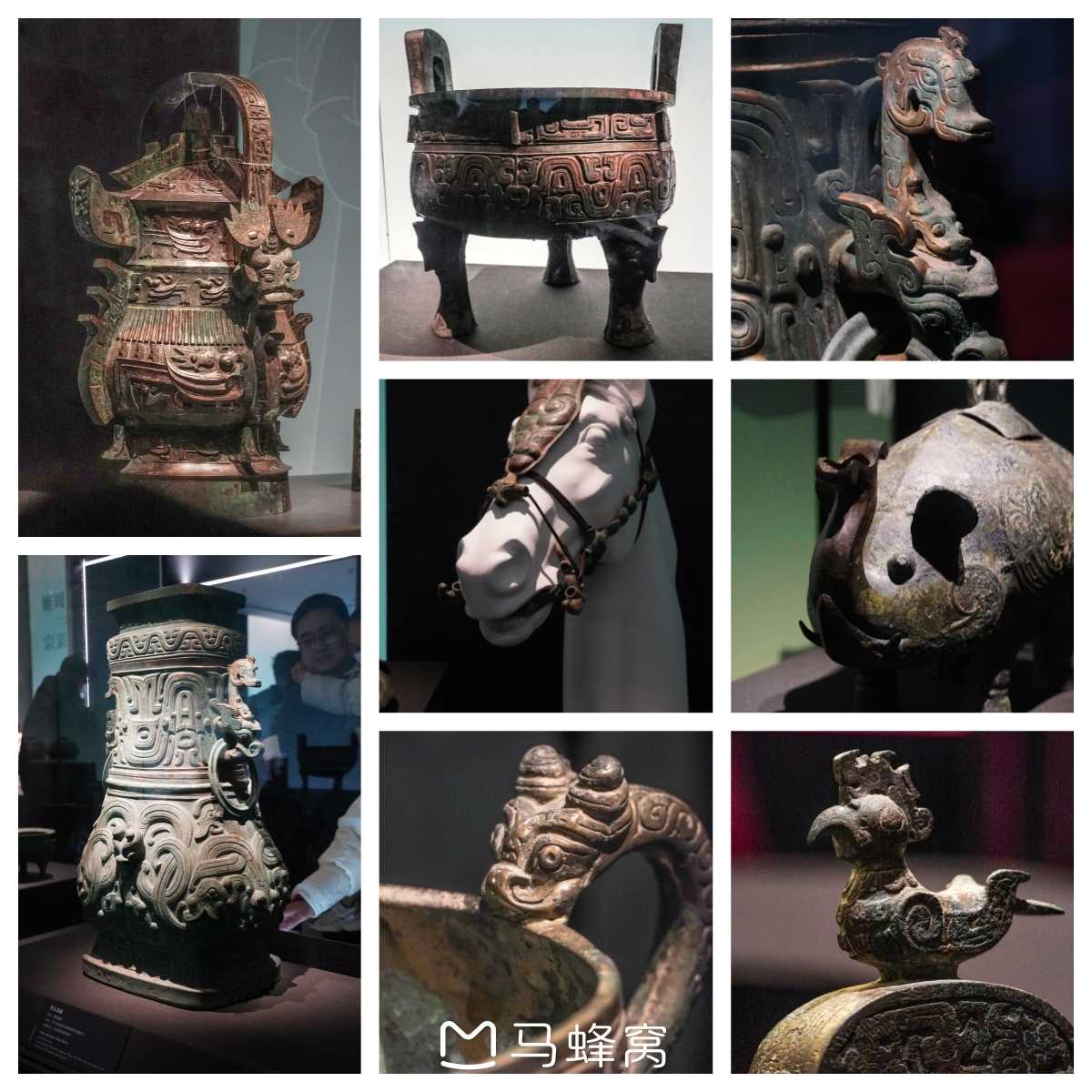
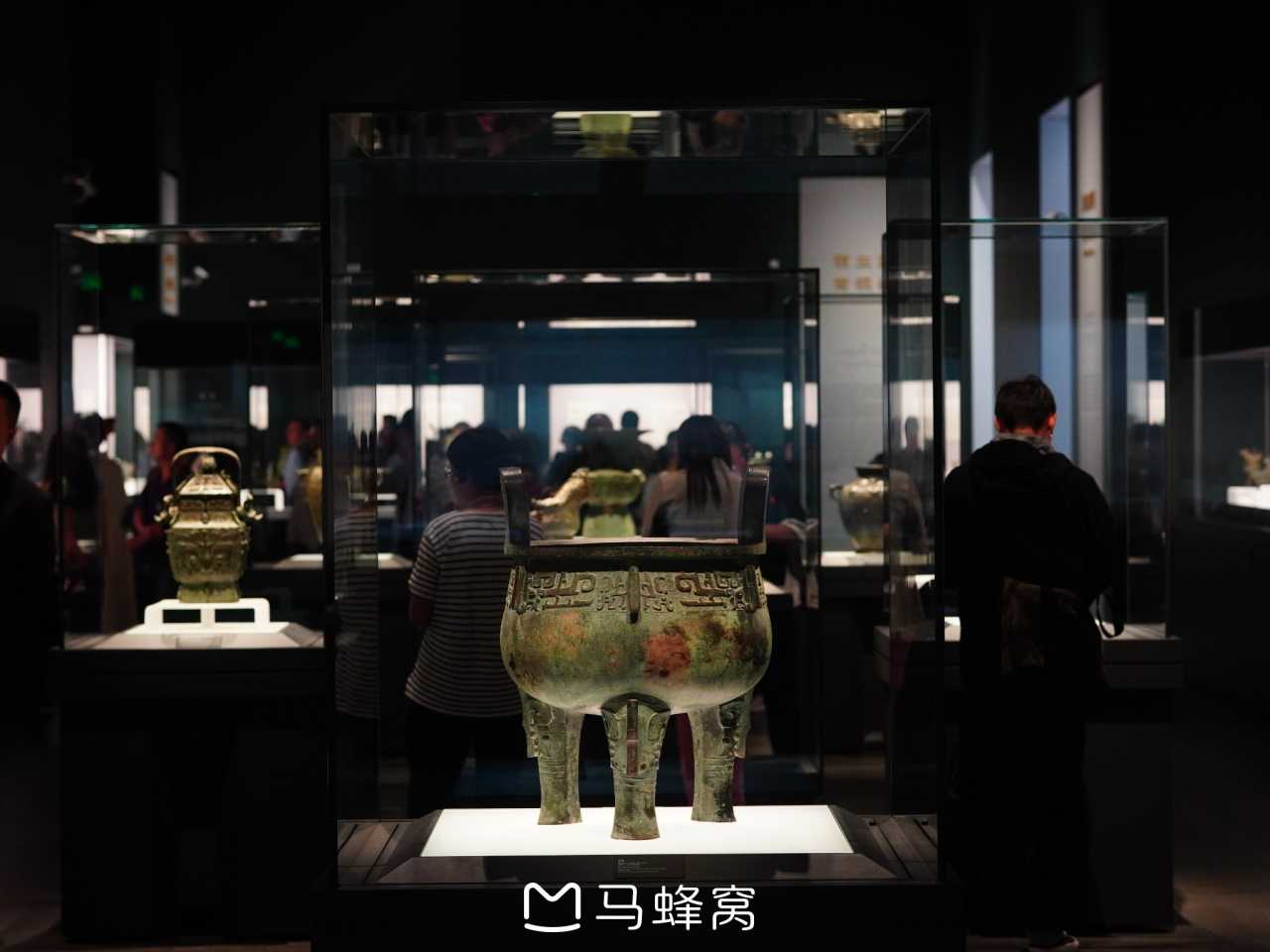
The Houmuwu Ding, originally named "Simuwu Ding," is the largest bronze ritual vessel from the late Shang dynasty. Its casting required meticulous organization and division of labor on a grand scale. It represents the highest level of Chinese bronze culture. Scholars still debate its name—some insist on "Simuwu," others advocate "Houmuwu." But regardless of what it's called, it is an undisputed "national treasure" and a must-see for any visitor to the National Museum of China.
Baoji Bronze Museum: The He Zun (He Vessel)—The Earliest "China"
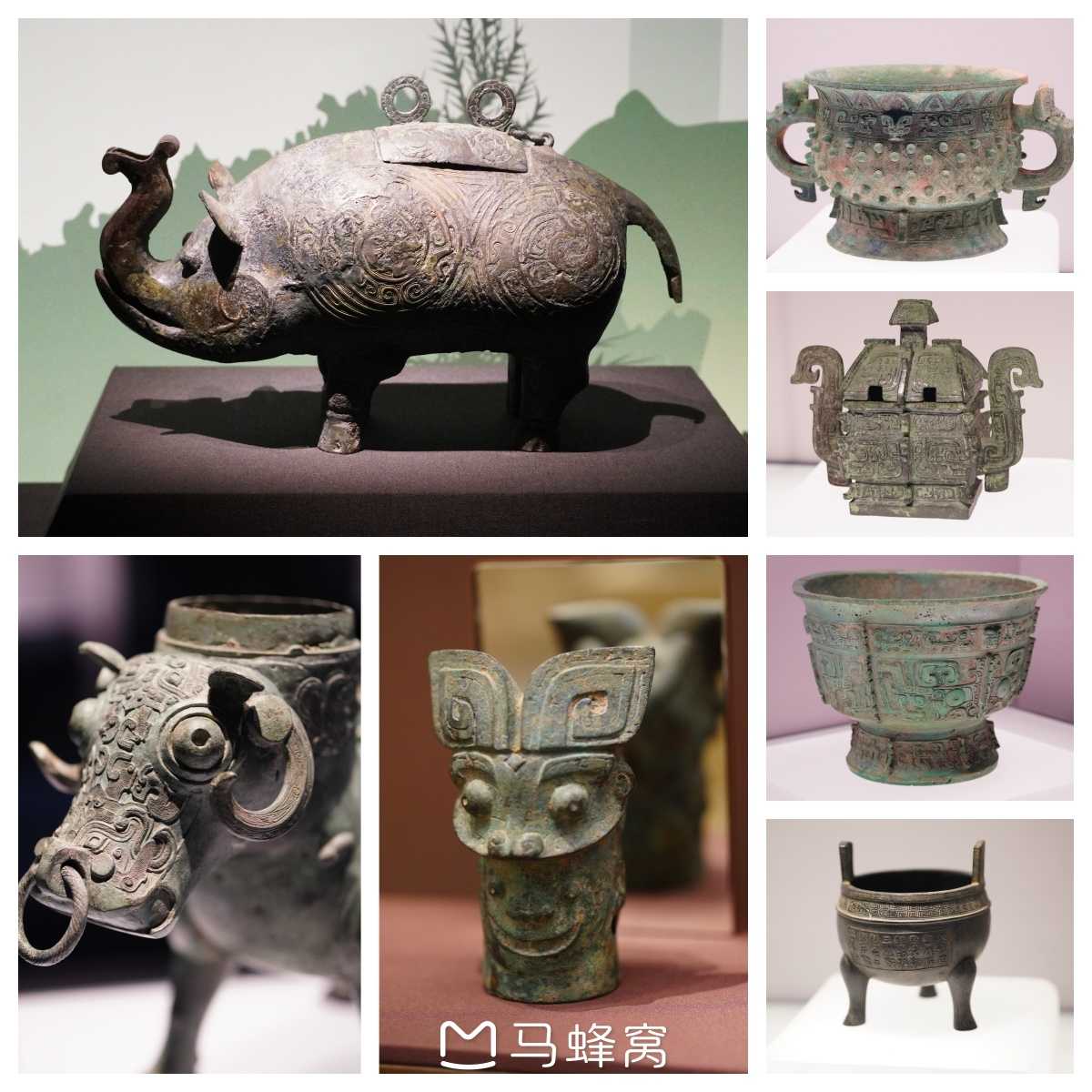
The He Zun, cast in the fifth year of King Cheng of Zhou, contains the phrase "zhai zi Zhongguo" (reside in the central state) in its inscription—the earliest written record of the word "China." In the inscription, King Cheng recalls the achievements of Kings Wen and Wu, admonishing royal descendants to remain loyal. The He Zun is not just a wine vessel; it's a political manifesto of the Zhou dynasty. The Baoji Bronze Museum is often called the "home of bronze artifacts" for good reason.
[Link: Baoji Bronze Museum visitor guide]
Shanghai Museum: The Interlaced Dragon and Scaled Dragon Pattern Ding
This late Spring and Autumn period ding, featuring a waisted design, was unearthed from the tomb of Duke Ning of the Xu state. Its cinched waist is a hallmark of Chu-style tripods. Some jokingly say: "The Chu king loved slender waists, so even the tripod got a waistline." With its exquisite craftsmanship and intricate patterns, this ding is hailed as the highest-grade bronze ritual vessel of the Spring and Autumn period. It's a highlight of the Shanghai Museum bronze collection.
National Museum of China: The Four-Sheep Square Zun (Wine Vessel)
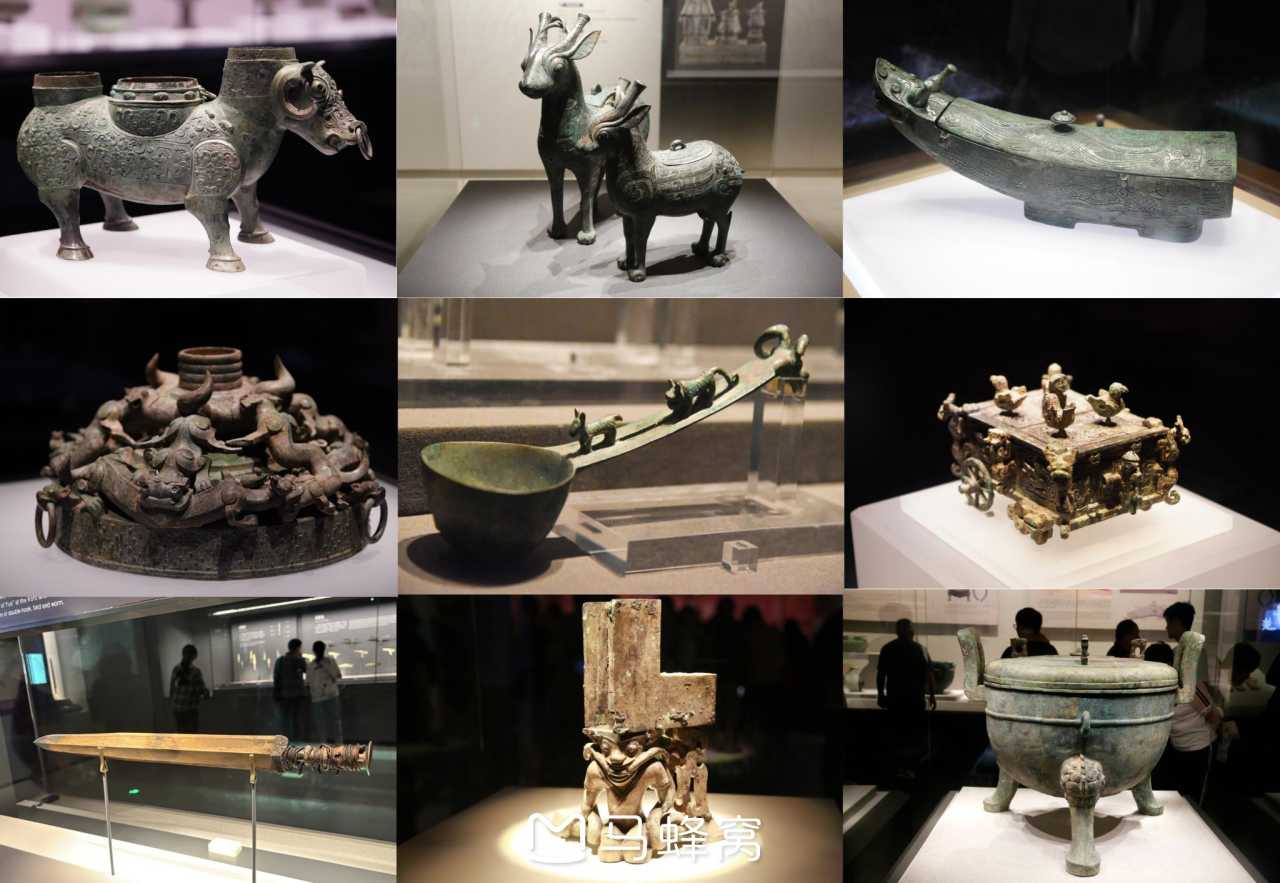
On the shoulders of this square zun, four ram heads with curled horns protrude outward, their bodies and legs attached to the vessel's belly. The rams' chests are covered with scale patterns, and their sides are adorned with long-crested phoenix motifs. This is the pinnacle of late Shang bronze casting and the "face" of Chinese bronze art. It's one of the most photographed artifacts in the National Museum of China.
National Museum of China: The Protruding-Eye Bronze Mask from Sanxingdui
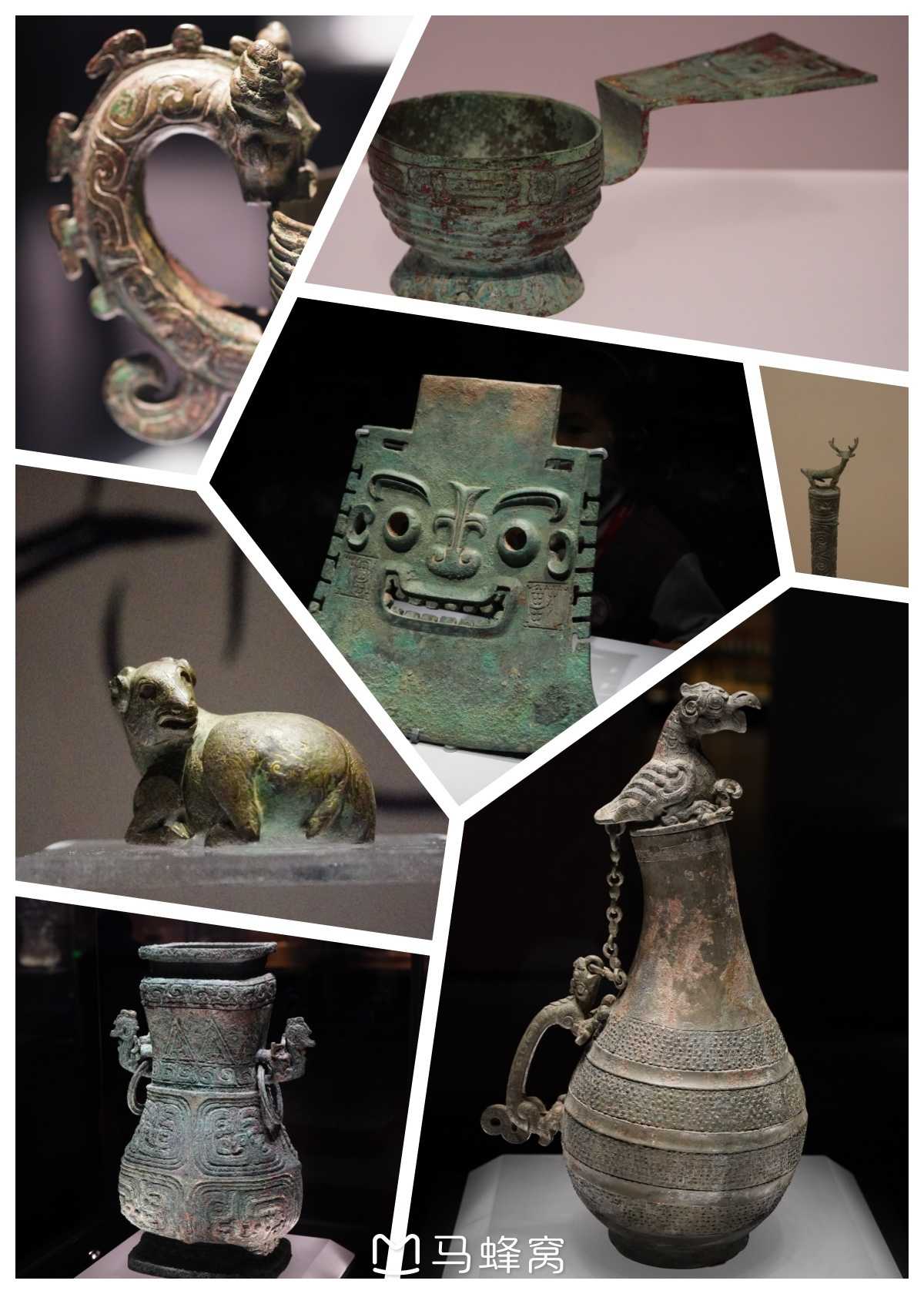
Excavated in 1986 from Sanxingdui, this bronze mask with bulging eyes is a statue of the Shu king, Cancong. Legend has it that Cancong had "vertical eyes"—unusually protruding. Modern scholars speculate that this may be due to severe hyperthyroidism caused by iodine deficiency in the Min Mountains of Sichuan. Later generations seized on this feature and deified it, giving rise to these protruding eyes. The Sanxingdui bronze masks are among the most mysterious artifacts in Chinese archaeology.
Zhejiang Museum: The Bronze House with Musicians
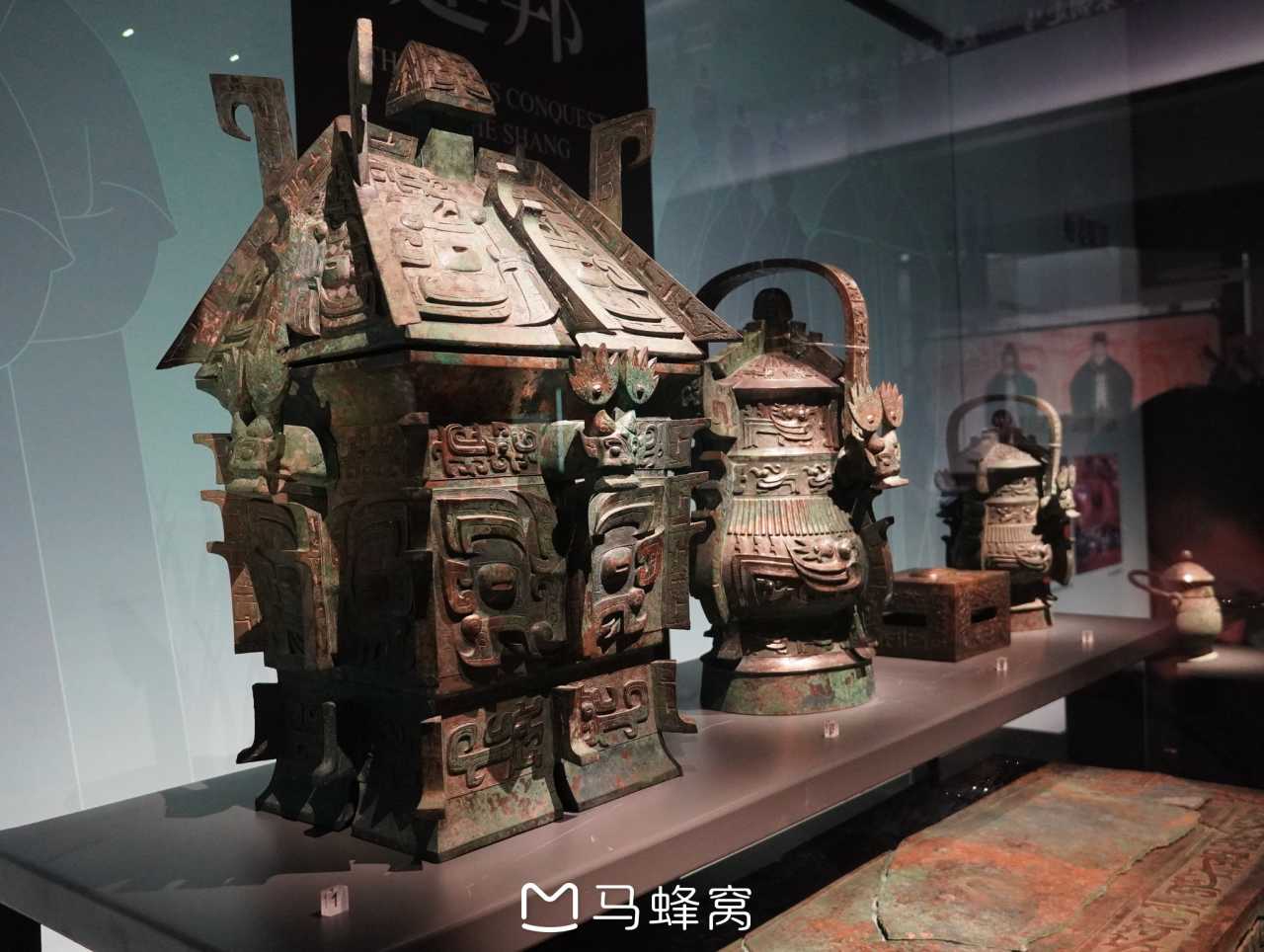
This bronze house has no front wall, only two pillars, while the other three sides are walled, with a latticed window on the back wall. The roof is a four-sided pyramidal style. It represents a fascinating "hybrid" of Jiangnan and Western Zhou artistic traditions. This piece demonstrates how bronze artifacts adapted to regional aesthetics while maintaining their ritual significance.
[Link: Zhejiang Museum exhibits and highlights]
Why You Should Visit These Chinese Museums for Bronze Artifacts
Visiting these museums offers more than just a glimpse into the past. It provides a tangible connection to China's cultural heritage. Each bronze artifact tells a story of innovation, power, and belief. From the earliest bronze casting techniques to the intricate inscriptions that record historical events, these treasures are irreplaceable.
For museum enthusiasts and history buffs alike, a journey through China's Bronze Age is a journey through the soul of Chinese civilization. The 23 museums highlighted in this article represent the best places to see bronze artifacts in China.
Frequently Asked Questions About Chinese Bronze Artifacts
Q: What is the oldest bronze artifact found in China? A: The earliest bronze artifacts in China date back to the Majiayao culture (around 3000 BCE), but the most significant bronze age began with the Xia dynasty (c. 2070–1600 BCE).
Q: Which Chinese museum has the best bronze collection? A: The National Museum of China in Beijing, the Shanghai Museum, and the Baoji Bronze Museum in Shaanxi province are widely considered to have the finest bronze collections. Each offers unique masterpieces.
Q: How were ancient Chinese bronze artifacts cast? A: Chinese bronze artifacts were primarily cast using the piece-mold technique, where clay molds were carved with designs, assembled, and then molten bronze was poured in. This method allowed for intricate decorations.
Q: What is the significance of inscriptions on bronze vessels? A: Bronze inscriptions (jinwen) record historical events, land grants, military campaigns, and religious ceremonies. They are invaluable for studying ancient Chinese history, politics, and society.
Q: Are Sanxingdui bronze masks from the same period as Shang dynasty bronzes? A: Yes, the Sanxingdui culture (c. 1600–1046 BCE) was contemporary with the Shang dynasty, but it developed independently in the Sichuan region. The masks reflect a distinct artistic tradition.
Conclusion: Your Journey Awaits
The Bronze Age was humanity's golden childhood—a time when craft, ritual, and power converged in objects of enduring beauty. Whether you're a seasoned museum enthusiast or a curious traveler, these 23 Chinese museums offer an unparalleled opportunity to connect with ancient history.
Start your journey today. Plan your visit to the National Museum of China, the Shanghai Museum, or the Baoji Bronze Museum. Each bronze artifact you encounter will whisper stories of dynasties long gone—stories that are now part of your own.
Ready to explore? Book your museum tickets, pack your camera, and embark on a journey through China's Bronze Age. The national treasures are waiting.
[Link: Plan your China museum itinerary] [Link: Top 10 must-see bronze artifacts in China]
This article was originally inspired by a travelogue from Mafengwo. All historical facts have been verified for accuracy.
You should also read:
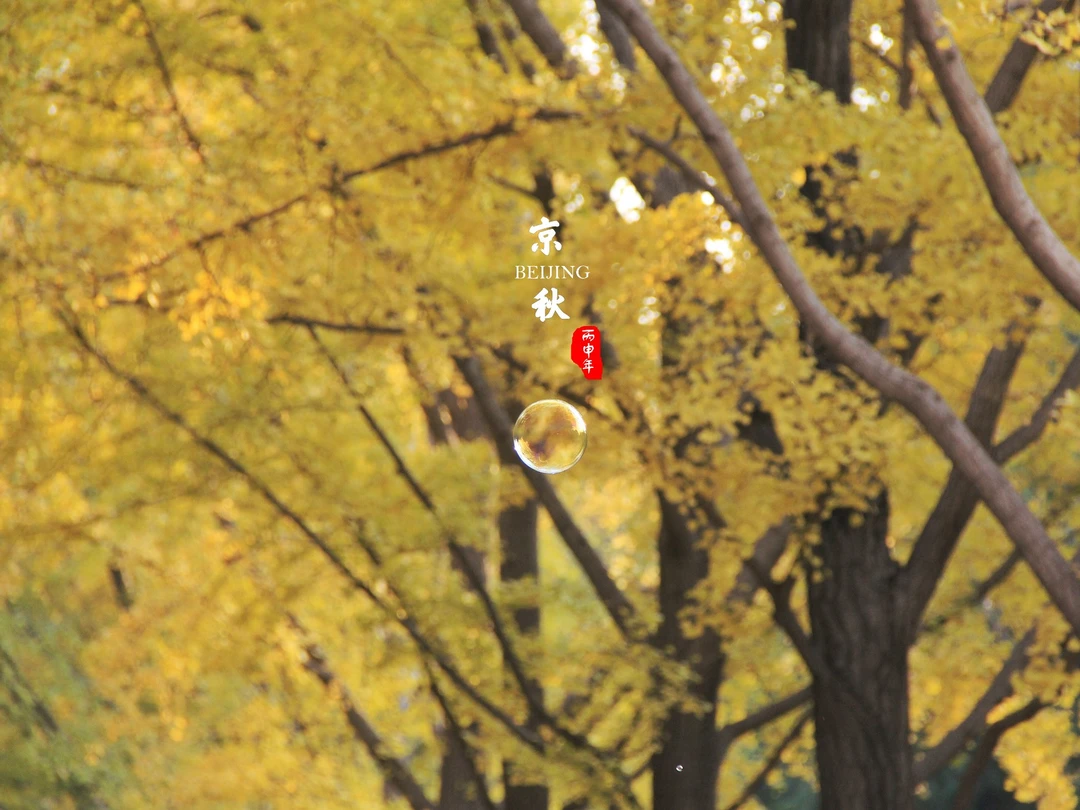
Autumn Rhyme – Wandering Through Beijing’s Golden Season: The Ultimate Guide to Ginkgo & Red Leaf Views
Meta Description (156 chars): Discover Beijing's golden autumn beyond Fragrant Hills. Explore Ditan Park's ginkgo avenues, Diaoyutai's iconic foliage, and insider tips for leaf-peeping. Perfect fall itinerary inside. Parallel worlds, diverse lives. May we all find peace in the nine-to-five routine, yet still dare to…
Continue reading...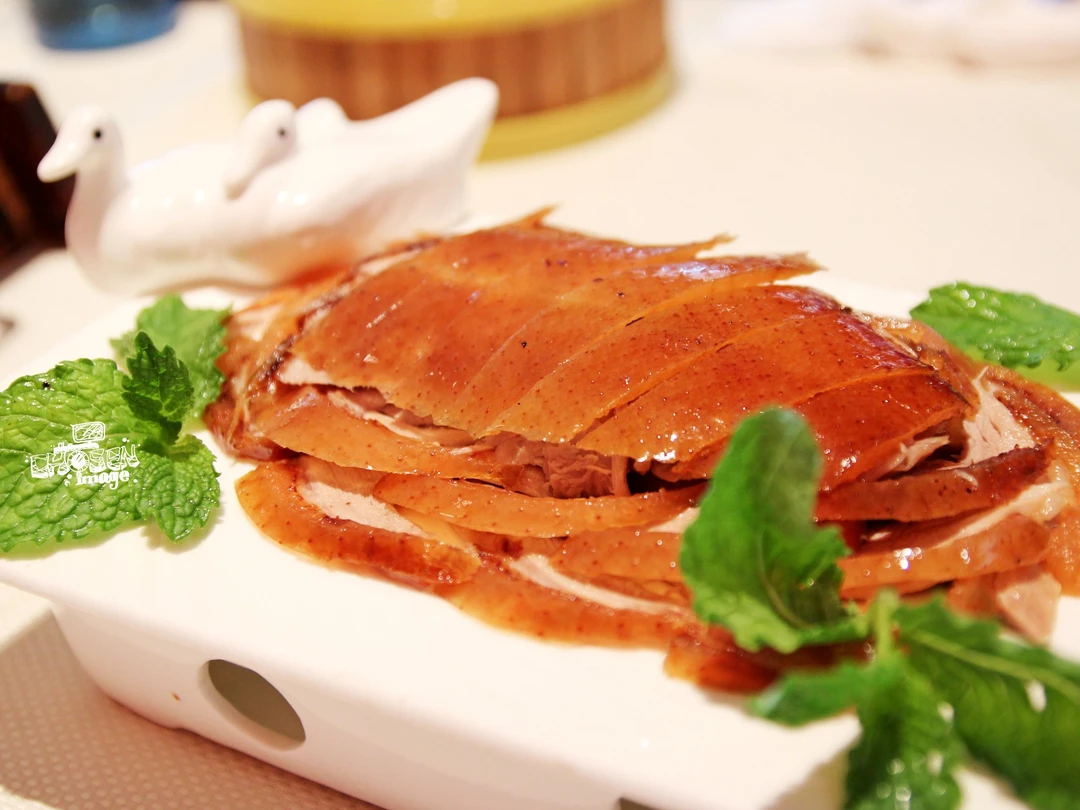
Strolling Through Beijing: When the Forbidden City's Twilight Meets the Alleyways' Hearth Smoke
Meta Description: Discover Beijing's imperial grandeur and culinary soul in this 5-day guide. From Forbidden City secrets to Niujie food walks, learn where to stay, eat, and explore for an unforgettable trip. Beijing isn't just a city—it's a living museum where six centuries of imperial…
Continue reading...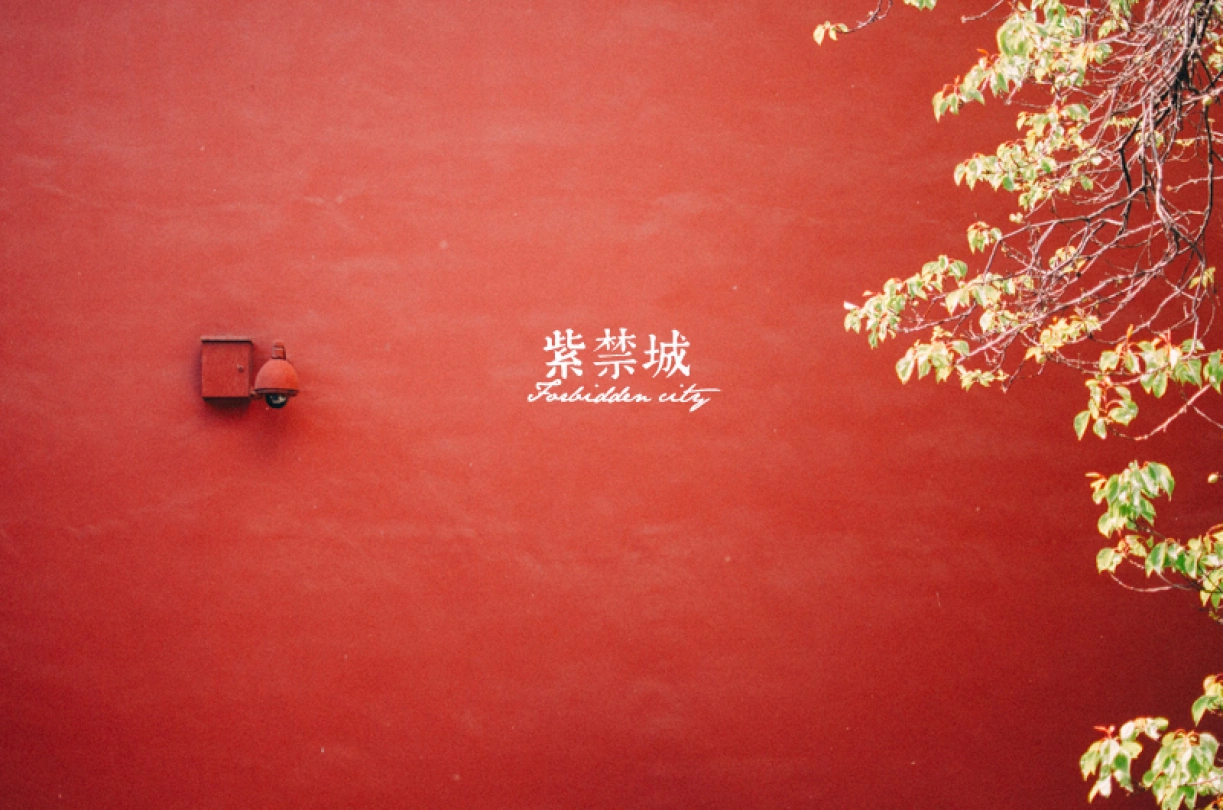
Strolling Through Fragrant Beijing: The Imperial City of Crimson Walls and Azure Tiles – A Complete Travel Guide
Meta Description: Explore Beijing's Forbidden City, Temple of Heaven & hidden hutongs in this SEO-optimized travel guide. Walk 60km through crimson walls & azure tiles with insider photography tips. Plan your imperial city adventure today. "My Beijing City" plays on repeat as I write this—the…
Continue reading...