Just to See You All Again: My Beijing & Tianjin Winter Citywalk – A Nostalgic Journey Through Time
Meta Description: Rediscover Beijing and Tianjin in winter with this nostalgic 6-day citywalk guide. From reunions at Shichahai to hidden gems in Tianjin's Italian Town, experience China's northern capitals like never before. Perfect for solo travelers and returning visitors.
Introduction: When Nostalgia Calls You Back to Beijing
Some places, once you've lived in them for four years, become a "second home" deep in your heart. For me, Beijing is exactly that. More than three decades had passed when my college roommate from across the ocean sent me a message: "I'm coming back to China to visit family—let's meet up." In that moment, long-buried memories came flooding back—all-night talks in the dorm, the clatter of enamel mugs in the cafeteria, the evening breeze as we biked through hutong alleys after exams... Without a second thought, I booked my ticket, grabbed my suitcase, and said to this city: Beijing, I'm back!
This Beijing winter travel trip wasn't about checking off tourist spots or chasing trendy food. It was about seeing you all again. And while I was at it, I'd walk through this city—so familiar yet so changed—and hop on a high-speed train to Tianjin for a spontaneous Beijing-Tianjin citywalk that would become the highlight of my winter journey.
Trip Overview: A Slow 6-Day, 5-Night Winter Journey

| Day | Highlights |
|---|---|
| D1 | Nanning → Beijing Daxing Airport, evening stroll through Nanluoguxiang and Shichahai |
| D2 | Morning visit to Drum Tower and Shichahai, afternoon reunion with roommates, evening at Wangfujing |
| D3 | In-depth tour of the National Museum of China, flag-lowering ceremony at Tiananmen Square |
| D4 | Morning at Prince Gong's Mansion, afternoon high-speed train to Tianjin, stroll through Italian Style Town |
| D5 | Zhou Enlai and Deng Yingchao Memorial Hall, Five Great Avenues, evening walk along the Haihe River |
| D6 | Porcelain House, Quanyechang shopping area, fly back to Nanning from Tianjin |
Travel Dates: February 27 – March 3, 2024
Cost per Person: Approximately 3,000 RMB (including flights, accommodation, tickets, and transport)
Traveling With: Solo
Why This Works: Perfect for solo travelers seeking a slow travel Beijing itinerary that balances nostalgia with discovery.
Part 1 | Beijing Winter Travel: Reunions and Rambles
A Thirty-Year Promise, A Lifetime of Friendship: Reuniting in Beijing
The heart of this trip was seeing my roommate. When I pushed open the door to the private dining room and saw that familiar face—lined now with the years—I burst out laughing. It was still the same girl who would throw her arms around me. We hadn't seen each other in over thirty years, yet it felt like we'd only parted yesterday in the dorm.
We talked about the birthday when they "stole" all kinds of treats from the cafeteria to surprise me. We talked about the first winter break when she rushed over and hugged me, saying, "Darling, you're finally back!" We talked about how back then Beijing only had subway Lines 1 and 2, and now it's a sprawling network of 17 lines.
As we talked, our eyes welled up. Time is a strange thing—it takes away our youth, but it also distills the truest bonds of friendship. We'd each weathered the grind of work, the warmth of love, the bittersweetness of life. But when we got together, we were still those girls who could talk about anything. Our words were few but deep. After a brief reunion, we had to head back to our separate lives across mountains and seas. But I know that next time we meet, it will be just the same.
[Link: Best places for reunions in Beijing]
Nanluoguxiang Winter Night: Warmth in a 740-Year-Old Alley
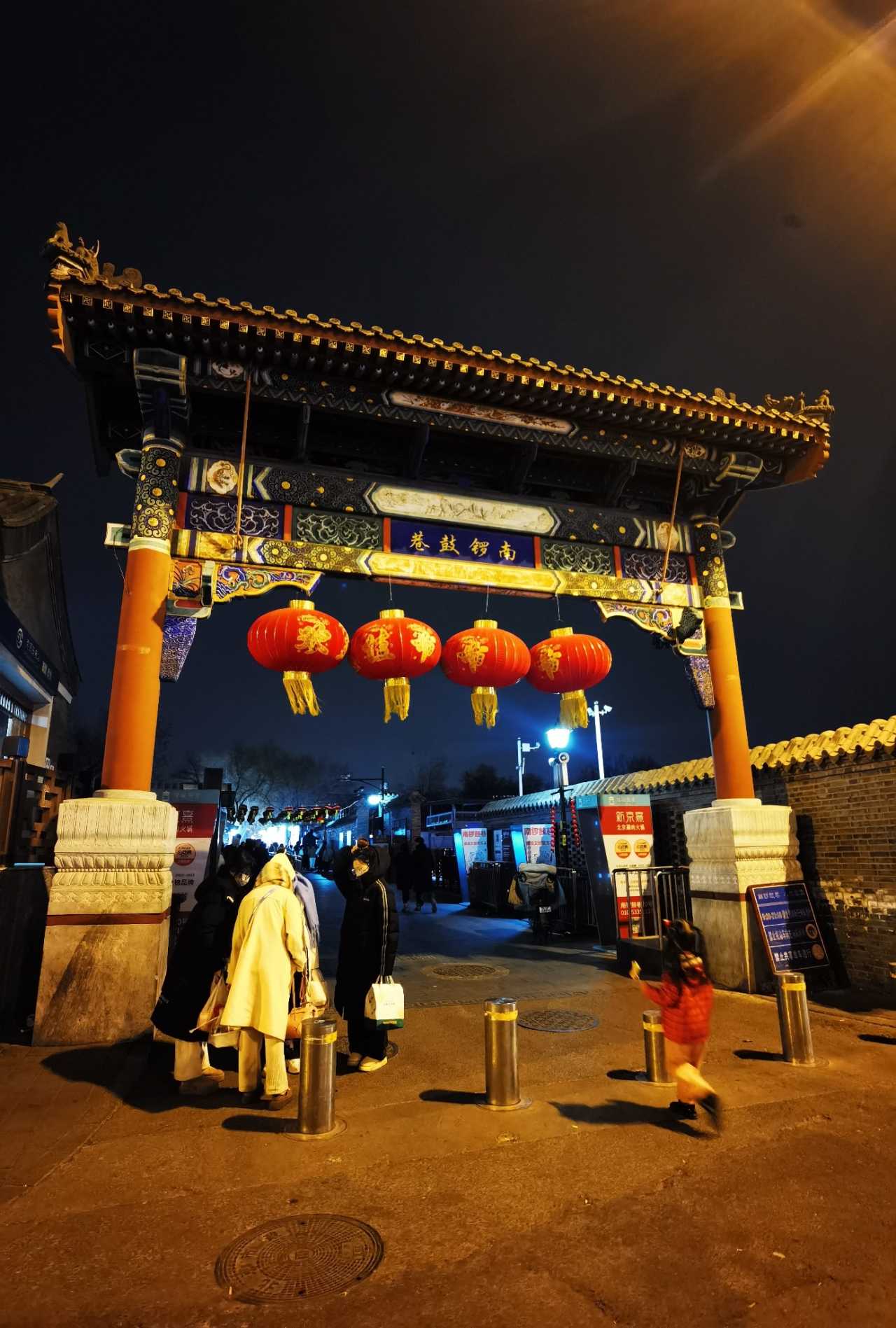
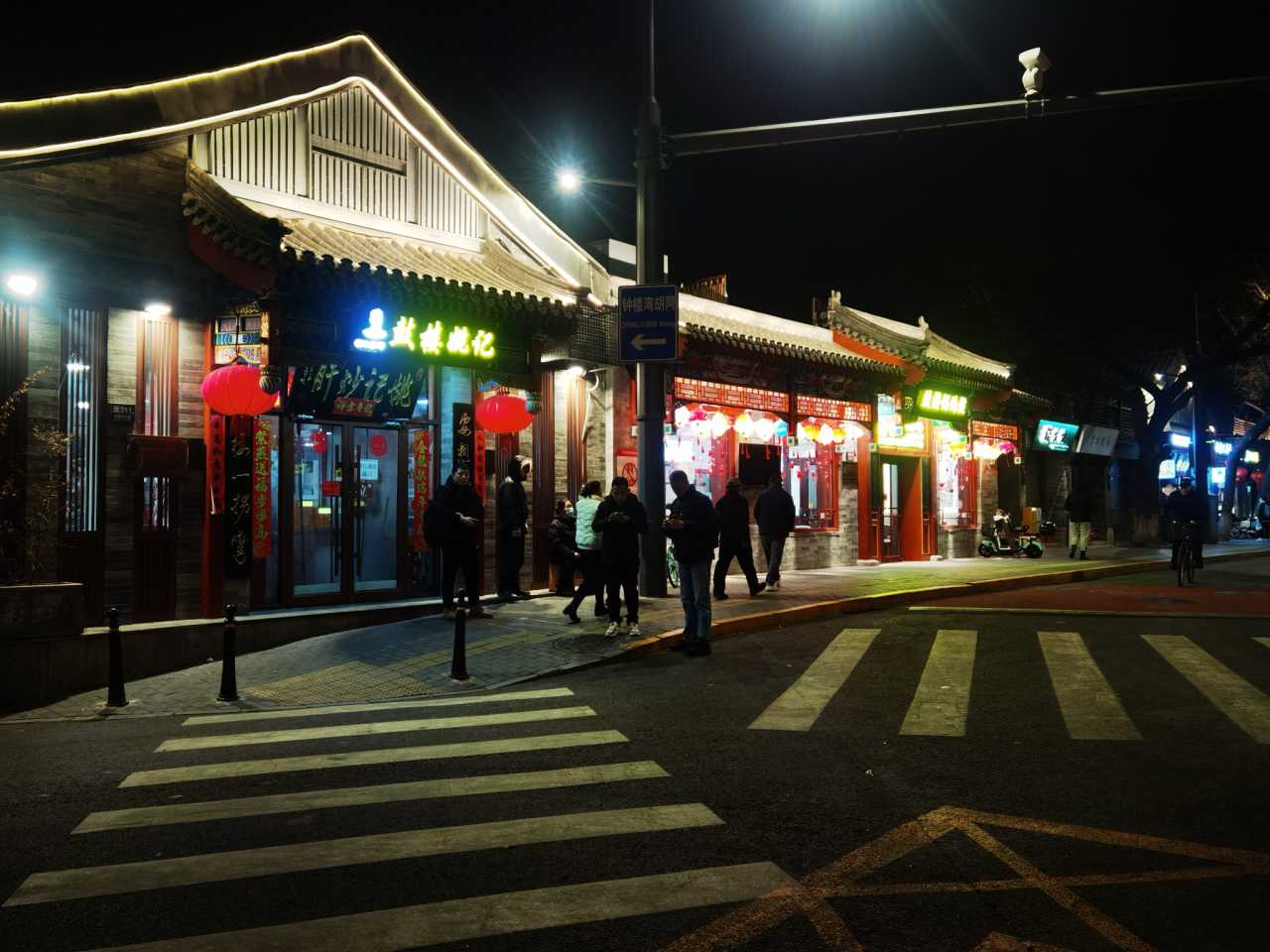
On my first night in Beijing, I dragged my luggage straight to Nanluoguxiang. This 787-meter-long, 8-meter-wide alley was built during the same era as the Yuan Dynasty's capital, making it over 740 years old. Today it's a social media hotspot, but back in my college days, I'd never even heard of it. Walking through it now felt like a fresh "catch-up" lesson.
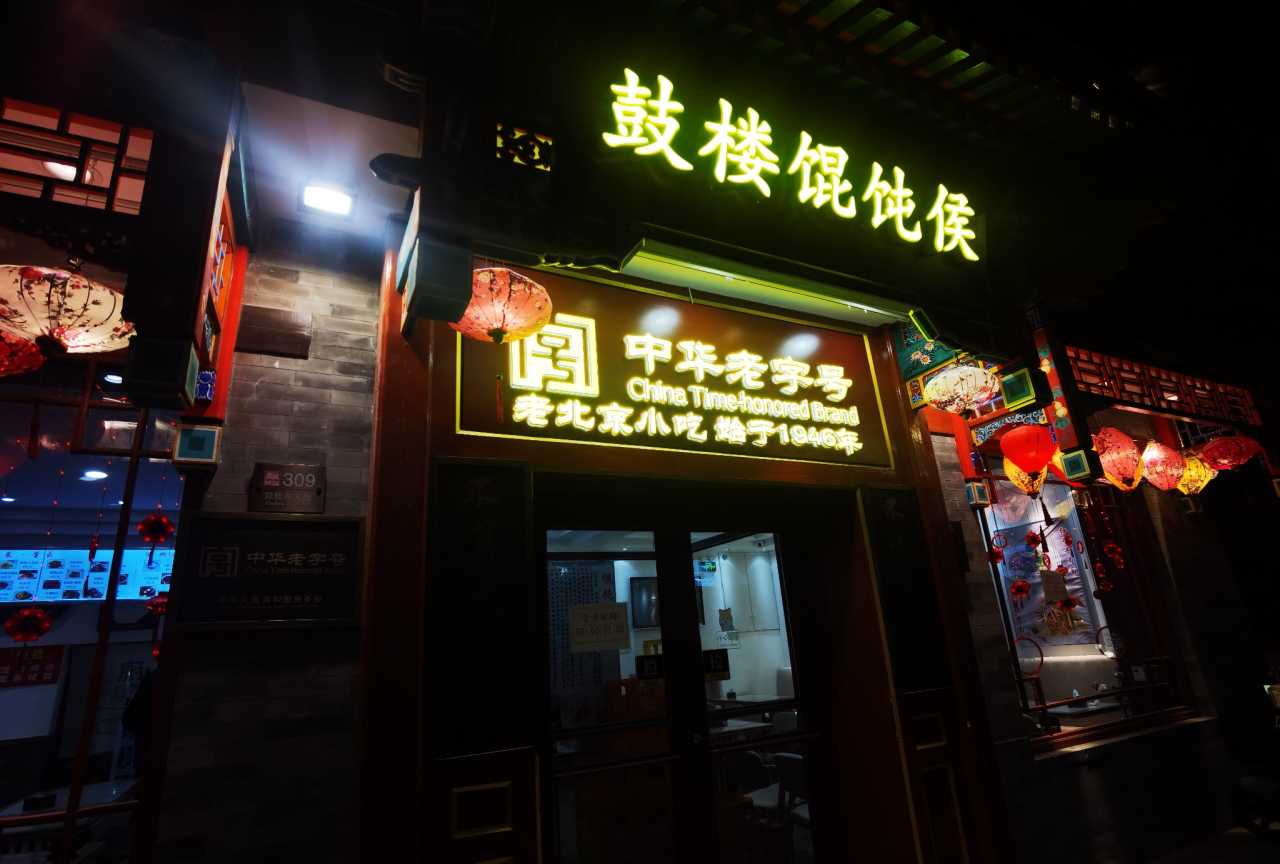
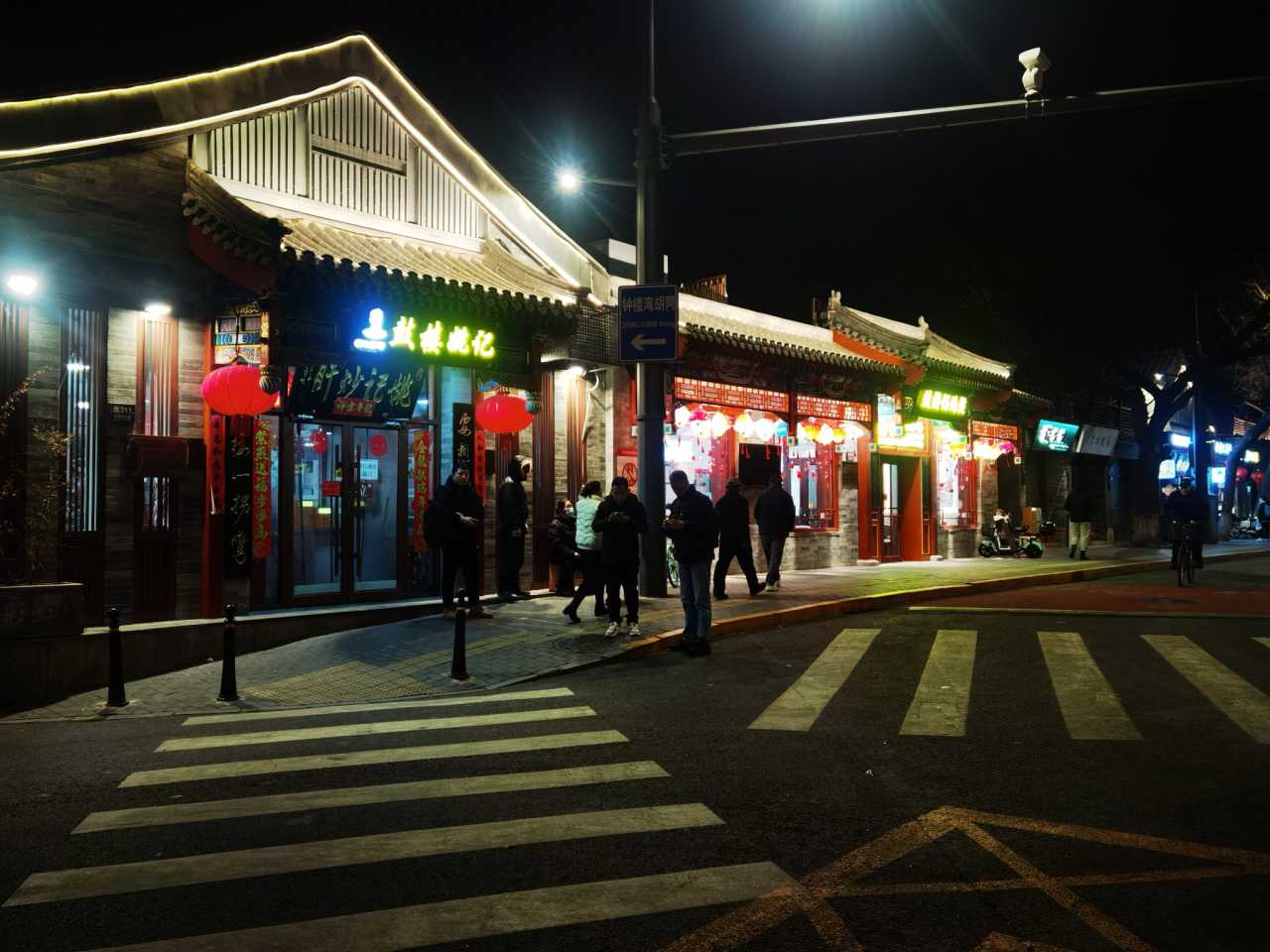
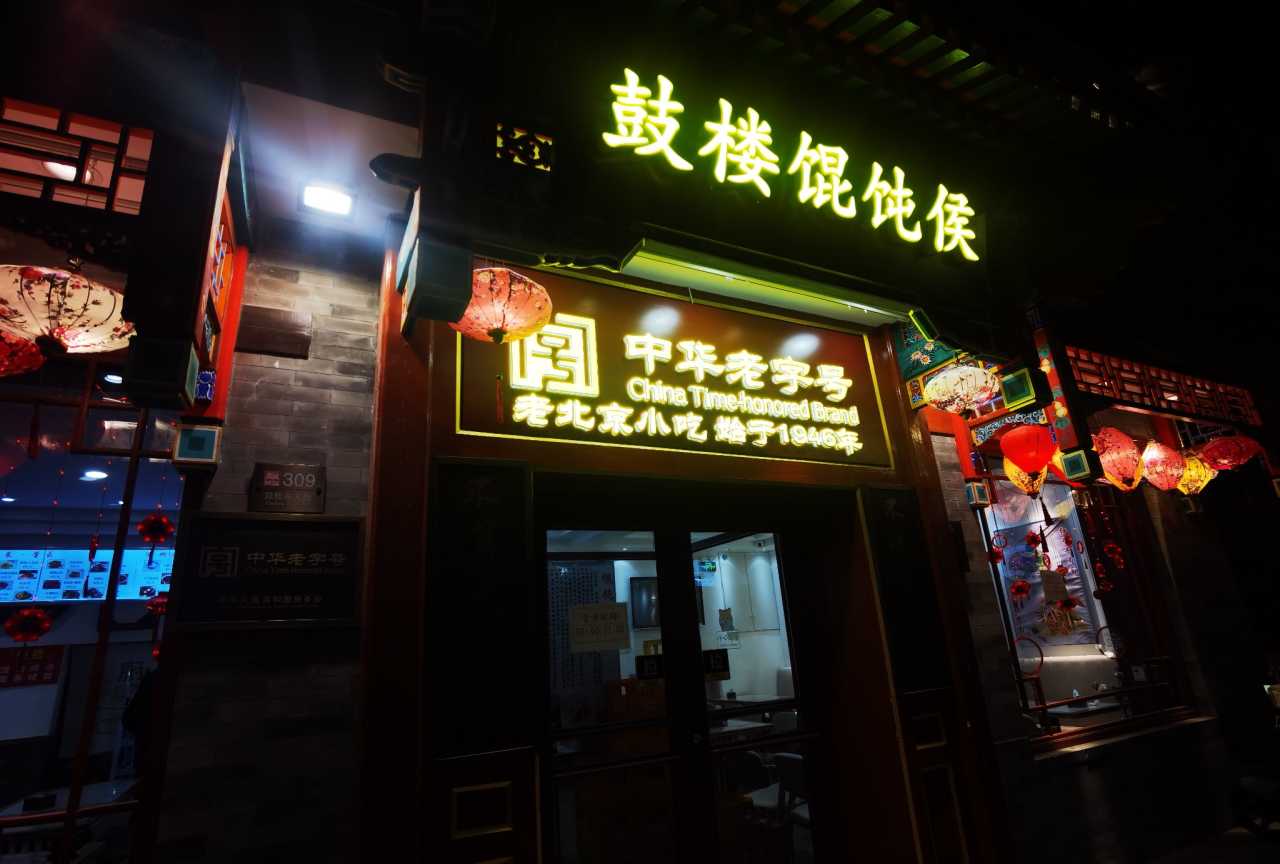
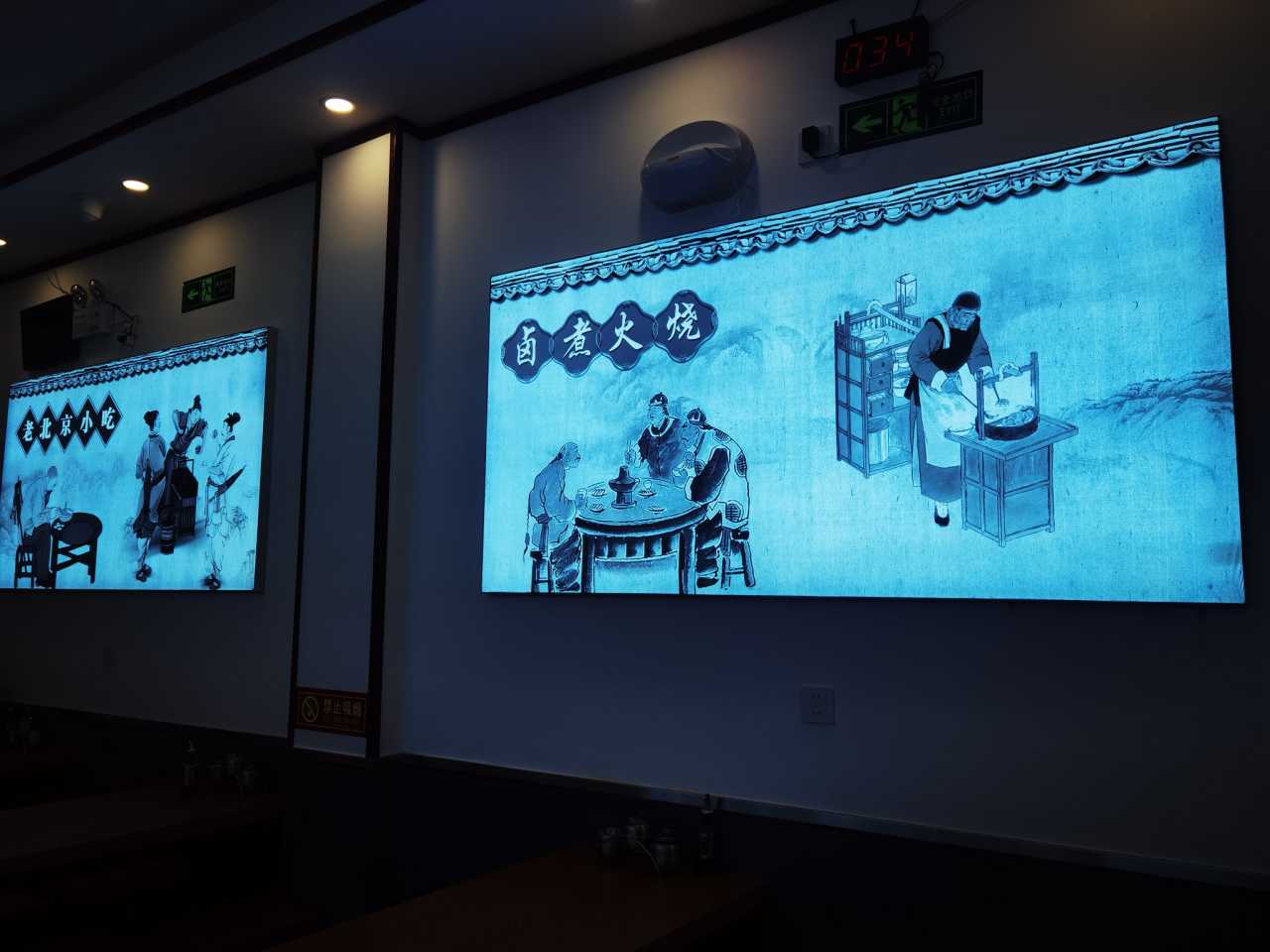
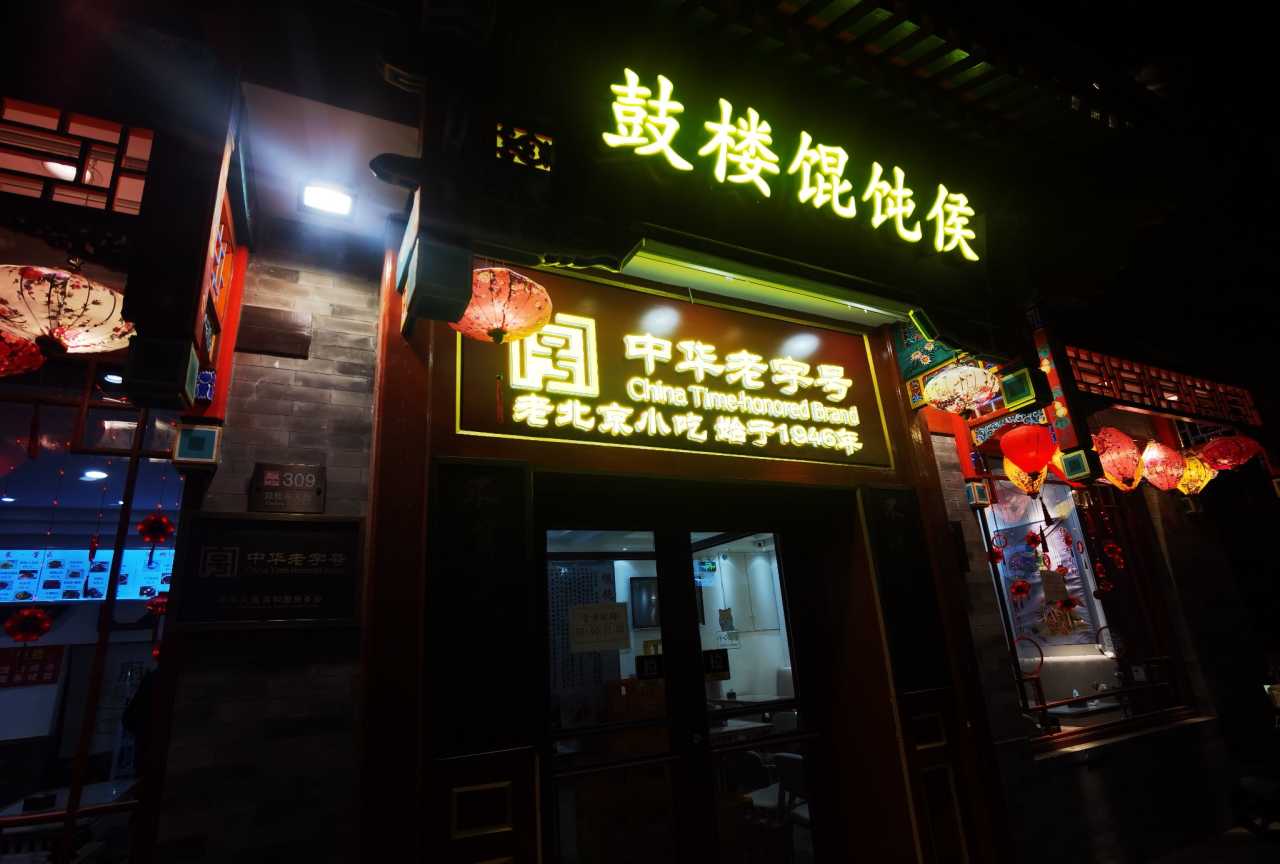
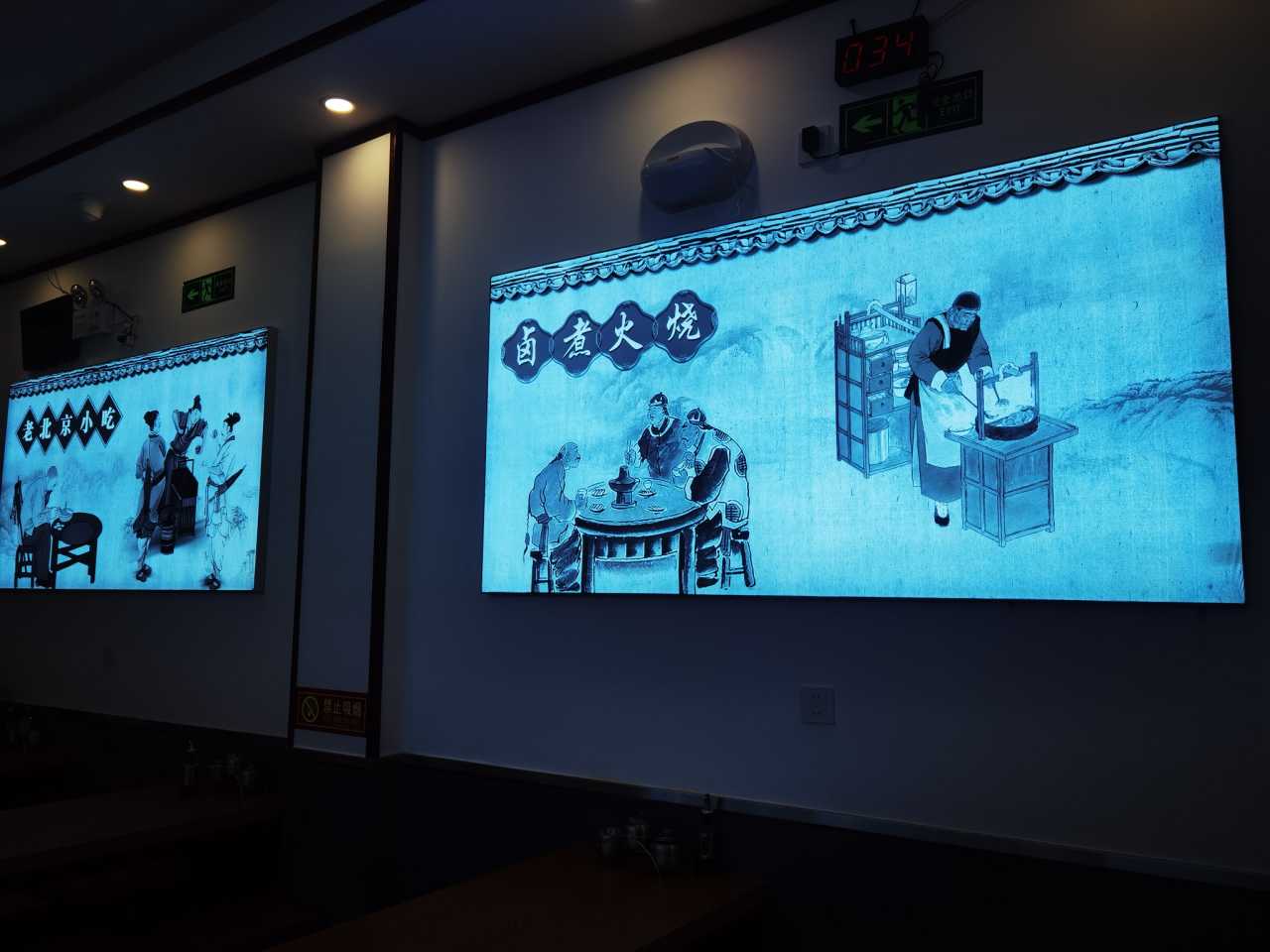
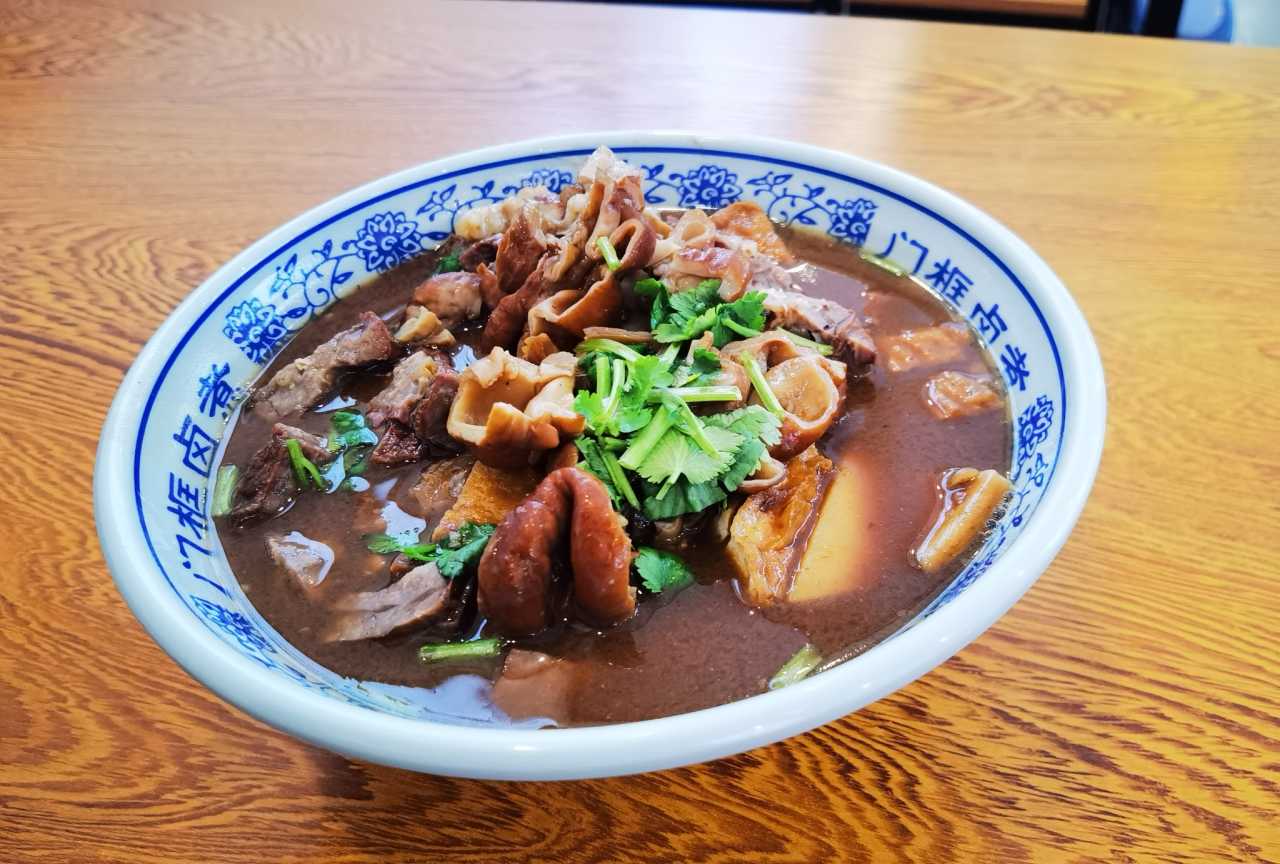
Spring Festival had just ended, so there were few tourists, and the alley was unusually quiet. I found a small shop and ordered a steaming bowl of lǔzhǔ huǒshāo (braised pork offal and fried tofu in sauce)—pork intestines, lungs, fried tofu, and baked flatbread simmered in a savory broth, topped with garlic sauce, fermented bean curd sauce, and cilantro. One spoonful warmed me from my stomach to my heart. On a bone-chilling Beijing winter night, this bowl was pure comfort.
Nanluoguxiang is laid out like a fish skeleton, with eight alleys branching off on either side, continuing the "chessboard" city plan of the Yuan Dynasty. Legend has it that the northernmost point once had two ancient wells, which served as the "eyes" of this "centipede street." Hidden among the alleys are former residences of figures like Prince Senggelinqin, the painter Qi Baishi, and the writer Mao Dun. But it was already dark, so I had to leave those for another visit.
Pro Tip for Winter Visitors: Visit Nanluoguxiang after 6 PM when the lanterns are lit and the crowds thin out. The warm glow creates a magical atmosphere perfect for winter night photography in Beijing.
Shichahai Winter Walk: A Symphony of Ice and Water
The next morning, I returned to Shichahai. At the start of the Year of the Dragon, a massive dragon-shaped lantern sculpture stretched across the lake. Its head was majestic, its eyes bright, and auspicious clouds adorned its scales. I couldn't resist reaching out to "shake" its claw, hoping for a bit of luck in the new year.
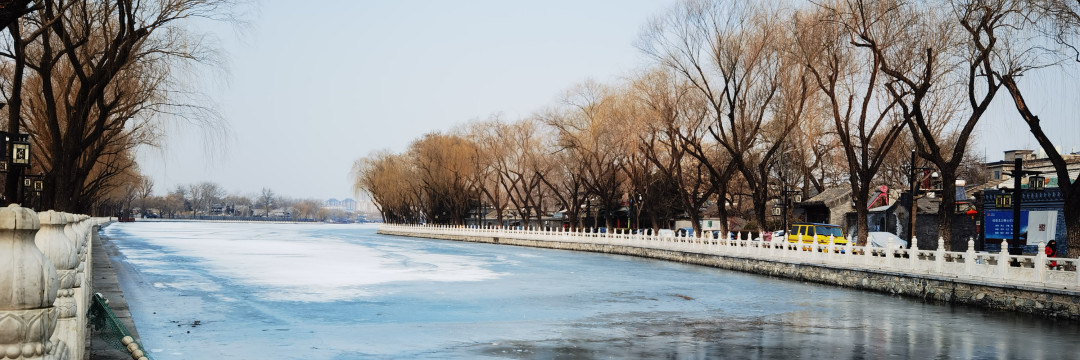
Shichahai is made up of three connected lakes—Front Sea, Back Sea, and Jishuitan—which together are known as the "Rear Three Seas," echoing the "Front Three Seas" of the Forbidden City. At this time of year, half the lake was still frozen, while the other half had thawed. On the ice, little birds pecked for food; in the open water, mandarin ducks swam in pairs. It was a perfect illustration of the old saying: "The duck feels the warmth of spring first."
I walked along the mottled stone paths, past scattered siheyuan (traditional courtyard houses), each one steeped in history. Back in college, I used to bike around everywhere, but I'd never made it here. Now I realized that Shichahai is a hidden gem, worth exploring again and again.
[Link: Shichahai winter activities guide]
The Drum and Bell Towers: Echoes of Time in Winter
Standing at the foot of the Drum Tower, I looked up at its red walls, vermilion railings, and carved beams—a Ming Dynasty structure that filled me with a sense of history. The tower stands over 46 meters tall and was built in 1420, serving as the timekeeping center for the Yuan, Ming, and Qing dynasties. The morning drum and evening bell regulated the schedules of officials going to court and commoners going about their daily lives.
A hundred meters north of the Drum Tower stands the Bell Tower. During the Qianlong era of the Qing Dynasty, it was rebuilt with brick and stone to prevent fires. The two towers, aligned front to back, form the northernmost landmark of Beijing's central axis.
Today, the Drum Tower still beats its drum four times a day, each session lasting 15 minutes. Standing beneath it, I could almost hear those 108 drumbeats from a century ago, echoing through time across the imperial city's dawn and dusk.
Best Time to Visit: Arrive at the Drum Tower at 10 AM or 2 PM to witness the drumming ceremony. The winter light creates stunning photo opportunities of the red walls against a crisp blue sky.
The National Museum of China: A Thousand Years in One Glance
I booked my ticket three days in advance, queued for over an hour, and passed through strict security before finally stepping into the National Museum of China. From 11:20 AM until it closed at 5:00 PM, I barely stopped moving—and still felt like I'd only scratched the surface. "So many treasures, I can't possibly see them all."
Starting with the Painted Pottery Basin with Human Face and Fish Design from the Yangshao culture, each artifact told the story of an era:
- The "Houmuwu" Bronze Rectangular Ding (cauldron): Weighing 832.84 kilograms, it represents the pinnacle of Shang Dynasty bronze casting and embodies the spirit of family and nation.
- The Four-Sheep Bronze Square Zun (wine vessel): A museum treasure that was shattered into over 20 fragments during wartime and restored in 1952 so perfectly that the cracks are barely visible.
- The "Guo Jizibai" Bronze Pan (water basin): Its 111-character inscription, hailed as an "epic on bronze," records military achievements during the reign of King Xuan of the Western Zhou.
- Artifacts from Fu Hao's tomb: From the bronze owl-shaped zun to jade phoenixes and dragons, the burial goods of China's first female general are exquisitely crafted.
There were also bronze masks from Sanxingdui, a jade burial suit sewn with gold thread, and countless other treasures that made me feel like I was walking through 5,000 years of civilization in a single afternoon.
Practical Tips for Winter Visits: Book tickets at least 3 days in advance during peak season. The museum is heated, making it an excellent Beijing winter indoor activity. Plan for at least 4-5 hours to see the main exhibits.
Part 2 | Tianjin Winter Travel: A Spontaneous Citywalk
High-Speed Train from Beijing to Tianjin: A 30-Minute Journey
On Day 4, I hopped on a high-speed train from Beijing to Tianjin—a journey that takes just 30 minutes. Compare that to the hours it used to take, and you'll understand why this Beijing-Tianjin day trip has become so popular among travelers.
The high-speed rail network in northern China is a marvel of modern engineering. Trains depart from Beijing South Station every 15-20 minutes, making it incredibly easy to plan a spontaneous trip. I booked my ticket the night before and paid just 54.5 RMB for a second-class seat.
Why Take a Beijing-Tianjin Citywalk: Tianjin offers a completely different vibe from Beijing—a blend of European colonial architecture, laid-back local culture, and unique culinary traditions. It's the perfect weekend getaway from Beijing.
Italian Style Town: A Slice of Europe in Tianjin
Stepping into Italian Style Town in Tianjin felt like being transported to a European piazza. This historic district, built in the early 20th century, features over 100 preserved Italian-style buildings—villas, churches, and cobblestone streets that once housed the Italian concession.
In winter, the area takes on a quiet, melancholic beauty. The bare trees against pastel-colored buildings create a painterly scene. I wandered through the streets, stopping at a small café for a cup of hot chocolate, watching the occasional local walk by with their dogs.
Must-See Spots in Italian Style Town: - The Romanesque-style St. Joseph's Cathedral - The former residence of Liang Qichao - The Marco Polo Square with its iconic fountain
Zhou Enlai and Deng Yingchao Memorial Hall: A Love Story in History
On Day 5, I visited the Zhou Enlai and Deng Yingchao Memorial Hall, a tribute to one of China's most beloved political couples. The museum is housed in a beautiful traditional Chinese building surrounded by gardens that, even in winter, had a serene charm.
The exhibits trace the lives of Zhou Enlai and Deng Yingchao—from their student days in Tianjin to their revolutionary work and their enduring partnership. Their love story, built on shared ideals and mutual respect, is a poignant reminder that even in times of great upheaval, human connections matter.
Why This Matters for Solo Travelers: This museum offers a quiet, reflective experience that contrasts beautifully with the bustling tourist sites. It's a place to slow down and connect with history on a personal level.
Five Great Avenues: Architectural Treasures of Tianjin
Five Great Avenues (Wudadao) is a sprawling residential district featuring over 200 villas in British, French, Italian, German, and Spanish styles. Built in the early 20th century, this area was once home to foreign diplomats, wealthy Chinese merchants, and warlords.
In winter, the tree-lined streets are bare, allowing the architecture to take center stage. I spent hours walking through the neighborhood, marveling at the intricate details—the wrought-iron balconies, the stained-glass windows, the ornate doorways.
Top Photo Spots in Five Great Avenues: - The intersection of Machang Avenue and Hebei Road - The former residence of Xu Shichang - The Civil Governor's Mansion
Evening Walk Along the Haihe River: Tianjin's Winter Magic
As night fell, I took an evening walk along the Haihe River. The river cuts through the heart of Tianjin, lined with bridges that light up after dark. The Jiefang Bridge, a steel bascule bridge built in 1927, was particularly striking against the night sky.
The temperature had dropped below freezing, but the cold was invigorating. I watched the reflections of the city lights dance on the water, feeling a sense of peace that only comes from being alone in a beautiful place.
[Link: Best Haihe River walking routes]
Porcelain House: A One-of-a-Kind Museum
On my final day in Tianjin, I visited the Porcelain House (China Porcelain House), a museum that defies description. The building is covered from top to bottom with porcelain shards, ancient ceramics, and crystal—over 400 million pieces in total. The owner, a local collector, spent years creating this whimsical masterpiece.
Inside, the rooms are equally fantastical, with walls made of porcelain plates, ceilings adorned with ceramic dragons, and furniture encrusted with jade and agate. It's kitschy, over-the-top, and absolutely unforgettable.
Admission: 50 RMB
Best Time to Visit: Early morning to avoid crowds
Photography: Allowed, but no flash
FAQ: Your Beijing & Tianjin Winter Travel Questions Answered
Q1: Is winter a good time to visit Beijing and Tianjin?
Absolutely. Winter offers fewer crowds, lower prices, and a unique charm. The cold weather means you'll have attractions like the National Museum of China and Prince Gong's Mansion almost to yourself. Plus, the winter light creates stunning photo opportunities. Just pack warm layers—temperatures can drop to -10°C (14°F).
Q2: How much time do I need for a Beijing-Tianjin citywalk?
A minimum of 5-6 days is ideal. Spend 3-4 days in Beijing for the main attractions and reunions, then 2-3 days in Tianjin for a relaxed exploration. If you're short on time, you can do Tianjin as a day trip from Beijing, but you'll miss the evening charm.
Q3: What's the best way to travel between Beijing and Tianjin?
High-speed train is the only way to go. Trains depart from Beijing South Station every 15-20 minutes, taking just 30 minutes to reach Tianjin Station. Second-class tickets cost around 54.5 RMB. Book online in advance for the best prices.
Q4: Are there any winter-specific activities in Beijing and Tianjin?
Yes! In Beijing, you can ice skate on Shichahai or Houhai lakes, visit the Ice and Snow Festival at the Summer Palace, or enjoy hot pot at a traditional restaurant. In Tianjin, the Haihe River offers winter cruises, and the Italian Style Town has cozy cafés perfect for warming up.
Q5: What should I pack for a winter trip to Beijing and Tianjin?
Essentials: - Thermal underwear and wool layers - A heavy winter coat (down or wool) - Waterproof boots with good traction (for icy streets) - Hat, gloves, and scarf - Lip balm and moisturizer (the air is very dry) - Reusable water bottle (stay hydrated)
Conclusion: Why You Should Plan Your Own Beijing-Tianjin Winter Citywalk
This trip reminded me why Beijing and Tianjin are among the most rewarding destinations in China—not just for first-time visitors, but for anyone who wants to reconnect with the past while discovering something new.
Whether you're reuniting with old friends, exploring hidden alleys, or simply walking through history, a Beijing-Tianjin citywalk offers something for everyone. The winter season adds a layer of intimacy and magic that you simply can't find in peak tourist months.
So, what are you waiting for? Book that ticket, grab your suitcase, and say to these cities: I'm coming back. Whether it's been 30 years or 30 days, the memories—and the adventures—are waiting for you.
Ready to plan your own trip? Start with our [Beijing Travel Guide] or check out our [Tianjin Day Trip Itinerary] for more inspiration. Share your own stories in the comments below—we'd love to hear about your reunions and discoveries!
Have you visited Beijing or Tianjin in winter? What was your favorite memory? Let us know in the comments!
You should also read:
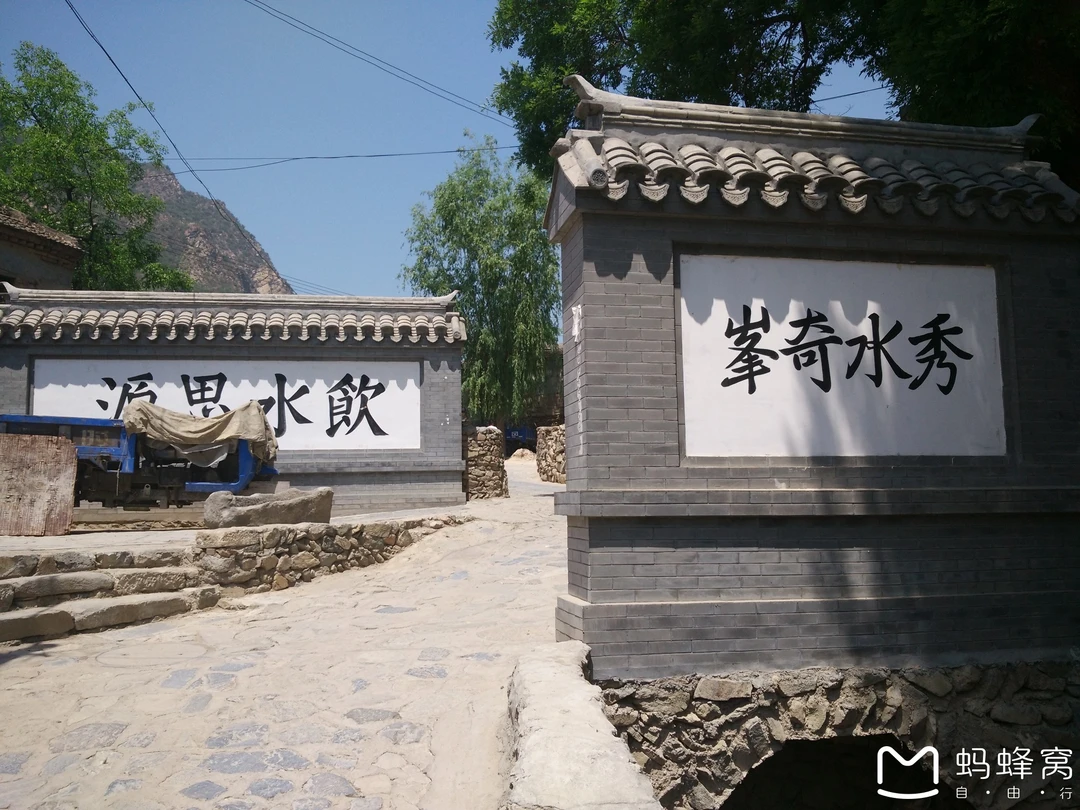
Impressions of Beijing: Mentougou Part Three — Lingshui Village, Searching for a World of the Past in the Depths of Time
Meta Description: Discover Lingshui Village, Beijing's "Juren Village" in Mentougou District. Explore millennium-old courtyard houses, Ming-Qing scholar legacy, and practical travel tips. A journey into ancient Chinese culture awaits. "Spring deep, my official duties are complete; day by day, my heart turns to the mountains."…
Continue reading...
Strolling Through Fragrant Beijing: The Imperial City of Crimson Walls and Azure Tiles – A Complete Travel Guide
Meta Description: Explore Beijing's Forbidden City, Temple of Heaven & hidden hutongs in this SEO-optimized travel guide. Walk 60km through crimson walls & azure tiles with insider photography tips. Plan your imperial city adventure today. "My Beijing City" plays on repeat as I write this—the…
Continue reading...
Beijing: From Deep Autumn to Early Winter – Discover Hidden Seasonal Beauty in China's Capital
Meta Description: Explore Beijing's transition from autumn to winter through personal stories and hidden gems. Discover Western Hills sunrises, Forbidden City snow scenes, and authentic hutong experiences in this SEO-optimized travel guide. Beijing isn't just a city of history and politics—it's a living, breathing entity…
Continue reading...