My 2018: 300 Days Measuring the Motherland – A Journey Through Pain, Joy, and China’s Hidden Gems
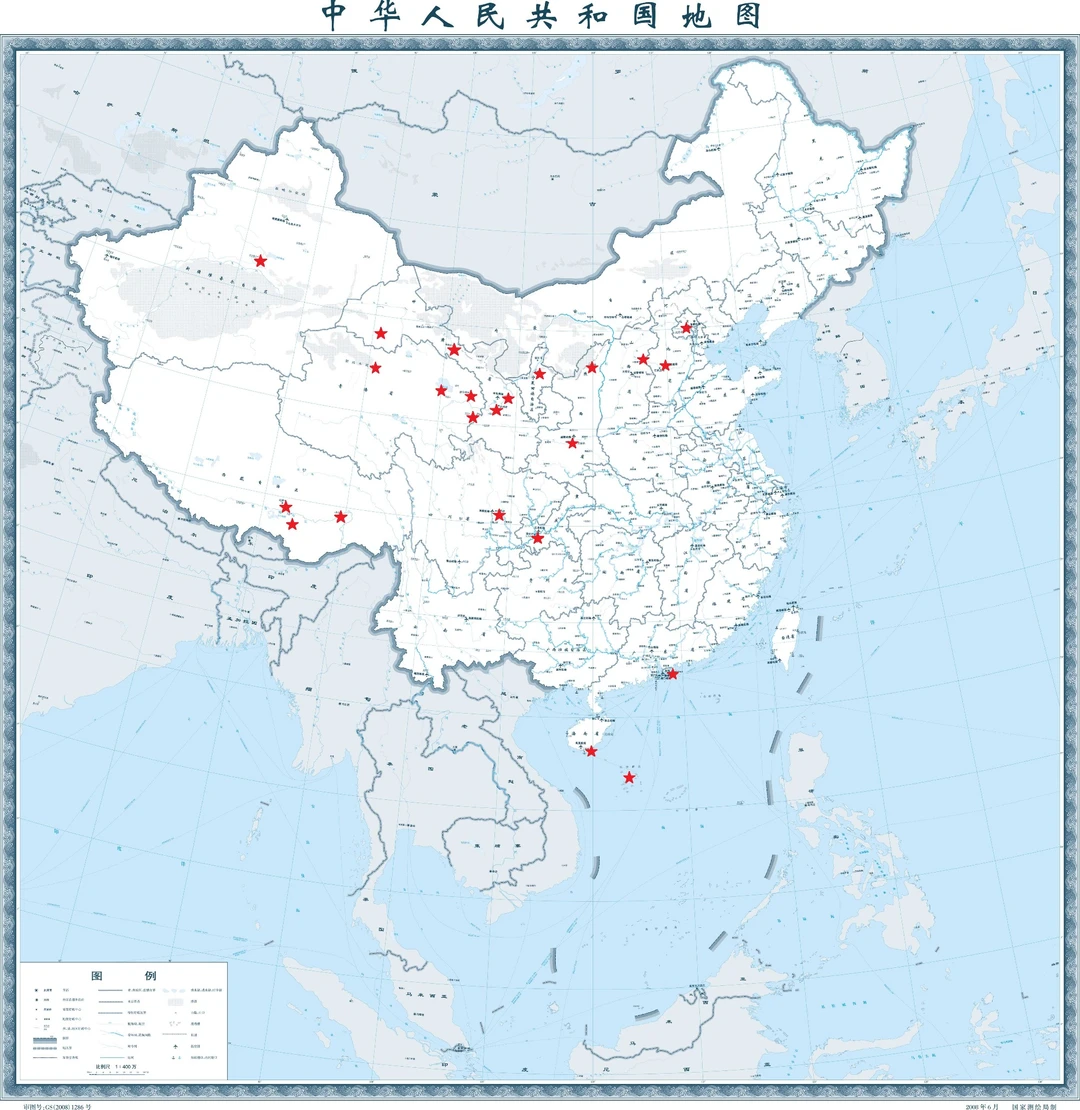
Meta Description: Explore 300 days of solo travel across China in 2018 – from Tibet’s snowy plateaus to the Xisha Islands. Discover budget tips, seasonal itineraries, and life-changing experiences in this SEO-optimized travel guide.
Introduction: When Footsteps Meet the Horizon
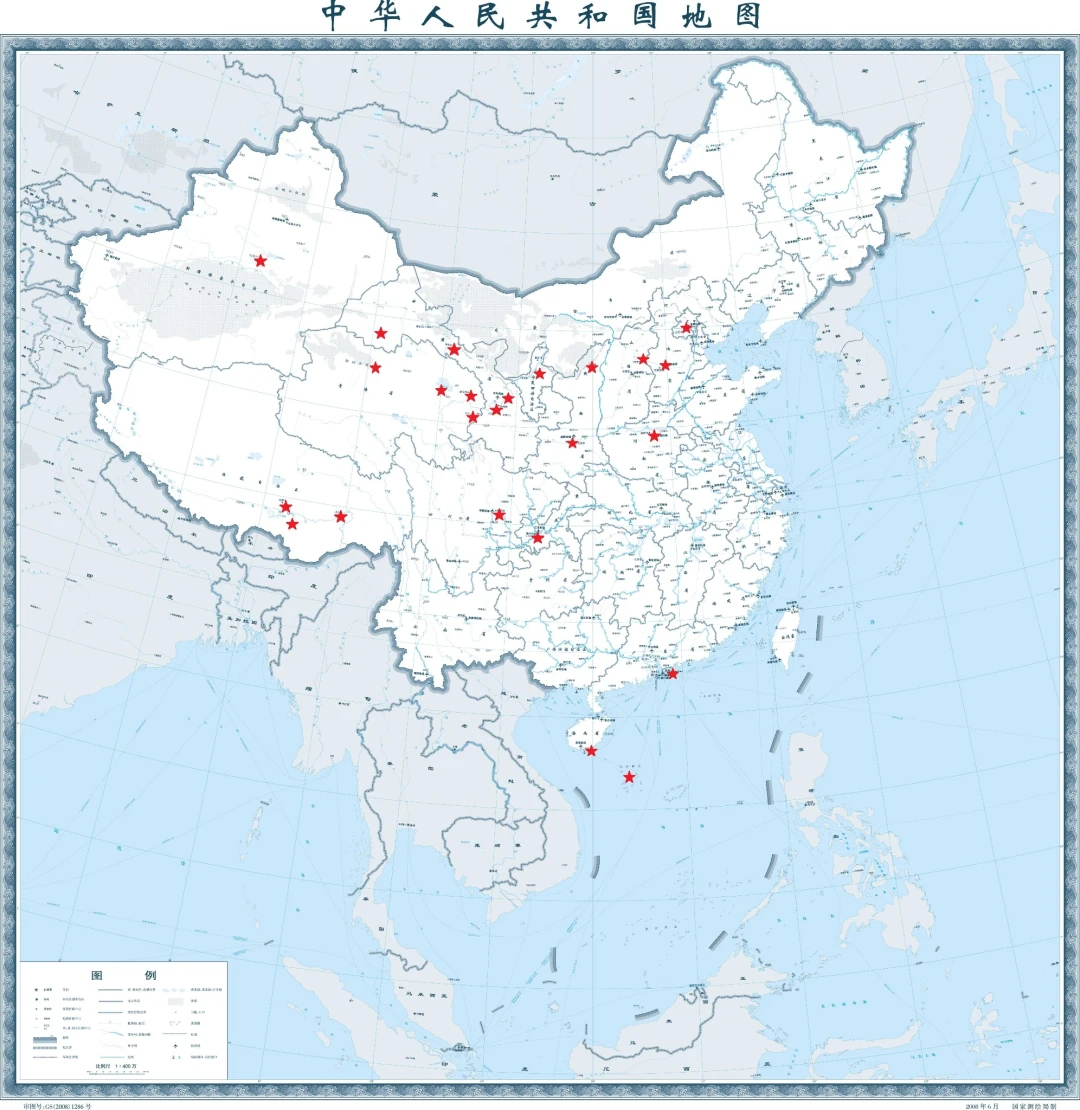
In 2018, I spent 300 days on the road, with a per-person cost of just 22,018 yuan, traversing China from north to south, west to east. While Gao Xiaosong took audiences on a virtual tour of Europe through his show "Xiaoshuo," I used my own two feet to measure the gentle and vast embrace of my homeland. From the snowy plateaus of Tibet to the blue waves of the South China Sea, from the northwestern deserts to the neon lights of Hong Kong, I journeyed through pain and joy, growing through spring, summer, autumn, and winter. This is not a simple travel log—it’s the story of an ordinary person searching for themselves and feeling the pulse of life across China’s vast landscape.
Whether you’re a budget backpacker, a culture enthusiast, or a nature lover, this 2018 China travel diary offers actionable insights, seasonal itineraries, and practical tips for your own journey. [Link: How to Plan a Budget China Trip]
Spring Festival in Tibet: Winter Sunshine on the Snowy Plateau

Why Visit Tibet in Winter?
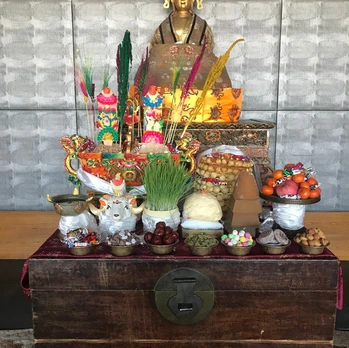
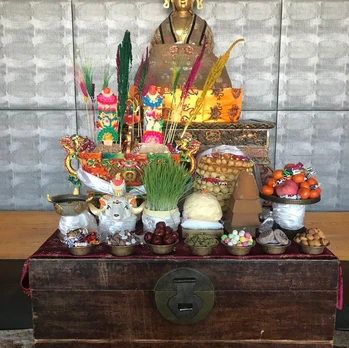
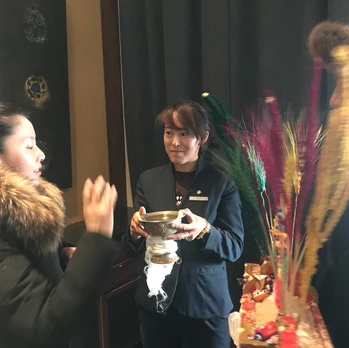
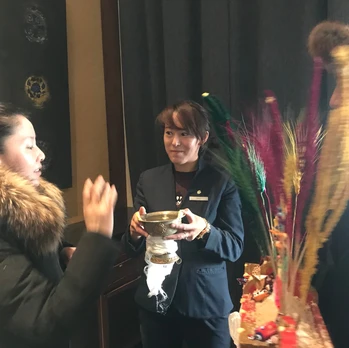
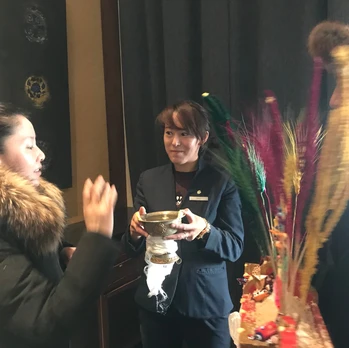
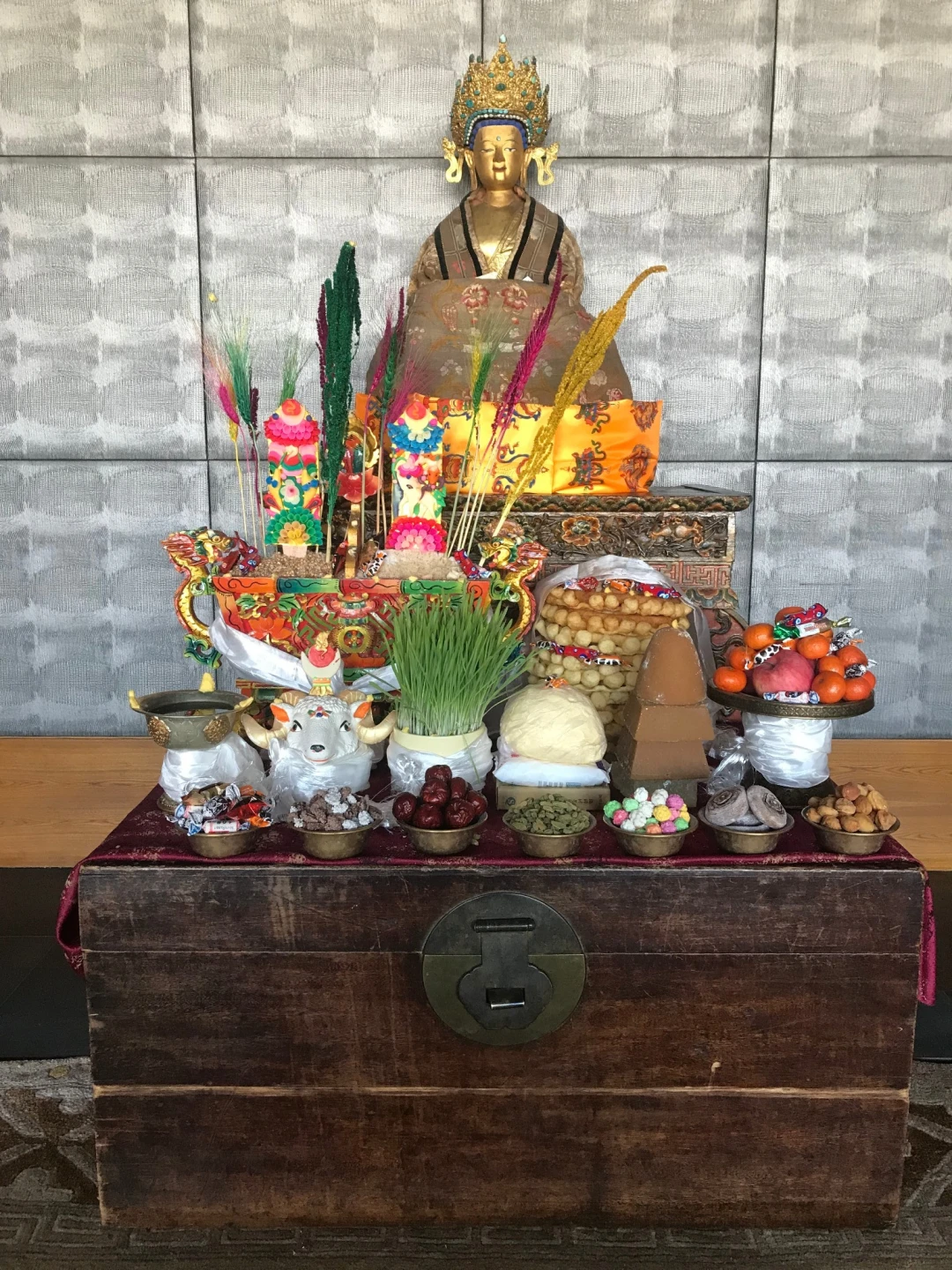
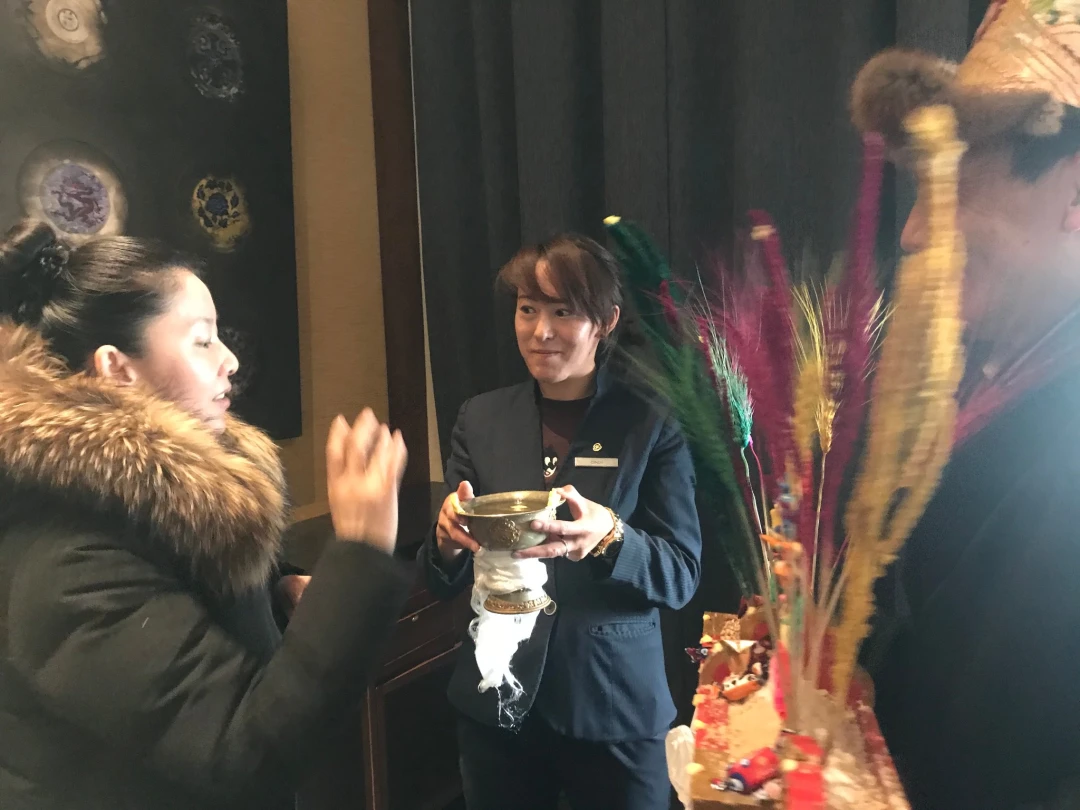
In the winter of 2017, we planned a "Winter Tour of Tibet." The Tibetan Year of the Earth Dog and the Chinese lunar year of Wuxu Dog miraculously coincided. That morning, Tibetan compatriots picked five grains from the "chemar" box and scattered blessings over our heads—this was the best gift for the New Year.
Top Attractions in Lhasa During Winter
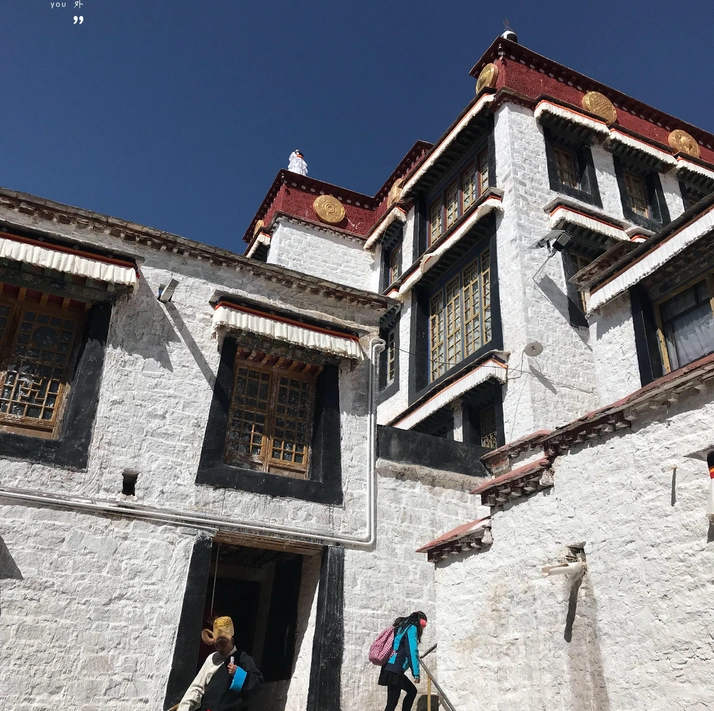
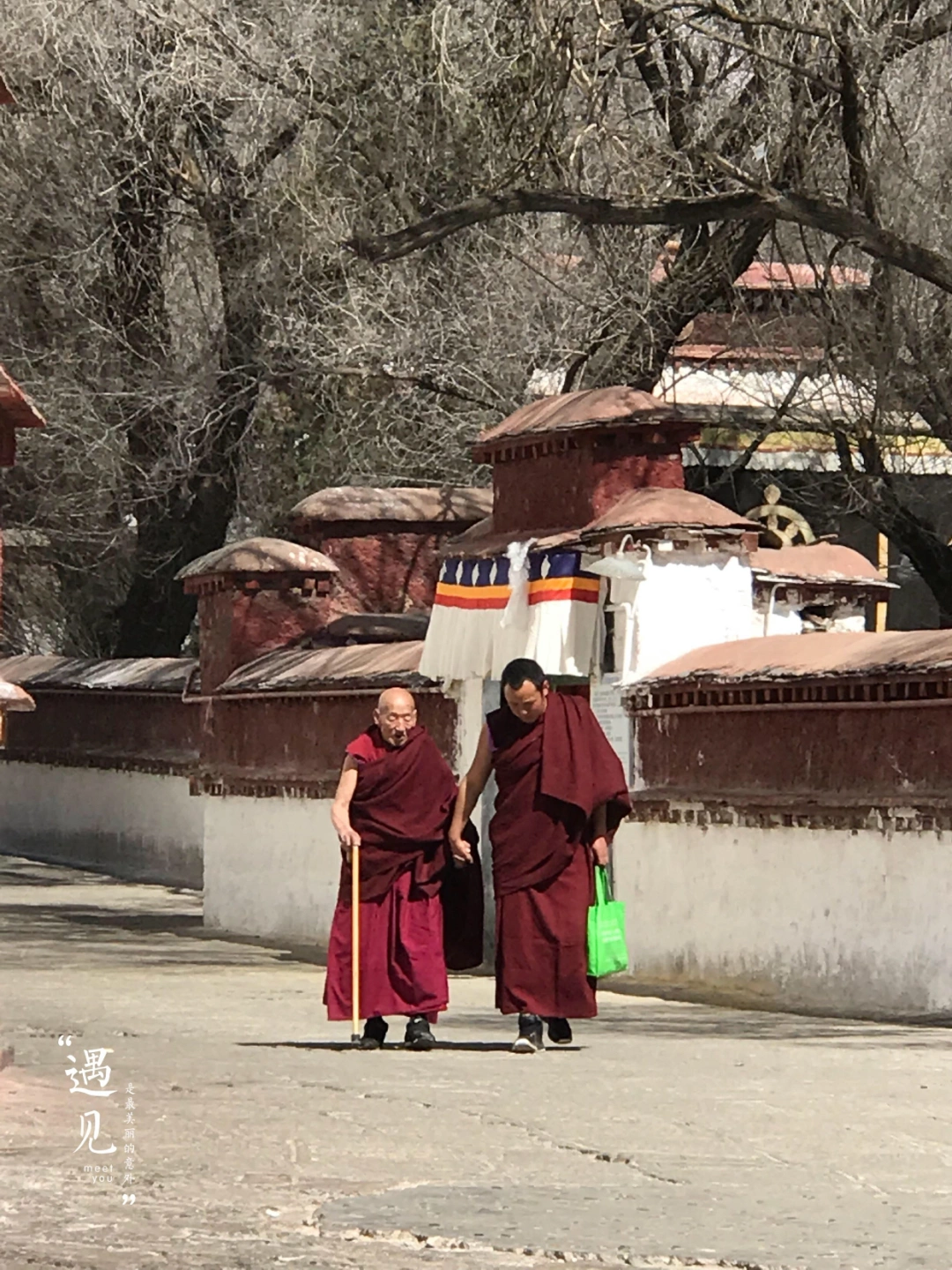
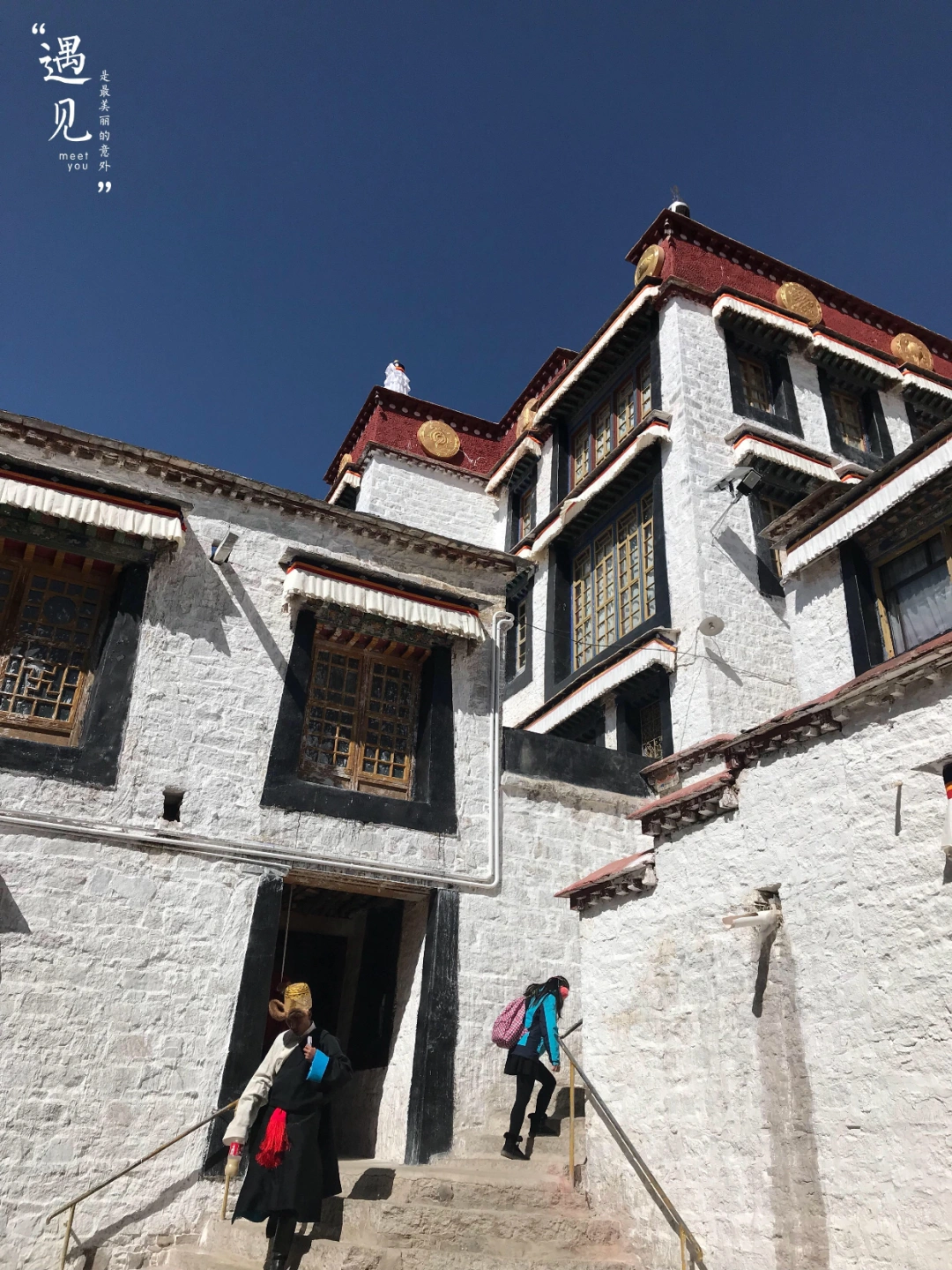
In Lhasa, we worshipped together with locals at Sera Monastery, Drepung Monastery, Jokhang Temple, and Ramoche Temple. The Barkhor Street was nearly empty of tourists, allowing us to wander through the quiet old town and bask in the warm winter sunshine of the snowy plateau. Yamdrok Lake, Basum Lake, and Siking La Lake—these pure sacred lakes repeatedly cleansed our souls.
Crossing the Mila Pass: A Test of Endurance
The most unforgettable moments were crossing the Mila Pass twice—once in a snowstorm, once under a clear sky. When Mount Namcha Barwa unveiled its mysterious veil in the winter sun, that intoxicating face filled our hearts with boundless joy, flowing like the Yarlung Tsangpo River. In Shannan, the Yarlung Tsangpo River showed its gentle side, while Tibet’s first palace and first farmland told the cultural story of the origin of the Tibetan people. Samye Monastery, this beautiful mandala in the real world, gave me my first understanding of the strict order of the Tibetan Buddhist worldview.
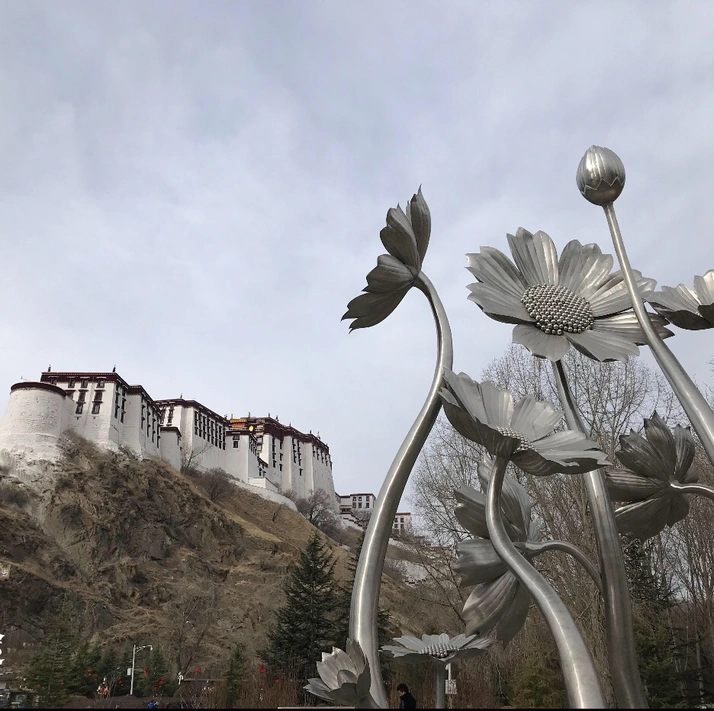
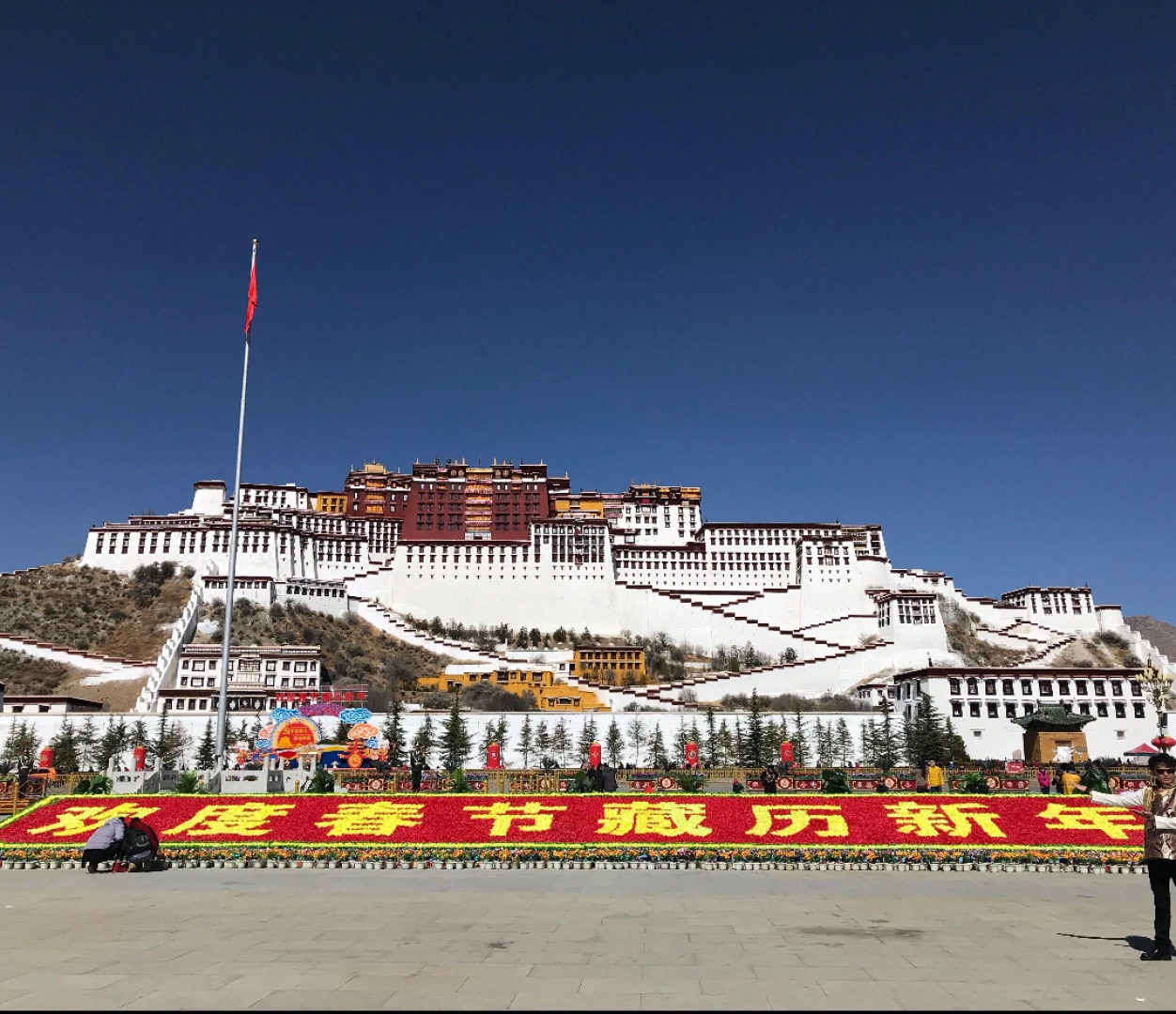
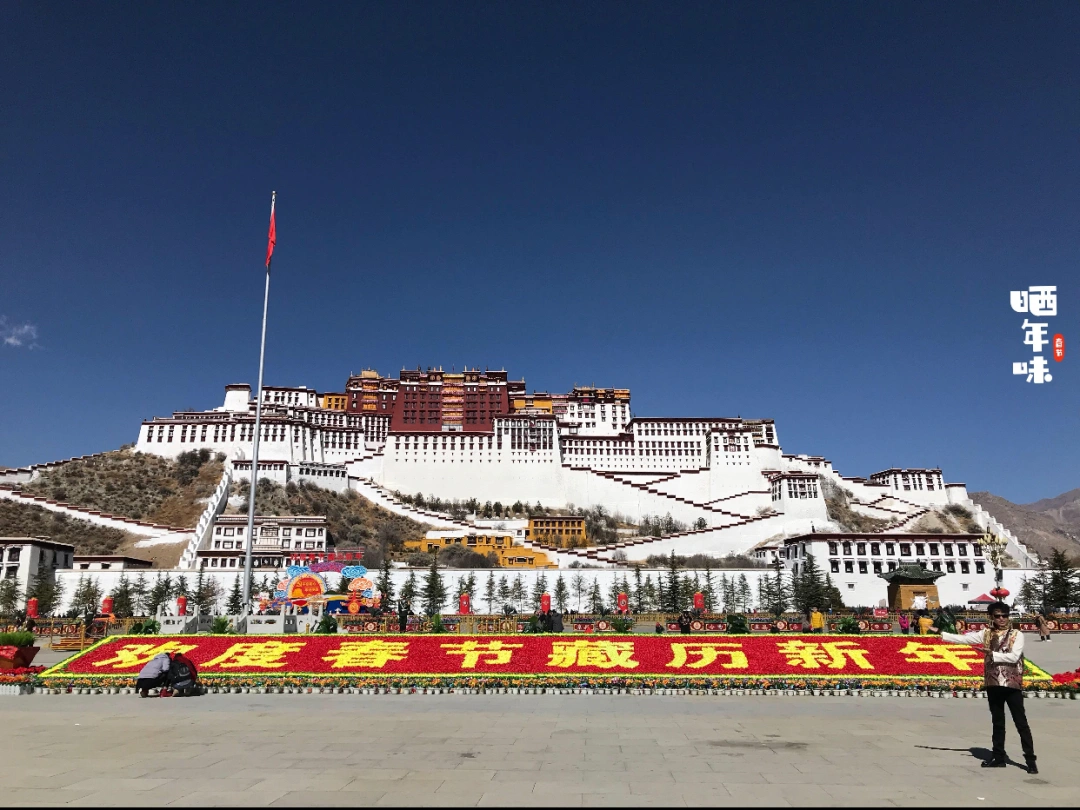
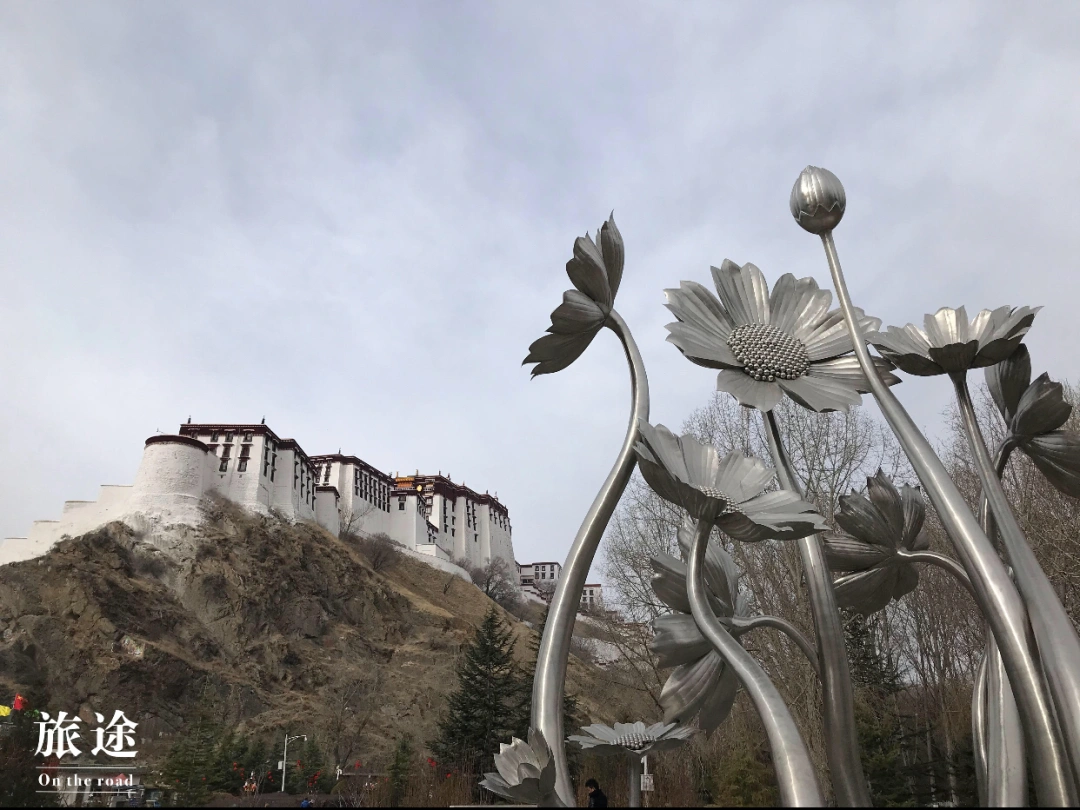
Back in Lhasa, after many twists and turns, we finally climbed the Potala Palace. Our journey in Tibet ended under the night sky of Gonggar Airport—at that moment, the stars were dazzling, as if the entire universe was seeing us off.
Practical Tips: In winter, Tibet has few tourists, and accommodation and transportation costs are lower. Be mindful of altitude sickness—take Rhodiola rosea a week in advance and avoid strenuous exercise after arrival. [Link: Altitude Sickness Prevention Guide]
Lantern Festival in Chongqing: A Thousand Trees of Blossoms
Chongqing’s Spring Festival Atmosphere
Leaving Tibet, we headed straight for the mountain city of Chongqing. Although it was still the first month of the lunar calendar, the city was already bursting with blooming flowers, giving a strong sense of spring. Having just gotten used to the quiet of the holy land, we were instantly surrounded by the fiery and lively festival crowds—the internet-famous city certainly lived up to its reputation.
Must-See Spots in Chongqing
The Huguang Guild Hall told the story of the rise and fall of this immigrant city. The Liberation Monument stood tall under the blue sky, making us almost forget the legend of "this is Fog City." The dazzling lights at night were the "comparable to Victoria Harbour" night view of the mountain city. The foreign faces in the ancient town were the "welcoming guests from all over" spirit of the riverside city. The biggest surprise was "Eling No. 2 Factory," an abandoned printing factory transformed through artistic renovation, bursting with new vitality.
Saying goodbye to Chongqing, the high-speed train took us home in just seven hours—once, this journey required over 24 hours. China’s speed is truly astonishing. [Link: Chongqing Travel Guide]
April in Luquan and Huangnan: A Multi-Layered Spring
Exploring Tumen Pass Post Town
After returning home, a friend recommended "Tumen Pass Post Town" at the foot of the Western Hills. This brand new "ancient town" is actually a experimental field for promoting traditional culture and exploring historical value—a shopping center disguised as an ancient town. Though commercialized, it’s a decent weekend getaway.
Huangnan: 900-Year-Old Fortress and Spring Warmth
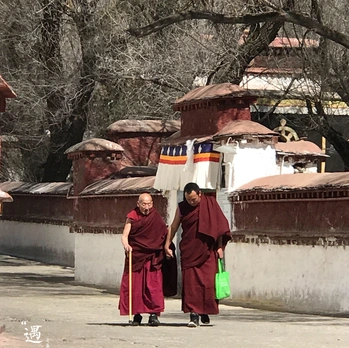
Around the Grain Rain solar term, invited by a Qinghai friend, I rushed to Huangnan. By the clear, jade-like mother river, we walked into the mountain village of Nian Duhu to bring spring warmth to the elderly in need. The 900-year-old Guomari Ancient Fortress was like a maze, showcasing the survival wisdom of Tibetan ancestors. On the way back through Xining, we happened upon a Muslim evening prayer. The imam’s chanting echoed through the Islamic-style architecture, carrying a profound sense of connecting heaven and humanity. [Link: Qinghai Travel Itinerary]
April in Chengdu: Strolling Through Spring
Chengdu’s Blend of Old and New
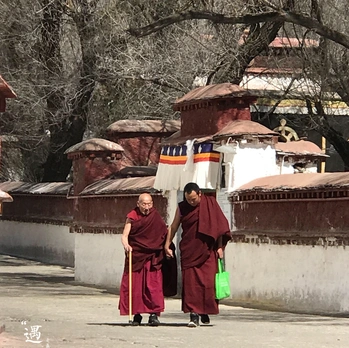
Leaving Qinghai, we detoured to Chengdu. Daci Temple and Taikoo Li represent Chengdu’s old stories and new trends; Sanxingdui and Jinsha are key evidence of the Yangtze River civilization—or proof that aliens visited Earth? In Wuhou Shrine, we wandered through the tales of the Three Kingdoms. Qingyang Palace holds the profound Taoist worldview. Kuanzhai Alley is the "Shaocheng Memory" of the Land of Abundance.
Panda Base and Cultural Highlights
The Giant Panda Breeding Base is a must-visit for all ages. At the Sichuan Museum, Zhang Daqian’s "Dunhuang Stories" were breathtaking. The Shu Brocade Institute’s looms represent the interweaving of craftsmanship and art. The ear-cleaners at Heming Teahouse support their families with their skills. "Eastern Suburb Memory" carries the glory of Chengdu’s modern industrial history and new artistic explorations. Late at night, by Anshun Bridge, Zhao Lei’s "Chengdu" played on repeat. [Link: Chengdu 3-Day Itinerary]
May in Lanzhou and Mount Wutai: One Day and One World
Lanzhou: The Yellow River Soul
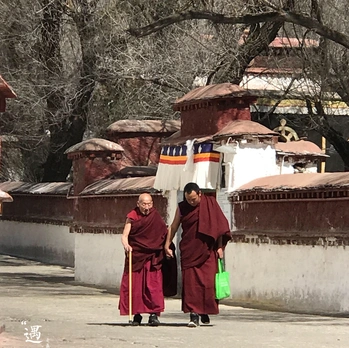
May is good for long journeys. I finally stayed a day in Lanzhou—I had passed through many times before but never explored it. Seeing the charming and elegant "Galloping Horse Treading on a Flying Swallow" with my own eyes, standing on Zhongshan Iron Bridge watching the Yellow River flow eastward, I finally understood the soul of this city.
Mount Wutai: The Cool Buddhist Kingdom
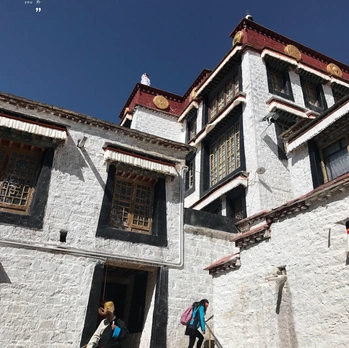
After Lesser Fullness, the weather turned unusually hot. I chose a weekend to escape to the cool world of Mount Wutai. On the Roof of Northern China, I walked through the mist-shrouded Buddhist kingdom of the Five Terraces. In Taihuai Town, I worshipped at Shuxiang Temple, Tayuan Temple, Dailuo Peak, and Pusading. At the bodhimanda of Manjushri Bodhisattva, I enjoyed the scenery, the coolness, and the peace of a calm mind. [Link: Mount Wutai Travel Tips]
June in Hainan and the Xisha Islands: Fulfilling a Dream in the South China Sea
Sanya: Summer Escape
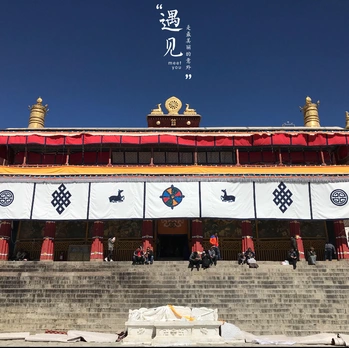
After Grain in Ear, I flew to China’s largest island—Hainan. It was my first time in Sanya, and surprisingly, summer in Sanya was cooler than in the north. According to beautiful legends, Guanyin Bodhisattva blesses Hainan with favorable weather. Dadonghai is an "enclave" for northeastern Chinese and Russians. The lively First Market is the most vibrant slice of Sanya life.
Xisha Islands: The Dream Realized
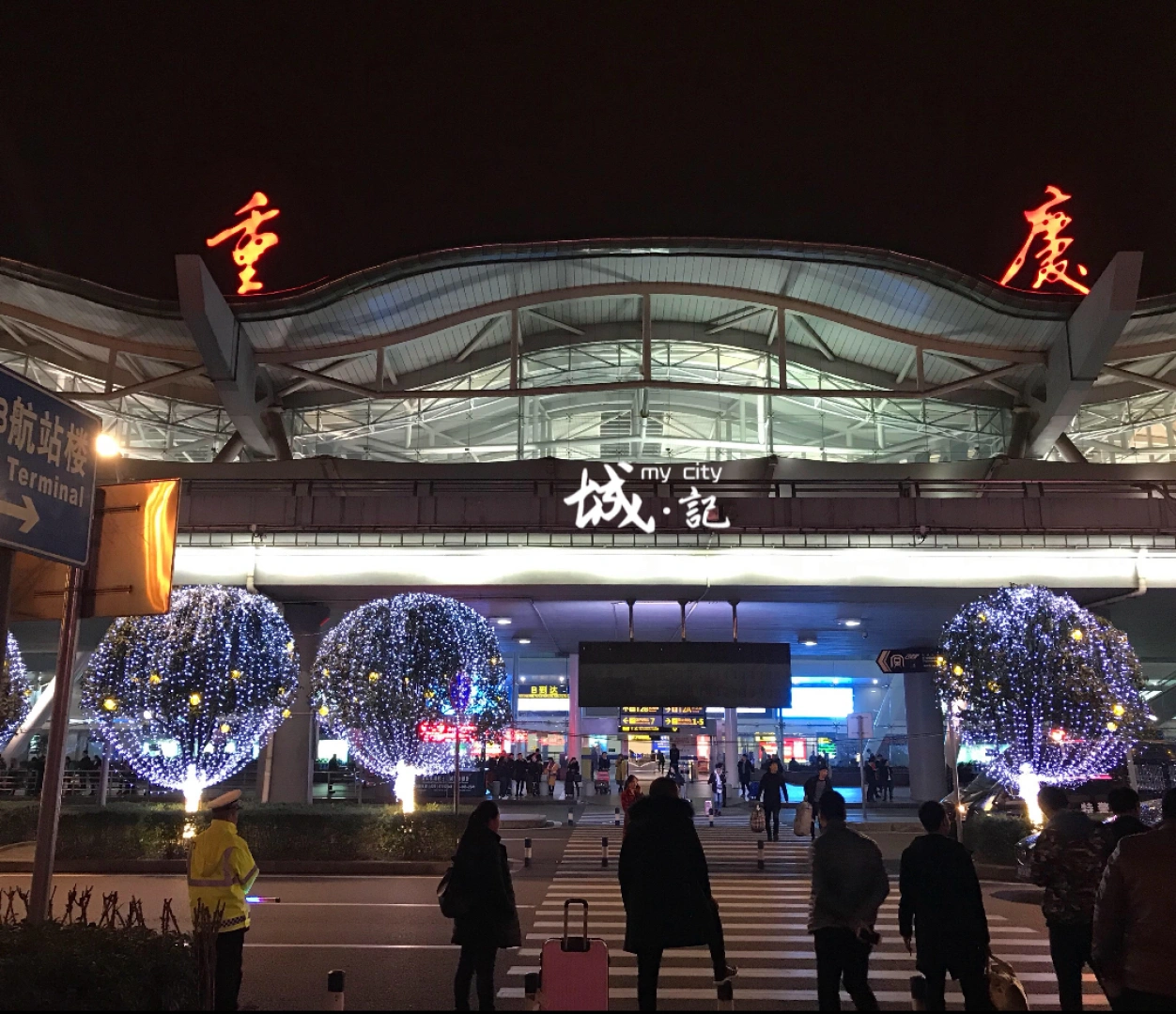
Just before dusk, I climbed Luhuitou to gaze at the myriad lights of this vibrant city. And most importantly—I finally slept in the embrace of the deep blue national territory, fulfilling my dream of visiting the Xisha Islands. This dream had been long-held and once seemed extremely difficult to achieve. When it came true, my pride was beyond words. Returning from the Xishas to Sanya, I lazily "indulged" for three days at Haitang Bay before reluctantly heading home.
Practical Tips: To visit the Xisha Islands, you need to sign up for a tour group in advance, usually departing from Sanya with a voyage of about 12 hours. Book early and prepare for seasickness. [Link: Xisha Islands Travel Guide]
July: Qinghai-Gansu Grand Loop – One More Time
The Ultimate Road Trip
Summer break arrived, and at a friend’s invitation, I acted as a "walking travel guide," leading two cars and nine people back to Qinghai Lake, Qaidam, and Dunhuang.
The Yellow River Stone Forest Grand Canyon in Baiyin, Gansu, is a great spot for photography and hiking. The Qinghai Lake loop offers stunning views of blue water against golden rapeseed fields. In Dunhuang, the Mogao Caves and Crescent Moon Spring are unmissable. [Link: Qinghai-Gansu Grand Loop Itinerary]
FAQ: Your China Travel Questions Answered
1. What is the best time to visit Tibet?
Winter (November to February) offers fewer tourists and lower costs, but be prepared for cold temperatures and potential altitude sickness. Spring and autumn are ideal for mild weather.
2. How much does a 300-day China trip cost?
 Based on my 2018 trip, the per-person cost was 22,018 yuan, averaging about 73 yuan per day. This includes accommodation, food, transportation, and entrance fees.
3. Can I visit the Xisha Islands without a tour group?
 No. The Xisha Islands are restricted and require joining an authorized tour group departing from Sanya. Book at least 2-3 months in advance.
4. What should I pack for a multi-season China trip?
 Layers are essential. Bring a warm jacket for Tibet, light clothing for Hainan, and comfortable walking shoes. Don’t forget sunscreen, a reusable water bottle, and altitude sickness medication.
5. Is it safe to travel alone in China?
Yes, China is generally very safe for solo travelers. However, always stay aware of your surroundings, especially in remote areas like Tibet and Qinghai.
Conclusion: Your Journey Awaits
My 2018 was a year of 300 days measuring the motherland, walking through pain and joy across all seasons. From the snowy plateaus of Tibet to the blue waves of the South China Sea, from the northwestern deserts to the neon lights of Hong Kong, I discovered that travel is not just about seeing new places—it’s about finding yourself in the vastness of the world.
Ready to start your own China adventure?
- [ ] Plan your budget using my 22,018 yuan template
- [ ] Book your Tibet winter tour now
- [ ] Reserve your spot for the Xisha Islands
Share your travel story with us in the comments below! What’s the one place in China you’ve always dreamed of visiting? Let’s inspire each other to explore more.
This article was originally published on Mafengwo and optimized for SEO by a content strategist. All factual data is preserved from the original source.
You should also read:
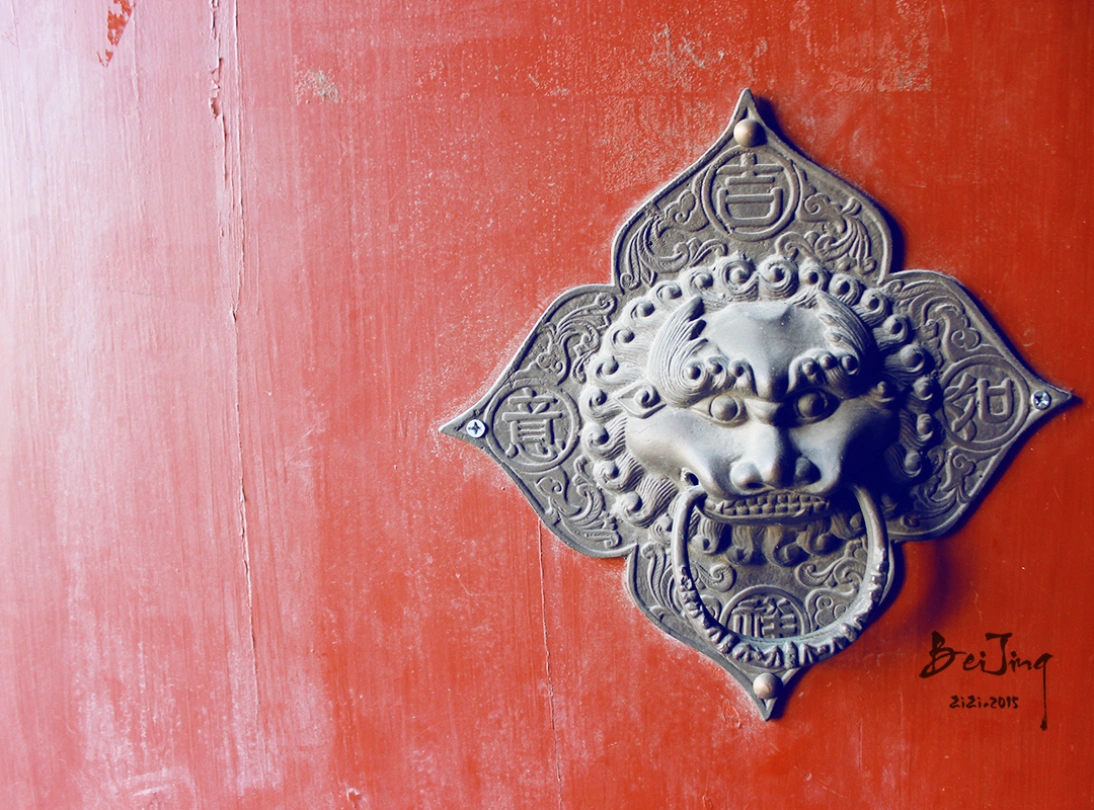
Lost in Beijing for Seven Days: A Solo National Day Journey Through the Capital
Meta Description: Discover how to survive—and thrive—during China's Golden Week in our SEO-optimized Beijing travel guide. From hidden hutongs to imperial palaces, this 7-day solo itinerary reveals crowd-avoidance secrets, budget tips, and must-visit attractions. Some say traveling during National Day is asking for trouble. But…
Continue reading...
Four Days, Three Nights in Beijing: A Super Practical Self-Guided Travel Guide (Including Food, Stay, and Transport Tips)
Here is the SEO-optimized, rewritten version of your article, structured for maximum search visibility and reader engagement. SEO Title: 4 Days 3 Nights in Beijing: The Ultimate Self-Guided Travel Guide (Food, Stay & Transport) Meta Description (160 chars): Plan the perfect 4-day Beijing itinerary. From…
Continue reading...
Savoring the Flavors of Di'anmen: A Culinary Journey Through Beijing's Heart
Meta Description: Discover the authentic tastes of old Beijing in Di'anmen. From douzhi to stir-fried liver, explore hidden hutong food stalls, legendary snack shops, and the vibrant street food culture surrounding Shichahai Lake. The story of Beijing has never been solely about crimson walls, golden…
Continue reading...