Northern Xinjiang: The Enchanted Back Garden — A 15-Day Self-Drive Autumn Journey
Here is the SEO-optimized article based on your source material. It has been restructured for search visibility, readability, and user engagement, while strictly preserving the original facts and authentic voice.
Title: Northern Xinjiang Self-Drive Itinerary: The Ultimate 15-Day Autumn Road Trip Guide (2025 Update)
Meta Description: Discover the magic of a Northern Xinjiang self-drive autumn journey. This 15-day itinerary covers safety tips, costs, and hidden gems. Plan your ultimate Kanas road trip today.
Northern Xinjiang Self-Drive Itinerary: The Ultimate 15-Day Autumn Road Trip Guide
There is a saying among Chinese travelers: "If autumn has ten parts of beauty, nine belong to Xinjiang." After spending 15 days driving the golden loop of Northern Xinjiang, I can confirm this is not an exaggeration. From the fiery red cliffs of the Anjihai Grand Canyon to the fairy-tale villages of Kanas and Hemu, this is a journey that demands to be written down.
This Northern Xinjiang self-drive itinerary is designed for travelers who want the freedom of the open road without sacrificing safety or comfort. Whether you are planning a Kanas road trip or simply looking for the best autumn foliage in China, this guide covers everything you need to know.
Is Northern Xinjiang Safe for Self-Drive Travel?
Yes—it is arguably safer than most tourist destinations in China.

During our 16 days in Xinjiang, we underwent security checks at every gas station, hotel, and roadside shop. Police kiosks are stationed every 500 meters along major highways. Gas stations are fully enclosed: passengers must exit the vehicle while the driver swipes an ID card and undergoes a trunk inspection before entering. Even highway restroom stops require bag checks and registration.
Key safety tip: Carry your ID card and driver’s license at all times. You will be asked for them constantly.
Rent a Car vs. Hire a Driver: Which is Better for a Northern Xinjiang Road Trip?

| Option | Daily Cost (2023 Reference) | Notes |
|---|---|---|
| Net Hire (Driver only) | 600–700 yuan | You pay gas, tolls, driver meals & lodging |
| Semi-Hire | 900 yuan | You pay driver meals & lodging only |
| Full Hire | 1,100 yuan | All-inclusive |
| Self-Drive (Rental Car) | Variable (see below) | Maximum flexibility |

Our recommendation: Rent a car and drive yourself.
My husband and I met a couple from Guangzhou through a Northern Xinjiang self-drive group. We rented a Volkswagen Lavida from eHi Car Rental at Diwopu Airport. A sedan is perfectly sufficient for this route, but book early—we paid 4,499 yuan because we booked late (including three idle days in Burqin and Kanas). Early booking could have saved at least 50%.
The Ultimate 15-Day Northern Xinjiang Self-Drive Itinerary

Route Overview: West In, East Out
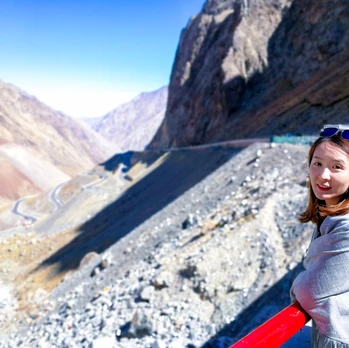
We chose a west-to-east loop. The western route (Duku Highway → Kanas) is the highlight, so we placed it first. If anything went wrong, we could skip the eastern route without regret.
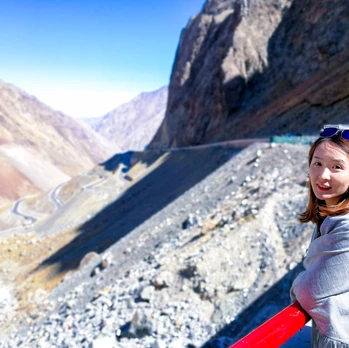
Day 1: Urumqi → Anjihai Grand Canyon → Dushanzi
Day 2: Duku Highway (full day)
Day 3: Dushanzi → Burqin
Day 4: Burqin → Kanas
Day 5: Kanas (full day)
Day 6: Kanas → Hemu
Day 7: Hemu (full day)
Day 8: Hemu → Burqin
Day 9: Burqin → Koktokay
Day 10: Koktokay → Urumqi
Day 11–15: Flexible return or extension
Pro tip: Follow the "Safe Dushanzi" WeChat public account for real-time Duku Highway road closures. We drove the Duku on Day 2—less than a week later, the Dushanzi section was closed due to snow.
Essential Packing List for a Northern Xinjiang Autumn Trip
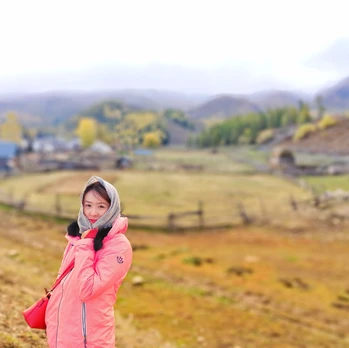
1. Sun Protection (Non-Negotiable)
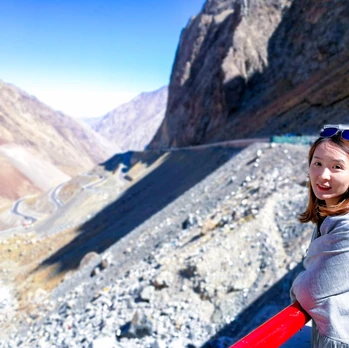
- Sunglasses: Essential for long drives to block glare.
- Sunscreen & Hat: UV is intense. Without protection, men can develop "high-altitude redness" on hands and arms within two days.
- Car Sunshade: Rear-seat passengers are exposed to sunlight all day. A foldable sunshade makes the ride much more comfortable.
2. Accommodation Hacks
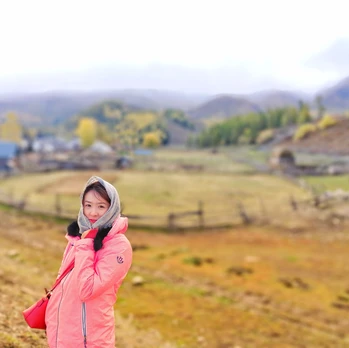
- Collapsible Basin (15L): A game-changer. Water heaters in log cabins and felt yurts can't handle two showers. Use the basin for washing face and soaking feet. Rolls up flat for storage.
- Travel Bed Sheet: A "pocket" that isolates you from public bedding. I bought a large double-sized cotton one—heavy but effective. Disposable non-woven sheets are a lighter alternative.
- Heat Packs: We entered Kanas during a cold snap with rain and snow. Log cabin heating stops in the middle of the night. Bring heat packs. I listened to my husband who said "we don't need them"—I regretted it.
3. Technology & Connectivity
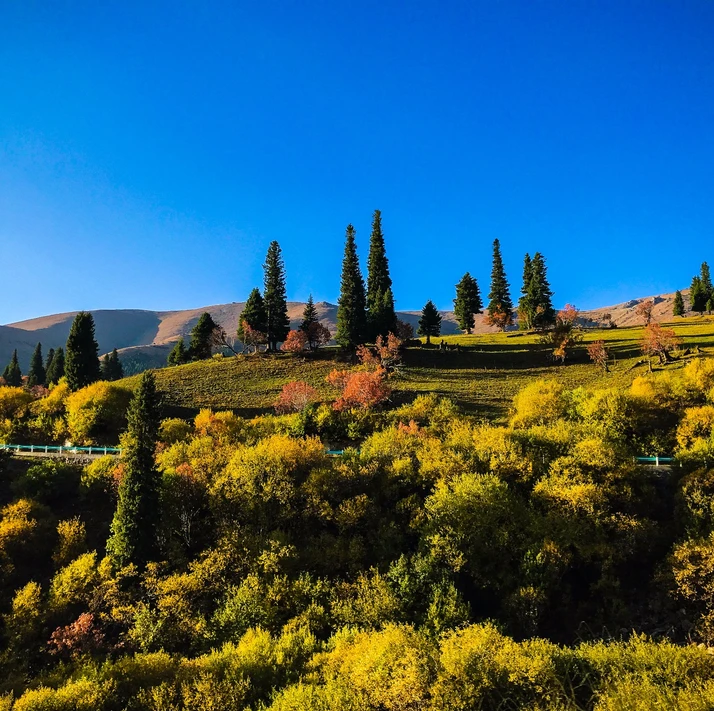
- Offline Maps: Xinjiang banned 4G signals in 2017. Most areas have only 2G or no signal. Download offline maps in advance.
- China Unicom SIM: More stable signal than China Mobile. Use a Unicom hotspot.
- Cash: Mobile payments are rare. ATMs exist but withdraw cash whenever you see one.
4. Miscellaneous Must-Haves
- Rain Gear: September has little rain, but we encountered both rain and snow. Disposable raincoats are easy to carry.
- Earplugs: Log cabins have almost no soundproofing. You can hear neighbors talking and snoring clearly.
- Medium-to-Large Backpack: When entering the Kanas scenic area, you need to take shuttle buses and transfer. Suitcases are inconvenient. Pack a small bag for 2–3 days of essentials.
Kanas: Beautiful, But Not the Only Star
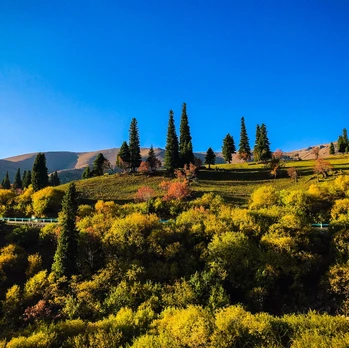
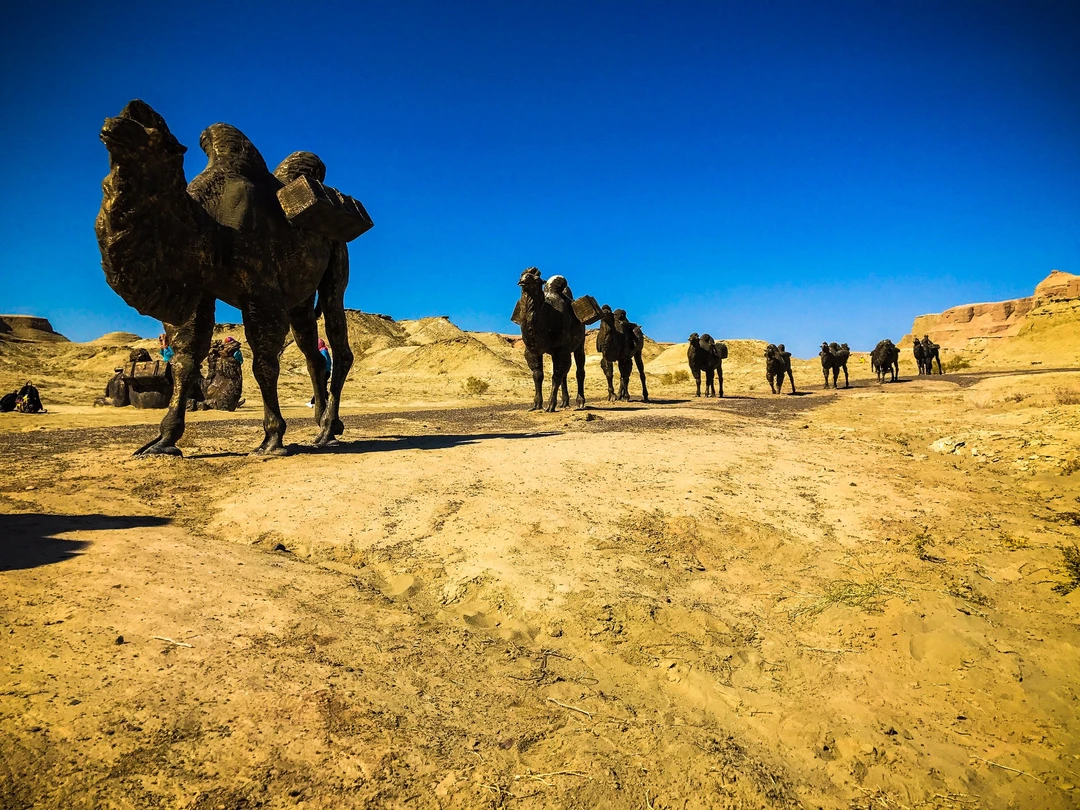
Many travelers plan their entire Northern Xinjiang road trip around Kanas. While Kanas is stunning, it is also heavily commercialized. The views we saw along our 2,000-kilometer journey were just as impressive—in fact, after a road trip full of breathtaking sights, Kanas was simply "okay."
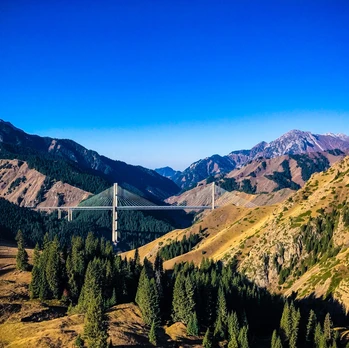
Don't skip the Duku Highway. The scenery along this route rivals anything in Kanas, and driving it yourself gives you the freedom to stop wherever you want.
Frequently Asked Questions (FAQ)
1. When is the best time for a Northern Xinjiang autumn trip?
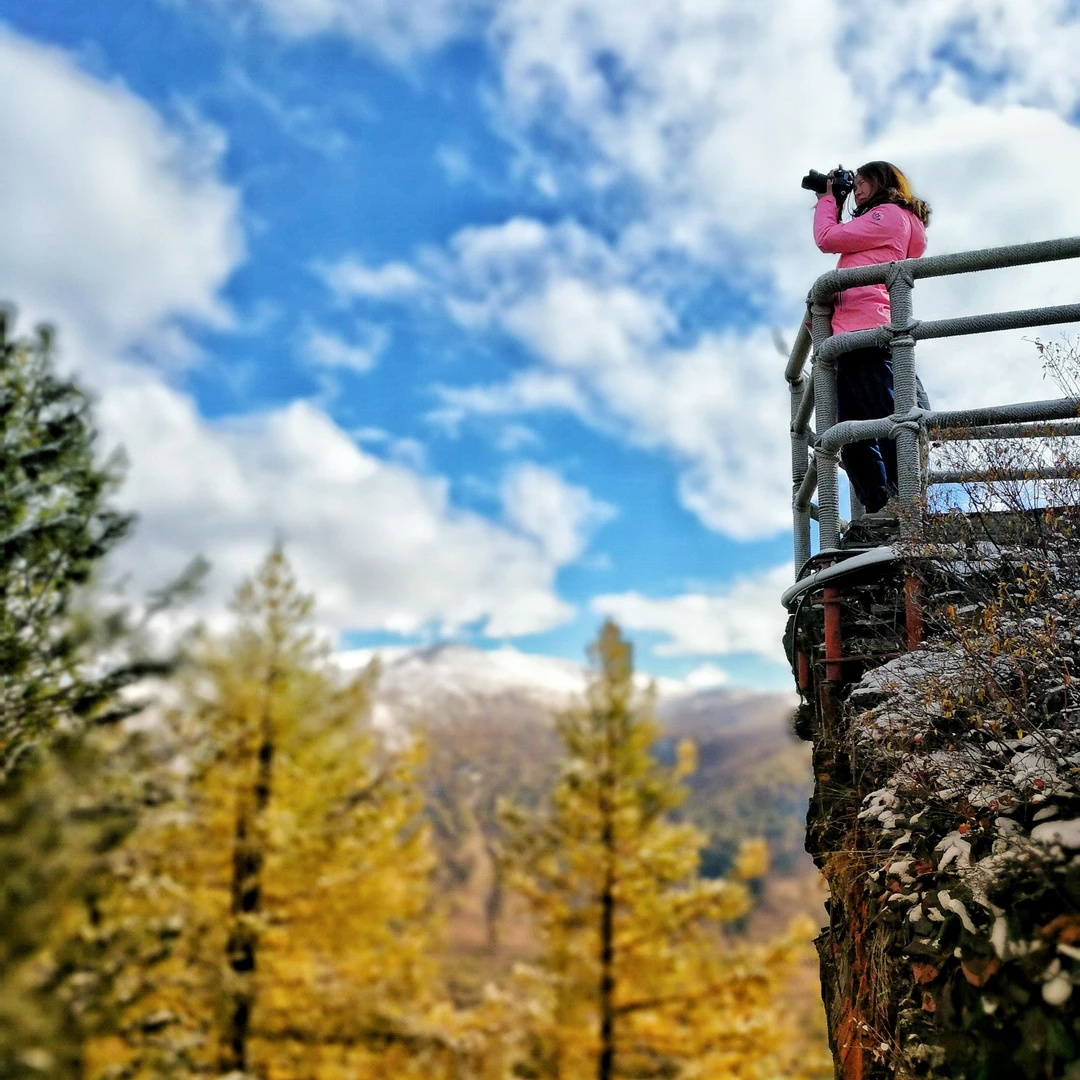 Late September to early October is peak autumn foliage season. However, weather is unpredictable—cold snaps can arrive 20 days earlier than usual. National Day travelers should have a backup plan (e.g., rerouting to Southern Xinjiang).
2. Do I need a 4WD vehicle?
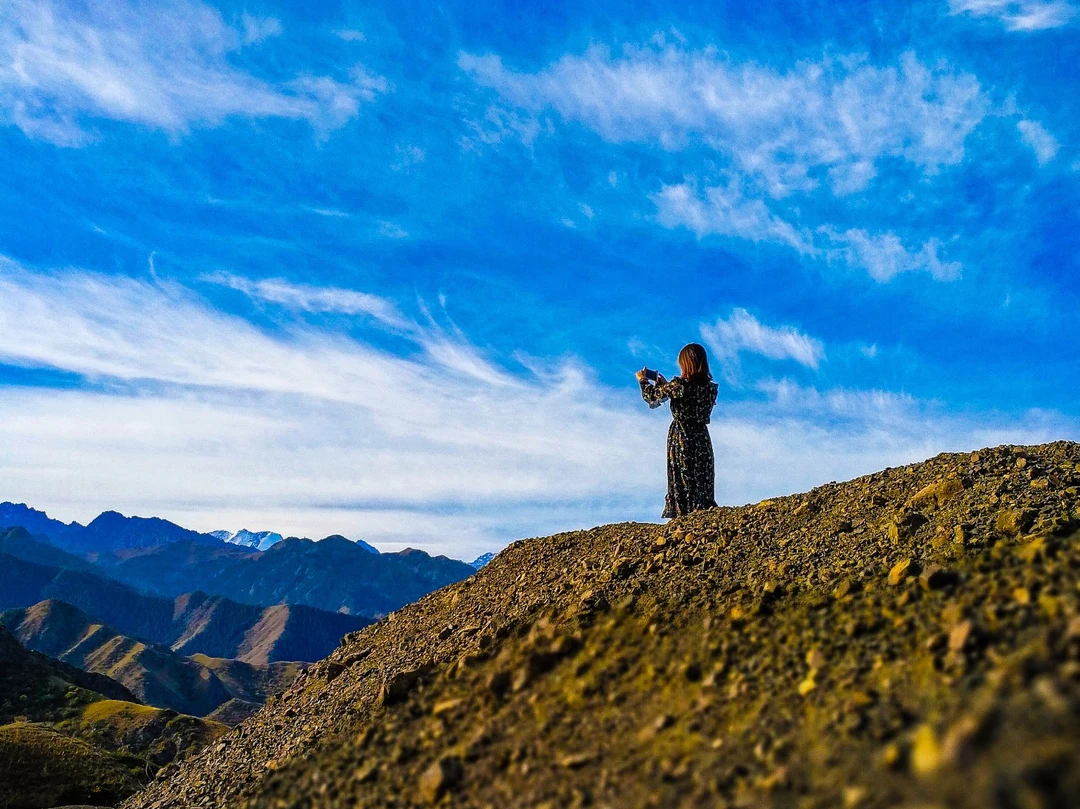 No. A standard sedan (like a Volkswagen Lavida) is sufficient for the main loop. Roads are well-maintained, though winding mountain roads require caution. Speed limits are strict—driving 400–500 km often takes 8–9 hours.
3. Can I use mobile payment in Northern Xinjiang?
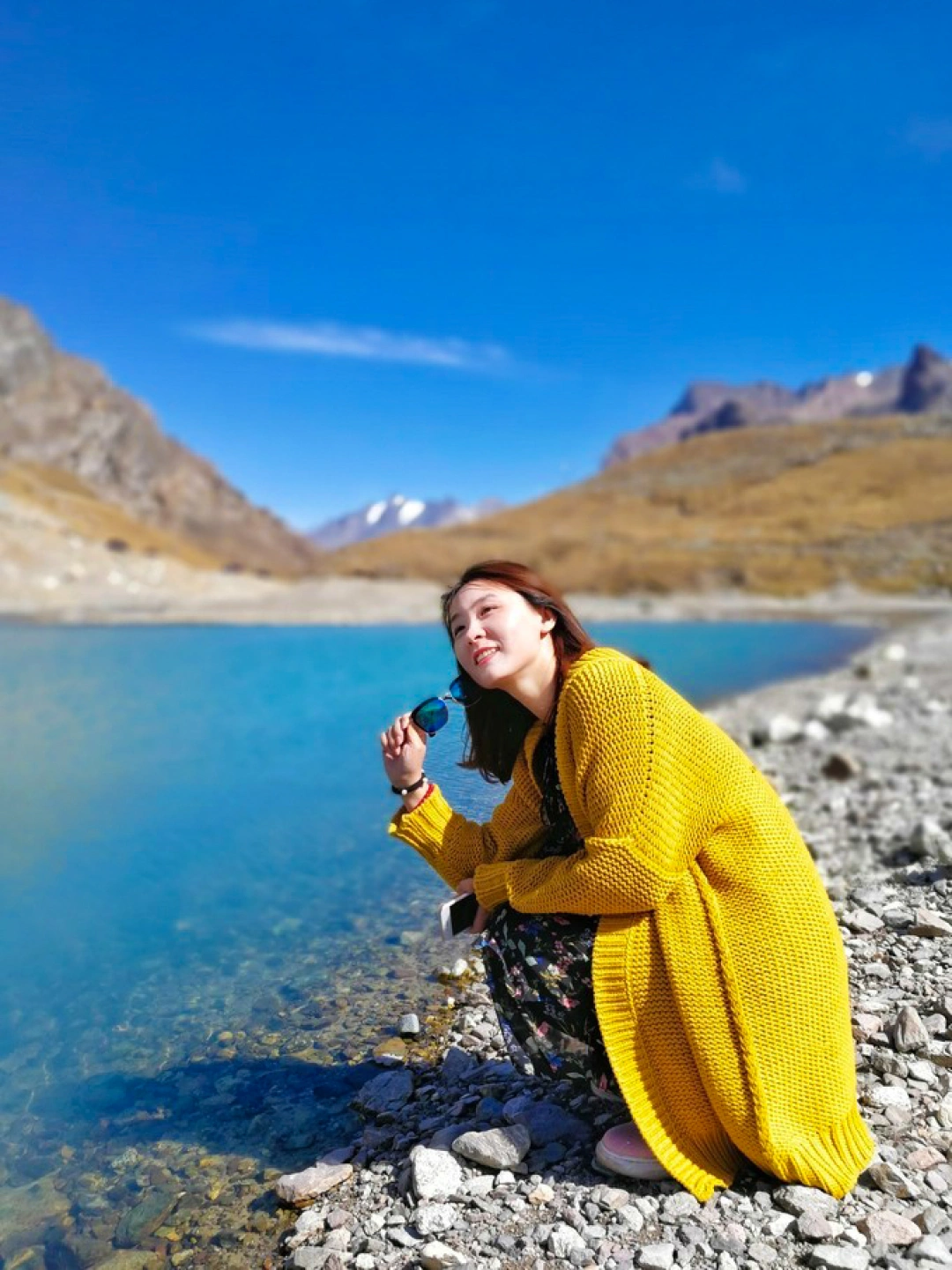 Rarely. Bring plenty of cash and withdraw money whenever you see an ATM. We never encountered card payments anywhere.
4. What should I pack for log cabins?
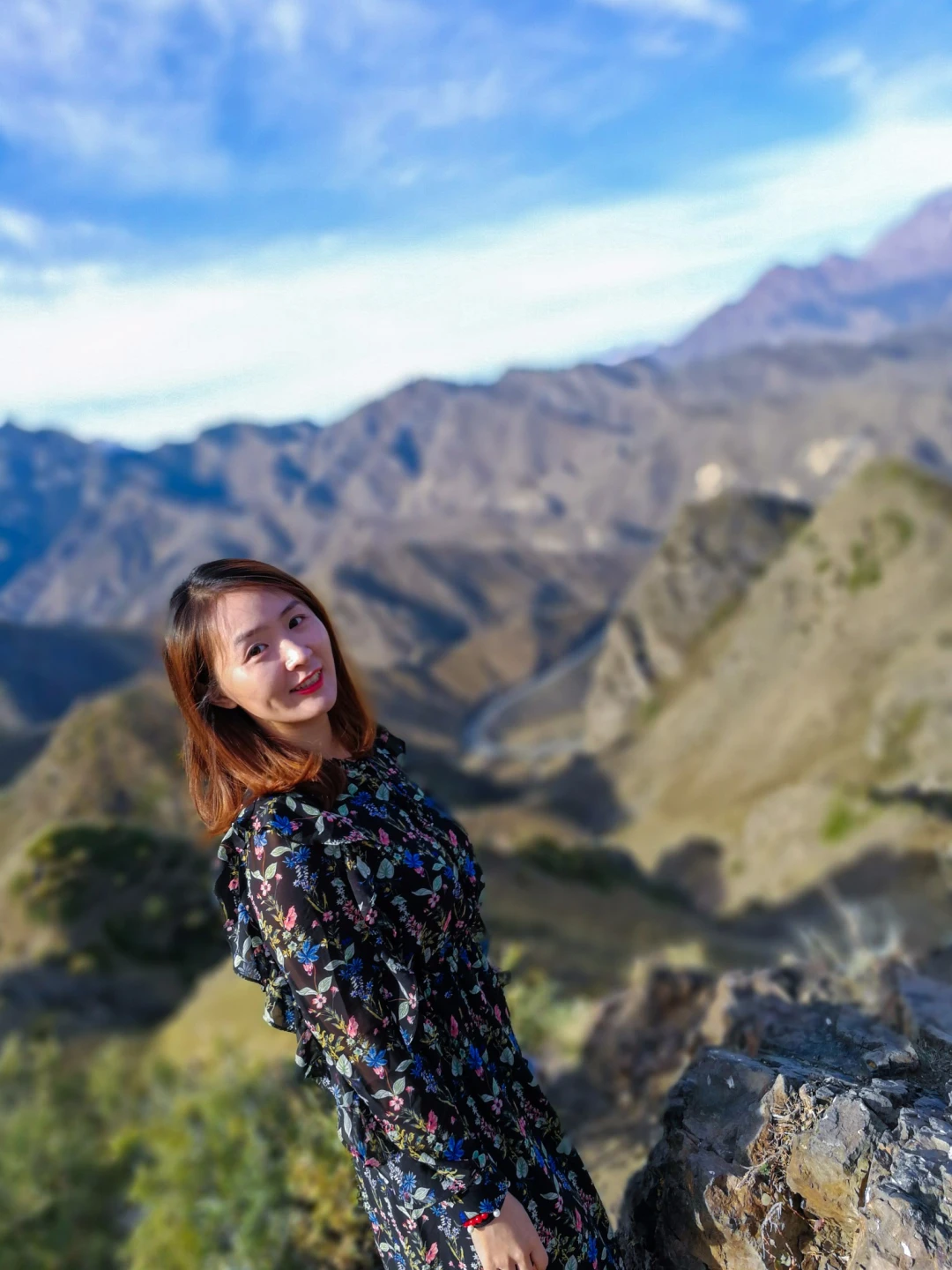 Log cabins in Kanas and Hemu do not provide hairdryers, disposable toiletries, towels, slippers, shampoo, or body wash. Only the owner has a hairdryer—grab it first. Bring earplugs for noise.
5. Is it safe to travel as a female solo traveler?
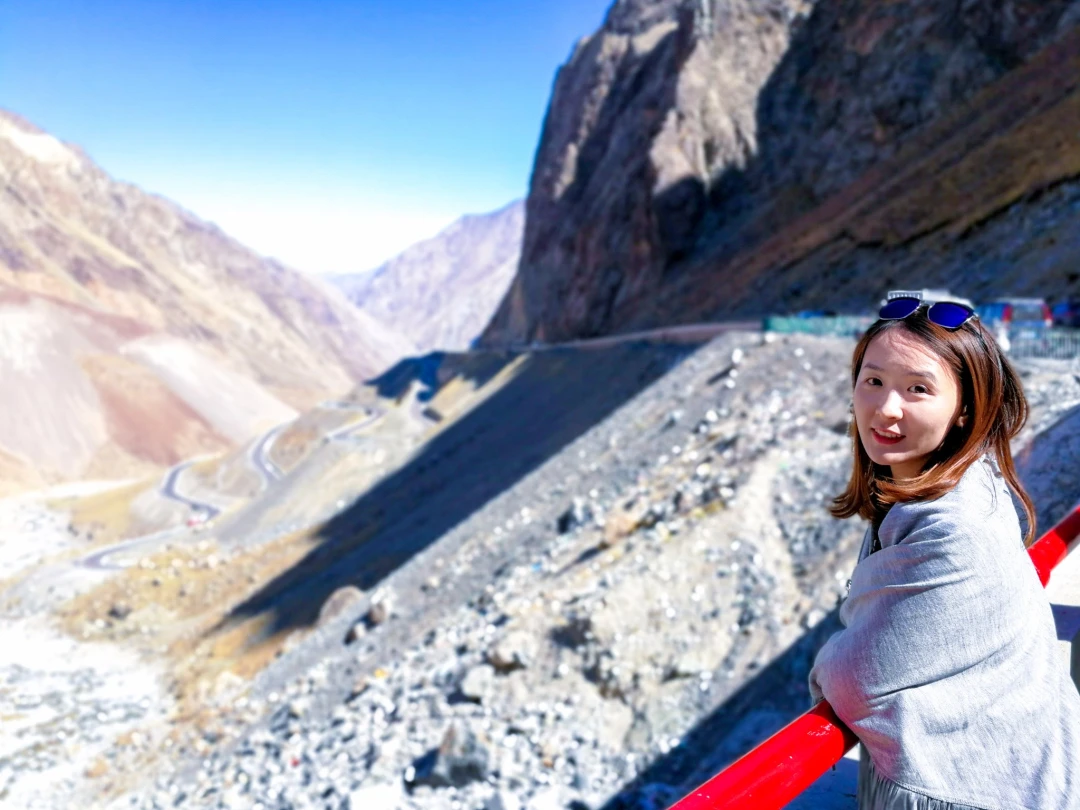 Yes. The security infrastructure is extensive. However, self-driving alone can be exhausting due to long hours on winding roads. Consider joining a self-drive group or carpooling with other travelers.
Internal Linking Suggestions

- [Link: Best time to visit Xinjiang for autumn foliage]
- [Link: Duku Highway road trip guide – essential tips]
- [Link: How to rent a car in China as a foreigner]
- [Link: Kanas vs. Hemu – which is better for photographers?]
- [Link: Xinjiang travel safety guide 2025]
Final Thoughts: Why You Should Book This Trip Now
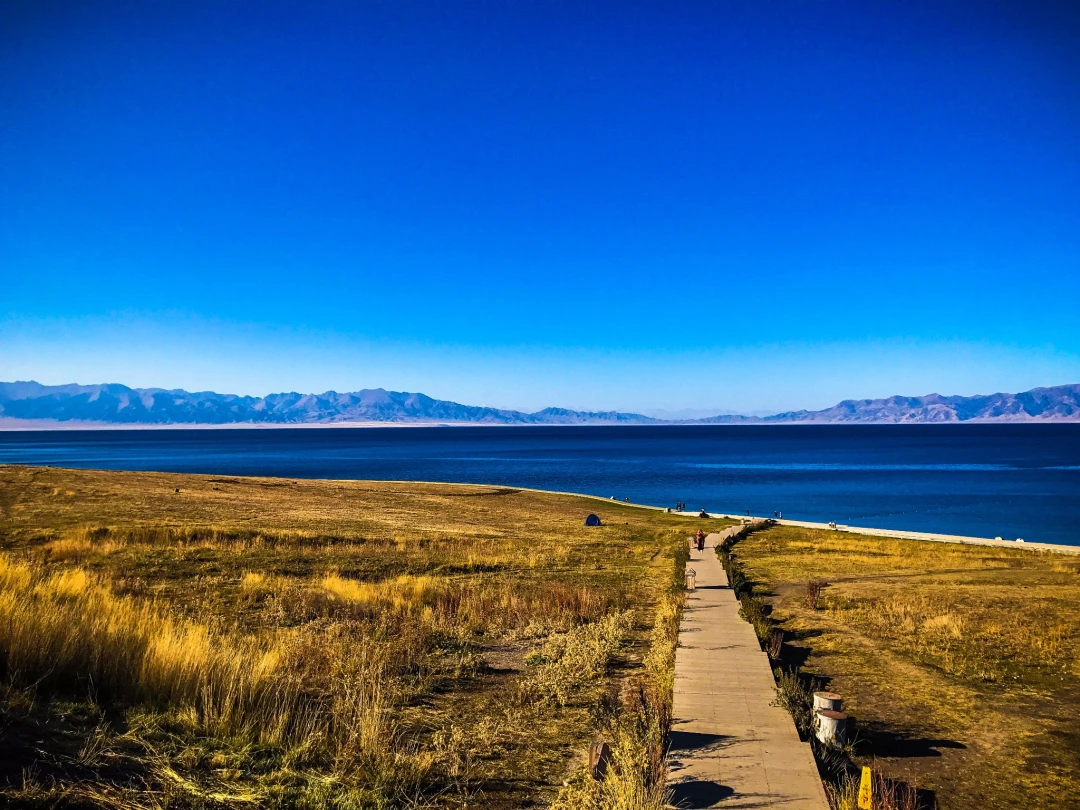
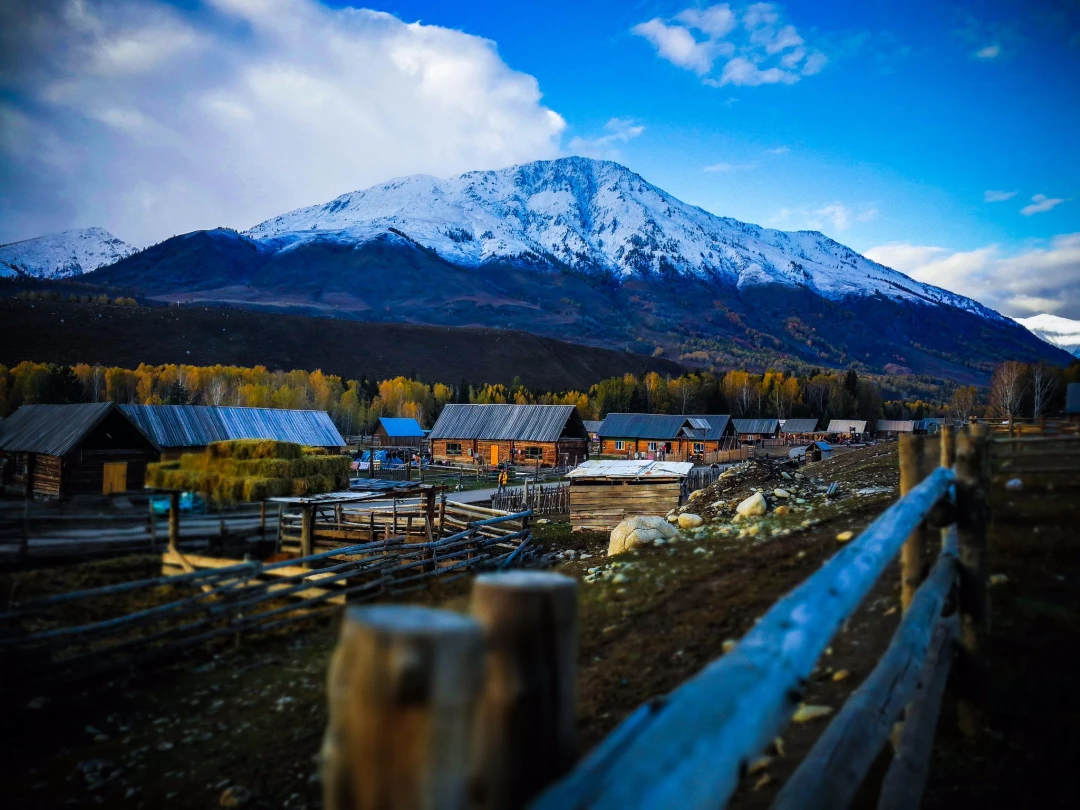
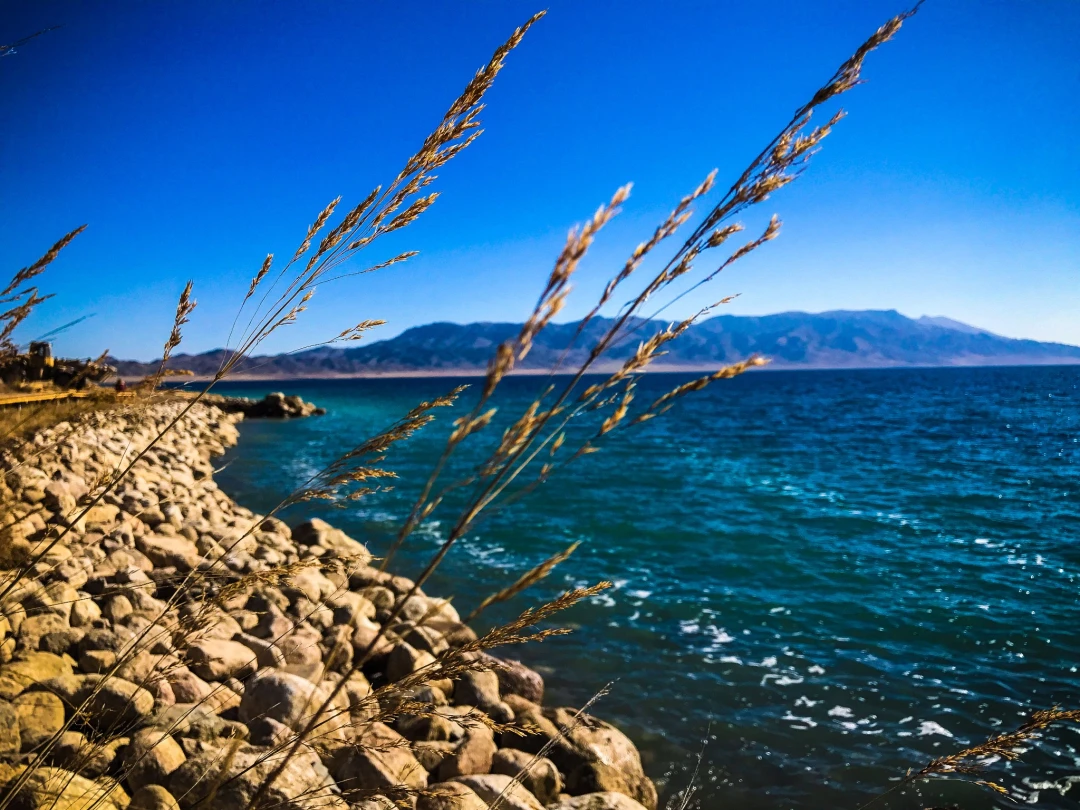
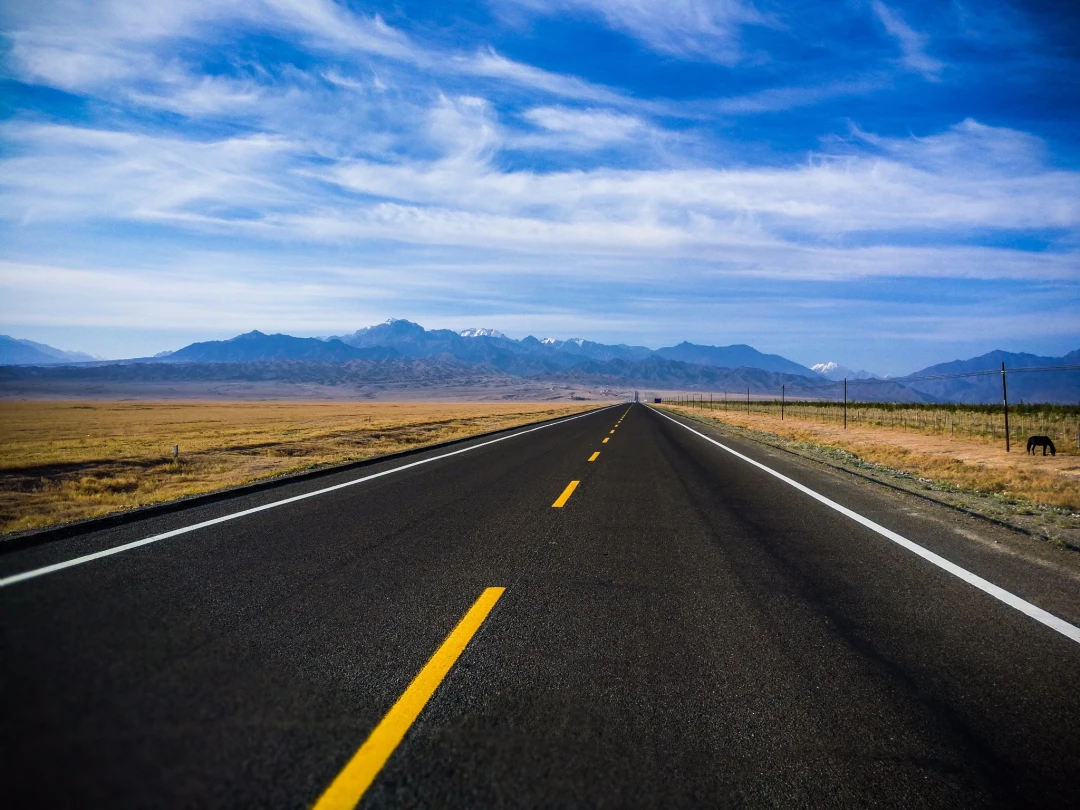
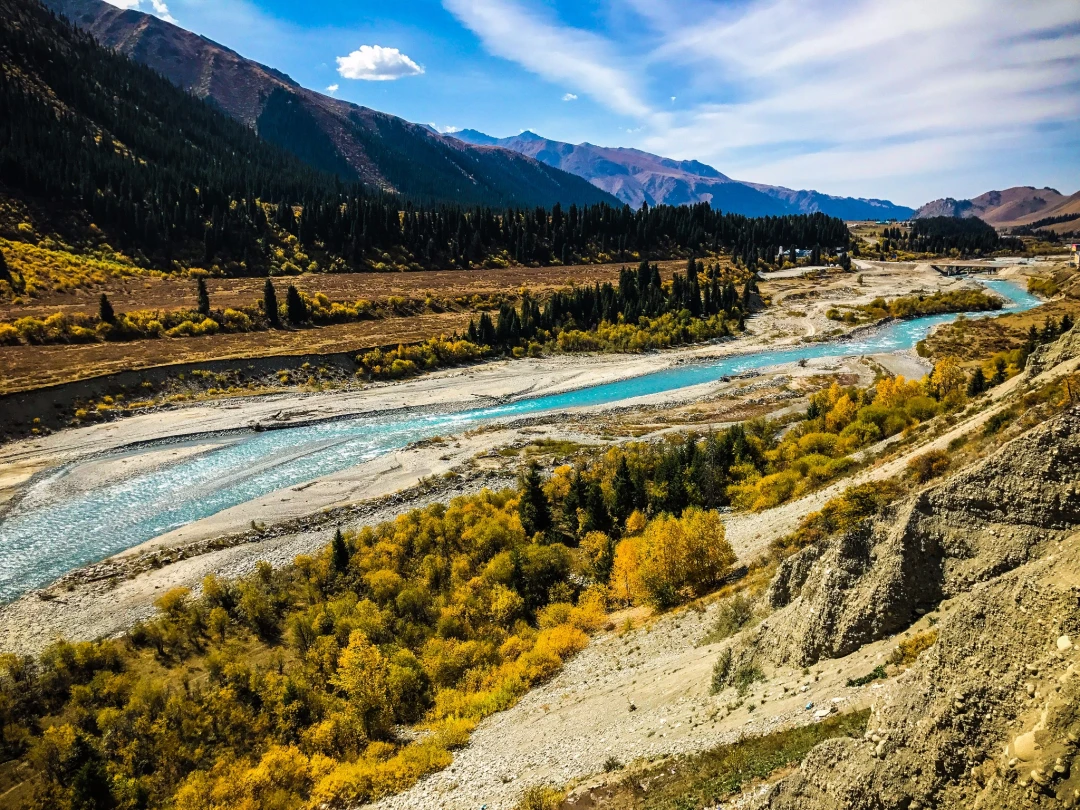
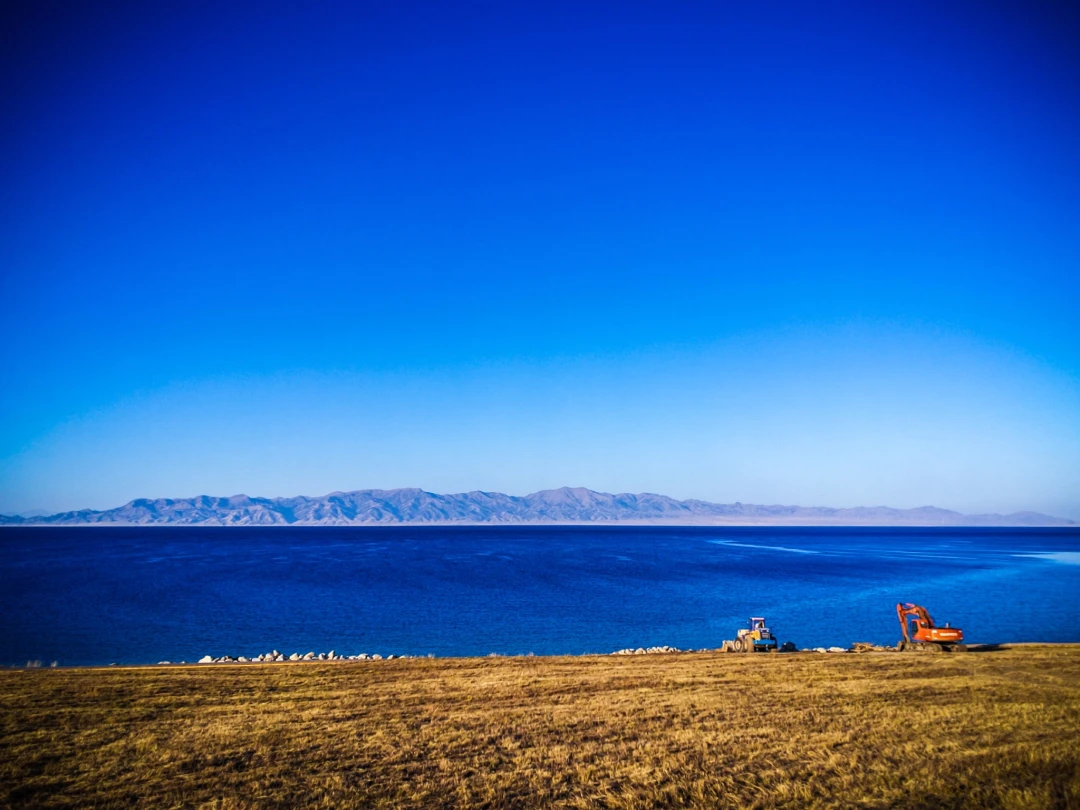
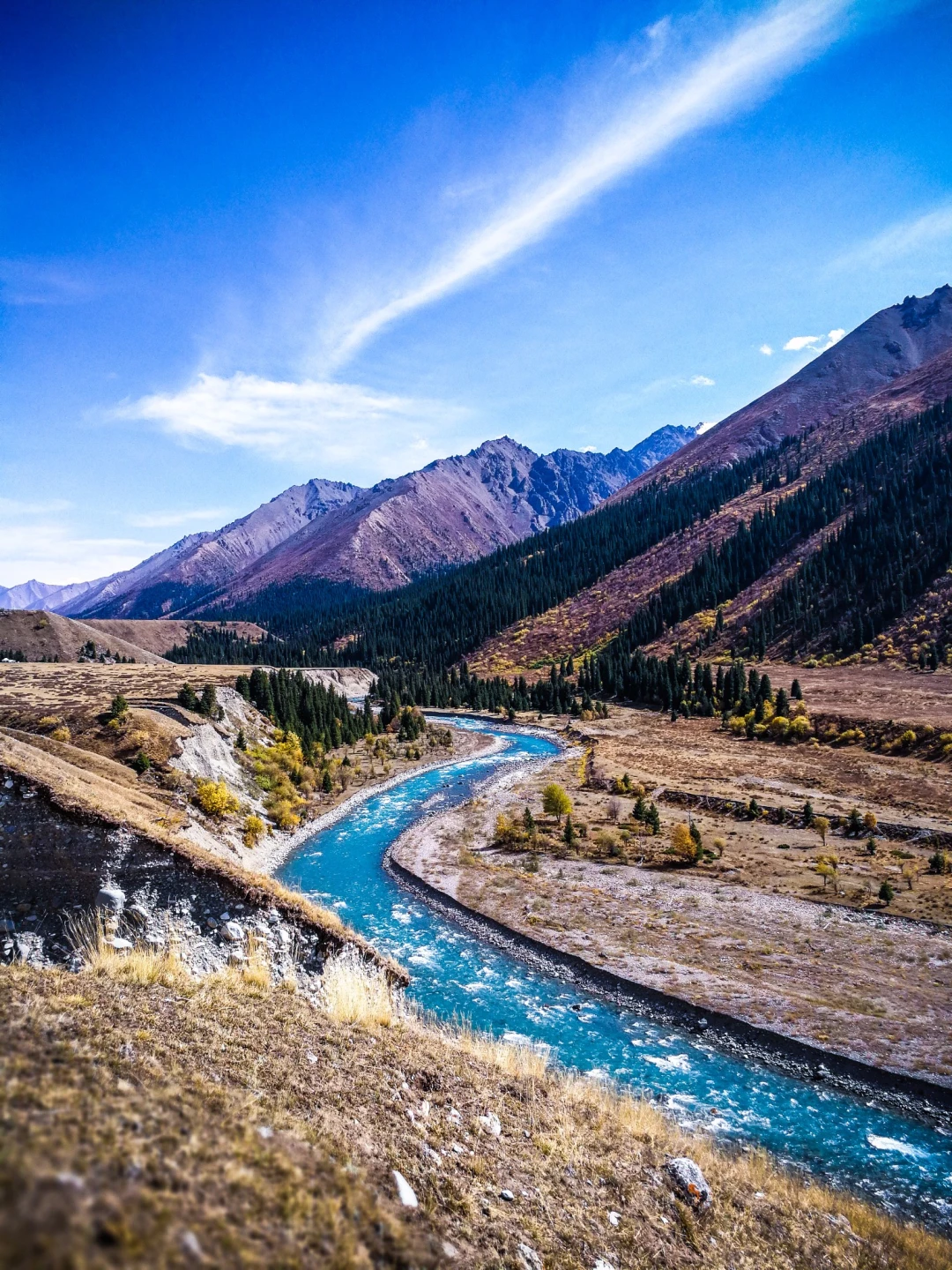
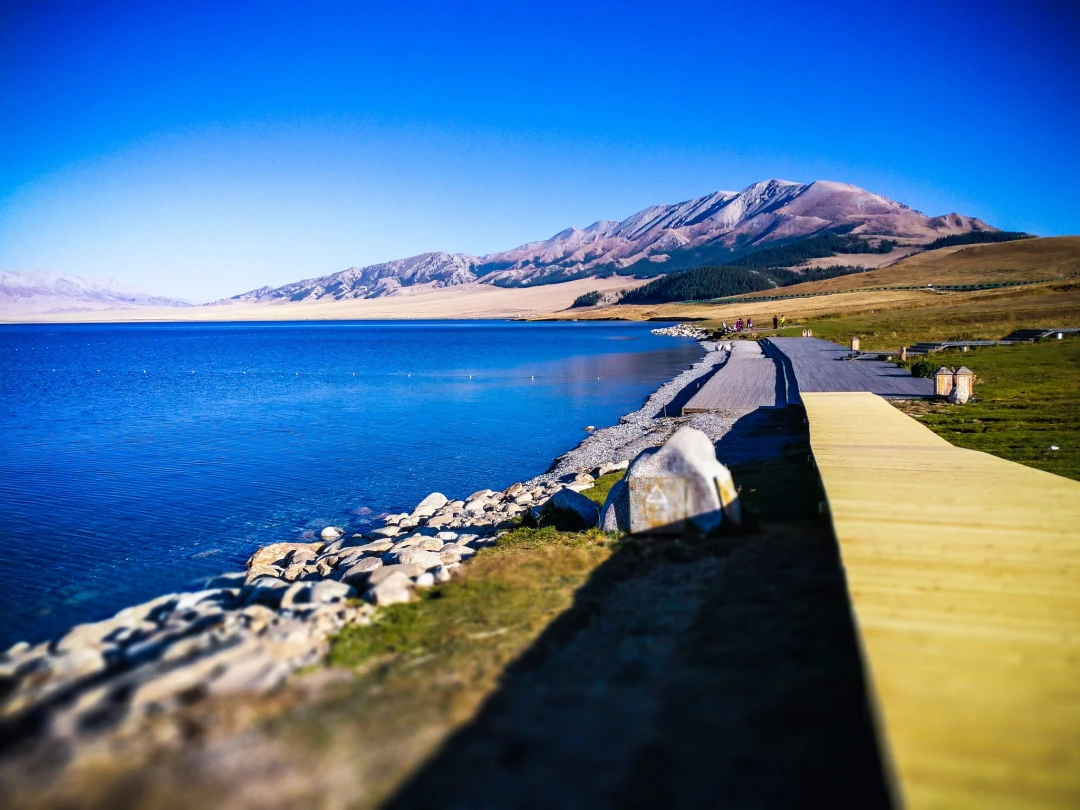
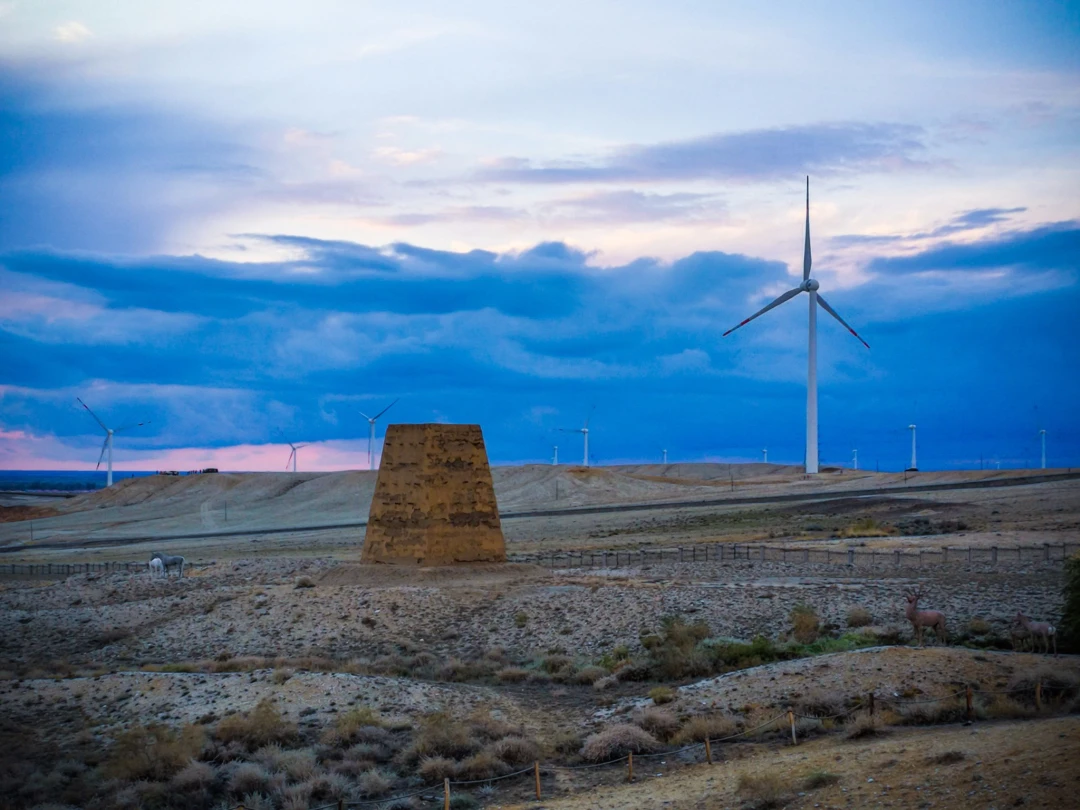
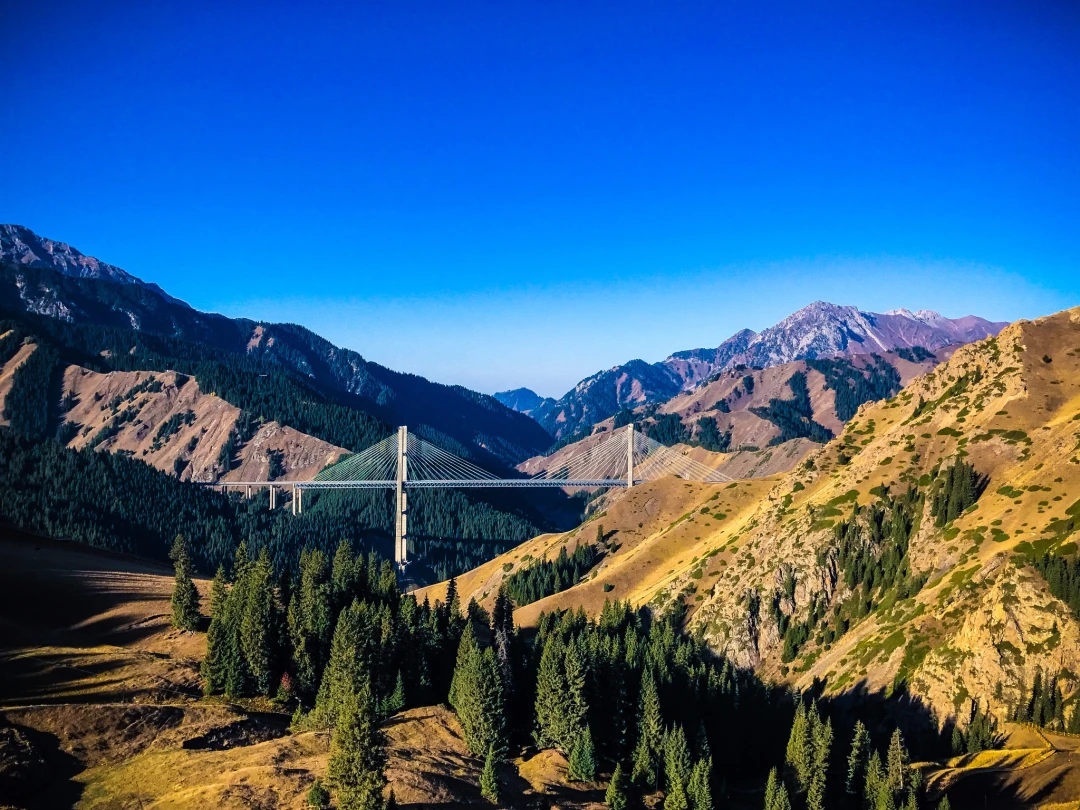
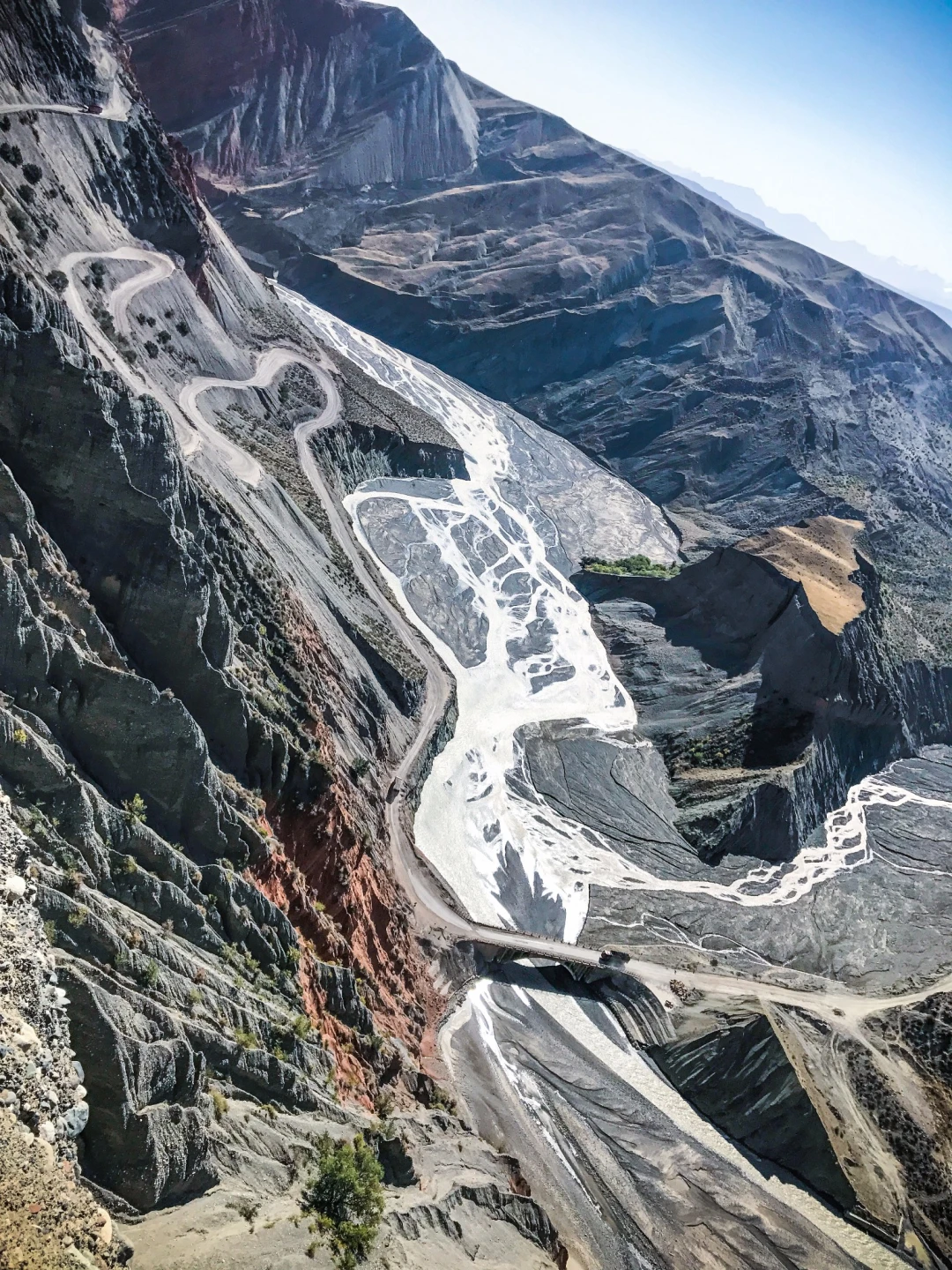
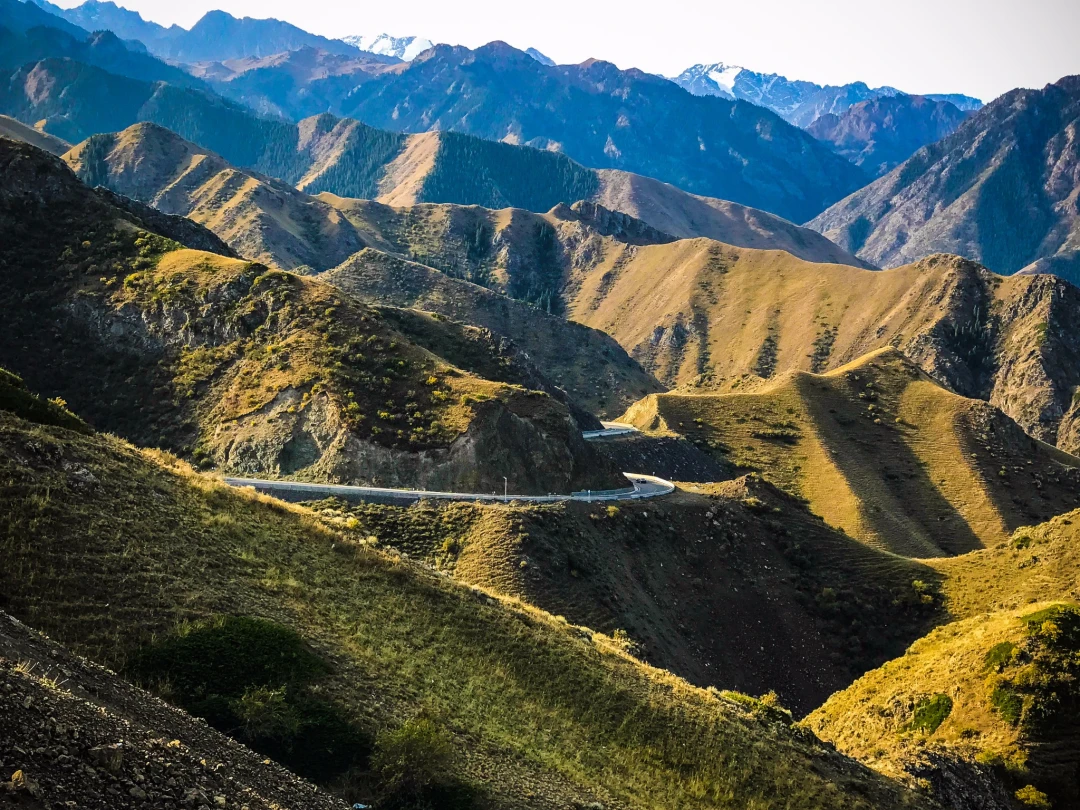
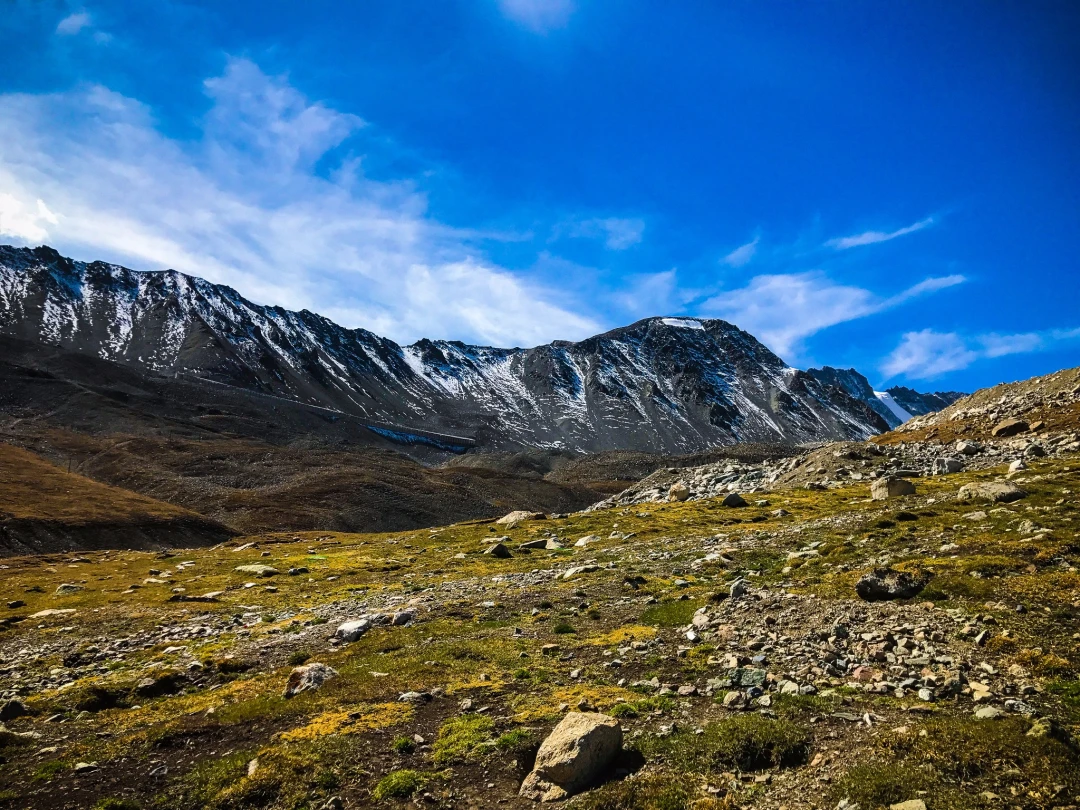
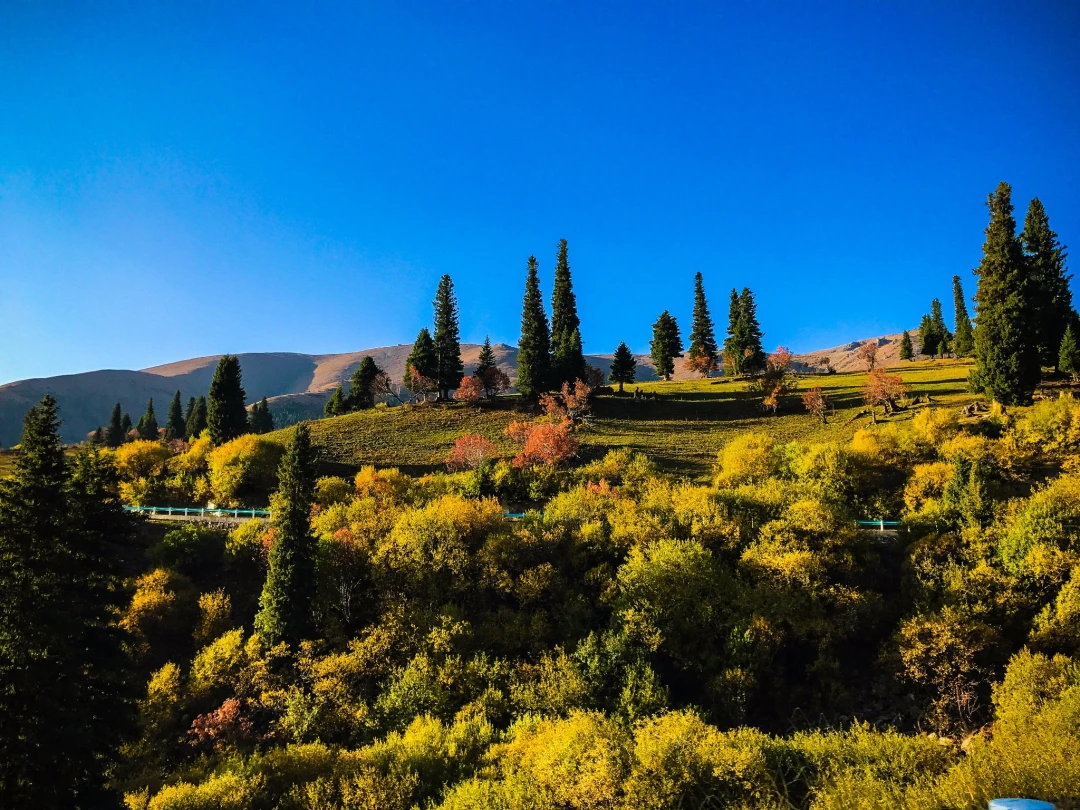
Nature's beauty has an expiration date. The Azure Window of Malta is gone. The autumn leaves of Northern Xinjiang last only a few days before a single night's wind sweeps them away.
We left Northeast China on a whim, exchanged a glance with my husband, and booked flights. That spontaneous decision led to the most beautiful 15 days of our lives.
Don't wait. Book your Northern Xinjiang self-drive trip today.
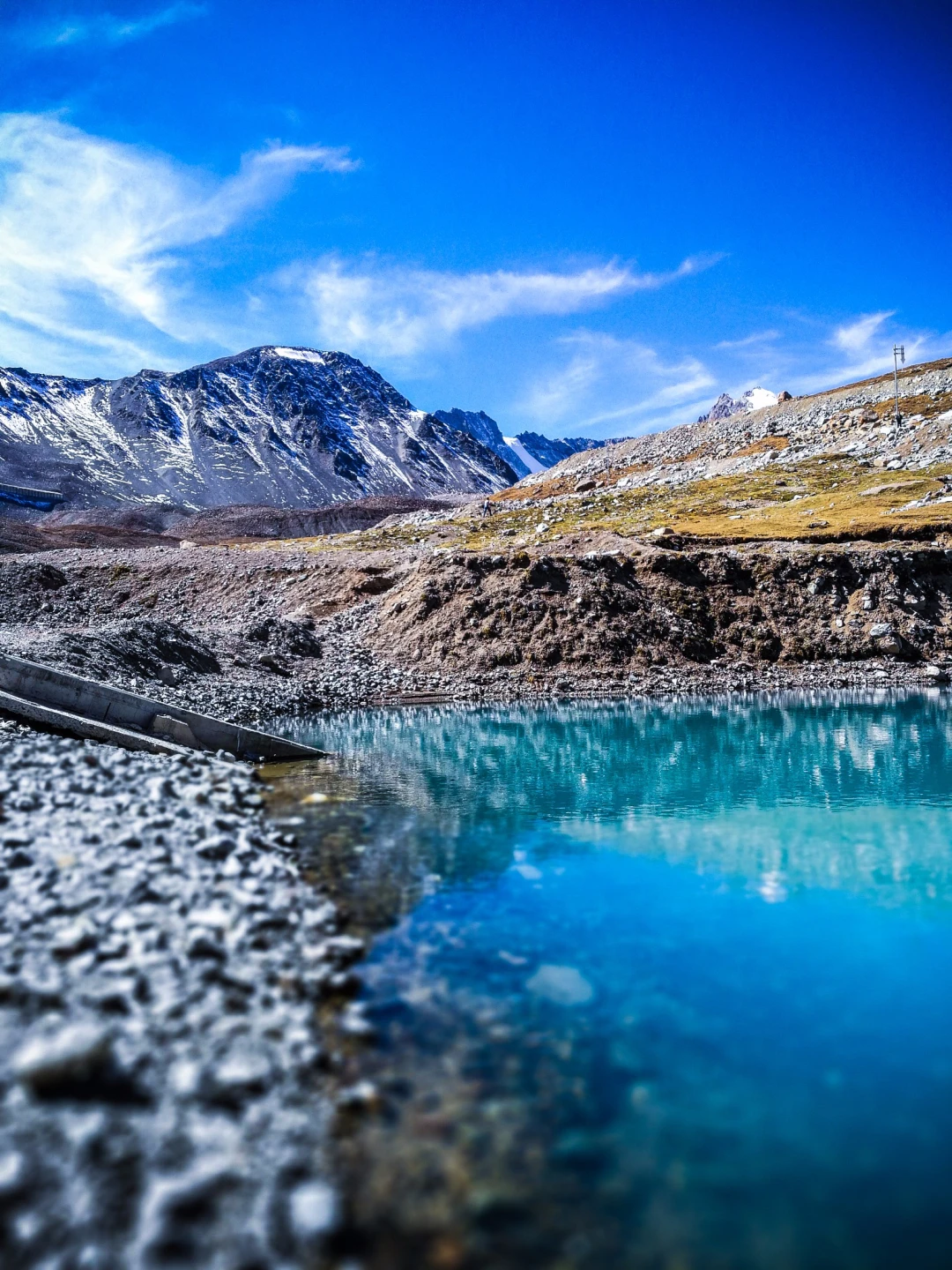
Ready to plan your own Northern Xinjiang road trip?
[Link: Download our free Northern Xinjiang self-drive checklist]
[Link: Book your rental car at Diwopu Airport with exclusive discount]
[Link: Join the Northern Xinjiang self-drive WeChat group for real-time updates]
This article is based on a real travelogue from Mafengwo user ID 9522541. Facts and prices reflect 2023 conditions. Always check current road conditions and travel advisories before departure.
You should also read:
Lost in Beijing for Seven Days: A Solo National Day Journey Through the Capital
Meta Description: Discover how to survive—and thrive—during China's Golden Week in our SEO-optimized Beijing travel guide. From hidden hutongs to imperial palaces, this 7-day solo itinerary reveals crowd-avoidance secrets, budget tips, and must-visit attractions. Some say traveling during National Day is asking for trouble. But…
Continue reading...
The Beijing Adventures of "Dunderhead" and "Grumpy": A Heartwarming Journey Through Time and Childlike Wonder
Meta Description: Discover Beijing through the eyes of two playful travelers—"Dunderhead" and "Grumpy." From the Great Wall to the Forbidden City, this SEO-optimized guide blends nostalgia, history, and practical tips for an unforgettable trip. In June, Beijing's sky hung gray, the air thick with an…
Continue reading...
Savoring the Flavors of Di'anmen: A Culinary Journey Through Beijing's Heart
Meta Description: Discover the authentic tastes of old Beijing in Di'anmen. From douzhi to stir-fried liver, explore hidden hutong food stalls, legendary snack shops, and the vibrant street food culture surrounding Shichahai Lake. The story of Beijing has never been solely about crimson walls, golden…
Continue reading...