"Pseudo" Solo Travel: Slow-Paced Exploration of Beijing by District – A 9-Day In-Depth Tour of Chaoyang, Haidian, and Dongcheng
Meta Description: Discover Beijing at your own pace with this 9-day district-by-district guide. From Chaoyang's parks to Haidian's imperial gardens and Dongcheng's hutongs, experience authentic local life without the crowds.
Introduction: Why "Pseudo" Solo Travel Works for Beijing
Every journey is a reunion with yourself. In late spring 2018, I set out from Wuxi for what I called a "pseudo" solo trip to Beijing. My original purpose was visiting an old friend, but while they worked during the day, I wandered through Beijing's districts with just a backpack. The beauty of this arrangement? No accommodation worries and a naturally relaxed pace.
The last time I had been to Beijing was before Hong Kong's handover. The Forbidden City, Summer Palace, and Tiananmen were blurry childhood memories. Returning after so many years, I decided not to rush from attraction to attraction. Instead, I chose slow-paced exploration by district, deliberately scheduling all sightseeing on weekdays to avoid May Day holiday crowds. The result? A wonderfully peaceful, immersive experience.
Essential Pre-Trip Tips: A Practical Guide to Exploring Beijing
Getting Around: Subway, Buses, and the Yikatong Card
Beijing's public transportation system is extremely well-developed. The subway and buses cover virtually all major attractions. I recommend getting a Yikatong (One Card Pass) — it works for both buses and the subway.

How to get one? Purchase and top up your card at bus terminals, subway station ticket offices, bank branches, and supermarkets. The deposit is 20 yuan. To return the card and get your deposit back, check the official website for service points — every district has one.
Bus tips: Beijing buses charge by distance. Tap your card when boarding and tap again when getting off. If you forget, the next ride will deduct the full fare for the previous trip.
Avoiding rush hours: Morning rush is from 7:30 to 9:30 AM, evening rush from 5:00 to 7:00 PM. The subway during peak hours is notoriously crowded — at busy stations, you might let six or seven trains pass before boarding. Buses are slightly better, but traffic can stretch a one-hour off-peak journey to two hours.
Accommodation and Dining
Authentic old Beijing atmosphere and classic attractions are mostly within the Fourth Ring Road. Dongcheng District, Xicheng District, and parts of Chaoyang and Haidian are your best bets. The closer you are to sights, the higher the accommodation prices. For affordable, authentic local food, skip "tourist hutongs" near attractions and head to eateries in residential neighborhoods — that's where you'll find the best value for money.
Tickets and Sun Protection
Ticket prices in Beijing are surprisingly affordable. The Forbidden City costs just 60 yuan, and most attractions range from 20 to 40 yuan. Compared to other 5A-rated scenic spots charging two or three hundred yuan, the capital offers incredible value.
Sun protection is non-negotiable! Beijing's blue skies are beautiful, but UV rays are ferociously strong. I underestimated them and ended up sunburned within days. Always carry sunscreen, a hat, a parasol, and sunglasses. In April and May, bring a mask — catkins fill the air like snowfall, and dust storms are possible. Temperature differences between morning and evening range from 10°C to 28°C, so a jacket is essential. Beijing is dry, so pack a moisturizing mist, lip balm, and body lotion.
My 9-Day Itinerary at a Glance
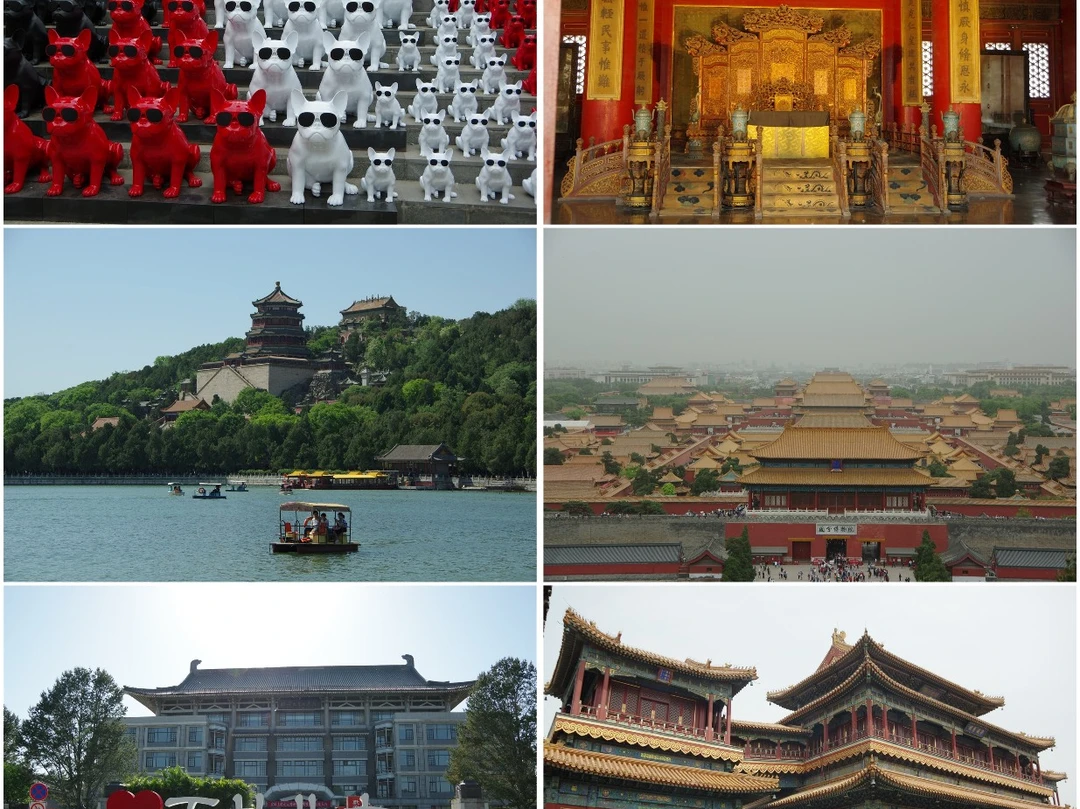
| Day | District | Main Attractions |
|---|---|---|
| D1 | Chaoyang | Red Scarf Park, Chaoyang Park, Sanlitun |
| D2 | Haidian | Summer Palace, Peking University |
| D3 | Haidian | Old Summer Palace, Tsinghua University |
| D4 | Dongcheng | Forbidden City, Jingshan Park |
| D5 | Dongcheng | Lama Temple, Confucius Temple & Imperial College, Wudaoying Hutong, Ditan Park |
| D6 | Dongcheng | National Art Museum of China, East Huangchenggen North Street, Nanluoguxiang, Beiluoguxiang, Bell and Drum Towers |
| D7 | Dongcheng | Wangfujing, National Museum of China, Tiananmen Square |
| D8 | Dongcheng | Beijing Folk Museum, National Museum of China |
| D9 | Dongcheng | Prince Gong's Mansion, Beijing Exhibition Center Theater |
(Note: Jingshan Park, Yandai Xiejie, Shichahai, and Beijing Exhibition Center Theater belong to Xicheng District)
Chaoyang District: The Scout's First Stop
Since I was staying in Chaoyang, I treated the first day as a scouting mission. No clear goals — I just went wherever my feet took me.
Red Scarf Park: A Slice of Local Life
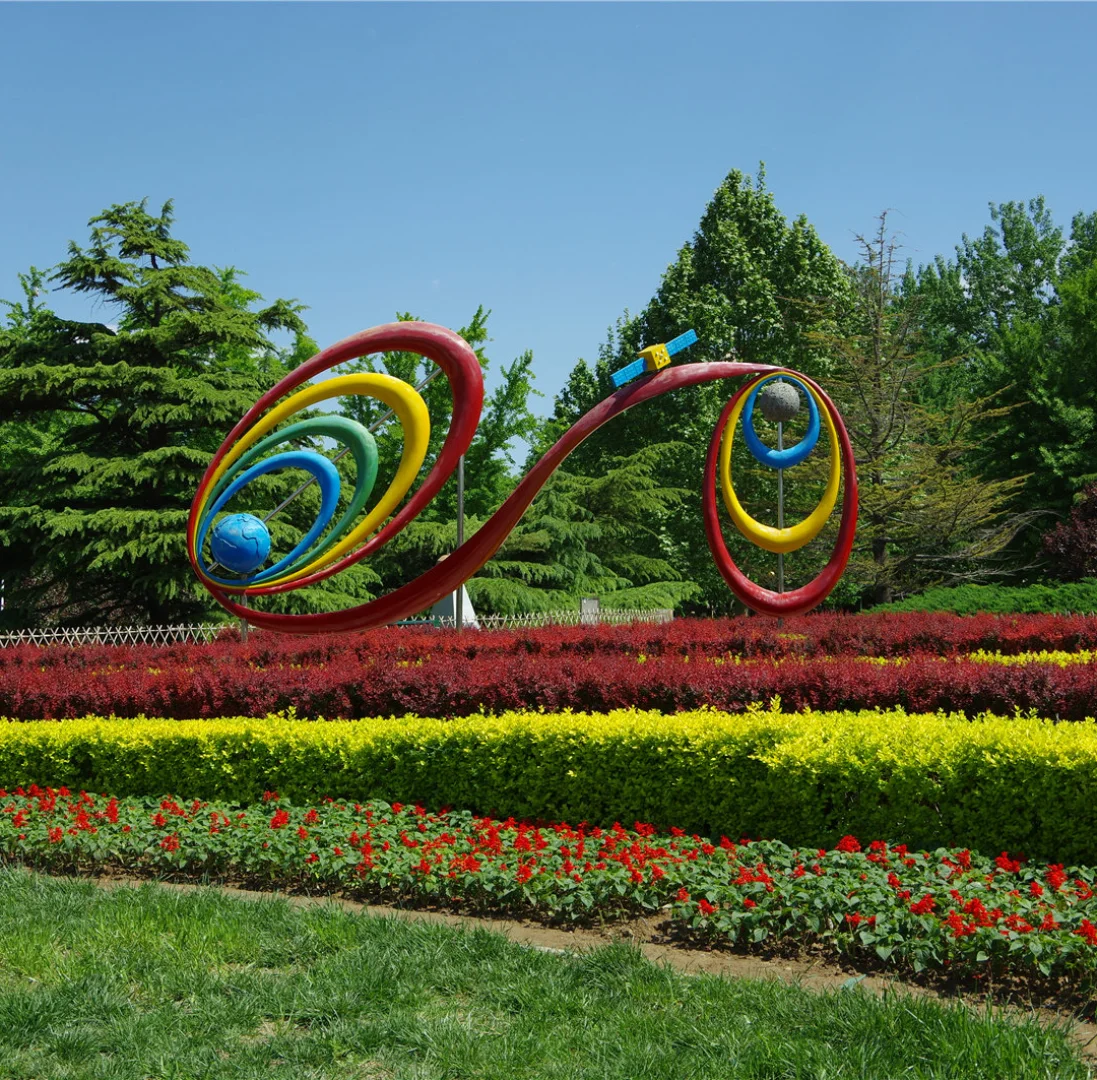
Red Scarf Park is located at the northeast corner of the Red Scarf Bridge on East Fourth Ring Road and is free to enter. Inside, you'll find the Red Scarf Song Theme Square, Ginkgo Square, a plant observation area, and a children's playground. In the early morning and evening, the park is dominated by elderly men taking strolls, women dancing in groups, and young parents playing with their children. A former princely mansion within the park has been converted into a restaurant — an interesting collision of ancient architecture and modern dining.
Chaoyang Park: The Largest Green Lung Inside the Fourth Ring
Admission is 5 yuan. The park stretches 2.8 kilometers from north to south and 1.5 kilometers from east to west, covering 288.7 hectares — meaning it takes 4 to 5 hours to walk the entire thing. There are over twenty scenic spots, including a grove planted by central government leaders, a generals' forest, and an Esperanto forest. Water covers 68.2 hectares, and green space accounts for 87% of the park's area — a luxury within Beijing's Fourth Ring Road.
As I walked, catkins covered the ground, looking like a thin layer of snow. The sheer "spectacle" of Beijing's spring catkins is something people from the south can hardly imagine.
Solana Lifestyle Shopping Park and the National Agricultural Exhibition Center
Solana is a commercial plaza, good for shopping and dining. I had planned to visit the National Agricultural Exhibition Center for free, but it was hosting an art exhibition with a 100-yuan entrance fee, so I gave it a miss.
Crossing the footbridge from Nongzhan Bridge, I found myself on the "Embassy Street" along East Dongzhimen Outer Street. I had expected unique architectural styles from various countries, but almost all looked the same — plenty of historical feel, but little individuality. Still, walking to the end of this street leads you to Sanlitun.
Sanlitun: A Bustling Commercial Icon
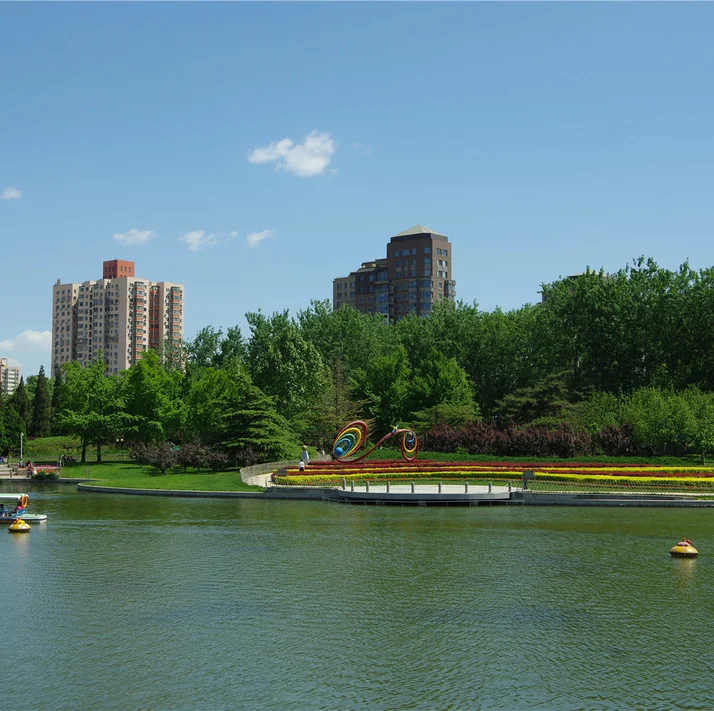
Sanlitun is one of Beijing's trendiest shopping districts, but for someone like me who isn't particularly keen on shopping, commercial areas all start to look the same. A quick glance was enough to check the "been there, done that" box.
Haidian District: Imperial Gardens and Centuries-Old Universities
The Summer Palace: A Museum of Imperial Gardens
Admission: Peak season 30 yuan; combo ticket 60 yuan (includes Wenchang Gallery, Dehe Garden, Tower of Buddhist Incense, and Suzhou Street).
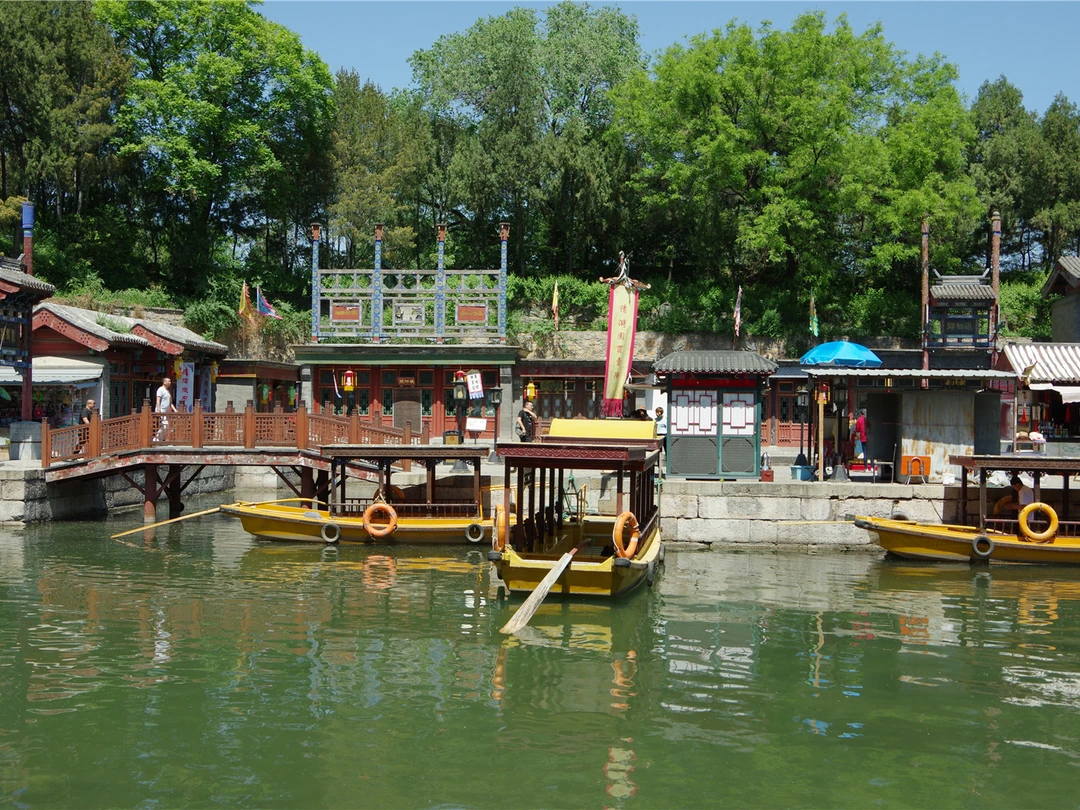
Entering through the North Palace Gate, the first thing I saw was Suzhou Street — a "shopping street" modeled after the water towns of the Yangtze River Delta. During the Qingyi Garden period, there were shops selling jade, antiques, silk, pastries, and tea along the banks, staffed by eunuchs and maids dressed as merchants. The street only "opened for business" when the emperor visited. Unfortunately, it was burned down by the Anglo-French forces in 1860. What you see today is a reconstruction.
The Summer Palace is a masterpiece of Chinese landscape garden design. The Long Corridor, with its 14,000 painted panels, is a UNESCO World Heritage site. The Kunming Lake, which occupies three-quarters of the garden's area, was modeled after West Lake in Hangzhou. Walking here, you'll understand why this was the imperial family's favorite summer retreat.
Peking University and Tsinghua University: Academic Icons
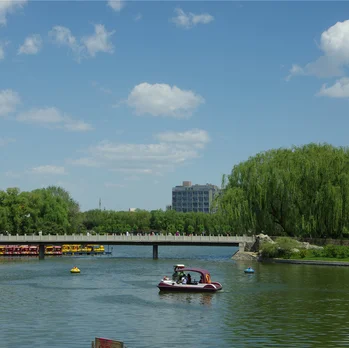
Both universities are within walking distance of the Summer Palace. Peking University features traditional Chinese architecture with red gates and carved beams, while Tsinghua University blends classical and modern styles. Both campuses are open to visitors (with ID registration), and they offer a peaceful contrast to the city's bustling tourist spots.
[Link: How to visit Peking University campus without a student ID]
Dongcheng District: The Heart of Old Beijing
The Forbidden City and Jingshan Park
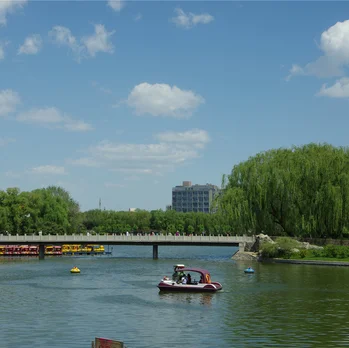
The Forbidden City needs no introduction — it's the world's largest palace complex and a UNESCO World Heritage site. My advice: arrive early, wear comfortable shoes, and allocate at least 3-4 hours. The 60-yuan admission is an absolute bargain.
After exiting the Forbidden City's north gate, cross the street to Jingshan Park (2 yuan admission). Climb to the top of the hill for the best panoramic view of the Forbidden City's golden roofs against the modern Beijing skyline.
[Link: The Forbidden City ticket booking guide for 2024]
Lama Temple and Confucius Temple
The Lama Temple (Yonghe Temple) is one of the most important Tibetan Buddhist monasteries outside Tibet. The 18-meter-tall Maitreya Buddha statue carved from a single sandalwood tree is a must-see. Admission is 25 yuan.
Next door, the Confucius Temple and Imperial College offer a quiet, scholarly atmosphere. The 198 stone steles inscribed with the Thirteen Classics are a highlight. Combined ticket: 30 yuan.
Hutongs: Wudaoying, Nanluoguxiang, and Beiluoguxiang
Wudaoying Hutong is a quieter alternative to the tourist-packed Nanluoguxiang. Here, you'll find independent boutiques, cafes, and art galleries. Nanluoguxiang is more commercial but still worth a stroll for its snack stalls and souvenir shops. Beiluoguxiang is even quieter, offering a glimpse of everyday Beijing life.
Bell and Drum Towers
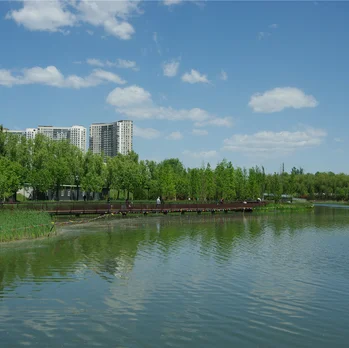
The Bell and Drum Towers were used for timekeeping in imperial Beijing. Climb the steep stairs for views over the hutong area. Combined ticket: 30 yuan.
FAQ: Your Beijing Slow Travel Questions Answered
1. What is "pseudo" solo travel, and how is it different from regular solo travel?
Pseudo solo travel means you have a base (usually a friend's home) but explore independently during the day. It combines the freedom of solo travel with the comfort of having accommodation arranged. You avoid solo traveler challenges like finding safe, affordable lodging while still enjoying complete itinerary flexibility.
2. How many days do I need to explore Beijing by district?
A minimum of 7-9 days is ideal for a district-by-district approach. This allows you to spend 2-3 days in each major district (Chaoyang, Haidian, Dongcheng) without rushing. If you have more time, add Xicheng and Shijingshan districts for a complete experience.
3. Is it better to visit Beijing on weekdays or weekends?
Weekdays are significantly better for major attractions. The Forbidden City, Summer Palace, and Lama Temple are far less crowded Monday through Friday. Avoid Chinese public holidays (especially May Day and National Day) when domestic tourism peaks.
4. What's the best way to get around Beijing without speaking Chinese?
The subway is your best friend. All stations have English signs and announcements. The Yikatong card is easy to use. For buses, use a translation app to confirm your stop. Ride-hailing apps like Didi have English interfaces and are affordable for longer distances.
5. How much should I budget for a 9-day slow travel trip in Beijing?
A moderate budget for 9 days (excluding international flights) would be approximately 4,000-6,000 yuan ($550-$830 USD). This includes accommodation (300-500 yuan/night), food (100-150 yuan/day), attractions (200-300 yuan total), and public transportation (50-100 yuan total).
Conclusion: Your Beijing Slow Travel Adventure Awaits
Beijing is a city that rewards those who take their time. By exploring district by district, you'll discover layers of history, culture, and everyday life that rushed tourists miss. From Chaoyang's green parks to Haidian's imperial gardens and Dongcheng's ancient hutongs, each area tells a different story.
This 9-day itinerary is just the beginning. Part Two will cover Xicheng District and beyond — but for now, start planning your own "pseudo" solo adventure. Whether you're visiting an old friend or simply seeking a deeper connection with China's capital, slow travel by district is the way to go.
Ready to explore Beijing at your own pace? Bookmark this guide, grab your Yikatong card, and set out to discover the real Beijing — one district at a time. Your journey of slow, meaningful exploration starts now.
Have questions about planning your Beijing slow travel trip? Drop them in the comments below, and I'll help you craft the perfect itinerary!
You should also read:
Living in Beijing: A Love Letter to Autumn – Why October Is the City's Best-Kept Secret
Meta Description: Discover why Beijing in autumn is pure magic. From golden ginkgo avenues to hidden hutong gems, this 2014 love letter captures the city's soul. Plan your fall visit now. There's a reason why old Beijing hands get misty-eyed when October rolls around. It's…
Continue reading...
Four Days, Three Nights in Beijing: A Super Practical Self-Guided Travel Guide (Including Food, Stay, and Transport Tips)
Here is the SEO-optimized, rewritten version of your article, structured for maximum search visibility and reader engagement. SEO Title: 4 Days 3 Nights in Beijing: The Ultimate Self-Guided Travel Guide (Food, Stay & Transport) Meta Description (160 chars): Plan the perfect 4-day Beijing itinerary. From…
Continue reading...
The Accent of Beijing: A Hutong Odyssey in a Downpour – Exploring Beijing's Hidden Charms
Meta Description: Discover Beijing's soul through a rain-soaked hutong odyssey. From Shichahai's melancholy to Mianhua Hutong's philosophy, experience the authentic "accent of Beijing" in this immersive travel story. I'm probably going to laze myself to death. I visited Beijing eight hundred years ago—took the high-speed…
Continue reading...