Roaming Beijing in 38°C Early Summer: A Five-Day Deep Dive Through the Imperial City
Here is the SEO-optimized, rewritten article based on your source material. It has been restructured for search intent, keyword density, and reader engagement, while strictly preserving the original facts and narrative voice.
Title: Roaming Beijing in 38°C Heat: A Five-Day Deep Dive Itinerary for the Imperial City
Meta Description (160 chars): Survive Beijing's scorching summer with this 5-day itinerary. From Forbidden City hacks to Tsinghua luck, discover how to explore the Imperial City without melting.
Roaming Beijing in 38°C Heat: A Five-Day Deep Dive Through the Imperial City
Beijing is a city of contradictions. It carries the weight of a thousand years of imperial rule while racing toward a hyper-modern future. For students, it is the dream of Tsinghua and Peking University. For office workers, it is the grind of the "Beijing drift." For the older generation, it is the eternal heart of the nation. Here, the most regal imperial palaces stand beside towering glass skyscrapers. The Forbidden City holds untold stories, and the city itself is filled with bittersweet histories. You can neither fully love nor hate it—you can only experience it.
I visited Beijing on a group tour as a child, but the memories faded long ago. Last year, I graduated university. This year, I got into graduate school and am preparing to study abroad. My cousin, fresh off his high school entrance exams, wanted a graduation trip too. We both wanted to see the Forbidden City, and I figured I’d drag him to Tsinghua for some good luck. So began our second visit to Beijing—a marathon walking tour in the brutal 38°C early summer heat.
Pre-Trip Prep: How to Survive Beijing's Scorching Sun
Before you even step foot in the Imperial City, you need a survival plan. Here is how we navigated the logistics and the heat.
Transportation: The Smart Detour to Save Money
Flights from Chongqing to Beijing were too expensive. Our solution? A clever detour. We flew to Tianjin first, then took the high-speed rail to Beijing. Round-trip tickets cost 1,500 yuan, and the train from Tianjin Station to Beijing South Station was just 54.5 yuan. Tianjin Station is directly connected to Binhai Airport via Metro Line 2. Trains run frequently, so you can just show up and go. From Beijing South Station, the metro is the fastest way into the city.
Accommodation: An Airbnb Near Nanluoguxiang

We booked a one-bedroom apartment on Airbnb with two 1.5-meter beds—plenty of space for four people. Eight nights cost 3,460 yuan. The location was prime: near Nanluoguxiang, with a bus stop downstairs, and close to Prince Gong's Mansion and the Lama Temple.
Transit Card: An Absolute Must-Have for Beijing Travel
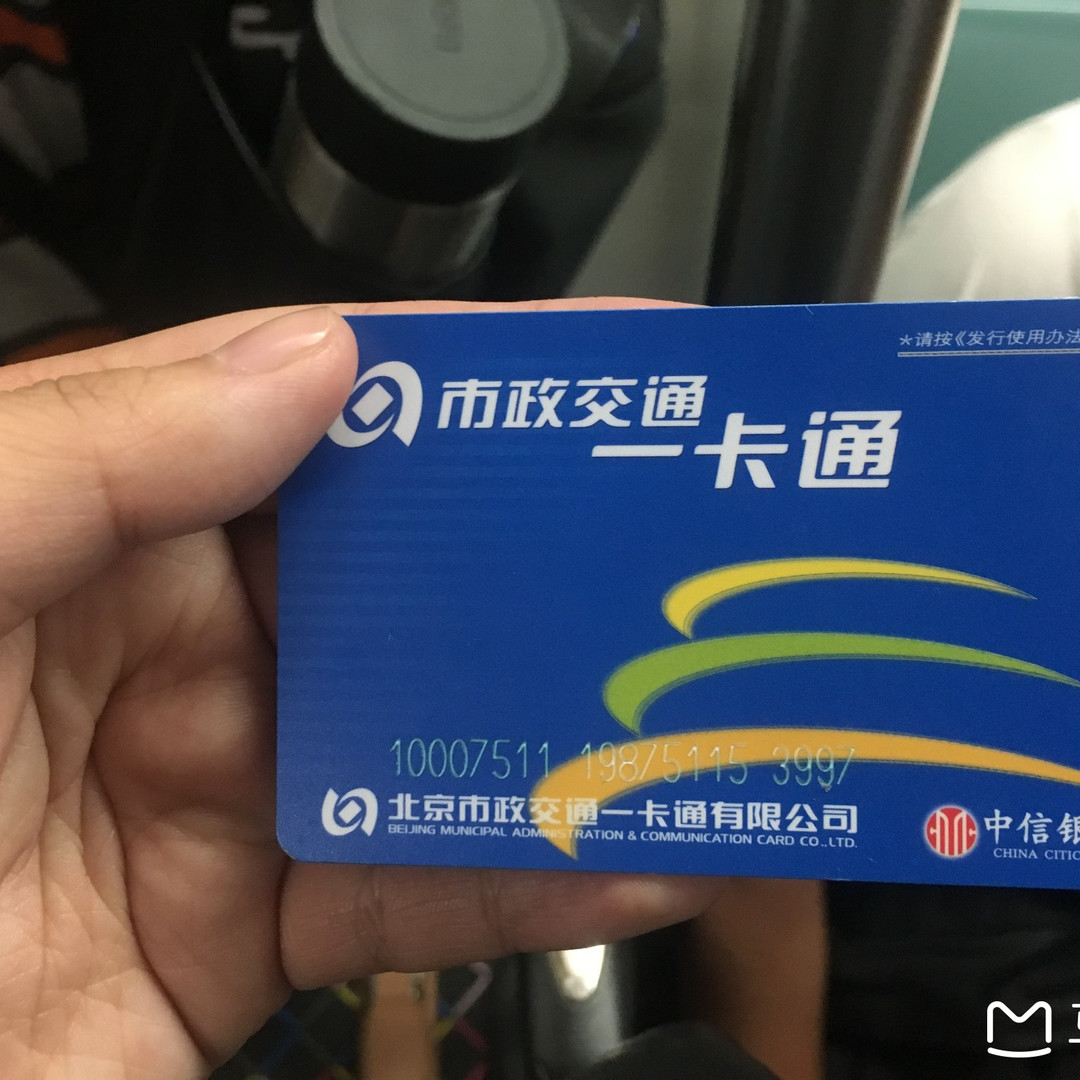
As soon as we arrived, we grabbed a transit card. It works for both buses and the metro. You tap on and off, and fares are calculated by distance. Bonus: you can use it to pay entry to Jingshan Park for just 2 yuan. When you leave, you get your deposit and remaining balance refunded. Very user-friendly.
Sun Protection: A Hard-Learned Lesson in Beijing Summer
Beijing is brutally hot, and many attractions are completely exposed with zero shade. Tiananmen Square and the Temple of Heaven? I got a direct sun allergy. Sunscreen, a hat, sunglasses, and a UV-protective jacket are all absolutely essential. Do not skip this.
Ticket Reservations: Book Ahead to Save Time and Hassle
- Forbidden City: Follow "微故宫" (Mini Palace Museum) on WeChat. Book through the official website with your real name. Adults: 60 yuan, Students: 20 yuan. Treasure Gallery and Clock Gallery are 10 yuan each. Enter with your ID card.
- Tsinghua University: Use the WeChat mini-program "参观清华" (Visit Tsinghua). Reserve a week in advance. It is only open on weekends. You must have a reservation—scalpers outside the gate charge 50 yuan per person.
- Peking University: Use the WeChat mini-program "参观北大" (Visit Peking University). It was temporarily closed to the public due to graduations during our visit.
- National Museum of China: Reserve in advance or on-site. Free admission.
- Great Wall: Reservations are now required. We skipped it this time due to the heat.
- Museums are closed on Mondays. Prince Gong's Mansion is also closed on Mondays. Plan accordingly.
Five-Day Beijing Itinerary: Marathon Walking and Deep Exploration

This itinerary is designed for the heat. We moved early, rested during peak sun, and focused on shaded areas.
Day 1: Chongqing → Tianjin → Beijing South
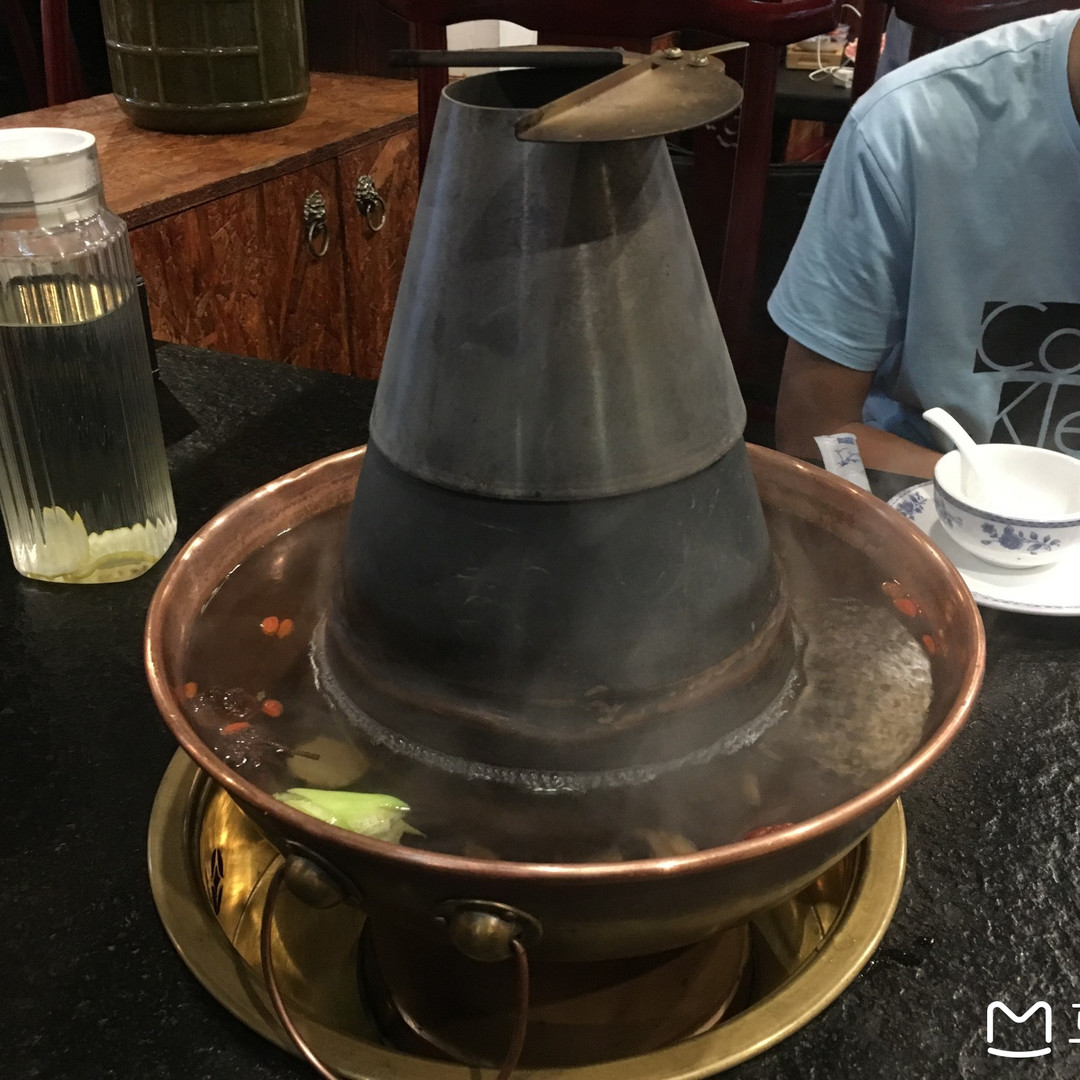
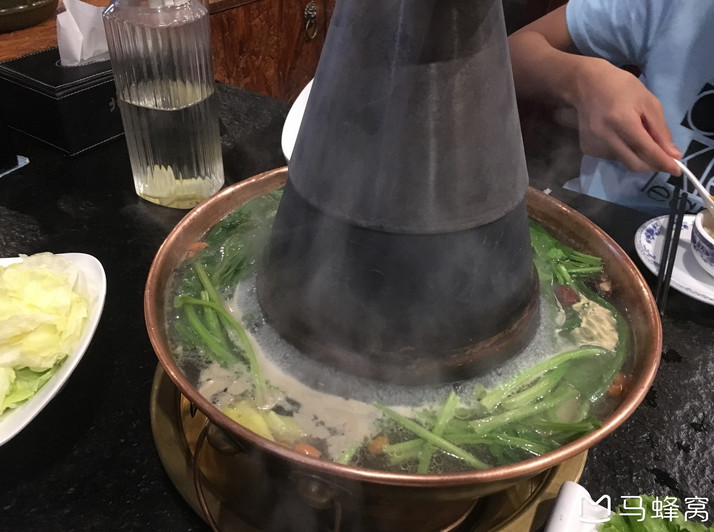
After arriving, dinner had to be special. We hit a classic Old Beijing lamb hotpot place. We ordered one portion of meat and mostly vegetables. For dipping sauces, we went with spicy chili and sesame sauce. The server warned us the spicy chili sauce was very hot. I believed her. But for someone from Chongqing, the heat level was basically zero. The only thing proving it was chili sauce was the color.
Day 2: Forbidden City → Jingshan Park
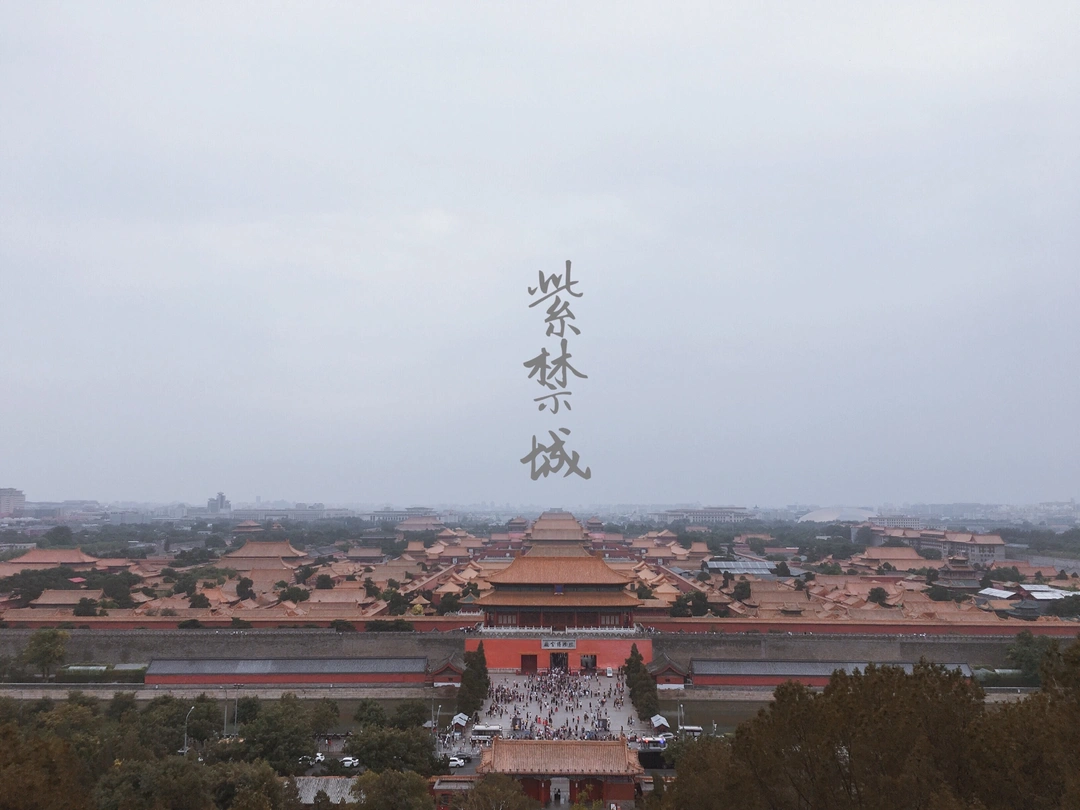
We got up early, brimming with anticipation. We took the bus to "Tiananmen East," passed through security into Tiananmen, walked through the Meridian Gate, and turned left to reach the Noon Gate (Wumen). We swiped our ID cards to enter, rented an audio guide (20 yuan each), and explored at our own pace.
Route: Central Axis (Three Great Halls + Imperial Garden) → Western Six Palaces + Cining Garden + Shoukang Palace → Eastern Six Palaces + Clock Gallery + Ningshou Palace (Treasure Gallery)
It was overcast, so it wasn't too hot, but photos didn't come out great. The crowds were concentrated along the central axis. The Eastern and Western Six Palaces and Cining Garden were much less crowded. Shoukang Palace and Ningshou Palace were the highlights—absolutely worth visiting.
The Three Great Halls: They mainly served to emphasize the concentration of feudal imperial power. The Palace of Heavenly Purity (Qianqing Gong) was the emperor's sleeping quarters before the Yongzheng Emperor; after him, they moved to the Hall of Mental Cultivation (Yangxin Dian). The Palace of Earthly Tranquility (Kunning Gong) was where imperial weddings and important ceremonies were held.
The Imperial Garden: A step-by-step scenic wonder with pavilions and towers: the Hall of Cultivating Nature (Yangxing Zhai), the Pavilion of Ten Thousand Springs (Wanchun Ting), the Pavilion of Floating Green (Fubi Ting), the Piled Elegance Hill (Duixiu Shan). The Hall of Cultivating Nature was where Johnston, the English teacher of the last emperor Puyi, once lived. Piled Elegance Hill is made of various strange rocks. On the Double Ninth Festival, the emperor would bring his consorts here to climb high and look far.
We had lunch at the Forbidden City restaurant. It was well-managed with staff assigning seats. My cousin got intimidated by the menu prices and ordered two set meals: kung pao chicken and curry beef, 88 yuan total. The taste was decent.
Cining Palace, Shoukang Palace, and Cining Garden: Movies often mislead people into thinking Cining Palace was the residence of the empress dowager. In the Ming Dynasty, it was the residence of imperial noble consorts. In the Qing Dynasty, Empress Dowager Xiaozhuang lived here. After her, subsequent empress dowagers felt unworthy, so it remained empty. When the Qianlong Emperor ascended the throne, he made his birth mother, Consort Xi, the empress dowager. She didn't want to live in Cining Palace, so Qianlong built Shoukang Palace next to it. When she was nearly 80, Qianlong renovated Cining Palace to celebrate her birthday, but after that, no empress dowager ever lived there again—it was only used for ceremonies.
Western Six Palaces: Yongshou Palace, Yikun Palace, Chuxiu Palace, Changchun Palace, Xianfu Palace, and Qixiang Palace. Yongshou Palace was the residence of the Shunzhi Emperor's beloved Consort Donggo.
Eastern Six Palaces: Jingren Palace, Chengqian Palace, Zhongcui Palace, Yanxi Palace, Yonghe Palace, and Jingyang Palace. This area is less crowded and offers a more intimate look at imperial life.
Day 3: Tsinghua University → Yuanmingyuan
We dedicated this day to academia and history. Tsinghua University is a must-visit for anyone dreaming of top-tier education. [Link: Study abroad planning tips]. The campus is massive, so wear comfortable shoes. Yuanmingyuan (the Old Summer Palace) is next door and offers shaded ruins and lakeside paths—perfect for escaping the midday heat.
Day 4: Temple of Heaven → National Museum of China
The Temple of Heaven is stunning but brutally exposed. We went early, before the sun peaked. The acoustics of the Echo Wall and the grandeur of the Hall of Prayer for Good Harvests are unforgettable. Afterward, we escaped to the air-conditioned National Museum of China. [Link: Free things to do in Beijing]. It is free, massive, and offers incredible historical context for everything you've seen.
Day 5: Nanluoguxiang → Lama Temple → Departure
Our final day was relaxed. We strolled through Nanluoguxiang for snacks and souvenirs. Then, we visited the Lama Temple, a peaceful oasis of Tibetan Buddhist architecture. It is shaded and cool, a welcome relief from the heat. We packed up, took the metro to Beijing South, and headed back to Tianjin for our flight home.
FAQ: Visiting Beijing in Summer
Q: Is it worth visiting the Forbidden City in 38°C heat? A: Yes, but go early. The central axis is crowded and exposed. Focus on the Eastern and Western Six Palaces and Shoukang Palace—they offer more shade and fewer crowds. Bring water and a portable fan.
Q: How do I avoid the crowds at the Forbidden City? A: Book your ticket weeks in advance. Arrive at opening time (8:30 AM). Skip the central axis rush and head directly to the side palaces. The audio guide is worth the 20 yuan.
Q: Can I visit Tsinghua University without a reservation? A: No. You must reserve a week in advance via the "参观清华" WeChat mini-program. It is only open on weekends. Scalpers outside charge 50 yuan per person, but it's not guaranteed.
Q: What should I eat in Beijing during summer? A: Old Beijing lamb hotpot is a must. For lighter options, try zhajiangmian (noodles with soybean paste) or cold cucumber salads. Avoid heavy street food in direct sun.
Q: Are museums in Beijing free? A: Many are. The National Museum of China is free but requires a reservation. Most museums are closed on Mondays, so plan your itinerary accordingly.
Your Turn: Roam Beijing Like a Local
Beijing in 38°C heat is not for the faint of heart. But with the right preparation—transit cards, sun protection, and a smart itinerary—you can unlock the Imperial City's deepest secrets without melting.
Whether you are chasing the Tsinghua dream or the Forbidden City's ghosts, this city rewards those who plan ahead and move early. So pack your hat, book your tickets, and get ready for a marathon walking tour you will never forget.
Ready to plan your own Beijing deep dive? Bookmark this guide, share it with your travel crew, and start your reservation process today. The Imperial City is waiting.
You should also read:
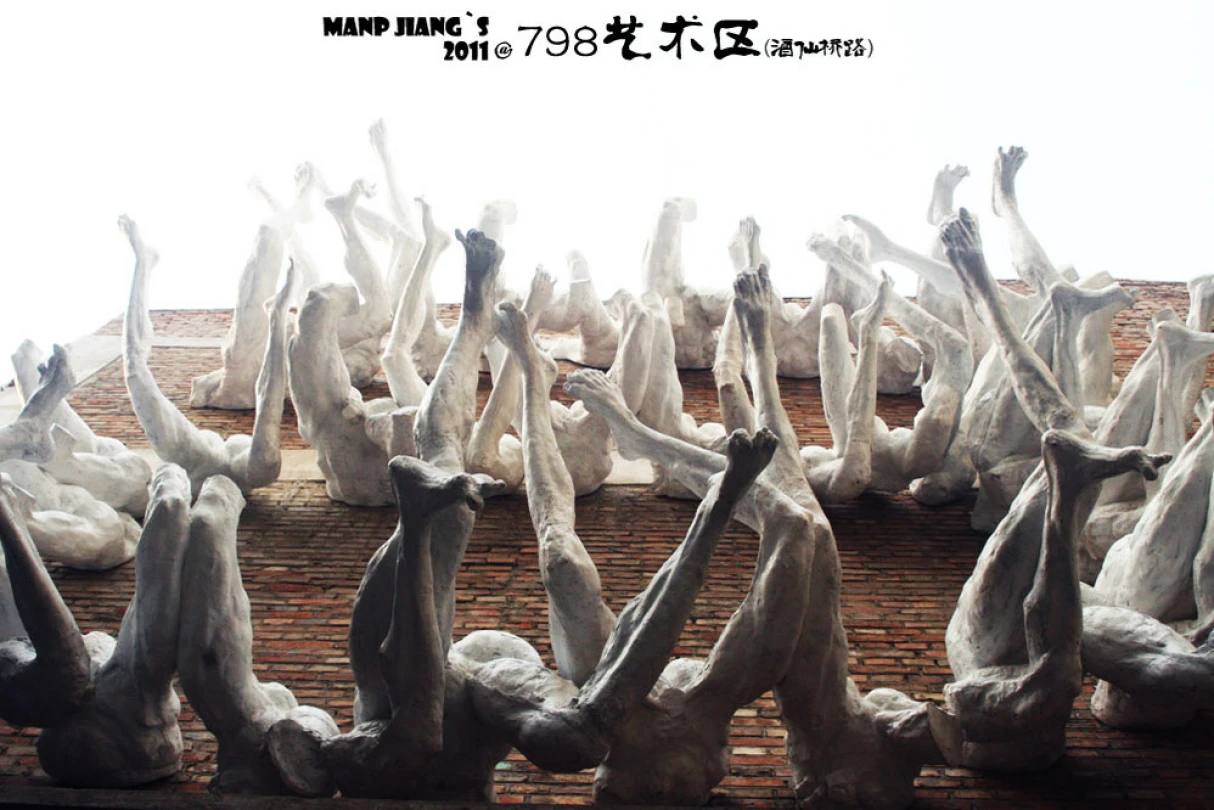
The Journey That Didn't Freeze Me to Death: Beijing – Six Days and Five Nights of Bone-Chilling Cold
Meta Description: Planning a winter trip to Beijing? Read this firsthand account of a spontaneous 6-day Beijing adventure—from ticket battles to 798 Art District, Sanlitun, and survival tips for bone-chilling cold. Perfect for budget travelers and first-timers. Some trips are long-planned romances; others are impulsive…
Continue reading...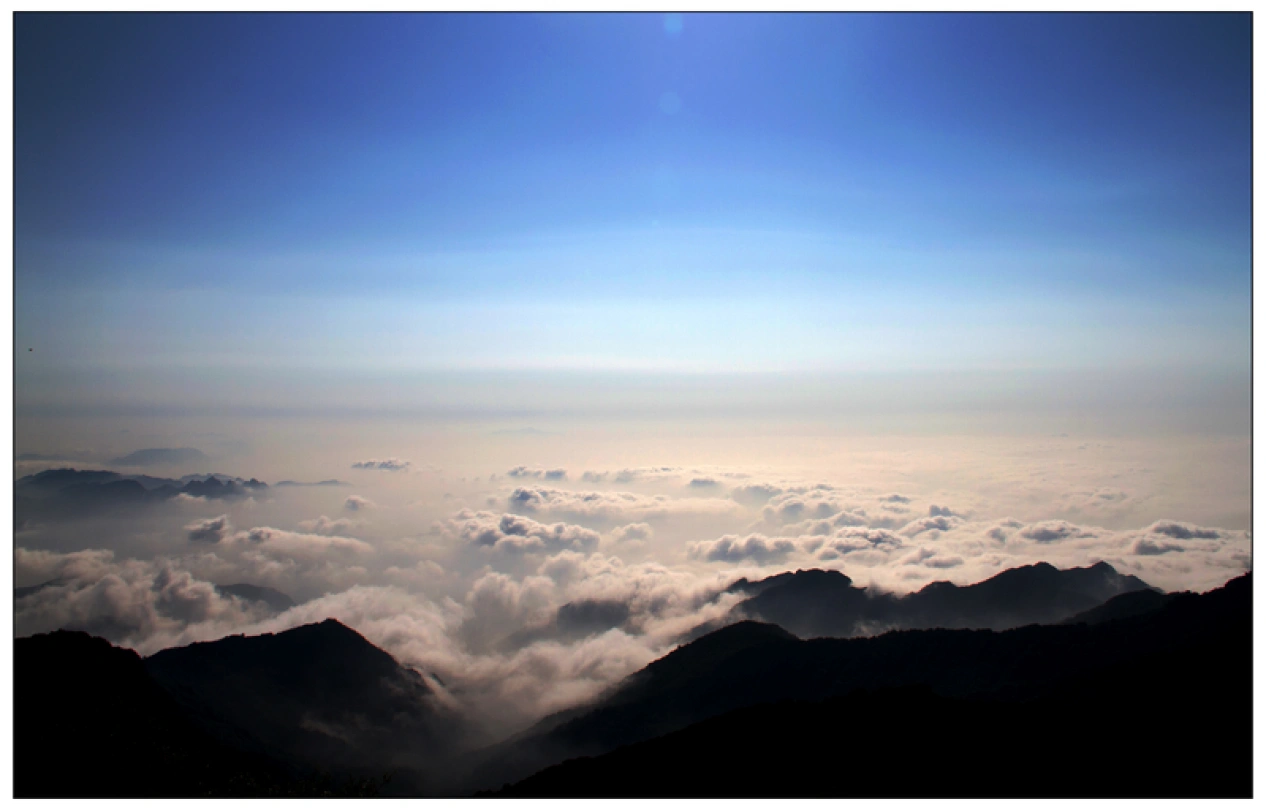
Hai Tuo Mountain Above the Sea of Clouds: A Skyward Feast on the Roof of Beijing
Meta Description: Discover Hai Tuo Mountain, Beijing's second-highest peak, where sea of clouds, starry nights, and alpine meadows await. Your ultimate guide to hiking, camping, and photography on the "Roof of Beijing." At the border of Beijing's Yanqing District and Hebei's Chicheng County lies a…
Continue reading...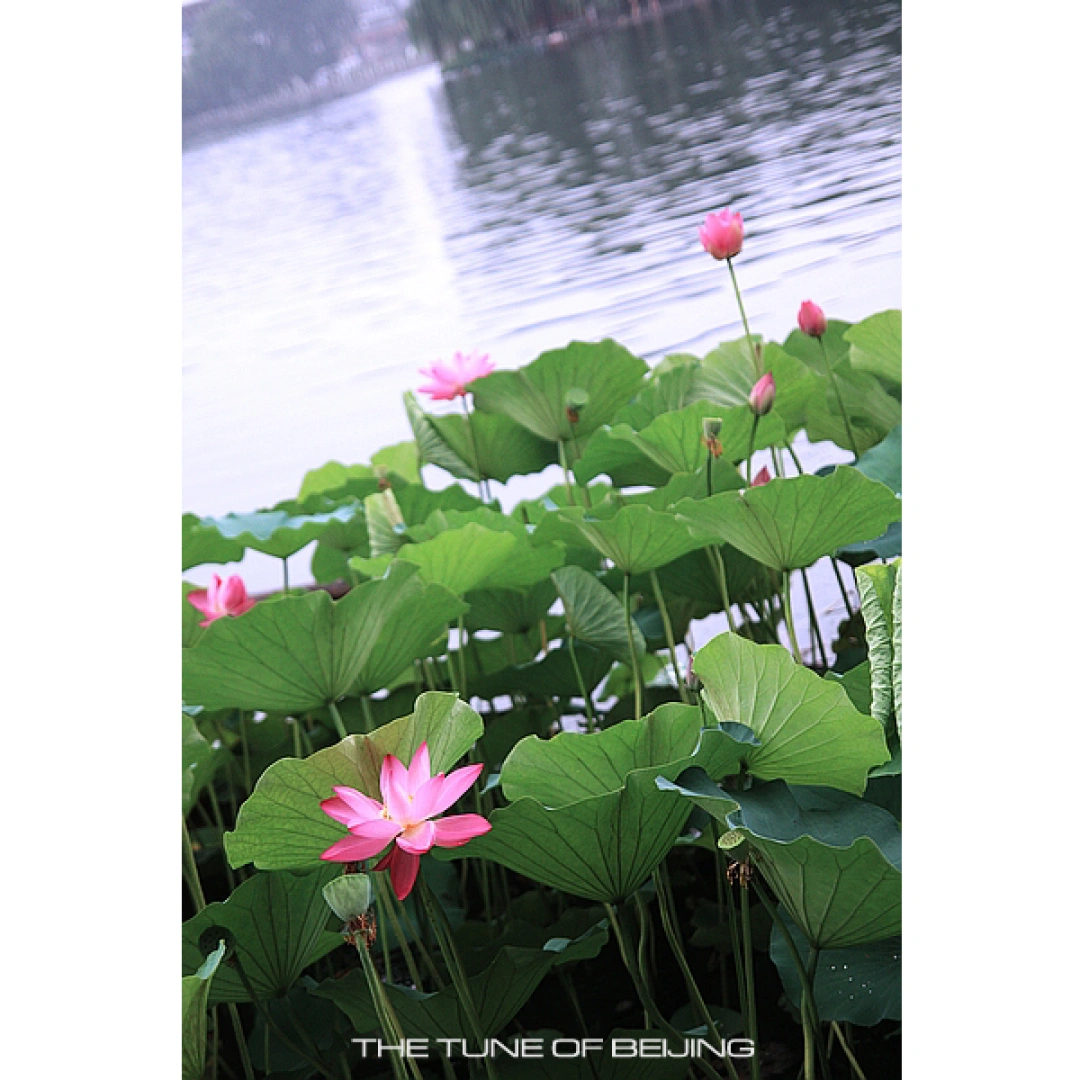
The Accent of Beijing: A Hutong Odyssey in a Downpour – Exploring Beijing's Hidden Charms
Meta Description: Discover Beijing's soul through a rain-soaked hutong odyssey. From Shichahai's melancholy to Mianhua Hutong's philosophy, experience the authentic "accent of Beijing" in this immersive travel story. I'm probably going to laze myself to death. I visited Beijing eight hundred years ago—took the high-speed…
Continue reading...