Seeking Beauty in Beijing: The Frozen Poetry of Culture and Ancient Architecture
Meta Description: Explore Beijing's ancient architecture and cultural poetry in this SEO-optimized guide. Discover the Forbidden City's secrets, the Hall of Supreme Harmony, and timeless hutong charm. Your journey through frozen history begins here.
Introduction: Why Beijing's Ancient Architecture Holds Timeless Cultural Poetry
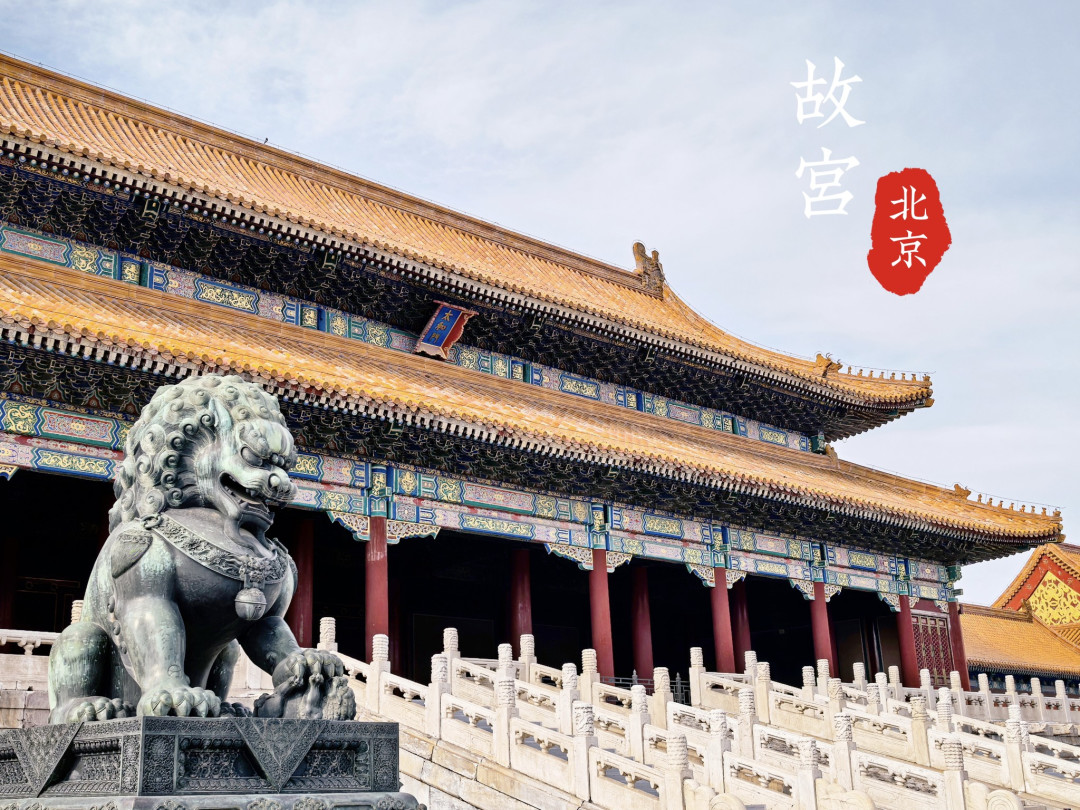
Beijing—a city I have visited countless times. Yet this May, I returned once more, drawn by a promise to the Palace Museum on its centennial anniversary. As my feet once again touched this ancient capital—a city with over three thousand years of urban history and eight hundred seventy years as a dynastic seat, home to five imperial dynasties—the everyday warmth hidden in its hutong alleyways merged with the profound沉淀 accumulated through the ages, weaving together into the most moving longing of this spring.
In May, Beijing's morning breeze still carries a hint of coolness, as if even the air itself whispers: Come, open this living history book. Let every brick, every shard of glazed tile, tell you the verses frozen in time.
This article is your comprehensive guide to understanding the frozen poetry of Beijing's culture and ancient architecture—from the Forbidden City's imperial halls to the hidden symbolism in every carved stone. Whether you're planning a visit or seeking deeper cultural context, you'll discover why Beijing remains one of the world's greatest architectural treasures.
[Link: Best time to visit Beijing for architecture tours]
Part One: The Palace Museum — A Century of Echoes from the Forbidden City

The Meridian Gate: The First Threshold of Imperial Power
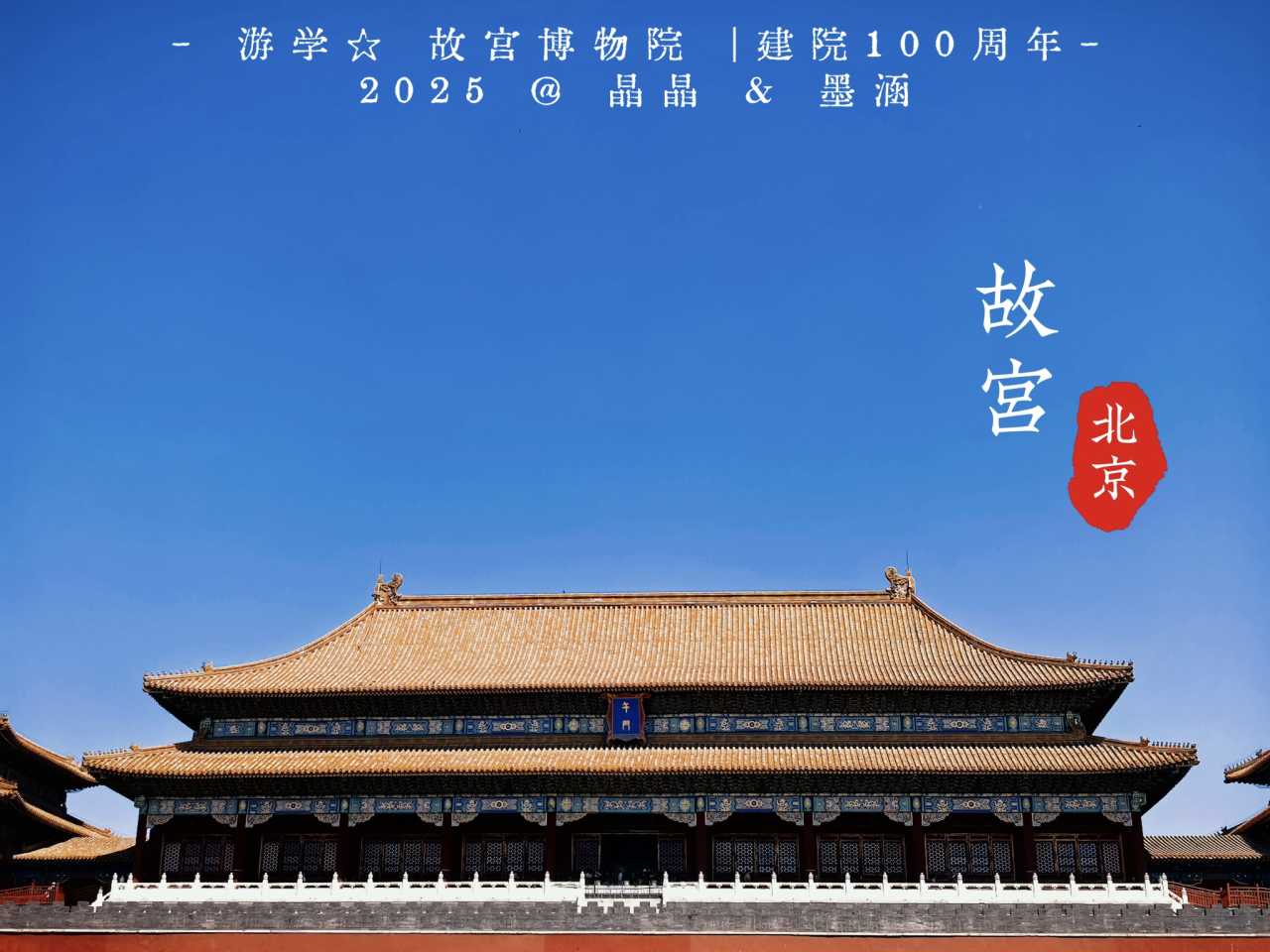
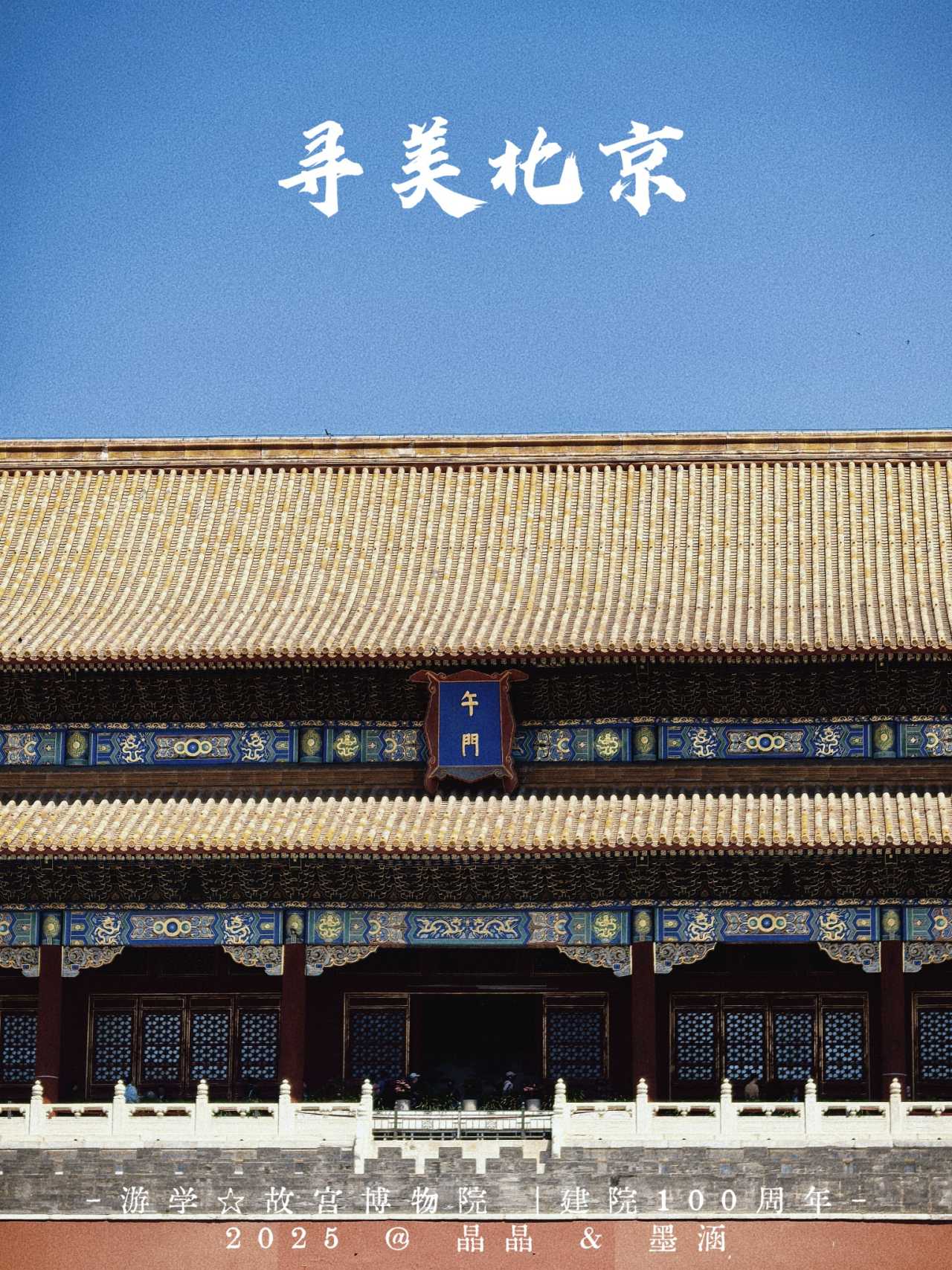
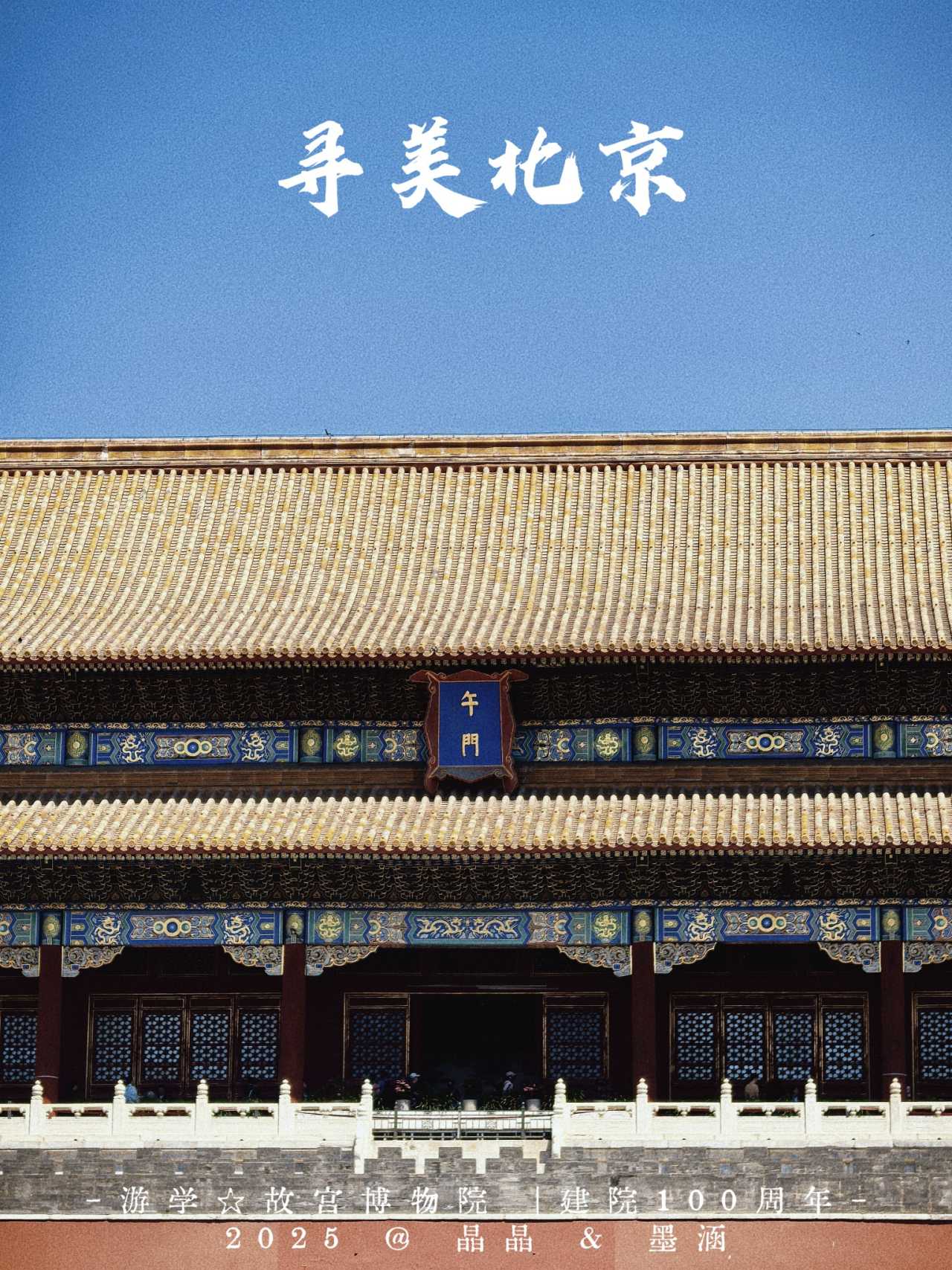
Approaching the Palace Museum is like opening a weighty historical tome. The towering Meridian Gate (Wumen) , the main entrance to the imperial palace, features a unique concave shape resembling a wild goose spreading its wings—hence the names of the eastern and western "Wild Goose Wing Towers" (Yanchi Lou). Upon the lofty rampart, the central main hall spans nine bays in width and five in depth, subtly echoing the "Nine-Five Supreme" numerical symbolism reserved for the emperor. Its double-eaved hip roof stands proudly atop the city wall.
Flanking it on each side are two pavilions with double-eaved pyramidal roofs, connected by covered corridors, forming this rare concave layout. This architectural form is highly unusual among ancient city gates, projecting both majesty and the hidden meaning of "the Son of Heaven at the center, receiving homage from all directions." Once upon a time, this was where grand ceremonies were held, where imperial edicts were proclaimed, and where captured enemies were presented as trophies—all manifestations of supreme imperial authority. As for those dramatic movie lines about being "dragged out to the Meridian Gate for execution," take them with a grain of salt. Historical truth is far less theatrical.
Standing beneath the Meridian Gate, looking up in contemplation, the currents of history surge within one's heart. It feels as though one can see court officials in their ceremonial robes, moving in and out amidst an atmosphere of solemnity, sensing the dignity and gravity of ancient court rituals. In that moment, time ceases to be a linear existence; it becomes eternity frozen within every brick and stone.
SEO Tip: The Meridian Gate is one of Beijing's most photographed architectural landmarks. For photographers, early morning light creates dramatic shadows that highlight the gate's concave wings.
[Link: Photography tips for Forbidden City architecture]
The Gate of Supreme Harmony and the Golden Water Bridges: Five Bridges on a Jade Belt
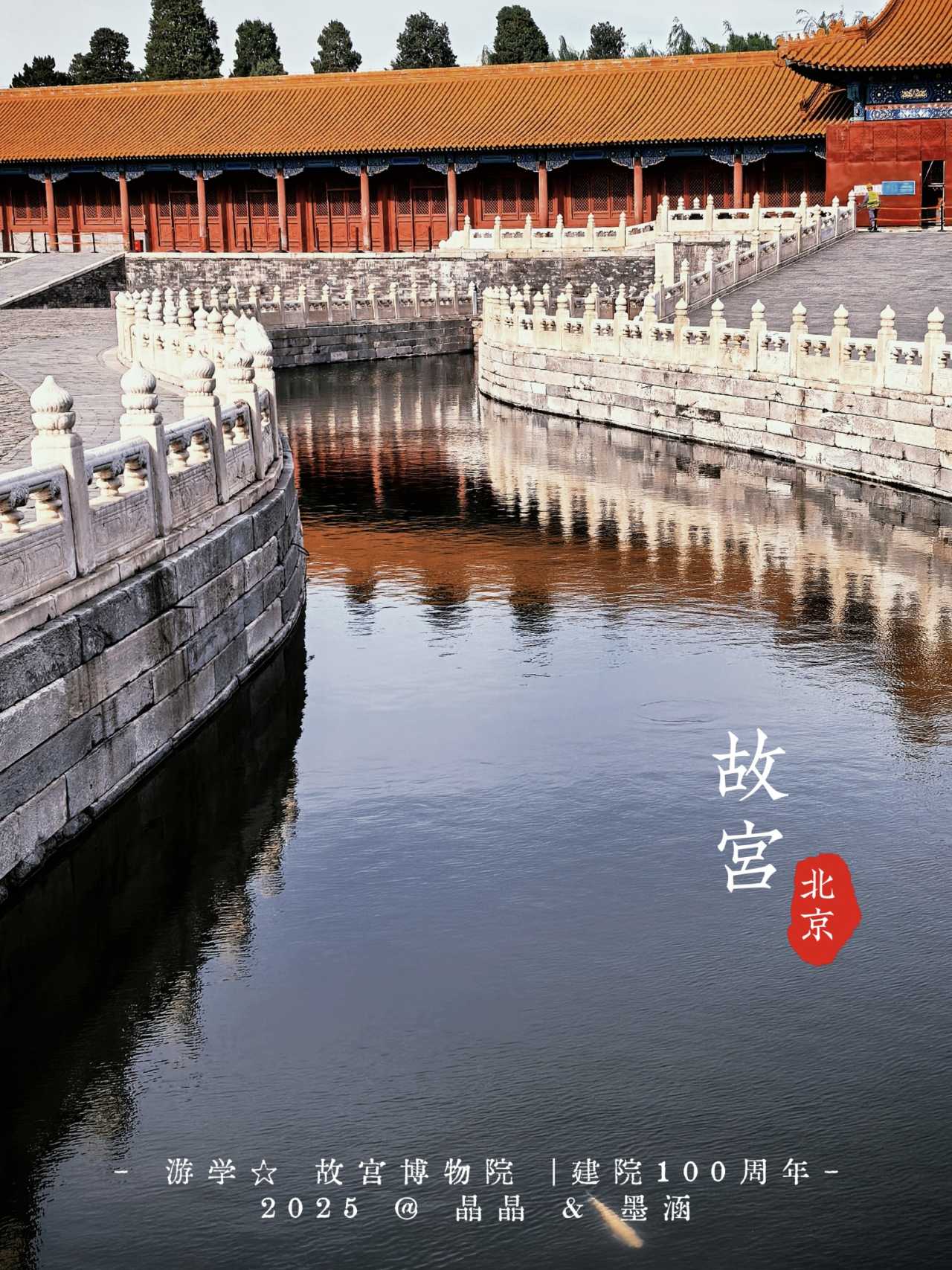
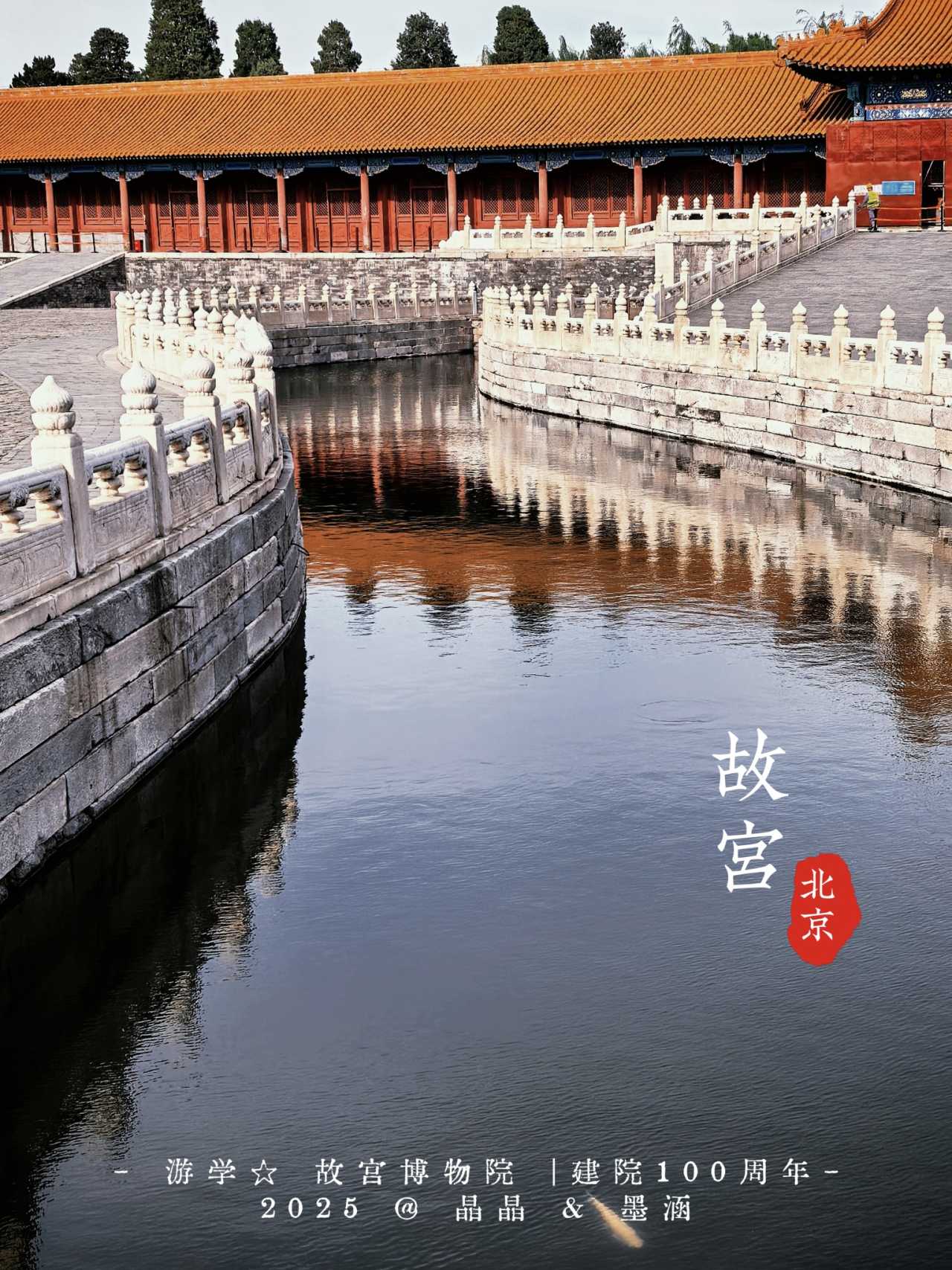
Passing through the Meridian Gate, the Square of the Gate of Supreme Harmony opens up dramatically. The Inner Golden Water River (Nei Jinshui He) winds through it like a jade belt, spanned by five white marble bridges—the Inner Golden Water Bridges. This river is not merely a beautiful landscape feature; it is a crucial hub of the Forbidden City's vast drainage system, regulating rainwater discharge, preventing waterlogging, and also serving as a fire-fighting water source, silently protecting the palace's safety.
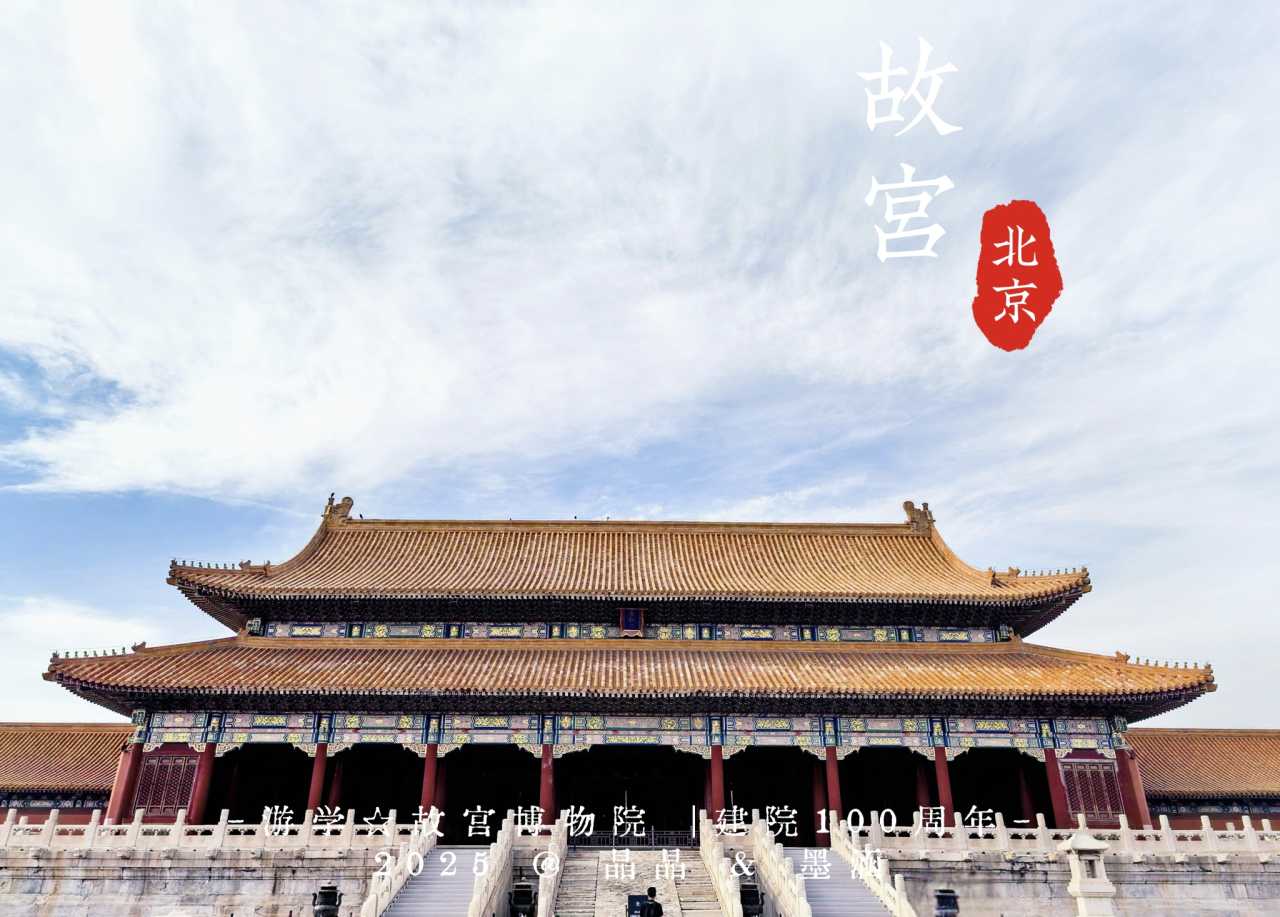
Crossing the Golden Water Bridges, the expansive vista before you is enough to conquer any first-time visitor. Facing the Meridian Gate on the north side of the square stands the Gate of Supreme Harmony (Taihemen) —the largest palace gate within the Forbidden City, spanning nine bays in width and four in depth, with a building area of approximately 1,300 square meters. Its double-eaved hip-and-gable roof is covered with yellow glazed tiles, and the beams and brackets are adorned with vibrant, intricately patterned Hexi color paintings (a high-grade decorative style using gold outlines).
Before the Gate of Supreme Harmony stands a pair of bronze lions cast during the Ming Dynasty, the largest among the six pairs of bronze lions in the Forbidden City. The male lion plays with a brocade ball, symbolizing the unification of the world; the female lion soothes a cub, alluding to the continuation of the imperial lineage. It is said that during the harsh winter, the eastern bronze lion even develops an "icicle nose," becoming a curious sight for winter visitors to the Forbidden City.
Historical Fact: The Golden Water Bridges were not just decorative—they represented the five Confucian virtues: benevolence, righteousness, propriety, wisdom, and fidelity. Each bridge carried symbolic meaning for the emperor who crossed them.
[Link: Symbolism in Chinese imperial architecture]
The Hall of Supreme Harmony: The Apex of Imperial Power on the Golden Throne Hall
Passing through the Gate of Supreme Harmony, the renowned Hall of Supreme Harmony (Taihedian) comes into view—commonly known in folklore as the Golden Throne Hall (Jinluandian). Its double-eaved hip roof represents the highest等级 of roof form in Chinese ancient architecture. The yellow glazed tiles shimmer like gold under the sunlight, symbolizing the supreme authority of the emperor. The hall spans eleven bays in width and five in depth, with a building area of 2,377 square meters, a height of 26.92 meters, and a total height of 35.05 meters including the platform—making it the largest existing wooden structure in China.
Standing on the Sumeru platform of the Hall of Supreme Harmony and looking south, the ceremonial guard stone bases arranged in a V-shape extend towards the Gate of Supreme Harmony. During grand court sessions, the honor guard would stand on these square bases, holding flags and canopies, while civil and military officials lined up on the east and west sides respectively. Just imagining this scene is enough to feel the awe and solemnity.
The three-tiered white marble carved platform base, 8.13 meters high, is surrounded by balustrades. Beneath the balustrades are stone carved dragon heads for drainage. During the rainy season, this area presents the spectacular sight of "a thousand dragons spouting water," as if the entire palace were breathing.
Ten mythical beasts line the eaves, each with a distinct posture. Starting from the foremost end of the eaves is the "Riding the Phoenix Immortal," followed by the dragon, phoenix, lion, sea horse, heavenly horse, yayu (a mythical fish-lion hybrid), xiezhi (a mythical beast symbolizing justice), suanni (a mythical lion-like creature), douniu (a mythical ox-like creature), and xingshi (the tenth and highest-ranking beast). Some appear majestic, others lively, silently guarding this ancient palace.
The Hall of Supreme Harmony was the venue for Ming and Qing emperors to hold major ceremonies such as enthronement and sending generals to war, as well as receiving congratulations and hosting banquets for princes and ministers on the three major festivals: the Emperor's Birthday (Wanshoujie), New Year's Day (Yuandan), and the Winter Solstice (Dongzhi). Standing before the hall, one cannot help but feel boundless admiration for the wisdom and skill of the ancients—this building is not just a masterpiece of brick, stone, and timber construction, but a crystallization of art and culture.
Did You Know? The Hall of Supreme Harmony was rebuilt several times due to fires. The current structure dates from 1695 during the Kangxi Emperor's reign. Lightning strikes were a constant threat to this wooden masterpiece.
[Link: Forbidden City restoration projects]
Why Did the Qing Dynasty Continue Using the Ming Palace?
Conventionally, a new dynasty would either burn down the previous dynasty's palace or move the capital elsewhere. However, after the Qing Dynasty entered the Pass, they continued to use the Ming Dynasty's Forbidden City. Besides political symbolism and the need for ethnic integration, there was a very practical reason—construction cost.
The Forbidden City is immense in scale and perfectly constructed. Rebuilding an imperial palace would have required enormous manpower, financial resources, and time. Columns of golden-thread nanmu wood, glazed tiles, gold bricks (a special high-density clay brick), white marble platforms and ramps—each item represented astronomical costs. It is said that when Beijing prepared for the Olympic Games, a centennial restoration of the Hall of Supreme Harmony costing over ten billion yuan covered only roof repairs, repainting of colored patterns, and restoration of walls and floors. This illustrates just how monumental the original construction was.
Modern Context: Today, the Forbidden City receives over 17 million visitors annually. Its preservation is a UNESCO World Heritage priority, with ongoing research into traditional building techniques.
Part Two: The Frozen Poetry of Beijing's Hutong Culture
Beyond the imperial grandeur lies Beijing's soul—the hutong alleyways that weave through the city like capillaries of everyday life. These narrow lanes, dating back to the Yuan, Ming, and Qing dynasties, house traditional siheyuan (courtyard homes) where generations have lived, laughed, and preserved the city's intangible cultural heritage.
Walking through a hutong in May, you'll encounter: - Old men playing chess under ancient locust trees - Street vendors selling tanghulu (candied hawthorn skewers) - Calligraphy masters practicing water calligraphy on stone pavements - Rooftop gardens where residents grow vegetables and flowers
This living culture is the "frozen poetry" that transforms Beijing from a museum into a breathing, evolving city. The contrast between the Forbidden City's rigid symmetry and the hutong's organic chaos creates a unique urban tapestry.
[Link: Best hutong walking tours in Beijing]
Part Three: Seasonal Beauty and Architectural Photography Tips
Beijing's ancient architecture changes with the seasons, each offering a different "frozen poetry":
| Season | Best Experience | Photography Tip |
|---|---|---|
| Spring (April-May) | Cherry blossoms at the Forbidden City moat | Use a polarizing filter to reduce glare on glazed tiles |
| Summer (June-August) | Lotus flowers in Beihai Park | Shoot early morning for soft light on white marble |
| Autumn (September-November) | Golden ginkgo leaves at the Imperial Ancestral Temple | Use a wide-angle lens to capture fall foliage against red walls |
| Winter (December-February) | Snow-covered Forbidden City rooftops | Shoot after snowfall for pristine white contrast |
Pro Tip: The "icicle nose" phenomenon on the bronze lion at the Gate of Supreme Harmony occurs only during Beijing's coldest winter days (typically January). If you visit in winter, arrive at opening time for the best light.
[Link: Beijing photography tours with local guides]
FAQ: Your Questions About Beijing's Ancient Architecture Answered
1. How long does it take to fully explore the Forbidden City?
 A thorough visit takes 3-4 hours for the main central axis (Meridian Gate to the Imperial Garden). For a complete exploration including the Western and Eastern Palaces, plan 6-8 hours. We recommend starting at 8:30 AM to avoid crowds.
2. What is the best time of year to visit the Palace Museum?
Spring (April-May) and autumn (September-October) offer the most comfortable temperatures and clear skies. Winter (December-February) provides dramatic snow scenes but can be extremely cold. Summer is hot and crowded, though the "thousand dragons spouting water" drainage spectacle occurs during summer rains.
3. Can I take photographs inside the Forbidden City?
 Yes, photography is permitted in most areas for personal use. Tripods and professional equipment require special permits. Flash photography is prohibited in indoor exhibition halls to protect artifacts.
4. What does the "Nine-Five Supreme" symbolism mean in Chinese architecture?
The number nine (long) symbolizes the emperor, while five (wu) represents the center. Together, "Nine-Five" signifies the emperor's supreme position. You'll see this in the nine-bay width and five-bay depth of the Hall of Supreme Harmony, and the nine dragons on the Nine-Dragon Wall.
5. Is the Forbidden City accessible for visitors with mobility challenges?
Yes, the main central axis route is wheelchair accessible with ramps at major gates. However, some side palaces and elevated platforms may require stairs. Wheelchair rentals are available at the Meridian Gate entrance.
[Link: Accessibility guide for Beijing historical sites]
Conclusion: Your Journey Through Frozen Poetry Begins Now
Beijing's ancient architecture is more than stone and timber—it is a living library of Chinese civilization, where every carved dragon, every glazed tile, every bronze lion tells a story of imperial ambition, artistic mastery, and cultural continuity. The frozen poetry of the Forbidden City and the warm pulse of hutong life create an unforgettable experience that transcends time.
Whether you're a history buff, an architecture enthusiast, or a curious traveler, Beijing offers layers of discovery that reward repeated visits. The centennial anniversary of the Palace Museum makes 2024 the perfect year to experience this wonder.
Your Next Step: Book your Forbidden City tickets at least 7 days in advance (official website: www.dpm.org.cn). Consider hiring a licensed guide for deeper historical context. And don't forget to wander the hutongs—that's where the real poetry of Beijing lives.
Have you visited Beijing's ancient architecture? Share your favorite frozen poetry moment in the comments below, or tag us on social media with #BeijingFrozenPoetry.
Internal Linking Suggestions: - [Link: Top 10 ancient Chinese architectural wonders beyond Beijing] - [Link: Guide to Beijing's UNESCO World Heritage Sites] - [Link: Traditional Chinese roof decoration symbolism explained] - [Link: How to plan a 3-day Beijing itinerary focusing on architecture] - [Link: The hidden drainage systems of ancient Chinese palaces]
Primary Keyword: Beijing ancient architecture cultural poetry
Long-tail variations: Forbidden City architecture guide, Hall of Supreme Harmony symbolism, Beijing hutong culture history, Meridian Gate photography tips, frozen poetry of Chinese architecture
You should also read:
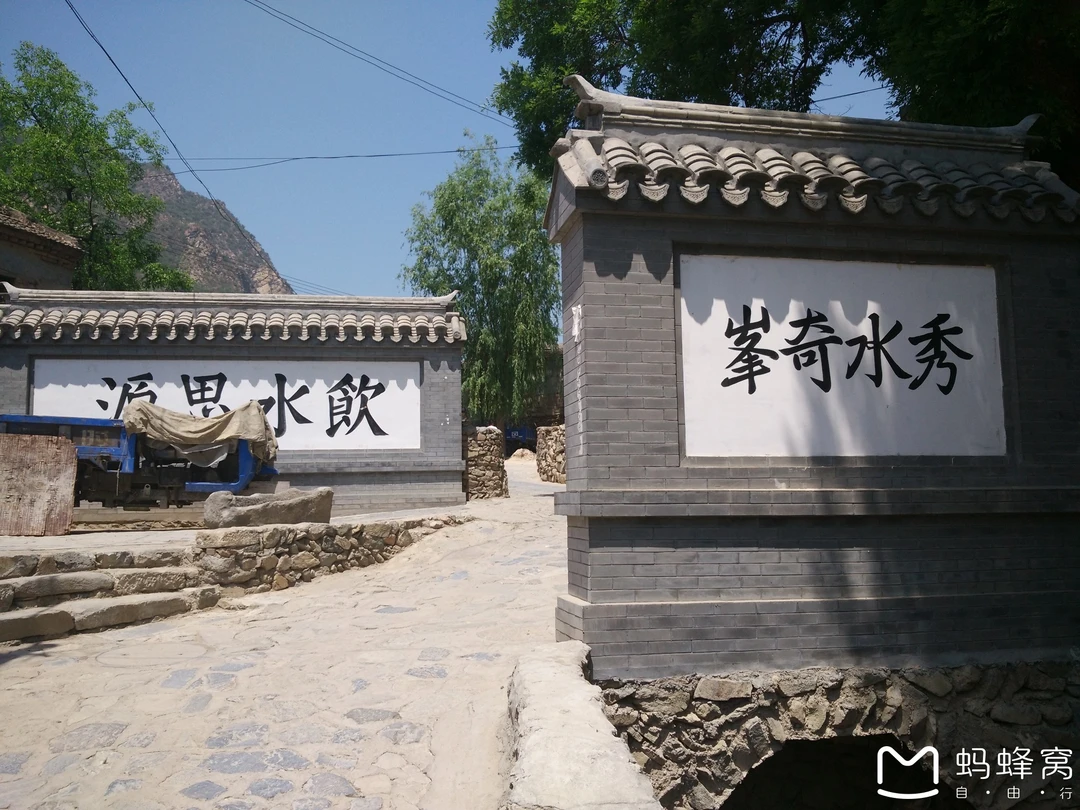
Impressions of Beijing: Mentougou Part Three — Lingshui Village, Searching for a World of the Past in the Depths of Time
Meta Description: Discover Lingshui Village, Beijing's "Juren Village" in Mentougou District. Explore millennium-old courtyard houses, Ming-Qing scholar legacy, and practical travel tips. A journey into ancient Chinese culture awaits. "Spring deep, my official duties are complete; day by day, my heart turns to the mountains."…
Continue reading...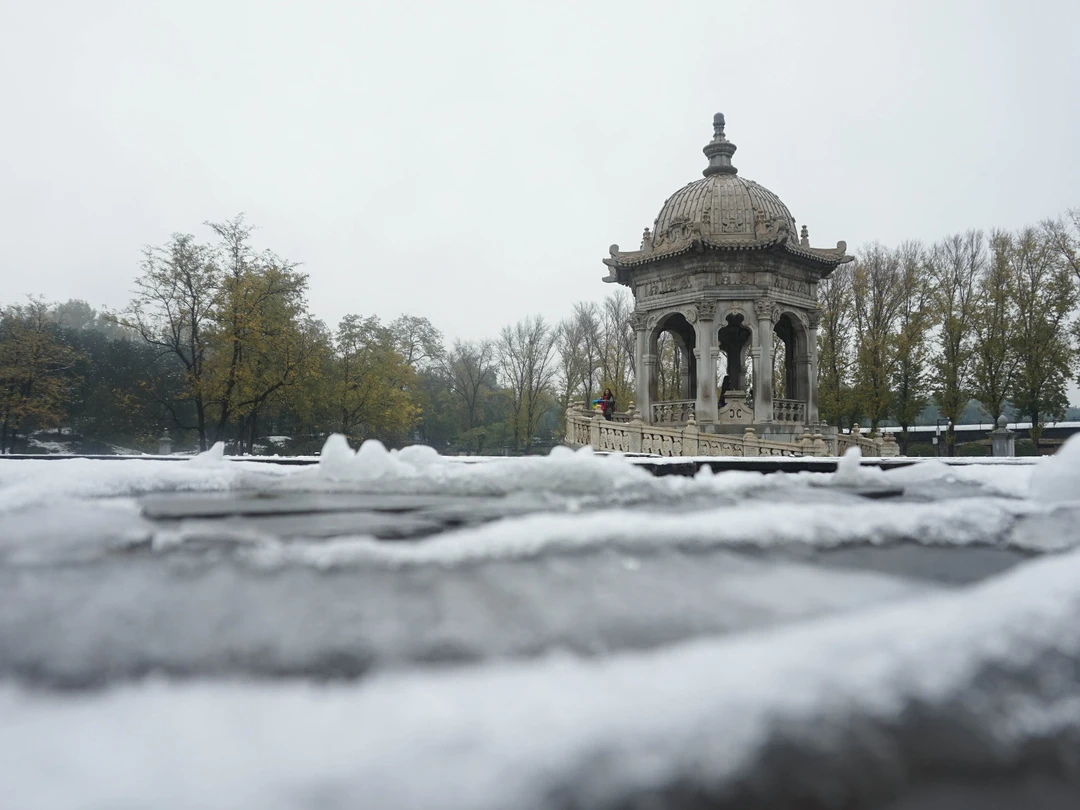
Beiping: A City Where the Aroma of Street Food Meets the Poetry of the Distant Horizon
Here is the SEO-optimized, rewritten article based on your source material. It is structured for search engine visibility while maintaining the poetic, travelogue style of the original. SEO Title: Beiping Travel Guide: Street Food Aroma, Hutong Culture & The Poetry of Beijing’s Horizon Meta Description:…
Continue reading...
Seeking · Encountering · Autumn in Beijing: Your Ultimate Guide to Beijing’s Most Stunning Fall Scenery
Meta Description: Discover Beijing’s best autumn destinations beyond Fragrant Hills. From Tsinghua University’s golden ginkgo avenue to Dajue Temple’s millennium-old tree, plan your perfect fall escape with our expert guide. Autumn in Beijing is more than a season—it’s a grand farewell. When the summer heat…
Continue reading...