Seeking Flavors in Beijing: Those Ten Pounds Are My Most Honest Account of This Winter
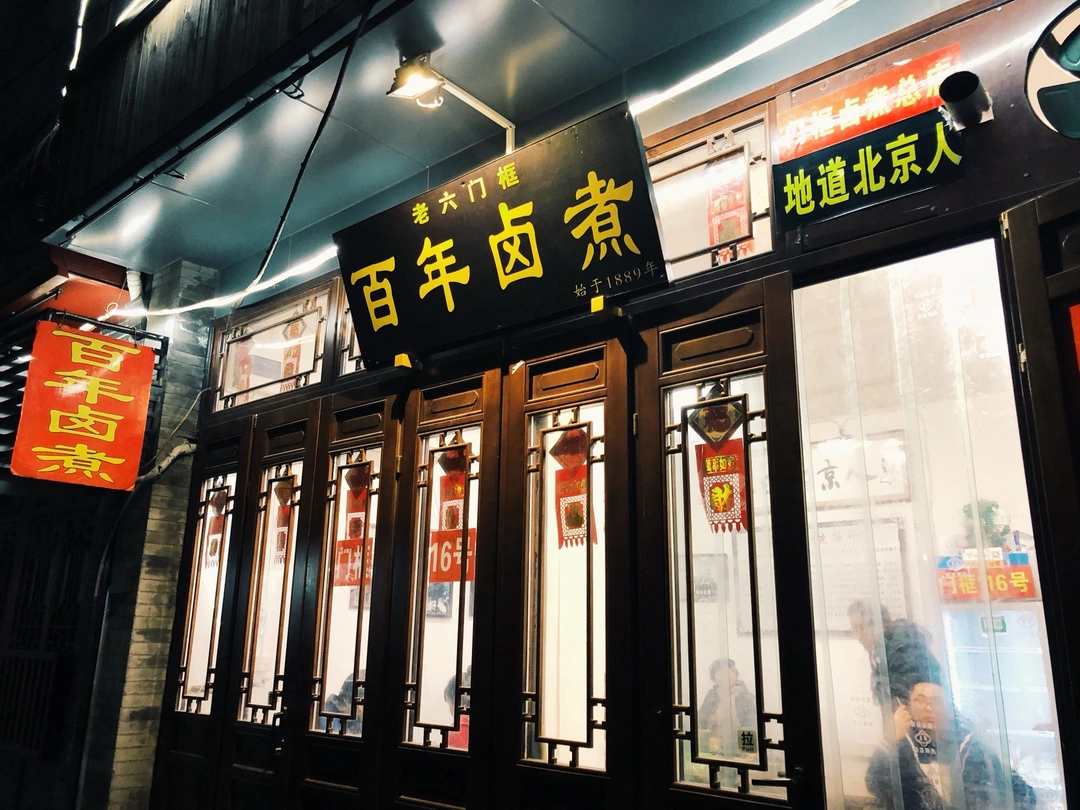
Meta Description: Discover Beijing's best street food, from Heiyaochang Tangyoubing to Niujie halal snacks. Gain 10 pounds of pure culinary joy in this honest winter food guide.
Introduction: Why 10 Pounds Is the Best Souvenir from Beijing
Sometimes I wonder, how exactly does a person store their memories of a city? Is it through photos in an album, location tags on a phone, or those tastes and textures that linger in your mind late at night?
For me, the answer is simple—it's those very real numbers on the bathroom scale.
I've been in Beijing for three months, and I've gained ten pounds. This isn't something to brag about, but it's also nothing to hide in shame. Those ten pounds were earned through every early morning queue, every scalding mouthful of satisfaction, and every "just one more bite" indulgence. They are the most honest record of this winter, the most intimate conversation I've had with this city.

Someone asked, is it worth it for food?
I remember flipping through a book called The Old Beijing on Street Corners at Zhengyang Bookstore. It said: "Eating is often seen as something rather vulgar... but in truth, eating is not vulgar at all. The pursuit of fine food is an important part of a brilliant civilization—it is reverence and appreciation for what nature has gifted us."
So don't be too quick to mock those willing to travel across half the city for a single bite. They're not being gluttonous—they're measuring a city's warmth with their tongues.
I. Morning Rituals: The Flavors That Made Me Willing to Wake Up Early
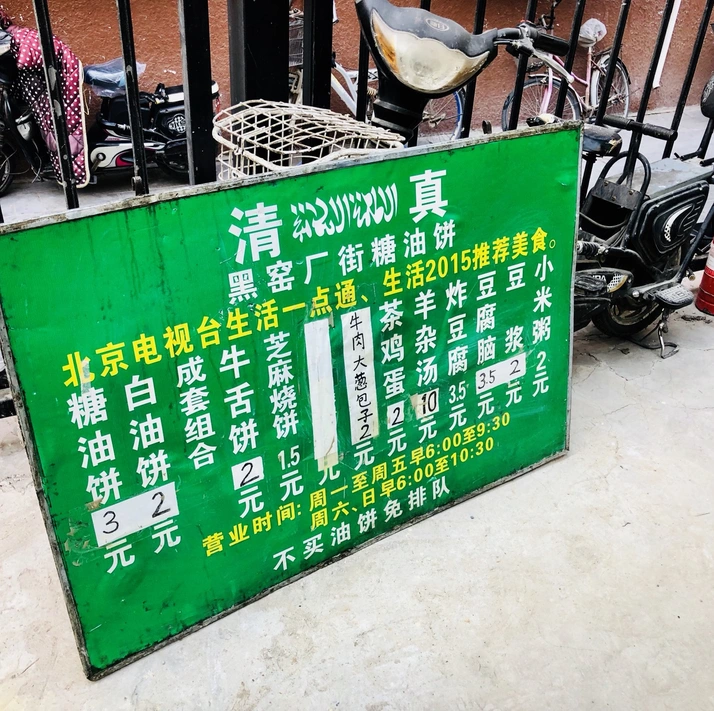
Heiyaochang Tangyoubing: One Pancake Cured My Bed-Rotting Habit
Under an old residential building in Xicheng District, there's a shop that turned this chronic oversleeper into someone who willingly gave up countless lazy mornings.
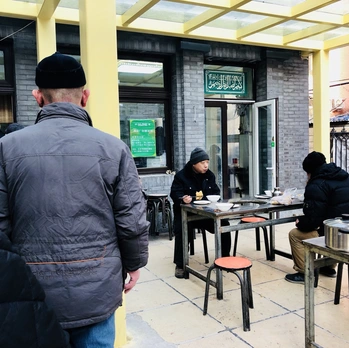
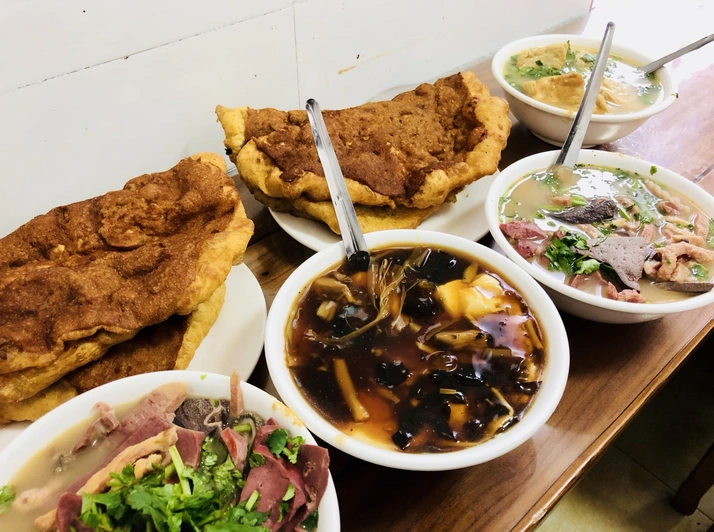
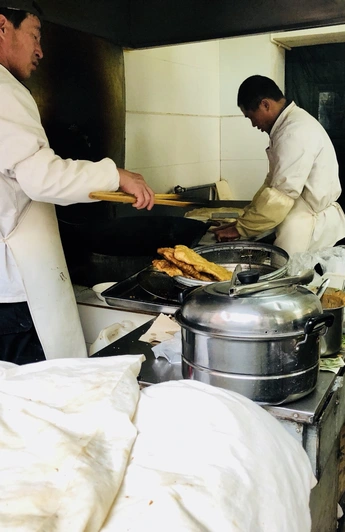
Heiyaochang Tangyoubing (fried dough with sugar coating) is more than an internet-famous spot—it feels like a collective memory of old Beijing. The first time I went, I saw mostly elderly locals in the queue, and I knew right away: any flavor approved by the aunties and uncles couldn't be wrong.
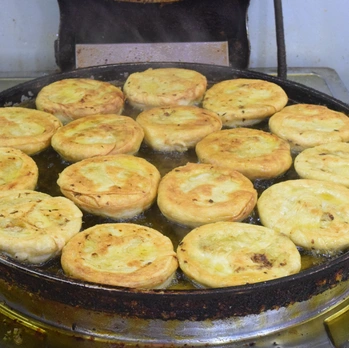
The soul of this sugary fried dough lies in that top layer of sugar. Deep-fried to a crispy, shattering crunch, it lets out a satisfying "crack" when you bite into it, yet never feels greasy. I tried the "double-layer" version that locals recommend—two layers of sugar stacked together, doubling the crunch and the happiness.
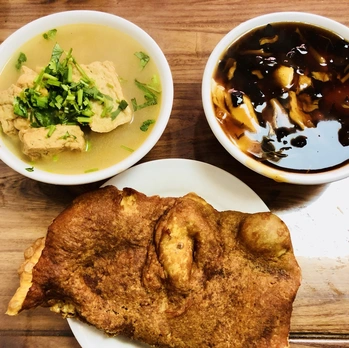
The best way to eat it, which I learned on my third visit, is to dip it into soy milk. The warmth and smoothness of the soy milk balance out the fried oiliness, while the sweetness of the sugar and the fragrance of the beans entwine in your mouth. At that moment, you think: what's one hour of lost sleep?
Locals also like to sandwich a double-layer tangyoubing inside a beef tongue pastry (niúshé bǐng) and pair it with a bowl of lamb offal soup or fried tofu. As for me, I've been dreaming of trying a beef and scallion bun with lamb offal soup, but the buns are always sold out by the time I get there—that's the stubbornness of an internet-famous shop for you.
[Link: Best breakfast spots in Beijing]
Niujie Street: One Street Holding All of Beijing's Halal Flavors
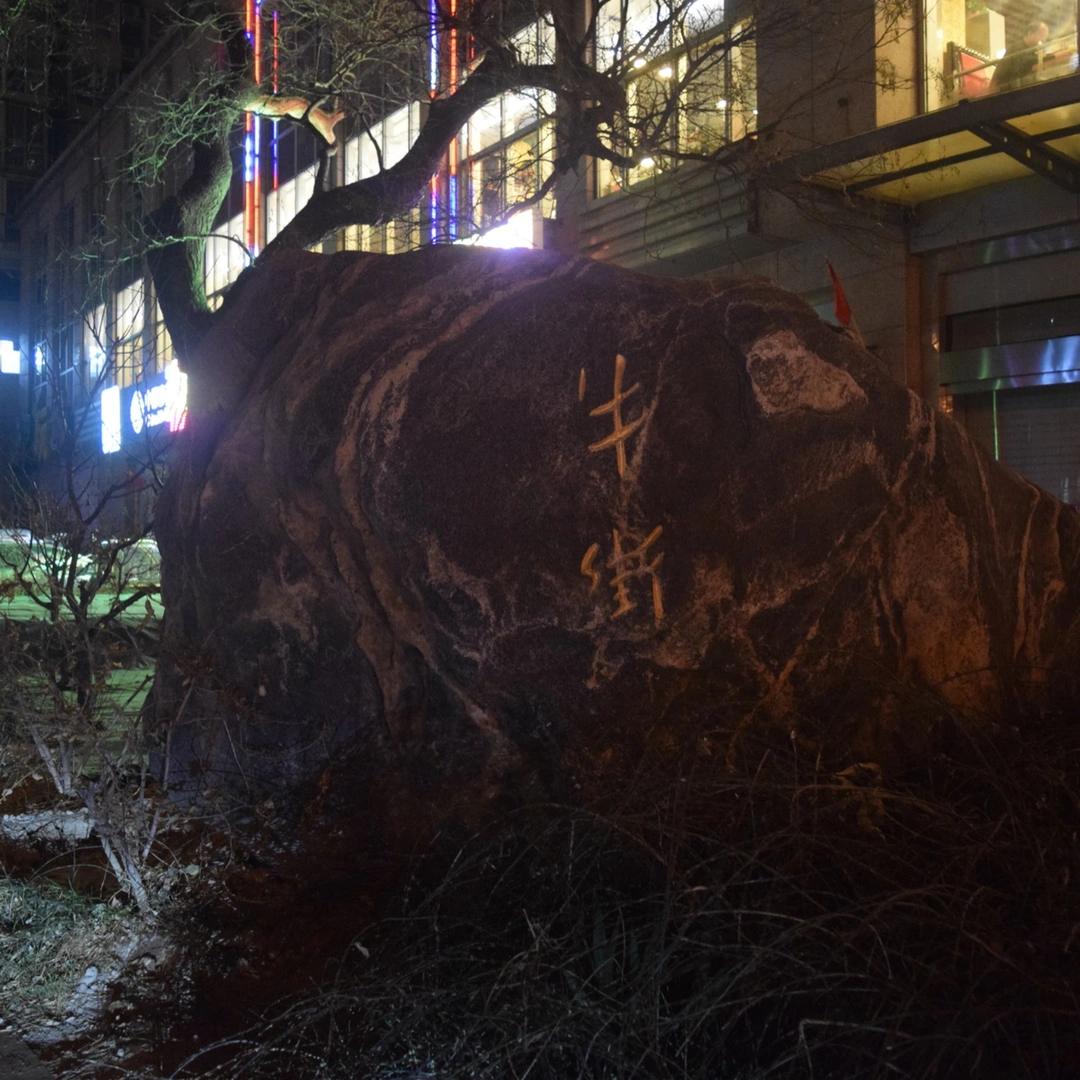
If there's one place in Beijing I've visited again and again and still want to go back to, it's Niujie Street.
This is a Muslim neighborhood and the birthplace of Beijing's most authentic halal snacks. Those familiar names—lǘ dǎ gǔn (glutinous rice rolls with red bean paste), niángāo (New Year cake), huǒshāo (baked flatbread), and mì máhuā (honey-twisted dough)—all spread out from here to the rest of the city. The first mentor I worked with during my internship was Hui Muslim, and she said Niujie was her childhood memory. For me, Niujie has become my weekend pilgrimage site.
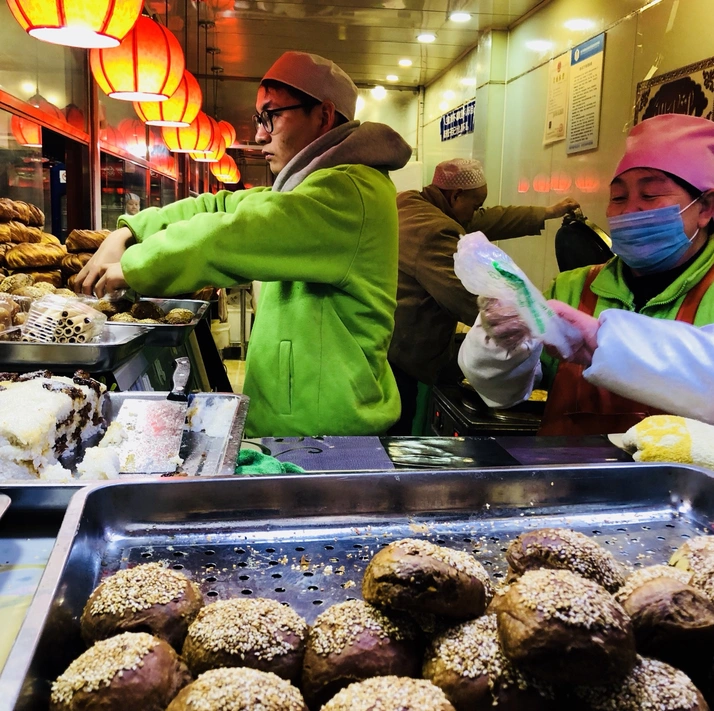
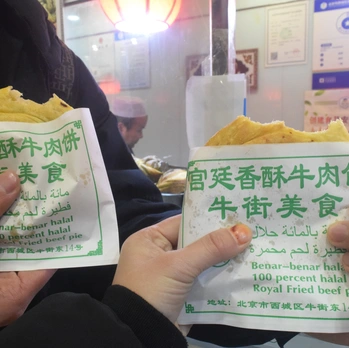
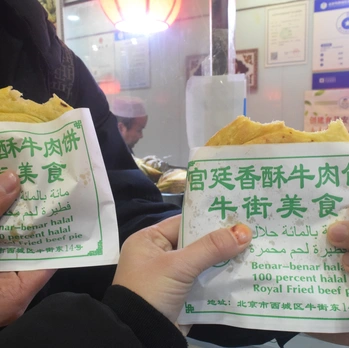
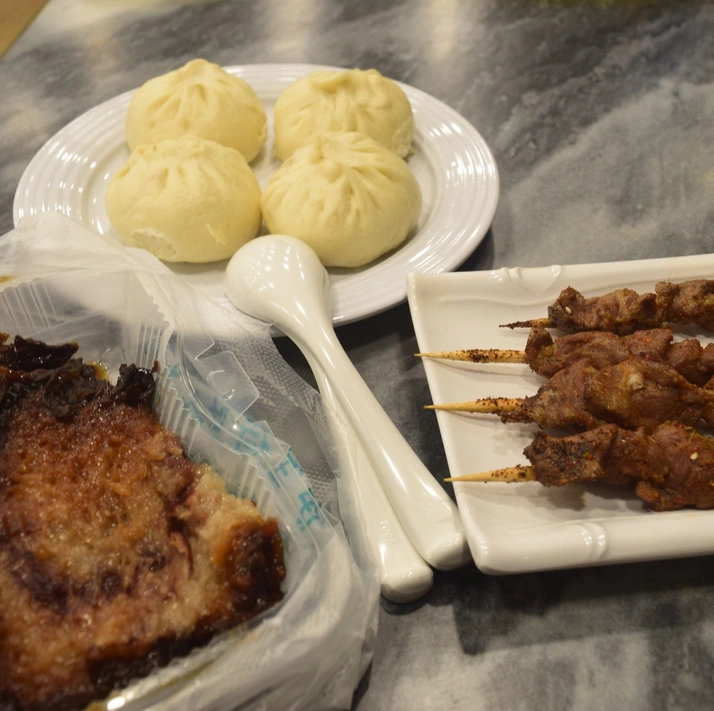
Every time I go to Niujie, my first stop is always the beef pancake (niúròu bǐng). Fresh off the griddle, the crust is so crispy it crumbles, and the beef filling inside is wonderfully fragrant. Then I head to Hongji (Hóng Jì) to grab two freshly steamed beef and scallion buns or lamb and scallion buns—the bun skin is soft, the filling is generous, and when you bite in, the broth explodes in your mouth.
The Baiji Rice Cake (Bái Jì Niángāo) counter inside the Niujie Halal Supermarket is an absolute must. Their lǘ dǎ gǔn is outstanding: the layer of glutinous rice flour is just the right thickness, and the red bean paste is so fine it melts on your tongue. Eating the rice cake together with the hawthorn cake on top creates a beautiful contrast of sweet and sour, with distinct layers of flavor. The wān dòu huáng (pea flour cake) is so smooth and sandy that even elderly customers can't stop praising it.
There's also a stall selling zèng gāo (steamed rice cake with red dates)—snow-white glutinous rice topped with deep red dates. The auntie behind the counter cuts it with remarkable precision, giving you exactly the amount you ask for. One bite, and it's sticky, sweet, and perfectly balanced—not too sugary at all.
During the Lantern Festival, they sell various flavors of yuánxiāo (similar to glutinous rice balls). Inside the Halal Supermarket, there are also several pastry shops. I particularly love the sàqímǎ (Manchu-style candied fritters)—soft, fluffy, and sweet, without sticking to your teeth at all.
Around the corner, there's a cheese shop. An elderly Beijing native at my table told me that locals swear by two cheese brands: Nǎilào Wèi and Sānyuán. I tried the almond tofu (xìngrén dòufu), palace-style cheese (gōngtíng nǎilào), fried milk (zhá niúnǎi), and oil tea (yóuchá). To my surprise, I liked everything except the cheese itself. The almond tofu, in particular, had an aroma that was just too much for me, even as the auntie next to me kept urging me to drink more, saying it was good for the skin.
[Link: Halal food guide to Niujie Street]
Sister Hua's Congee Shop (Huā Jiě Zhōu Diàn): Home-Style Flavors in a Qianmen Alley
Strictly speaking, this place isn't a breakfast shop, but since they serve congee, braised noodles, buns, tofu pudding, and soy milk—all breakfast-style items—I've taken the liberty of categorizing it as such.
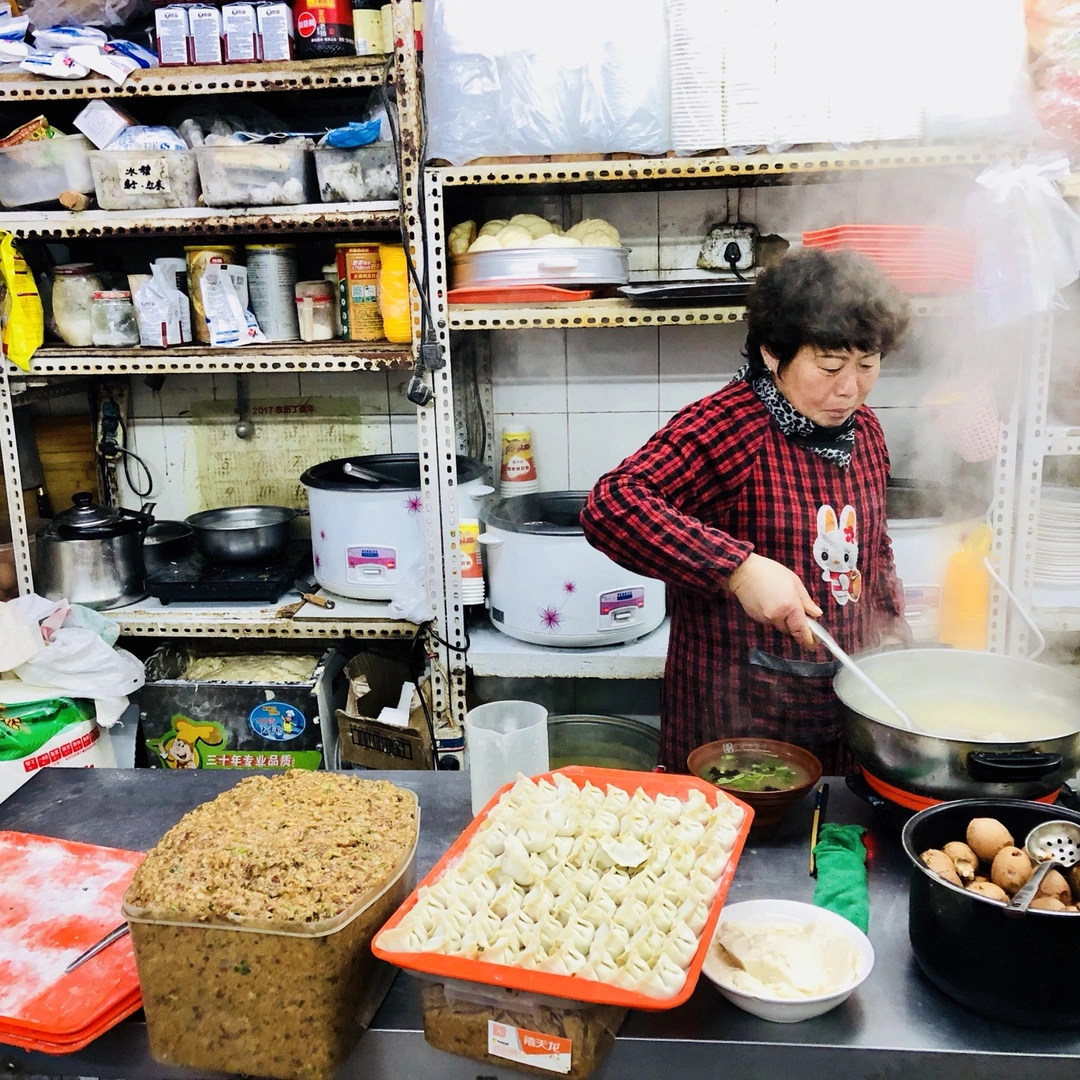
Sister Hua's is tucked away in a small alley off Qianmen Commercial Street. The shop is tiny, with just a few tables, a couple of induction cooktops, and a few rice cookers as its entire setup. But it's precisely this kind of place that feels most like home. The prices are very reasonable for the Qianmen area, and when you're tired from shopping, stopping here for a bowl of congee and a couple of buns warms you right up.
II. Old Beijing Snacks: Some Flavors Require a Little Courage
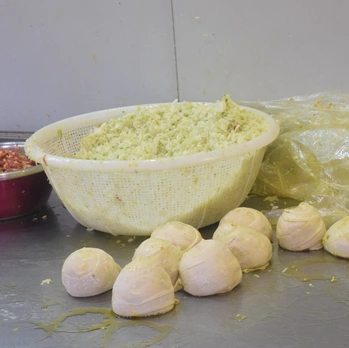
Every time a friend visits me in Beijing, before taking them out for local snacks, I always give them a heads-up: "I'm taking you to try some authentic Beijing snacks, but I can't guarantee they'll suit your taste. Still, since you're here, you've got to try the local stuff."
Huguosi Snacks (Hùguósì Xiǎochī): A One-Stop Shop, But Keep Expectations in Check
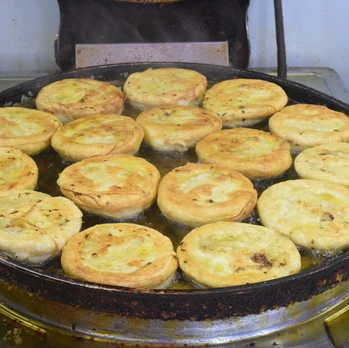
Huguosi has many chain locations across Beijing, and tourists almost always stop by. To be honest, the taste is pretty average, but the advantage is that you can sample all of old Beijing's snacks in one place. Take miàn chá (sorghum flour porridge), for example—it's made from mung bean flour, a bit like cornmeal mush, topped with a layer of sesame paste. It's not exactly delicious, but it's worth trying for the experience.
Old Cikoukou Douzhir Shop (Lǎo Cíqìkǒu Dòuzhīr Diàn): The Stubborn Sourness
Near the Temple of Heaven, the Old Cikoukou Douzhir Shop is a favorite among old Beijingers. Their signature is dòuzhīr (fermented mung bean juice) paired with jiāo quānr (deep-fried dough rings). Douzhir is made from fermented mung beans and is said to aid digestion, being rich in fiber and vitamin C. But honestly, unless you were born and raised in Beijing, very few people can handle that sour, pungent smell.
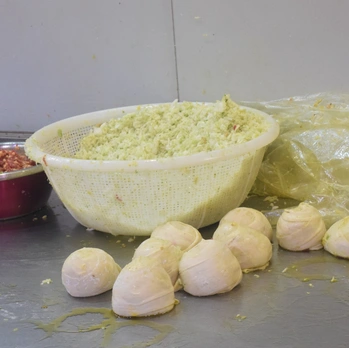
I've heard that to appeal to younger crowds, today's douzhir is much milder than it used to be. But even so, the half-full bowls left on every table speak for themselves. I can't drink it either, but every time a friend visits, I still order it—it's a rite of passage.
[Link: Must-try Beijing street foods for adventurous eaters]
III. Beyond the Plate: The Stories Behind the Flavors
What makes Beijing's food scene so special isn't just the taste—it's the stories. Every stall has its own history. Every aunty has her own technique. Every regular customer has their own ritual.
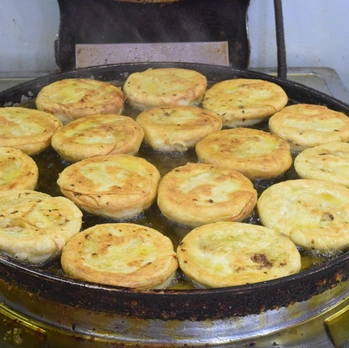
Take the old man I met at Heiyaochang. He'd been eating the same tangyoubing for 40 years. "When I was a kid, it cost 5 cents," he told me. "Now it's 5 yuan. But the taste hasn't changed." That kind of continuity is rare in a city that's modernizing as fast as Beijing.
Or the Hui family who runs the beef pancake stall at Niujie. They've been there for three generations. The grandmother still comes in every morning to supervise the dough. "If I don't come, the flavor isn't right," she says with a smile.
These are the stories that make gaining those ten pounds worth it.
FAQ: Your Beijing Food Questions Answered
Q: What is the best time to visit Niujie Street for food?
A: Go on a weekday morning around 9-10 AM to avoid crowds. The beef pancakes and steamed buns are freshest in the morning.
Q: Is Heiyaochang Tangyoubing suitable for vegetarians?
A: Yes, the classic tangyoubing is vegetarian. However, the beef tongue pastry and lamb offal soup contain meat.
Q: How do I find Sister Hua's Congee Shop in Qianmen?
A: It's tucked in a small alley off Qianmen Commercial Street. Look for the small sign with "Huā Jiě Zhōu Diàn" in Chinese. Google Maps may not list it accurately, so ask locals.
Q: Can I eat douzhir if I've never tried it before?
A: Start with a small sip. Pair it with jiāo quānr (fried dough rings) to balance the sourness. Many first-timers find it challenging, but it's a cultural experience.
Q: What's the best way to explore Beijing's street food scene?
A: Start with Niujie Street for halal snacks, then head to Heiyaochang for breakfast, and finish at Huguosi for a sampler platter. [Link: Beijing food tour itinerary]
Conclusion: Your Own 10 Pounds Await
Those ten pounds I gained weren't just weight—they were memories. Every bite was a story. Every queue was a connection. Every "just one more bite" was a love letter to this city.
So here's my challenge to you: next time you're in Beijing, skip the tourist traps. Wake up early. Queue with the aunties. Try the douzhir (even if you hate it). Let yourself gain a few pounds. Because those pounds are the most honest account of your time in this city.
And when you get home, and someone asks about your trip, don't just show them photos. Tell them about the tangyoubing that cured your bed-rotting habit. Tell them about the beef pancake that made you cry. Tell them about the ten pounds that were worth every single bite.
Ready to start your own Beijing food adventure? [Link: Book a food tour in Beijing] or [Link: Download our Beijing street food map]
Note: All prices and opening hours mentioned are accurate as of winter 2024. Check individual shop pages for updates.
You should also read:
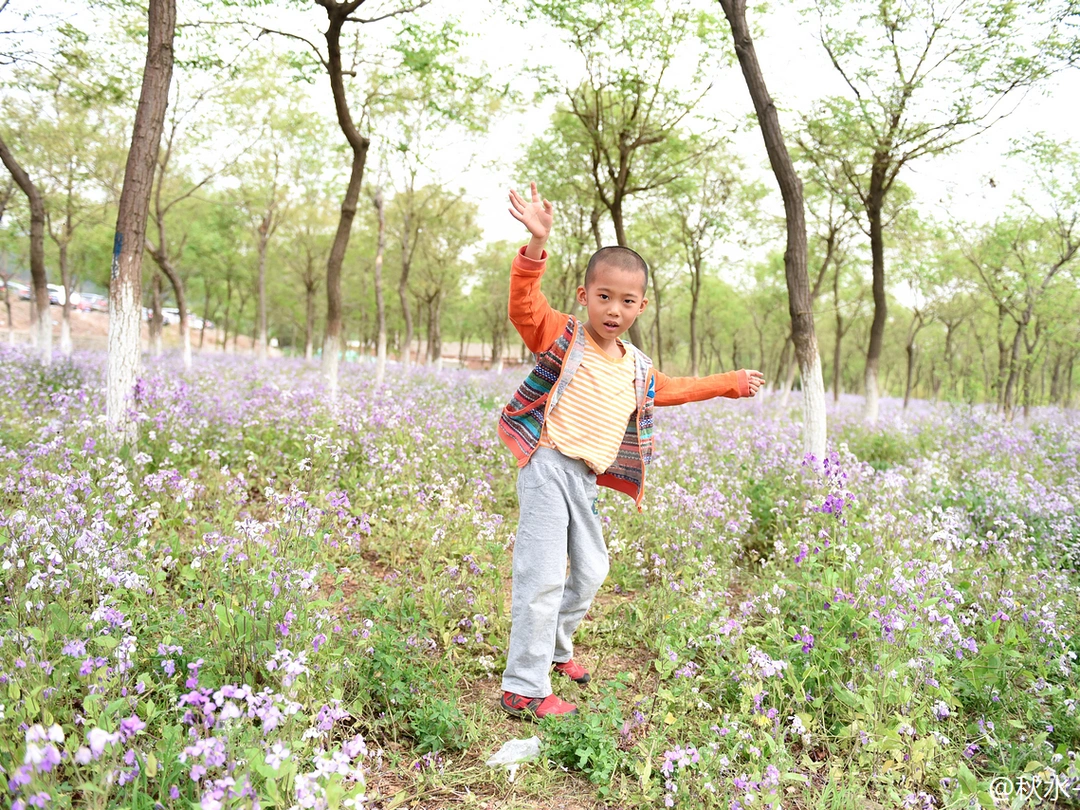
Hidden Fairy Tale Kingdom in Western Beijing:西山ForestPark – A Mountain Adventure with Kids
Meta Description: Discover the underrated西山ForestPark in Western Beijing – a fairy tale kingdom for kids with forest classrooms, flower seas, and misty adventures. Perfect family weekend getaway near Beijing. Living in Beijing for a long time, you always find yourself looking for a place that…
Continue reading...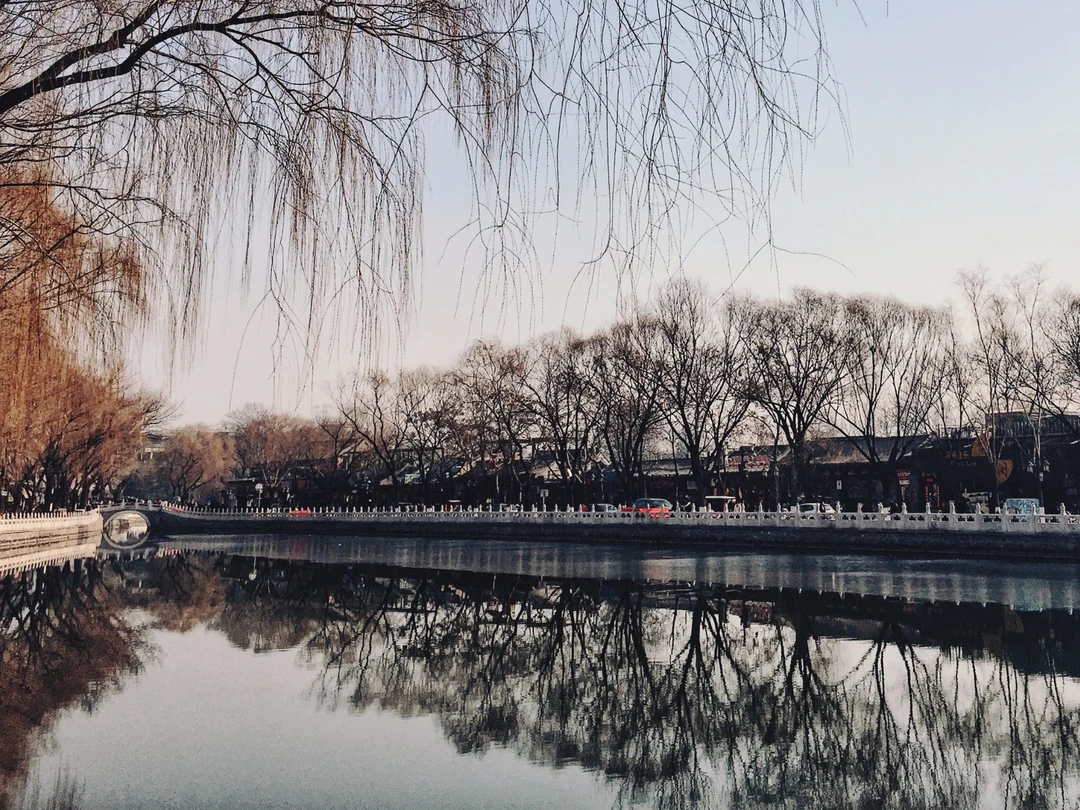
Strolling Through Old Beijing: The Ultimate Hutong Walking Tour of Nanluoguxiang, Yandaixiejie, Shichahai, and Houhai
Meta Description: Explore Beijing's historic hutongs on a day-long walking tour from Nanluoguxiang to Houhai. Discover hidden courtyards, Qing Dynasty alleys, and lakeside charm. Your complete guide to Old Beijing's most iconic neighborhoods. Beijing’s hutongs—those winding, narrow alleys—are like veins threading through the ancient capital,…
Continue reading...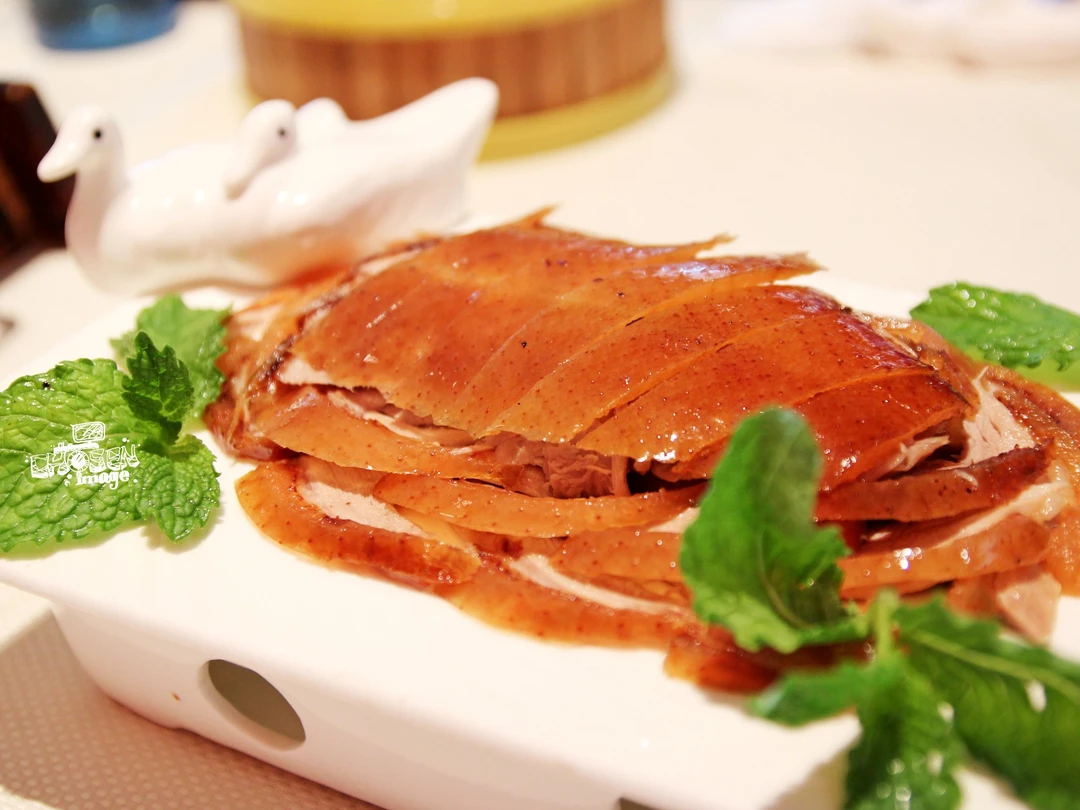
Strolling Through Beijing: When the Forbidden City's Twilight Meets the Alleyways' Hearth Smoke
Meta Description: Discover Beijing's imperial grandeur and culinary soul in this 5-day guide. From Forbidden City secrets to Niujie food walks, learn where to stay, eat, and explore for an unforgettable trip. Beijing isn't just a city—it's a living museum where six centuries of imperial…
Continue reading...