SEO-Optimized Article: A Three-Day Deep Dive into Beijing: Avoiding Crowds and Traps, Discovering the True Imperial Charm
Meta Description: Explore Beijing in 3 days without tourist traps. From Forbidden City secrets to hidden hutongs, this guide reveals imperial charm, budget tips, and crowd-free routes.
Introduction: Why Beijing Deserves More Than a Quick Visit
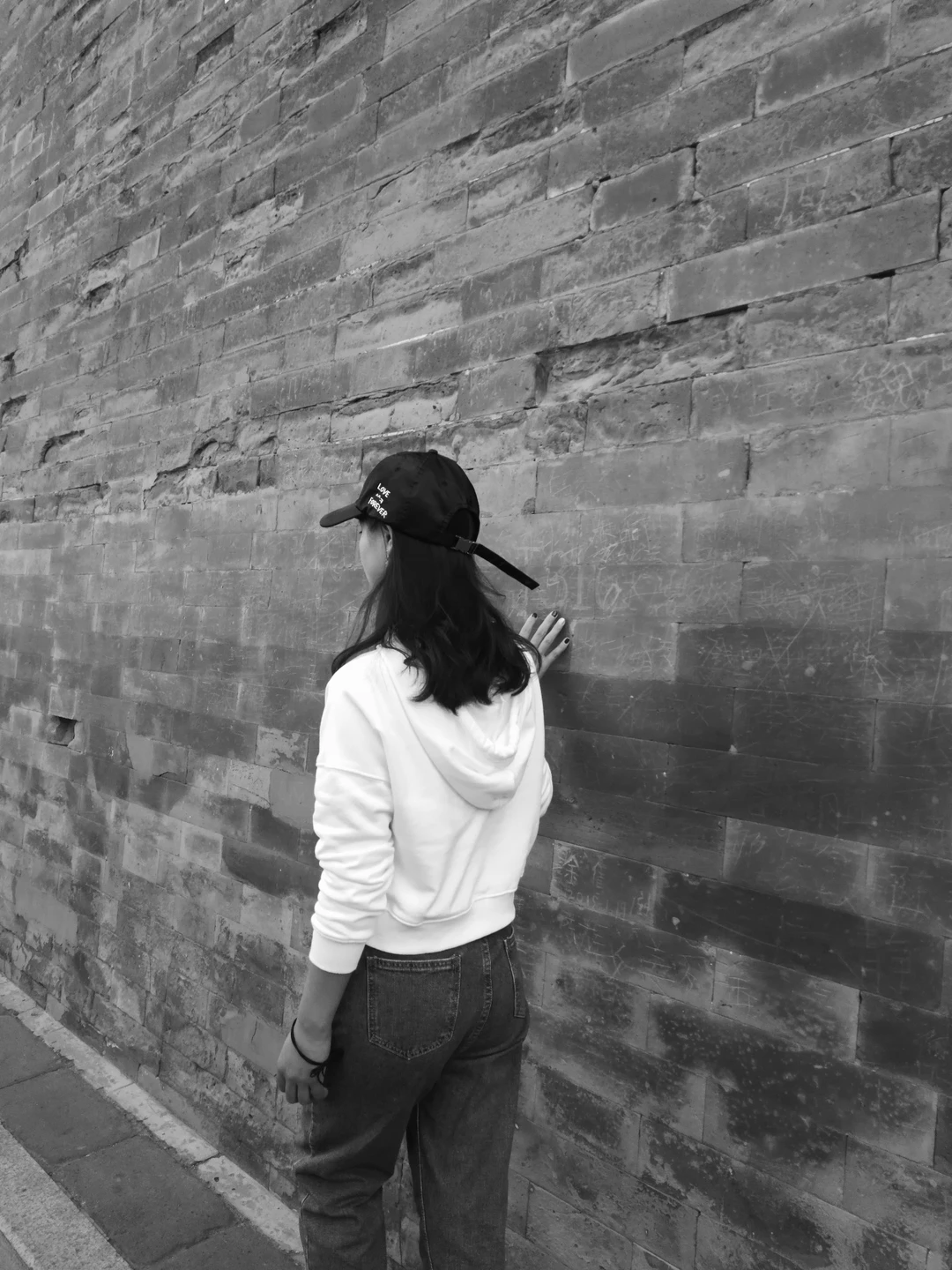
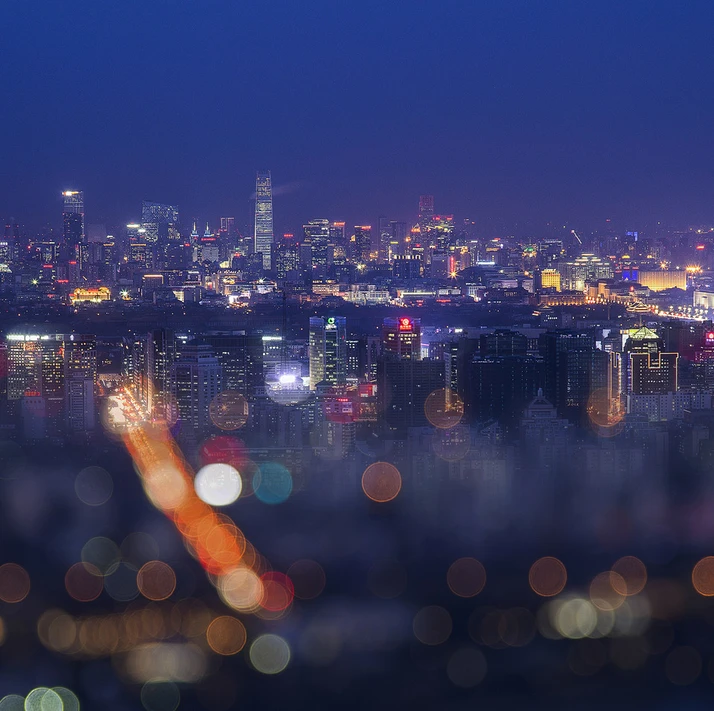
Beijing isn't just China's political heart—it's a living museum where Ming dynasty bricks line quiet hutongs and ancient gate ruins sit beneath modern bus stops. The city's magnetic pull comes from its contrasts: imperial grandeur meets sleek CBD skyscrapers, and everyday life unfolds against a backdrop of six centuries of history.
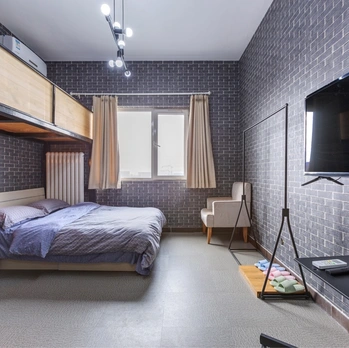
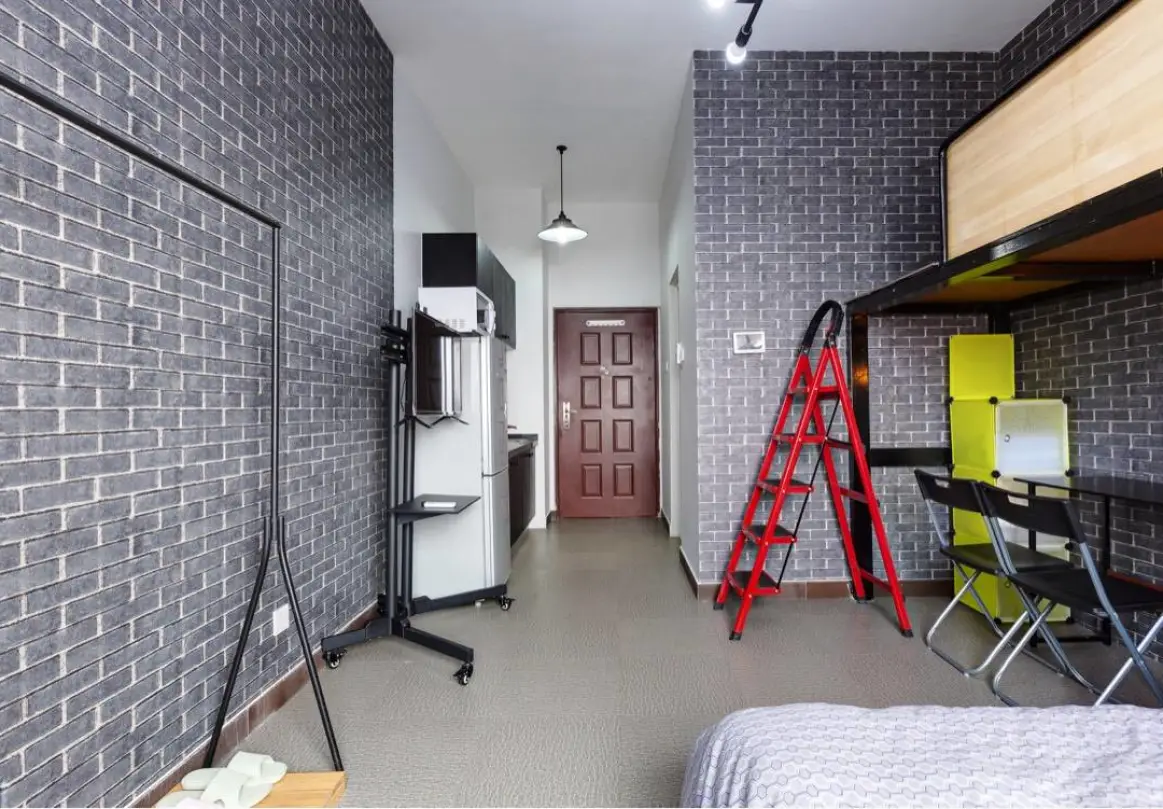
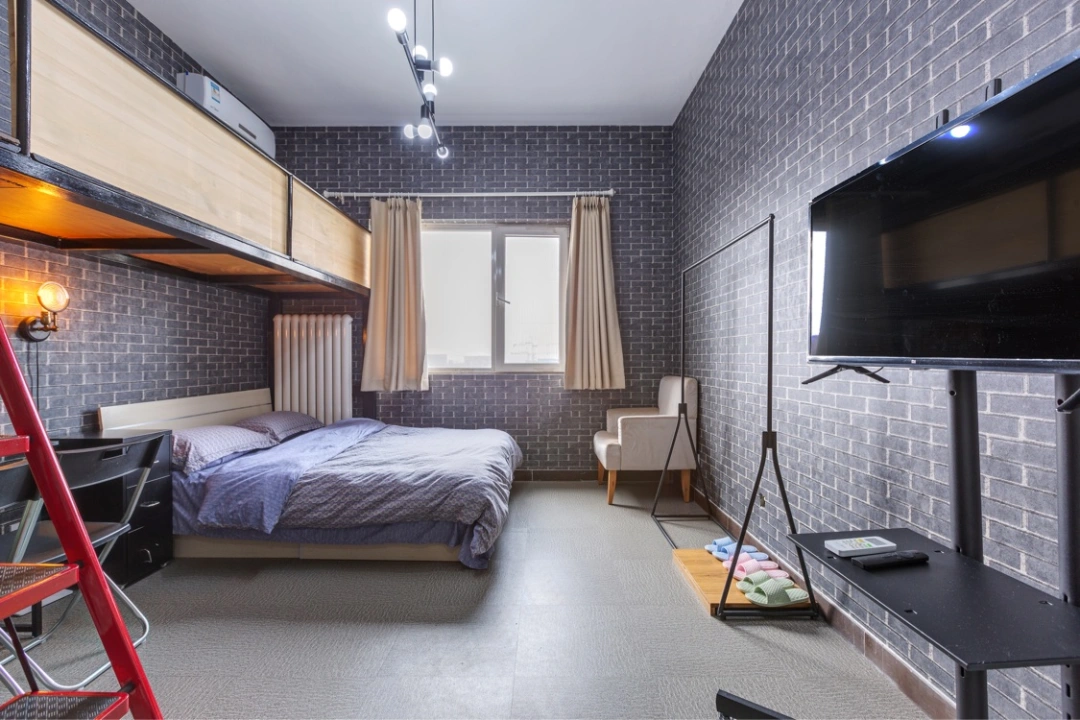
In fall 2018, I planned a three-day deep dive into Beijing—no rushed sightseeing, no group tours. Just authentic exploration. Before leaving, I booked a homestay via the Zhuduo Duo app (discovered on a previous business trip), which offers affordable, unique listings far more vibrant than cookie-cutter hotels. I chose the "Qianmen · Tongren Union Hospital Industrial-Style Homestay" near Qianmen Street at 450 RMB/night (~$65). Clean, well-equipped, and a steal for central Beijing. [Link: Best homestay apps for Beijing travel]
Before You Go: Essential Tips to Avoid Crowds and Traps

Weather & Skincare for Beijing's Dry Climate
Beijing is notoriously dry, especially in autumn. Pack rich moisturizer and face masks to keep skin camera-ready. This small step prevents discomfort and ensures you enjoy every moment outdoors.
Ticket Traps: How to Avoid Scams at Popular Attractions
Many attractions bundle tickets or sell limited-release passes that vanish fast. My advice: buy directly from official websites or on-site counters. Avoid third-party resellers offering "combo deals"—they often overcharge or sell invalid tickets. [Link: How to buy Forbidden City tickets online]
Transport Essentials: Navigating Beijing Like a Local
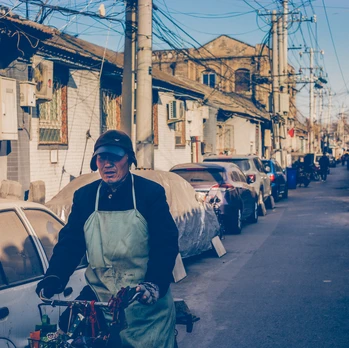
Get a transit card at any subway station or download the "Beijing Yikatong" app for phone-based payments. For short distances, bike-sharing is ideal—you'll cruise through old streets without traffic jams. Download Mobike or Hellobike before arriving.
Where to Eat: Avoid Overpriced Scenic Spot Food
Food inside scenic areas is rarely worth the cost. Near the Forbidden City, walk a few blocks to find authentic, affordable local joints serving zhajiangmian (noodles with fermented soybean paste) and jiaozi (dumplings) for a fraction of the price.
Day 1: Imperial Majesty and Everyday Life on the Central Axis
Tiananmen Square: Standing in the World's Largest City Square
Our homestay was just 300 meters from Tiananmen. Walking over at dawn, we witnessed the flag-raising ceremony—a solemn moment you'll never forget. This isn't just home to the Monument to the People's Heroes; it's the world's largest city square, anchoring Beijing's central axis. With the Great Hall of the People on your left and the National Museum on your right, you feel the weight of history.
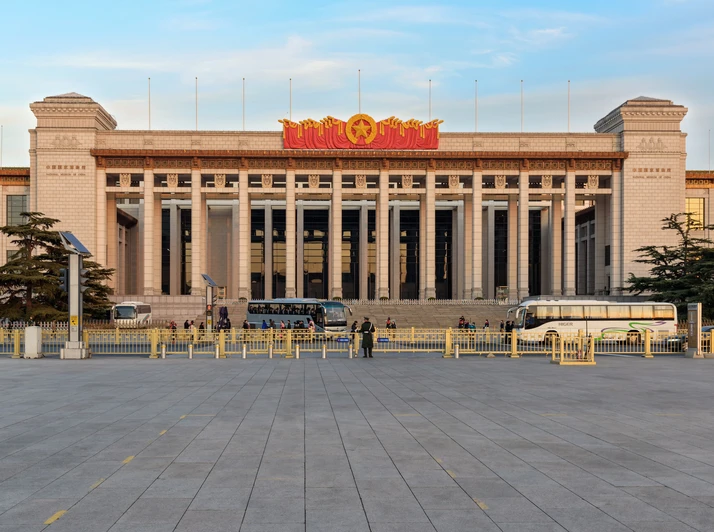
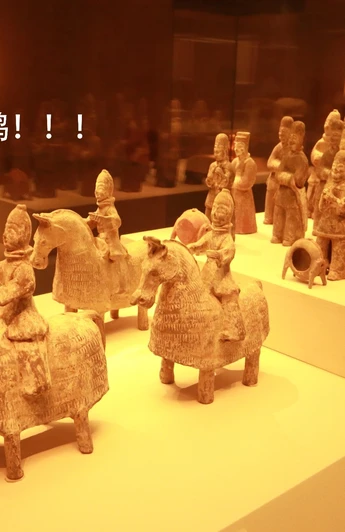
If time allows, visit the National Museum (nicknamed the "drama queen museum" on Douyin). It houses over a million artifacts across 48 halls, from ancient civilizations to modern art—a paradise for history lovers.
The Forbidden City: Stepping Back into 600 Years of Imperial History
Pass through Tiananmen to reach Beijing's crown jewel. Critical tip: tickets are online-only, with a daily cap of 80,000 visitors. During peak season, book a week in advance or risk being locked out.
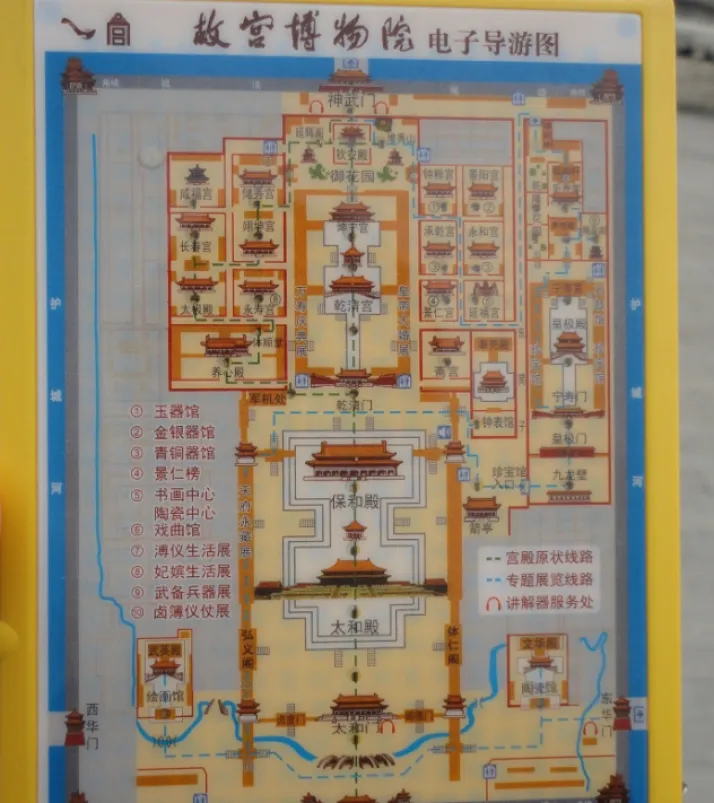
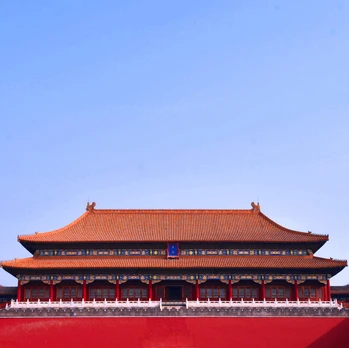
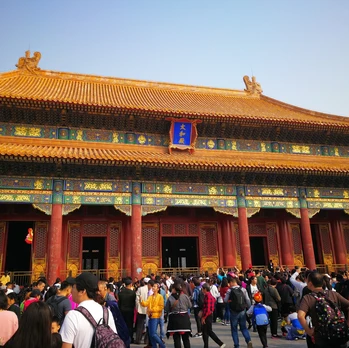
Enter through the Meridian Gate (Wumen) and rent an audio guide (20 RMB/~$3) at the ticket checkpoint or near the Gate of Supreme Harmony (Taihemen). It narrates as you move, so you won't wander aimlessly. Walk through the Gate of Supreme Harmony to see the Hall of Supreme Harmony (Taihedian)—its painted beams and twelve mythical beasts on the roof symbolize supreme imperial power. Stand here, and you can almost hear emperors commanding the land.
For harem tales, explore side paths to consorts' chambers and gardens. For highlights only, stick to the central axis and exit through the Gate of Divine Might (Shenwumen). [Link: Forbidden City self-guided tour tips]
Jingshan Park: A $0.30 View of the Entire Imperial City
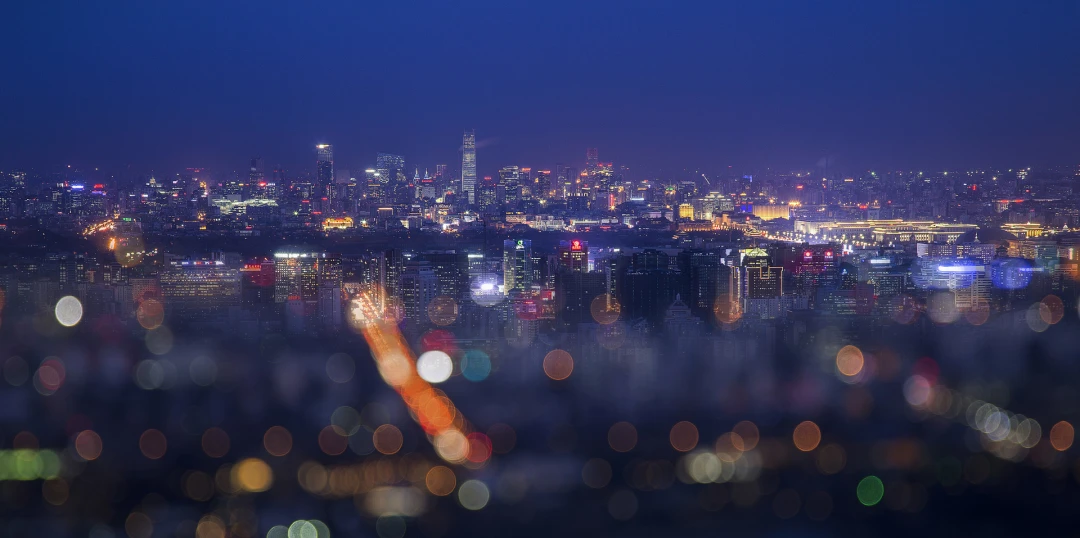
Right across from the Gate of Divine Might is Jingshan Park (entrance fee: 2 RMB/~$0.30). The park itself is modest, but Wanchun Pavilion at the top offers an unbeatable panoramic view of the Forbidden City. Glazed tiles shimmer in the sun, and in the distance, the egg-shaped National Centre for the Performing Arts awaits—stop by on your way back for stunning night views.
Shichahai and Nanluoguxiang: Finding Old Beijing in the Hutongs
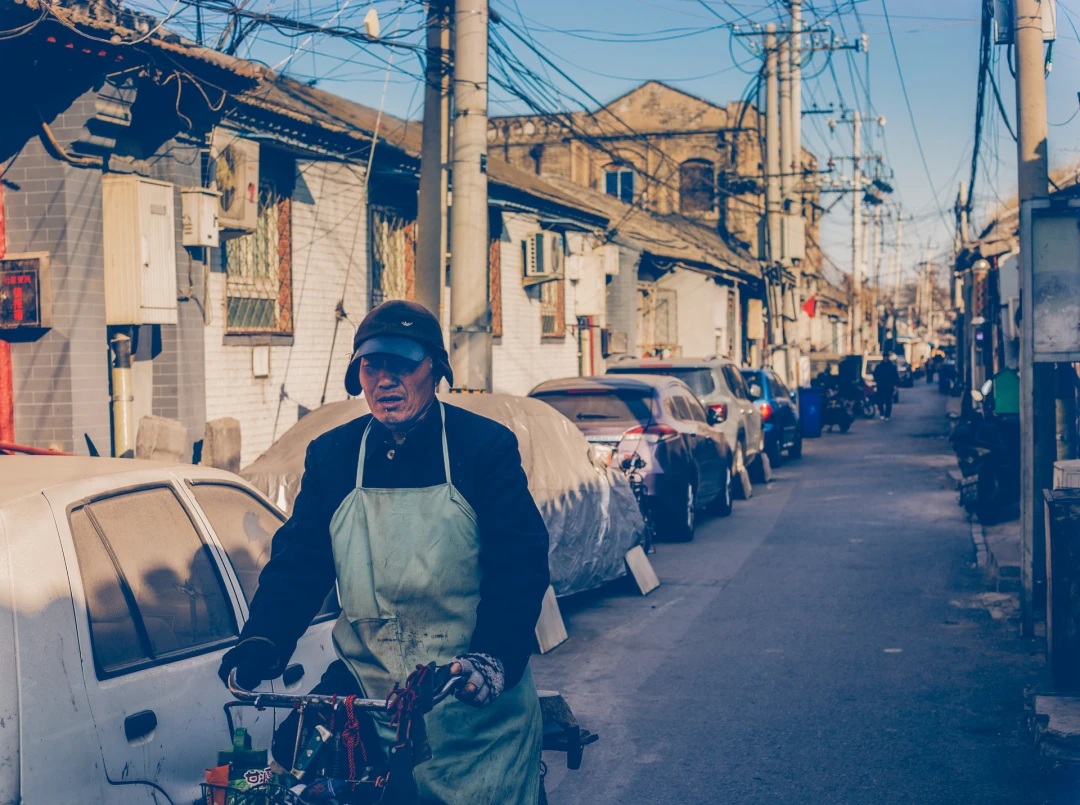
From Jingshan's back exit, it's a 15-minute bike ride to Nanluoguxiang. The alleys still look original, with old bicycles parked in courtyards. But Nanluoguxiang itself is heavily commercialized and overpriced—I spent 30+ RMB (~$4.50) on a mediocre bowl of zhajiangmian. My advice: take a quick stroll, but the real gems are in the smaller side alleys.
Walk through Yandai Xiejie (Tobacco Pipe Street) to reach Houhai (Back Sea). Despite the name, it's not deep water, but it's soaked in artistic vibes. Remember Feng Tang's poem? "A courtyard with trees by Houhai, jade carved in summer, clouds right now, and you in your twenties." At night, the bar street glows with lights. Many famous singers performed here before making it big. Grab a drink, listen to music, or rent a boat for a rare moment of slow travel.
Prince Gong's Mansion (Gongwangfu) is nearby—once home to the notorious official Heshen. It's not as grand as the Forbidden City but still worth exploring. Buy your ticket on-site and rent an audio guide—much cheaper than bundled online packages.
Day 2: Royal Gardens and Poetic Escapes
Peking University: Youthful Vibes by Weiming Lake
Start your second day at Peking University. Note: reservations are required—book through the "Visit PKU" mini-program in advance. Stroll along Weiming Lake, with the Boya Pagoda reflected in the water. The peaceful, bookish atmosphere instantly transports you back to student days. [Link: Peking University campus tour guide]
Yuanmingyuan (Old Summer Palace): Echoes of History Among the Ruins
It's a 15-minute bike ride from Peking University to Yuanmingyuan. Buy a combo ticket (includes the Ruins Park and panoramic model) to avoid extra costs later. It's a 30-minute walk from the main gate to the ruins, or take a small boat (20 RMB/~$3 per person). The Western-style ruins are just stone pillars now, but you can still imagine former splendor. The Dashuifa (Great Waterworks) site is where the movie Chinese Zodiac depicted the protection of national treasures.
Summer Palace: Empress Dowager Cixi's Backyard Garden
From Yuanmingyuan, it's a 20-minute bike ride or short bus ride (routes 601 or 594) to the Summer Palace. Known as the "Royal Garden Museum," it was modeled after West Lake in Hangzhou, right down to the arched bridges and "Leifeng Pagoda in the Sunset" vibe. Step inside, and you might think you've been transported to Hangzhou.
The highlight is the Tower of Buddhist Incense (Foxiangge), but it closes at 5 PM—arrive early. As evening falls, take the last boat ride across Kunming Lake, watching the Seventeen-Arch Bridge glow in the sunset. The whole world goes quiet.
Olympic Sports Center: Bird's Nest
End your day at the Olympic Sports Center. The Bird's Nest (National Stadium) and Water Cube (National Aquatics Center) are iconic symbols of the 2008 Olympics. While you can't enter without a ticket, the exterior is worth a photo stop, especially when lit up at night.
FAQ: Your Beijing Travel Questions Answered

1. What's the best time to visit Beijing to avoid crowds?
 Autumn (September–November) is ideal—cool weather, fewer tourists, and stunning fall foliage. Spring (April–May) is also good but can be crowded during holidays.
2. How do I avoid ticket scams at popular attractions?
Buy tickets exclusively from official websites or on-site counters. Avoid third-party resellers offering "combo deals"—they often overcharge or sell invalid passes. For the Forbidden City, book at least a week in advance during peak season.
3. Is it safe to eat street food in Beijing?
 Yes, but stick to busy stalls with high turnover and fresh ingredients. Avoid food inside scenic spots—it's overpriced and often low-quality. Eat in nearby neighborhoods for authentic, affordable meals.
4. Can I visit all these attractions in 3 days without rushing?
 Yes, if you plan carefully. This itinerary is designed for depth, not speed. Focus on one or two major sites per day, and use bike-sharing or public transport to save time.
5. What should I pack for a Beijing trip in autumn?
Pack layers: mornings and evenings can be cool, while afternoons are warm. Bring moisturizer, face masks, comfortable walking shoes, and a reusable water bottle. Sunscreen is also essential.
Internal Linking Suggestions
- [Link: How to buy Forbidden City tickets online] – for the ticket section
- [Link: Best homestay apps for Beijing travel] – for the accommodation section
- [Link: Forbidden City self-guided tour tips] – for Day 1
- [Link: Peking University campus tour guide] – for Day 2
- [Link: Summer Palace boat ride schedule] – for Day 2
Conclusion: Your Beijing Adventure Awaits
Beijing isn't a city you visit—it's a city you feel. From the solemn flag-raising at Tiananmen to the quiet sunset over Kunming Lake, every moment here is a story waiting to be written. This three-day deep dive is designed to help you avoid crowds and traps while discovering the true imperial charm.
Ready to plan your trip? Start by booking your homestay on Zhuduo Duo or a similar platform, then reserve your Forbidden City tickets online. Pack your moisturizer, download the Beijing Yikatong app, and get ready for an unforgettable journey.
Don't wait—Beijing's imperial magic is calling. Book your trip today and experience the city like a local.
You should also read:
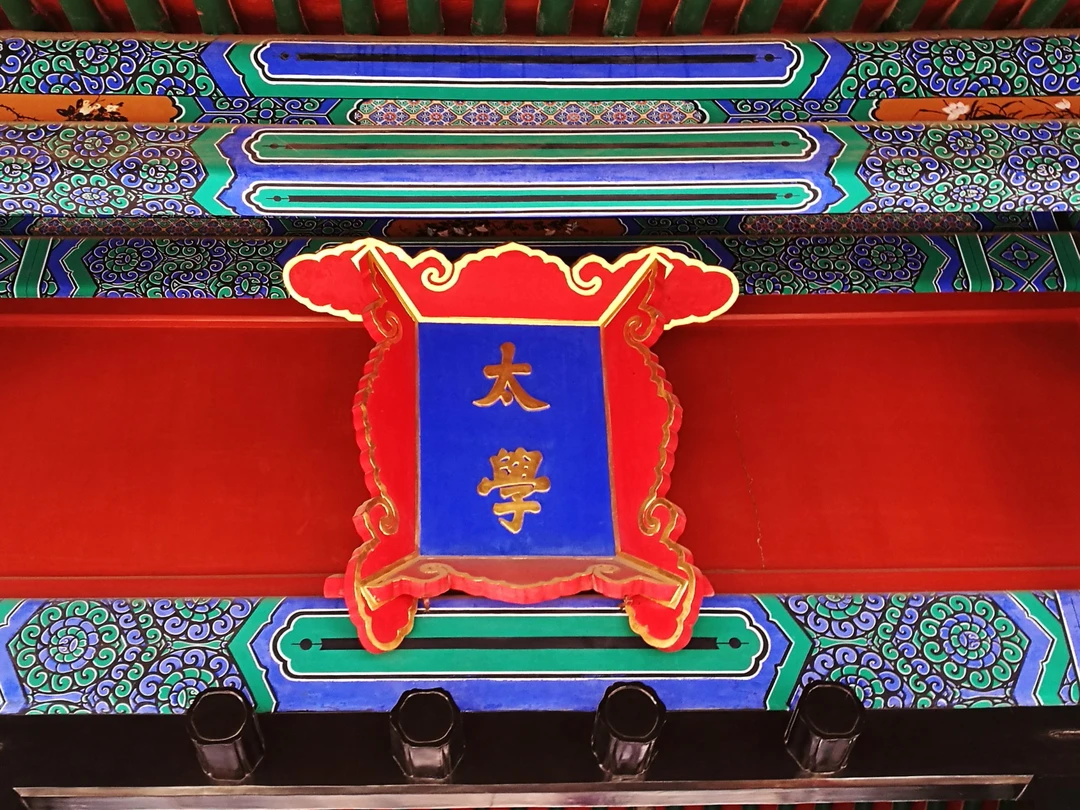
The Imperial College (Guozijian): Beijing's Ancient "Central University" & Confucius Temple Guide
Meta Description: Discover the Beijing Imperial College (Guozijian) and Confucius Temple – ancient China's highest learning institution. Explore 700-year-old stelae, the Treachery-Exposing Cypress, and Qianlong Stone Classics. Plan your cultural pilgrimage with our complete guide. Beijing has always been more than a capital – it's…
Continue reading...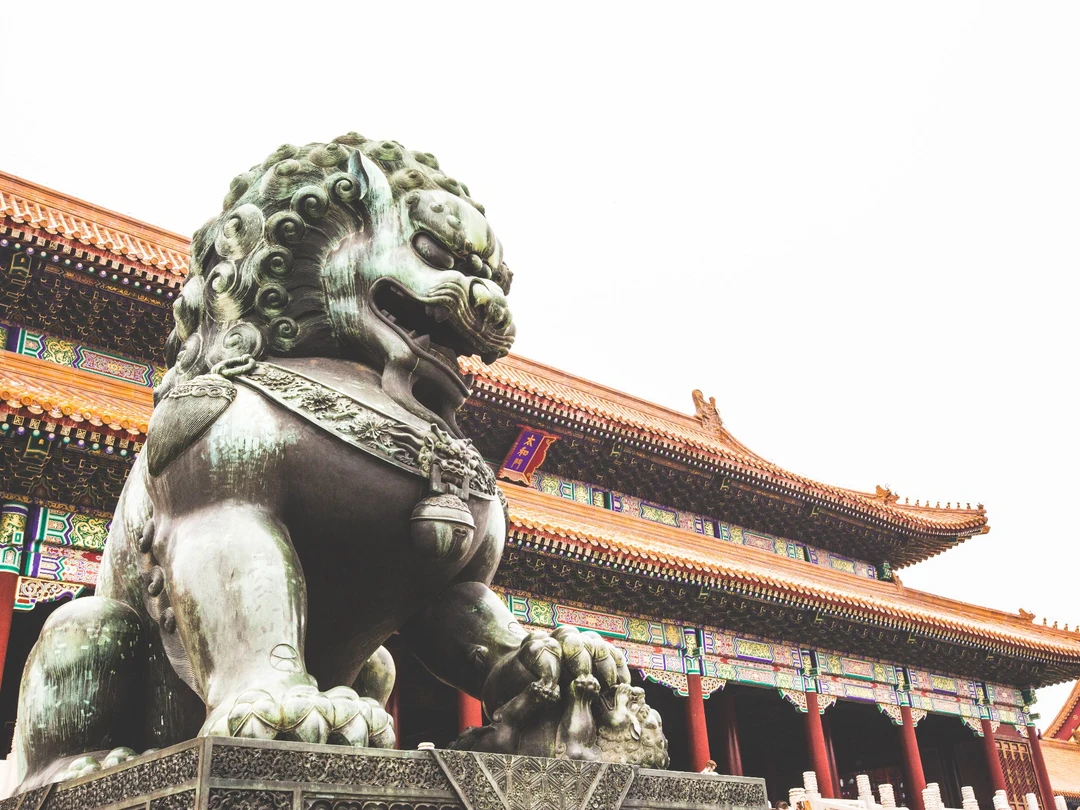
First Visit to Beijing: Living in a Century-Old Courtyard, Being the Forbidden City's Neighbor
Meta Description: Experience Beijing like a local with this first-timer's guide. Stay in a century-old siheyuan near the Forbidden City, explore hutongs, climb the Great Wall, and avoid common tourist pitfalls. Your ultimate Beijing itinerary awaits. I've always believed that the best kind of travel…
Continue reading...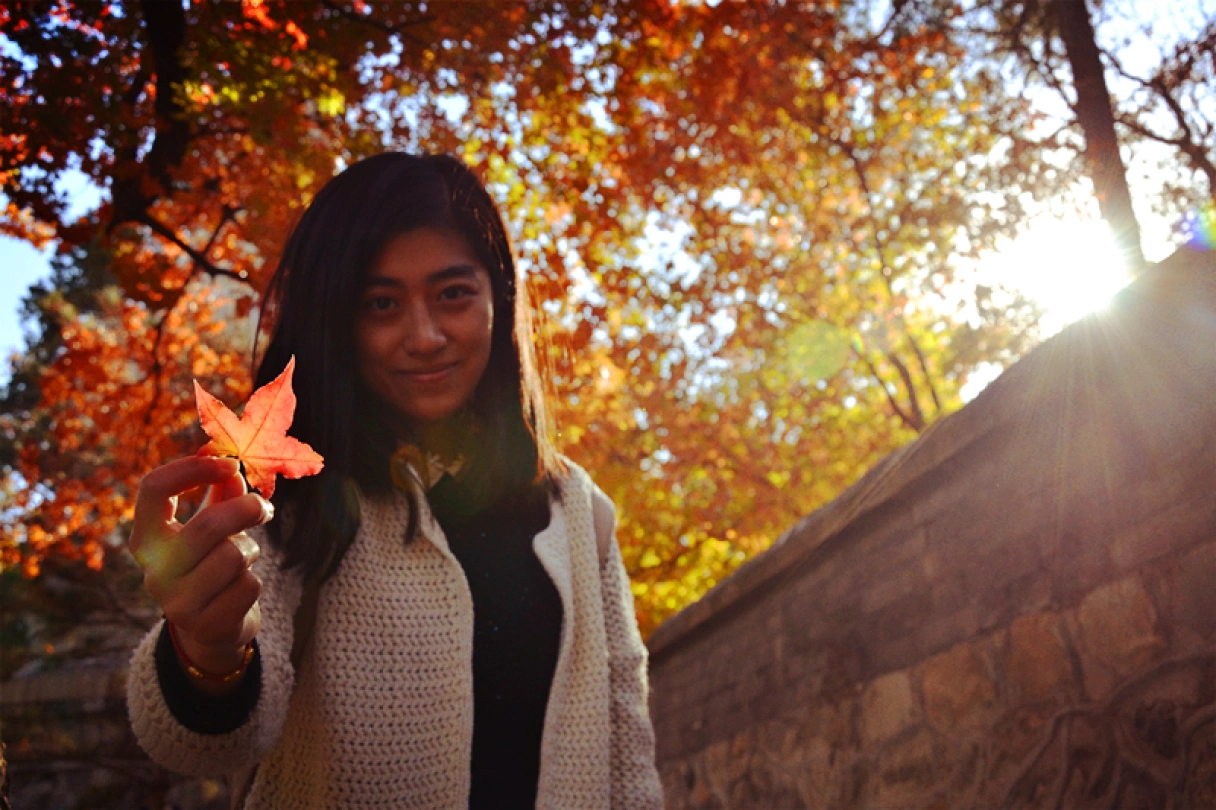
Seeking · Encountering · Autumn in Beijing: Your Ultimate Guide to Beijing’s Most Stunning Fall Scenery
Meta Description: Discover Beijing’s best autumn destinations beyond Fragrant Hills. From Tsinghua University’s golden ginkgo avenue to Dajue Temple’s millennium-old tree, plan your perfect fall escape with our expert guide. Autumn in Beijing is more than a season—it’s a grand farewell. When the summer heat…
Continue reading...