Seven Thousand Years of Time Travel: My Journey Through the "Ancient China" Exhibition at the National Museum (Part 1/4)
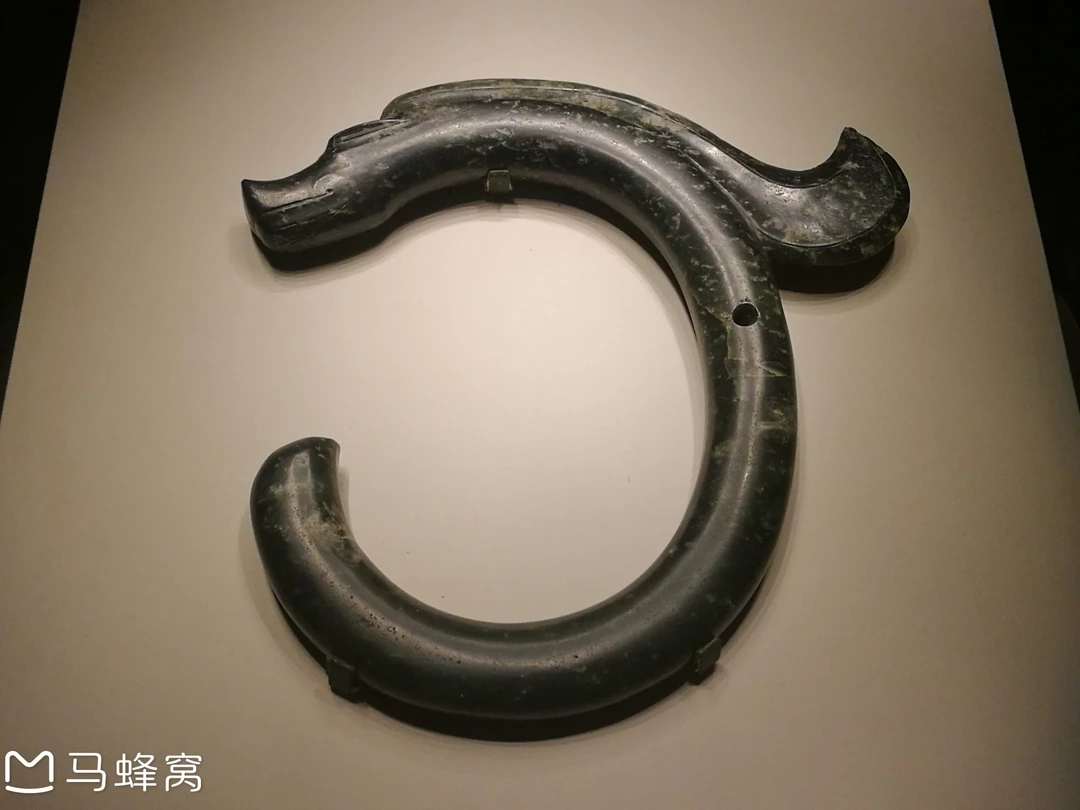
Meta Description: Explore 7,000 years of history at the National Museum's "Ancient China" exhibition. Discover prehistoric artifacts, the Xia, Shang, and Western Zhou dynasties in this immersive guide.
Introduction: Stepping Into Time at the National Museum of China
On May 19, 2019, I made a pact with myself—to walk from the dawn of prehistory through the Xia, Shang, and Western Zhou dynasties, and still want more. That day, I stood in the lobby on the basement level of the National Museum of China, watching the escalator descend slowly, as if falling into a crack in time.
Here's your quick-reference guide for this permanent exhibition:
Exhibition Name: Ancient China – Permanent Exhibition
Location: Basement Level 1, National Museum (enter via the north escalator lobby)
Status: Permanent exhibition
Narrative Thread: The rise and fall of dynasties (think of kingdoms like companies—they open for business, and eventually they go bust)
What's on Display: Politics, economy, culture, social life, and foreign exchanges
Number of Artifacts: Approximately 2,500 (subject to change based on loans or conservation work)
All photos are taken inside the exhibition hall. This is the first chapter of a four-part series, following the timeline to introduce the first two sections—the Prehistoric Era and the Xia, Shang, and Western Zhou periods. A big thank you to volunteer guides Teacher Xu and Teacher Zhang for their generous sharing, which allowed even a layman like me to see beyond the surface.
We're not here to become scholars or authenticators—just to get our feet wet. When going to an exhibition stops being about just looking at pretty things and starts being about understanding the story behind them, isn't that a satisfying achievement?
The Prehistoric Era: Civilization in Its Infancy
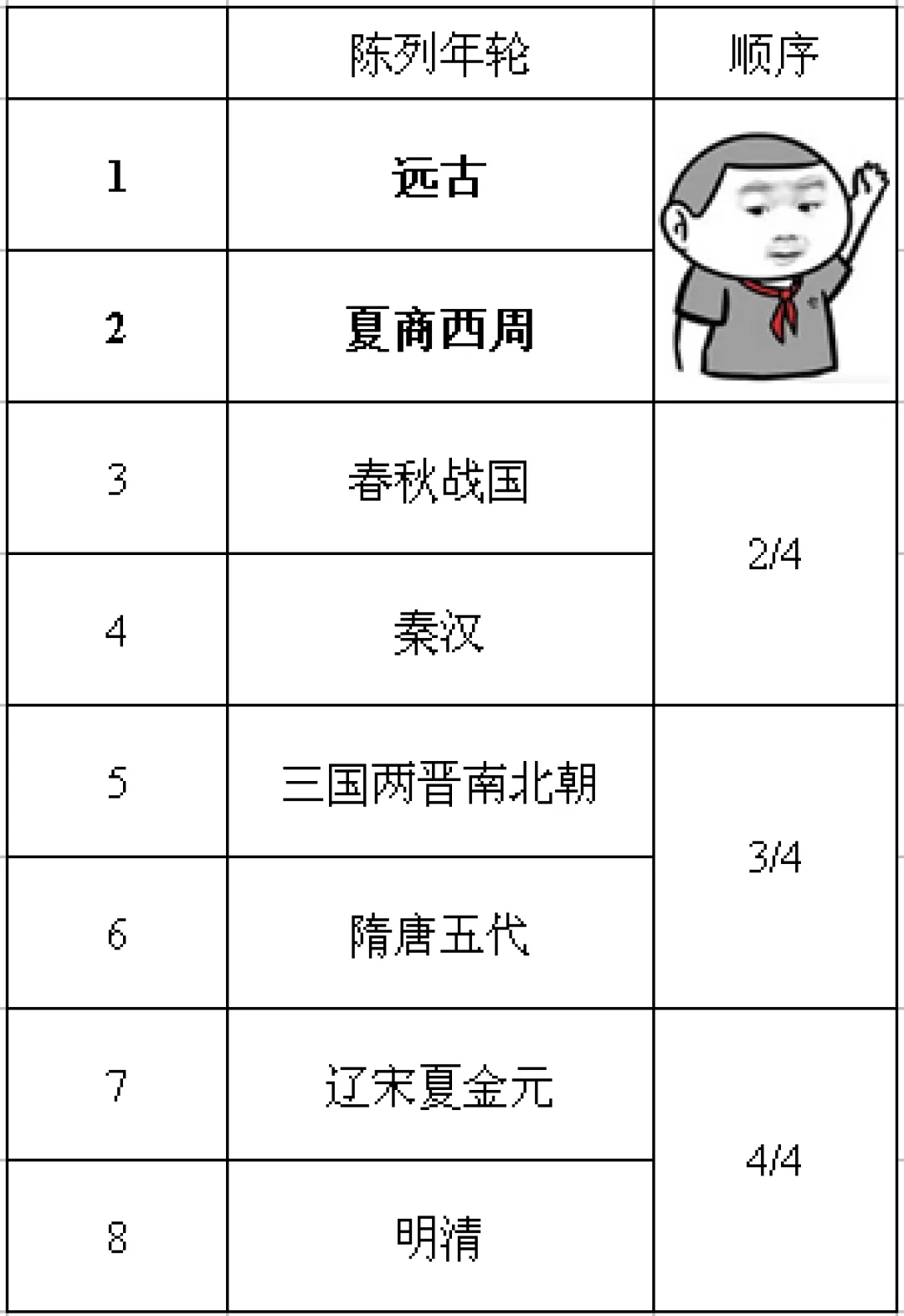
If we compare China's 5,000-plus years of history to a human life, the prehistoric period is a newborn baby. By the time we reach the Ming and Qing dynasties, it's a frail old person. So let's start from the very beginning, with real artifacts, and feel every breath.
The Little Clay Pig: The Secret of Head-to-Body Ratio
This year is the Year of the Pig, so let's start with this little clay pig.
Hometown: Hemudu
Birth Date: 7,000–8,000 years ago
Identity: A transitional form between wild boar and domestic pig
At first glance, it looks more like a wild boar—long snout, bristly back. What's it shy about? Actually, it's a wild boar well on its way to becoming a domestic pig.
Never mind whether it has hair on its back. Modern domestic pigs look smooth because of the later introduction of the Yorkshire breed (not the dog, the large white pig). Traditional local pigs actually have quite a bit of fur.
Here's the question: How can you tell if it's wild or domestic? Today, when we describe a beautiful woman's figure, we talk about "head-to-body ratio"—a seven-head beauty, a nine-head supermodel. It's the same logic with pigs.
Wild boars root around in the dirt for food, so they have enormous heads and long snouts—a head-to-body ratio of about 7:3, with most of the body taken up by the head. But when you raise pigs, you're not expecting them to work, and you're not eating the head—you're eating the meat. Over generations of domestication, the body gets bigger and the head gets smaller, until the ratio flips to 3:7.
Now look at this little clay pig—its ratio is exactly 5:5. That means it had already been domesticated for a long time, long enough to turn a wild boar into something close to a domestic pig. In other words, by that point, our ancestors had been raising pigs for quite a while.
The Swirl-Design Painted Pottery Jar with Four Lugs: Freezing the Moment of a Great River
Hometown: Yongjing County, Gansu Province (near Lanzhou)
Birth Date: Majiayao Culture period, 5,000–6,000 years ago
We're not here to give a science lecture—we're here to learn. Let me share a way of thinking about museum visits: We're here to see the artifacts, not the labels. These days, we have so many ways to get information that we've lost the ability to truly observe things with our own eyes. Cultivating that skill is what's truly valuable.
The word "culture" here refers to "cultural remains"—it's a broad, abstract circle. A "site" is a specific location that fits within that cultural remains—a small, concrete circle. The Neolithic period had many large circles, and Majiayao is one of them. Each large circle has its own representative small circles.
This big jar has four little nubs on top—you could lift it by them. Though with a body this round, it's really asking a lot of them. The decoration features three large swirl patterns interspersed with smaller ones, layered one on top of another, with wave patterns below.
There are two interpretations of these swirl patterns:
- They look like raindrops hitting the surface of water, creating ripples that spread outward;
- They look like the whirlpools in a surging, roaring river—a dynamic, forward-rolling motion.
Now let's go back to its hometown—Yongjing County, a small town on the banks of the Yellow River. Imagine: one day, more than 5,000 years ago, a pottery artisan sat by the Yellow River, lost in thought. He suddenly noticed the river's swirling currents surging forward, creating countless whirlpools, with splashing water droplets of breathtaking beauty. He thought the scene was amazing, and he captured that inspiration on his pottery, dipping his brush in pigment and painting the image of a great river in full flood.
When our ancestors fired this vessel, they surely never imagined that so many people would come to see it today. It was probably just placed on the ground, and people looked down at it—and it was beautiful that way too, wasn't it?
Here's the question: Why do the swirl patterns still look brand new after all this time? The answer is that the pottery wasn't fired first and then painted—the design was applied first, and then the piece went into the kiln. The high heat "sealed" the colors onto the surface, keeping them fresh for thousands of years.
The Pottery Eagle-Shaped Ding: Both a Vessel and an Eagle
Hometown: Hua County, Shaanxi Province
Birth Date: Yangshao Culture period, 6,000–7,000 years ago
Tags: One of the 195 artifacts banned from overseas exhibition; an internet sensation
What makes this piece remarkable is that it's both a ding (a ritual tripod vessel) and an eagle. Two bulging eyes, a sharp curved beak, wings swept back to form the body of the vessel, and two thick clawed feet as the legs.
Wait—a ding has three legs, and an eagle only has two feet. The third "leg" is its tail, exaggerated and drooping downward to create a stable three-point support with the two front feet—the three legs of the ding. Beautiful and practical, perfect for holding anything.
From the side, the eagle looks fierce and imposing. But when you look it straight in the face, there's only one word for it—adorable.
The Painted Pottery Basin with Human Face and Fish Design: A Totem That Doubles as a Protector
Hometown: Banpo Site, Shaanxi Province
Birth Date: Yangshao Culture period, 6,000–7,000 years ago
Tags: One of the 195 artifacts banned from overseas exhibition

Looks familiar, right? But you might not know its actual use. This basin wasn't for holding water or food—it was the lid of a burial urn.
According to the burial customs of the Banpo people at that time, children who died young were not buried in the village's communal cemetery. Instead, the baby was placed in a pottery urn (essentially a jar), covered with a lid like this one, and buried next to the family's house. You could think of it this way: the parents couldn't bear to let their child go far away, so they kept the baby close.
Inside the basin is a mysterious design of a human face and fish. Fish chase each other on both sides, but the most interesting part is the human face—fish are painted on both sides of the ears and on top of the head. This tribe likely had a fish cult. The human face represents a shaman or a tribal member in a trance, connecting with the spirit world through the fish totem.
Xia, Shang, and Western Zhou: The Dawn of Dynastic China
As we move from the prehistoric era into the dynastic period, the artifacts become more sophisticated, reflecting the rise of centralized power, writing, and ritual.
The Bronze Ritual Vessels: Symbols of Power and Piety
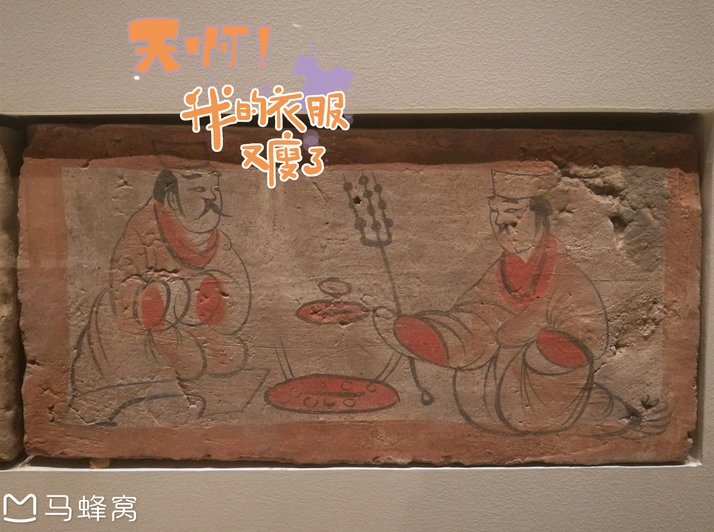
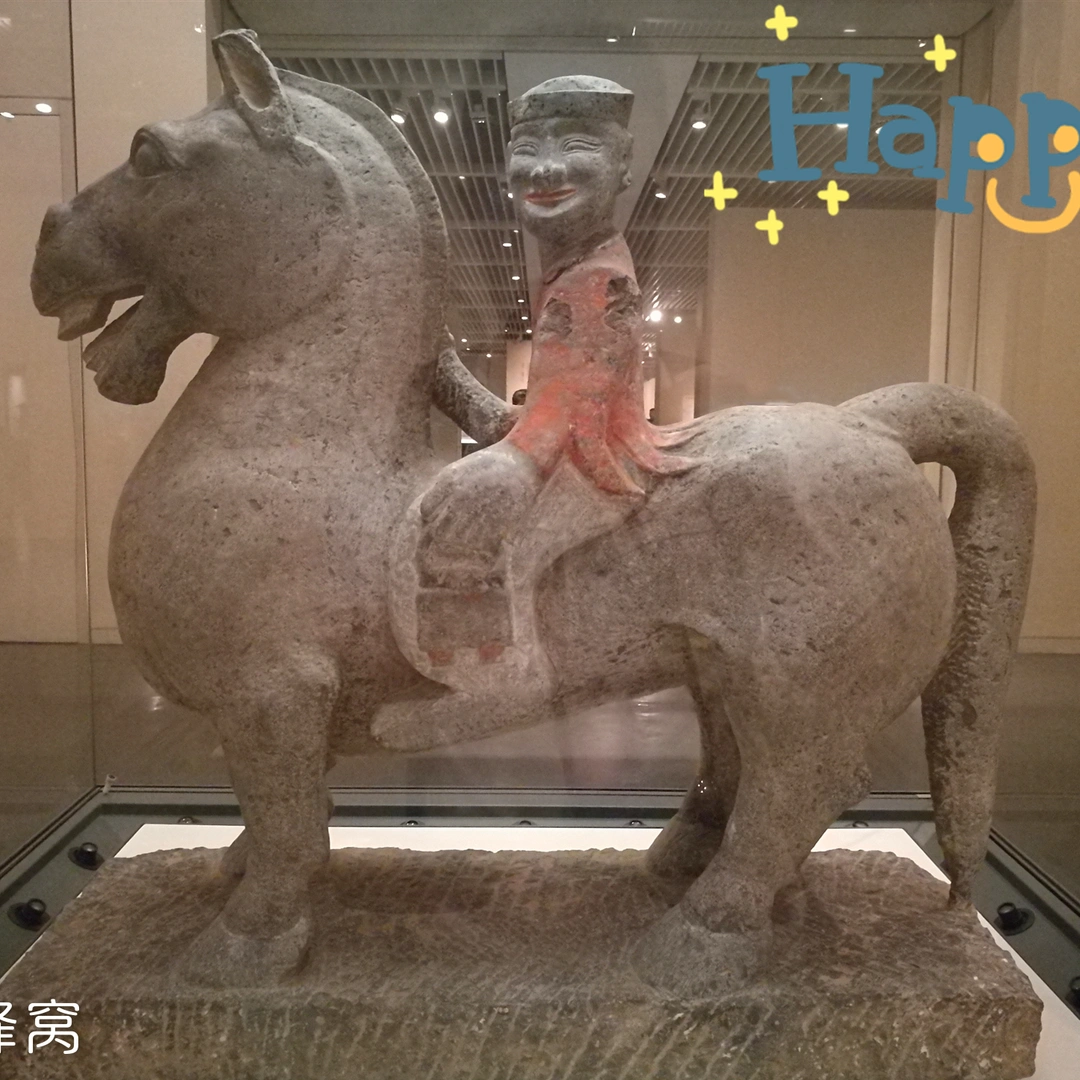
The Xia, Shang, and Western Zhou dynasties are often called the "Bronze Age" of China. Bronze was not just a material—it was a symbol of political and religious authority. The most famous bronze vessels from this period include the ding (tripod cauldrons), gui (food containers), and zun (wine vessels).
One of the most striking examples is the Simuwu Ding (also known as the Houmuwu Ding), the largest ancient bronze vessel ever found. Weighing over 800 kilograms, it was used for ritual offerings to ancestors. The sheer scale and craftsmanship demonstrate the immense resources and labor that the Shang dynasty could command.
Oracle Bones: The First Chinese Writing
Another highlight of this section is the oracle bones—turtle shells and animal bones inscribed with the earliest known form of Chinese writing. These were used for divination: a king would ask a question (e.g., "Will the harvest be good?"), a crack would be made in the bone, and the crack's shape would be interpreted as an answer from the ancestors.
The oracle bones are not just historical records—they are the direct ancestors of modern Chinese characters. Seeing them in person is like looking at the birth certificate of a language.
FAQ: Your Questions About the "Ancient China" Exhibition Answered
1. How long does it take to see the entire "Ancient China" exhibition?
Most visitors spend 2–3 hours for a thorough walkthrough, but serious enthusiasts can easily spend a full day. The exhibition is divided into eight chronological sections, and this article covers only the first two.
2. Are there guided tours available?
Yes! The National Museum offers free guided tours by volunteer docents. Check the museum's website or information desk for schedules. The guides are incredibly knowledgeable and bring the artifacts to life.
3. Can I take photos inside the exhibition?
Yes, photography is allowed without flash. However, some special exhibitions may have restrictions, so always check the signage.
4. Is the exhibition suitable for children?
Absolutely. The artifacts are visually engaging, and the stories behind them are fascinating for all ages. The museum also has interactive displays and educational programs for younger visitors.
5. How do I get to the National Museum of China?
The museum is located on the east side of Tiananmen Square, Beijing. The nearest subway station is Tiananmen East (Line 1). Admission is free, but you must reserve a ticket online in advance.
Internal Linking Suggestions
- [Link: How to Plan Your Visit to the National Museum of China]
- [Link: Top 10 Must-See Artifacts at the National Museum]
- [Link: A Beginner's Guide to Chinese Bronze Age Artifacts]
- [Link: Understanding Oracle Bones: The Birth of Chinese Writing]
- [Link: Part 2/4: The Spring and Autumn Period and the Warring States]
Conclusion: Your Journey Starts Now
The "Ancient China" exhibition at the National Museum is not just a collection of artifacts—it's a time machine that takes you back 7,000 years. From the humble clay pig that tells the story of domestication to the majestic bronze vessels that symbolize the rise of dynasties, every piece has a story to tell.
But this is only Part 1. In the next installment, we'll explore the Spring and Autumn Period and the Warring States, where philosophy, warfare, and art collided to shape the future of China.
So, what are you waiting for? Book your ticket, grab your camera, and prepare to walk through time. The artifacts are waiting—and they have a lot to say.
Have you visited the "Ancient China" exhibition? Share your favorite artifact in the comments below! And don't forget to subscribe for Part 2, where we dive into the chaos and brilliance of the Warring States.
You should also read:
My Craft Beer Journey: Starting from Beijing – A Beginner’s Guide to China’s Craft Beer Scene
Meta Description: Discover how one IPA in Beijing sparked a craft beer obsession. From Slow Boat Brewery to hidden hutong bars, explore China’s best craft beers, tasting tips, and bar recommendations for beginners. My understanding of beer used to be summed up in one word:…
Continue reading...
A Southerner's View of Beijing: One Imperial City, Two Winters – A First-Timer's Guide to Winter Travel in Beijing
Meta Description: A Sichuan native shares her first winter trip to Beijing—frozen rivers, bare trees, and the Forbidden City's majesty. Discover what it's like to see the imperial city through southern eyes, plus practical tips for winter travel. I've never quite known how to write…
Continue reading...
Strolling Through Beijing: When the Forbidden City's Twilight Meets the Alleyways' Hearth Smoke
Meta Description: Discover Beijing's imperial grandeur and culinary soul in this 5-day guide. From Forbidden City secrets to Niujie food walks, learn where to stay, eat, and explore for an unforgettable trip. Beijing isn't just a city—it's a living museum where six centuries of imperial…
Continue reading...