Shijia Hutong: Beijing's Most Legendary 700 Meters – A Walk Through Modern Chinese History
Meta Description: Discover Shijia Hutong in Beijing – a 700-meter alley packed with modern Chinese history. From Ming generals to Republican-era salons, this is Beijing's most legendary hutong.
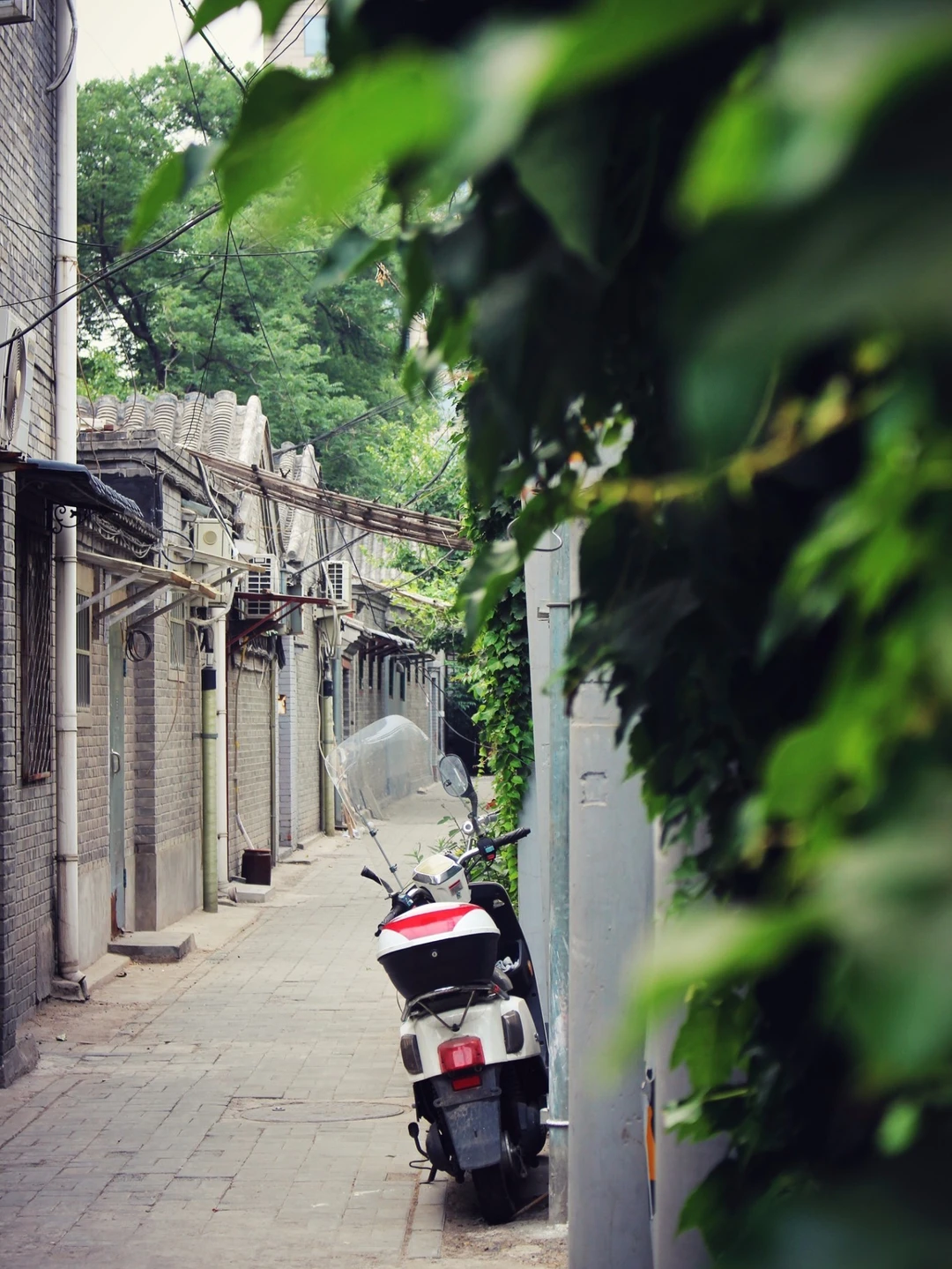
If you're planning a trip to Beijing and want to experience the city beyond the Forbidden City and the Great Wall, there's one place you absolutely cannot miss: Shijia Hutong. Tucked away near Dengshikou in Dongcheng District, this unassuming alley stretches just 700 meters across seven blocks. Yet, step inside, and you'll find that behind every gray brick wall and red gate lies a story that shaped modern China.
Some call it "Beijing's most remarkable hutong, bar none." That's not hyperbole. From Ming Dynasty generals and Qing Dynasty eunuchs to Republican-era intellectuals and the founders of New China's theater, Shijia Hutong holds half of modern Chinese history within its narrow lanes.
In this guide, we'll walk you through the most significant courtyards, reveal the legends behind each gate, and show you why this 700-meter stretch is a must-visit for history lovers, culture seekers, and anyone who wants to understand the soul of Beijing.
Why Shijia Hutong Matters: A Microcosm of Chinese History
Shijia Hutong isn't just another alleyway. It's a living museum where the past and present coexist. The name itself—"Shi Family Hutong"—is believed to honor Shi Kefa, a Ming Dynasty general who died resisting the Manchu invasion. While historians debate whether the name predates Shi Kefa, the legend adds to the hutong's mystique.
Over the centuries, this hutong has housed:
- Powerful eunuchs who bent dynasties to their will
- Merchants whose wealth rivaled kingdoms
- Loyal ministers and national heroes
- Society ladies and gifted scholars
- Revolutionaries who changed the course of modern China
Today, Shijia Hutong remains one of the best-preserved traditional alleyways in Beijing, offering visitors a rare glimpse into the city's layered history.
Courtyard No. 20: The Cradle of New China's Theater
If you love stage drama, you've heard of the Beijing People's Art Theatre. But did you know its roots are planted right here in Shijia Hutong's Courtyard No. 20?

This was the original home of the "Old People's Art Theatre"—the birthplace of modern Chinese drama. Legendary figures like Jiao Juyin, Xia Chun, and Yu Shizhi lived and worked here for decades. They rehearsed, argued, and polished their craft in this modest courtyard, bringing classic works to the stage.
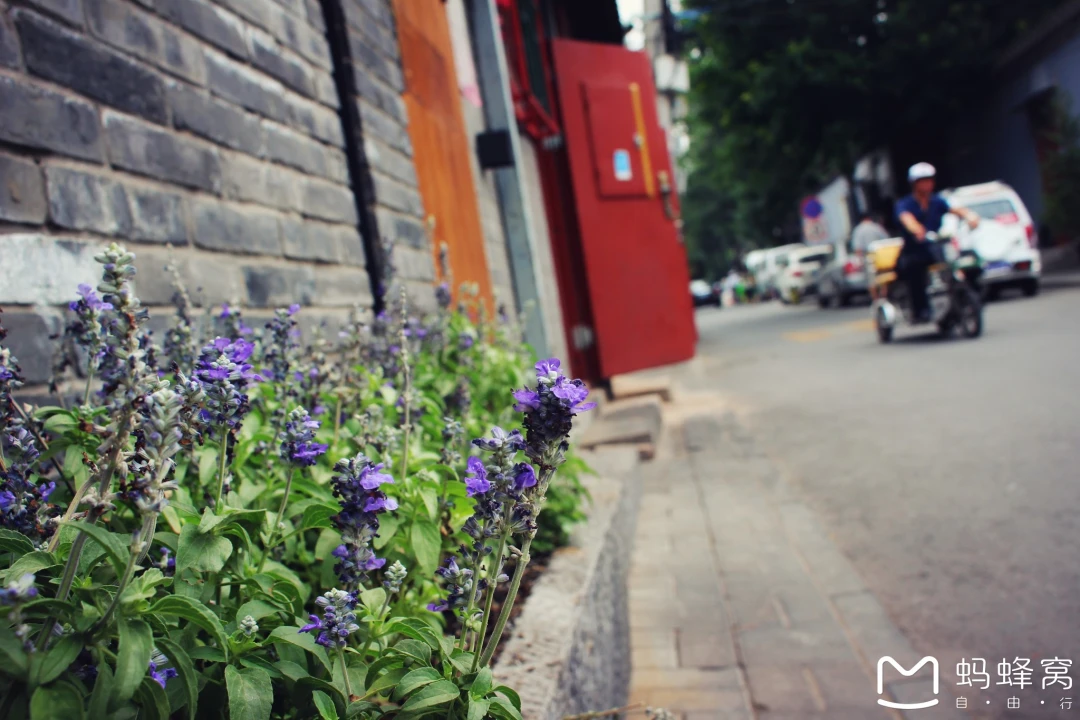
Today, Courtyard No. 20 still breathes artistic spirit. A small flower garden is carefully tended by residents, and the walls occasionally bear traces of old photographs from the People's Art Theatre days. Walk through the courtyard, and you can almost hear the lines being rehearsed.
What to look for: Look for the old theater posters and photographs that hint at the courtyard's dramatic past.
Courtyard No. 24: The Republican-Era "Young Lady's Grand Study"
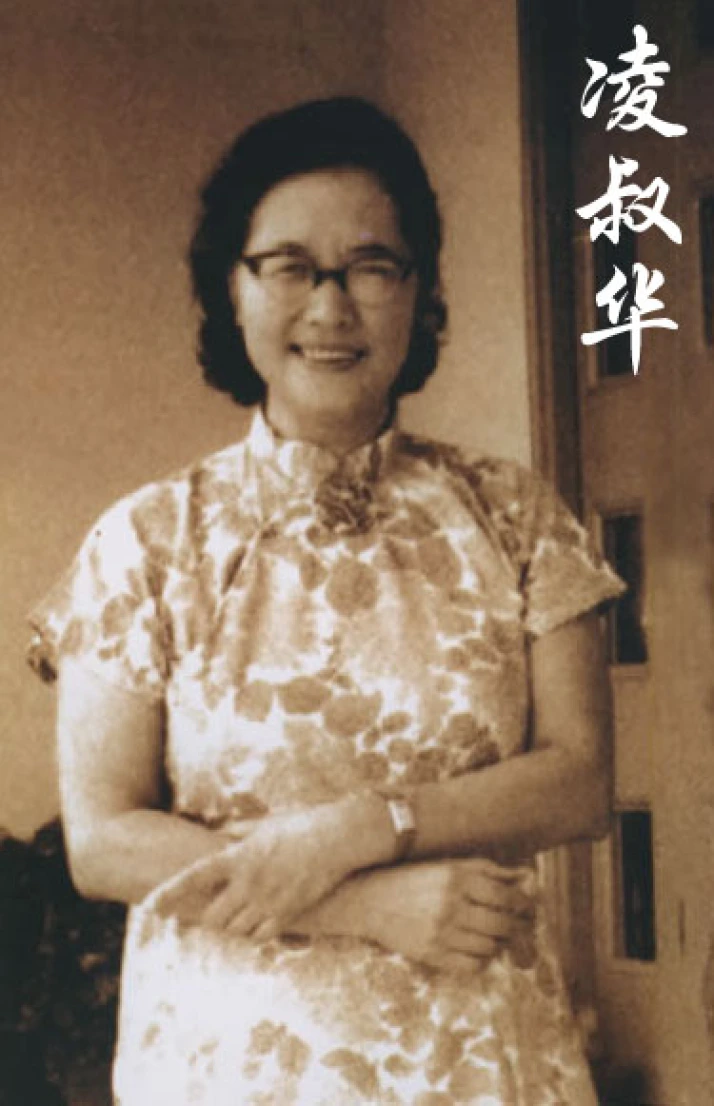
When people think of brilliant women from China's Republican era (1912-1949), they often recall Lin Huiyin's famous salon. But few know that nearly a decade before Lin's gatherings, Courtyard No. 24 hosted a salon called the "Young Lady's Grand Study."
Its hostess was Ling Shuhua.
Among the constellation of Republican-era intellectuals, Ling Shuhua was never the most dazzling. She lacked Lin Huiyin's radiant magnetism and Zhang Ailing's cool aloofness. Only after her death did people discover that this "first Chinese woman writer to conquer Europe" had created paintings that became collector's treasures and prose that still moves readers today.
Of course, Ling Shuhua's story goes deeper. Her ambiguous relationship with poet Xu Zhimo and her extramarital affair with British poet Julian Bell became enduring topics of gossip. But regardless, Courtyard No. 24 witnessed her youth, her talent, her love, and the cultural spirit of an entire era.
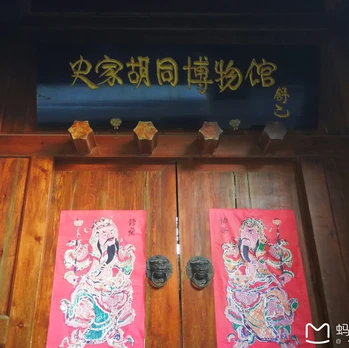
Today: Courtyard No. 24 has been beautifully restored and now houses Beijing's first hutong museum. If you visit Shijia Hutong, this is worth at least half a day of your time.
[Link: Beijing hutong museums guide]
Courtyard No. 32: The General Who Liberated Beijing Peacefully
Courtyard No. 32 once sheltered a man who changed Beijing's fate—Fu Zuoyi.
As a high-ranking general in the National Revolutionary Army, Fu Zuoyi fought in the Xinhai Revolution, the Northern Expedition, the Central Plains War, and the Suiyuan Campaign. He was a battle-hardened commander of fearsome reputation. But his greatest achievement came in 1949, when he liberated Beijing without firing a single shot.
That winter, Fu Zuoyi made a difficult and monumental decision: to lay down arms and spare this thousand-year-old capital from the ravages of war. Because of him, Beijing's city walls, the Forbidden City, the Temple of Heaven, and countless hutongs were preserved intact.
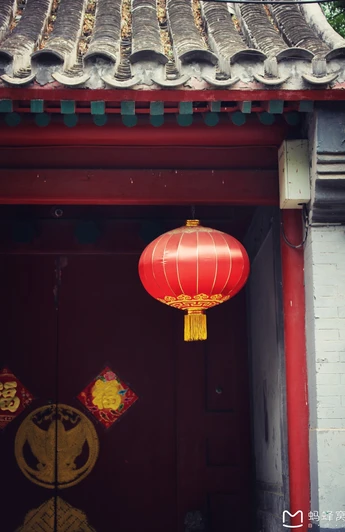
What to feel: Stand at the gate of No. 32 and imagine the man who once paced here, pondered here, and made his fateful decision.
[Link: Peaceful liberation of Beijing history]
Courtyard No. 41: A Zen Hotel Hidden in the Hutong
Many of Shijia Hutong's courtyards have been renovated and opened as boutique hotels. Courtyard No. 41 is one of them, now called the "Red Wall Shijia Garden Hotel."
Step into the lobby, and you'll feel a strong sense of Zen tranquility. The courtyard's bar and restaurant share the hutong's quiet character—far from the city's noise, offering rare peace. A rickshaw sits silently in one corner of the courtyard, as if telling the story of Xiangzi and Tigress from Lao She's classic novel Rickshaw Boy.
Why stay here: This hotel has become one of the most popular accommodation choices for foreign visitors to Beijing. They come not for luxury amenities, but to experience old Beijing life—where you push open your door and find yourself in a hutong, look up and see ancient trees.
[Link: Best boutique hotels in Beijing hutongs]
Courtyard No. 47: The Final Years of a Vice President
Shijia Hutong No. 47 was the former residence of Rong Yiren, former Vice President of China.
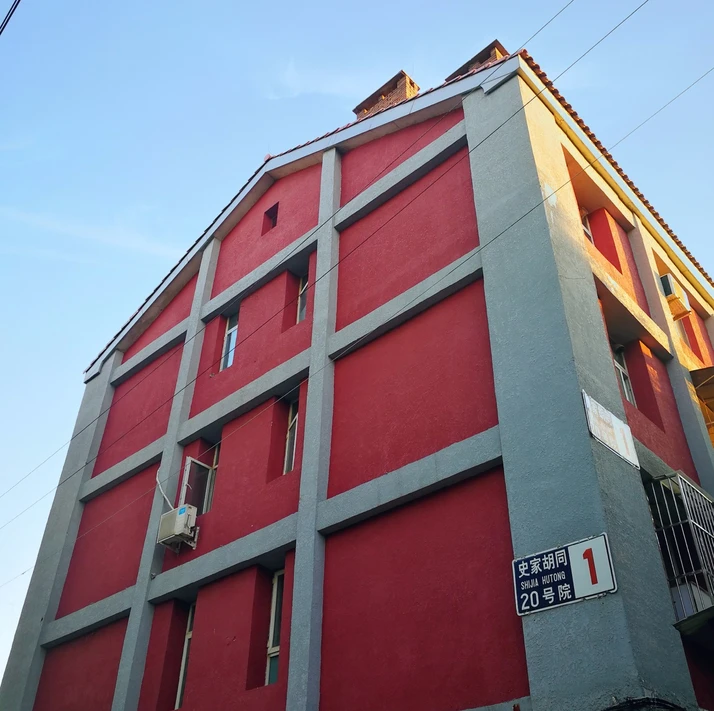
In the early 1990s, Rong Yiren moved into this courtyard and spent his final years here. Rong was a legendary figure in modern Chinese industry and commerce. His family business, the "Rong Clan," was once called "China's Rockefellers." And he himself rose from a national capitalist to a leader of the People's Republic.
This modest courtyard witnessed the calm and detachment of his later years.
Courtyard No. 51: The "Great Red Gate" of Zhang Shizhao and Zhang Hanzhi
Shijia Hutong No. 51 was the home of Mr. Zhang Shizhao.
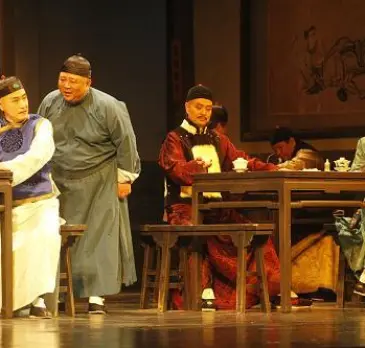
Zhang Shizhao was a legendary figure in modern Chinese history—a scholar, lawyer, educator, and close friend of Mao Zedong. His adopted daughter, Zhang Hanzhi, later married Foreign Minister Qiao Guanhua and also lived here.
It's said that Zhang Hanzhi loved this courtyard deeply. In those years, she often sat in the yard listening to her father discourse on history and current affairs. The plants she personally tended still grow lush and green today.
In her book Crossing the Thick Red Gate, she filled page after page with memories of this home. That red gate was not merely a physical door—it was a passage connecting her to history, to her elders, and to herself.
Courtyard No. 53: From Shi Kefa to Li Lianying
Courtyard No. 53 also has a storied past.
Legend has it that Shijia Hutong got its name because it once contained an ancestral hall dedicated to Shi Kefa, the Ming general who fought against the Manchu invasion. However, this claim is questionable: the name "Shijia Hutong" already appears in the Gazetteer of the Five Wards, Alleys, and Hutongs of the Capital from the Jiajing era of the Ming Dynasty (1522-1566), while Shi Kefa only became a household name at the very end of the Ming.
But that hasn't stopped the name from enduring through the Ming, Qing, and Republican eras.
During the Qing Dynasty, Courtyard No. 53 served as the private residence of the powerful eunuch Li Lianying. Li was the most trusted eunuch of Empress Dowager Cixi, wielding immense power and amassing vast wealth. This courtyard was a glimpse into his lavish lifestyle.
After Liberation, it became the office of the All-China Women's Federation, where Deng Yingchao and Kang Keqing worked. Today, it has been converted into the "Haoyuan Hotel" (Good Garden Hotel), continuing to welcome travelers from near and far.
Courtyard No. 55: "Red Memories" at the Eastern End
Shijia Hutong runs east from Chaonei South Little Street to Dongsi South Avenue at its western end. At the eastern end, Courtyard No. 55 holds "Red Memories" from the early days of the People's Republic.
This courtyard once housed offices and meeting spaces for revolutionary leaders. While less famous than some of its neighbors, it completes the historical tapestry of this remarkable hutong.
Frequently Asked Questions About Shijia Hutong
Q1: How long is Shijia Hutong, and how long does it take to visit?
 Shijia Hutong is approximately 700 meters long. A thorough visit, including the hutong museum at Courtyard No. 24, takes about 2-3 hours. If you're staying overnight at one of the boutique hotels, you can easily spend a full day exploring.
Q2: Is Shijia Hutong free to visit?
 Yes, walking through the hutong is free. The Shijia Hutong Museum at Courtyard No. 24 has a small admission fee (typically around 20-30 RMB). Hotels and private residences are not open to the public unless you're a guest.
Q3: What's the best time to visit Shijia Hutong?
 Early morning (7-9 AM) or late afternoon (4-6 PM) are ideal. You'll avoid crowds, enjoy soft lighting for photos, and experience the hutong's daily life—residents exercising, cooking, or chatting by their doors.
Q4: Can I stay overnight in Shijia Hutong?
 Yes! Red Wall Shijia Garden Hotel (Courtyard No. 41) and Haoyuan Hotel (Courtyard No. 53) offer boutique accommodations. Book in advance, especially during peak travel seasons (April-October).
Q5: Is Shijia Hutong suitable for families with children?
Absolutely. The hutong is flat, pedestrian-friendly, and offers a safe, car-free environment. Kids will love spotting the traditional architecture, rickshaws, and ancient trees. The museum at No. 24 is also child-friendly with interactive exhibits.
How to Get to Shijia Hutong
Shijia Hutong is located in Dongcheng District, near Dengshikou.
By subway: Take Line 5 to Dengshikou Station, exit A. Walk east for about 5 minutes.
By bus: Take bus 101, 109, 110, or 112 to Dengshikou stop.
By taxi: Tell the driver "Shijia Hutong" (史家胡同). Most Beijing taxi drivers know this famous hutong.
Final Thoughts: Why You Must Walk This 700 Meters
Shijia Hutong is more than a tourist attraction. It's a living, breathing archive of modern Chinese history. In just 700 meters, you'll encounter:
- The birthplace of modern Chinese theater
- A Republican-era literary salon
- The home of the general who saved Beijing from destruction
- The final residence of a national vice president
- The red gate of a legendary scholar's family
- The lavish courtyard of a Qing Dynasty eunuch
- And a museum that tells it all
Your next step: Plan your visit today. Whether you're a history buff, a culture lover, or simply a curious traveler, Shijia Hutong will leave you with stories you'll carry forever.
Book a guided walking tour of Shijia Hutong and nearby hutongs to unlock even more hidden stories. [Link: Beijing hutong walking tours]
Share this article with a friend who loves history or dreams of visiting Beijing. And when you go, take your time. Stop by the museum. Chat with a resident. Sit under an ancient tree. Because in Shijia Hutong, every corner has a story waiting to be heard.
Have you visited Shijia Hutong? Share your experience in the comments below, or tag us in your photos on social media. We'd love to see your journey through Beijing's most legendary 700 meters.
You should also read:

Vividly Before Our Eyes: Rediscovering 334 Featured Travelogues – The Untold Stories Behind Mafengwo’s Most Popular Travel Content
Meta Description: Discover the secrets behind Mafengwo’s 334 featured travelogues of 2017 – from fan check-ins to surprise destinations. Learn what makes a travelogue go viral and how you can become a featured author. The final month of 2017 arrived quietly. Flipping through the calendar,…
Continue reading...
Strolling Through Old Beijing: The Ultimate Hutong Walking Tour of Nanluoguxiang, Yandaixiejie, Shichahai, and Houhai
Meta Description: Explore Beijing's historic hutongs on a day-long walking tour from Nanluoguxiang to Houhai. Discover hidden courtyards, Qing Dynasty alleys, and lakeside charm. Your complete guide to Old Beijing's most iconic neighborhoods. Beijing’s hutongs—those winding, narrow alleys—are like veins threading through the ancient capital,…
Continue reading...
Strolling Through Fragrant Beijing: The Imperial City of Crimson Walls and Azure Tiles – A Complete Travel Guide
Meta Description: Explore Beijing's Forbidden City, Temple of Heaven & hidden hutongs in this SEO-optimized travel guide. Walk 60km through crimson walls & azure tiles with insider photography tips. Plan your imperial city adventure today. "My Beijing City" plays on repeat as I write this—the…
Continue reading...