Six Days in Beijing: Commando-Style Travel, Queueing Inferno, and Survival Tips
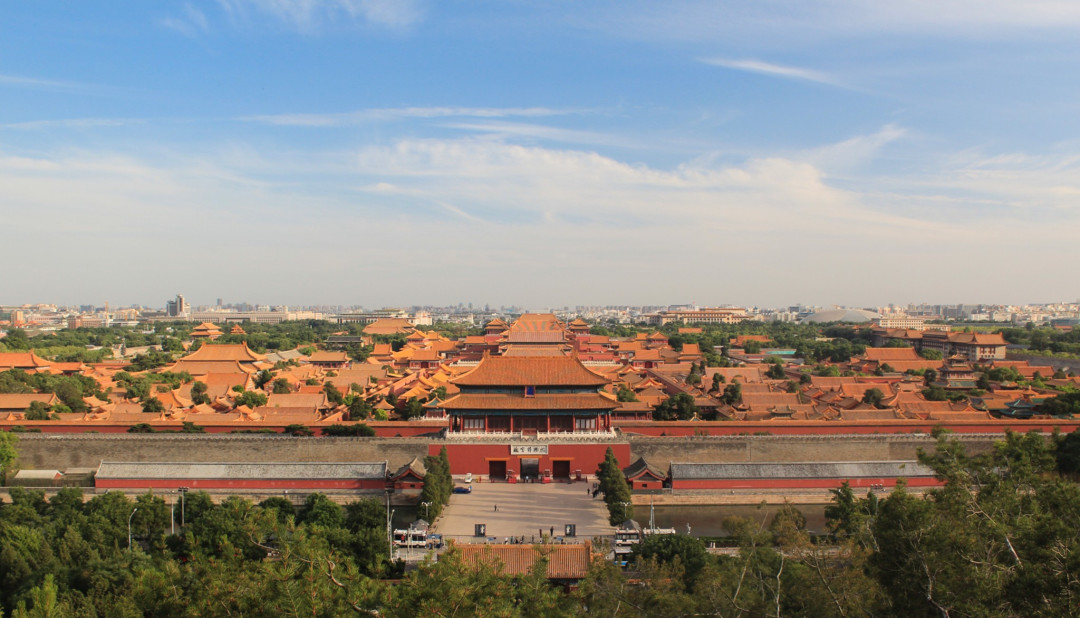
Meta Description: Navigating Beijing's summer crowds? Our six-day itinerary reveals the brutal reality of queueing for pandas, Universal Studios, and more. Plus survival tips for your trip.
Prologue: A Belated Reunion with a Changed Capital
Ten years ago, I dragged my suitcase out of Beijing, thinking the city would stay frozen in my memory forever. Ten years later, I returned with a concert ticket in hand, only to discover that the capital had become a place where you need to queue just to breathe.
On May 31, 2023, I boarded the train back to Beijing. I’d been away for nearly a decade. The subway network, once a sparse handful of lines, had grown into a dense spiderweb. Places that used to require three or four bus transfers were now a direct metro ride away. I’d planned to visit the Mutianyu Great Wall for its first snowfall back in 2021, but the pandemic shut that down. This time, a concert ticket gave me the excuse I needed to finally return.
Honestly, visiting Beijing in summer felt like a compromise—I’ve always preferred autumn, when the city turns gold and a cool breeze sweeps through the streets. But escaping the suffocating humidity of the south for a few dry, crisp days in the capital was still worth it. What surprised me more was that I ended up riding the same little green hard-seat trains from my student days—except this time, I’d booked a soft sleeper. Earning money is nice.
[Link: Beijing travel tips for summer vs autumn]
Day One: Overcast Skies at the White Pagoda and Moonlight at the Bird's Nest
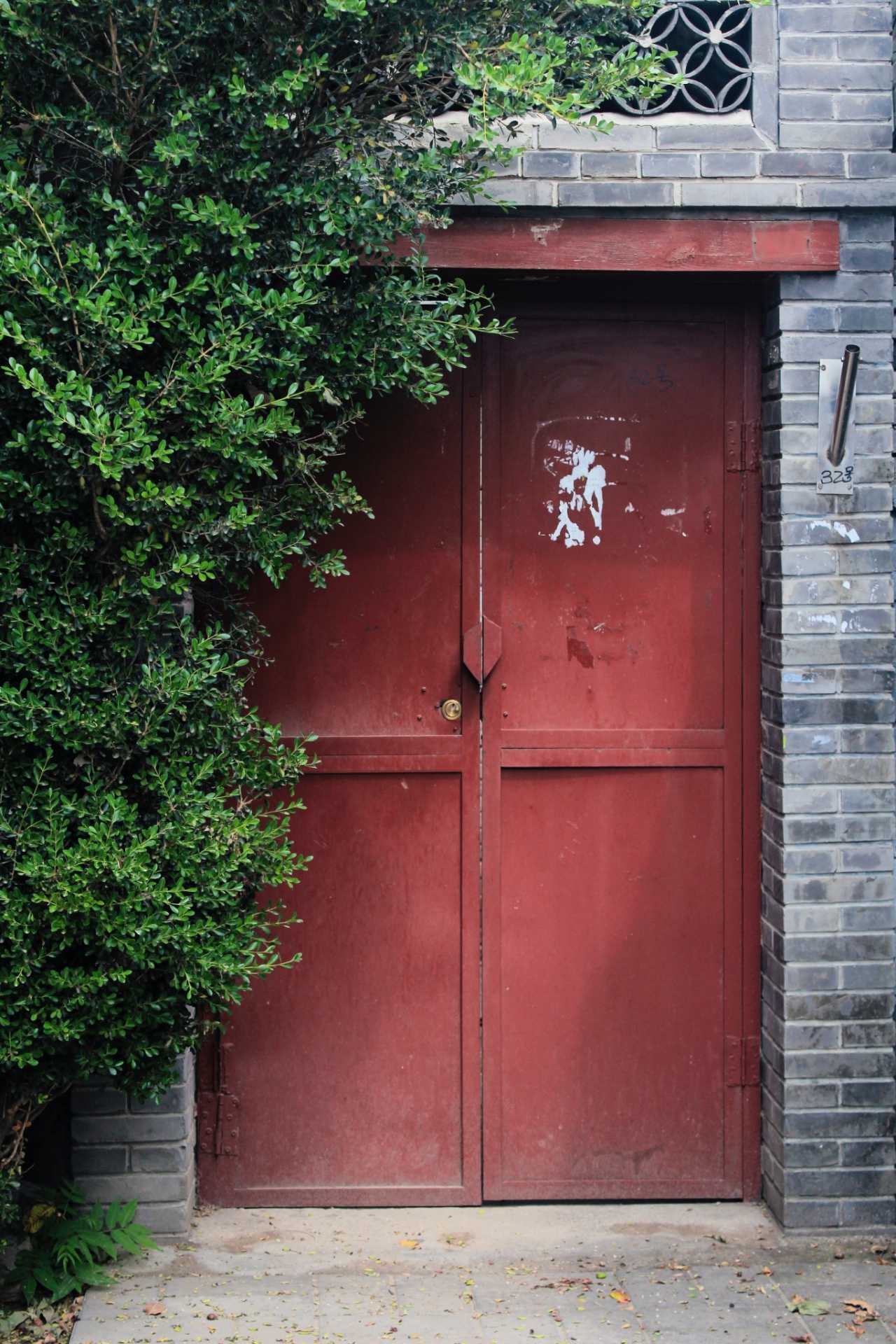
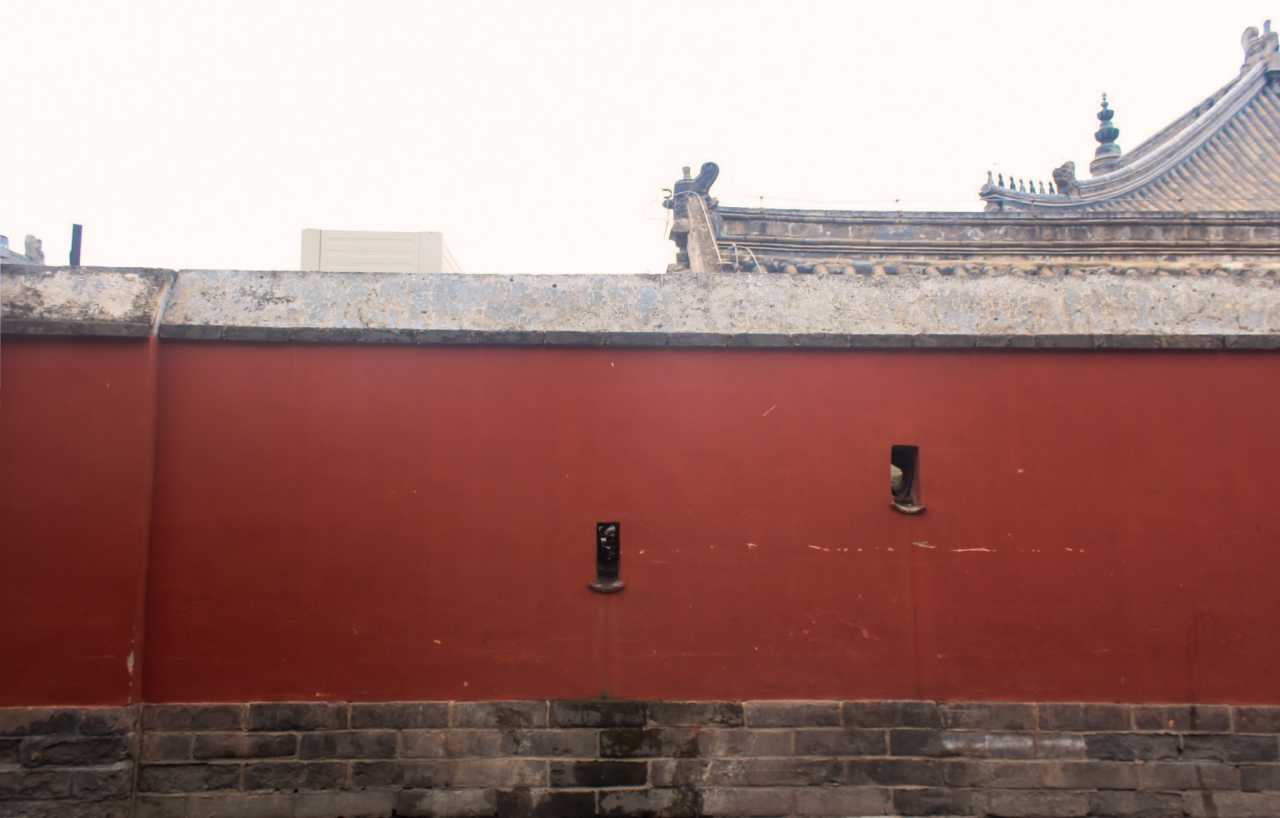
The White Pagoda Temple: Ancient Monastery Meets Trendy Cafés
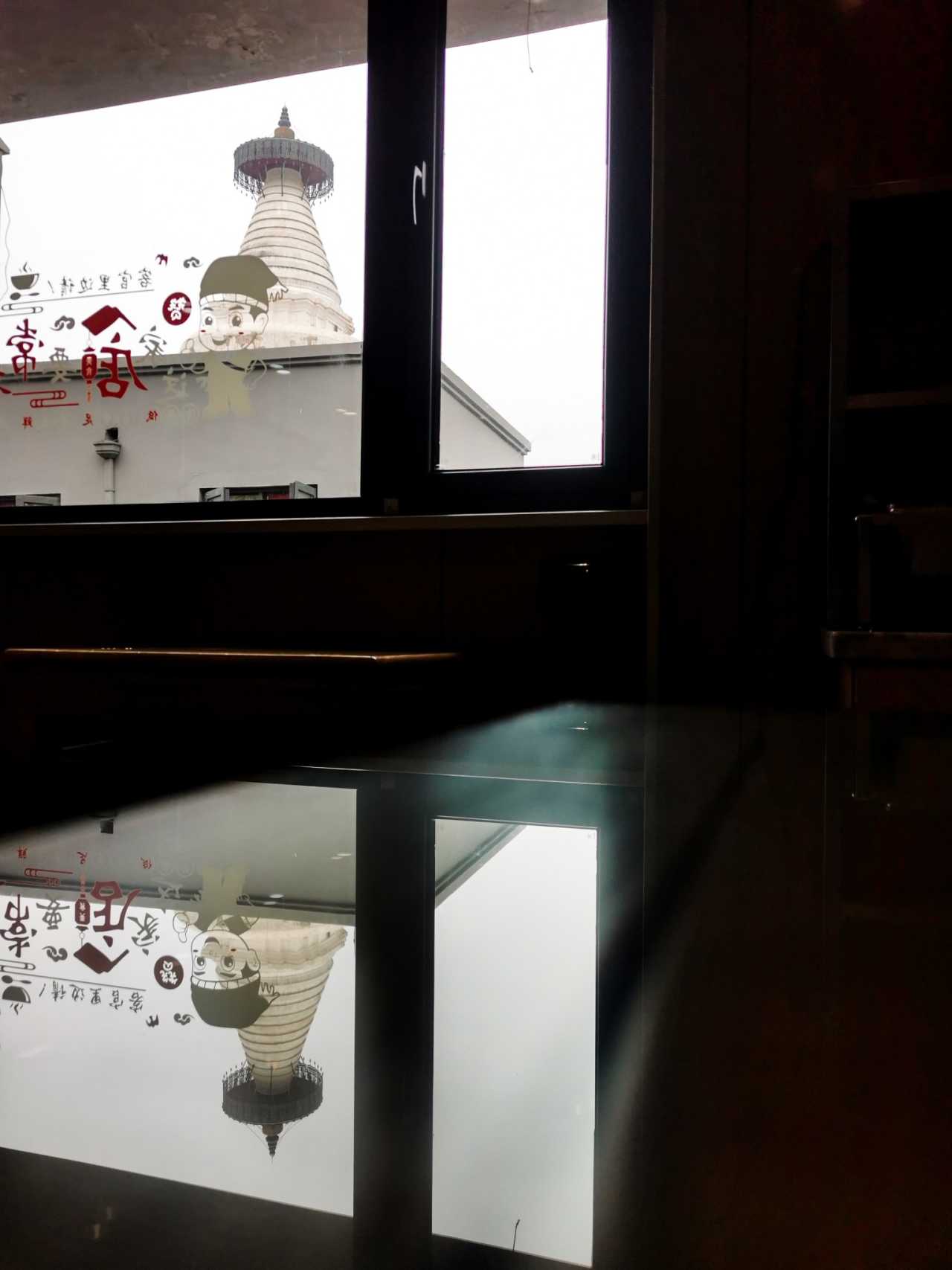
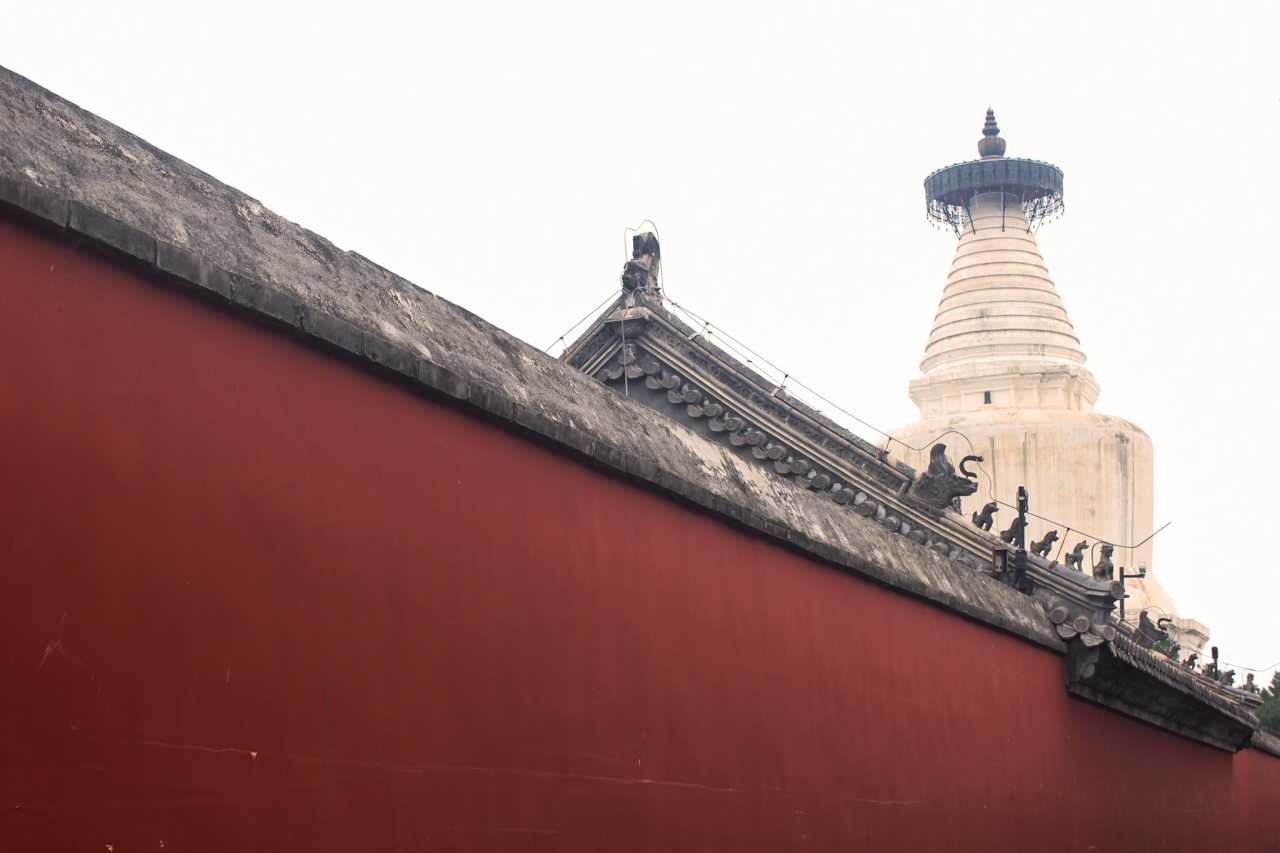
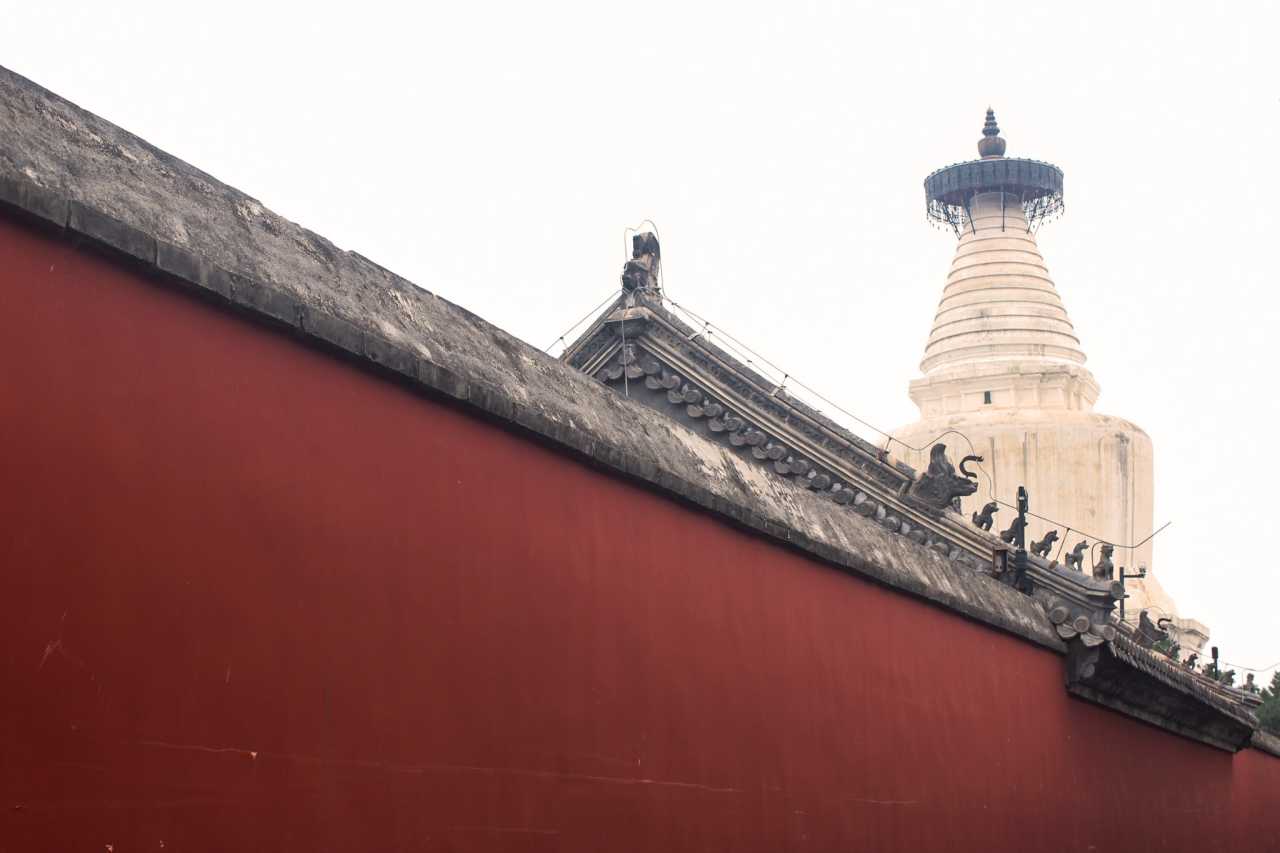
Before leaving, I watched a food vlogger’s video that got me hooked on the meat pies at Huatian Eryouju near the White Pagoda. The restaurant has two tables by the window on the left as you walk in, offering a direct view of the pagoda. I figured I could squeeze in a visit between lunch and the concert. But the weather had other plans—the sky was a solid gray, making the White Pagoda look even more somber against the dreary backdrop.
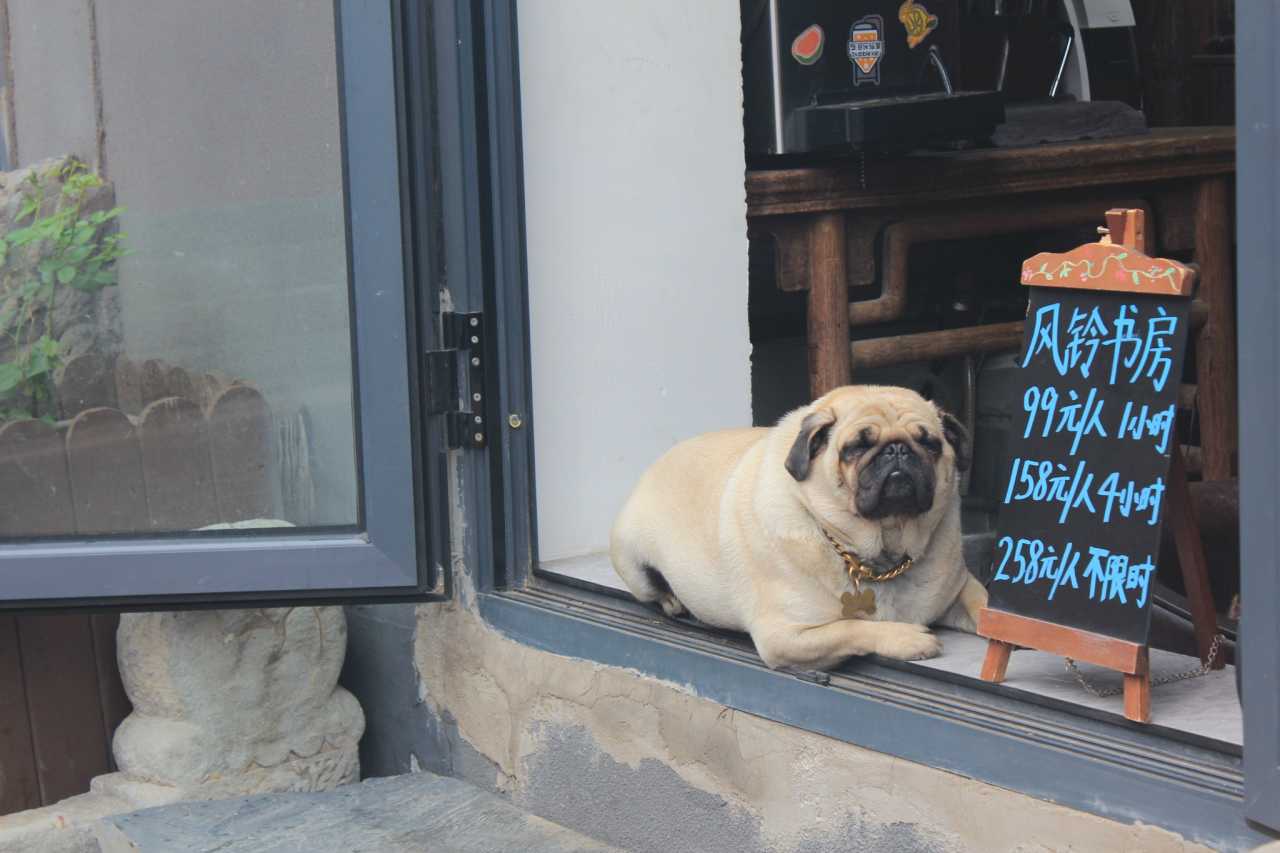
At the end of the red wall, there’s a small bookstore. The owner was outside, walking his bird and walking his dog, looking so relaxed that I, a desk-bound office worker, felt a mix of envy and resentment. I ordered a persimmon latte—it was good, but the 35 yuan price tag stung for the rest of the day.
Pro tip: If you're visiting Beijing on a budget, skip the trendy cafés near tourist spots. The views are nice, but the markup is brutal.
The Bird's Nest: Line 8 Runs Through the Central Axis, but Service Is Uneven
I remember when Line 8 only had that one short stretch near the Olympic venues. The first time I came to the Bird’s Nest was for freshman orientation—I transferred four times and ended up completely disoriented. The second time was for an SM Entertainment concert, where I ran around buying merchandise for other people. Now Line 8 runs straight through the central axis, making things much more convenient.
But the volunteer service at this concert left a lot to be desired. I asked four different staff members where to enter, and got four different answers. Eventually, a girl in a black vest helped me find the sign. I remember volunteer training being pretty strict back in my student days.
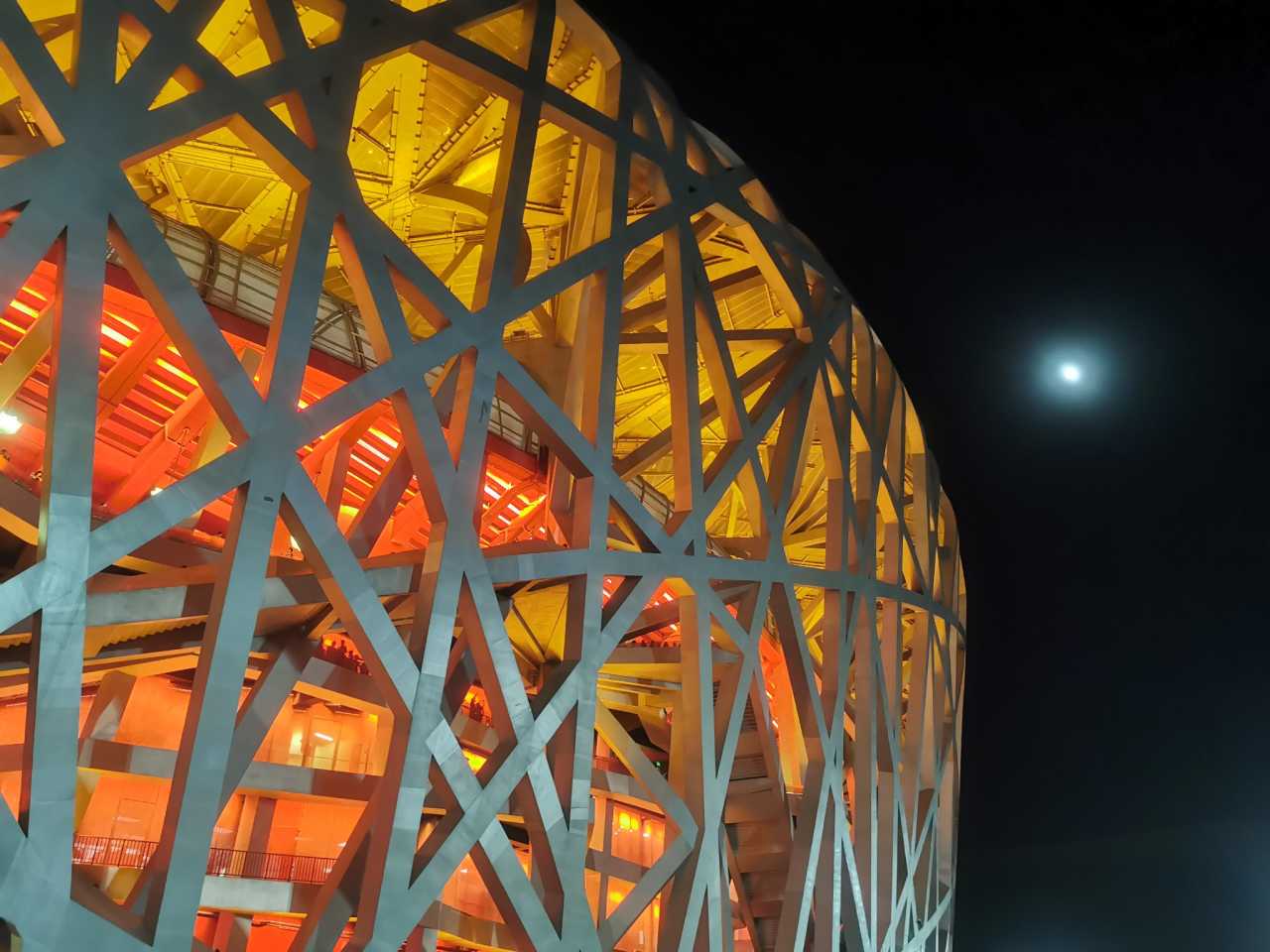
Still, the Water Cube and the Bird’s Nest look stunning at night. There was even a big moon hanging in the sky. It’s a shame that tour groups only come during the day—they’re missing out on the real magic.
[Link: Best time to visit Olympic Park Beijing]
Day Two: The Battle to See Meng Lan and a Surprise at the Poly Art Museum
Beijing Zoo: I Woke Up at Five to Pay Homage to the Crown Prince
How could you visit Beijing without paying respects to Meng Lan, the celebrity panda? But this “crown prince” has far too many loyal subjects. I woke up at 5 a.m., arrived at the gate at 6:58, and found myself at the back of a line that had already looped around twice. The sun wasn’t being kind either—it was already blazing by 6 a.m., and I stood there baking until the gates opened at 7:30.
You think that’s it? Think again. Once the gates opened, everyone started sprinting toward the panda house—and formed a new line. This one was even slower; the panda house didn’t open until 8 a.m. Once inside, I ran to the viewing area for Meng Lan, only to join yet another line. Each group got exactly five minutes to look.
During the wait, two elderly women got into a shouting match, and someone tried to sneak in a bag of who-knows-what to feed the pandas and got caught. By 8:30, my phone battery was half dead, and I finally made it in. But by then, the crown prince had almost finished his breakfast. He was munching on his last few bamboo stalks in a shady corner far away, and as soon as he was done, he turned around and went back inside. The people behind me had queued for nothing.
Verdict: Don't come in summer. This is just a boot camp for queueing—an immersive experience in lower back pain and numb feet.
After the crown prince retreated, the crowd shifted to the other pandas. Every spot where a panda was visible was packed three layers deep, with people livestreaming on their phones. This internet traffic era is terrifying. Outside, I saw Gu Gu pacing back and forth at the entrance of his den, occasionally knocking on the door to go back inside, but no one opened it. He looked so pitiful. Turns out, bears and bears are not created equal.
[Link: Beijing Zoo panda viewing tips]
Poly Art Museum: No Animal Heads, but the Buddhist Statues Blew Me Away
Address: Dongsi Shitiao Station, Exit D, Poly Plaza, 9th Floor
I’d always wanted to see the bronze animal heads from the Old Summer Palace, but I was out of luck—they were on loan to another exhibition, and the museum only had replicas. They said there were two floors, but only one was open. I’d made a reservation through the mini-program a week in advance, but the system couldn’t find my order at the entrance—a perfect example of a system that’s both redundant and useless.
Despite the limited exhibits, the curation was meticulous. Walking into the Buddhist statue hall felt like a spiritual cleansing. Each piece had a QR code you could scan for descriptions, and the vessels came with cross-section diagrams. The experience was top-notch.
The coolest piece was a bronze carriage-shaped box. The little birds on the four corners could rotate freely, the wheels on the bottom moved, and the small doors with a human and an ape as handles could open and close—definitely a display piece for ancient super-aristocrats. There was also a military canteen with wall-pattern designs that would look incredibly stylish today. If someone mass-produced a replica, it would sell out instantly.
The craftsmanship on one of the Buddhist statues was incredible. From the front, the skirt appeared to be made of flowing, thin layers. From the back, it was just an un-carved stone block. Who says we don’t have our own Michelangelo?
Poly Plaza itself is overwhelmingly grand. Standing at its base, I felt like a country bumpkin.
[Link: Poly Art Museum Beijing exhibition schedule]
Day Three: Universal Studios—A Place I Will Never Visit Again
With the classic “since I’m already here” mentality, I went to Universal Studios Beijing. My advice: Don’t go. This is a 360-degree, no-holds-barred queueing experience, especially on a blazing sunny day. You’ll get sunburned to the point where your own mother wouldn’t recognize you, and even your power bank won’t have enough juice.
June 2 was supposedly a 21,700-person day, but it felt like at least 30,000. You start queuing at the subway exit for security checks. I thought I could breeze through since I only had my phone and power bank, no bag—turns out, even phones have to go through the scanner. After 40 minutes, I got through security, quick-marched through the outdoor shopping street, and hit another line at the ticket gate. I baked in the sun for 20 minutes before reaching a shaded area, then queued another 45 minutes just to get my ticket scanned and enter.
I headed straight for the Spielberg and Zhang Yimou filmmaking attraction—which, ironically, became the highlight of the day because there was no line!
Next, I went to the Kung Fu Panda area, which showed a 10-minute wait on the app. By the time I got there, it was 35 minutes. This zone is fine for kids running around, but for adults? Not worth the wait.
Survival tip: If you absolutely must visit Universal Studios Beijing, go on a weekday in autumn or winter. Bring a portable fan, sunscreen, and at least two power banks.
[Link: Universal Studios Beijing crowd calendar]
Day Four: Temple of Heaven and Hutongs—A Slower Pace
Temple of Heaven: Morning Exercise and Historical Grandeur

After three days of queueing hell, I needed a break. The Temple of Heaven was a welcome relief. I arrived at 7 a.m. and found locals practicing tai chi, playing badminton, and singing opera. The queue for the main hall was only 15 minutes—a miracle by Beijing standards.
Pro tip: Visit the Temple of Heaven early in the morning. The crowds are thinner, and you’ll see authentic local life.
Nanluoguxiang: Overpriced Snacks and Cute Cats
Nanluoguxiang was packed, but the side hutongs were quiet. I found a cat café where the cats looked as exhausted as I felt. The snacks were overpriced, but the atmosphere was charming.
[Link: Beijing hutong walking tour guide]
Day Five: Summer Palace and a Hidden Garden
Summer Palace: Crowds but Worth It
The Summer Palace was beautiful, but the crowds were relentless. I managed to find a quiet spot near the back hill, where I sat and watched the lake for an hour. It was the most peaceful moment of the trip.
The Hidden Garden: A Secret Escape
I stumbled upon a small garden near the Summer Palace that wasn’t on any map. It had a pond, a pavilion, and zero tourists. I sat there for an hour, reading and drinking tea. This is the Beijing I remember.
[Link: Summer Palace off-the-beaten-path spots]
Day Six: Farewell Beijing—Final Thoughts
On my last day, I visited the National Museum and the Forbidden City. Both were crowded, but the museum’s air conditioning was a lifesaver. I ended the trip with a bowl of zhajiangmian at a hole-in-the-wall restaurant near Qianmen. The noodles were perfect.
Final verdict: Beijing is still an amazing city, but summer is brutal. If you can, visit in autumn or spring. And always, always prepare for queues.
FAQ: Beijing Travel Tips for Summer
1. Is Beijing worth visiting in summer?
 Yes, but only if you're prepared for heat and crowds. Spring and autumn are much better.
2. How do I avoid long queues at Beijing Zoo?
Go on a weekday in winter. Arrive before 7 a.m. and head straight to the panda house.
3. Is Universal Studios Beijing worth the wait?
 Only if you're a die-hard fan. Otherwise, skip it—the queueing experience is brutal.
4. What’s the best time to visit the Forbidden City?
Early morning on a weekday in autumn. Book tickets weeks in advance.
5. How do I survive Beijing’s summer heat?
Stay hydrated, wear sunscreen, and plan indoor activities for midday. Carry a portable fan.
Ready to Plan Your Beijing Trip?
Beijing is a city of contrasts—ancient temples next to modern skyscrapers, quiet hutongs next to crowded tourist traps. If you're brave enough to visit in summer, prepare for queues, heat, and unforgettable memories. But if you want a more relaxed experience, plan your trip for autumn.
Book your Beijing itinerary today and discover the magic of China's capital—just don't forget your sunscreen and patience.
[Link: Beijing travel planning guide] [Link: Best Beijing hotels for budget travelers]
You should also read:
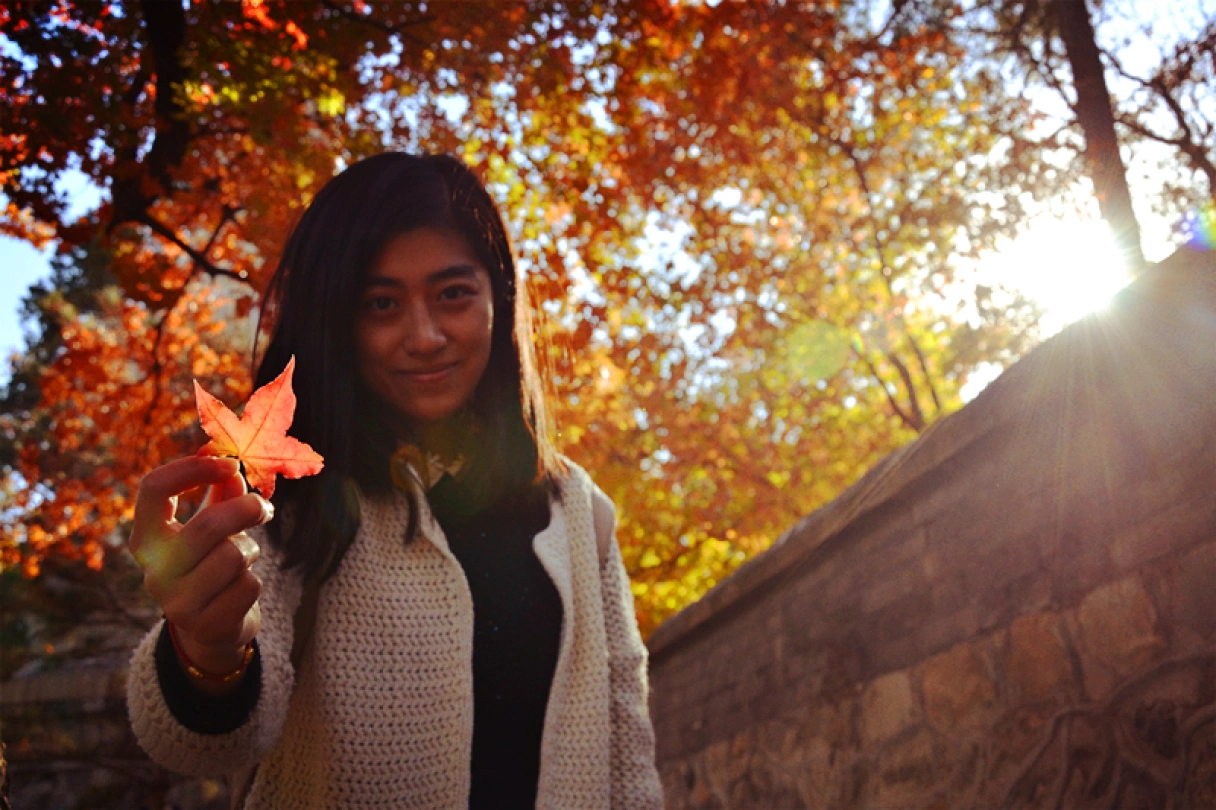
Seeking · Encountering · Autumn in Beijing: Your Ultimate Guide to Beijing’s Most Stunning Fall Scenery
Meta Description: Discover Beijing’s best autumn destinations beyond Fragrant Hills. From Tsinghua University’s golden ginkgo avenue to Dajue Temple’s millennium-old tree, plan your perfect fall escape with our expert guide. Autumn in Beijing is more than a season—it’s a grand farewell. When the summer heat…
Continue reading...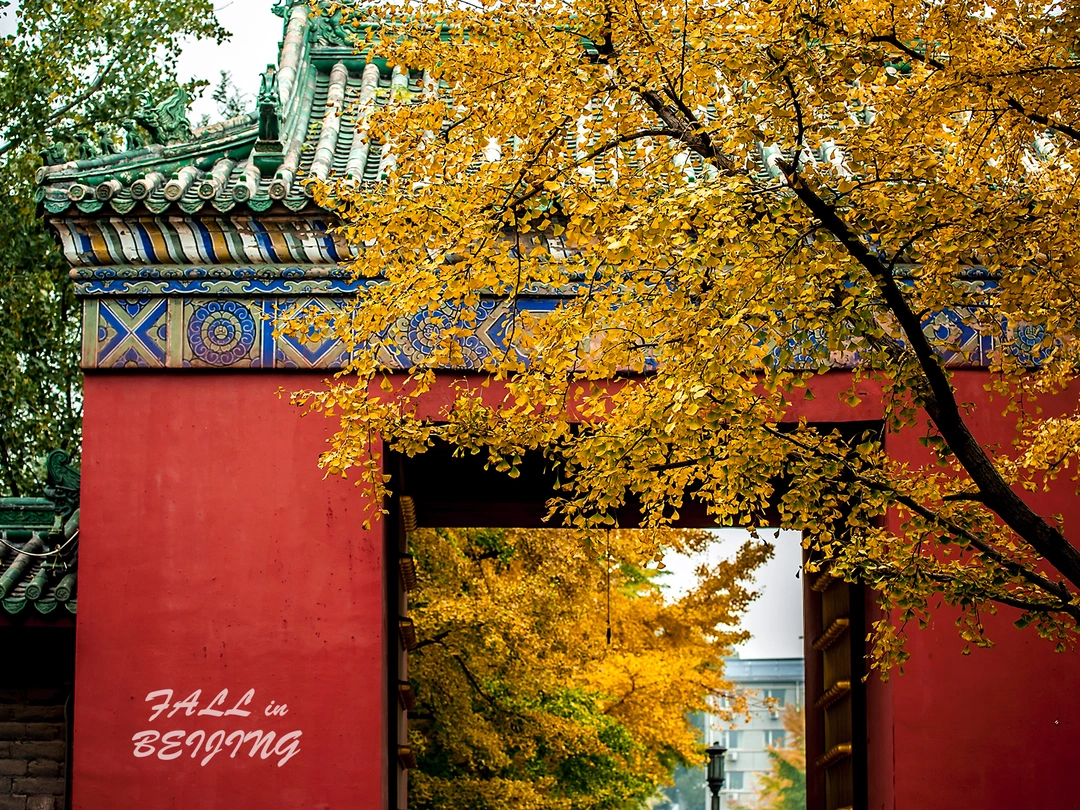
Living in Beijing: A Love Letter to Autumn – Why October Is the City's Best-Kept Secret
Meta Description: Discover why Beijing in autumn is pure magic. From golden ginkgo avenues to hidden hutong gems, this 2014 love letter captures the city's soul. Plan your fall visit now. There's a reason why old Beijing hands get misty-eyed when October rolls around. It's…
Continue reading...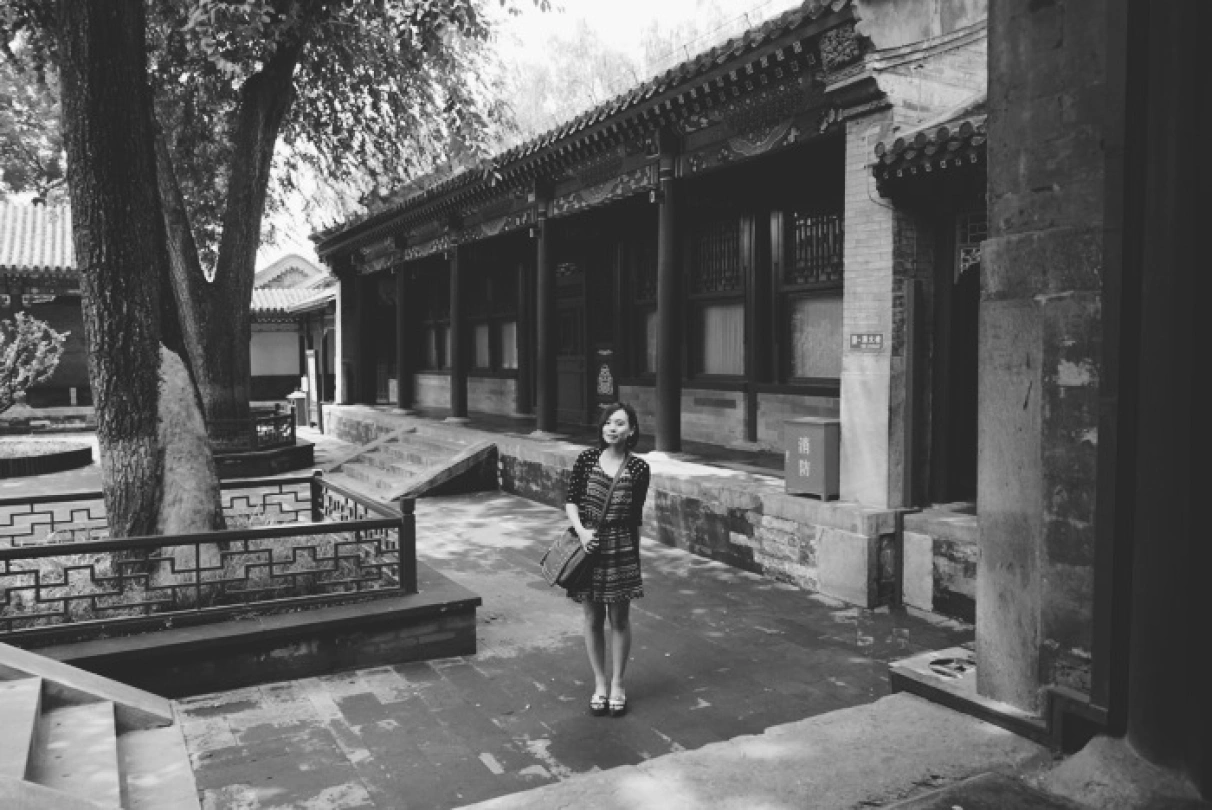
Solo in Beijing: Discovering Another Side of the Capital Amid Red Walls and Grey Tiles
Meta Description: Traveling solo in Beijing on a student budget? Discover hidden gems, practical tips for first-time solo travelers, and how to explore the capital's red walls and grey tiles without breaking the bank. When my friends asked why I chose to go to Beijing…
Continue reading...