Standing Like a Tree: Exploring Beijing's Former Residences and the Chinese Spirit
Meta Description: Discover the soul of Beijing through its historic former residences. From Lu Xun's jujube trees to Li Dazhao's crabapple courtyard, explore how these homes embody the enduring Chinese spirit. [150 characters]
Introduction: The Living History of Beijing's Hutongs
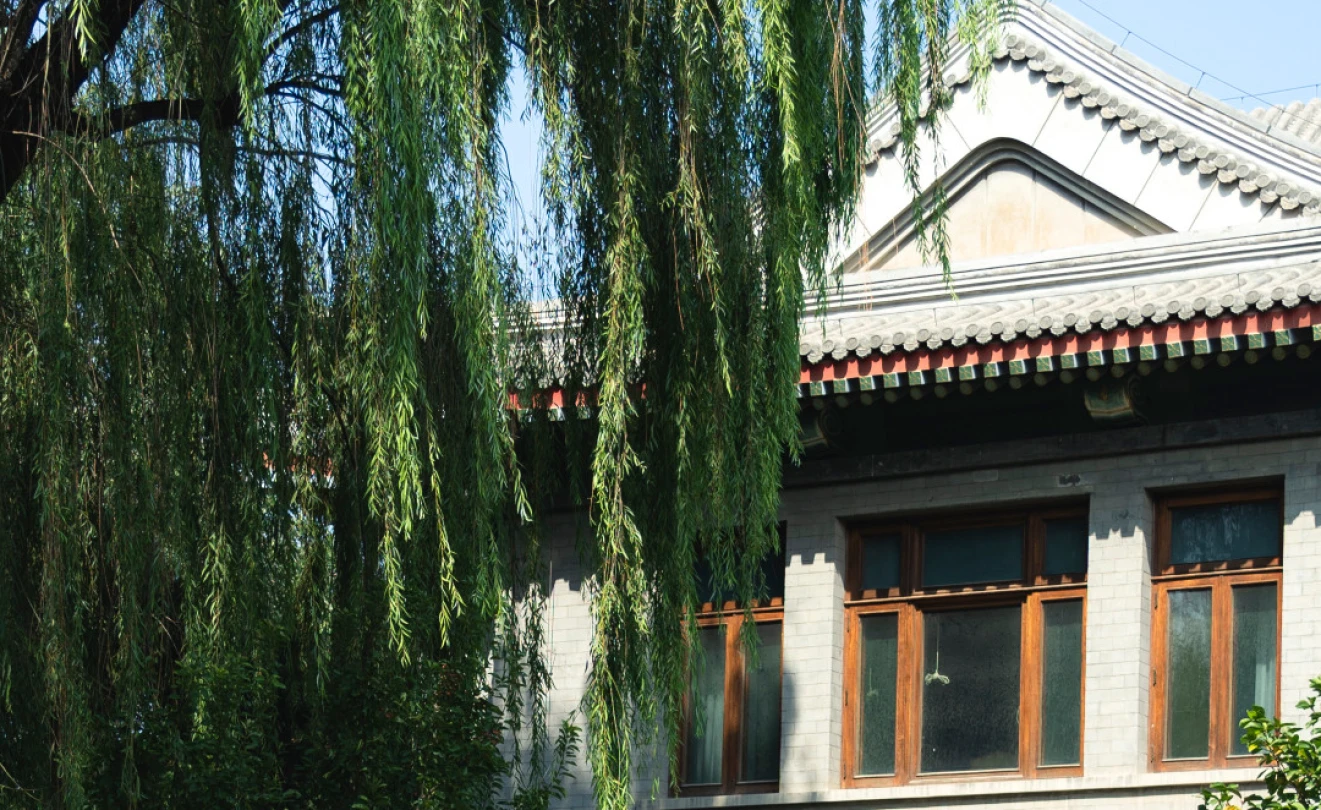
Beijing's hutongs are more than ancient alleyways—they are the city's circulatory system, pulsing with centuries of stories. These narrow lanes, with their mottled gray walls and worn stone doorsteps, form an intricate cultural web where the past and present coexist. Within this labyrinth of history, the former residences of China's most influential figures stand as luminous landmarks, each one a puzzle piece that completes the portrait of the Chinese spirit.
Walking through Beijing's hutongs is like reading a living history book. Turn any corner, and you might encounter a stone tablet engraved with a household name—a reminder that these courtyards were once crossroads of literature, art, politics, and education. Unlike the private homes that keep their doors tightly shut, these former residences open their arms to visitors, offering a rare glimpse into Beijing's centuries-old charm. They are bridges connecting us to the great minds who shaped modern China.
Lu Xun's Former Residence: The Two Jujube Trees and a Blazing Literary Fire
The Courtyard That Inspired Autumn Night
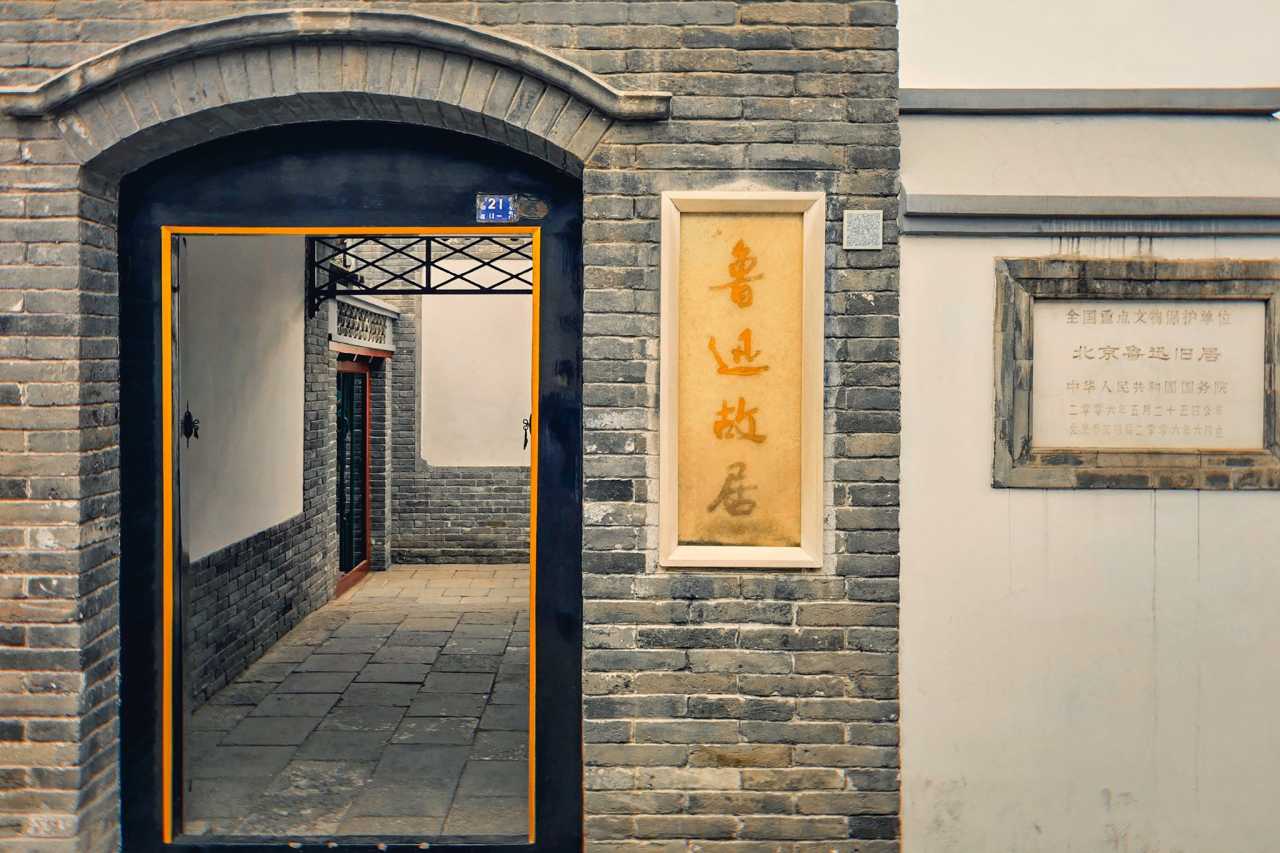
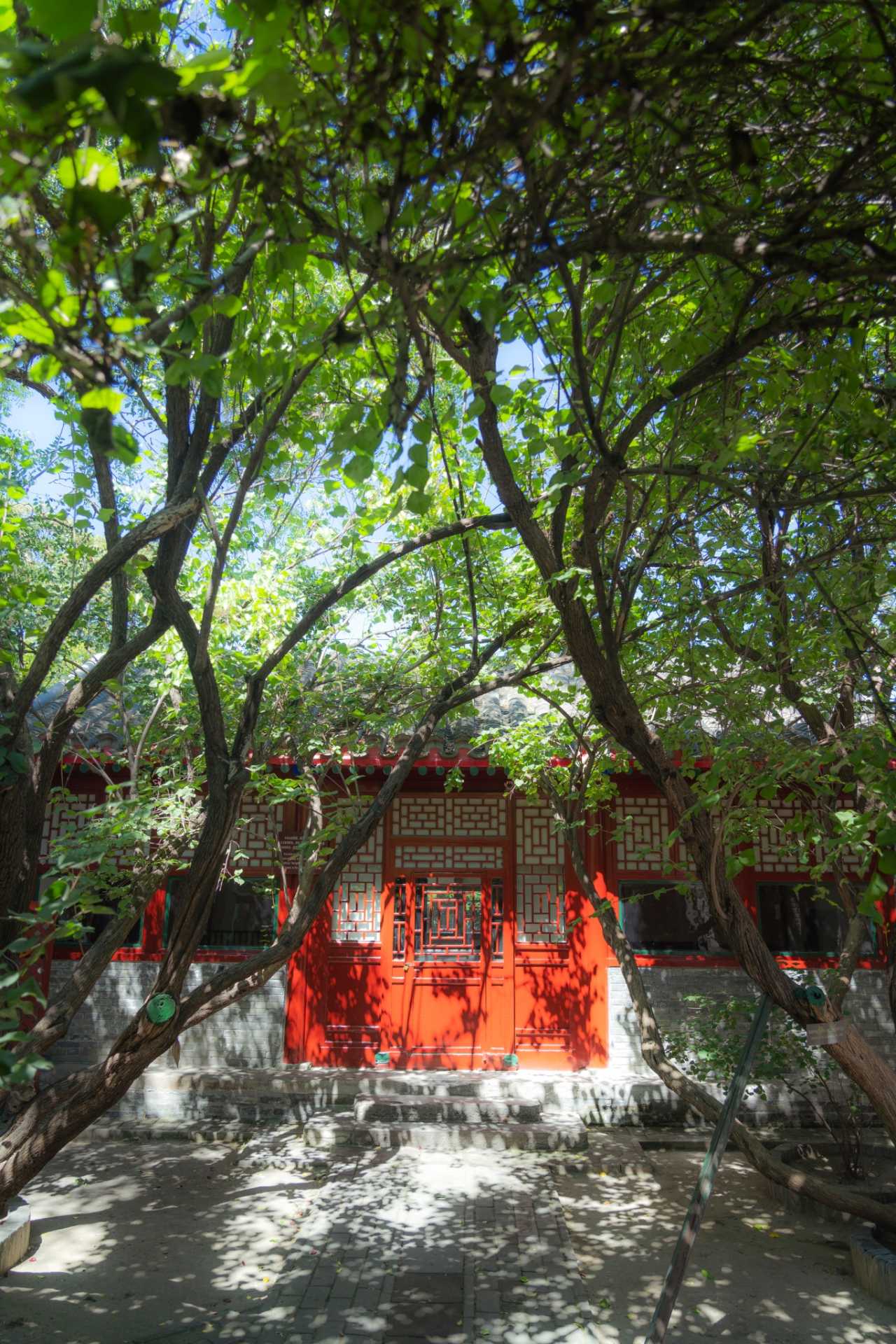
"In my back garden, I can see two trees beyond the wall. One is a jujube tree, and the other is also a jujube tree." This iconic line from Lu Xun's Autumn Night describes the very courtyard at No. 21 West Santiao Hutong. Though the original jujube trees are long gone, the lilacs Lu Xun planted with his own hands have grown lush and shady, casting a canopy of green over this sacred literary space.
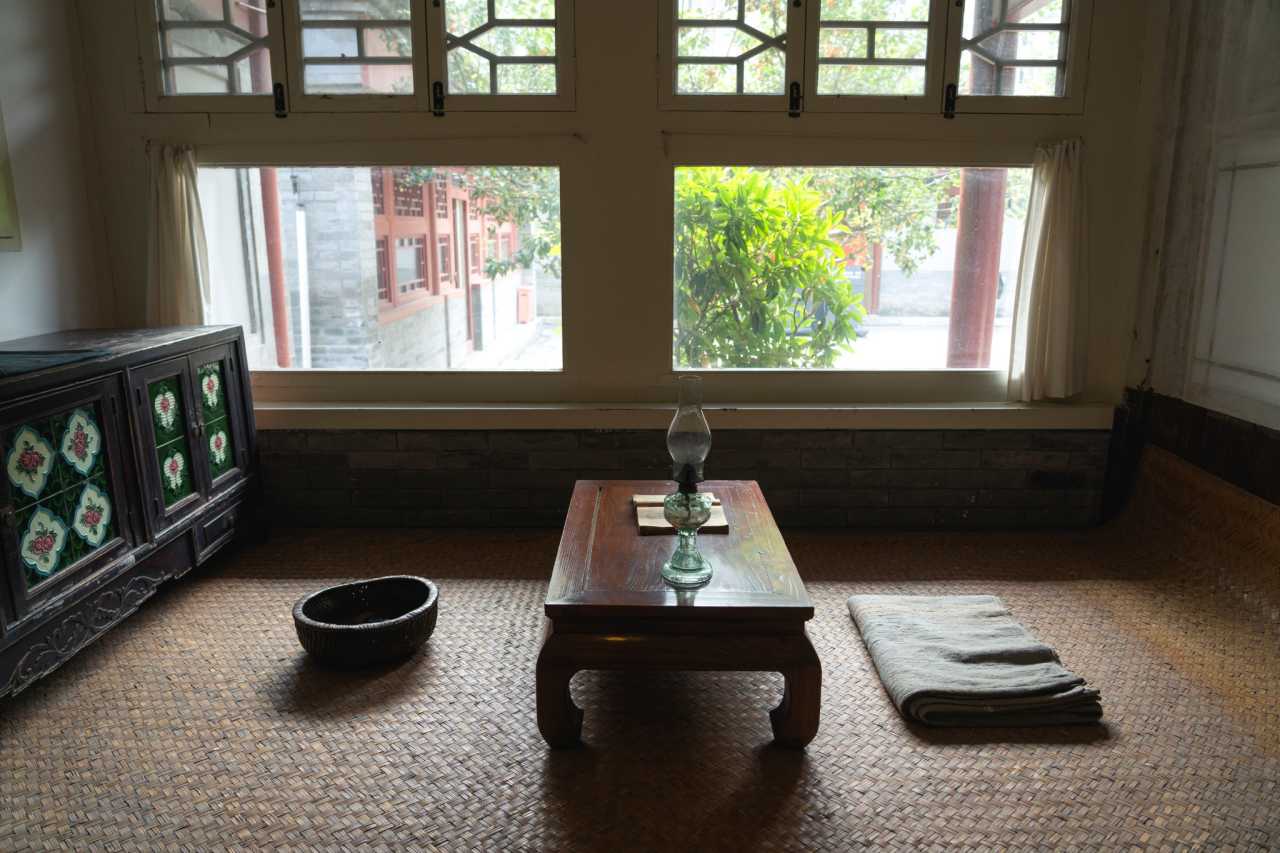
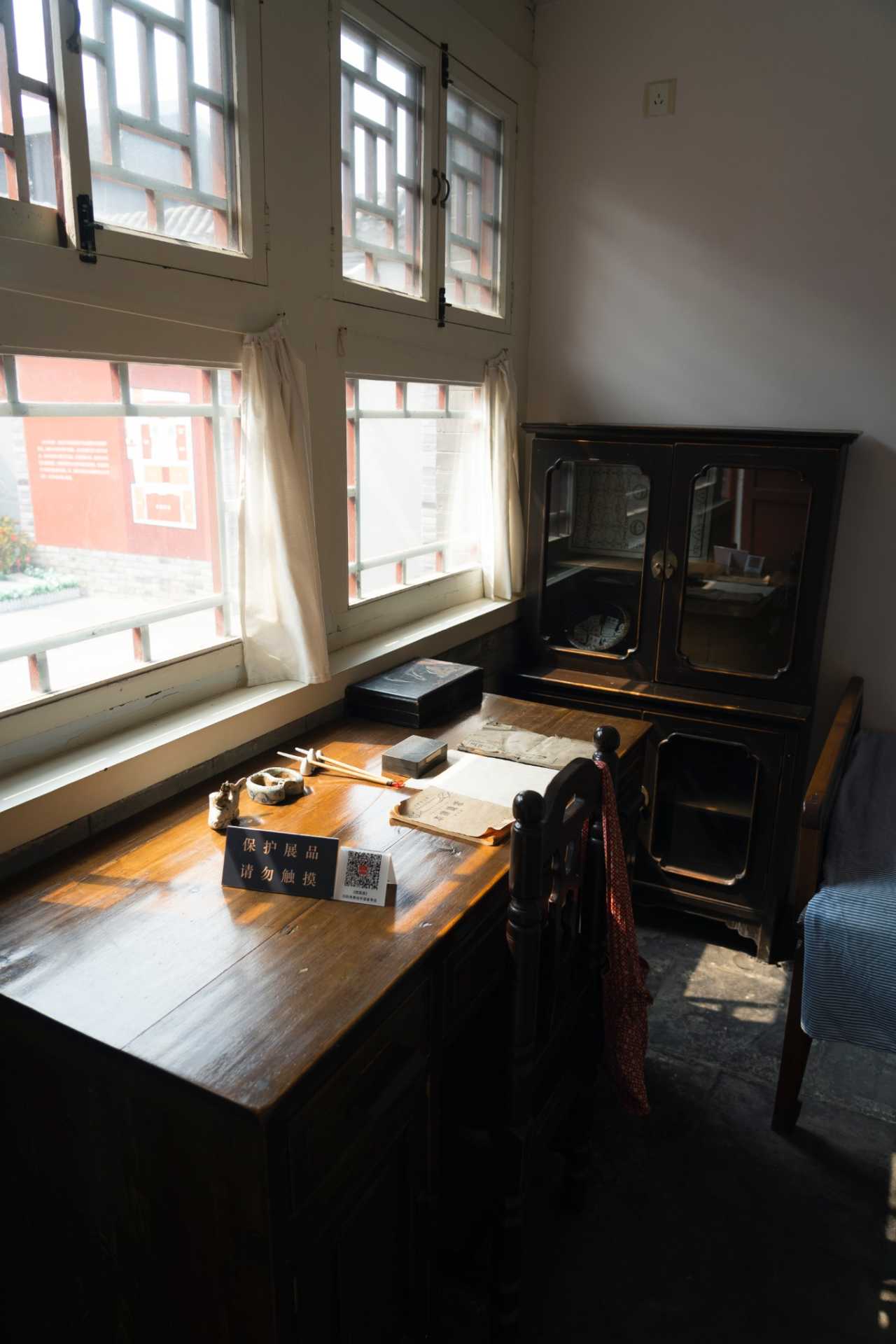
This modest tree-shaded courtyard was Lu Xun's home from May 1924 to August 1926. For any writer, standing in this space is profoundly moving. The antique oil lamps, redwood furniture, and the tiny study of less than ten square meters—where Lu Xun wrote most of the pieces collected in Wild Grass, Wandering, Dawn Blossoms Plucked at Dusk, The Badge of Shame, and The Grave—all whisper tales of a genius at work.
Beyond the Stern Image: Discovering the Real Lu Xun
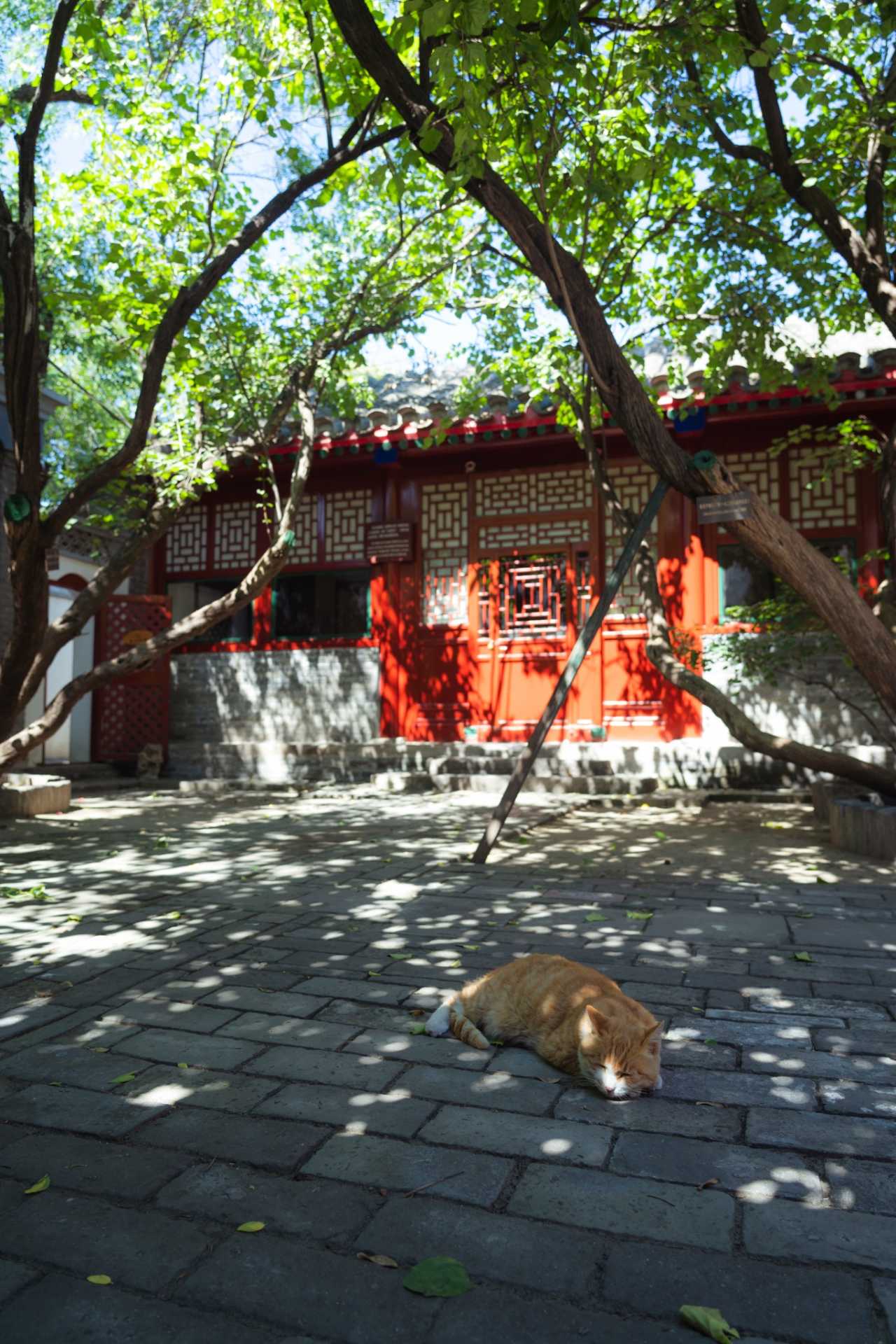
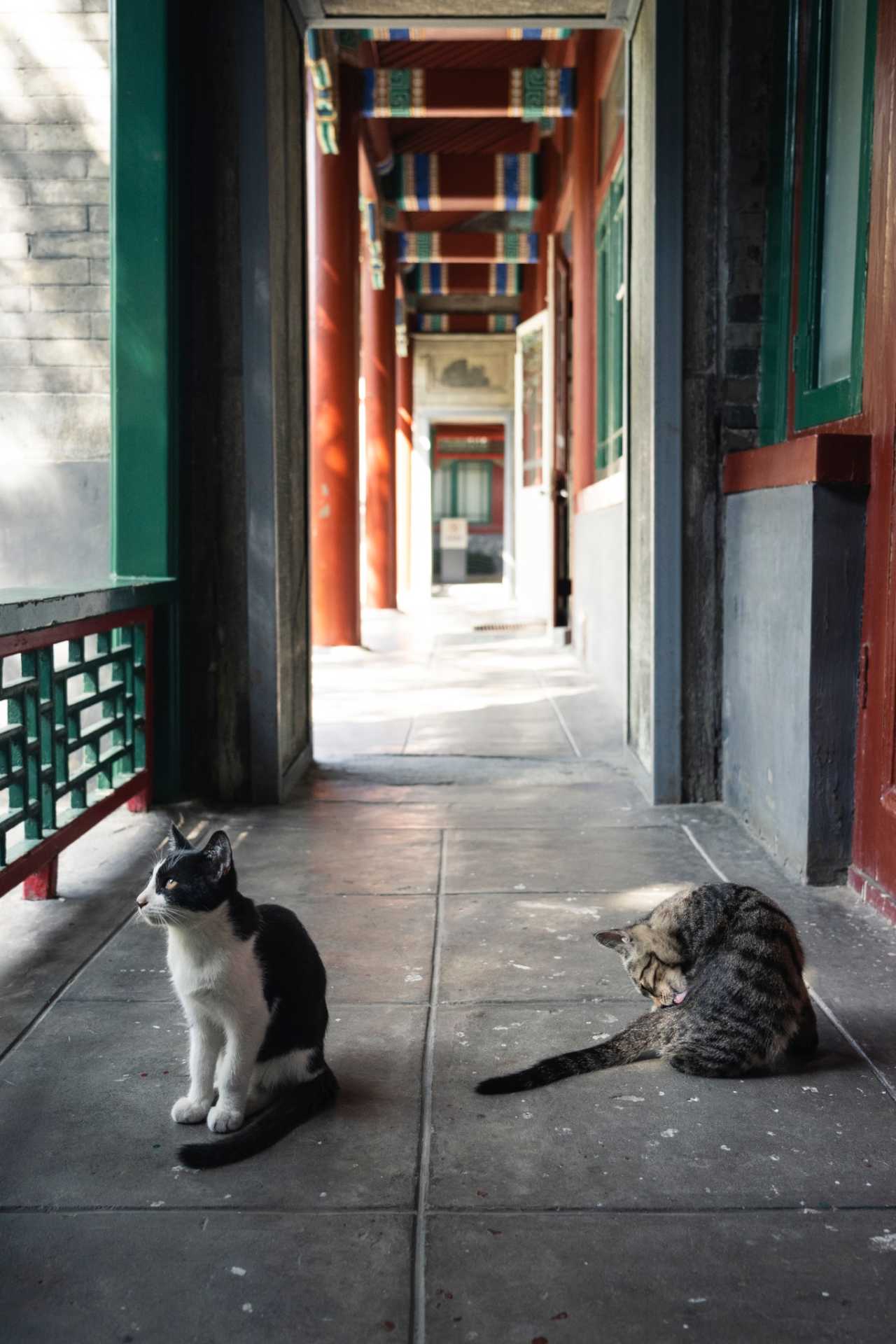
For many, Lu Xun remains frozen in that black-and-white line drawing from middle school textbooks: a stern, grim-faced scholar. But visiting his residence reveals unexpected colors. The bright red wooden doors stand defiantly against the cold wind, and the courtyard is filled with shifting clouds and sunlight. Cats linger lazily on the redwood doorstep, adding warmth to this cultural haven.

Lu Xun jokingly called his study the "Green Grove Study." I imagine that autumn night when he wrote Autumn Night was no different from today—lilac leaves quietly drooping, a streak of light cutting through the night sky, waking many who slept uneasily. This is the Lu Xun I came to understand: not just the critic, but the man who saw beauty in the ordinary, who planted trees that would outlive him.
[Link: Lu Xun's literary legacy and modern Chinese literature]
Li Dazhao's Former Residence: Iron Shoulders Bearing Righteousness
A Revolutionary's Simple Life
In 1916, Li Dazhao returned from studying in Japan and settled in Beijing, living there for over a decade. From the spring of 1920 to January 1924, he brought his family to No. 24 Wenhua Hutong—the longest he stayed in any home. This upright man from Hebei Province devoted the most passionate decade of his life to his second home, Beijing.
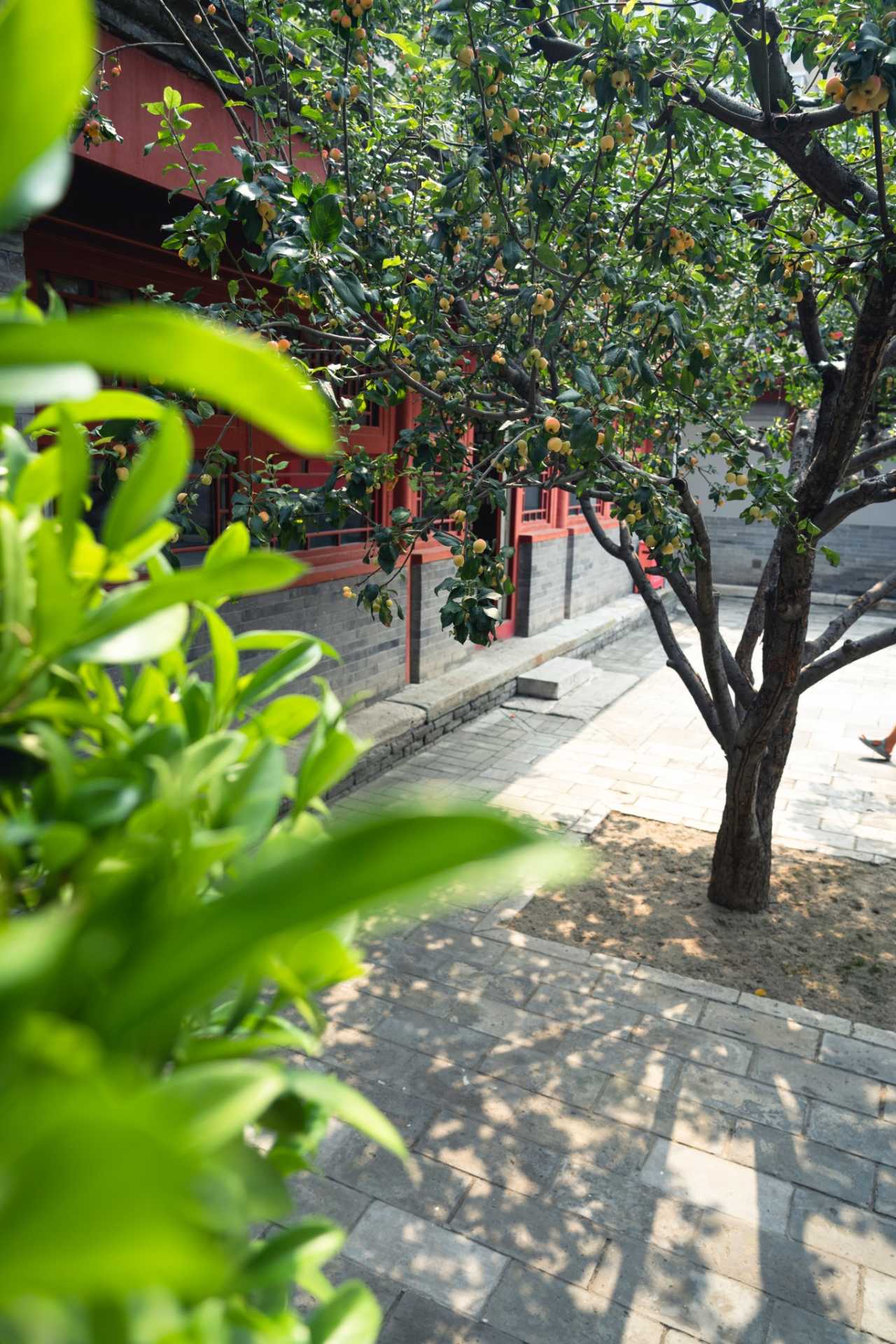
Stepping into the courtyard, the clamor of Chang'an Avenue instantly fades, swallowed by a profound stillness. The few crabapple trees (begonia in Chinese culture, symbolizing nobility) steal the show. The crabapple is a plant that charms without being gaudy, its fragrance lingering even after rain—worthy of its reputation as a gentleman's flower.
The Man Behind the Legend
In The Necessity of a Simple Life, Li Dazhao wrote: "Aside from righteousness, all things are excessive." That is indeed the first thought after touring the interior. The main hall holds only a couplet written by Li himself—"Iron shoulders bear righteousness; skillful hands write articles"—flanking a central painting, with simple wooden tables and chairs, an old pendulum clock, and a vintage telephone. The bedroom is even more austere: a copy of Dream of the Red Chamber, a sewing kit, a kerosene lamp.
Where did all his money go? According to his eldest son, Li Baohua: "He was very willing to help others. Whenever he had money, if someone needed it, he gave it away, never asking for it back." Due to the early financial difficulties of the Communist Party, Li Dazhao contributed nearly two-thirds of his monthly income as party dues. When Peking University President Cai Yuanpei learned of this, he instructed the school's accountant to give a portion of Li's salary directly to his wife, Zhao Renlan, to prevent the family from going hungry.
On April 28, 1927, Li Dazhao was executed by hanging by reactionary warlords. He was 38 years old. The large bronze bust in the courtyard gleams brilliantly in sunlight. It seems he has never left, standing alone, watching over China today.
[Link: Revolutionary history of Beijing's hutongs]
Song Qingling's Former Residence: The Phoenix Pagoda Tree and Rebirth
A Grand Courtyard with a Storied Past
Compared to the previous two residences, Song Qingling's former home is enormous—a hint at the grandeur of her life and legacy. This sprawling courtyard, located in the heart of Beijing, served as her final residence and stands as a testament to her remarkable journey from Shanghai socialite to beloved "Mother of the Nation."
The centerpiece of this courtyard is the magnificent phoenix pagoda tree (Sophora japonica), a symbol of resilience and rebirth in Chinese culture. Under its spreading branches, Song Qingling received countless dignitaries and devoted her later years to children's welfare and international diplomacy.
A Life of Transformation
Song Qingling's former residence tells the story of a woman who transformed herself and her nation. From her early days as a student in the United States to her marriage to Sun Yat-sen, and later as an honorary chairman of the People's Republic of China, this courtyard witnessed it all. The furnishings remain as they were during her lifetime—simple yet elegant, reflecting her refined taste and unwavering commitment to China's future.
Walking through these rooms, you can almost hear the echoes of her conversations with world leaders, her laughter with the children she adored, and her quiet moments of reflection under the phoenix pagoda tree. This residence is not just a museum; it is a living monument to the Chinese spirit of perseverance and hope.
[Link: Song Qingling's role in modern Chinese history]
The Chinese Spirit Embodied in Brick and Mortar
What These Residences Teach Us
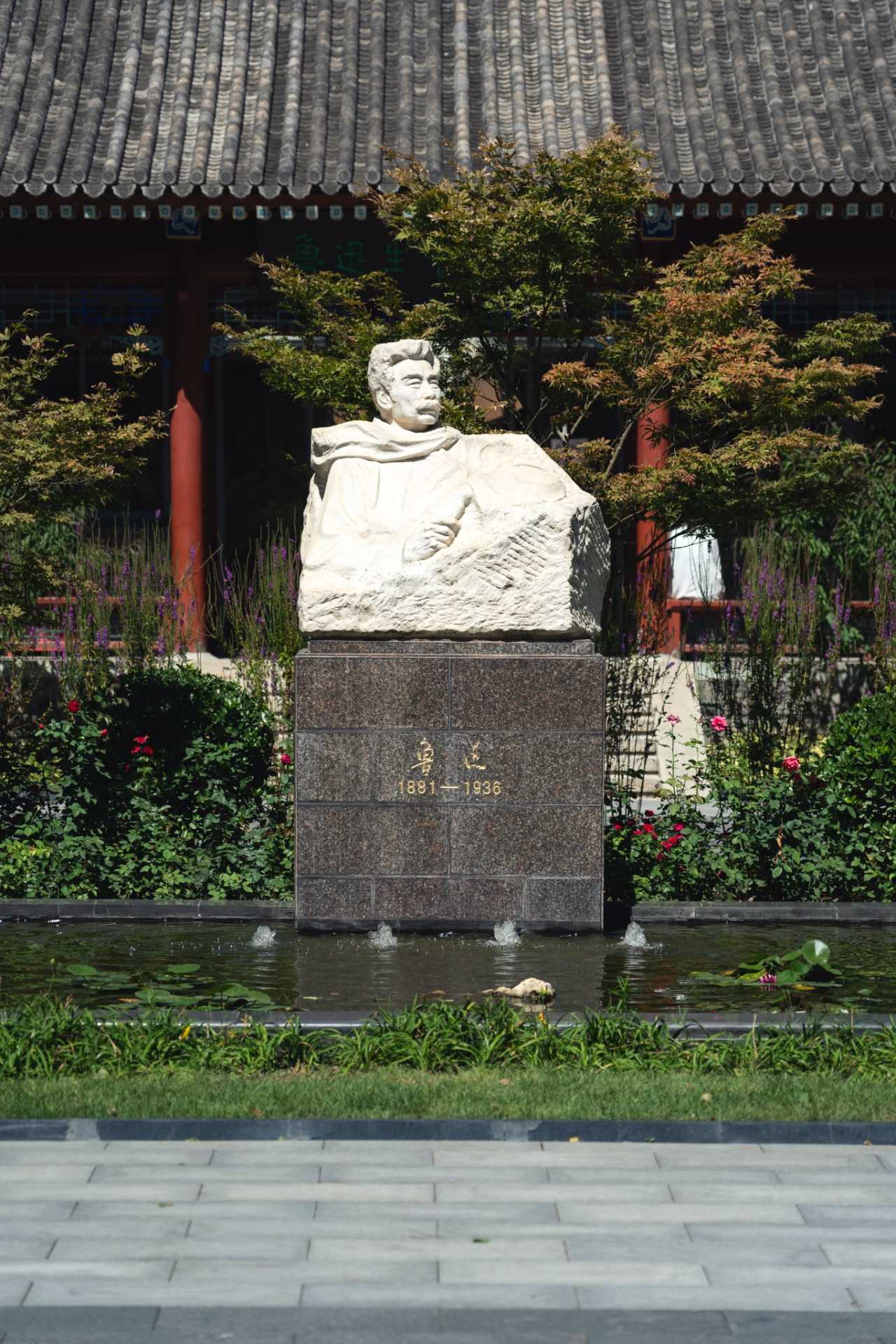
These three former residences—Lu Xun's, Li Dazhao's, and Song Qingling's—are more than tourist attractions. They are portals to understanding the Chinese spirit. Each courtyard tells a story of sacrifice, creativity, and unwavering commitment to ideals.
- Lu Xun's residence teaches us that even the sternest critic had a tender heart, planting lilacs and watching cats play.
- Li Dazhao's residence shows that true greatness lies in simplicity and selflessness.
- Song Qingling's residence demonstrates that elegance and strength can coexist, and that one person can change a nation.
The Enduring Legacy
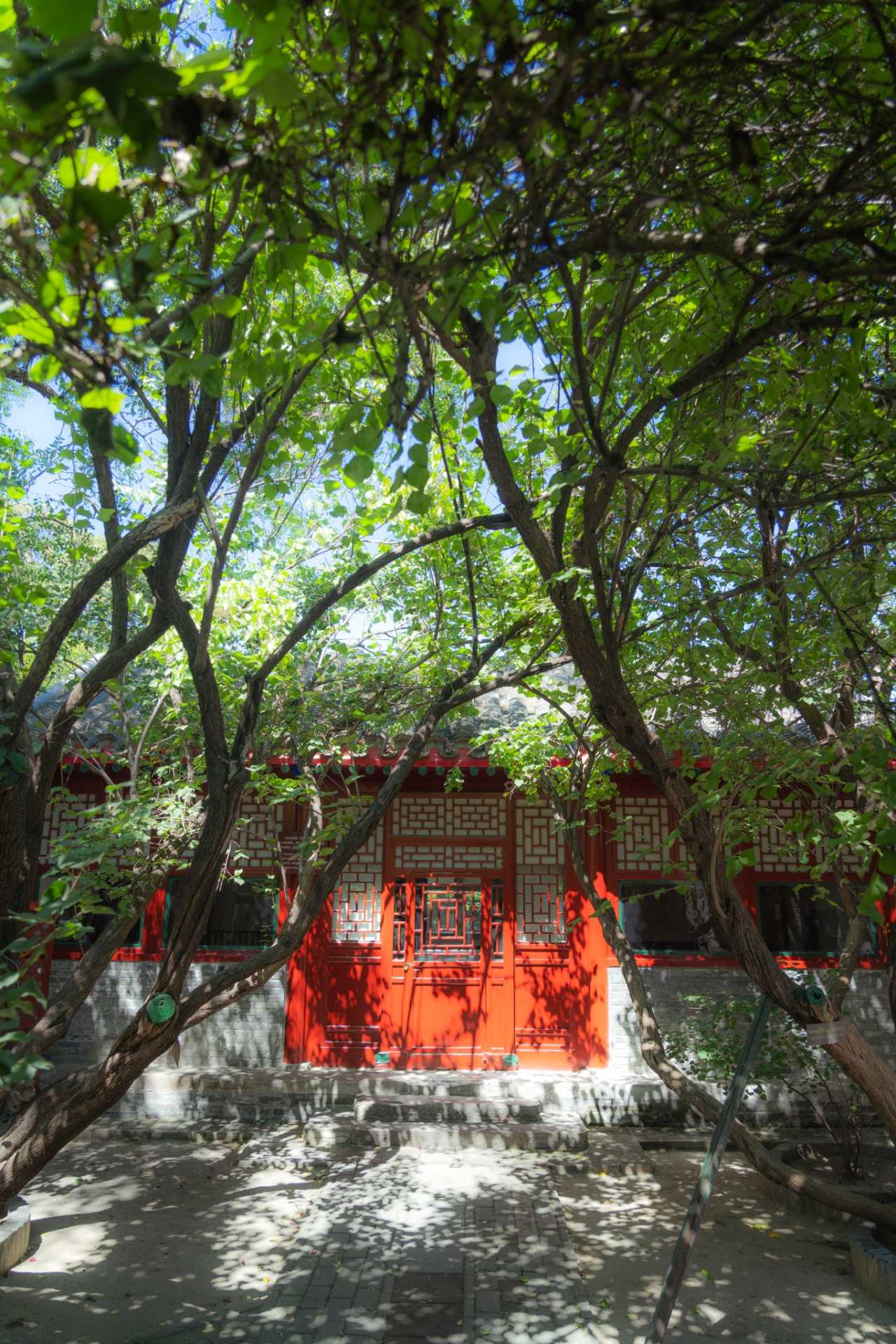
These homes are like single sparks on the prairie—small yet capable of igniting great fires. They remind us that the Chinese spirit is not abstract; it is embodied in the everyday choices of extraordinary people. The jujube trees may be gone, but the lilacs bloom each spring. The crabapple trees bear fruit each autumn. The phoenix pagoda tree stands tall, watching over a nation transformed.
Frequently Asked Questions About Beijing's Former Residences
Q: How many former residences of famous figures are there in Beijing? A: Beijing has hundreds of former residences of notable historical figures. The most visited include those of Lu Xun, Li Dazhao, Song Qingling, Mao Zedong, Zhou Enlai, and Lao She. Many are located within the historic hutong districts.
Q: Are these former residences open to the public? A: Yes, most former residences of famous figures in Beijing are open to the public as museums or memorial halls. Some require advance booking, while others offer free admission. Check individual websites for current opening hours and ticket information.
Q: What is the best time to visit Beijing's former residences? A: Spring (April-May) and autumn (September-October) offer the most pleasant weather for exploring. The gardens are in full bloom during spring, while autumn provides comfortable temperatures for walking through hutongs.
Q: Can I take photographs inside these residences? A: Photography policies vary by location. Some residences allow photography without flash, while others restrict it in certain rooms to protect artifacts. Always check the rules upon entry.
Q: How can I learn more about the history of these residences? A: Guided tours are available at most former residences. Audio guides and informational plaques provide detailed historical context. For deeper research, visit the Beijing Municipal Cultural Heritage Bureau website or consult local history books.
Plan Your Visit to Beijing's Historic Former Residences
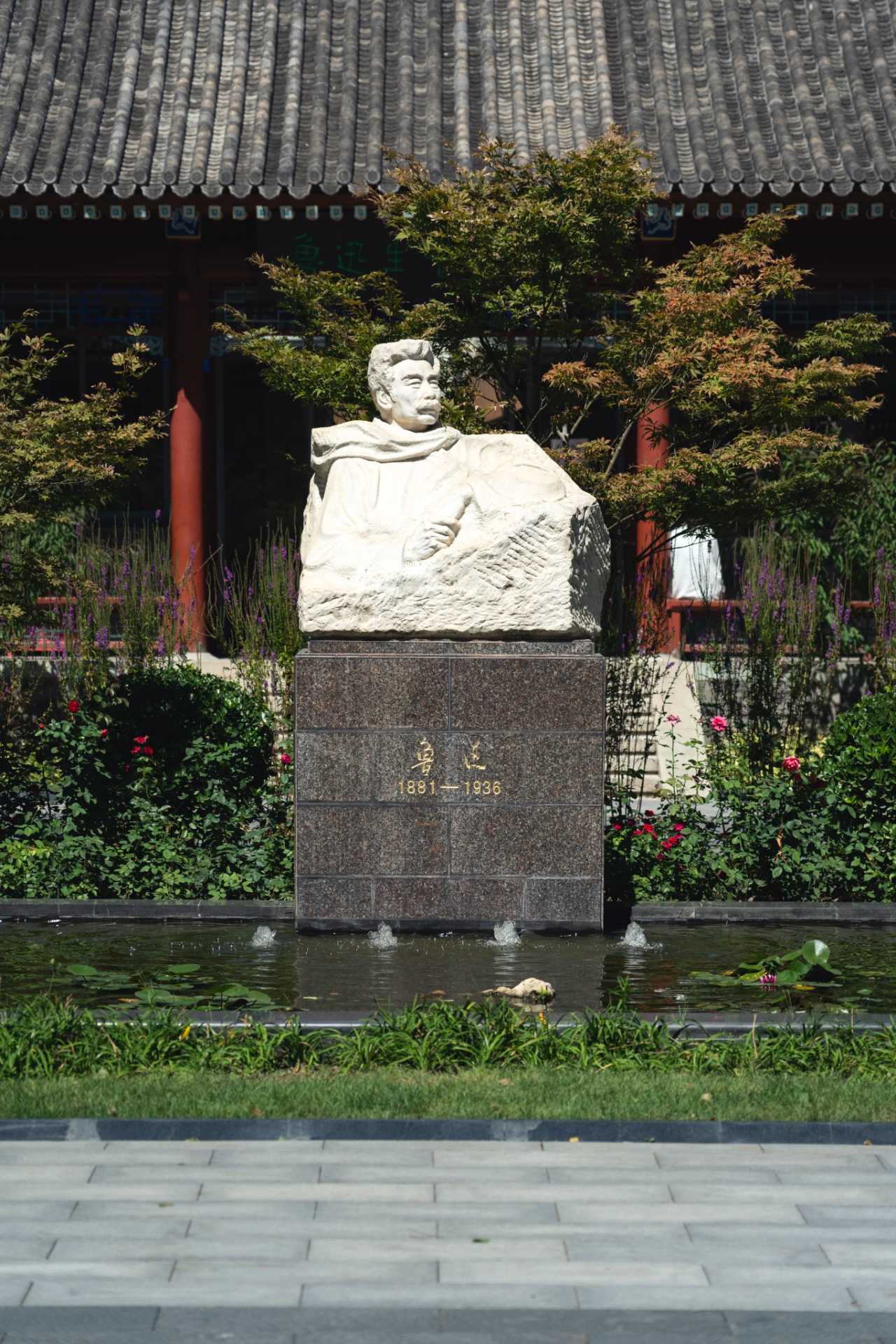
Exploring Beijing's former residences is not just a sightseeing activity—it is a pilgrimage into the heart of Chinese culture. Whether you are a history enthusiast, a literature lover, or simply curious about the stories that shaped modern China, these courtyards offer an unforgettable experience.
Practical Tips for Your Journey
- Start early: Most residences open around 9:00 AM. Arriving early helps you avoid crowds.
- Wear comfortable shoes: The hutongs require plenty of walking.
- Bring a notebook: You'll want to jot down reflections inspired by these hallowed spaces.
- Respect the silence: These are sacred spaces; keep your voice low.
- Combine visits: Many former residences are within walking distance of each other.
Recommended Itinerary
- Morning: Visit Lu Xun's Former Residence (West Santiao Hutong)
- Lunch: Enjoy traditional Beijing noodles at a nearby hutong restaurant
- Afternoon: Explore Li Dazhao's Former Residence (Wenhua Hutong)
- Late afternoon: End at Song Qingling's Former Residence (Houhai area)
- Evening: Reflect on your journey over tea at a traditional tea house
[Link: Complete guide to Beijing's hutong tours]
Conclusion: Standing Like a Tree
These former residences stand like trees—rooted in history, reaching toward the future. They remind us that the Chinese spirit is not a relic of the past but a living, breathing force that continues to inspire generations. Whether you are a first-time visitor or a lifelong resident of Beijing, these courtyards offer something new each time you visit.
The jujube trees may be gone, but the fire of Lu Xun's words still burns. The crabapple trees bear fruit each autumn, just as Li Dazhao's ideals continue to bear fruit in modern China. The phoenix pagoda tree stands tall, symbolizing the rebirth of a nation.
Your journey into Beijing's soul awaits. Pack your curiosity, open your heart, and let these hallowed spaces transform your understanding of what it means to be Chinese. The stories are waiting—all you have to do is step through the red wooden doors.
Ready to explore? Book your guided tour of Beijing's former residences today and walk in the footsteps of giants. [Link: Book a Beijing cultural tour]
You should also read:
Hidden Gems of Beijing: Among Blossoms and Ancient Charm, Encountering a Lady Like Jade
Meta Description: Discover Beijing's hidden gems beyond the tourist trail. From Spring Palace blossoms to Mutianyu's quiet Great Wall, explore ancient charm through classical photography and seasonal beauty. Beijing is a city of contrasts. It pulses with the modern heartbeat of steel and glass, yet…
Continue reading...
The Museum of the War of Chinese People's Resistance Against Japanese Aggression: A Complete Guide to Beijing's Most Important Historical Site
Meta Description: Discover the Museum of the War of Chinese People's Resistance Against Japanese Aggression in Beijing's Wanping City. Explore bullet-riddled walls, hero-named streets, and the legacy of the July 7 Incident. Plan your visit now. On the night of July 7, 1937, a single…
Continue reading...
A Local Beijinger's Secret Guide: How to Really Experience Beijing Like a Native
Meta Description: Discover Beijing like a local with this insider's guide to world heritage sites, hidden legends, and practical tips. From the Forbidden City's mysteries to the best travel seasons, save this pure gold guide now! As someone born and raised in Beijing, I never…
Continue reading...