The Creases of Time: Exploring History in Four Old Beijing Hutongs
Meta Description: Discover the hidden stories of Beijing's oldest hutongs—from Brick Pagoda Hutong's 700-year legacy to the poetic Depth of a Hundred Flowers. Explore history, culture, and forgotten lives in these ancient alleyways.
Introduction: Escaping into Beijing's Hidden Alleys
In the late autumn of 2017, I stood at a crossroads in Beijing. On one side, a nationwide wave of red celebrations swept through the streets; on the other, my phone buzzed relentlessly with anxiety and demands. Fate, like a vast net, had ensnared everyone. I decided to escape into the hutongs—those forgotten crevices between towering skyscrapers—in search of something quiet.
Beijing's hutongs are the city's most honest wrinkles. They don't lie, they don't whitewash. They simply bear silent witness to seven centuries of comings and goings, joys and sorrows. This time, I walked into four of them: Brick Pagoda Hutong, Depth of a Hundred Flowers Hutong, the Eight Great Hutongs, and Shi Family Hutong. Each one is like a worn-out book, its pages filled with stories from different eras.
Whether you're a history buff, a culture traveler, or simply someone seeking authentic Beijing experiences, these hutongs offer a rare glimpse into the soul of China's capital. Let's explore them together.
Brick Pagoda Hutong: Seven Centuries of Silent Witness
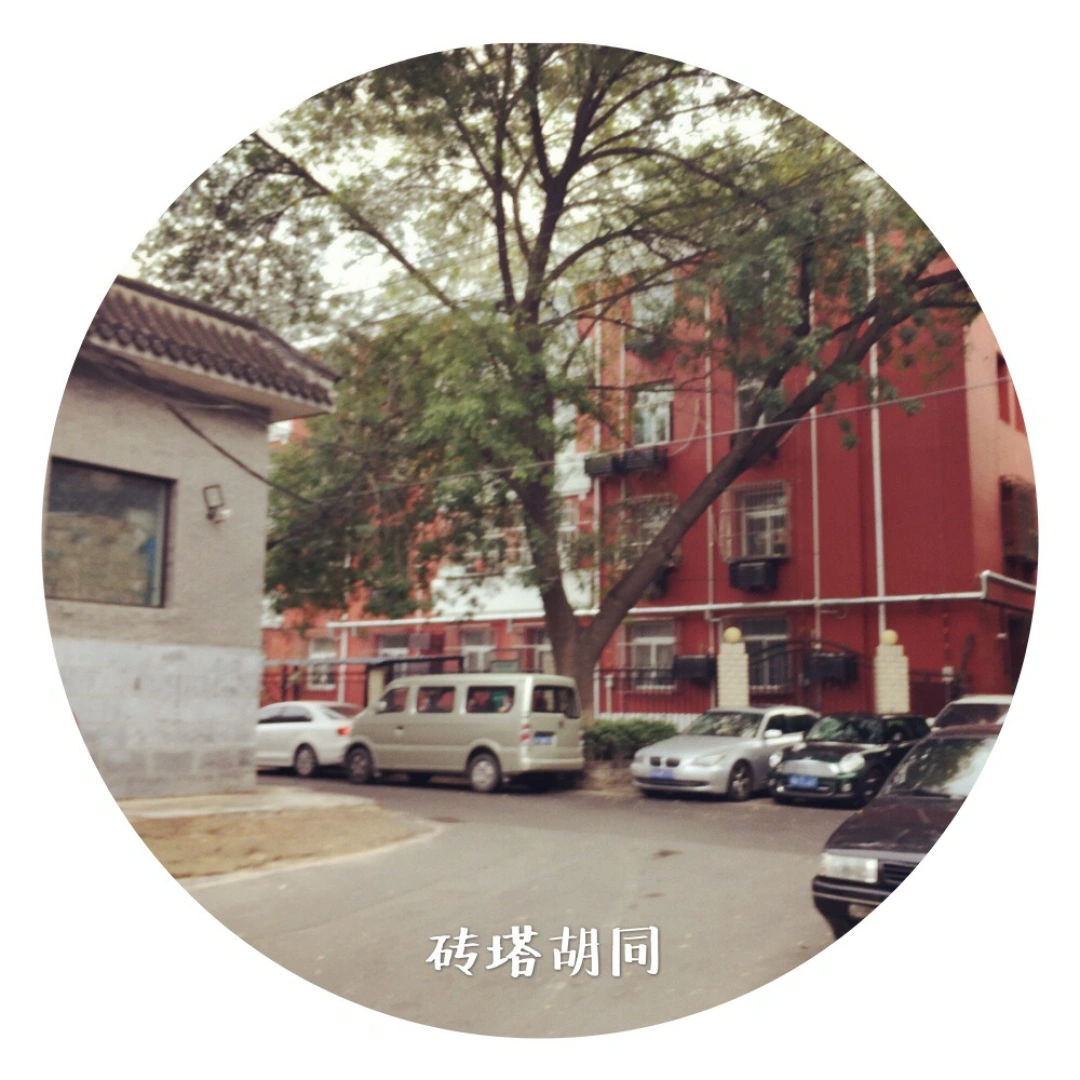
Brick Pagoda Hutong is older than most of Beijing's architecture. In the Yuan Dynasty, the playwright Li Haogu wrote in his opera Zhang Sheng Boils the Sea that a maidservant said, "Go find me at the general supply station at the corner of Sheep Market and Brick Pagoda Hutong." That single line made Brick Pagoda Hutong the oldest hutong in Beijing with a written record.
The hutong takes its name from the blue-gray brick pagoda at its eastern entrance—an octagonal, seven-eaved structure built to commemorate a revered monk. But on that day, I walked the entire length of the hutong without seeing it. I don't know whether I missed it or it deliberately hid from me—just like history itself, which always keeps certain things just out of reach.
Literary Giants and Lost Homes
Lu Xun lived here briefly, and he was deeply unhappy. He had fled from his grand house in Badaowan, chased out by his younger brother Zhou Zuoren and his Japanese sister-in-law, who even attacked him when he tried to retrieve books from his old home. Zhou Zuoren's letter severing ties with Lu Xun was searing: "All my rose-colored dreams were illusions. What I see now is perhaps real life." The truth behind the brothers' falling-out remains a mystery. But that crumbling tile-roofed house at No. 84 Brick Pagoda Hutong must remember something.
Zhang Henshui also lived here, spending his final days at No. 94. He once described a night in Brick Pagoda Hutong: "The alley was dirt, with cart ruts and dry pits... No one was in sight. Walking toward that cluster of firelight alone made the hutong feel impossibly long." It was a bone-deep loneliness, much like the isolation we all feel in the modern city.
What Remains Today
Today, Brick Pagoda Hutong is paved with asphalt, and most of its old trees are gone. The people coming and going are mostly migrant renters, hurrying past without a clue that Lu Xun and Lao She were once their neighbors. That's how history gets forgotten—not erased, but ignored.
Tip for visitors: Bring a map of historic Beijing hutongs and look for the pagoda marker at the eastern entrance. Even if you can't see it, you'll feel the weight of centuries.
[Link: Best historic hutongs in Beijing for cultural travelers]
Depth of a Hundred Flowers Hutong: Poetry in Ordinary Life

From Brick Pagoda Hutong, a short walk north along Xinjiekou South Street brings you to Depth of a Hundred Flowers Hutong. The name sounds almost too beautiful to be true. According to legend, during the Ming Dynasty's Wanli era, a couple named Zhang grew vegetables and flowers here, built pavilions and gazebos, and turned the place into a gathering spot for scholars and artists.
But today, Depth of a Hundred Flowers is just a narrow, unremarkable alley. The only remnant of its artistic DNA is the Hundred Flowers Recording Studio at No. 16.
The Golden Age of Chinese Rock
In the 1990s, Bobby Chen recorded One Night in Beijing here: "I dare not ask for directions at midnight, afraid I'll end up at Depth of a Hundred Flowers. They say deep in the Hundred Flowers lives an old woman, still waiting, lost in her dreams..." This was the golden age of Chinese rock—the Magic Three trio, the Tang Dynasty band, He Yong's Garbage Dump—all born in this studio.
Now, the studio is old and quiet. For a hundred yuan, you can still record a song. Rock music has faded, and most of those fiery musicians have made peace with the world. The graffiti that once covered the hutong walls was painted over with gray primer before the Beijing Olympics.
The Poet's View
The poet Gu Cheng once wrote about this place: "Depth of a Hundred Flowers is beautiful, but no one in the world knows it. A half-shaded courtyard, a three-foot temple in the weeds. This place rivals Paradise, but people grow old."
Look around now, and you see only the texture of ordinary life: a father picking up his child from school, a dog wagging its tail behind them; old folks sitting in the sun at their doorsteps; laundry hanging across the alley, moss growing on the gray brick walls. I stepped into a crowded courtyard and saw red brick walls, gray brick floors, a concrete sink, a toilet made of asbestos tiles—it looked exactly like my childhood home thirty years ago. For a moment, I almost expected a young mother to walk out of the house.
Some beauty doesn't need to exist in the physical world. For those who understand it, it can be eternal in its own way.
[Link: Hidden cultural spots in Beijing's hutongs]
The Eight Great Hutongs: Pleasure Quarters and Peking Opera
The "Eight Great Hutongs" aren't actually eight—the name refers to a cluster of alleys near the Qianmen Dashilan area. Baishun Hutong, Yanzhi Hutong, Hanjia Hutong, Shaanxi Lane... the names themselves carry a whiff of rouge and powder. But what truly made the Eight Great Hutongs famous wasn't the brothels—it was Peking opera.
The Birthplace of Peking Opera
In 1790, to celebrate Emperor Qianlong's eightieth birthday, the Sanqing Anhui opera troupe came to Beijing to perform. They stayed in Hanjia Tan, performing in the Forbidden City by day and returning to the alley at night. Soon, other troupes—Sixi, Hechun, Chuntai—followed. This was the historic "Four Great Anhui Troupes Entering Beijing." The troupes' dormitories were called "big lodgings": Chuntai on Baishun Hutong, Sanqing on Hanjia Tan, Sixi on Shaanxi Lane, Hechun on Li Tieguai Diagonal Street. And so, the Eight Great Hutongs became the cradle of Peking opera.
The Xianggong Culture
During the Qing Dynasty, prostitution was banned, and the Anhui troupe members were all boys. The handsome ones often played female roles (nandan). They were called "xianggu" (resembling girls), a term later corrupted into "xianggong" (male consorts). The literati and officials were fond of such company, and the prosperity of the Eight Great Hutongs originally stemmed from these male entertainers. After the Republic era lifted the ban on female prostitutes, the xianggong trade withered, and the pleasure houses became brothels.
A Fading Legacy
In Farewell My Concubine, Duan Xiaolou smashes a teapot over his head for Juxian, a prostitute from the Eight Great Hutongs—an image that lingers. Famous actors, courtesans, performers, and patrons—these were the souls of the Eight Great Hutongs.
Today, the alleys have been renovated. Tourists wander through, old folks chat under the eaves. The former site of Sai Jinhua's Yunji Brothel is now a private home. The place where Xiao Fengxian once lived has its door open, but no one welcomes visitors. Shared bikes have replaced rickshaws. The new era mercilessly erases the old.
Overhead, electrical wires tangle like unresolved old days. Standing in these lanes, I hear no opera, see no performers. But my heart stirs. A hundred years of romance and glamour have faded, leaving only gray bricks and black tiles. So, don't take yourself too seriously—the world keeps turning, with or without you.
[Link: History of Peking opera and its connection to Beijing hutongs]
Shi Family Hutong: Half of Modern Chinese History
The last hutong on my walk was Shi Family Hutong. Its pedigree is staggering.
From Eunuch to Generals to Women's Rights
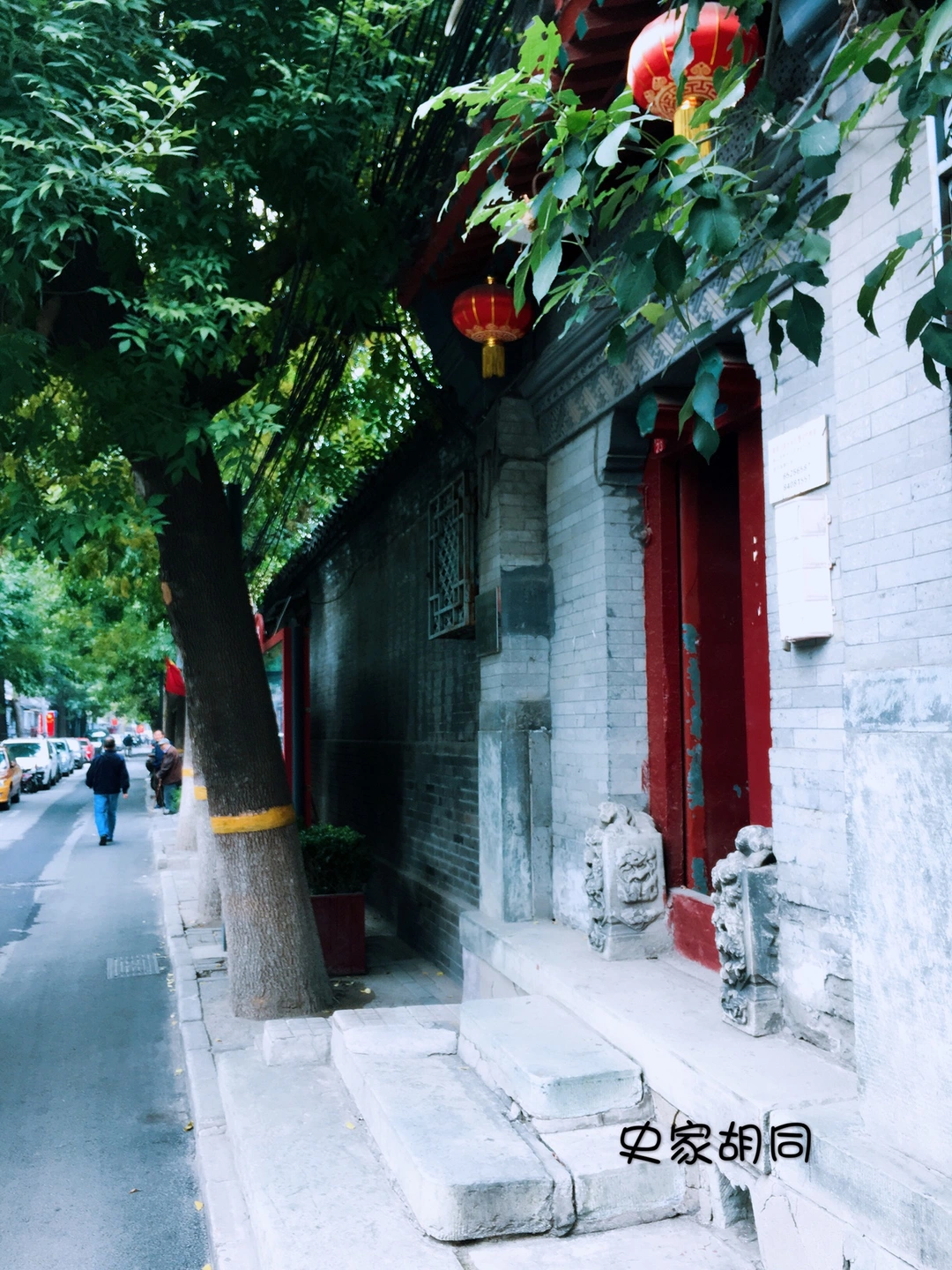
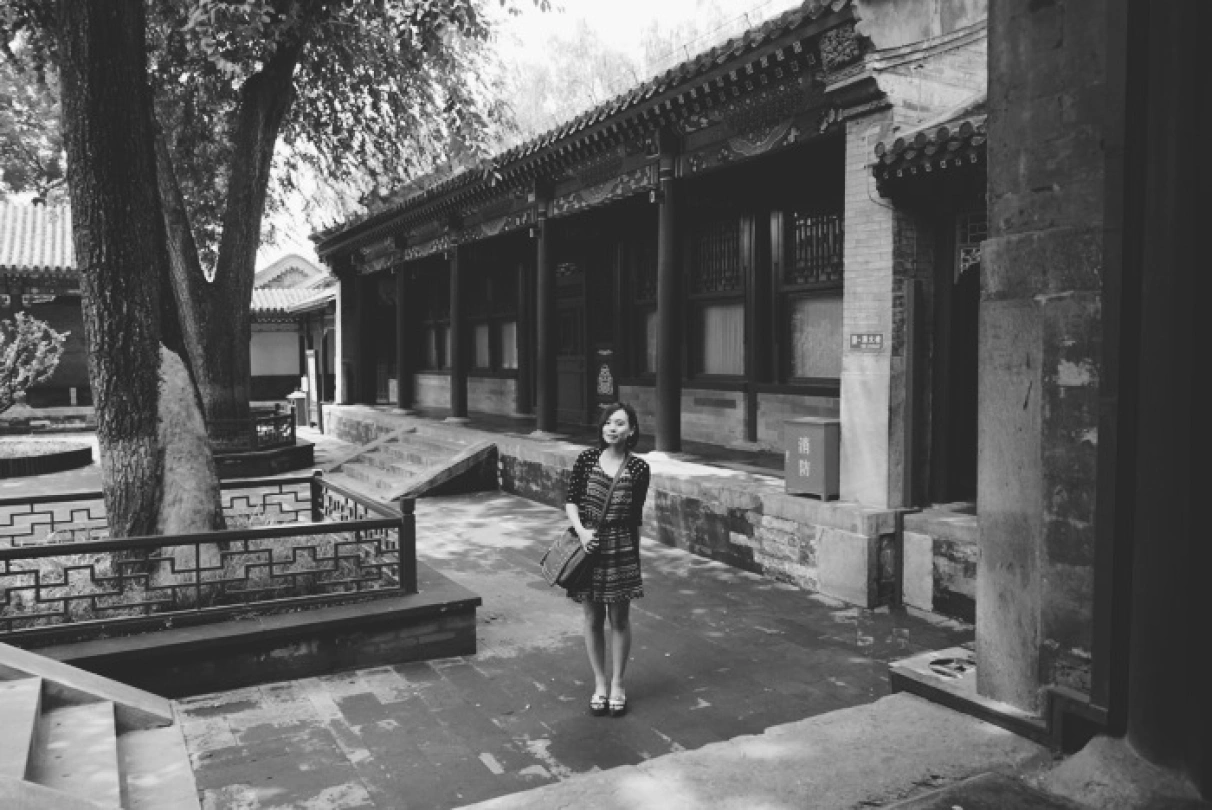
No. 53 was once the private residence of Li Lianying, the powerful eunuch of the late Qing court. Later, it housed General Zhang Zhizhong and General Fan Hanjie. Then it became the office of the All-China Women's Federation, where Deng Yingchao and Kang Keqing worked. No. 51 was the home of Hong Jun, a late-Qing diplomat, and his concubine was none other than the famous courtesan Sai Jinhua.
This single hutong encapsulates the transition from imperial rule to modern China—from eunuchs to generals to the architects of women's rights. It's a living museum of political and social change.
What to Look For
Today, many of these historic buildings are closed to the public. But you can still walk the length of Shi Family Hutong and imagine the footsteps of Li Lianying, Zhang Zhizhong, and Deng Yingchao. The gray brick walls and worn stone thresholds speak volumes.
[Link: Must-see historic sites in Beijing hutongs]
FAQ: Exploring Beijing's Historic Hutongs
1. Which hutong is the oldest in Beijing?
Brick Pagoda Hutong is the oldest hutong with a written record, dating back to the Yuan Dynasty (13th century). It's mentioned in the opera Zhang Sheng Boils the Sea by Li Haogu.
2. Can I visit the historic buildings inside these hutongs?

Most buildings are private residences or offices and are not open to the public. However, you can walk through the hutongs freely. The Hundred Flowers Recording Studio in Depth of a Hundred Flowers Hutong allows visitors to record songs for a fee.
3. What is the best time to visit these hutongs?
Late autumn (October–November) offers pleasant weather and fewer crowds. Early morning or late afternoon provides the best light for photography and a quieter atmosphere.
4. Are these hutongs safe for solo travelers?
Yes, these hutongs are safe during daylight hours. Stick to main alleys, and be mindful of narrow lanes and uneven surfaces. The Eight Great Hutongs area near Qianmen is well-trafficked by tourists.
5. How do I get to these hutongs?
- Brick Pagoda Hutong: Near Xinjiekou subway station (Line 4)
- Depth of a Hundred Flowers Hutong: A short walk north from Brick Pagoda Hutong
- Eight Great Hutongs: Near Qianmen subway station (Line 2)
- Shi Family Hutong: Near Dongsi or Zhangzizhonglu stations
Your Turn: Walk the Creases of Time
History isn't just in textbooks or museums. It's in the cracks of a brick wall, the silence of a recording studio, the tangled electrical wires of an old alley. Beijing's hutongs are not relics—they're living, breathing neighborhoods where the past and present coexist.
Ready to explore? Start with Brick Pagoda Hutong, then follow the path I took. Bring comfortable shoes, a curious mind, and a willingness to get lost. Because sometimes, the best discoveries happen when you stumble into history.
Book your Beijing hutong walking tour today and uncover the stories that skyscrapers can never tell.
[Link: Guided Beijing hutong tours for history lovers]
Have you visited any of these hutongs? Share your experience in the comments below!
You should also read:
Solo in Beijing: Discovering Another Side of the Capital Amid Red Walls and Grey Tiles
Meta Description: Traveling solo in Beijing on a student budget? Discover hidden gems, practical tips for first-time solo travelers, and how to explore the capital's red walls and grey tiles without breaking the bank. When my friends asked why I chose to go to Beijing…
Continue reading...
Savoring the Flavors of Di'anmen: A Culinary Journey Through Beijing's Heart
Meta Description: Discover the authentic tastes of old Beijing in Di'anmen. From douzhi to stir-fried liver, explore hidden hutong food stalls, legendary snack shops, and the vibrant street food culture surrounding Shichahai Lake. The story of Beijing has never been solely about crimson walls, golden…
Continue reading...
Hai Tuo Mountain Above the Sea of Clouds: A Skyward Feast on the Roof of Beijing
Meta Description: Discover Hai Tuo Mountain, Beijing's second-highest peak, where sea of clouds, starry nights, and alpine meadows await. Your ultimate guide to hiking, camping, and photography on the "Roof of Beijing." At the border of Beijing's Yanqing District and Hebei's Chicheng County lies a…
Continue reading...