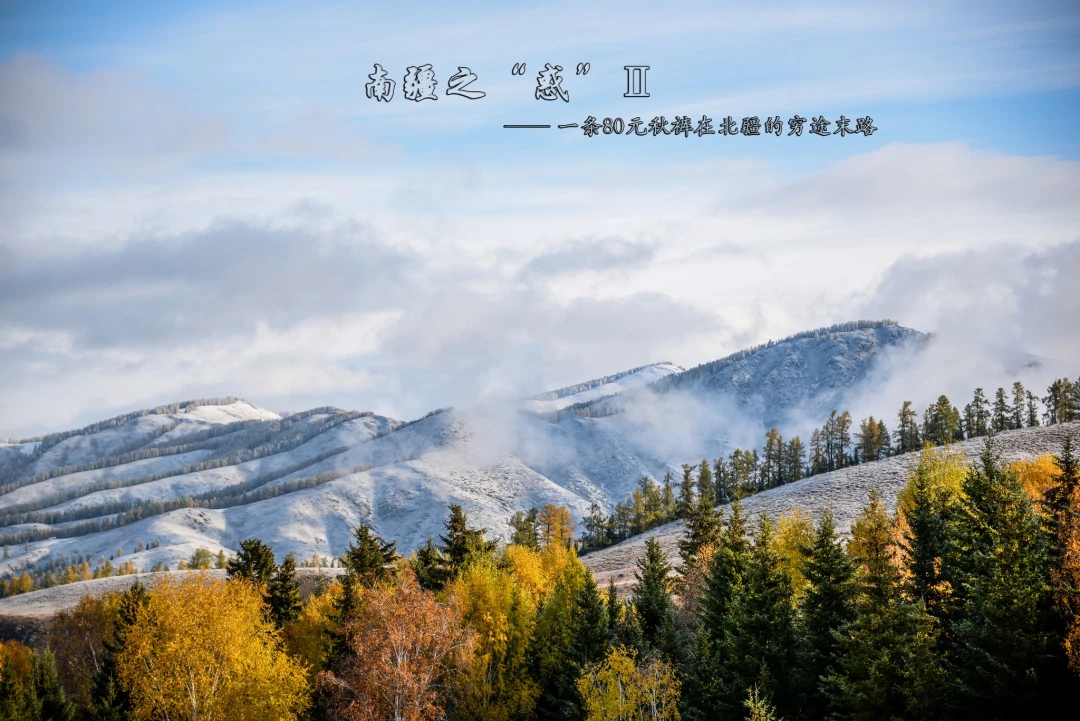
The "Puzzle" of Southern Xinjiang II: The Dead End of an 80-Yuan Thermal Underwear in Northern Xinjiang
Meta Description: Discover the raw, unfiltered reality of traveling Xinjiang—from a humiliating airport security incident in Urumqi to the timeless charm of Kashgar's Old City. This Southern Xinjiang travel story reveals the truth behind the filtered photos.
Introduction: Why Real Travel Is Never About Perfect Photos
Travel isn't the perfectly curated nine-grid photos on social media or the delicate foam on a coffee cup. It's messy, unpredictable, and often humiliating. While others sip cappuccinos in European cafes, I found myself wandering the sub-zero streets of Altay, Xinjiang, in shorts, desperately searching for thermal underwear.

You might wonder: what kind of travel is this? But remember, even Xuanzang—the legendary Tang dynasty monk—endured countless trials to reach India and write The Great Tang Records on the Western Regions. True travel isn't about extending your comfort zone; it's about throwing yourself into the unfamiliar and seeing how long you can survive.
This time, I returned to Xinjiang specifically for Kuqa (Kucha), a destination I'd missed during my Southern Xinjiang trip three years ago. The journey, however, began in ways I never anticipated.
Chapter 1: The Disaster That Started with a Pair of Underpants
The "Streaking" Incident at Urumqi Diwopu Airport
Late September in Urumqi already carried autumn's chill. Flying directly from humid southern China, I arrived late at night and headed straight to my hotel, planning to fly to Kashgar the next morning. But before that flight, I experienced what I can only describe as a "monumental humiliation" at Urumqi Diwopu Airport—I might be the first passenger to go through security wearing only boxer briefs.
Here's what happened: The 19th National Congress of the Communist Party was underway in Beijing, and Xinjiang airport security had been tightened to unprecedented levels. It wasn't just about removing shoes, socks, and belts anymore. I'd purchased new briefs on Taobao, and the tag—a combination of hard cardboard and plastic about 0.5 centimeters thick—triggered the handheld scanner. The security guard couldn't identify the material and insisted I remove my pants for inspection or face being banned from boarding.
With no other option, in full public view, I bravely removed my denim shorts. Standing there in dark blue boxer briefs with a pattern resembling pork kidneys, I felt like Dong Cunrui sacrificing himself to blow up a bunker. A million "cursing camels" stampeded through my mind.
Pro tip for travelers: Always cut tags off new underwear before flying through Xinjiang airports. Otherwise, you'll just embarrass yourself.
When It Rains, It Pours: The Unsaved Draft That Disappeared Forever
You'd think that was enough bad luck. But no—the universe had more in store.
Immediately after my underwear inspection, a staff member rushed over to inform me that my checked luggage contained a laptop that hadn't been properly shut down. I needed to return to the check-in counter, remove the computer, turn it off, and re-check the bag. I was baffled—why hadn't anyone reminded me during check-in? Why wait until I'd already passed security? And why make me do this while still in my underwear?
I ran back to the counter, where staff had already pulled out my backpack. I retrieved the laptop and was about to shut it down properly when a female staff member named Ma snatched the computer from my hands and quickly pressed the power button. At that moment, two million more "cursing camels" stampeded through my mind—I hadn't saved the document I was writing, and the software lacked auto-save functionality! Three months of late-night work, gone in a single finger press.
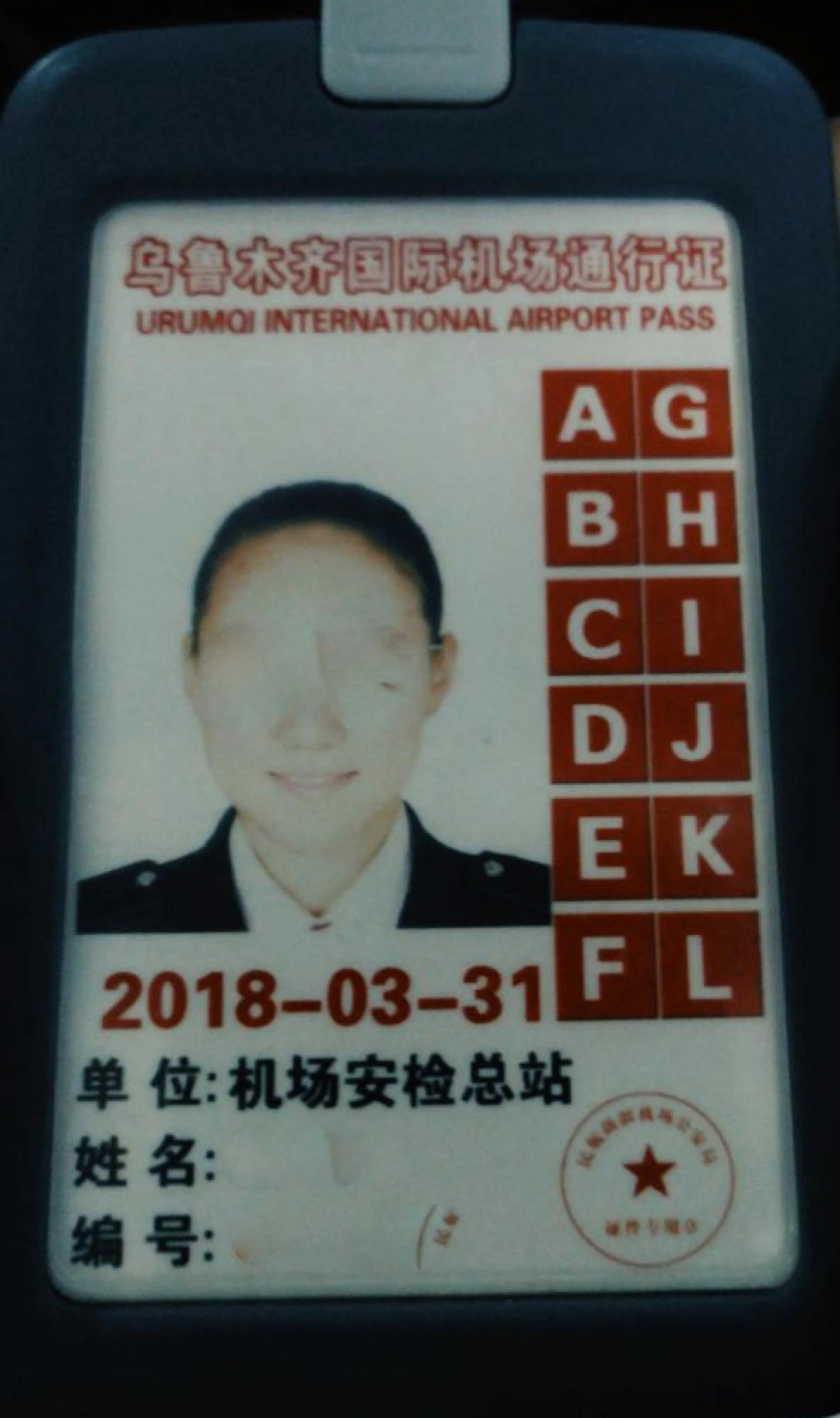
I was about to lose control, but an older passenger behind me kept calming me down, reminding me not to miss my flight. I photographed her work badge and filed a formal complaint at the airport office. Then, I had to remove my shorts again and go through security in my boxer briefs one more time.
A week later, my bank account received 500 RMB (approximately $70) in compensation from Urumqi Diwopu Airport. But those unsaved drafts were gone forever. Even a bottle of Yunnan Baiyao couldn't heal the trauma to my soul.
[Link: How to prepare for Xinjiang airport security checks]
Chapter 2: No Kashgar, No Southern Xinjiang
Returning to Kashgar: What Changed After Three Years
"Do we know where our kite is in our hearts? If we miss it in life, we may never get it back. Perhaps we will repent, we will redeem ourselves, but it seems too late. Whenever the kite is let fly in the sky, shouldn't we ask ourselves if we truly cherish what we have?" — The Kite Runner
Flying out of Urumqi, I finally set foot on Southern Xinjiang soil. Kashgar, long time no see.
On my first morning back, I was woken by the sound of drills. Pulling back the curtain, I saw the neighborhood committee's "militia squad" training. When I first visited Kashgar three years ago, this wasn't happening. Somehow, the security situation on the streets felt even more heightened. Anti-riot police patrolled every street, shops were fitted with heavy iron doors, and even buying something required a security check.
Yet, despite the tense atmosphere, the people of Kashgar appeared relaxed. Every noon, the neighborhood committee gathered residents for anti-riot drills, and everyone chanted slogans in unison—it was oddly amusing.
Wandering Kashgar's Old City: Where Time Stands Still
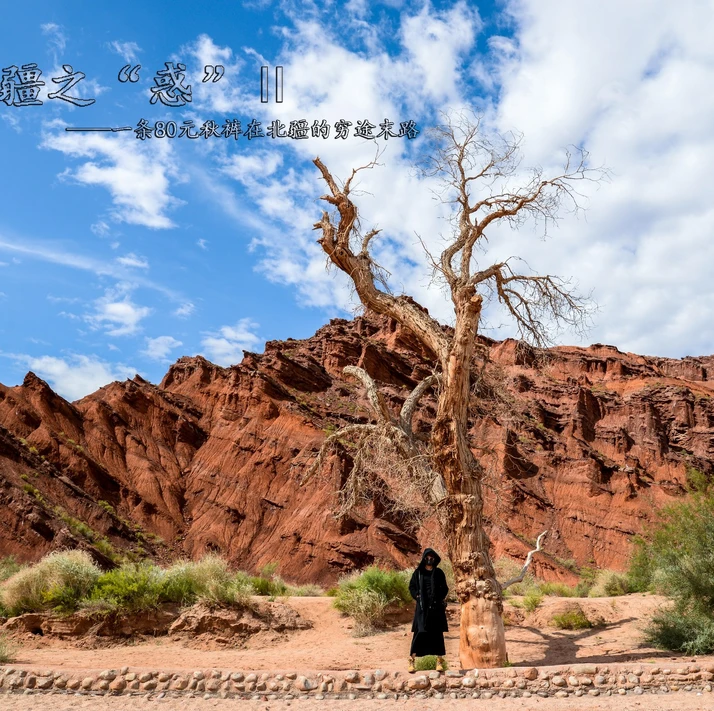
The old city of Kashgar remained enchanting. Muslims in long robes, the bustling afternoon market, the dazzling sunlight—I removed my hat and took a deep breath. Everything felt so familiar. The square in front of the Id Kah Mosque was still packed. Armed police watched the crowd with full attention, elderly Muslim men sat smoking under roadside trees, and children ran and played. Compared to chaotic big cities, Kashgar felt more authentic.
Many new shops had opened in the old city. I discovered a café run by a local man—tall, about 1.9 meters, with a burly build but gentle demeanor. He had studied in Europe and returned to his hometown to open this café and build his own brand. We became so engrossed in conversation that I forgot the name of the tea I ordered—he said it was his own invention with intellectual property rights, and since the café hadn't officially opened yet, the tea had no name.
I passed by the century-old teahouse but didn't enter. Just looking was enough. Familiar Ushtanboyi Street—the first thing I did was buy a rose jam naan (flatbread). But when I opened my camera bag, my heart sank—the lens was shattered! Upon closer inspection, it was just the UV filter that had broken. I breathed a sigh of relief. Thank goodness for the UV filter, or I'd have to rely on memory for the rest of the trip.
[Link: Best photography spots in Kashgar Old City]
The Children of Kashgar: Purest Smiles in China
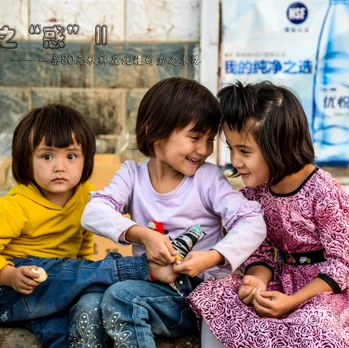
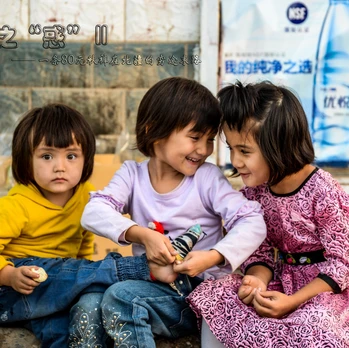
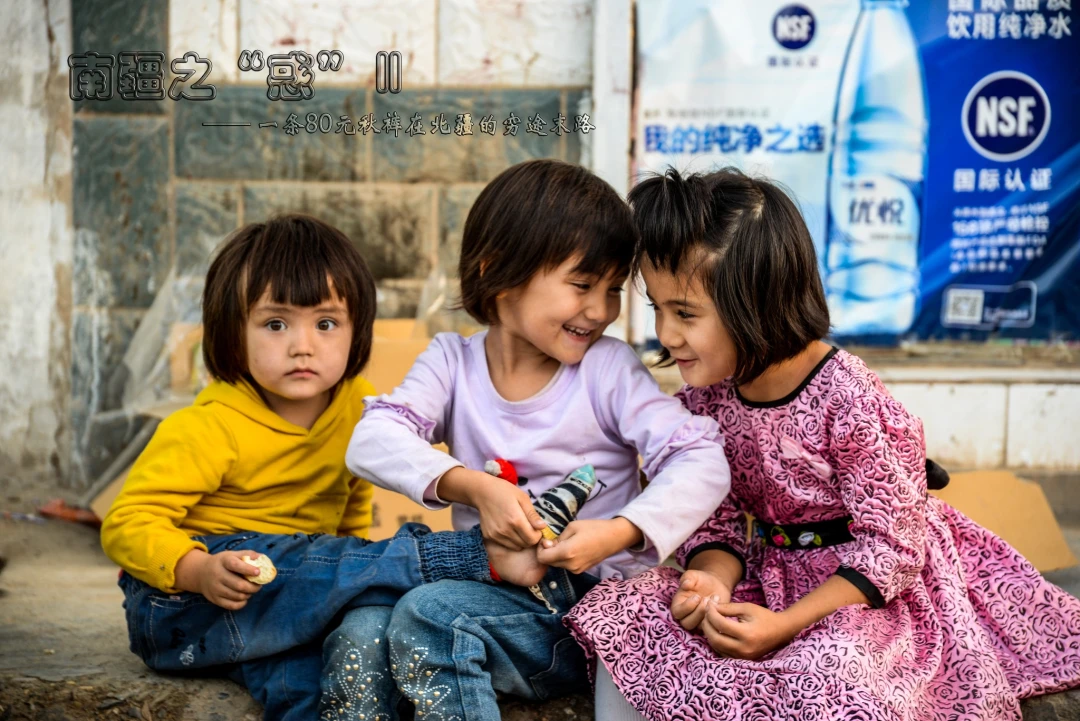
I genuinely love Kashgar. I've traveled extensively, but only in Kashgar do children not shy away when you take photos. They don't ask for money; instead, they happily pose for you. A simple "Hello" and you're instant friends. If you have candy, they'll gather around with hopeful, shy smiles, waiting patiently for you to hand it out.
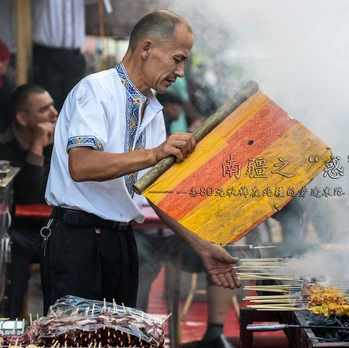
The police officers stationed in the old city often play with the children and help them with their homework. In China, besides Southern Xinjiang, where else can you see such carefree kids?
The Transformation of Gaotai (High Platform) Dwellings
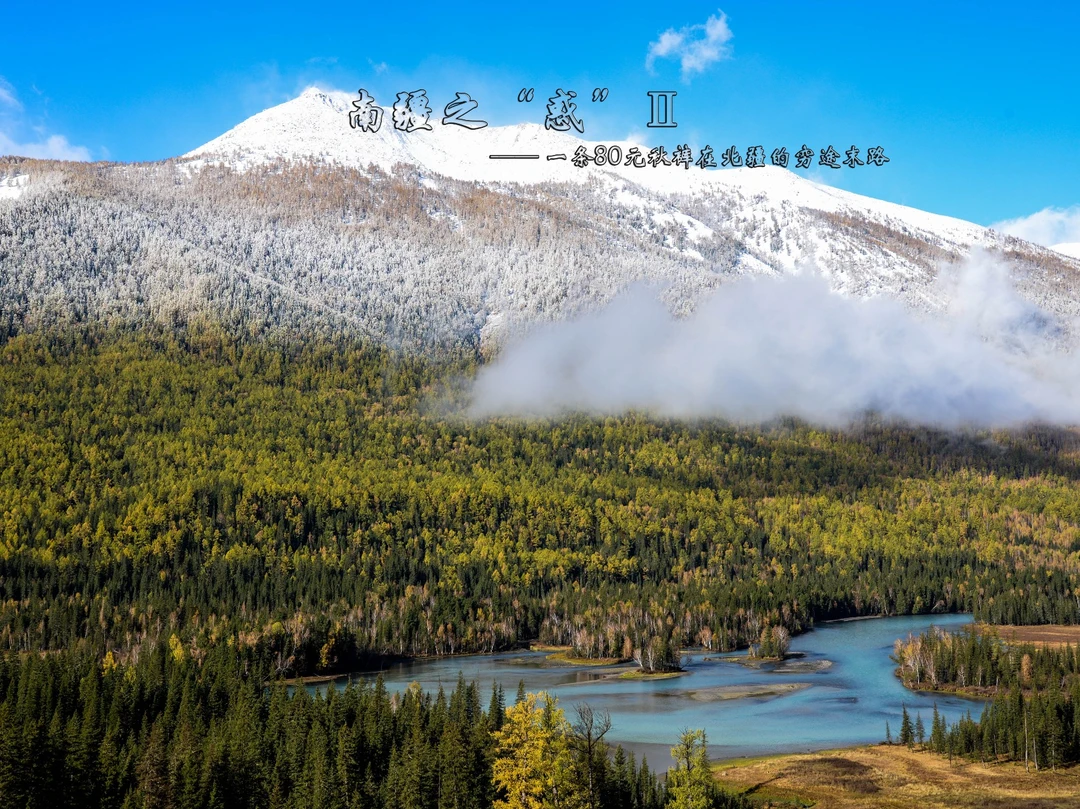
Crossing that bridge, I returned to the Gaotai dwellings—traditional cliffside houses that have stood for centuries. To my surprise, tourists were no longer allowed entry. The area had been heavily restricted, with security checkpoints at every entrance. While disappointing for visitors, this preservation effort ensures these ancient structures remain protected for future generations.
[Link: Visiting Kashgar's Gaotai dwellings: What you need to know]
Frequently Asked Questions About Traveling to Southern Xinjiang
Q1: Is it safe to travel to Southern Xinjiang, especially Kashgar?
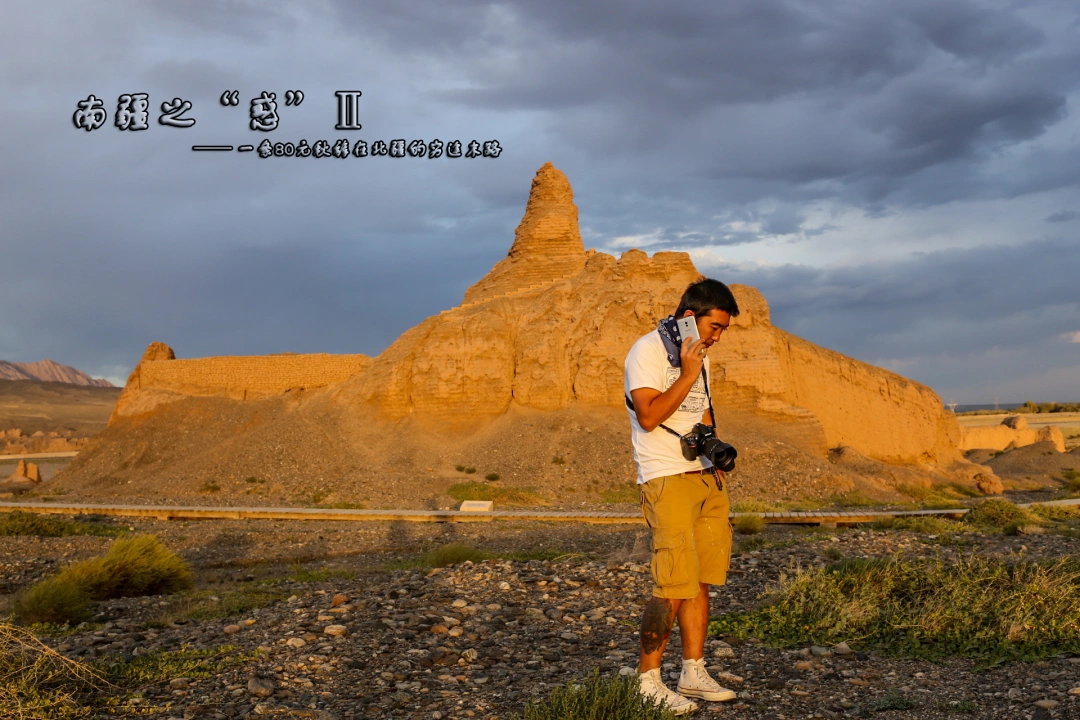
A: Yes, it is safe for travelers. While security measures are visibly heightened—with police patrols, checkpoints, and security screenings—this actually makes the area safer for tourists. The local population is welcoming, and violent crime against tourists is extremely rare. Always carry your passport and follow local regulations.
Q2: What's the best time to visit Southern Xinjiang?
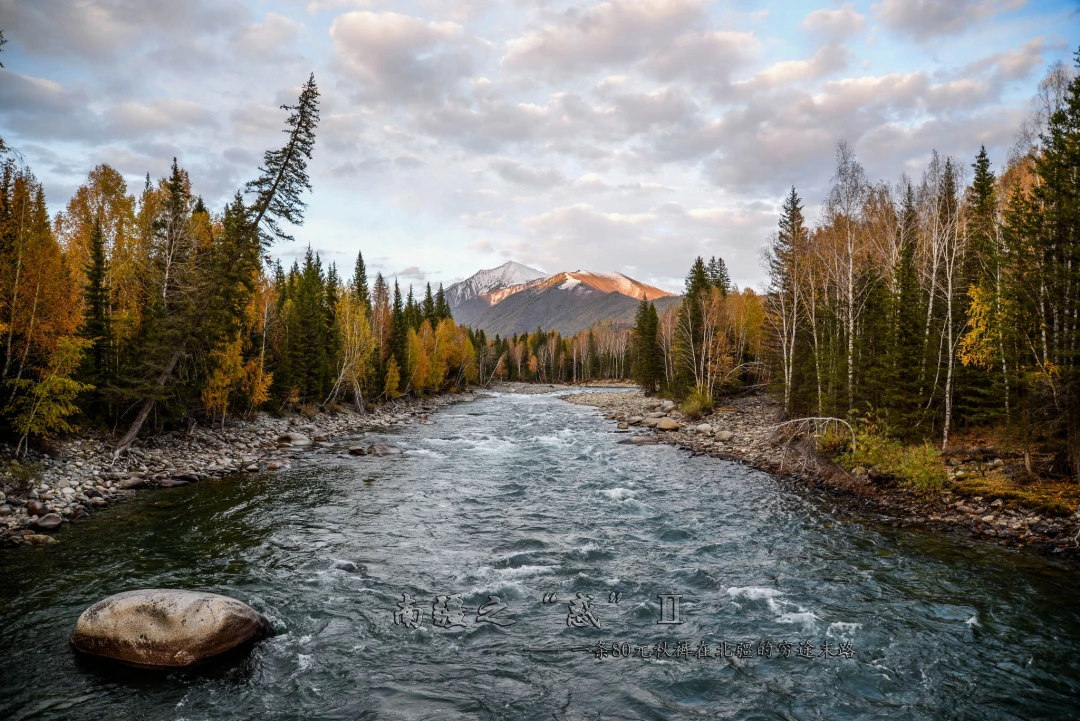
A: Late September to October offers pleasant temperatures and beautiful autumn scenery. Spring (April-May) brings blooming flowers, while summer (June-August) can be hot but ideal for exploring the mountains. Winter (November-March) is cold but less crowded.
Q3: Do I need special permits to visit Southern Xinjiang?
A: Foreign nationals need a valid Chinese visa and may require a Xinjiang Travel Permit for certain areas. Domestic Chinese travelers need their ID cards. Always check current regulations before traveling, as policies can change.
Q4: What should I pack for a Xinjiang trip?
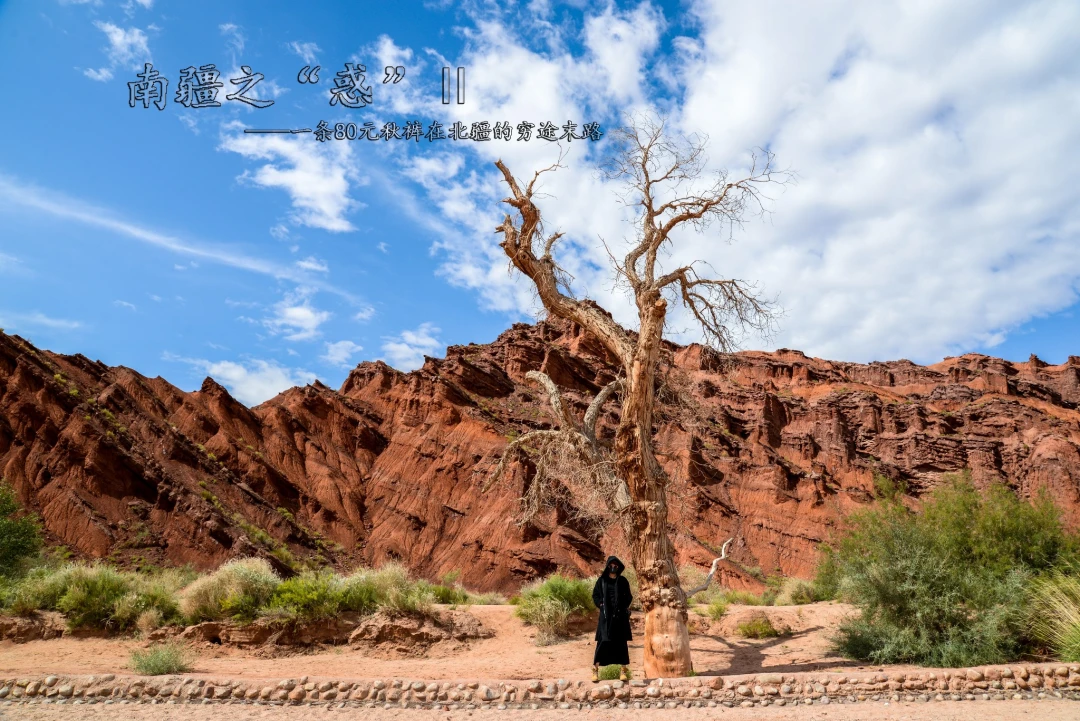
A: Pack layers—temperatures vary dramatically between day and night. Bring thermal underwear (learn from my mistake!), comfortable walking shoes, sun protection, and a reusable water bottle. For airport security, avoid clothing with metal tags or complicated fasteners.
Q5: How do I handle airport security in Xinjiang?
A: Be prepared for thorough security checks. Remove all metal items, electronics, and belts before screening. Cut tags off new clothing. Keep your laptop and power bank easily accessible. Allow extra time for security procedures, especially during major political events.
Conclusion: The Real Xinjiang Awaits
My journey through Southern Xinjiang—from the humiliating airport incident in Urumqi to the timeless streets of Kashgar—taught me something essential about travel. The best stories don't come from perfect photos or carefully planned itineraries. They come from the unexpected moments: standing in your underwear at airport security, losing months of work in an instant, or sharing tea with a café owner who returned home to build something meaningful.
Xinjiang isn't just a destination; it's an experience that challenges, humbles, and transforms you. The 80-yuan thermal underwear I never found in Northern Xinjiang became a symbol of everything unpredictable about travel—and everything worth remembering.
Ready to create your own Xinjiang story? Start planning your Southern Xinjiang adventure today. Pack your sense of humor, leave your expectations behind, and prepare for the journey of a lifetime. The real Xinjiang—messy, beautiful, and unforgettable—is waiting for you.
[Link: Complete Southern Xinjiang travel guide] [Link: Xinjiang packing checklist] [Link: Best thermal underwear for cold-weather travel]
Have you experienced unexpected adventures in Xinjiang? Share your stories in the comments below, or contact us for personalized travel planning assistance.
You should also read:
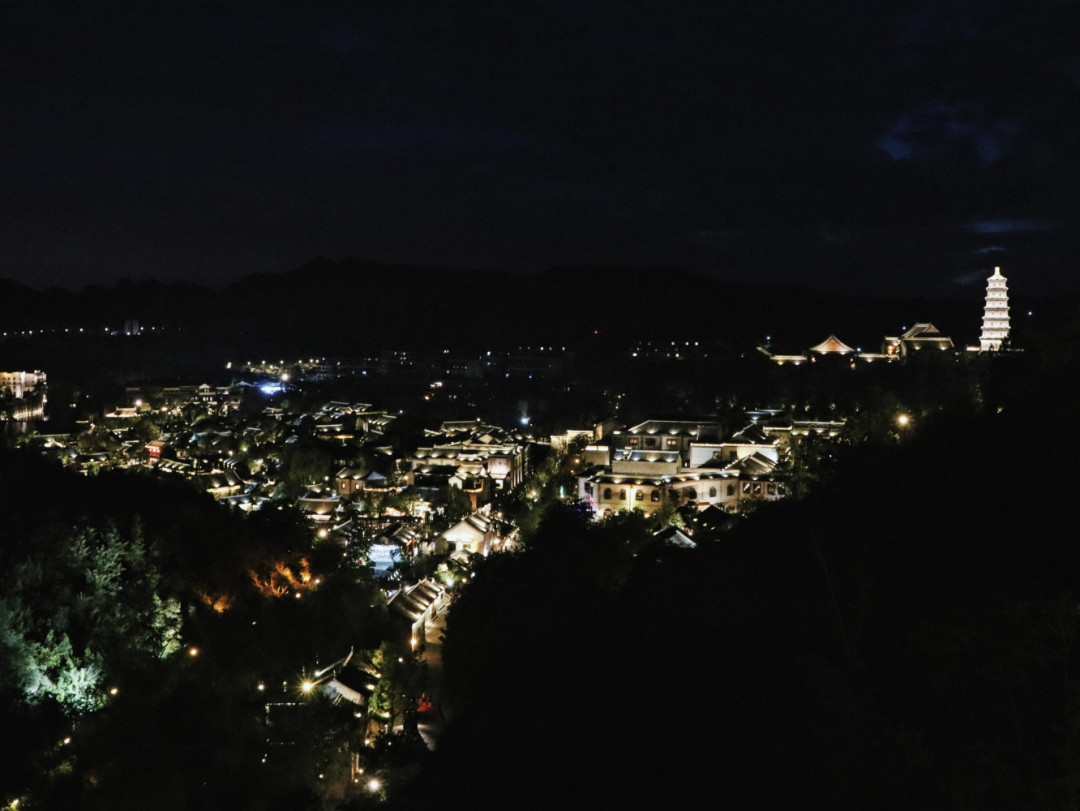
Gubei Water Town: A Complete Guide to Beijing's Northern Jiangnan Escape
Meta Description: Plan your Gubei Water Town trip with this comprehensive guide. Discover how to reach this Beijing getaway, where to stay inside vs outside, what to eat, and tips for visiting Simatai Great Wall. Your ultimate travel resource. A two-hour drive from Beijing is…
Continue reading...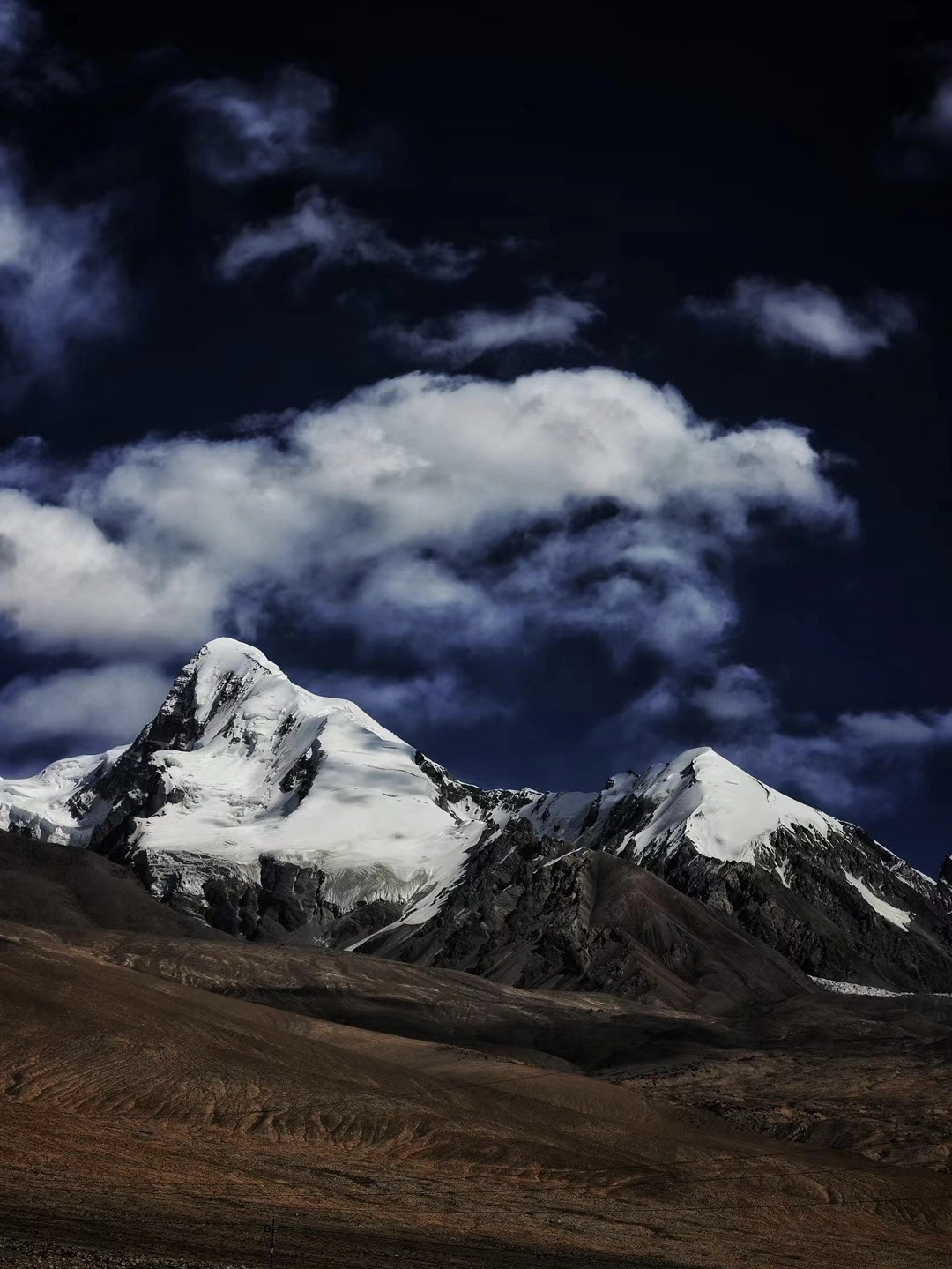
The Vast Frontier of Anxi: A 12-Day Self-Drive Cultural Pilgrimage Through Southern Xinjiang
Meta Description: Discover Southern Xinjiang on a 12-day self-drive pilgrimage from Kashgar to Korla. Explore ancient cities, the Pamir Plateau, and Taklamakan Desert. Expert tips, history, and cultural insights for your ultimate Southern Xinjiang road trip. While most travelers flock to crowded tourist hubs during…
Continue reading...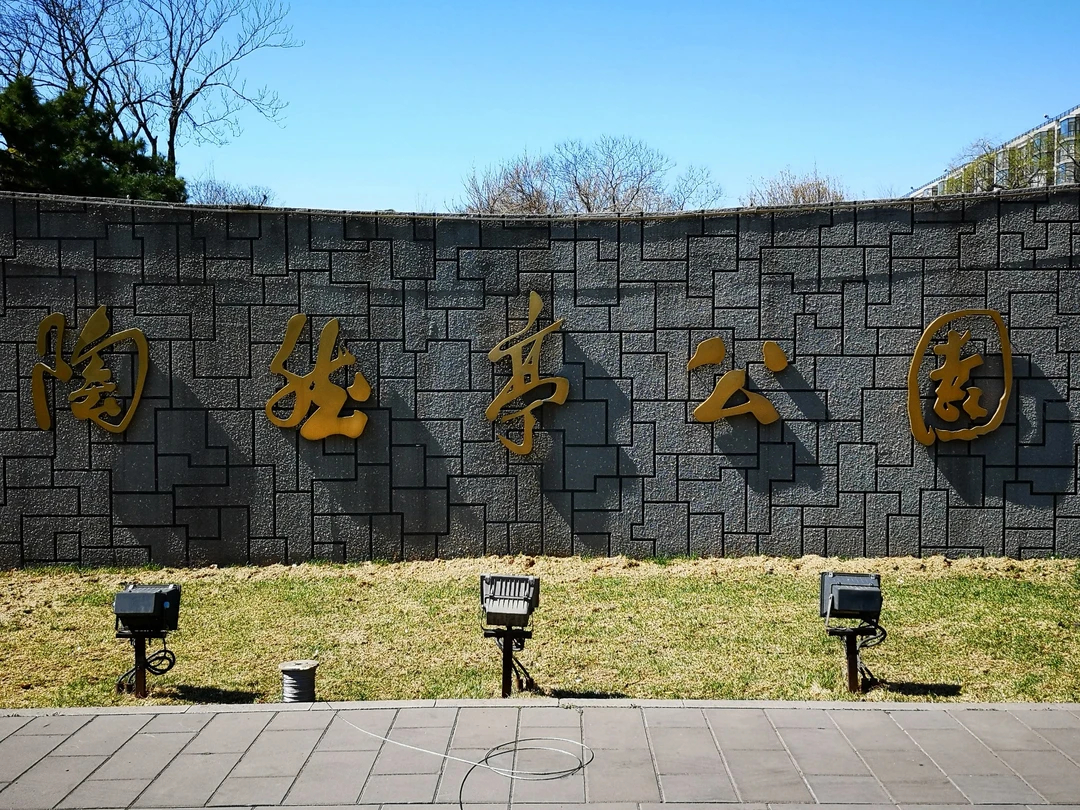
One Flower, One World; One Drink, One Bliss: Discovering a Poetic Garden in Southern Beijing
Meta Description: Escape the crowds and discover Taoranting Park, Beijing's hidden poetic garden. Explore ancient pavilions, literary history, and serene lakes for just 2 yuan. Your guide to tranquility in southern Beijing. If you think Beijing is only about the grandeur of the Forbidden City…
Continue reading...