The Remarkable Beijing Hutongs: Living City Memories – An SEO-Optimized Guide
Meta Description: Discover the hidden stories of Beijing hutongs, from ancient alleyways to modern life. Explore Shijia Hutong, Nanluoguxiang, and more in this SEO-friendly guide to China's living history.
Introduction: Why Beijing Hutongs Are More Than Just Alleys
If you think Beijing's hutongs are nothing more than monotonous alleyways of gray walls and gray tiles, you couldn't be more wrong. These seemingly similar narrow lanes are actually the city's most vibrant pulse—a stage where history and reality intertwine. Every hutong has its own temperament, its own stories, and even its own breath. Like museums without walls, they preserve the laughter, sighs, and daily routines of generations of Beijingers.
From the ancient Shijia Hutong to the trendy Nanluoguxiang, Beijing hutongs offer an authentic glimpse into the city's soul. Whether you're a first-time visitor or a seasoned traveler, exploring these lanes is essential to understanding Beijing's living city memories.
What Are Beijing Hutongs? A Brief History
Hutongs are narrow alleys formed by lines of siheyuan (traditional courtyard houses). Dating back to the Yuan Dynasty (1271–1368), these alleyways were originally designed as residential blocks for imperial officials and commoners alike. Today, only about 1,000 of the original 3,600 named hutongs remain, but each one is like a book you can never finish reading.
The Architecture of Hutongs
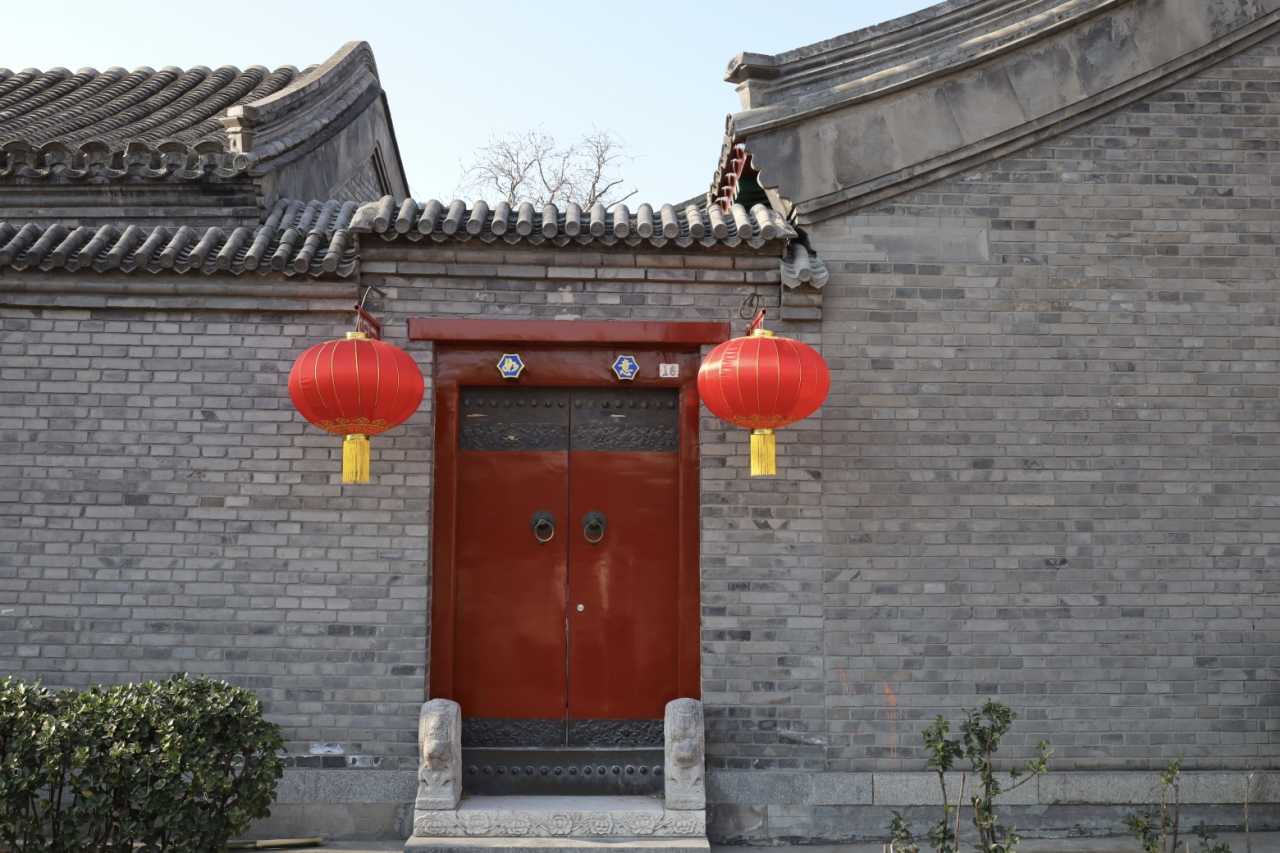
- Siheyuan (四合院): A traditional courtyard house with buildings on all four sides—north, south, east, and west. The north building was reserved for the highest-ranking family members.
- Da Zayuan (大杂院): Large shared courtyards where multiple families live together. These spaces reflect the resilience and community spirit of old Beijing.
Hutong Etiquette for Visitors
Old Beijingers are warm and straightforward, but politeness is your passport. If you barge rudely into a shared courtyard, you'll quickly encounter Beijing's signature hospitality—starting with "您" (the polite "you") and ending with firm principles. Always ask before taking photos, and respect residents' privacy.
Top Beijing Hutongs to Explore
1. Shijia Hutong: One Alley, Half of China
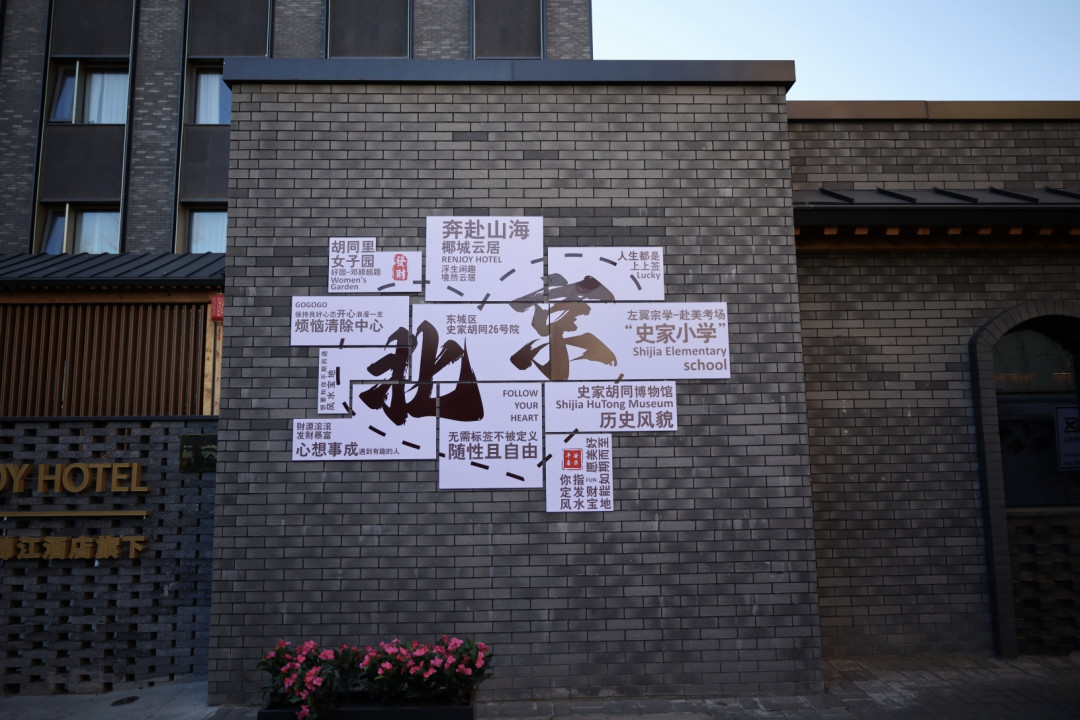
If there's one hutong that deserves the title of "Beijing's most remarkable," it's Shijia Hutong (史家胡同). Dating back to the Yuan Dynasty, it got its name in the Ming Dynasty and was under the jurisdiction of the Bordered White Banner in the Qing Dynasty.
Famous residents include: - Cao Yu (playwright) - Qi Baishi (painter) - Xu Zhimo (poet) - Hu Shi (scholar) - Lin Huiyin (architect)
The Beijing People's Art Theatre was born here, and classics like Dragon Beard Ditch were rehearsed here. It was also the site of the late Qing Dynasty's "Study Abroad Affairs Office," which selected students to study in the United States—an institution that profoundly influenced modern Chinese education.
Why visit: "One hutong, half of China" is no exaggeration. Walking through Shijia Hutong feels like stepping into a living museum of Chinese history.
2. Nanluoguxiang: The Weight Behind the Hype
Today's Nanluoguxiang (南锣鼓巷) is a trendy spot for young people, but its history is older than the Yuan Dynasty's capital. This is Beijing's largest and highest-grade traditional checkerboard-style residential area, with Yuan Dynasty hutong patterns still intact.

Layout: Running north-south, with eight hutongs on each side, it's arranged like fish bones. From above, it looks like a centipede, so it's also called "Centipede Street."
Historical note: In the Ming Dynasty, it was called "Luoguo Lane"; in the Qing Dynasty, during the Qianlong era, it was renamed "Nanluoguxiang." Countless high officials and cultural luminaries once lived here.
Modern reality: Some former residences have been unrecognizably altered—Ronglu's mansion in Juer Hutong is now an apartment building, and Mao Dun's former home has become a shared courtyard. Still, being classified as protected cultural relics is a kind of fortune.
3. Dongjiaominxiang: The Longest Hutong, the Most Complex History
Stretching from the east side of the Forbidden City, Dongjiaominxiang (东交民巷) is Beijing's longest hutong. It was once the diplomatic district during the late Qing Dynasty and early Republic period, housing embassies from Western powers. Today, it's a quiet street lined with historic buildings, offering a unique blend of Chinese and Western architecture.
Hutong Names: A Code of City Life
The names of Beijing's hutongs are like a living map of the city's geography. In the east, there's "East ** Hutong"; in the west, there's "West ** Hutong." In the south, it's " First Lane"; in the north, it's " Second Lane, Third Lane, Fourth Lane..."—square, orderly, and easy to remember.
Examples of descriptive names: - 劈柴胡同 (Firewood Hutong): Tells you what was sold there. - 炭儿胡同 (Charcoal Hutong): Another market-based name. - 灯市口大街 (Lantern Market Street): Indicates a lantern market. - 帽儿胡同 (Hat Hutong): Suggests a hat market. - 金鱼胡同 (Goldfish Hutong): Evokes images of fish.
These names aren't just labels—they're historical records of daily life in old Beijing.
Daily Life in the Hutongs: Scenery Everywhere
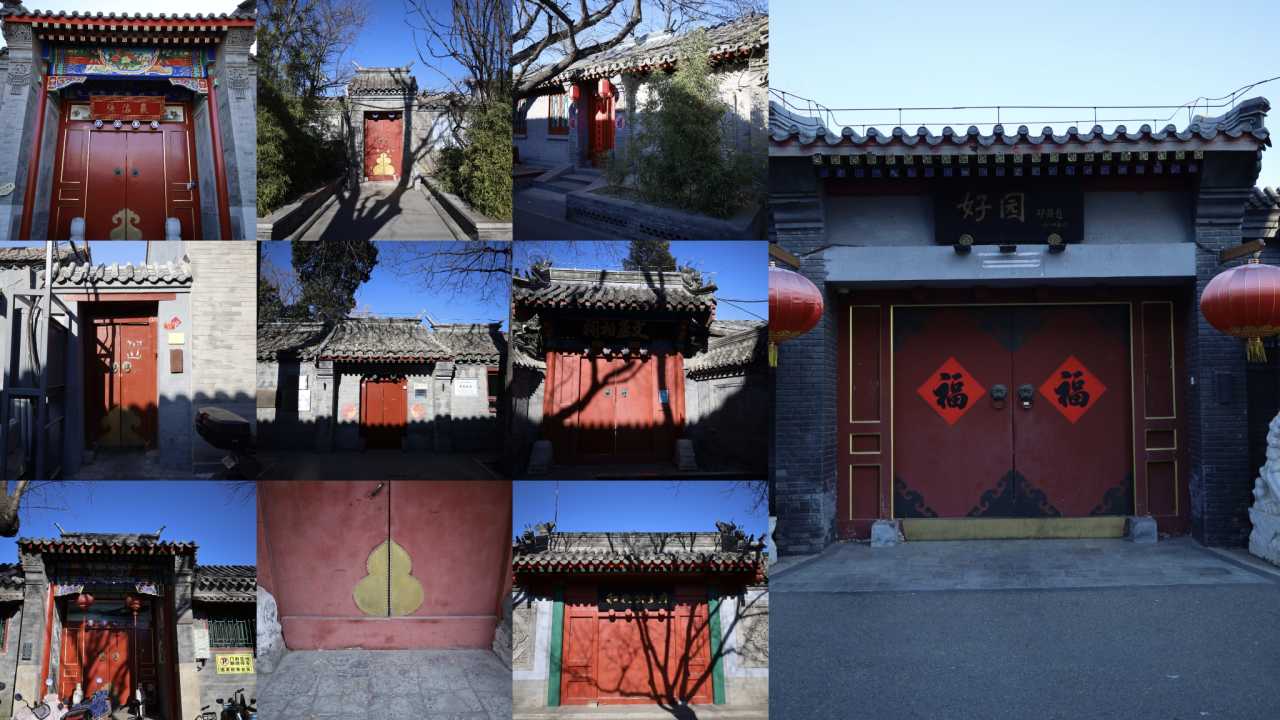
Life in the hutongs is written on the walls. The responsibilities for maintaining public areas are clearly posted. The light filtering through tiny windows creates a miniature world. Bicycles, tricycles, and electric scooters are parked neatly against the walls—the parking skills are truly impressive.
Public Toilets: A Hutong Necessity
Don't laugh—public toilets are part of hutong culture. One every few steps, clean and hygienic. Unlike life in high-rise apartments where doors stay shut, in hutongs you have to learn to get along with neighbors, keep your voice down, and stay low-key. Snap a photo anywhere, and it's pure life.
The Sound of Pigeon Whistles
The most delightful thing is the sound of pigeon whistles overhead. Distant one moment, near the next, as a flock of pigeons circles in the sky. That sound—that's the taste of Beijing.
How to Explore Beijing Hutongs Like a Local
Best Times to Visit
- Early morning (6:00–8:00 AM): Watch residents start their day—elderly people doing tai chi, vendors setting up stalls.
- Late afternoon (4:00–6:00 PM): Golden hour for photography, with warm light filtering through the alleys.
Tips for Respectful Exploration
- Politeness first: Always greet residents with "您好" (nín hǎo).
- Ask before photographing: Especially when taking photos of people or their homes.
- Keep your voice down: Hutongs are residential areas—noise travels easily.
- Stay on public paths: Don't enter private courtyards without permission.
Recommended Routes
- Shijia Hutong + Dongjiaominxiang: A historical deep dive.
- Nanluoguxiang + Juer Hutong: A mix of trendy and traditional.
- 烟袋斜街 (Yandai Xiejie) + 后海 (Houhai): A scenic walk with lakeside views.
FAQ: Beijing Hutongs
1. What is the difference between a hutong and a siheyuan?
A hutong is the narrow alley, while a siheyuan is the traditional courtyard house that lines it. Think of hutongs as the streets and siheyuan as the homes.
2. How many hutongs are left in Beijing?
 Only about 1,000 of the original 3,600 named hutongs remain. Many have been demolished for urban development, but preservation efforts are ongoing.
3. Are hutongs safe for tourists?
Yes, hutongs are generally safe. However, be mindful of your belongings in crowded areas like Nanluoguxiang. Stick to well-lit, populated paths at night.
4. Can I visit the inside of a siheyuan?
Some siheyuan are open to the public as museums or tea houses. Others are private residences—respect the "Private Residence" signs.
5. What is the best hutong for first-time visitors?
Nanluoguxiang is the most accessible, with shops, cafes, and cultural sites. For a quieter experience, try Shijia Hutong or Dongjiaominxiang.
Internal Linking Suggestions
- [Link: Best time to visit Beijing for hutong tours]
- [Link: Top 10 historical sites in Beijing]
- [Link: How to plan a day trip in Beijing hutongs]
- [Link: Traditional Beijing cuisine to try near hutongs]
Conclusion: Your Hutong Adventure Awaits
Beijing's hutongs are more than just tourist attractions—they're living memories of a city that has evolved for centuries. From the grandeur of Shijia Hutong to the buzz of Nanluoguxiang, each alley tells a story.
Ready to explore? Book your Beijing hutong walking tour today and step into the heart of China's capital. Whether you're a history buff, a photography enthusiast, or a curious traveler, the hutongs are waiting to share their secrets.
Don't just read about it—experience it. Start planning your hutong adventure now!
Word count: ~1,500 words | SEO-optimized with primary keyword "Beijing hutongs" and long-tail variations like "Shijia Hutong history," "Nanluoguxiang guide," and "hutong etiquette for visitors."
You should also read:
Seeking · Encountering · Autumn in Beijing: Your Ultimate Guide to Beijing’s Most Stunning Fall Scenery
Meta Description: Discover Beijing’s best autumn destinations beyond Fragrant Hills. From Tsinghua University’s golden ginkgo avenue to Dajue Temple’s millennium-old tree, plan your perfect fall escape with our expert guide. Autumn in Beijing is more than a season—it’s a grand farewell. When the summer heat…
Continue reading...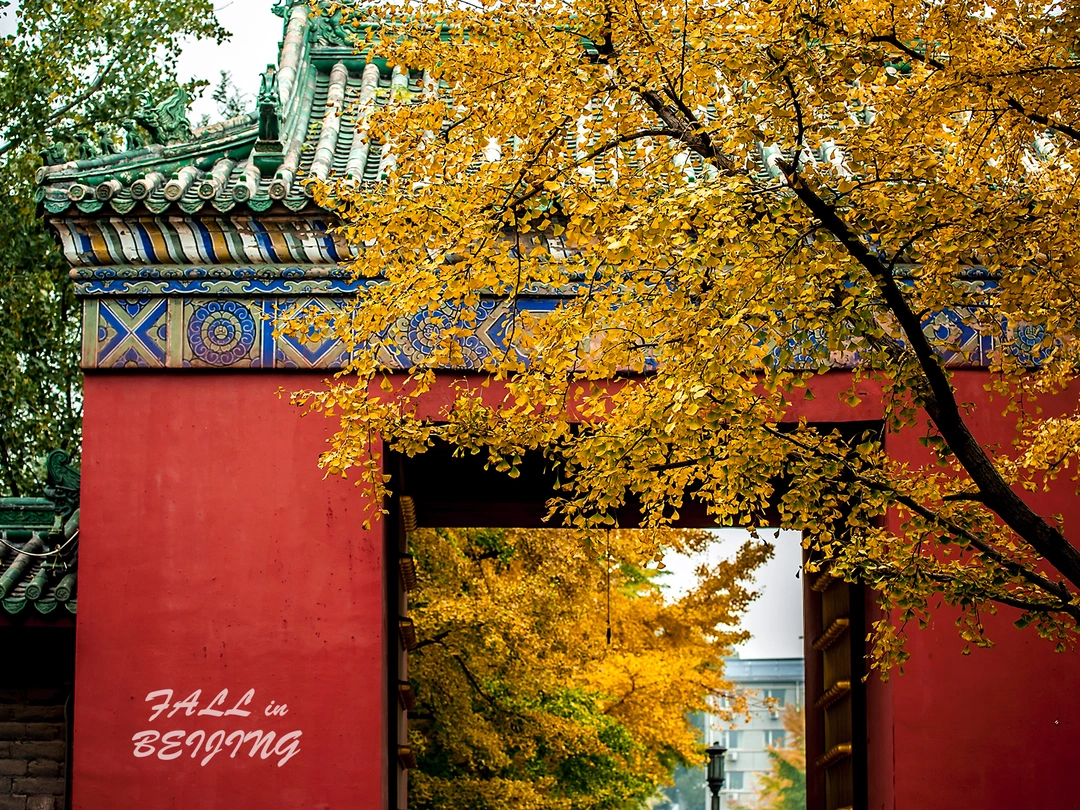
Living in Beijing: A Love Letter to Autumn – Why October Is the City's Best-Kept Secret
Meta Description: Discover why Beijing in autumn is pure magic. From golden ginkgo avenues to hidden hutong gems, this 2014 love letter captures the city's soul. Plan your fall visit now. There's a reason why old Beijing hands get misty-eyed when October rolls around. It's…
Continue reading...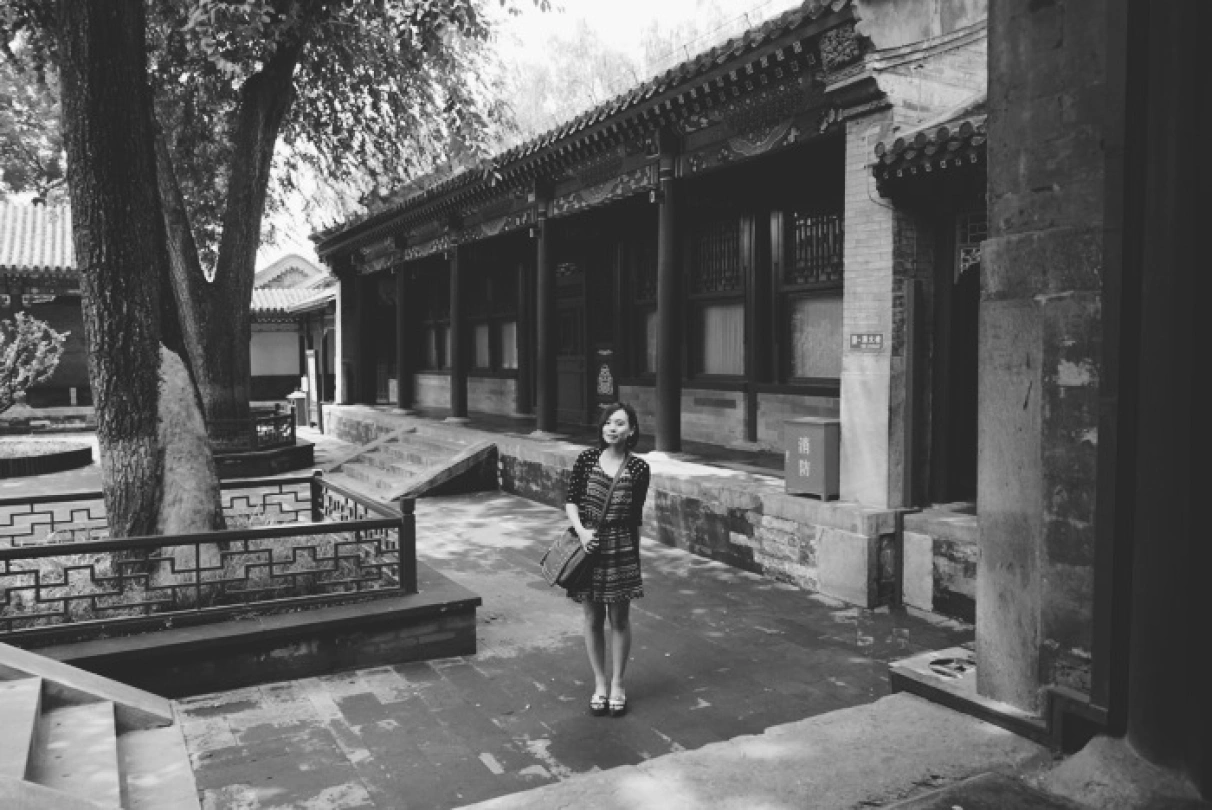
Solo in Beijing: Discovering Another Side of the Capital Amid Red Walls and Grey Tiles
Meta Description: Traveling solo in Beijing on a student budget? Discover hidden gems, practical tips for first-time solo travelers, and how to explore the capital's red walls and grey tiles without breaking the bank. When my friends asked why I chose to go to Beijing…
Continue reading...