The "Treasure-Hunting" Days in Beijing's Hutongs: Dust-Laden Tales of Yesteryear
Meta Description: Explore Beijing's historic hutongs, from Xuanwu's narrow alleyways to century-old Xinfengyuan. Discover forgotten symbols, folk customs, and the last remnants of old Beijing before they vanish.
Introduction: Hutongs, the Memory Code of a City
If you ask an old Beijinger what best represents this city, nine times out of ten the answer will be—the hutongs. Like capillaries, they wind through the fabric of the old walled city, carrying the laughter, tears, and everyday warmth of generations.
When I was a child, my grandmother lived on Yanyue Hutong (Melody Lane) in Dongcheng District. My grandfather was a music teacher at Xinxianhu Primary School, so my childhood was spent weaving through the brick walls of the hutongs. I didn't return to my parents in Xicheng District until I was seven. Back then, the hutongs were games of hide-and-seek under gray tiles and blue bricks, the warmth of afternoon sunlight falling on stone gate piers, and the familiar greeting, "You're back!" when someone pushed open a door. Later, I came to realize that those seemingly ordinary days were all fragments of history.
The word hutong comes from Mongolian. When the Yuan Dynasty built Dadu (the Mongol capital, now Beijing) in 1267, the first hutongs took shape—over 700 years ago. After decades of demolition and renovation, very few original hutongs remain in Beijing's old city. An old Beijing saying goes: "Dongcheng is rich, Xicheng is noble; Chongwen is poor, Xuanwu is broken." In 2010, the government dissolved the Xuanwu and Chongwen districts, merging them into the new Dongcheng and Xicheng. Today, we start with "Broken Xuanwu" to pick through the "rotten sesame seeds and spoiled millet"—the forgotten odds and ends buried by time.
[Link: Beijing Hutong history and origins]
I. Xuanwu's Underlayer: Historical Marks on Mottled Walls
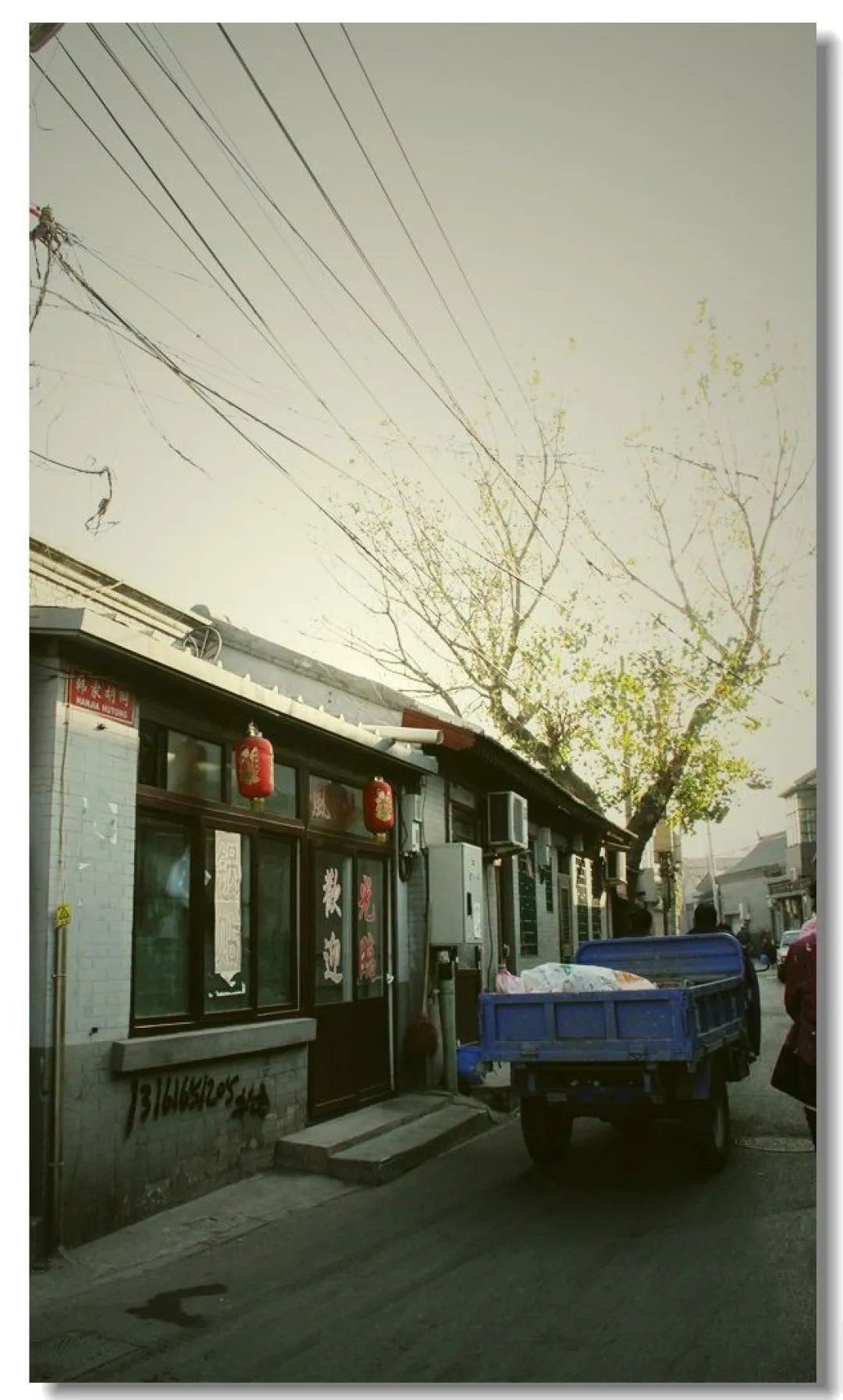
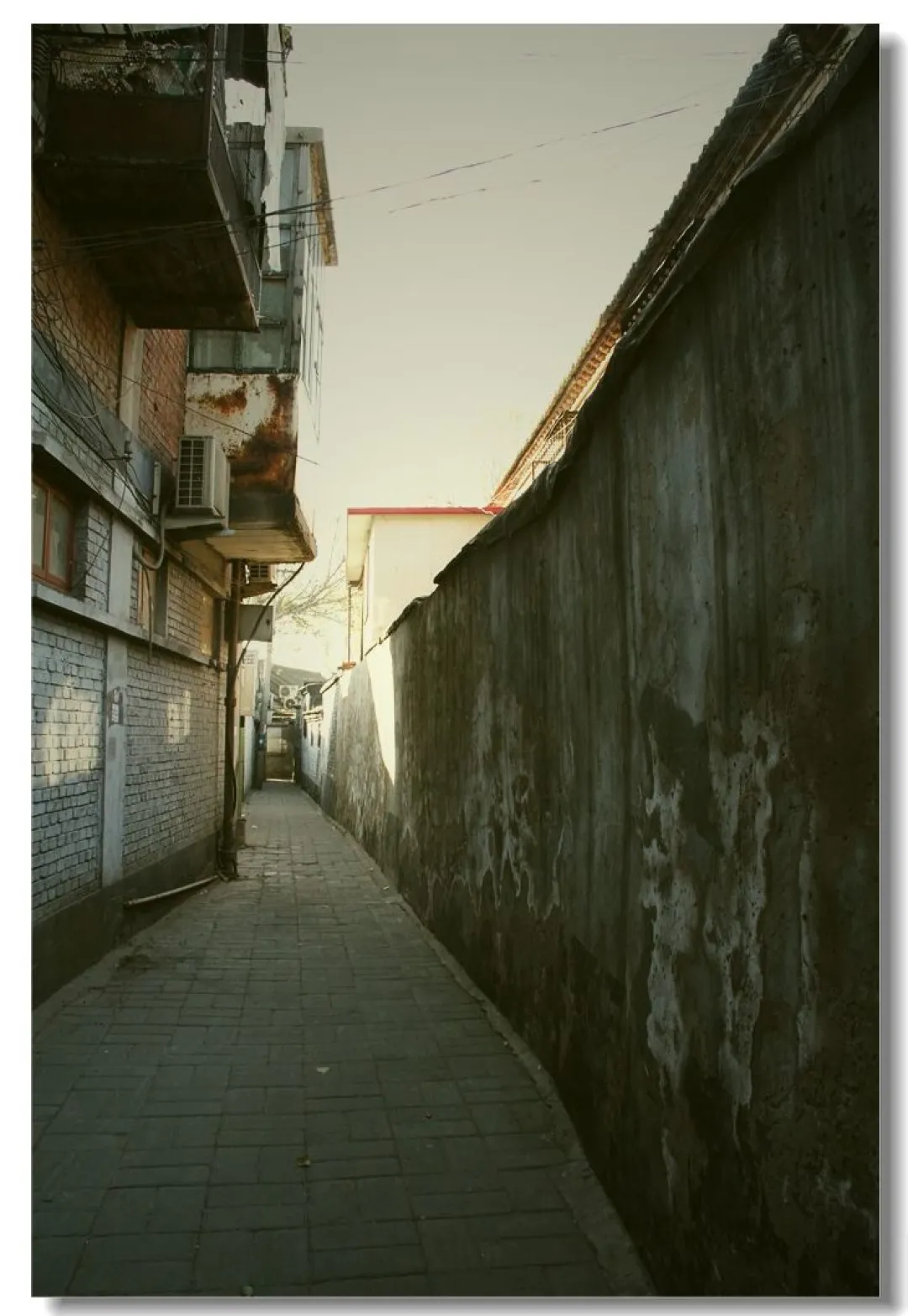
Xuanwu District holds a unique place among Beijing's urban districts. It is home to Niujie (Ox Street), an area where multiple ethnic groups have lived together for centuries. Walk deep into its alleyways, and you'll find courtyard walls that, even in the midst of a modern metropolis, still bear the scars of a hundred years of wind and rain. The mottled surfaces look like old photographs, silently telling stories of the past.
In earlier days, each wall had only a single house number plate. That plate still hangs there today, but it's mounted so low that short children have to stand on tiptoes to read it. The most striking feature of these hutongs is the narrow passageways that force you to turn sideways to pass. The narrowest one, they say, was once near Jiaochangkou (Drill Ground Entrance), just wide enough for a single person. Sadly, that alley disappeared long ago in the tide of urban renewal.

Outside every home, the gable wall faces the alley, leaving almost no privacy. But it was precisely this lack of privacy that fostered the unique neighborly warmth of the hutongs. As the sun set, when you pushed open the courtyard gate, someone would always call out, "You're back!"—a sound far warmer than any city noise.
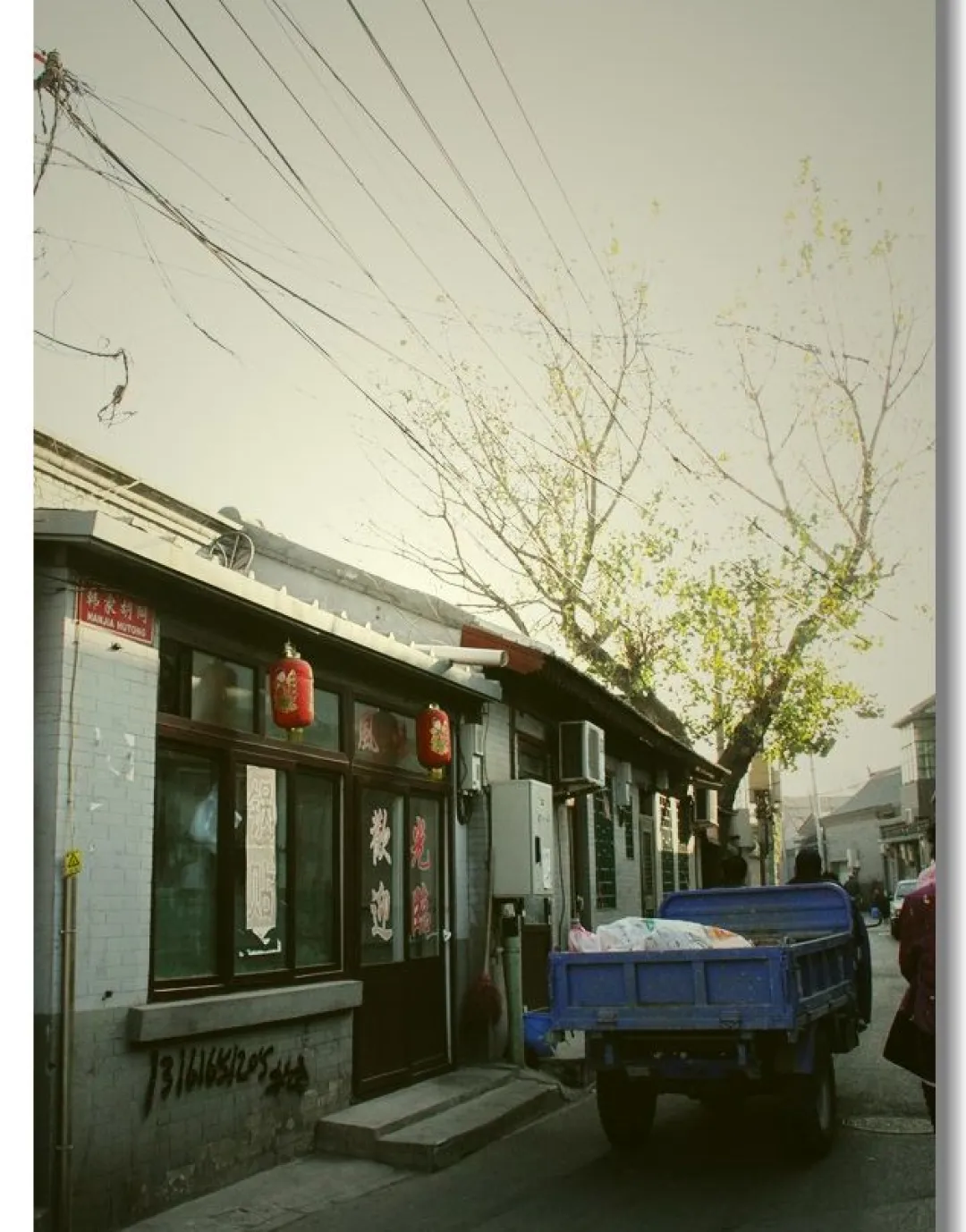
The overhead power lines stretch like musical staves, marking the arrival of modern life in these old homes. But those tangled wires also hide plenty of safety hazards. The vermilion gates are the most vivid colors from my childhood memories. When you push one open, it lets out a creak, as if turning back time. Only now, the sky above no longer has circling pigeons; their cooing has become a homesickness that can never be reclaimed.
[Link: Xuanwu District Beijing travel guide]
II. Folk Customs in the Hutongs: Gourds, Bats, and Symbols of Good Fortune
Old Beijingers have a tradition of growing gourds, because the word for gourd (hulu) sounds like "blessings and prosperity" (fulu) in Chinese, making it a symbol of good luck. Walk into a hutong, and you'll often see gourds hanging under eaves or displayed as crafts on windowsills. Some have been polished until they gleam, their color changing from fresh green to a deep orange—the patina left by years of handling.
In a hutong in Xuanwu District, there's a place called "Hulu Ju" (Gourd Residence) that houses over 60 varieties of gourds. The most common is the S-shaped "sub-gourd," and the smallest is the "hand-twirling gourd," which, after years of being held and turned, has turned a deep orange. The shop owner told me about an American variety grown in Shandong Province, but if planted in Beijing, it grows too large and loses its original shape.
Besides gourds, bats are another common decorative motif in the hutongs. The word for bat (bianfu) sounds like "blessings" (fu), symbolizing happiness. Brick carvings on walls, wooden patterns on window lattices, and even the shapes of door knockers often feature bats. Hanging a gourd on a window is said to protect the household from harm.
As winter arrives, every family starts sealing their windows and doors. This custom continues today, even though plastic and aluminum windows are now common. But in the old hutongs, people still nail wooden strips tightly across their windows. The postman is no longer an elderly man on a Flying Pigeon bicycle but a young person in uniform on an electric scooter. The cry of "Newspaper!" has become a sound from a bygone era.
[Link: Chinese folk symbols and meanings]
III. The Century-Old Xinfengyuan: From "Qingyin" Singing Girls to Modern Tenants
In a hutong in Xuanwu District, hidden away, stands a small century-old building—Xinfengyuan (Phoenix Courtyard). This two-story structure was once home to a "Qingyin Xiaoban" (a small troupe of refined singing girls from the south). These women were all skilled singers and dancers, and the establishment was a high-end brothel. After the Communist Party took power in 1949, a single order wiped out all brothels, and Xinfengyuan was repurposed, eventually coming under the ownership of the People's Bank of China.
Today, the courtyard is designated as a Grade II protected site, officially called a "Grade II Teahouse." Every year, the People's Bank allocates maintenance funds to the housing authority (now called a property management company). But the residents are no longer the singing girls of old; they are young people from all over China who have come to Beijing to make their way. The interior still has wooden floors that creak underfoot, as if whispering tales of a hundred years of romance and intrigue.
The bat brick carvings on the outer wall are still clear, and the gourds on the windows still sway in the breeze. But the people passing through this gate are no longer elderly Beijing locals; they are tenants with accents from every province. The weight of history is hidden in those mottled door panels.
[Link: Historic buildings in Beijing hutongs]
IV. The Last Chimney and Door Knockers: Objects on the Verge of Disappearing
In the hutongs, you can still spot some objects that are about to vanish. For instance, a chimney that might be the very last one still in use. Or a tricycle parked in front of a door, covered in dust but still capable of stirring countless memories.
Door knockers, old Beijingers call them menbo (door cymbals). This is a Qing-dynasty term. Made of iron or copper, one is mounted on each side of the gate, shaped like the traditional Chinese musical instrument called bo (cymbals). Some also call them "iron straw hats." At an old house on Dajixiang (Great Auspicious Lane), I met an old gentleman who had lived there for more than half a century. The walnuts he held in his hands had been passed down from his great-grandfather, but one was lost during the Cultural Revolution. He pointed to the stone by the gate and said, "Strictly speaking, this should be called a baogushi (drum-supporting stone), not a mendun (gate pier)."
He also told me that the patterns on his door frame were from the early Republican era. Above the gate pillars were brick carvings called qiangyan, and below them were white marble wall legs. On either side of the gate, there was one hitching stone to the west and four to the east—a striking sight on the entire lane. Unfortunately, the house number plate was long gone, replaced by "No. 22" written in chalk on the wall.
[Link: Disappearing Beijing traditions]
V. Li Wanchun's Forgotten Treasures: The Art of Hutong Antique Hunting
Hidden among the winding alleys of Xuanwu, there exists a subculture of treasure hunting that few outsiders know about. Li Wanchun, a 68-year-old retired teacher, has spent the last three decades combing through hutongs for forgotten antiques. His collection includes Qing-dynasty porcelain fragments, Republican-era brass door knockers, and wooden carvings salvaged from demolished courtyard homes.
"Every hutong demolition site is a museum," Li told me, his eyes lighting up as he unwrapped a piece of celadon from a cloth bundle. "People throw away things they don't understand. But if you know what to look for, you can find history in the rubble."
His most prized find? A pair of menbo from a hutong near Caishikou, dating to the Qianlong Emperor's reign (1735–1796). The door knockers were being sold as scrap metal for 20 yuan. Today, they're worth over 10,000 yuan.
Li's advice for aspiring hutong treasure hunters: - Visit after rain – rain washes away dust and reveals hidden details on old objects - Talk to elderly residents – they often know where valuable items are stored - Check demolition sites – but always ask permission first - Focus on small items – door knockers, brick fragments, and ceramic shards are easier to transport and authenticate
[Link: Antique hunting in Beijing tips]
FAQ: Beijing Hutong Treasure Hunting
Q1: What are the best hutongs for antique hunting in Beijing? A: Focus on Xuanwu District's older alleyways, particularly around Niujie, Caishikou, and Dajixiang. These areas have the highest concentration of original courtyard homes and less tourist traffic than Dongcheng's more famous hutongs.
Q2: Is it legal to take items from hutong demolition sites? A: Legally, all items on demolition sites belong to the property owner or the government. However, many locals consider small, discarded items (broken tiles, loose door knockers) as fair game. Always ask permission from site workers or nearby residents.
Q3: How can I tell if a door knocker is genuinely antique? A: Look for hand-forged iron or cast copper with visible patina. Genuine Qing-dynasty knockers will have irregular hammer marks, while modern reproductions are machine-stamped. Check for rust patterns—authentic antiques show uneven oxidation.
Q4: What should I pay for a genuine Qing-dynasty door knocker? A: Prices vary wildly. At antique markets, expect to pay 500–3,000 yuan for a single knocker. From demolition sites or direct from residents, you might get one for 50–200 yuan if you're lucky.
Q5: Are there guided hutong treasure hunting tours? A: Yes, several Beijing tour operators offer "hutong heritage walks" that include antique spotting. However, most focus on architecture rather than objects. For serious treasure hunting, consider hiring a local guide through platforms like Airbnb Experiences or contacting Beijing's antique collector communities.
Conclusion: Preserving the Dust-Laden Tales
The hutongs of Beijing are more than just tourist attractions—they are living museums of a city's soul. Every mottled wall, every creaking door, every forgotten door knocker tells a story of generations who called these alleyways home.
As urbanization accelerates, these treasures are disappearing. The last chimney still smoking, the final hand-carved gourd on a windowsill, the elderly gentleman who remembers when every gate had a baogushi—these are fragments of a world that's fading.
But treasure hunting in Beijing's hutongs isn't just about collecting objects. It's about connecting with history, understanding the symbols that shaped a culture, and preserving the memories that make Beijing unique.
Your turn: Next time you're in Beijing, skip the Forbidden City crowds for an afternoon. Walk the narrow alleys of Xuanwu. Talk to the elderly residents. Look for the last door knockers, the fading brick carvings, the gourds still hanging under eaves. You might just find a piece of history—and a story worth telling.
Ready to start your own hutong treasure hunt? [Share your discoveries with us on social media using #BeijingHutongTreasures] or [Book a guided heritage walk through our recommended local experts].
[Link: Best Beijing walking tours] [Link: How to visit Beijing hutongs sustainably]
You should also read:
Four Days, Three Nights in Beijing: Unlocking the Soul of the Ancient Capital and Tasting Every Authentic Flavor (Complete Route + Food Map Included)
Meta Description: Discover the perfect 4-day Beijing itinerary covering the Forbidden City, Great Wall, hutongs, and local food. Includes a food map, pre-trip tips, and a FAQ section. Plan your trip now! Beijing—a city that carries a thousand years of history while pulsating with the…
Continue reading...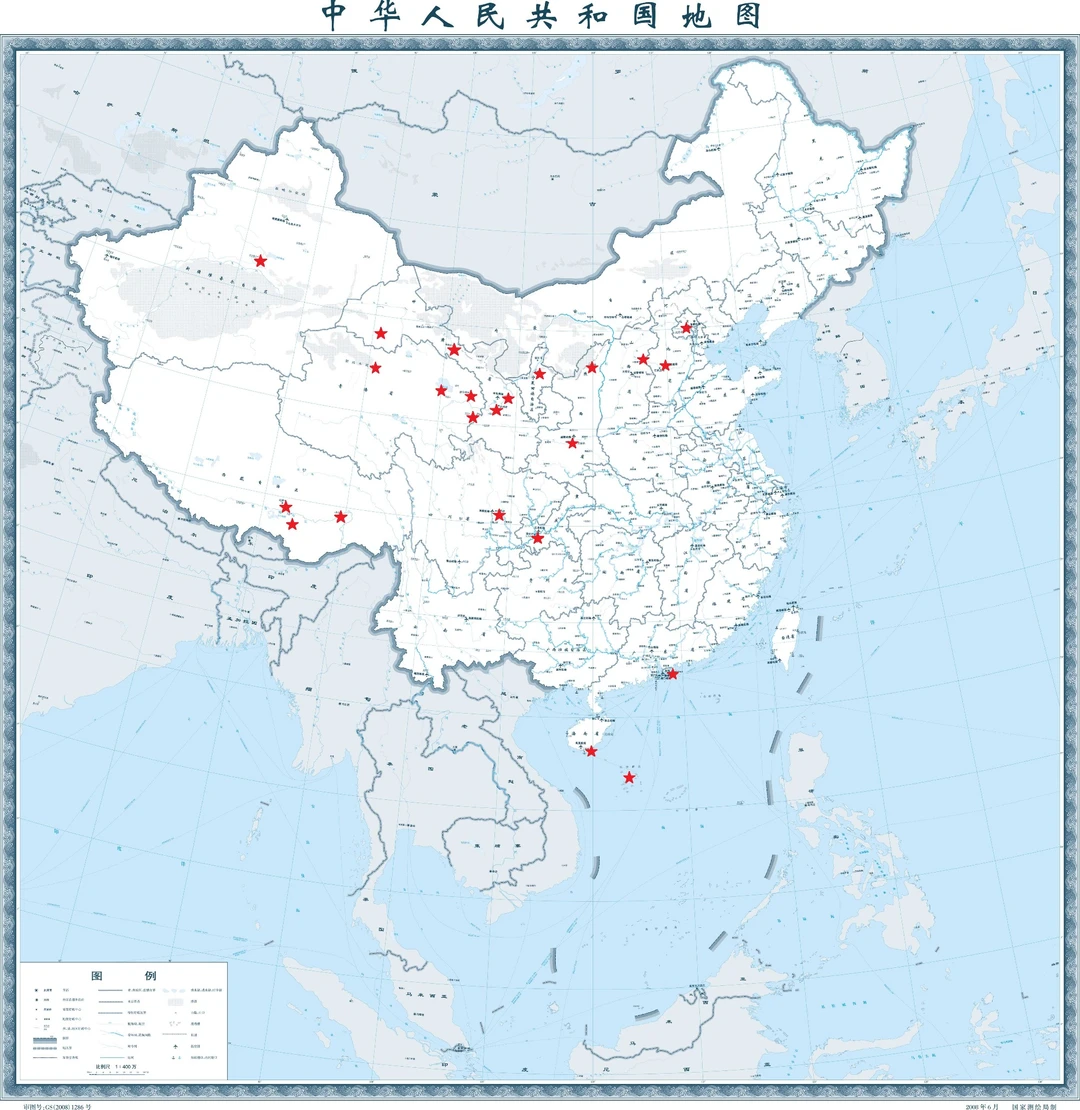
My 2018: 300 Days Measuring the Motherland – A Journey Through Pain, Joy, and China’s Hidden Gems
Meta Description: Explore 300 days of solo travel across China in 2018 – from Tibet’s snowy plateaus to the Xisha Islands. Discover budget tips, seasonal itineraries, and life-changing experiences in this SEO-optimized travel guide. In 2018, I spent 300 days on the road, with a…
Continue reading...
5 Days in Beijing: An Authentic Hutong Autumn Itinerary – Finding the Soul of Old Beijing
Meta Description: Discover the soul of old Beijing in autumn with this 5-day hutong itinerary. From Jingshan Park's golden hour to Siji Minfu's Peking duck, experience Beijing like a local. Perfect for first-time visitors seeking authentic culture. There's a Chinese saying: "A leaf knows autumn."…
Continue reading...