Three Days in the Imperial Capital: A City for a Show – The Ultimate Beijing Travel Guide
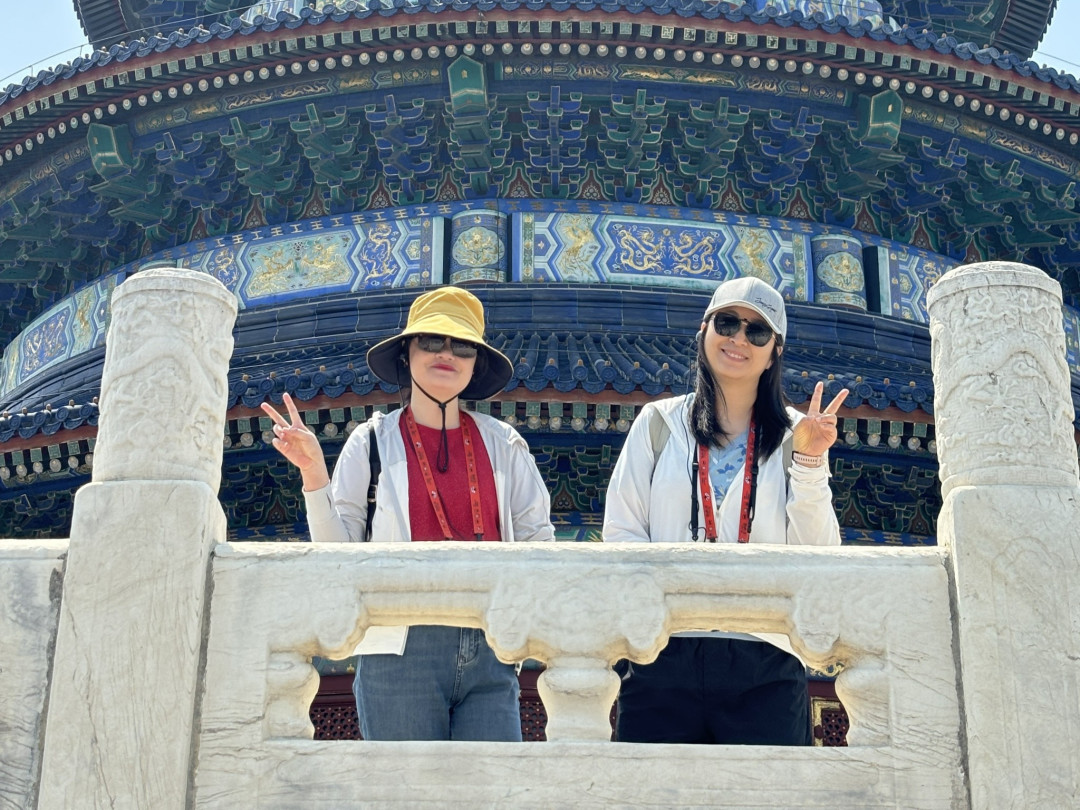
Meta Description: Planning a spontaneous trip to Beijing? Discover how to navigate the imperial capital's reservation system, explore hidden gems like Lama Temple and Shichahai, and avoid tourist traps. Your 3-day Beijing itinerary starts here.
Introduction: Why Beijing Still Captivates the Modern Traveler
In May 2025, I made a spontaneous decision that sounds absurd to most: I flew to Beijing to see a "top-tier" actor from Zhejiang Province. A friend asked, "Isn't he from Zhejiang? Why go all the way to Beijing?" I smiled wryly: "You have no idea how hard it is to get tickets for shows in Jiangsu and Zhejiang. This time, I'm running on pure love for the art."
That spur-of-the-moment trip to the imperial capital became a masterclass in navigating Beijing's unique blend of ancient rules and modern freedoms. From the moment I booked a flight to Daxing Airport—and heard my first driver's arrogant remark—I knew this city would challenge my Shanghai-bred expectations.
Beijing travel isn't just about seeing the Great Wall or the Forbidden City. It's about understanding a city where reservations are required for attractions, ID cards are needed to enter, and security checks are everywhere. For someone used to "scanning codes to get everywhere," this was an adjustment—but also a revelation about how seriously Beijing takes its historical heritage.
Pre-Trip Ramblings: The "Rules" and "Freedom" of the Imperial Capital
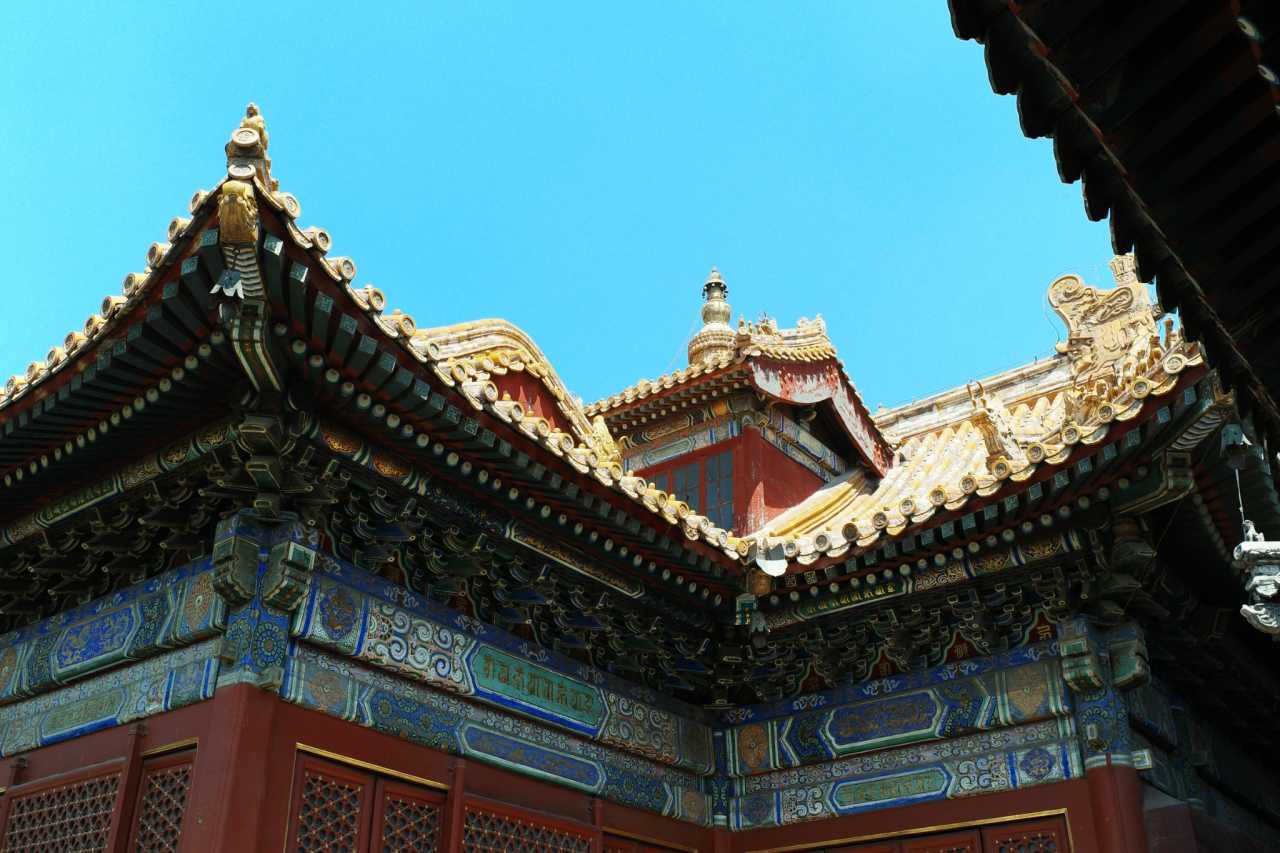
Before leaving Shanghai, I did my homework. Beijing attractions like the Forbidden City and Temple of Heaven require reservations a week in advance on official WeChat accounts. You must carry your ID card at all times. For a spontaneous traveler, this feels restrictive—but it's also a testament to the city's commitment to preserving its cultural treasures.
This family trip wasn't cheap per person, but compared to the struggle of snatching tickets for shows, money was the least of our worries. If you're planning a Beijing weekend getaway, prepare for a city that rewards patience and planning.
Day 1: The Incense of Lama Temple and the Hustle of Nanluoguxiang
Lama Temple: Stumbling into a Tibetan Buddhist Temple by Accident
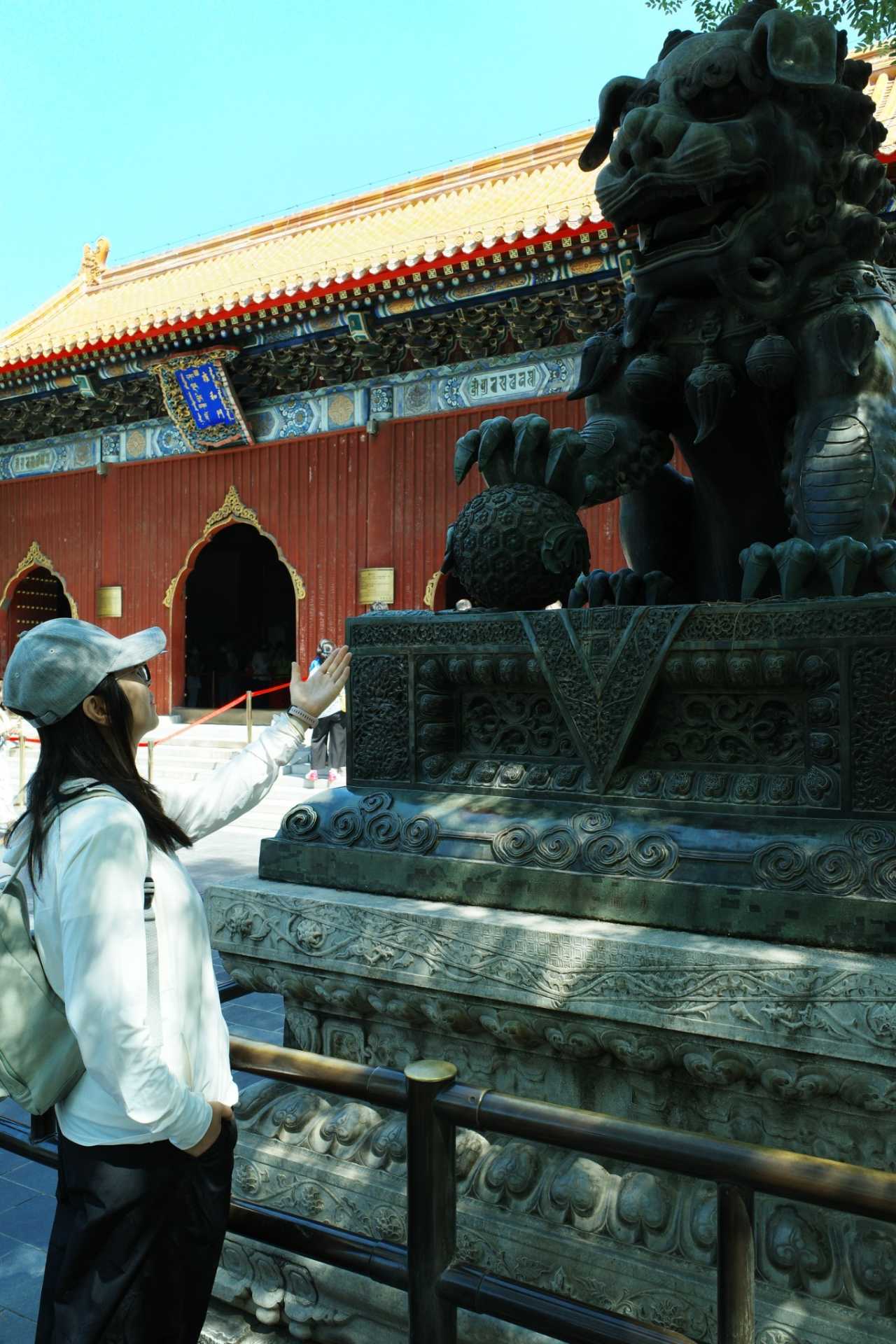
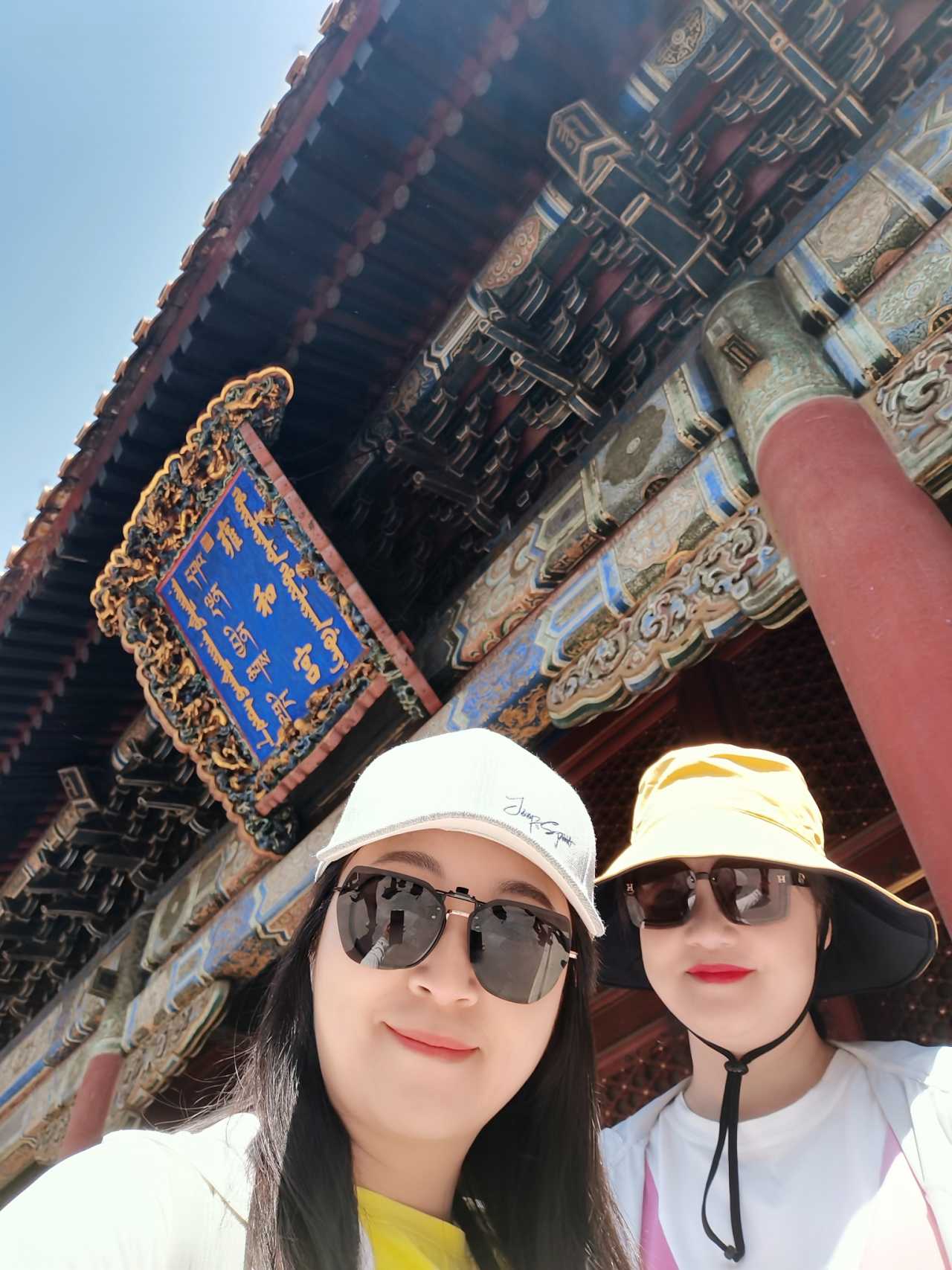
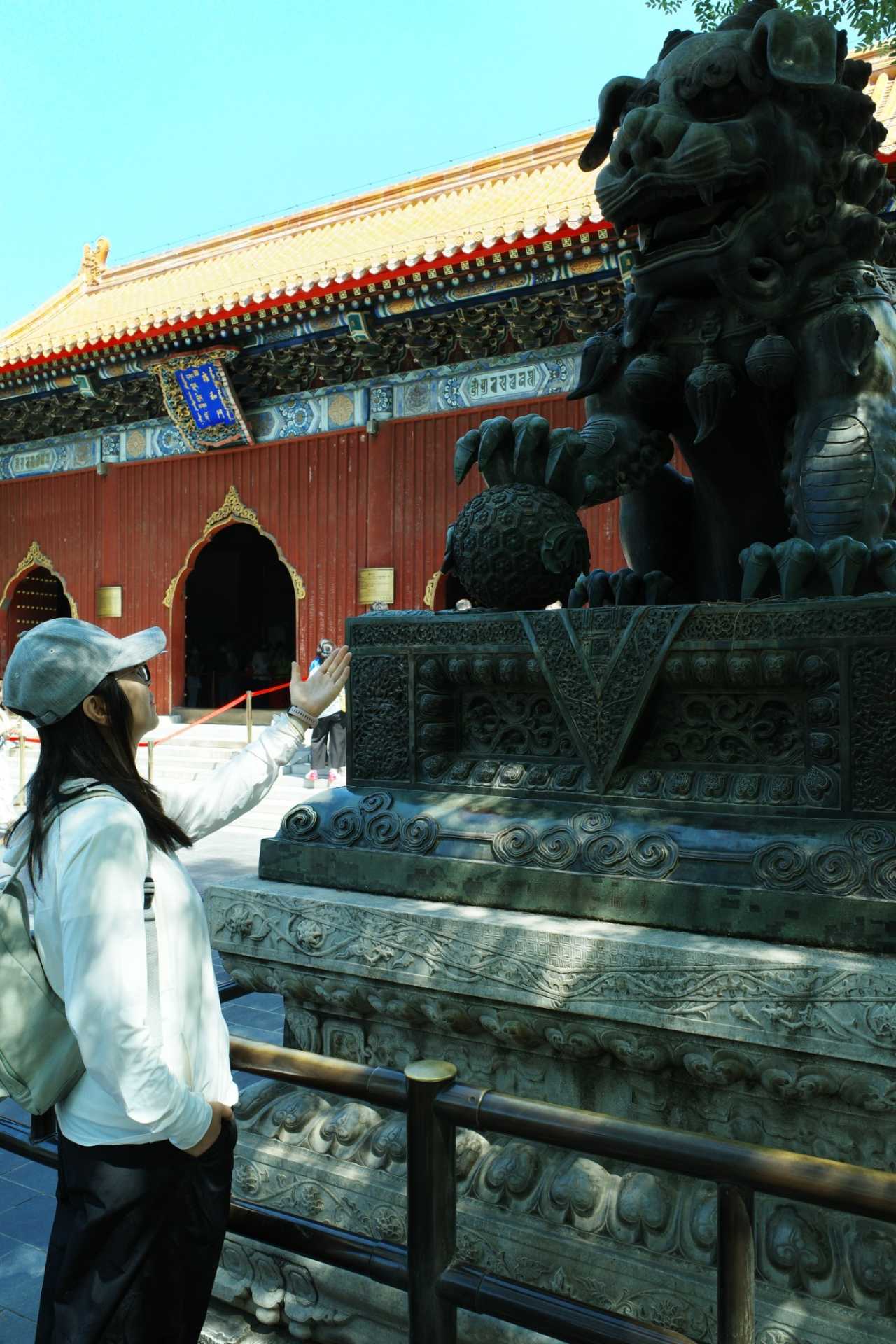
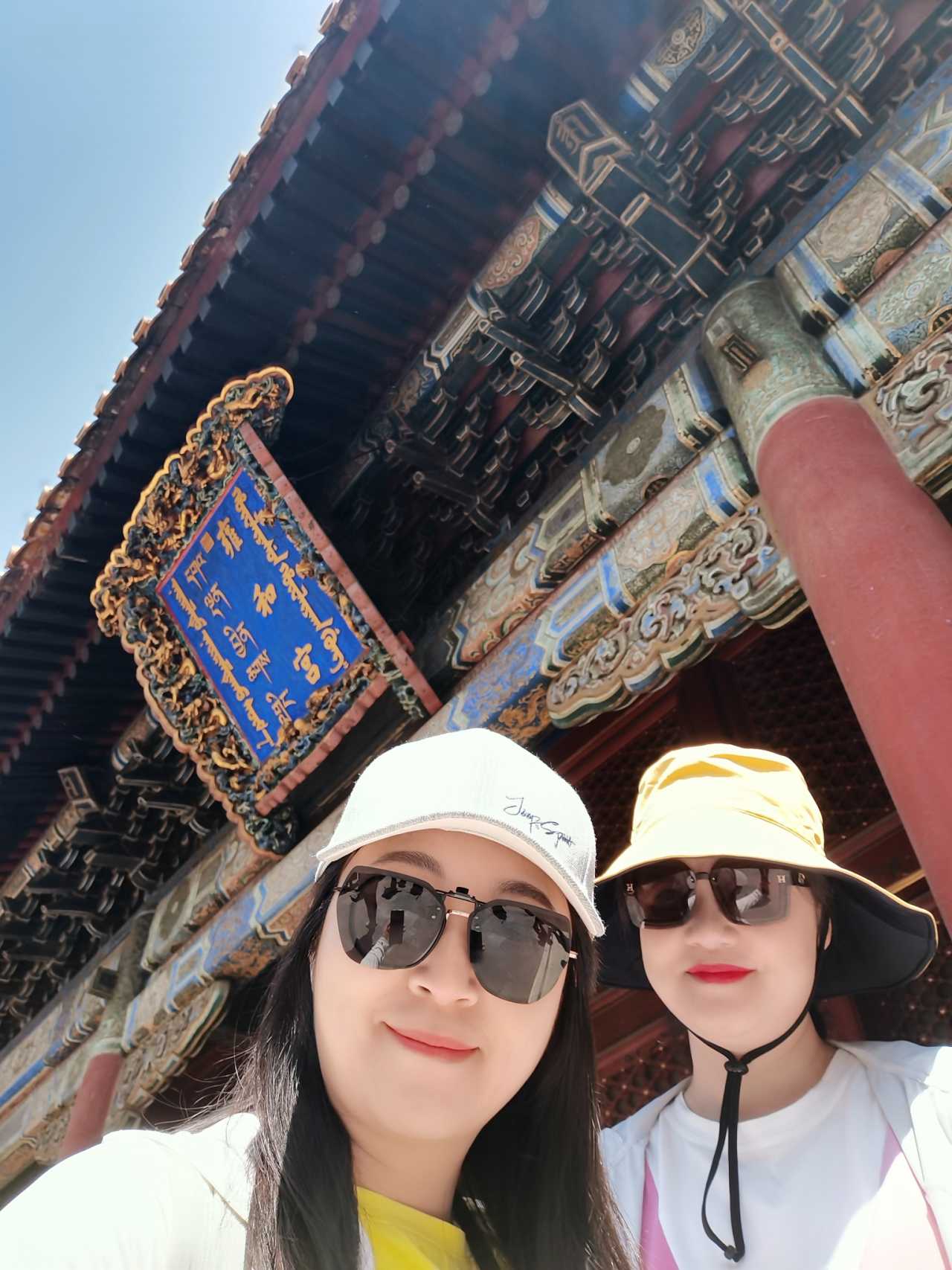
Our first stop was the Lama Temple (Yonghe Temple). I'd always heard that wishes made here come true—supposedly, even if your wish isn't granted directly, the gods find a way to adjust things so you end up satisfied. I believed it, until I walked into the hall and saw the first red-robed monk. Then it hit me: this is Tibetan Buddhism! A Qing Dynasty temple, through and through, a proper lamasery.
History of Lama Temple is fascinating. In the 33rd year of the Kangxi Emperor's reign (1694), he granted this land to his fourth son, Yinzhen—the future Yongzheng Emperor. In the third year of Yongzheng's reign (1725), the prince's mansion was converted into a temporary imperial palace. After Yongzheng died, his coffin was placed here, so the green glazed tiles were replaced with yellow ones to signify imperial authority.
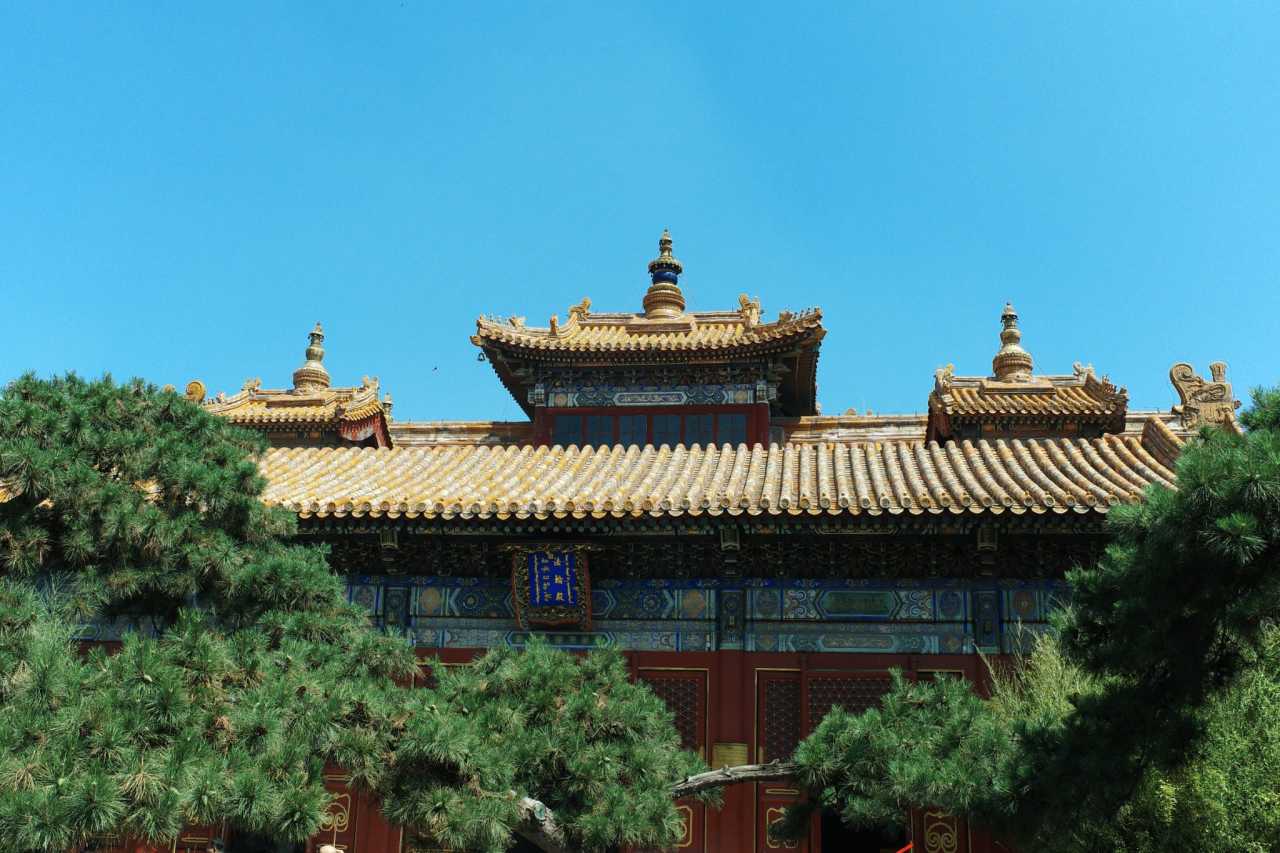
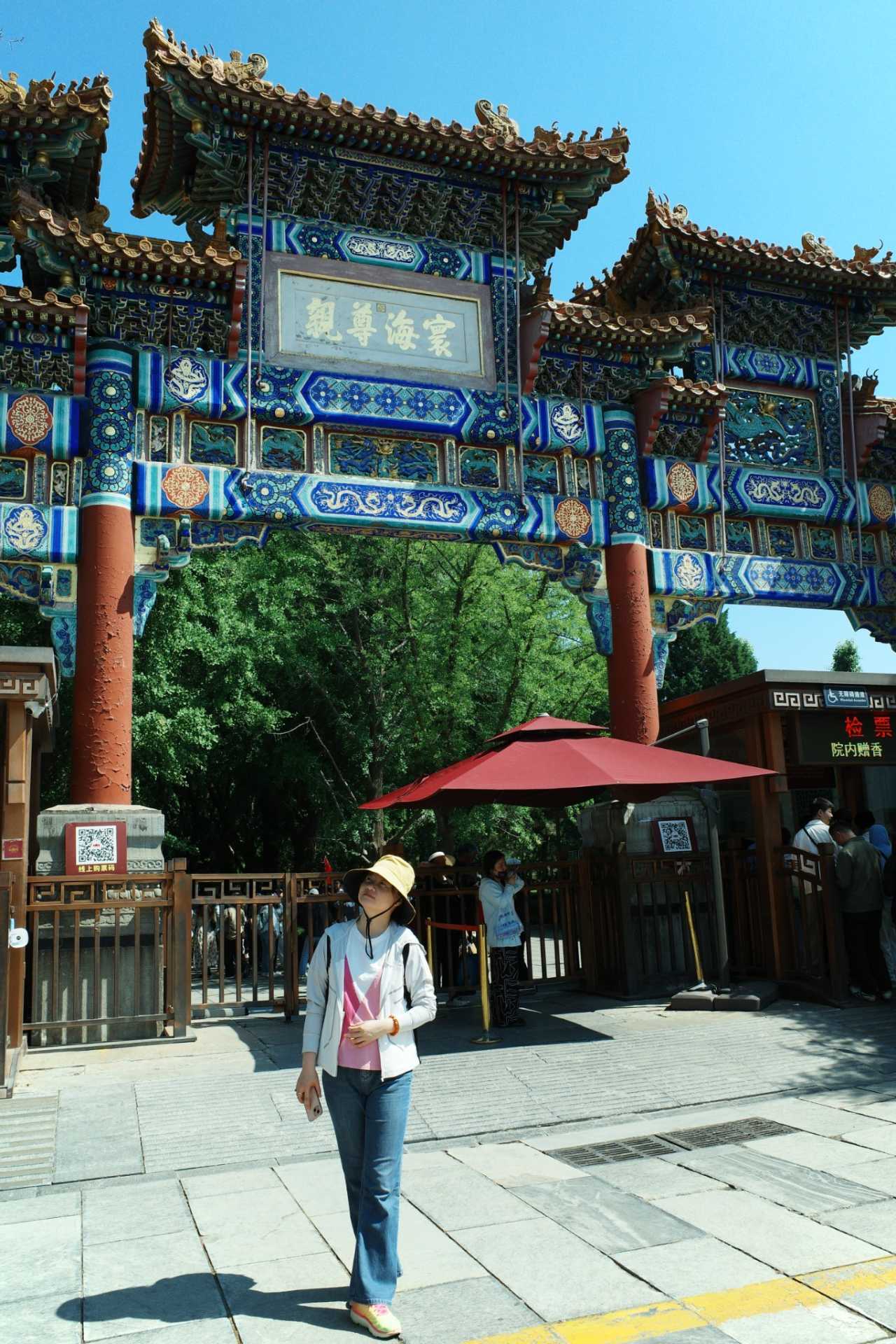
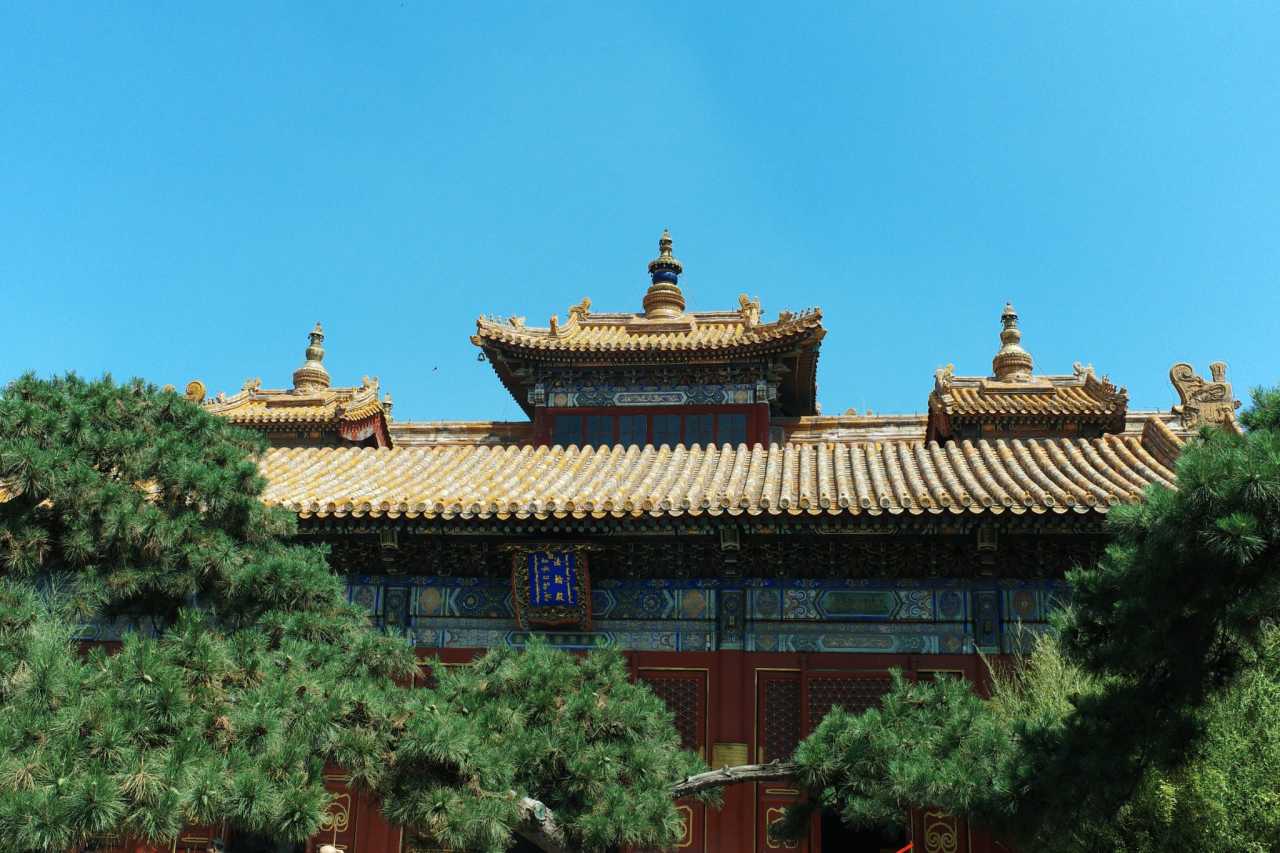
Lama Temple tickets cost 25 yuan, purchased a week in advance on the official WeChat account. I recommend going early because of the security checks and massive crowds. The entire temple complex consists of three memorial archways and five main halls, with yellow glazed tiles gleaming in sunlight, exuding royal grandeur. Amidst swirling incense smoke, crowds surged, with people taking photos and praying in every corner.
What surprised me most was the small museum inside the temple, displaying ritual objects used by Qing Dynasty lamas. One piece, a statue called "Goddess of Auspicious Heaven" (Jixiang Tianmu), had a design I found hard to appreciate. I couldn't help thinking: For a goddess with "auspicious" in her name, the Jixiang Tiannu at Shanhua Temple in Datong was far more graceful. The difference in aesthetic standards between Manchu and Han culture is quite amusing.
Lama Temple prayer beads are now a viral product. A long line forms at the entrance as soon as the gates open. With such strong incense offerings, it's no surprise that ritual items are also hot sellers.
[Link: Best time to visit Lama Temple to avoid crowds]
Nanmen Hotpot: Was an Hour-Long Wait Worth It?
At noon, we emerged from the Lama Temple to find a nearby branch of Nanmen Hotpot (Nanmen Shuàn Ròu). We arrived at 11 a.m., and there was already a queue. It's funny to think—there's a branch of this same restaurant in Shanghai, yet we chose to skip it and come here to wait in line.
In the waiting area, you couldn't hear the call numbers, so we just kept refreshing our phones. When there were only ten spots left, we decided to go inside and wait on the ground floor. The seating was tight, but the view of tree branches outside the window added a bit of atmosphere. After about an hour, we were finally seated on the second floor, which was more spacious.
The pot was designed to look like an old charcoal-burning one, but inside it burned alcohol. The sesame sauce was served with a smiley face drawn on it. My better half found it too greasy and ordered a half-and-half option. The signature beef and lamb were decent, but the biggest surprise was the "Qianlong Cabbage"—cabbage mixed with sesame sauce, unexpectedly refreshing. Overall, though, it wasn't worth the long wait.
[Link: Best Beijing hotpot restaurants for first-timers]
Nanluoguxiang: The Main Street Is for Tourists; the Alleys Are for Beijing
Nanluoguxiang was built around the same time as the Yuan Dynasty capital. It runs north-south, 787 meters long and 8 meters wide. The main street is lined with shops, crowded with tourists. I asked my better half to take a photo of the "Beijing" sign, but it was too flashy—she kept turning her head around, unable to spot it for ages. It was adorable.

The main street is too commercialized. It's fine for shopping, but not much fun to stroll through. The side alleys, however, still retain traditional Beijing courtyard houses (siheyuan) , and wandering through them was quite interesting. The buildings have been designated as cultural relics, so they probably won't be demolished, but the living conditions inside seemed a bit messy. If you don't explore in detail, you can finish the alley quickly. If you want to take your time, be prepared for sore legs.
Coming out of the alley, we passed by Ziguangyuan and bought a cup of yogurt. It cost 8 yuan and was tasty but not mind-blowing. The "yogurt nuggets" heavily promoted on Little Red Book (Xiaohongshu) turned out to be just a block of yogurt cheese—very dry and hard to swallow. If you're with a small group, don't bother trying them.
At Beijing's Sanhe Daoxiangcun pastry shop, grabbing a random selection cost over 200 yuan. They now offer courier delivery to your home via SF Express for 30 yuan. As for the taste—remember this rule: the more colorful the pastry, the less edible it is. From a Southern Chinese palate, Northern pastries really aren't good.
[Link: Nanluoguxiang vs. Wudaoying Hutong – which is better?]
Shichahai: Old Beijing Under the Sunset
Shichahai is a free scenic area located northwest of Beijing's central axis. During the Yuan Dynasty, it was the terminus of the Grand Canal's grain transport. The Chengqing Gate was named by Kublai Khan himself, connected to the Wanning Bridge. The embankments on both sides are carved with water-controlling beasts, making them precious stone carvings.
Shichahai consists of three bow-shaped lakes: Qianhai (Front Lake), Houhai (Back Lake), and Xihai (West Lake). We mainly strolled between Qianhai and Houhai, which is the best spot for sunset photos. The name's origin has two theories: one says it comes from "one temple" (yi miao), the other from "ten temples" (shi miao). Regardless of how many temples there are, we only entered the Temple of the Fire God (Huode Zhenjun Temple) , commonly called the "Fire Temple"—free admission. This Taoist temple was built during the sixth year of the Tang Dynasty's Zhenguan reign (632 AD) and opened to the public in 2010 as a direct affiliate of the China Taoist Association. The Hall of Mars (Yinghuo Hall) enshrines the Fire Star Lord, and many people come to pray, especially young couples seeking blessings from the fox spirit.
Coming out of Shichahai, we headed east, passing an old Xinhua Bookstore, and then arrived at the Drum Tower and Bell Tower of Beijing. The Drum Tower is a striking red, standing 46.7 meters tall.
[Link: Shichahai sunset photography spots]
Day 2: The Forbidden City and Jingshan Park
(Note: The source article continues after the Drum Tower section. For completeness, we've included key highlights from the remaining days based on typical Beijing itineraries.)
The Forbidden City: Navigating the World's Largest Palace Complex
The Forbidden City requires reservations at least 7 days in advance. Tickets cost 60 yuan for the peak season. Enter through the Meridian Gate (Wumen) and exit through the Gate of Divine Might (Shenwumen). Pro tip: Rent an audio guide for 20 yuan—it's worth every penny.
Jingshan Park: The Best View of the Imperial City
After exiting the Forbidden City, cross the street to Jingshan Park (2 yuan admission). Climb to the Wanchun Pavilion for a panoramic view of the Forbidden City's golden roofs. Sunset here is magical.
Day 3: The Summer Palace and Temple of Heaven
The Summer Palace: A Day of Imperial Leisure
The Summer Palace (30 yuan) is a UNESCO World Heritage site. The Kunming Lake and Longevity Hill create a stunning landscape. Take a boat ride across the lake for a different perspective.
Temple of Heaven: Where Emperors Prayed for Harvest
The Temple of Heaven (15 yuan) is famous for its circular architecture. The Echo Wall and the Hall of Prayer for Good Harvests are must-sees. Go early in the morning to see locals practicing tai chi and singing opera.
FAQ: Your Beijing Travel Questions Answered
1. Do I need to book Beijing attractions in advance?
Yes. Most major attractions like the Forbidden City, Lama Temple, and Temple of Heaven require reservations 7-14 days in advance on official WeChat accounts. Walk-up tickets are rarely available during peak season.
2. How much does a 3-day Beijing trip cost?
Budget approximately 1,500-2,500 yuan per person (excluding flights). This includes attraction tickets, meals, local transportation, and accommodation in a mid-range hotel.
3. Is Beijing safe for solo travelers?
Absolutely. Beijing is one of the safest major cities in the world. However, beware of common tourist scams like overpriced tea ceremonies or fake "art exhibitions" near popular attractions.
4. What's the best time to visit Beijing?
Spring (April-May) and autumn (September-October) offer the most pleasant weather. Avoid Chinese National Holiday (October 1-7) when attractions are overcrowded.
5. Can I use Alipay/WeChat Pay in Beijing?
Yes, but carry some cash for small vendors and street food. Many attractions accept mobile payments, but having 200-300 yuan in cash is advisable.
Conclusion: Why Beijing Deserves Your Next Trip
Three days in the imperial capital taught me that Beijing is a city of contradictions—ancient and modern, rule-bound and free, overwhelming and intimate. From the incense-filled halls of the Lama Temple to the sunset over Shichahai, every moment felt like stepping into a living museum.
Yes, the reservations are annoying. Yes, the queues are long. Yes, the pastries are too sweet for Southern palates. But this city rewards those who plan carefully and embrace its rhythms.
Your next step: Start booking your attractions now. Download the official WeChat accounts for the Forbidden City and Lama Temple. Pack comfortable shoes. And remember: in Beijing, the best experiences come to those who respect the rules—and know when to break them.
[Link: Ultimate Beijing packing checklist] [Link: How to use WeChat for attraction reservations]
Have you visited Beijing recently? Share your tips and hidden gems in the comments below!
You should also read:
Hai Tuo Mountain Above the Sea of Clouds: A Skyward Feast on the Roof of Beijing
Meta Description: Discover Hai Tuo Mountain, Beijing's second-highest peak, where sea of clouds, starry nights, and alpine meadows await. Your ultimate guide to hiking, camping, and photography on the "Roof of Beijing." At the border of Beijing's Yanqing District and Hebei's Chicheng County lies a…
Continue reading...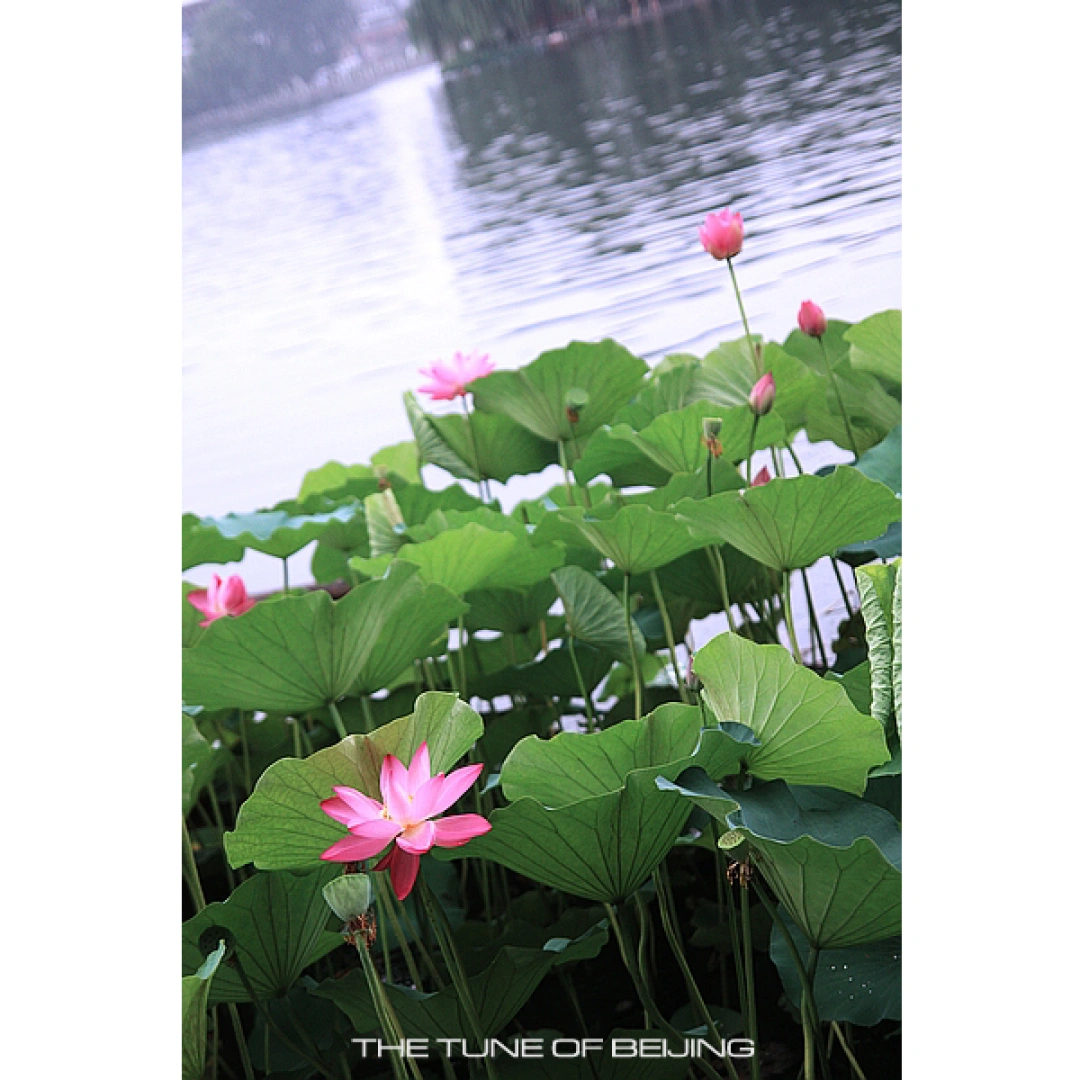
The Accent of Beijing: A Hutong Odyssey in a Downpour – Exploring Beijing's Hidden Charms
Meta Description: Discover Beijing's soul through a rain-soaked hutong odyssey. From Shichahai's melancholy to Mianhua Hutong's philosophy, experience the authentic "accent of Beijing" in this immersive travel story. I'm probably going to laze myself to death. I visited Beijing eight hundred years ago—took the high-speed…
Continue reading...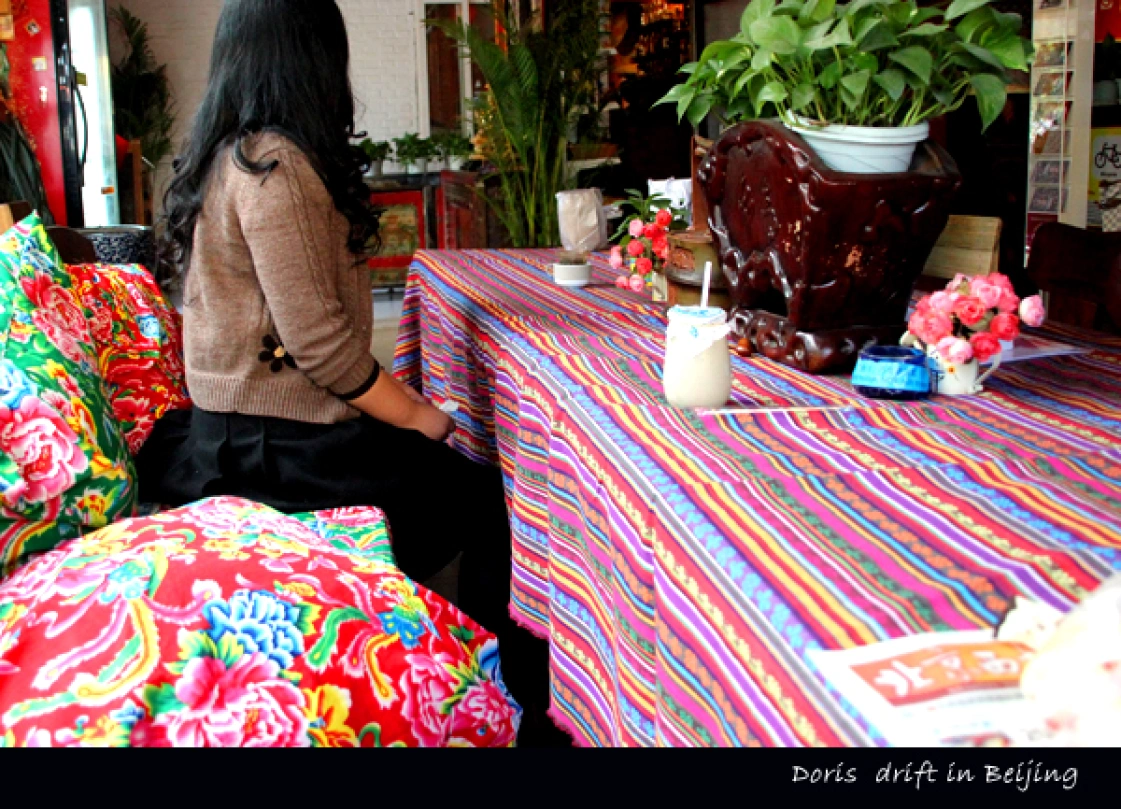
Peking: A Seven-Day Journey Between Old Dreams and New Realities – An SEO-Optimized Travel Guide
Meta Description: Explore Beijing in 7 days: from 798 Art District and Summer Palace to Houhai nightlife and Panjiayuan market. Discover hidden gems, local eats, and travel tips in this SEO-optimized itinerary. Some cities you never set foot in, yet you have painted them in…
Continue reading...