Under the Shadow of the Imperial City: A Five-Day Cycling Journey Through Beijing’s Millennia
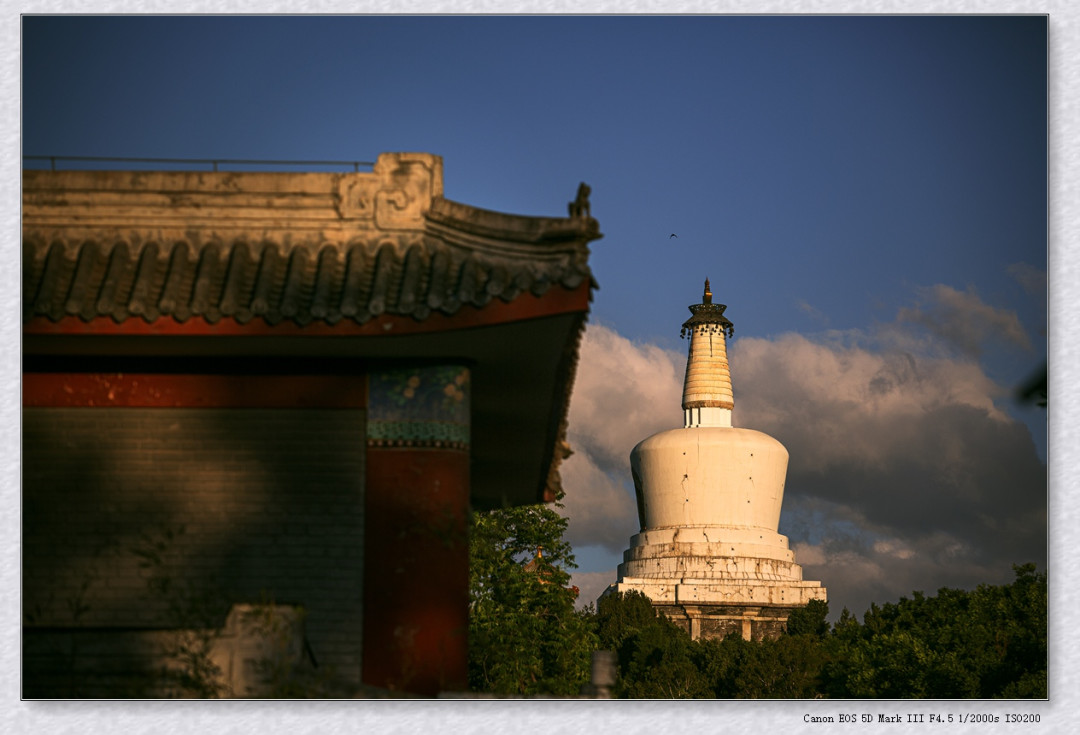
Meta Description: Discover Beijing’s millennia on two wheels. This five-day cycling itinerary takes you from Jingshan Hill’s dawn vistas to the National Museum’s forbidden treasures. Explore hutongs, imperial relics, and modern marvels—one pedal stroke at a time.
Prologue: One Bicycle, Five Days, the Soul of a City
Have you ever wondered what the best way to truly experience a city is? Not the blur of a subway rushing past, nor the fleeting glimpse from a taxi window, but rather the feeling of your legs pushing pedals, wind brushing past your ears, and every inch of pavement becoming a medium for conversation with the city itself?
In May 2025, I did just that—I spent five full days cycling beneath the shadow of Beijing’s old Imperial City walls.
This wasn’t the kind of “checklist” cycling where you race from one tourist attraction to another in a frantic blur. This was genuine wandering. I rode shared bicycles through morning hutong (traditional alleyways), around dusk-lit corner towers, and over ancient flagstones polished smooth by centuries of footsteps, listening to the soft hum of rubber tires against stone.
When I finally opened my cycling app five days later, I was astonished to see that I had traced an almost perfect circle within Beijing’s inner city. Inside that circle lay the golden splendor of the Forbidden City, the smoky warmth of everyday hutong life, the noisy pulse of a modern metropolis, and the whispered secrets of thousand-year-old relics.
This, I think, is Beijing’s greatest charm—it weaves six centuries of imperial majesty together with the heartbeat of the 21st century, all on the same street, in the same dawn, in the same dusk.
[Link: Best time to cycle in Beijing – spring and autumn guide]
Chapter One: The “Half a Park” at Dawn — Jingshan Hill, Where You See a City’s Soul

Six in the Morning, First to the Summit
Beijing’s early mornings belong to those who rise early.
At 5:40 a.m., my alarm went off. I rolled out of bed, washed my face quickly, unlocked a blue shared bike parked outside my hotel, and followed my phone’s navigation through dew-laden streets toward Jingshan.
Chang’an Avenue was nearly empty. The morning breeze carried a slight chill, refreshing against my face. I rode north along Donghuamen Road, and when I passed the corner tower of the Forbidden City, the first rays of sunlight struck the glazed tiles. Golden light mingled with the lingering deep blue of the sky—a sight so beautiful I had to stop.
At exactly 6:00 a.m., I arrived at the entrance of Jingshan Park. Buying a ticket, entering, and hiking up the hill—all in one smooth motion. When I stood beneath the Wanchun Pavilion (Ten Thousand Springs Pavilion), the entire city of Beijing was still asleep, except for a faint reddish glow on the distant horizon.
I was the first person to reach the summit of Jingshan that morning.
At Wanchun Pavilion, Seeing a City’s “Four Faces”
Wanchun Pavilion is the highest point of Jingshan, and also the highest point on Beijing’s central axis. Built in the 16th year of the Qianlong Emperor’s reign (1751), this triple-eaved, four-cornered, pointed-roof pavilion is crowned with yellow glazed tiles trimmed with green. Standing beneath it, you can barely take in its full scale.
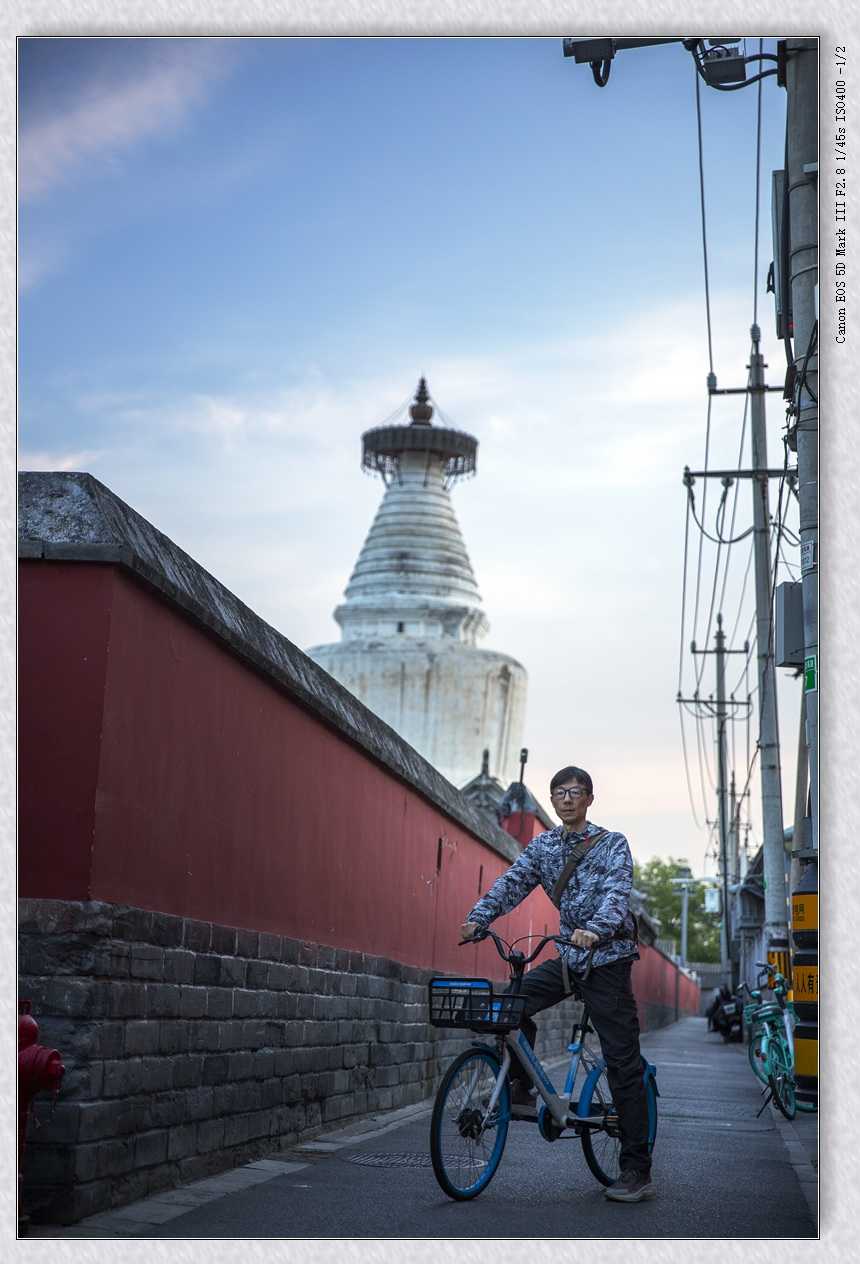
But what truly takes your breath away is the view from here.
- To the east: Skyscrapers rise like giants—the CITIC Tower (Zhongguo Zun) stands proudly at the heart of the CBD, a symbol of modern Beijing.
- To the south: The vast complex of the Forbidden City unfolds before you, its golden glazed tiles shimmering in the morning light like a sea of gold.
- To the north: The Bell Tower and Drum Tower silently tell stories of centuries past.
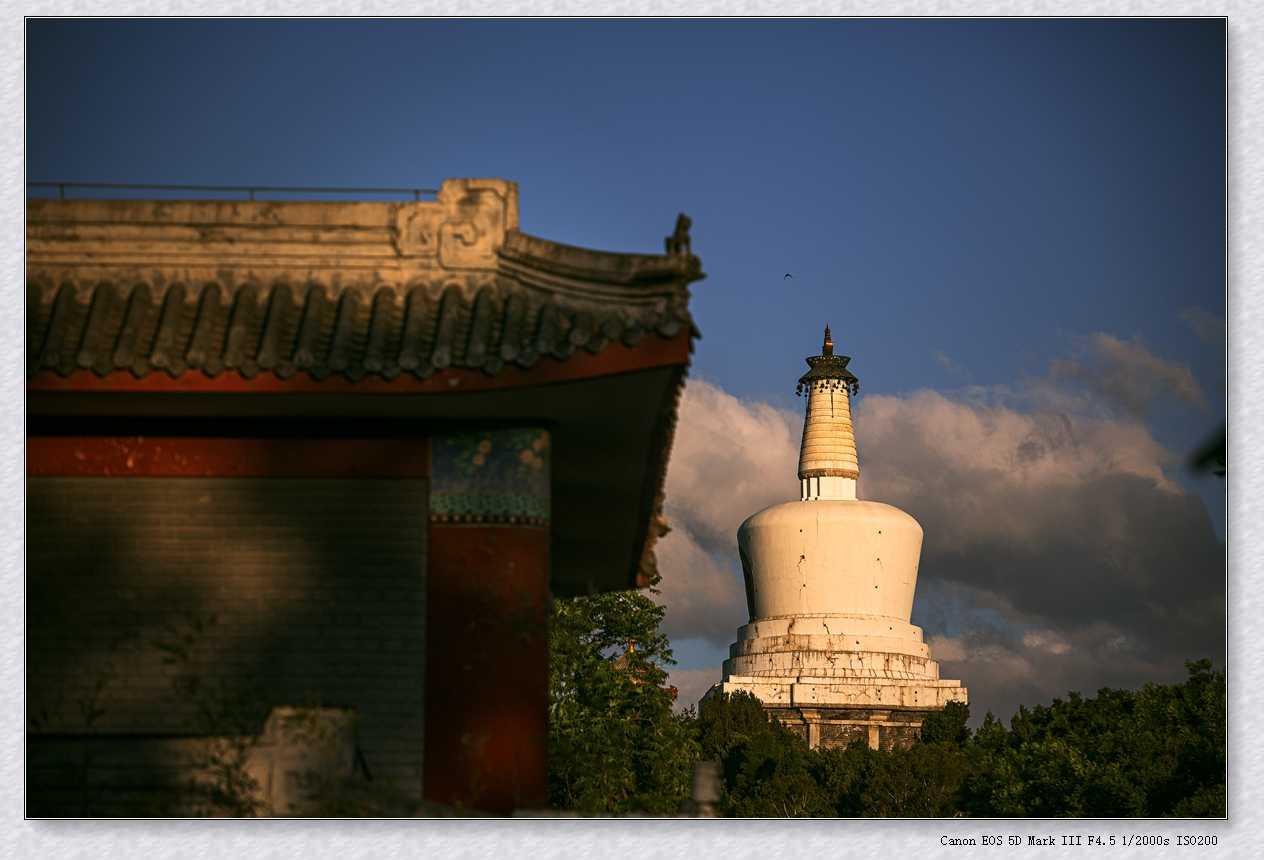
- To the west: The lush green of Beihai Park and the serene white pagoda form a tranquil, timeless painting.
Five directions. Four distinct views. One city.
I stood on Wanchun Pavilion for a long time, watching the sun rise slowly, watching the golden light spread inch by inch across the roofs of the Forbidden City. In that moment, I finally understood what ancient texts meant by “golden and resplendent”—it was a sight so overwhelming it almost took your breath away.
The Forgotten Beauty at the Foot of Jingshan
Many visitors come to Jingshan just to climb to the top for the panoramic view of the Forbidden City, then hurry away. But if you’re willing to linger a little longer and wander at the foot of the hill, you’ll find more surprises.
In mid-May, the peonies and herbaceous peonies in Jingshan Park were still in bloom, with countless flowers showing off their brilliant, captivating colors. White mountain blossoms clustered in the bushes, their fresh fragrance mingling with the mottled bark of ancient pines.
Jingshan is also the place where Emperor Chongzhen hanged himself. Today, two memorial stones mark the spot—one erected in 1930 bearing the inscription “Site Where Emperor Chongzhen Died for His Country,” and another placed in 1944 to commemorate the 300th anniversary of his death. The latter was established during the War of Resistance Against Japan to inspire national spirit and integrity. Standing there, the weight of history presses down on you.
A Tender Interlude: My Father’s Generation
This trip to Beijing had another purpose besides travel—a “mission” of sorts: accompanying my father to reunite with his old colleagues from his time in the capital.
In the 1970s, as a young man, my father had worked in Zhongnanhai, the central government compound, and built deep friendships with many colleagues. More than five decades had passed, yet these bonds had not faded. If anything, they had grown more precious with time.
We arranged to meet one of his colleagues at Jingshan. As the sun set, the hill grew dim, but that couldn’t dim the emotions of these two old friends. Half a century of friendship poured out in simple, unadorned conversation—exchanging greetings, sharing concerns.
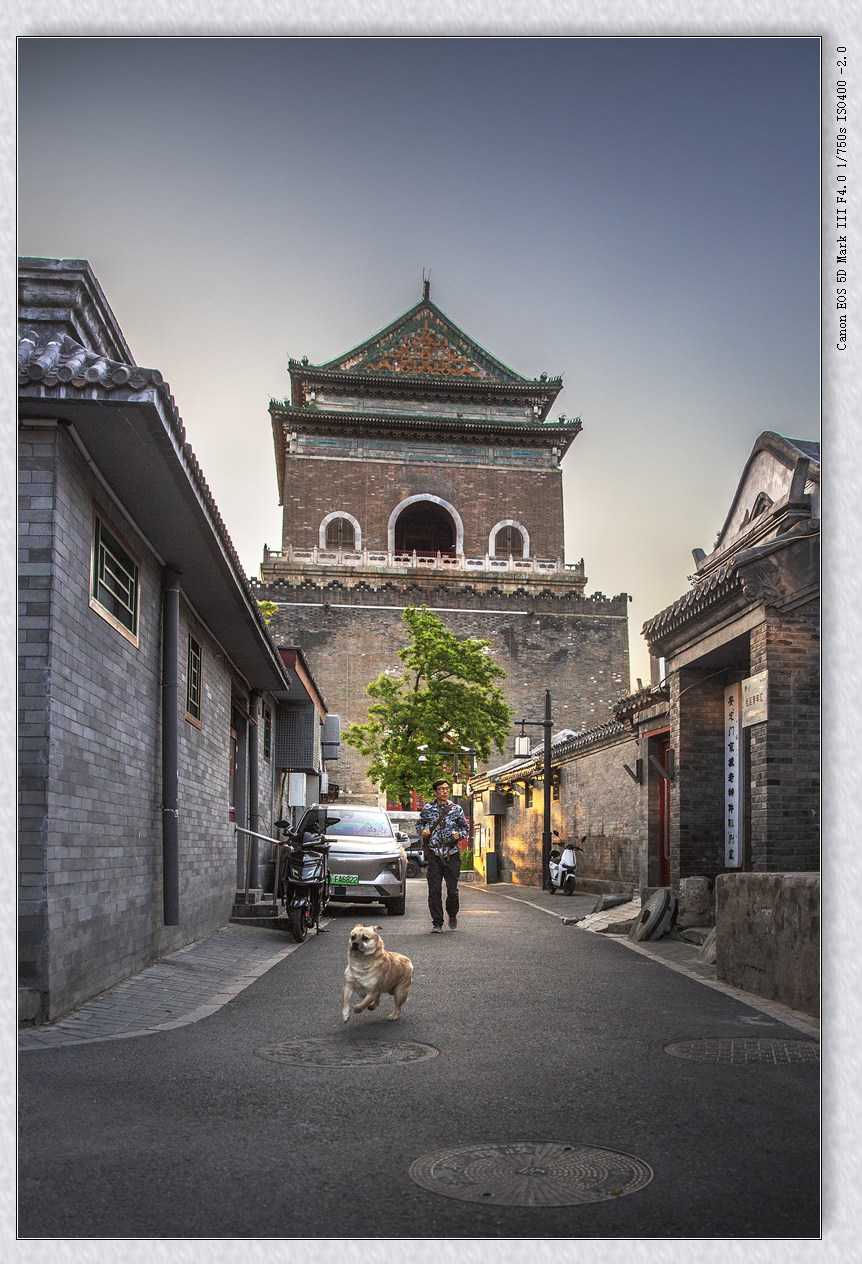
I suggested, “Uncle Zeng, let’s take a photo together.”
And so, that moment was forever captured.
Here, I offer my deepest respect to the older generation—those who witnessed the founding of New China, endured the trials of the Cultural Revolution, and saw the country’s development. May they enjoy health and long life.
[Link: Exploring Beijing’s hutongs on a bike – a local’s guide]
Chapter Two: One Museum, Half of Chinese History — Treasure Hunting at the National Museum
Booking a Ticket to the National Museum: Harder Than Concert Tickets
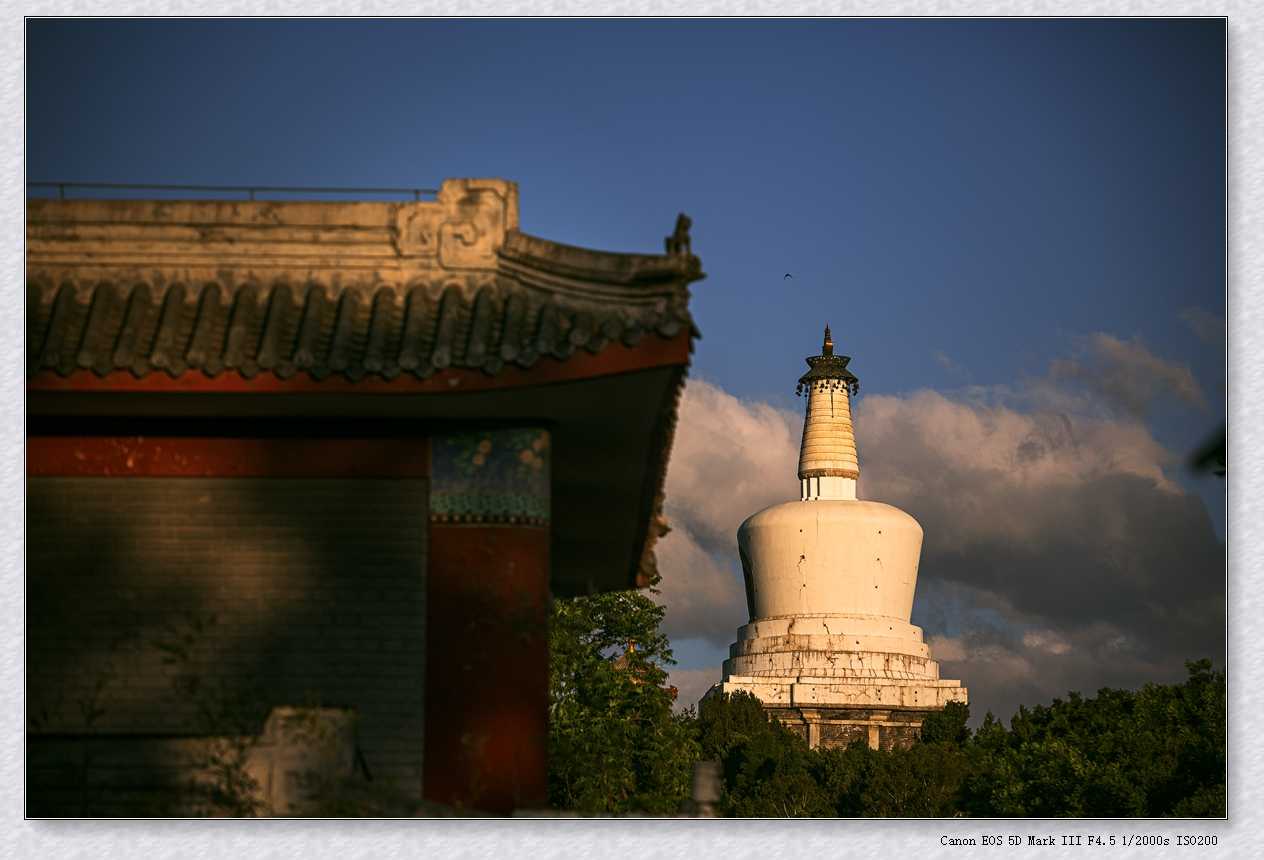
If you think visiting the National Museum of China is as simple as “buying a ticket and walking in,” you’re sorely mistaken.
China’s major museums now enforce a reservation system with limited daily capacity. Successfully securing a slot is something to celebrate. Our “National Museum adventure” went smoothly—we booked seven days in advance, waited online at 5:00 p.m., snagged our tickets without a hitch, and entered without any trouble.
Though the museum was busy, it wasn’t crowded. We were able to admire the priceless artifacts spanning thousands of years in a quiet, orderly environment.
Hunting Down 19 “Banned-from-Export” National Treasures
As of 2025, China had designated 195 artifacts as “national treasures banned from export.” The National Museum holds one-eighth of them—a full 24 pieces. My mission was to photograph all 24.
In the end, I managed to capture 19. The five I missed? The “Crane and Fish Stone Axe Painted Pottery Jar” was in storage for conservation; the “Tianwang Gui” (a bronze ritual vessel) was on tour with an exhibition; the Sui dynasty “Small Green Glass Bottle” and “Green Glass Covered Jar” were in the ancient bronze mirror hall; and the “Ivory Comb with Carved Spiral Patterns” was in the ancient Chinese costume gallery. All details I learned only later.
Now, let me take you on a treasure hunt spanning millennia.
The “Houmuwu” Bronze Square Ding — King of Bronzes, Guardian of the Nation
Period: Reign of King Wuding of the Shang Dynasty
Excavated: 1939, Wuguan Village, Anyang, Henan Province
The “Houmuwu” Bronze Square Ding—once known as the “Simuwu Ding”—weighs a staggering 832.84 kilograms. It’s the heavyweight champion of all ancient Chinese bronze vessels, the undisputed “King of Bronzes.” Its sheer size and intricate casting technology from over 3,000 years ago leave every visitor in awe. This artifact alone is worth the trip to the National Museum.
Other Must-See Banned Treasures
- The “Qin Stone Drums” – Ten granite boulders carved with poems from the Warring States period, considered the earliest known stone inscriptions in China.
- The “Jade Burial Suit Sewn with Gold Thread” – A complete suit of jade pieces linked with gold wire, used by Han dynasty nobility to preserve the body in the afterlife.
- The “Tang Dynasty Sancai Glazed Pottery Horse” – A life-sized ceramic horse with vibrant three-color glaze, representing the pinnacle of Tang dynasty ceramic art.
Each of these treasures tells a story of innovation, artistry, and the enduring spirit of Chinese civilization.
[Link: Top 10 national museums in China – a cultural travel guide]
Frequently Asked Questions (FAQ)
1. Is it safe to cycle in Beijing as a tourist?
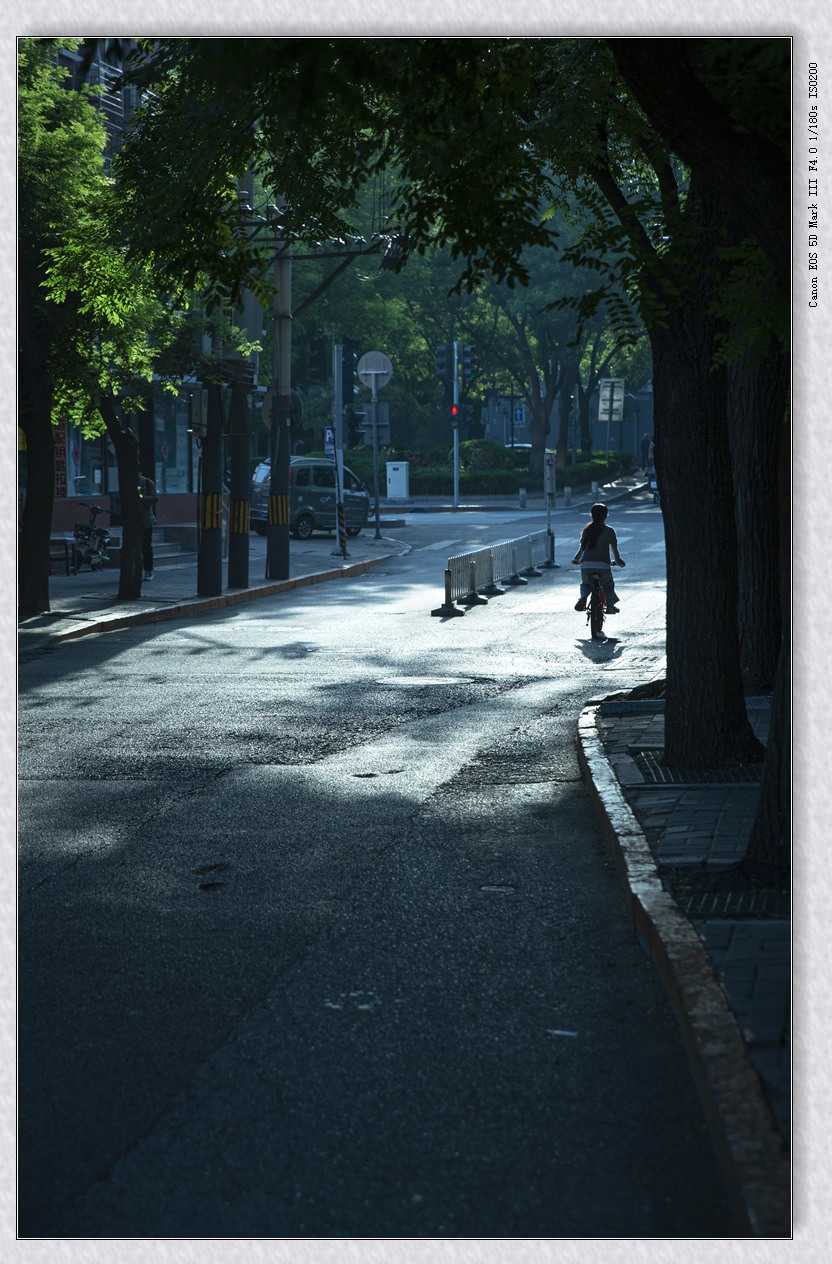
 Yes, Beijing is generally safe for cyclists. Stick to dedicated bike lanes on major roads, avoid rush hour (7:00–9:00 a.m. and 5:00–7:00 p.m.), and use shared bikes from reputable companies like Mobike or Hellobike. Always lock your bike when parked.
2. How do I book tickets for the National Museum of China?
Reservations are mandatory. Visit the official website or WeChat mini-program up to seven days in advance. Slots open at 5:00 p.m. daily, and they sell out fast—especially on weekends and holidays. Bring your passport for entry.
3. What is the best time of year to cycle in Beijing?
 Spring (April–May) and autumn (September–October) offer the most pleasant weather—mild temperatures, low humidity, and clear skies. Summer can be hot and humid, while winter is cold with occasional snow.
4. Are there bike rental stations near Jingshan Park?
Yes. Shared bikes are widely available near Jingshan Park entrances and along major roads like Chang’an Avenue. You can also find rental shops near the Forbidden City’s north gate. Download a bike-sharing app (e.g., Mobike) before your trip.
5. Can I cycle inside the Forbidden City?
No. The Forbidden City does not allow bicycles inside. You must park your bike at the designated racks outside the gates. However, cycling around the moat and the outer walls is a popular and scenic route.
Conclusion: Your Beijing Cycling Adventure Awaits
Five days. One bicycle. A city that spans millennia.
From the golden rooftops of the Forbidden City seen at dawn from Jingshan Hill, to the awe-inspiring bronze ding at the National Museum, every pedal stroke brought me closer to the soul of Beijing. This isn’t just a travel itinerary—it’s an invitation to slow down, breathe in the history, and feel the pulse of a city that refuses to be defined by any single era.
Ready to plan your own Beijing cycling journey? Start early, book your museum tickets in advance, and leave room for spontaneous detours into hidden hutongs. The imperial city is waiting—and it’s best explored on two wheels.
Share your own cycling story in the comments below, or tag us on social media with #BeijingOnTwoWheels. Let’s keep the conversation rolling!
[Link: Complete Beijing travel guide – attractions, food, and tips]
You should also read:
Strolling Through Fragrant Beijing: The Imperial City of Crimson Walls and Azure Tiles – A Complete Travel Guide
Meta Description: Explore Beijing's Forbidden City, Temple of Heaven & hidden hutongs in this SEO-optimized travel guide. Walk 60km through crimson walls & azure tiles with insider photography tips. Plan your imperial city adventure today. "My Beijing City" plays on repeat as I write this—the…
Continue reading...
Beijing Travel Guide: A Personal Journey Through Smog, History, and Hidden Stories
Meta Description: Discover Beijing beyond the tourist traps. This personal travel story explores hutong culture, historical sites, and local secrets—from Jingshan Park to Yuanmingyuan. Perfect for travelers seeking authentic experiences. Beijing. The name alone conjures images of smog-shrouded skylines, the majestic Forbidden City, labyrinthine hutong…
Continue reading...
Seeking · Encountering · Autumn in Beijing: Your Ultimate Guide to Beijing’s Most Stunning Fall Scenery
Meta Description: Discover Beijing’s best autumn destinations beyond Fragrant Hills. From Tsinghua University’s golden ginkgo avenue to Dajue Temple’s millennium-old tree, plan your perfect fall escape with our expert guide. Autumn in Beijing is more than a season—it’s a grand farewell. When the summer heat…
Continue reading...