Wandering Beijing's Hutongs: A Spring Festival Journey Through Lost Time in the Capital's Ancient Alleys
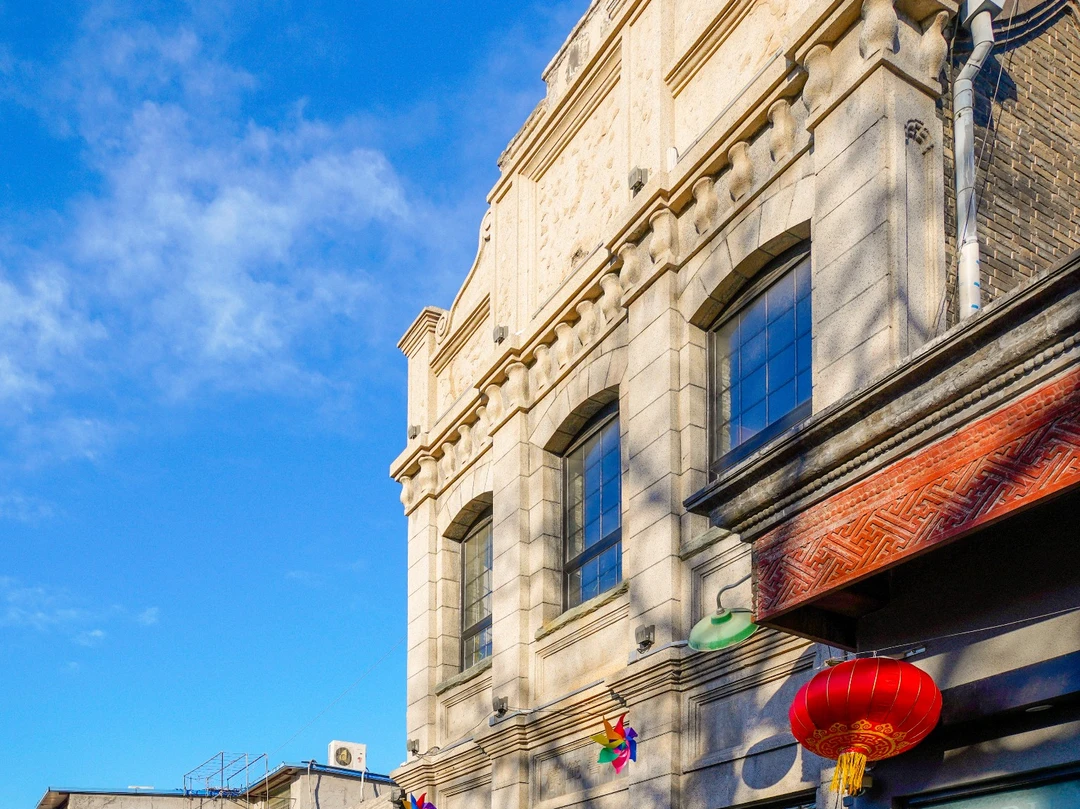
Meta Description: Discover the soul of old Beijing this Spring Festival. Explore quiet hutongs, silent Forbidden City views, and local life in Houhai. A personal guide to finding lost time in Beijing's most authentic neighborhoods.
Introduction: The Ritual of Returning Home
Spring Festival always stirs a mix of anticipation and quiet reflection. For those of us born in the 80s, it's no longer about new clothes or red envelopes. It's a ritual—a gentle reminder that time has slipped away once again. Last Spring Festival, I finally returned to my long-missed "hometown"—Beijing. I say "hometown" with quotation marks because I've never actually left this city. But trapped in high-rise cubicles, caught in the endless cycle of overtime and commuting, I drifted further from the corners that truly carry Beijing's soul.
So I decided to give myself a real break. Not by scrolling through my phone at home, or squeezing into temple fair crowds. Instead, I spent five days slowing down, stepping into those alleyways polished smooth by time—the hutongs. I wanted to get to know this place I thought I knew so well, yet felt strangely unfamiliar with.
Why Beijing Hutongs Matter During Spring Festival
Some might ask: Aren't you a Beijing native? Haven't you had enough of the hutongs? The truth is, not all Beijingers grew up in hutongs. This city changes too fast; high-rises spring up like bamboo shoots after rain. People of my generation mostly spent our youth in apartment blocks and office cubicles. To us, hutongs were more like a symbol from textbooks, or a sentiment from movies and TV dramas.

But I know that hutongs are the soul of Beijing. They aren't as grand as the Forbidden City, nor as spectacular as the Great Wall, but they hold the most genuine 烟火气 (the lively essence of everyday life). Hutongs during Spring Festival are especially unique—fewer tourists, more peace and tranquility. Taking advantage of this rare moment when the city empties out, I embarked on a "slow tour" to refresh my memories of this city.
[Link: Best time to visit Beijing hutongs for quiet exploration]
Preparation for a Winter Hutong Walk
What to Wear: The Late-Spring Chill Is No Joke
Although spring had officially begun in Beijing, the late-spring chill was particularly fierce this year. It even snowed on the second day of the Lunar New Year, with the high temperature hovering around freezing. Spending a whole day outdoors meant warmth was the top priority. Hat, scarf, gloves, thick down jacket—none could be missed. Especially the head and feet; if they get cold, a cold will find you.
Getting Around: The Subway Is King
The hutongs are mostly concentrated in Dongcheng and Xicheng districts, where parking is a nightmare. This time, I didn't drive at all—just the subway and walking. Beijing's hutongs are densely packed, and the subway reaches almost all of them, making it very convenient. Besides, wandering through the streets and alleys is meant to be measured on foot.
[Link: Beijing subway guide for hutong districts]
Photography Gear: Sony Full-Frame Mirrorless
As an independent photographer, a camera is always with me. This time, I brought my Sony A7R III, with three lenses: - 16-35mm F4 ZA (wide-angle for architecture) - 70-200mm F4 G (telephoto for details) - 35mm F1.4 ZA (prime for street photography)
Two zooms and one prime made switching easy. Battery life held up well even in the cold, and the image quality and wireless sharing features were a joy to use.
Walking the Forbidden City Line: When a 600-Year-Old Imperial City Falls Silent
The Forbidden City was indeed a hot spot this Spring Festival, with "Spending the New Year in the Palace" becoming the trendiest phrase. But did you know that on New Year's Eve, the Forbidden City is closed? On that day, the entire imperial city falls into an almost surreal silence.
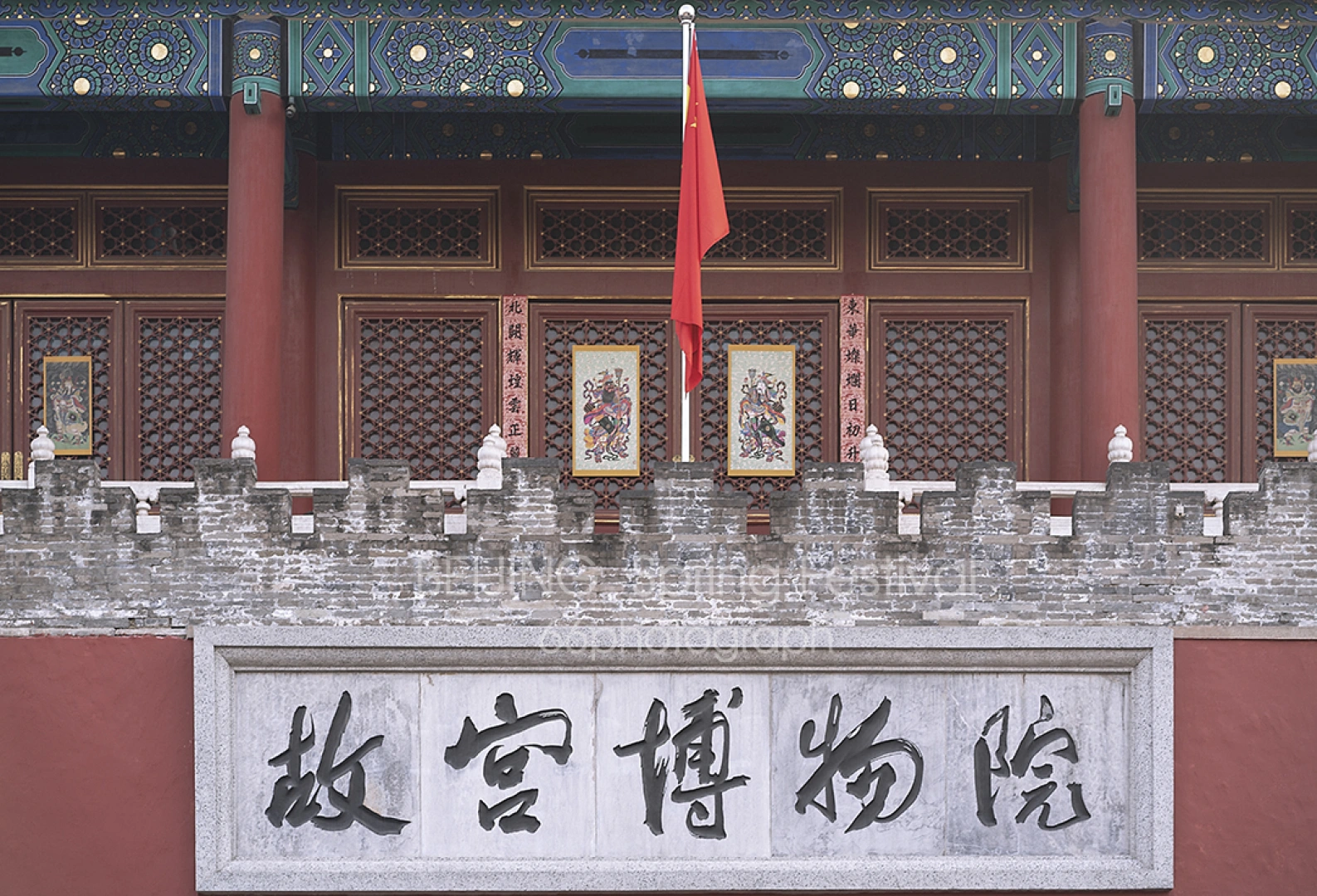
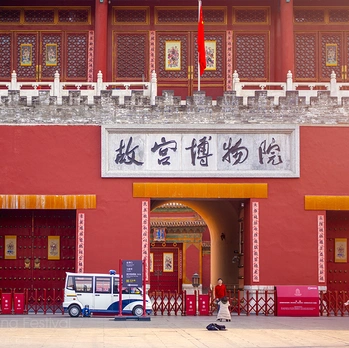
I deliberately chose this time to start strolling from the Gate of Divine Might (Shenwu Men) . The usually crowded entrance now had only a handful of tourists taking photos. I looked up at the towering gate and silently thought: Forbidden City, you've been busy for over 600 years, and soon you'll welcome another 400,000 frantic visitors. You've truly earned a rest.
The sun was lovely, so I walked slowly along the Moat (Tongzi He) . The northeast corner tower is a great spot for sunset shots, and today, only one foreign friend was filming a time-lapse video. The ice on the moat was still frozen solid, and I couldn't help imagining whether people in the palace used to slide on the ice during winter in ancient times.
From the Gate of Divine Might to the Meridian Gate (Wu Men) , I chose the road along North Pond (Beichi Zi) . Though called a street, it felt more like a large hutong. Both sides were lined with traditional gray-brick residential houses, so understated they were comforting. There were almost no cars, and occasionally a taxi would pull over, instantly bringing out that "Beijing flavor." If only there had been an old man sitting by the roadside soaking up the sun—it would have been perfect.
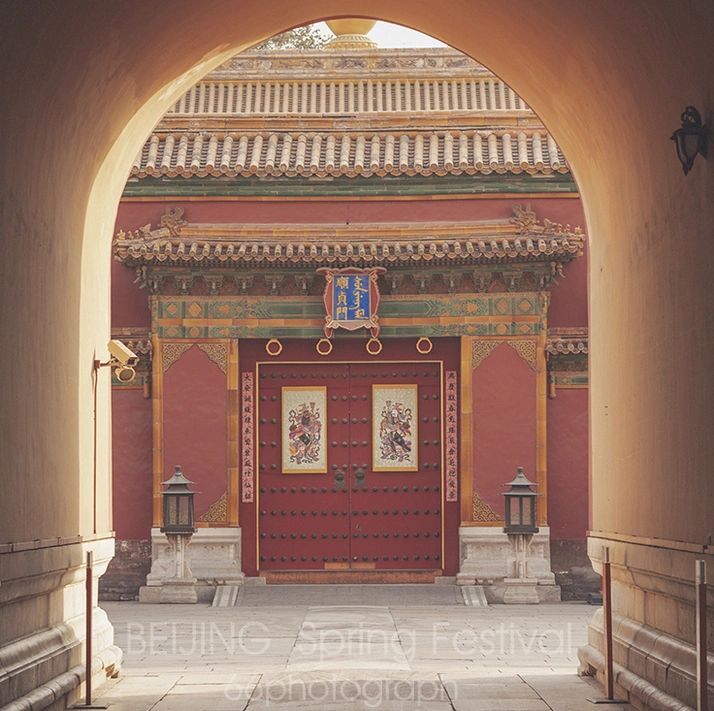
I turned left at the East Flowery Gate (Donghua Men) and headed straight for the Meridian Gate. The square in front of the Meridian Gate was completely empty, with only the tall red walls and golden glazed tiles shimmering in the sunset light. At that moment, I truly felt the majesty of the Forbidden City—the emperor looking down from on high, the imperial city clearly separated from the outside world. The sun was perfectly positioned above the city wall, a beam of light "splitting" the entire structure. The spectacle was something no photograph could ever convey.
Near the Meridian Gate, two flocks of pigeons were circling, and little sparrows were pecking at the ground. They were the ones I truly envied—they live in the Forbidden City 365 days a year, without tickets or queues.
Tip: If you want to see a quiet Forbidden City, take a walk to the Meridian Gate square after it closes in the evening. You'll see a completely different imperial city.
[Link: Forbidden City ticket booking and quiet hours]
Walking Around Houhai: The Warmth of Everyday Life
Houhai and Shichahai are among Beijing's most famous spots, but also where old Beijingers live. Why choose here? First, other attractions are too crowded; second, after several rounds of renovation, some bars around Houhai have been closed, restoring the historical and cultural area to its proper appearance.
Walking along the lake, you'll find that Houhai is surrounded by many hutongs. Winter makes Houhai especially quiet—fewer tourists, the ice carts gone, leaving only the clear lake surface shimmering coldly in the winter wind. I love this cool color palette; it perfectly matches the winter atmosphere.
There are many "native" residents here, each bundled in thick padded coats, moving quickly with short, brisk steps. Their way of greeting each other is: "Hello, where are you off to today?" That authentic Beijing accent sounds so familiar and warm.
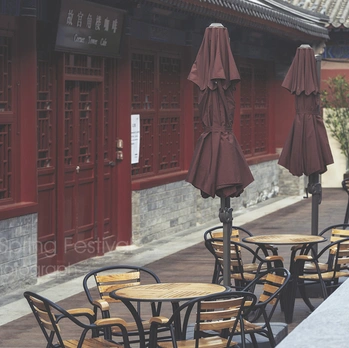
Of course, Houhai isn't completely lonely. The winter-swimming uncles are splashing in the water, no matter how cold it gets. Across the way, Duck Island is even livelier—a group of ducks frolicking on the water. Spring is coming, and their spirits are high.
As dusk approached, the sun set from the southwest, pulling the cool tones of Houhai's sunset back into warm hues. I love shooting silhouettes and reflections. At that moment, time seemed to stand still.
After watching the sunset, I ducked into Mao'er Hutong (Hat Alley) , just one street away. It got its name from a hat-making workshop during the Qing Dynasty, and now you can still see many traditional Beijing courtyard houses (siheyuan). As the sun set, I shot as much as I could—you never know how much of this scenery will remain when the year turns.
[Link: Best hutongs near Houhai for photography]
Walking North Luogu Lane: The Serenity Behind the Hype
When people think of old Beijing, they often think of South Luogu Lane (Nanluoguxiang) . But honestly, the commercial development there has reached its peak, with tourists packed so tightly it's suffocating. I chose the opposite—North Luogu Lane (Beiluoguxiang) .
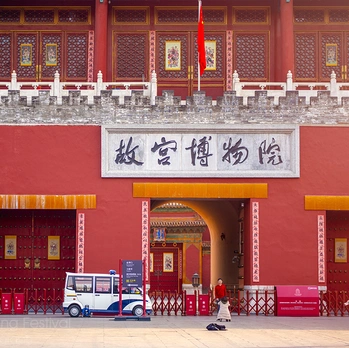
North Luogu Lane offers a quieter, more authentic experience. Here, you'll find fewer souvenir shops and more local life. Old men play chess under bare trees. Cats nap on courtyard gates. The pace is slower, the air cleaner. It's the perfect place to wander without a map, letting the narrow alleys guide you.
This is where you truly feel the Beijing hutong culture—the sense of community, the shared courtyards, the laundry hanging between buildings. It's not a museum piece; it's a living neighborhood.
[Link: South vs North Luogu Lane – which to visit]
FAQ: Exploring Beijing Hutongs During Spring Festival
1. Are hutongs open during Spring Festival?
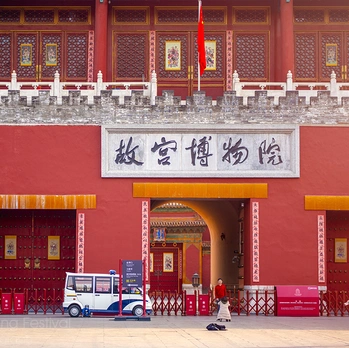 Yes, most hutongs are public alleyways and remain open 24/7. However, some courtyard houses (siheyuan) are private residences and not open to visitors. Shops and cafes may have reduced hours during the holiday period.
2. What is the best time to visit hutongs in winter?
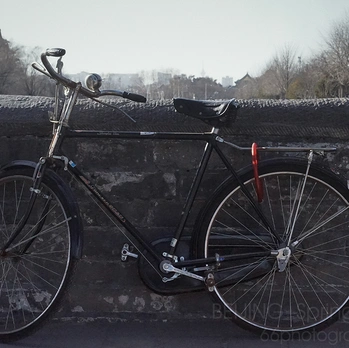 Early morning (8-10 AM) and late afternoon (3-5 PM) offer the best light for photography and fewer crowds. The golden hour around sunset is particularly magical for capturing the warm tones of gray brick and red walls.
3. Which hutongs are least crowded during Spring Festival?
North Luogu Lane, Mao'er Hutong, and the alleyways around the Forbidden City moat are significantly quieter than South Luogu Lane or Wangfujing. The area near the Meridian Gate after closing time is almost empty.
4. Can I take photos inside hutongs?
 Yes, photography is allowed in public spaces. However, be respectful of residents' privacy—avoid photographing people without permission, especially through windows or open doors. Many locals are happy to chat if you ask politely.
5. What should I eat while exploring hutongs?
Look for small local eateries serving jianbing (savory crepes), baozi (steamed buns), or hotpot. During Spring Festival, some families sell homemade snacks from their windows. Try tanghulu (candied hawthorn skewers) for a festive treat.
Conclusion: Finding Lost Time in Beijing's Hutongs
Walking through Beijing's hutongs during Spring Festival reminded me why I love this city. It's not the skyscrapers or the shopping malls. It's the quiet moments—the sun setting over the Forbidden City moat, the winter-swimming uncles at Houhai, the cats napping on ancient doorsteps.
If you're visiting Beijing, or even if you're a local who's forgotten what makes this city special, I urge you to take a hutong walk. Leave your phone in your pocket. Let the narrow alleys guide you. You might just find the lost time you've been looking for.
Ready to explore Beijing's hidden corners? Start your journey at the Forbidden City moat at sunset, then wander north toward Houhai. Pack warm clothes, bring a camera, and leave your expectations behind. The hutongs are waiting.
[Link: Book a guided hutong walking tour] [Link: Download our Beijing Spring Festival itinerary PDF]
You should also read:
From Hong Kong to Beijing: Two Weekends, A Journey Through Late Summer and Early Autumn in the Capital
Here is the SEO-optimized article based on your source material, crafted for a travel and lifestyle blog. SEO Title: Hong Kong to Beijing: A Late Summer & Early Autumn Weekend Travel Guide Meta Description: Escape the humidity of Hong Kong for the crisp air of…
Continue reading...
Two Fools Roam North: A Graduation Trip Through Beijing's Heartbeat – An SEO-Optimized Guide
Meta Description Discover how a nearly-broken friendship sparked an unforgettable Beijing graduation trip. From Haidilao hot pot to the Summer Palace, follow two fools roaming north in this heartfelt travel story. There's something magical about a friendship that nearly ended—only to rise from the ashes…
Continue reading...
My Craft Beer Journey: Starting from Beijing – A Beginner’s Guide to China’s Craft Beer Scene
Meta Description: Discover how one IPA in Beijing sparked a craft beer obsession. From Slow Boat Brewery to hidden hutong bars, explore China’s best craft beers, tasting tips, and bar recommendations for beginners. My understanding of beer used to be summed up in one word:…
Continue reading...