When the World Paused: My COVID-19 Diary of 2020 – A Personal Reflection on Lockdown, Loss, and Resilience
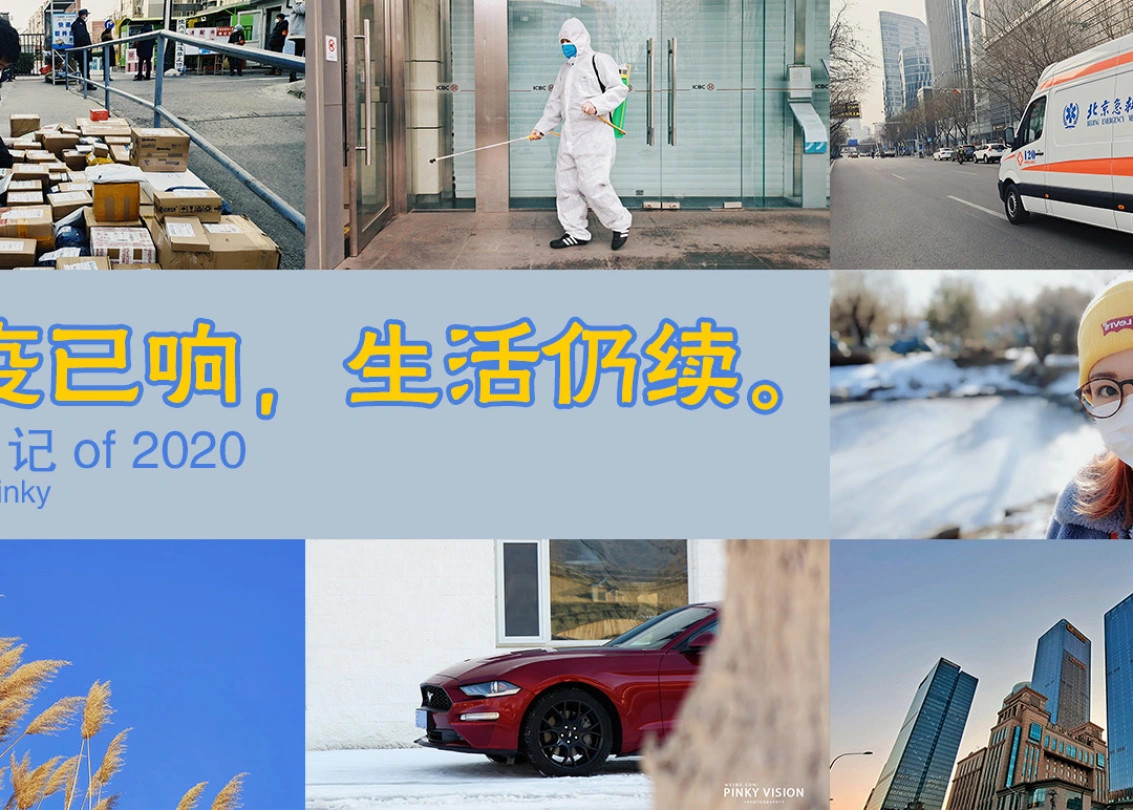
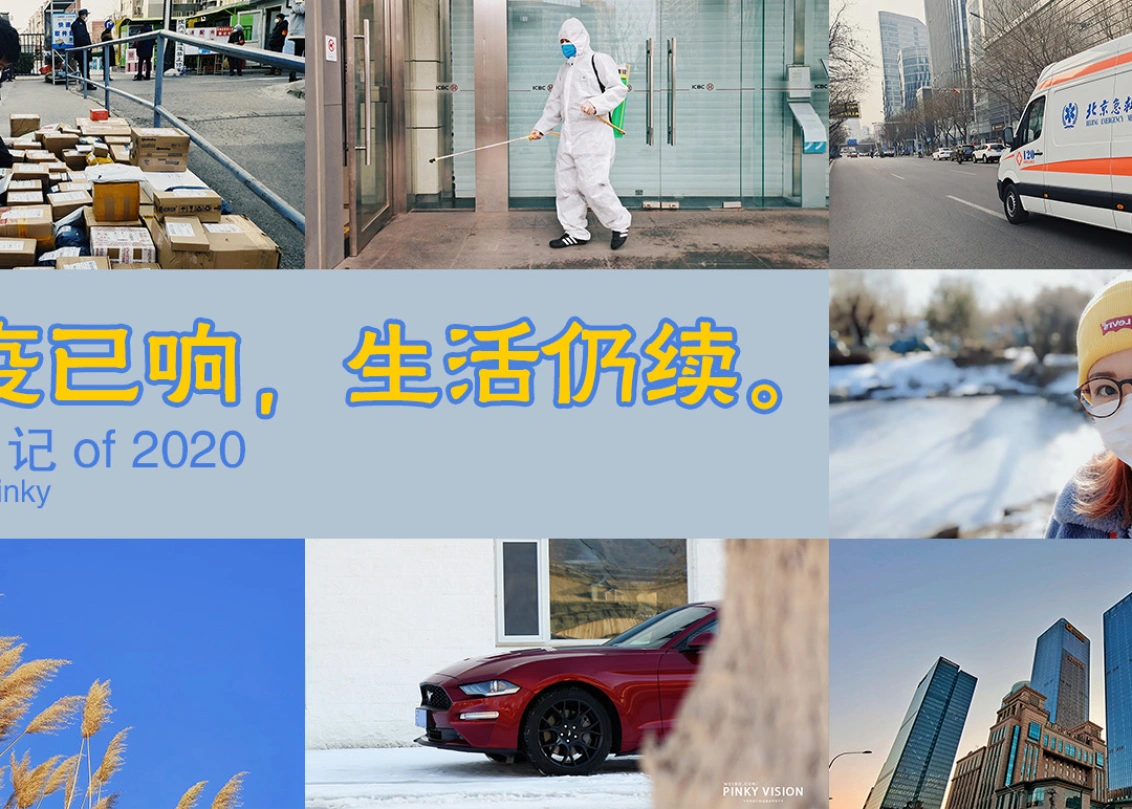
Meta Description: Relive the early days of the pandemic through a photographer's diary. Explore COVID-19 lockdown reflections, Wuhan's heroes, and how ordinary life changed forever in 2020.
Introduction: The Longest Winter
It felt like the longest winter of our lives. One month stretched into what seemed like half a year. When the coronavirus outbreak began in mid-January 2020, emotions swung wildly—like a faulty heart monitor. Scrolling through endless news feeds, mood plummeting and spiking with each headline, many wondered if they were spiraling toward depression.
But then something shifted. Life didn't stop—it just changed tempo. The frustration of being confined indoors was real, but emotions stabilized. Time, after all, never truly freezes. And life, stubborn as it is, pushes forward.
In this war against the virus, everyone fought in their own way. But the real heroes? The medical workers and support staff on the front lines. Some paid the ultimate price. Dr. Li Wenliang, an ophthalmologist at Wuhan Central Hospital, was only 35 when he succumbed to the infection. Dr. Huang Wenjun, deputy director of respiratory medicine at Xiaogan Central Hospital, was 42. Dr. Xia Sisi, a gastroenterologist at Wuhan's Caidian District People's Hospital, was just 29. These weren't just doctors—they were pillars of their families, new parents, sons and daughters. They chose to stand in harm's way because their country needed them. Ordinary people who became extraordinary heroes. We must never forget them.
[Link: How to honor frontline workers during a pandemic]
My Unexpected Winter Sanctuary: Finding Peace in Lockdown
From Chinese New Year through the following month, I barely left my house. Friends kept asking, "Aren't you going stir-crazy? You're always traveling!" But honestly? After spending so much time on the road, staying home felt like a luxury.

I'm a workaholic by nature—if I take time off and don't return to work promptly, guilt sets in. This time, I told myself that staying indoors was my contribution to the nation. That made it feel justified.
This isn't a dramatic war report from the front lines. I'm not in the epicenter. This is just my ordinary life, documented simply. I'm not here to shout slogans—there's enough of that in the news. I just want to record this strange, unforgettable chapter we're all living through.
[Link: Tips for work-from-home productivity during lockdown]
Who Am I? A Travel Photographer's Pandemic Pause
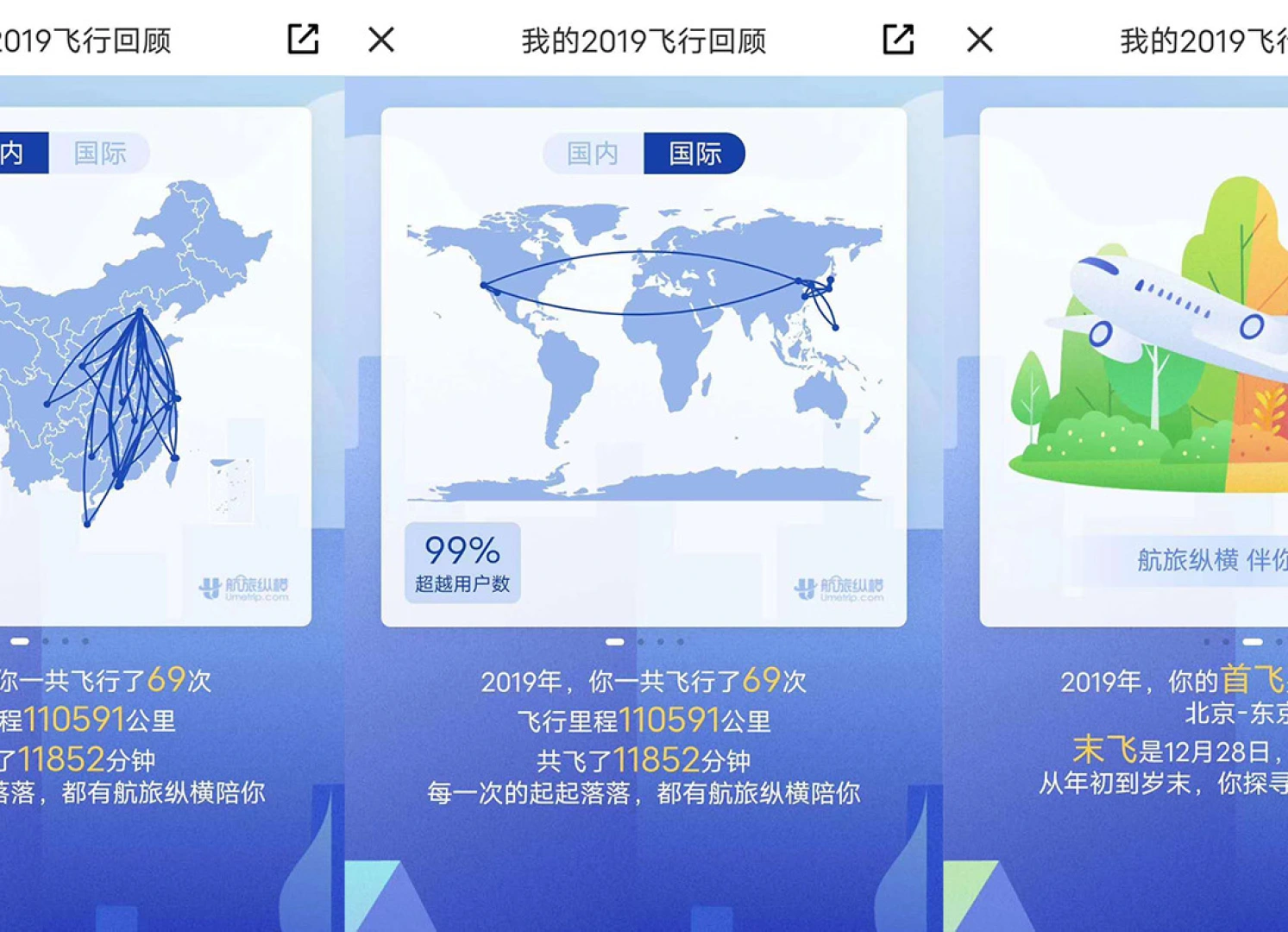
My name is Pinky. I'm a professional photographer and travel blogger. I know what you're thinking—"You get paid to travel? That's the dream!" And yes, it sounds glamorous. But the reality? Last year, I took 70 flights. I was exhausted. Even when I was home, I'd stay up until dawn editing photos and writing articles. Getting quality sleep was nearly impossible. I often told my mom I slept better on planes than in my own bed. Not because my bed is uncomfortable—I just never had time to use it.
My biggest wish for Chinese New Year was to lie around doing absolutely nothing. Just rest. Sleep. Recharge. And guess what? That wish came true. Exceedingly so.
On January 3rd, I returned from my last trip of 2019—a photography assignment in Japan—and decided to give myself a real break. For the two weeks before the outbreak exploded, my clients had little work for me. I used that time to wrap up loose ends. In the midst of the pre-holiday chaos, I even bought a new car (because apparently I thrive on stress). Being an Aries, I move fast. I had to handle all the paperwork—license plates, registration—before the holiday shutdown. Otherwise, I couldn't legally drive it during the break, and I wanted to break in the engine properly.
I caught up with friends, tackled long-procrastinated errands, and attended client year-end parties. Everything felt normal until January 19th. Then the world turned upside down.
[Link: How travel bloggers adapted during COVID-19]
January 21: The City Goes Silent – A COVID-19 Diary Entry
On the 19th, everyone was still obsessing over the Mercedes woman incident and the doctor attack. The official line? The virus was "controllable and preventable." By the 20th, everything exploded. Beijing confirmed two cases in Daxing District. Information flooded in from all directions—truth mixed with fiction, and we swallowed it all. But even then, I didn't fully grasp the severity.
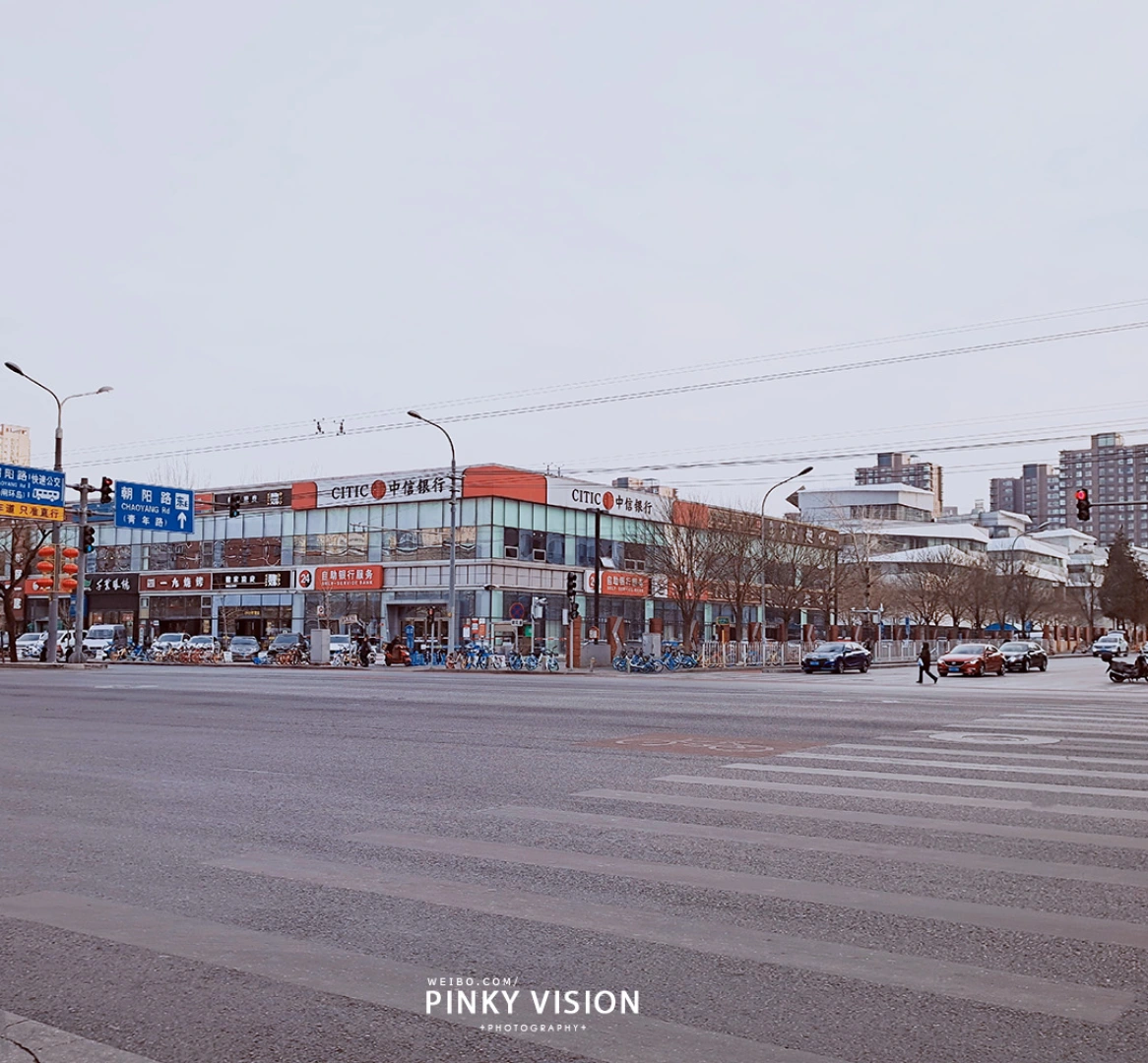
I heard my favorite coffee shop was closing for its last day before the holiday. I craved a Flat White or a Dirty—milky, rich coffee goodness. Since the shop would be closed for New Year, I wanted to stock up on caffeine memories. The streets were eerily empty, which is actually one of the things I love about Beijing during Spring Festival. No traffic. No crowds.
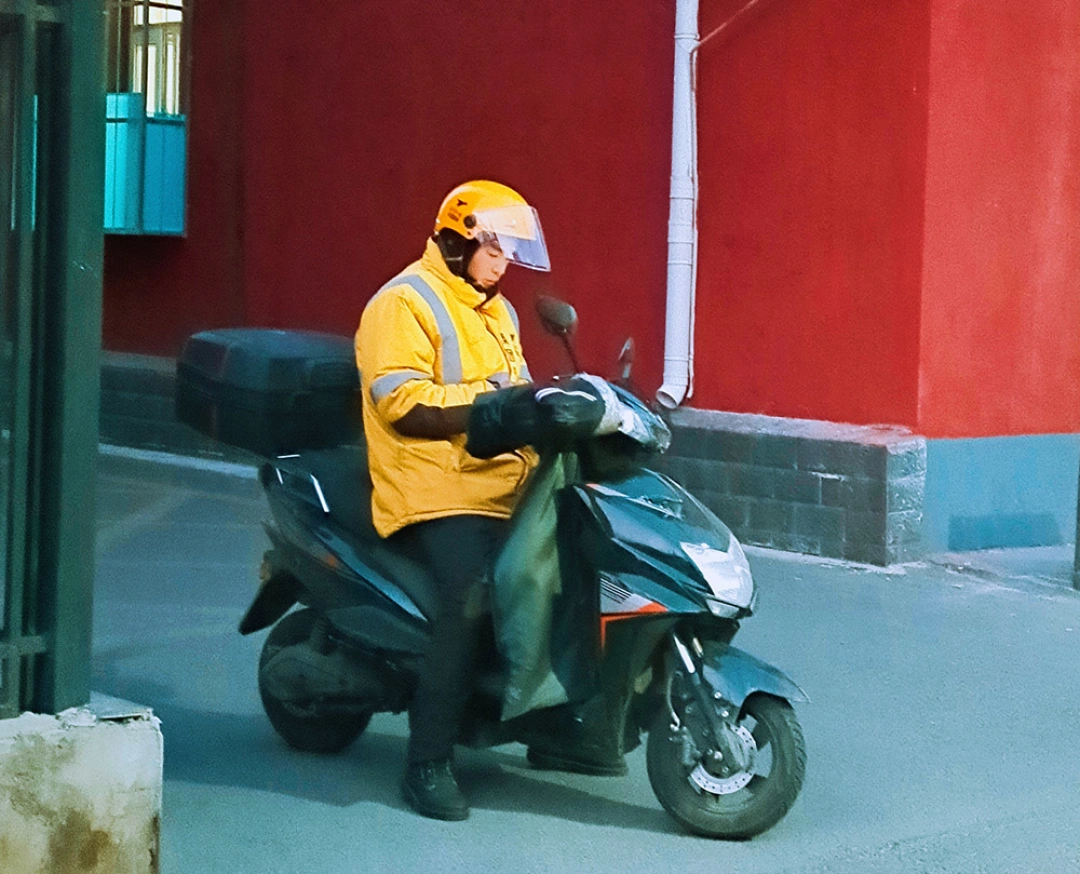
I detoured to the community service center to sort out my social insurance issue (still unresolved). My photo walk that day had a theme: yellow. My little yellow cap came from Japan earlier that month. I was grateful that some delivery drivers and couriers were still working through the holiday. My go-to cafe, Flat White, makes the best coffee in their chain. They froth milk to perfection—sweet and creamy. I'm a milk coffee lover, so quality matters. Their Dirty uses oat milk, which is divine.
Back home, I saw the news: Wuhan was in crisis. The virus was spreading rapidly. Then it hit me—hadn't I been in Wuhan last month? With 11 flights in one month, my brain was scrambled. I checked my records: December 4th to 6th. I was there for a brand launch event. Luckily, our hotel was in a remote area—too far to bother going downtown for 小龙虾 (crayfish). We'd wanted to visit our favorite spot, but it was 10 kilometers away, and a friend said it wasn't the right season anyway. We just photographed a bridge, bought two drinks at a convenience store, and stayed in the hotel. December was early, but still—chilling to think about.
Beijing confirmed 10 cases that day.
[Link: What to do if you think you've been exposed to COVID-19]
January 22: Danger, Cancel the Reunion – Lockdown Preparations Begin
Every morning, my first act was checking the COVID-19 numbers. Rumors flew everywhere. Officials scrambled to debunk them. Some people started hoarding masks at inflated prices. I hadn't even thought about stockpiling masks yet. We still had a pack from 2018, when my dad had the flu. Seven masks remained. We barely went out, so that seemed enough.
Masks do work. When my dad had the flu, the hospital required us to wear them. My mom took hers off after a few minutes, complaining it was stuffy. I scolded her, but she didn't listen. She came home with a fever—mild, thankfully. A flu pill fixed it the next day. I, who kept my mask on, stayed healthy. But I never imagined masks would become a national shortage.
That day, Wuhan hadn't been locked down yet. People could still move freely. I wore a mask outside—about half the people on the street did too. I went to the social insurance office while it was quiet. The hall was nearly empty. Everyone wore masks. The clerk, probably bored, chatted with me. I complained that my bank had suddenly notified me—six years late—that my ID had expired. I'd missed the message, and my social insurance got suspended. She said the same thing happened to her. Misery loves company.
Every year, my extended family gathers for a big New Year's Eve dinner. This year, my aunt suggested canceling. Too dangerous. The family group chat agreed. The restaurant was understanding and refunded our deposit. Online, I watched the COVID-19 tracker update in real-time: confirmed cases, severe cases, deaths. The numbers grew terrifyingly fast—9 deaths became 17 in minutes. Over 80 new confirmed cases appeared in the same span. Human-to-human transmission was confirmed. Nationwide: 543 confirmed, 137 suspected, 17 dead. And Wuhan was about to be sealed off.
[Link: How to talk to elderly relatives about COVID-19 safety]
January 23: Tension, and Stubborn Elders – Wuhan Lockdown Day
The day before New Year's Eve. At 10:00 AM, Wuhan—and possibly all of Hubei—was locked down. Panic spread about people who'd left before the lockdown. Emotions ran high. All Spring Festival movies were pulled from theaters. Cinemas closed. Even temple fairs were canceled. No movies, no gatherings, nowhere to go. This was going to be the loneliest Spring Festival ever.
I met a friend for lunch—she wanted photography advice. We discussed how the lockdown would impact small businesses and whether we'd ever return to normalcy. Little did we know, "normal" would take years to reclaim.
[Link: Virtual Chinese New Year celebration ideas]
FAQ: COVID-19 Lockdown Reflections and Lessons
1. How did people cope with isolation during the 2020 lockdown?
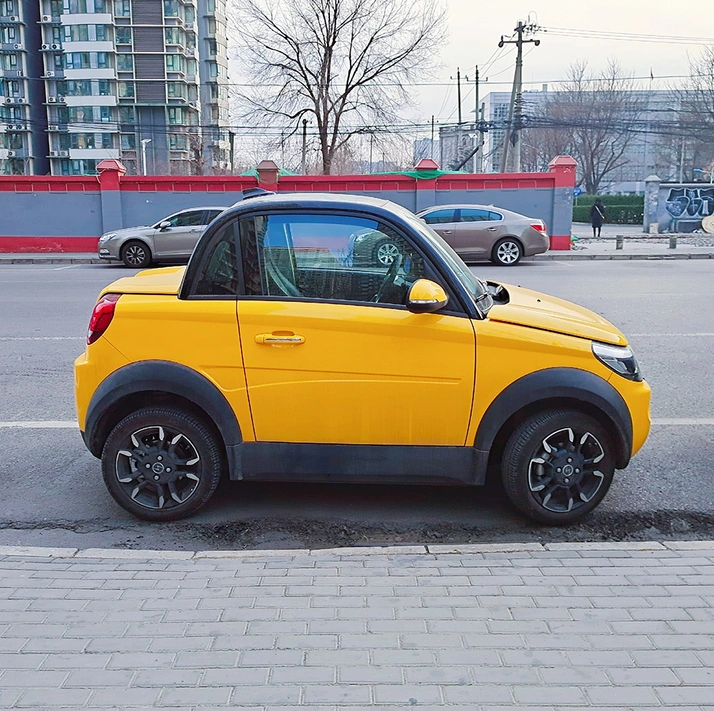 Many found solace in routines, hobbies, and digital connections. For travel blogger Pinky, staying home felt like a rare luxury after 70 flights in one year. Others turned to cooking, online learning, or virtual gatherings with family.
2. What was the most significant change in daily life during COVID-19?
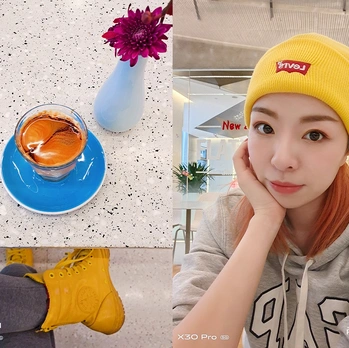 Mask-wearing became mandatory, social distancing was enforced, and large gatherings were banned. The simple act of buying coffee or visiting a bank became a calculated risk. The pandemic also highlighted the importance of frontline workers and public health systems.
3. How did travel and work habits shift after the pandemic?
Remote work became the norm for many. Travel bloggers pivoted to local content, virtual tours, and photography projects at home. The travel industry adapted with enhanced safety protocols and flexible booking policies.
4. What lessons did we learn about pandemic preparedness?
 Stockpiling essential supplies (masks, sanitizers, medications) and staying informed through official channels became crucial. The pandemic also underscored the need for mental health support and community resilience.
5. How can we honor the memory of healthcare workers who died from COVID-19?
By remembering their names and stories—like Dr. Li Wenliang, Dr. Huang Wenjun, and Dr. Xia Sisi. Supporting medical research, advocating for better working conditions, and following public health guidelines are meaningful ways to honor their sacrifice.
[Link: How to support healthcare workers today]
Conclusion: From Pause to Purpose
The COVID-19 pandemic forced the world to pause—but it also taught us to appreciate the small things: a quiet street, a good cup of coffee, the safety of home. For travel blogger Pinky, lockdown became an unexpected gift of rest and reflection. For frontline heroes, it was a battle of courage and sacrifice.
As we move forward, let's carry these lessons: cherish loved ones, respect science, and never forget the ordinary people who became extraordinary heroes.
What was your experience during the 2020 lockdown? Share your story in the comments below—we'd love to hear how you navigated this historic moment.
[Link: Submit your COVID-19 diary for our community archive]
Note: This article is based on factual events as documented in the original diary. Names and details have been preserved for accuracy.
You should also read:
Four Seasons in Beijing: A Personal Journey Through the City's Ever-Changing Beauty
Meta Description: Discover Beijing's seasonal magic through a personal travelogue. From summer sunsets at Jingshan Park to autumn leaves in the Forbidden City, explore the capital's beauty year-round. Your ultimate guide to experiencing Beijing's four seasons. In September 2016, I packed my bags and boarded…
Continue reading...
One Flower, One World; One Drink, One Bliss: Discovering a Poetic Garden in Southern Beijing
Meta Description: Escape the crowds and discover Taoranting Park, Beijing's hidden poetic garden. Explore ancient pavilions, literary history, and serene lakes for just 2 yuan. Your guide to tranquility in southern Beijing. If you think Beijing is only about the grandeur of the Forbidden City…
Continue reading...
The Other Side of Okinawa: When Food, Hidden Gems, and Emerald Seas Converge, I Truly Fell for This Island
Here is the SEO-optimized, rewritten article based on your source content. It is structured for search engine visibility while maintaining the authentic, narrative voice of the original travelogue. Meta Description: Beyond the tourist traps lies the real Okinawa. Discover hidden izakayas, Blue Cave snorkeling, uninhabited…
Continue reading...