Winter in Beijing: A Mortal Journey Through Time – The Ultimate Travel Guide
Meta Description: Experience the magic of winter in Beijing with this SEO-optimized travel guide. Discover Tiananmen Square, the Forbidden City, flag-raising ceremonies, and expert tips for a mortal journey through time. Perfect for first-time visitors.
"Ladies and gentlemen, our aircraft has arrived at Beijing Capital International Airport..."
As the announcement faded, I unbuckled my seatbelt and gazed out at the gray-blue skyline. A wave of indescribable emotion washed over me. After years of longing, I had finally decided to stop admiring from behind a screen and come to see for myself—this city that had captivated my soul, Beijing.
On December 26, 2019, my friend and I embarked on this three-day journey. Though the per-person cost was modest, the awe and emotion we gained were priceless. If you're planning a winter trip to Beijing, this guide will help you navigate the cold, crowds, and cultural treasures like a seasoned traveler.
Why Visit Beijing in Winter?
Winter in Beijing offers a unique blend of historical grandeur, crisp air, and fewer tourists. While temperatures can drop to minus four degrees Celsius, the city's iconic landmarks—like Tiananmen Square and the Forbidden City—take on a stark, breathtaking beauty under the gray-blue winter sky. Plus, you'll avoid the summer heat and peak-season crowds.
What to Expect in Winter
- Weather: Cold and dry, with temperatures ranging from -10°C to 5°C (14°F to 41°F). Pack layers, thermal underwear, and a windproof jacket.
- Crowds: Moderate. Weekdays and early mornings are quieter, especially at the Forbidden City.
- Photography: Soft winter light creates dramatic shadows on ancient architecture. Bring a camera with a good zoom lens.

Tiananmen Under Nightfall: Blood Boiling at Minus Four Degrees
Our originally scheduled evening flight was canceled due to weather, and we were rebooked for an afternoon arrival. This twist of fate granted me an extra night to get acquainted with the city. Our hotel was just a few steps from Tiananmen Square. Dropping off our luggage and bundling up in our coats, I rushed out into the biting minus-four-degree Celsius wind.
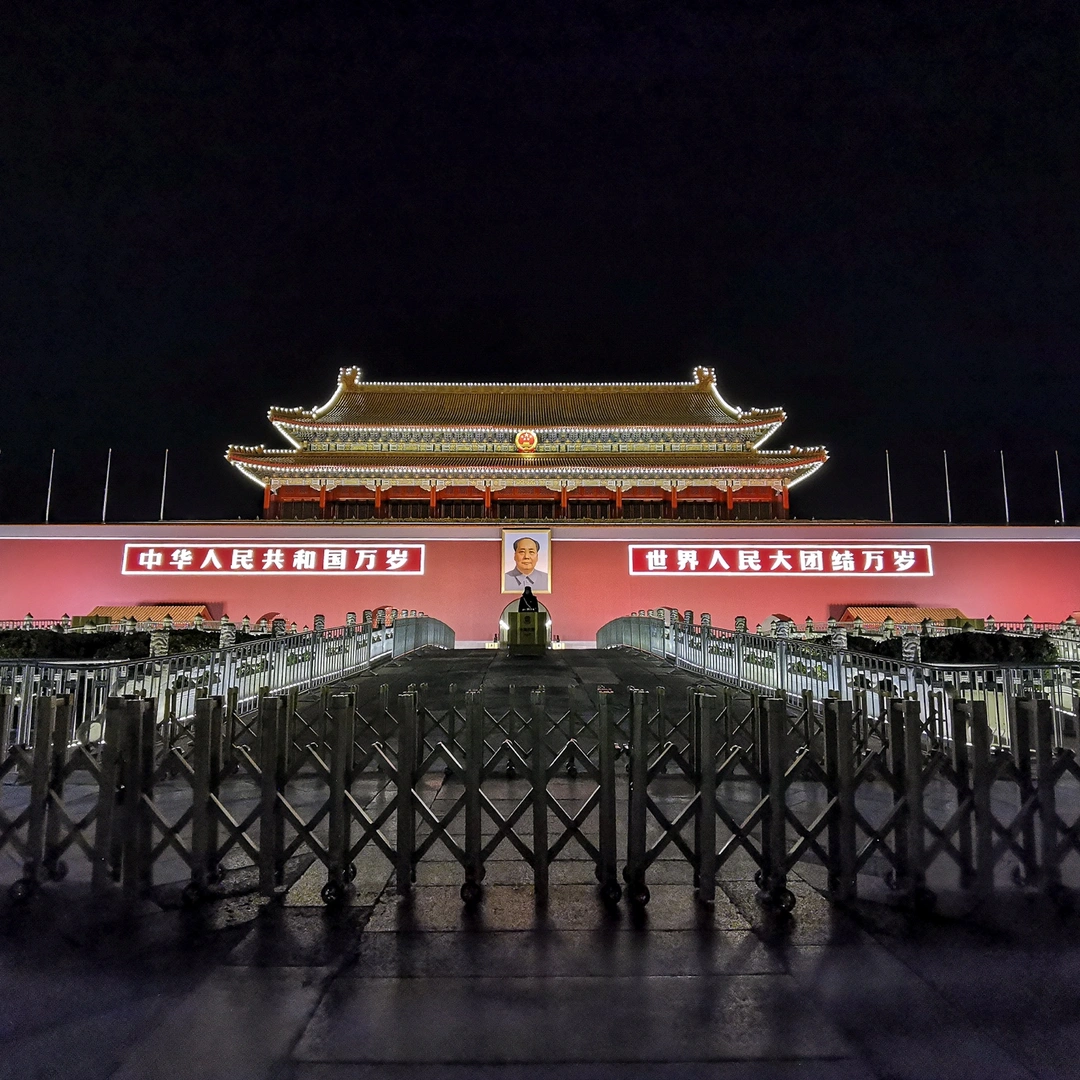
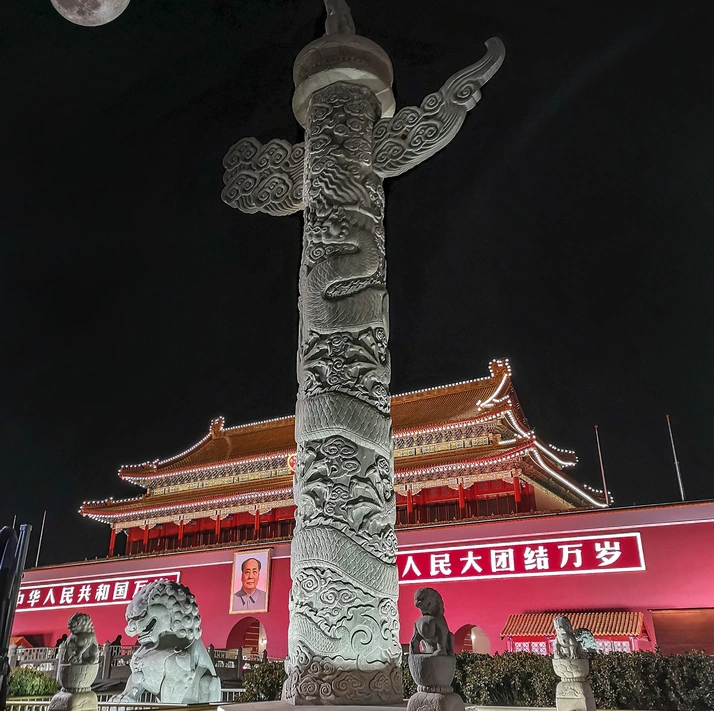
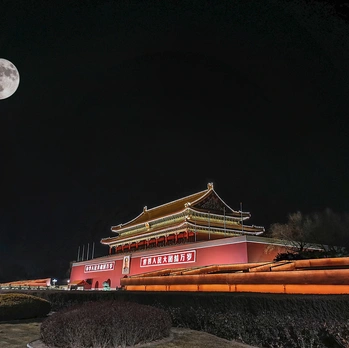
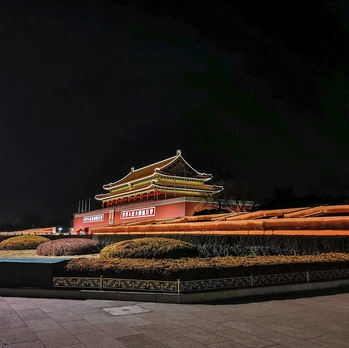
I had assumed the winter night would be quiet and empty, but the square was still bustling with people. Standing before the majestic Tiananmen Gate, an overwhelming sense of solemnity and grandeur made me hold my breath involuntarily. Under the glow of the lights, the golden tiles and crimson walls of the tower seemed even more imposing, as if silently recounting centuries of trials and transformations.
Tiananmen Square, located in the heart of Beijing, is the largest city square in the world. It faces the Monument to the People's Heroes, Chairman Mao Memorial Hall, the Great Hall of the People, and the National Museum of China across Chang'an Avenue, covering an area of 4,800 square meters.
[Link: How to plan a 3-day Beijing itinerary]
The Dawn Flag-Raising Ceremony: A Solemn Moment to Experience Once in a Lifetime
At 6:30 the next morning, as the first light of dawn appeared, the square was already packed with tourists waiting to watch the flag-raising ceremony. My hands and feet were numb with cold, but the excitement within me made the chill insignificant. When the national anthem began to play and the flag slowly rose, the entire crowd stood at attention, singing the anthem with all their might, every eye fixed on that fluttering banner.
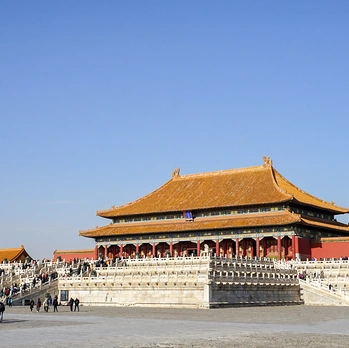
The visceral impact of being there in person is something no video can ever convey.
Practical Tips for the Flag-Raising Ceremony: - On the first day of each month, the ceremony features a live military band playing the national anthem. - The best viewing spots are around the flagpole. - Bring a camera to capture this solemn moment. - Carry your ID card at all times, as it will be checked at security. - In winter, dress in layers—Beijing's early morning cold is biting.
The Great Hall of the People and Chairman Mao Memorial Hall
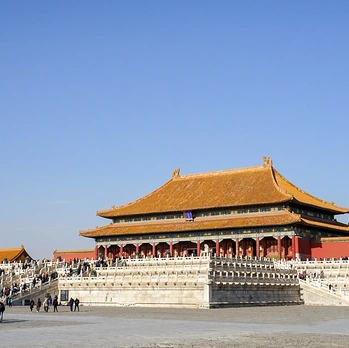
Holding up a 100-yuan banknote and taking a photo with the Great Hall of the People in the background is practically a "required course" for many visitors. Built to celebrate the tenth anniversary of the founding of the People's Republic of China, this structure was completed in just over ten months—a true miracle in Chinese architectural history.
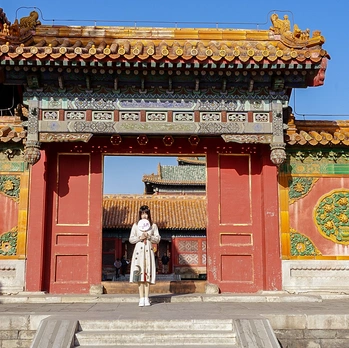
Chairman Mao Memorial Hall had five proposed locations before it was finally decided to place it in Tiananmen Square, forming a complete memorial circuit with the Monument to the People's Heroes and the surrounding pine forest. The hall faces Tiananmen across the square, with the monument at the center and the Great Hall of the People and the Museum of the Chinese Revolution on either side—a magnificent architectural ensemble.
Zhengyangmen (commonly known as "Qianmen" or Front Gate) was the main southern gate of Beijing's Inner City. Built in the 17th year of the Ming Yongle era (1419), the existing gate tower was reconstructed after being destroyed by fire in 1900. Standing at 43.65 meters tall, it is the tallest city gate structure in Beijing. In ancient times, only imperial carriages and horses were allowed to pass through; today, visitors can walk through it to Qianmen Street and imagine the grandeur of the Forbidden City in its heyday.
[Link: Best street food near Qianmen]
The Forbidden City: A Date with Time
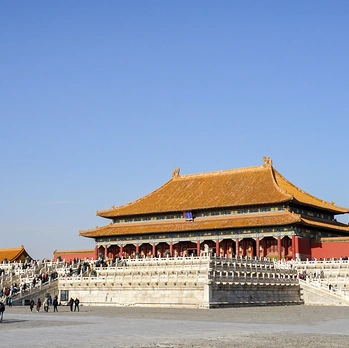
In 2019, the Palace Museum received a record-breaking 19 million visitors for the first time. By the time it closed on December 31, the total annual attendance had reached 19,336,275. And I, finally, at the tail end of 2019, kept my promise to visit—bringing my year to a perfect close.
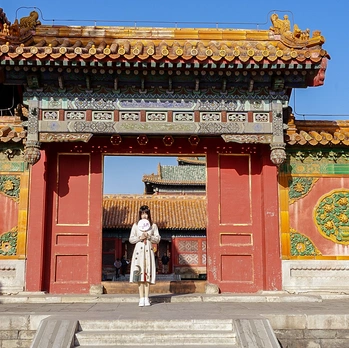
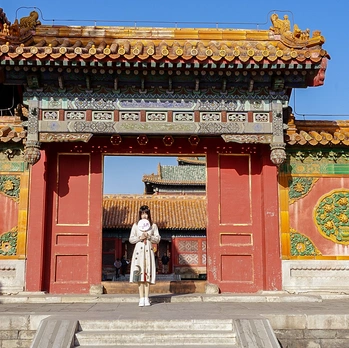
Sometimes, when you love a place too much, you don't know where to begin writing. You fear that words are too thin to carry the weight of that beauty. For me, the Forbidden City is exactly that kind of place.
Through the passage of time and the rise and fall of dynasties, it has stood for 599 years. Every blade of grass, every brick, every carving—every corner intoxicates the soul, making you wish you could stay forever.
The Meridian Gate: Where the Forbidden City Begins
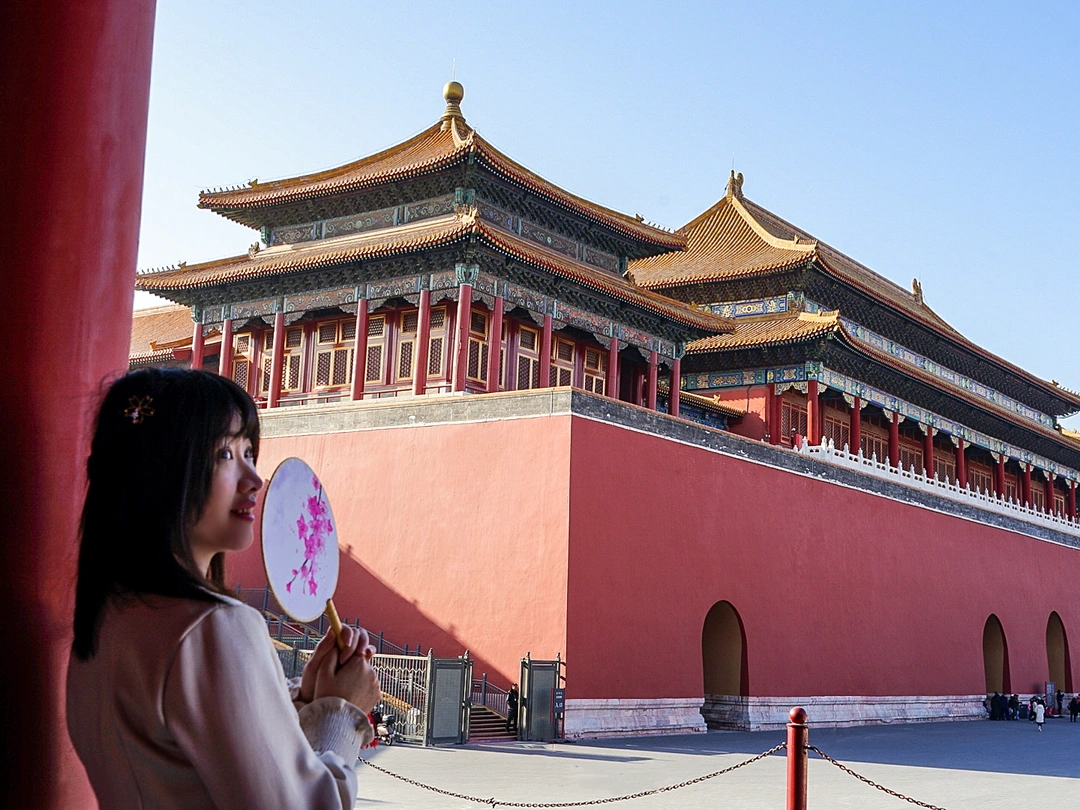
The character "端" (duan) means "beginning" or "auspicious start." Duanmen (the Gate of Uprightness) was one of the main gates of the Ming dynasty's Forbidden City and also the main gate of the Qing dynasty's Imperial City. Passing through Duanmen, the road leading to the Meridian Gate is lined with fast-food restaurants and kiosks. As the soft sunlight fell upon us, I quickly snapped photos before the tour groups could flood in.
Sundials—ancient Chinese timekeeping devices that measured time by the shadow of the sun—were made of white marble with iron gnomon needles. Placing sundials in front of palaces symbolized the emperor's supreme authority to bestow time upon all people under heaven.
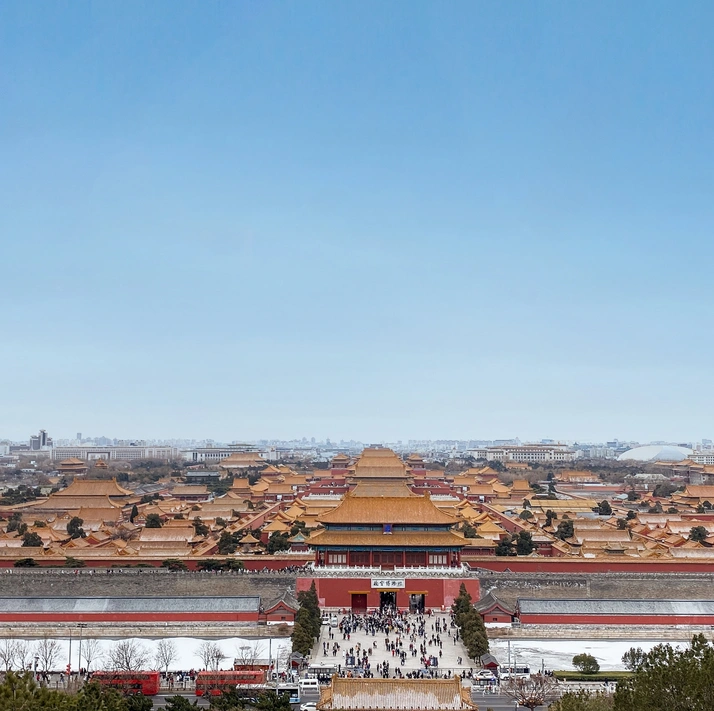
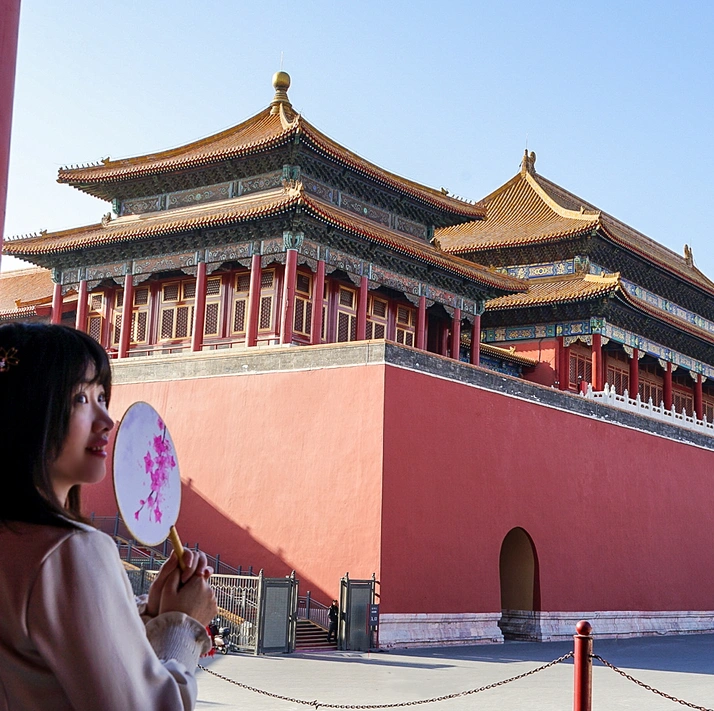
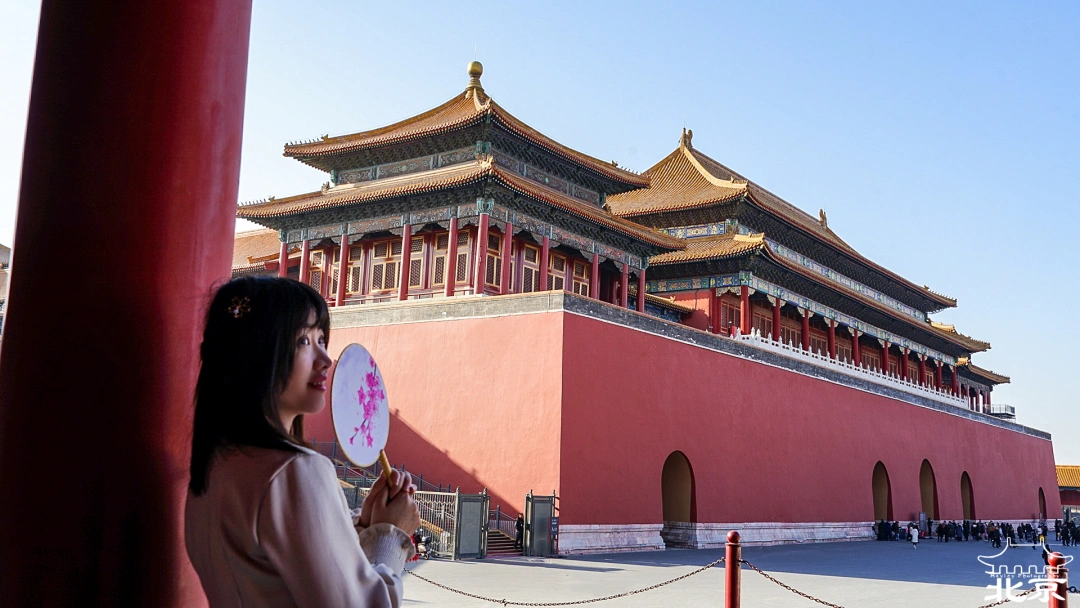
Continuing forward, we arrived at the southern main gate of the Forbidden City—the Meridian Gate (Wumen). The Forbidden City was the imperial palace of the Ming and Qing dynasties, formerly known as the Purple Forbidden City. The Meridian Gate is its main entrance. The exploration of the Forbidden City begins here.
Climbing up to the Meridian Gate, visitors can view the exhibition "Tashi Zhaxi: When Tashilhunpo Monastery Meets the Forbidden City." With four themes and 280 precious artifacts, the exhibition explains the meanings of auspiciousness, beauty, and longevity in Chinese culture, while also introducing more people to the stories of the successive Panchen Lamas and the charm of Tibetan Buddhist culture.
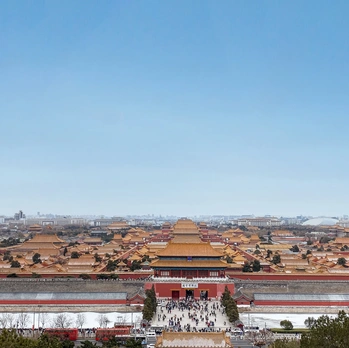
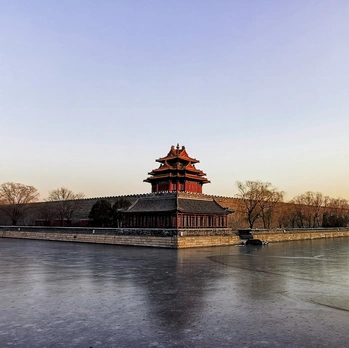
Standing atop the Meridian Gate and looking outward, you can take in the southwestern corner tower and the yellow-glazed-tiled, double-eaved hip-roofed palaces below. Though you cannot see the entire Forbidden City at a glance, it is enough to feel its immense scale—truly deserving of its status as one of the five greatest palaces in the world.
The Meridian Gate has a concave "凹" shape in plan, with five towers on the platform echoing each other left and right, resembling a phoenix spreading its wings—hence its nickname, the "Five-Phoenix Tower."
Photography Tip: It's nearly impossible to capture the Meridian Gate without tourists in the frame, but you can use the palace gates on either side of the square to create the illusion of an "empty" shot while still including the Meridian Gate.
The Gate of Supreme Harmony and the Hall of Supreme Harmony: The Pinnacle of Imperial Power
Upon entering the Meridian Gate, the first building that greets you is the Gate of Supreme Harmony (Taihemen). Ancient Chinese philosophy emphasized the "unity of heaven and humanity." From the very beginning, the Forbidden City was laid out as an auspicious city, with the Purple Forbidden Enclosure in the heavens corresponding to each palace on earth. What Emperor Zhu Di of the Ming dynasty hoped for was that the Forbidden City would endure as long as the mountains and rivers, and shine as brightly as the stars.
At the center of the Purple Forbidden Enclosure is the North Star, representing the center of the heavens. And on the central axis roof of the Forbidden City, there is also a "Big Dipper" formed by sphe... (Note: The source text cuts off here, but the Forbidden City section continues with the Hall of Supreme Harmony, the Hall of Central Harmony, and the Hall of Preserving Harmony, each with its own historical significance.)
[Link: Forbidden City ticket booking guide]
FAQ: Winter in Beijing Travel Tips
1. Is winter a good time to visit Beijing?
 Yes! Winter offers fewer crowds, lower hotel prices, and a unique atmosphere. The cold air makes the sky clearer, providing excellent visibility for photography. However, pack warm clothing—temperatures can drop to -10°C (14°F).
2. What should I wear for a winter trip to Beijing?
 Dress in layers: thermal underwear, a sweater, a windproof jacket, and a hat, scarf, and gloves. Comfortable, waterproof boots are essential for walking on icy paths.
3. How long does it take to visit the Forbidden City?
 A thorough visit takes 3–4 hours. If you want to see the entire complex, including the gardens and exhibitions, plan for a full day. Book tickets online in advance to avoid long queues.
4. Are there any special events in Beijing during winter?
 The Lantern Festival (usually in February) features beautiful lantern displays at parks like Ditan Park. The Beijing Ice and Snow Festival at places like the Shichahai Ice Rink offers ice skating and snow activities.
5. Is it safe to walk around Tiananmen Square at night?
Yes, the square is well-lit and patrolled by security. However, always carry your ID card, as security checks are frequent. Avoid bringing large bags.
Internal Linking Suggestions
- [Link: How to plan a 3-day Beijing itinerary]
- [Link: Best street food near Qianmen]
- [Link: Forbidden City ticket booking guide]
- [Link: Top winter festivals in Beijing]
- [Link: Beijing airport transfer tips]
Your Winter Journey Awaits
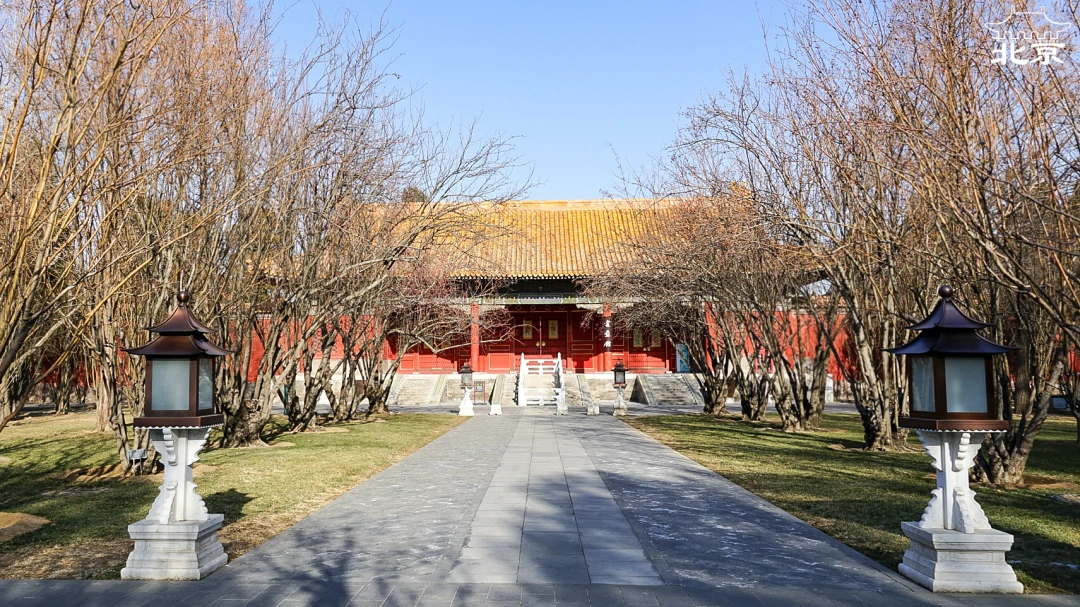
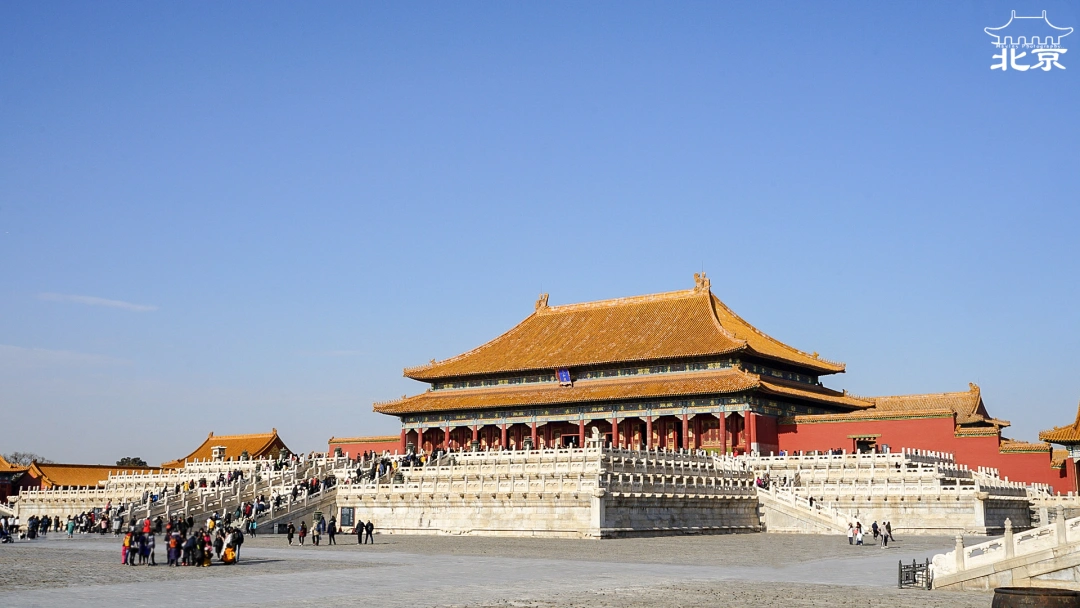
Winter in Beijing is not just a trip—it's a mortal journey through time. From the solemn flag-raising ceremony at dawn to the timeless beauty of the Forbidden City's golden roofs, every moment feels like stepping into a living history book.
Don't let the cold deter you. Pack your bags, book your tickets, and experience the magic of Beijing in winter. The city is waiting to share its stories with you.
Ready to start your adventure? [Link: Book your Beijing winter tour now] – limited availability for January and February departures.
This article was originally inspired by a traveler's journey on December 26, 2019. Prices and availability may vary. Always check current travel advisories and book in advance.
You should also read:
Savoring the Flavors of Di'anmen: A Culinary Journey Through Beijing's Heart
Meta Description: Discover the authentic tastes of old Beijing in Di'anmen. From douzhi to stir-fried liver, explore hidden hutong food stalls, legendary snack shops, and the vibrant street food culture surrounding Shichahai Lake. The story of Beijing has never been solely about crimson walls, golden…
Continue reading...
A Passionate Journey Through Beijing & Tianjin: Beijing Complete Guide – JOJO's In-Depth Travel Notes
Meta Description: Explore Beijing & Tianjin in 5 days with this complete travel guide. From the Forbidden City to the Great Wall, discover insider tips, transportation hacks, and must-see attractions. Plan your perfect China trip today. Beijing is not just a city—it's a living museum…
Continue reading...
The Accent of Beijing: A Hutong Odyssey in a Downpour – Exploring Beijing's Hidden Charms
Meta Description: Discover Beijing's soul through a rain-soaked hutong odyssey. From Shichahai's melancholy to Mianhua Hutong's philosophy, experience the authentic "accent of Beijing" in this immersive travel story. I'm probably going to laze myself to death. I visited Beijing eight hundred years ago—took the high-speed…
Continue reading...