The Eternal Innocence of a Child: Li Jingxun and Her Splendor of the Sui Dynasty
Meta Description: Discover the poignant story of Li Jingxun, a 9-year-old Sui Dynasty aristocrat. Explore her golden hairpin, cursed stone coffin, and treasures that reveal a child's world amid China's golden age.
Introduction: A Child's Tomb That Opened a Window to the Sui Dynasty
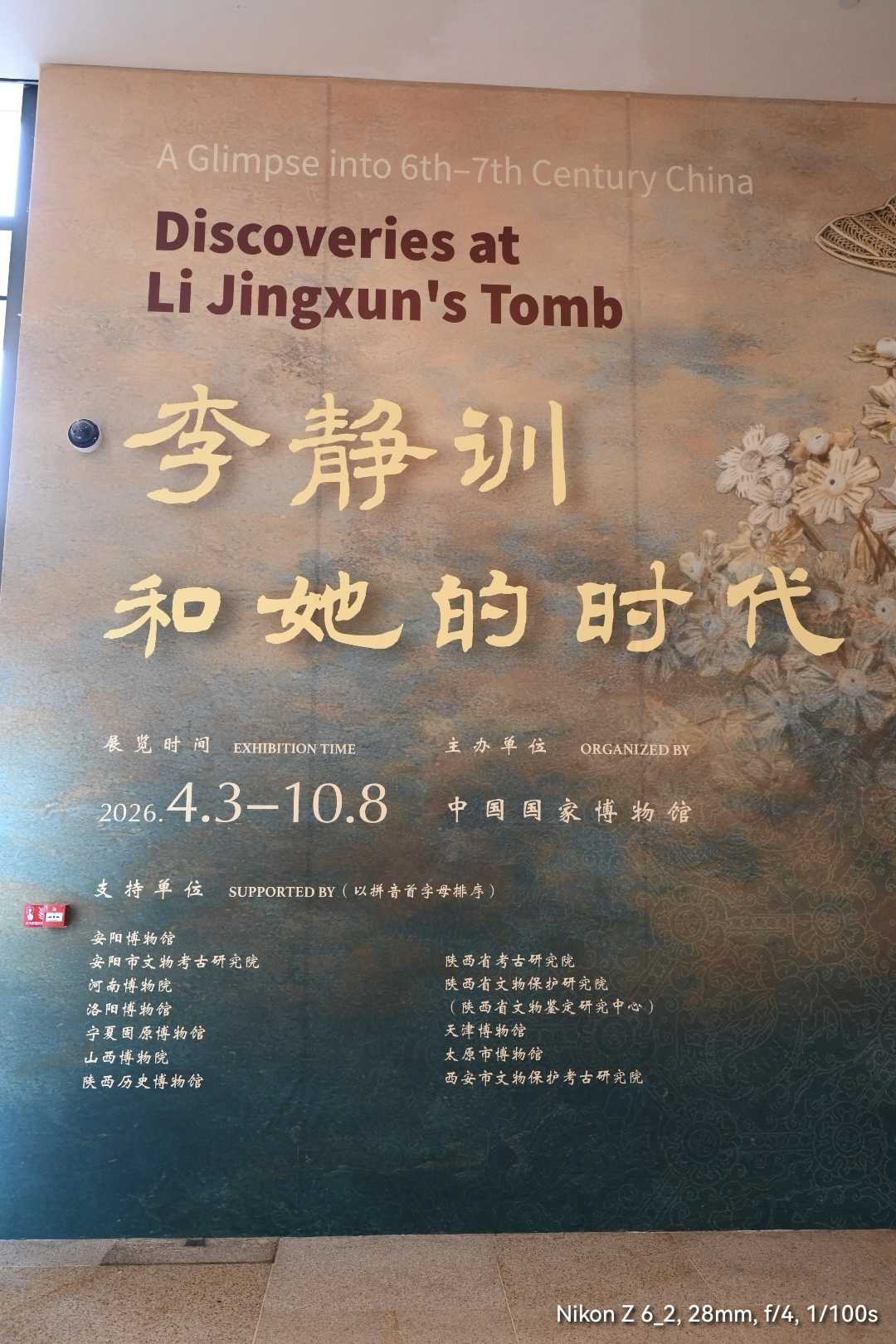
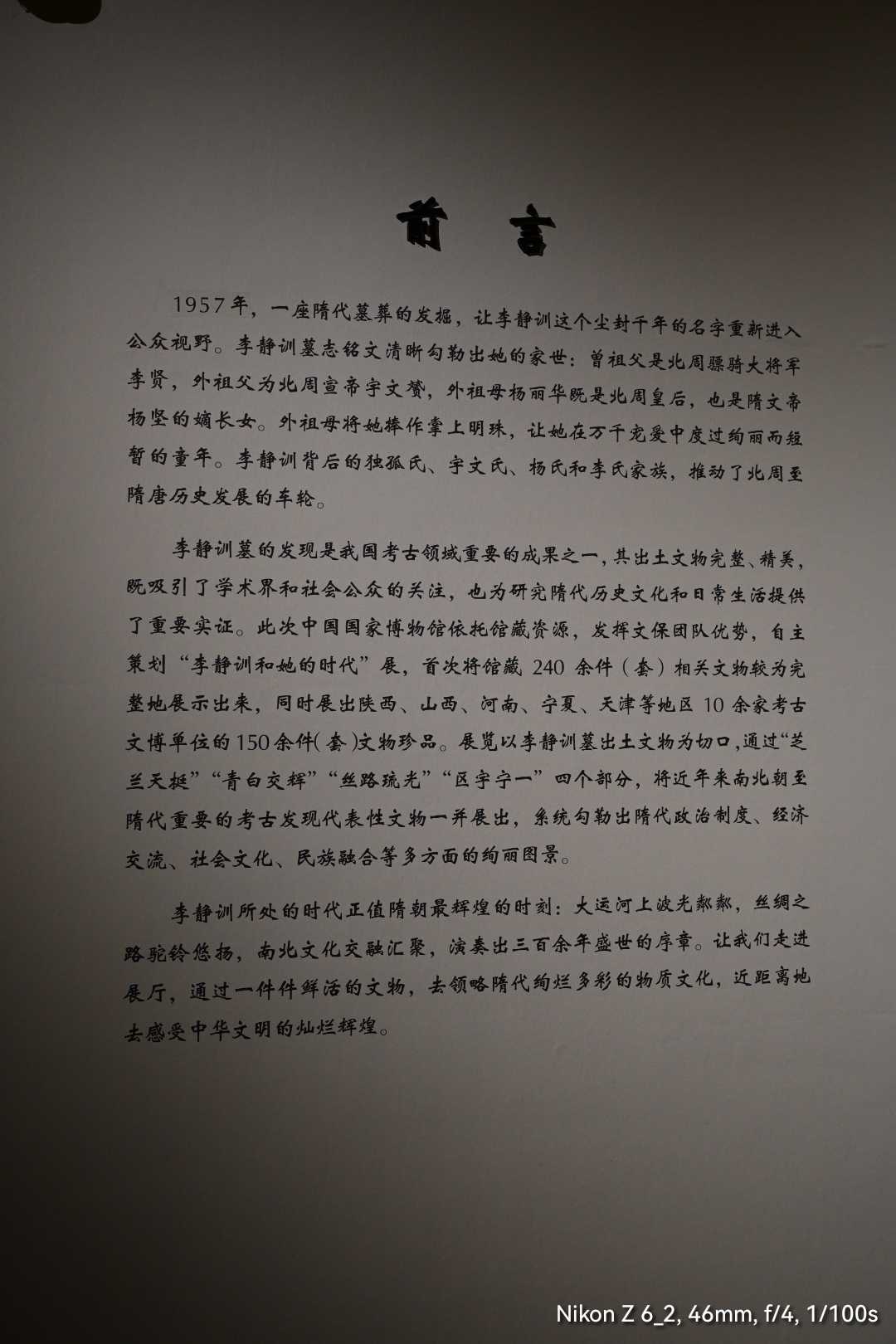
April 12, 2026. The sky over Beijing was clear as crystal. My rendezvous with the National Museum of China began with the name of a nine-year-old girl—Li Jingxun. Though she existed in the river of history for only nine short years, the treasures unearthed from her tomb have opened a door for us into the bustling, opulent world of the Sui Dynasty. This article explores her story, her artifacts, and the aesthetic revolution of an era that shaped Chinese civilization.
Who Was Li Jingxun? The Aristocratic Girl of the Sui Dynasty
Li Jingxun—the name may be unfamiliar to most. But mention her grandmother, Yang Lihua, the Empress Dowager of the Northern Zhou Dynasty, and you'll understand the towering heights of her lineage. She was the cherished jewel of one of the Sui Dynasty's most powerful aristocratic families, yet she passed away at the tender age of nine.
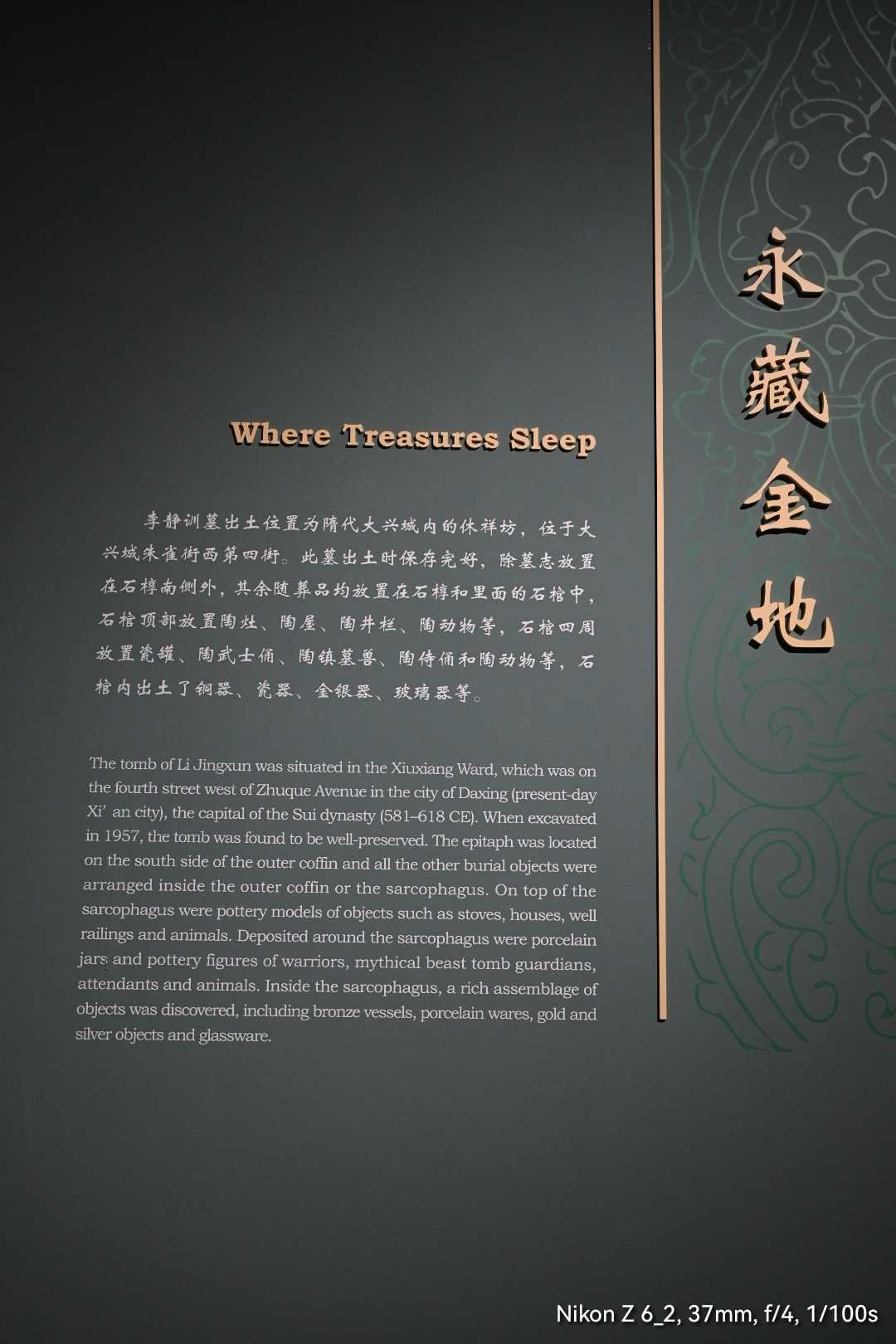
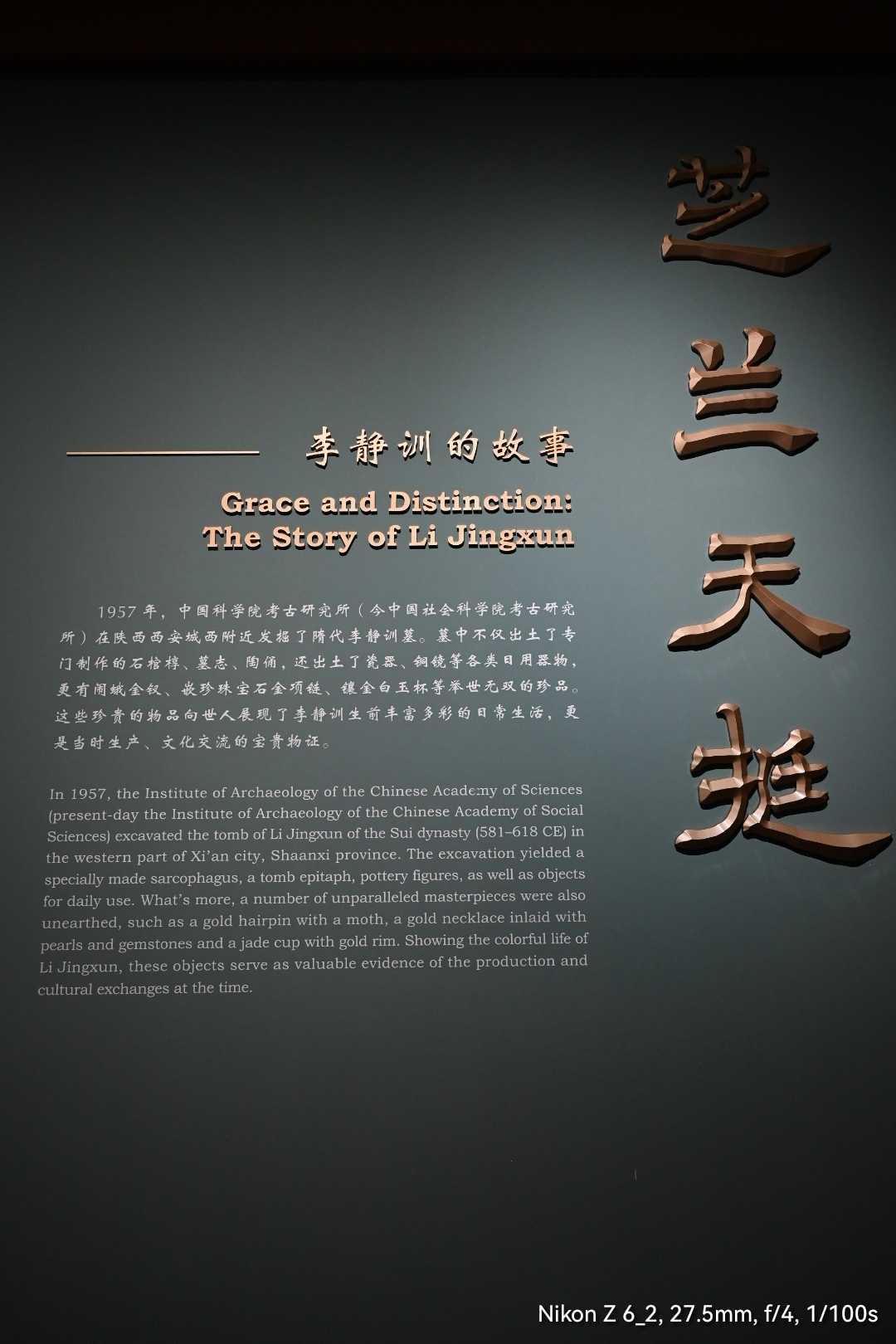
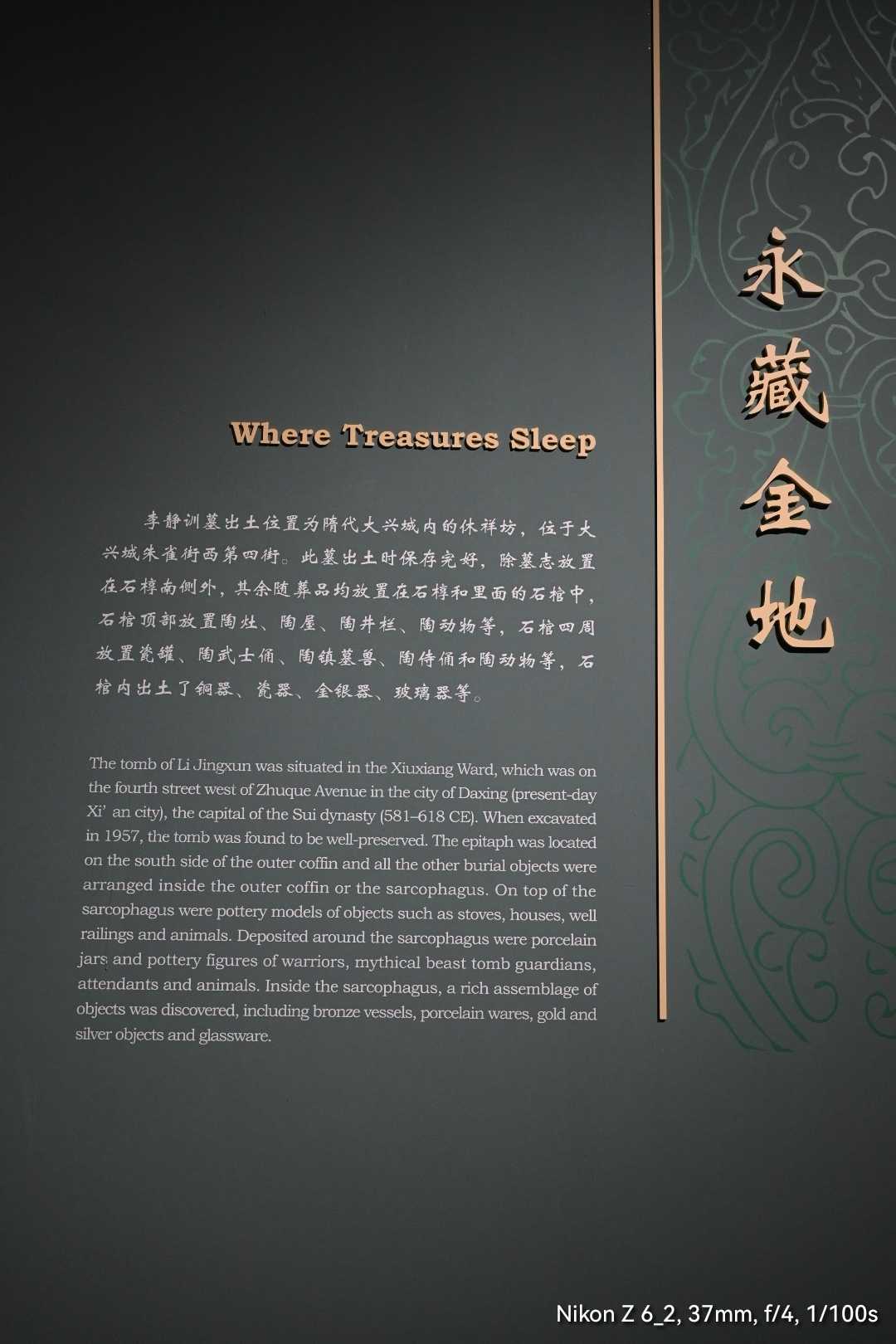
Her tomb was discovered in 1957 in Liangjiazhuang, west of Xi'an, and the exquisite craftsmanship and high rank of the artifacts unearthed sent shockwaves through the archaeological community. This exhibition at the National Museum of China centers on the artifacts from Li Jingxun's tomb, weaving them into the broader tapestry of her era—a turbulent time of transition from the Northern Zhou to the Sui Dynasty, from division to unification. It was also a golden age of intense collision and fusion between Eastern and Western civilizations.
[Link: Sui Dynasty history and unification of China]
The Playful Spirit of a Child: The Golden Hairpin of the Frolicking Moth
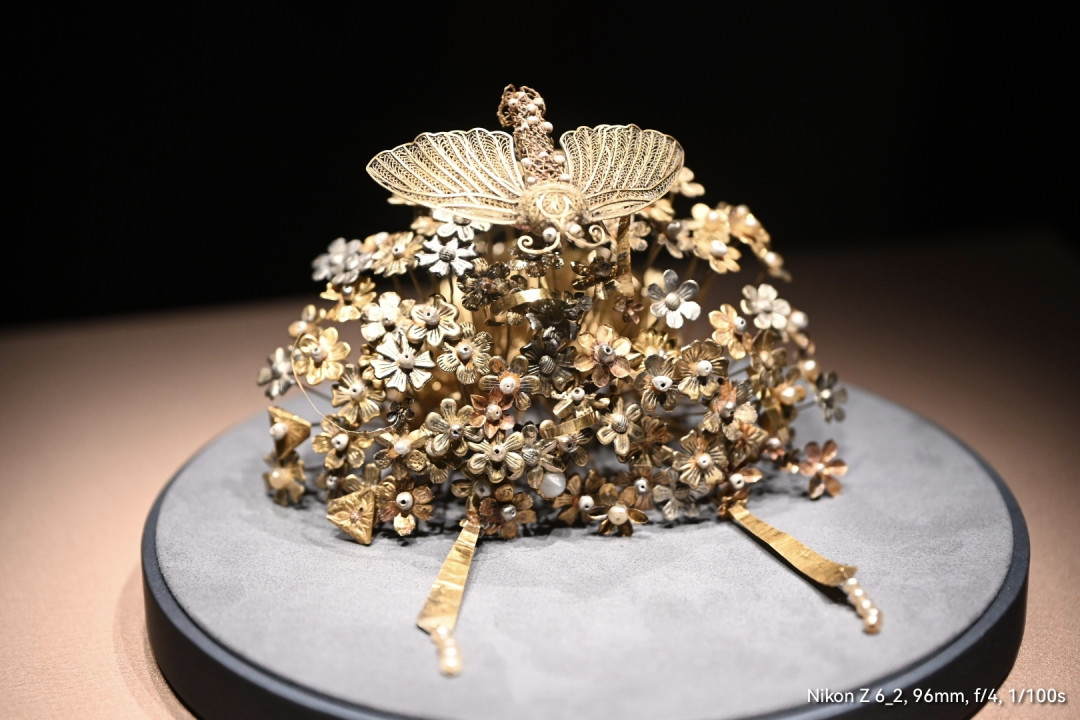
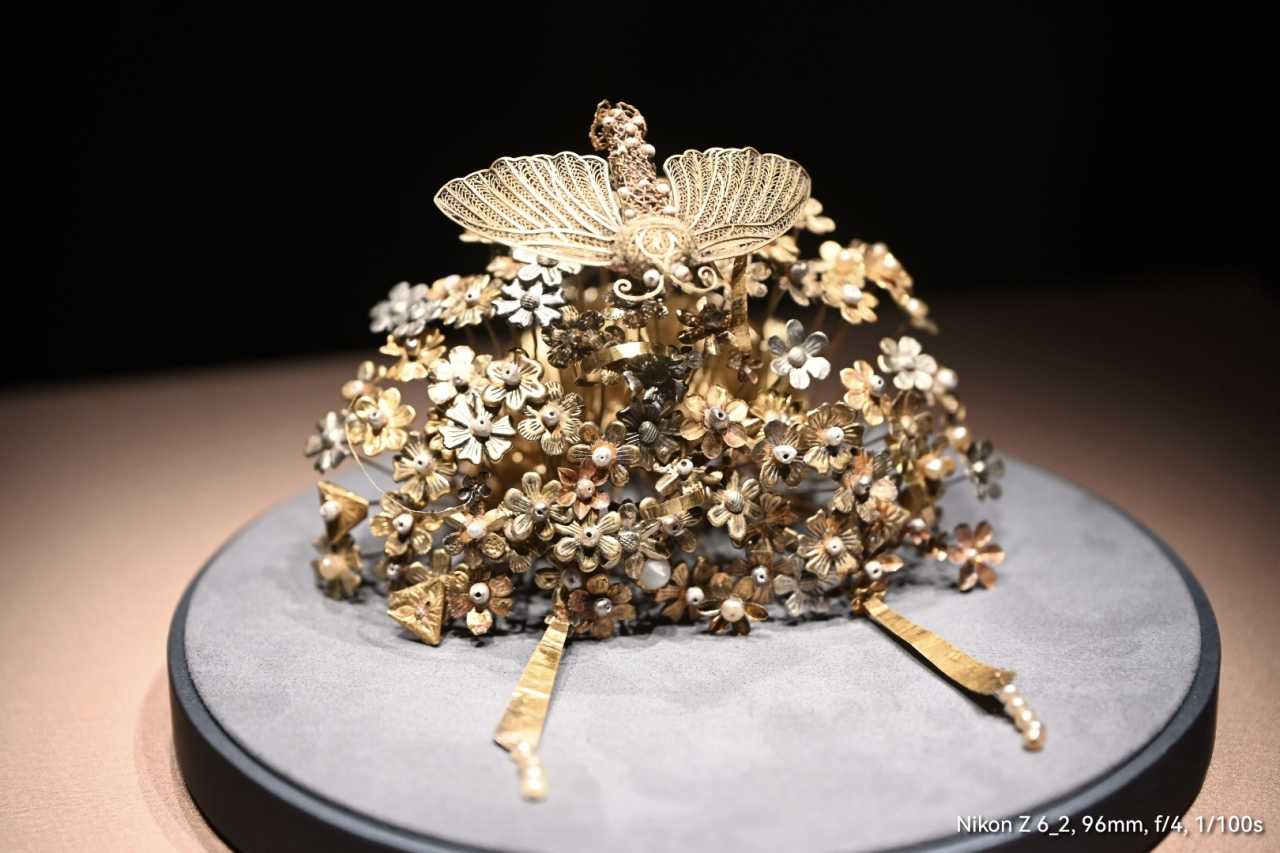
Stepping into the exhibition hall, the first object to seize your gaze is a golden hairpin known as the "Naoe Jin Chai" (Golden Hairpin of the Frolicking Moth). It lies quietly in its display case, yet it seems to carry the warmth of over 1,400 years.
The Golden Hairpin of the Frolicking Moth: A Butterfly's Eternal Dance with Flowers
This golden hairpin was crafted in the fourth year of the Daye reign of the Sui Dynasty (608 AD), unearthed from Li Jingxun's tomb in 1957, and is now a first-class cultural relic of the National Museum. Its main form is a butterfly (or moth) lingering over a cluster of flowers. The flower cluster consists of multi-petal blossoms, with pearls adorning the stamens.
The renowned scholar Shen Congwen, in his Study of Ancient Chinese Costume, named it the "Frolicking Moth Pouncing on Flowers Hair Ornament"—a name brimming with childlike playfulness and vitality. The term "frolicking moth" originates from ancient China, particularly from the Song, Yuan, Ming, and Qing dynasties, where it referred to a seasonal head ornament. Initially worn exclusively during the Lantern Festival, it took on the meaning of "moths playing with fire," echoing the brilliant, lantern-lit festivities.
Imagine a nine-year-old girl, wearing such a golden hairpin, running and laughing amidst the lantern lights of the Lantern Festival—what a touching scene.
Even more astonishing is its craftsmanship. The branches of the hairpin are woven from gold wire, employing techniques such as hammering, wire-drawing, weaving, cutting, engraving, and inlaying. The gold wire is as fine as a strand of hair. This is the pinnacle of Sui Dynasty goldsmithing, representing the highest level of metalworking and aesthetic taste of the time.
[Link: Ancient Chinese goldsmithing techniques]
The Curse on the Stone Coffin: "Opener Dies"
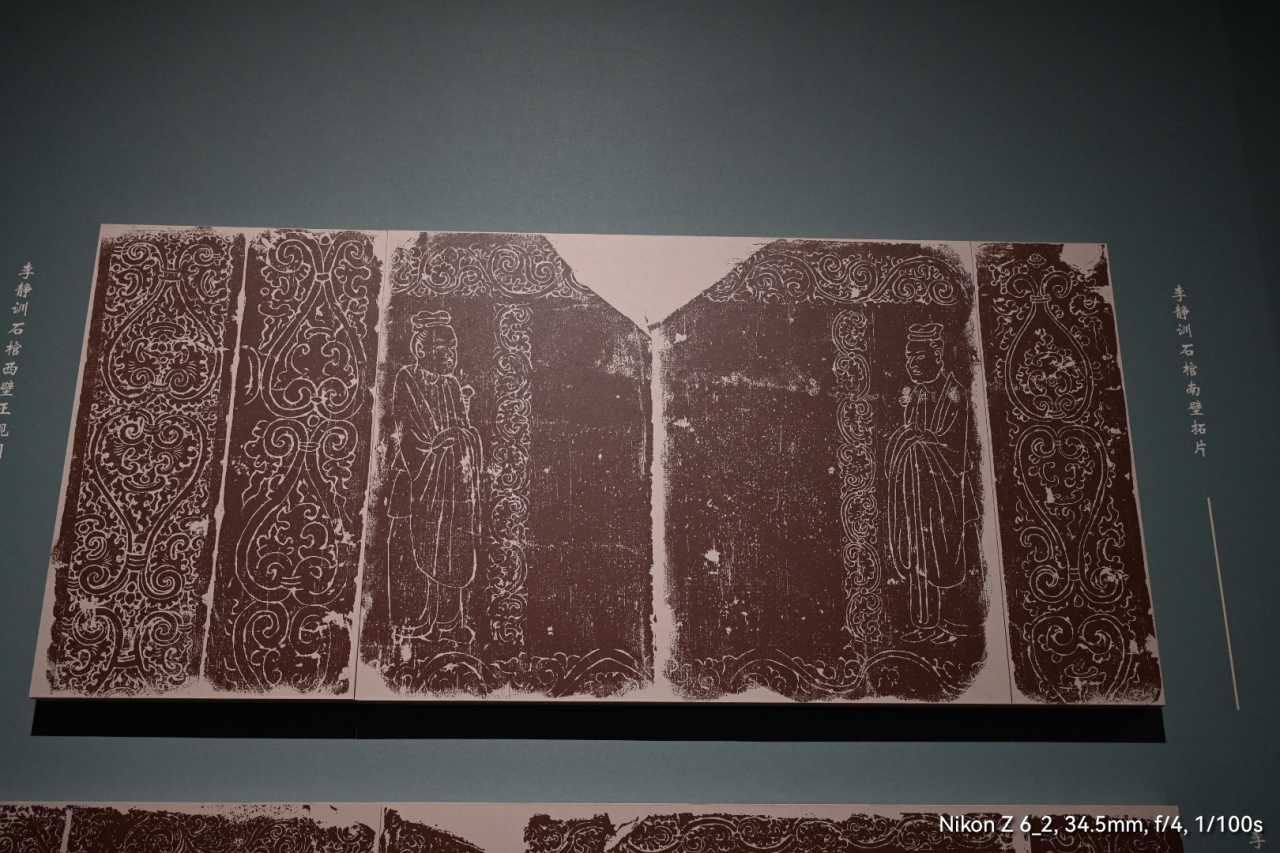
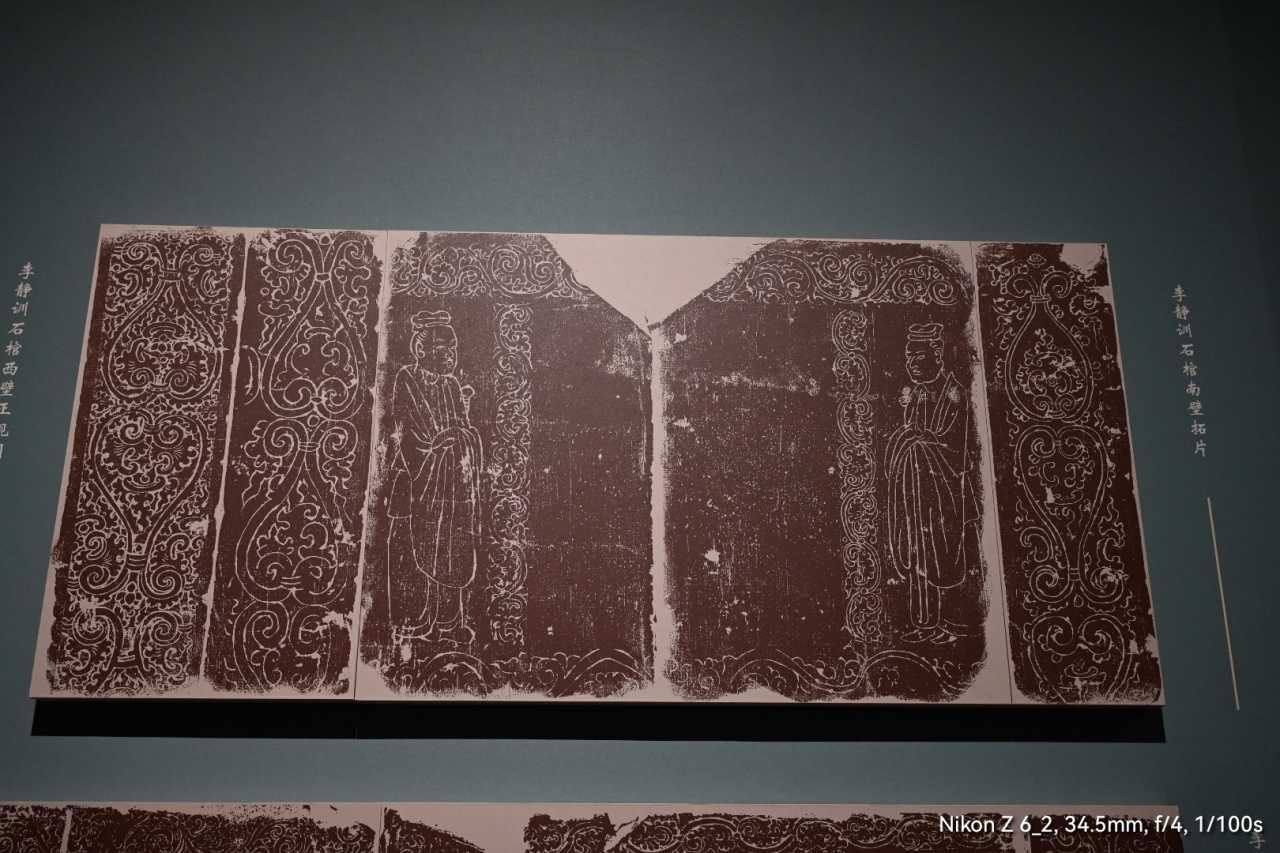
The most striking feature of Li Jingxun's tomb is undoubtedly the stone coffin, modeled after a palace hall structure. The coffin measures 1.92 meters in length, 0.89 meters in width, and 1.22 meters in height. On the ridge of the coffin lid, four characters are engraved in intaglio: "Kai zhe ji si" (Opener Dies). These four words are both a protection and a warning, as if telling future generations: Here lies a soul that must not be disturbed.
The stone coffin is now housed in the Xi'an Beilin Museum, and the exhibit features a replica. Yet even so, standing before it, you can still feel its solemnity and dignity. The epitaph is engraved with nine seal-script characters: "Tomb of the Daughter of the Sui Dynasty's Left Grand Master of the Palace Guard." The epitaph text, totaling 435 characters, details the tomb owner's identity, birth and death dates, and family lineage.
The Funerary Treasures: A Little Girl's Luxurious Life
A total of 84 figurines were unearthed from Li Jingxun's tomb, including human figures and animal figures. The human figurines include hooded figures, broom-holding figures, warrior figures, civil official figures, male attendants, and female attendants, all coated with white powder and painted with colors, giving them a lively, vivid appearance. The animal figurines include horses, sheep, cows, dogs, chickens, and pigs, relatively small in size.
But what truly leaves you speechless are the gold and silver treasures. A white jade cup inlaid with gold, a high-stemmed golden cup, a gold necklace inlaid with pearls and gemstones, gold bracelets inlaid with pearls and gemstones—each piece dazzles. Among them, the gold necklace inlaid with pearls and gemstones was found on Li Jingxun's chest. It consists of 28 spherical gold chain links, each link inlaid with 10 pearls, welded together by 12 small gold rings. Red and blue gemstones interweave in brilliance, set against the pure gold, exuding an extraordinary sense of luxury and elegance.
These treasures were everything a nine-year-old girl once owned. They bear witness to her brief life and to the power and wealth of the family behind her.
[Link: Sui Dynasty aristocratic burial customs]
The Aesthetic Revolution: Sui Dynasty Ceramics

If gold and silver represent the luxury of the Sui Dynasty, then ceramics showcase its aesthetic pursuits. The exhibition presents a striking contrast between large numbers of celadon and white porcelain, clearly illustrating the evolution of Chinese ceramics from "green" to "white."
The Charm of Celadon
Celadon-glazed inkstones with lids and multiple feet, celadon-glazed jars with four lugs and lotus petal patterns, celadon-glazed covered jars with double-layered serrated lids—these celadon pieces feature a clear gray glaze with crackle patterns and a classic, elegant form. The celadon seven-jar linked vessel is particularly special: seven small jars of the same size are fused together with glaze, one in the center and the other six arranged in a circle, forming a shape like a blooming flower when viewed from above. This "one inside, six outside" form is a masterpiece among celadon pieces.
Then there is the celadon openwork incense burner, covered in a light celadon glaze, warm and lustrous, with crackle patterns on the body. Incense burners were used for fumigation from the Northern Dynasties through the Sui Dynasty, and figurines of female attendants holding incense burners have also been discovered. These artifacts offer a glimpse into the refined and elegant life of Sui Dynasty aristocrats.
The Rise of White Porcelain
Compared to celadon, the emergence of white porcelain represents a major breakthrough in Chinese ceramic technology. White-glazed vases with dragon handles, white-glazed chicken-head ewers, white-glazed flattened flasks with animal-mask designs and double lugs—these white porcelain pieces have hard bodies, with the glaze appearing white tinged with yellow or white tinged with green. Though not yet perfectly pure, they are close to the standards of later white porcelain.
Special mention should be made of the white-glazed "transmitted vase" with dragon handles. The base is inscribed with the characters: "Ci chuan ping, you bing" (This transmitted vase has a pair). "You bing" refers to the form of two vases combined. The vase has a dish-shaped mouth, a single neck, and a double belly. Two dragons are molded from the rim to the shoulder, with their heads reaching into the mouth. This form combines the majesty of traditional Chinese dragon motifs with the influence of Western gold and silver vessels.
Some scholars believe that the rise of white porcelain was linked to the introduction of Western artifacts. The forms and decorations of white porcelain show traces of imitation of gold and silver vessels from Central Asia and Persia, reflecting the Silk Road cultural exchange that flourished during the Sui Dynasty.
[Link: History of Chinese white porcelain development]
FAQ: Li Jingxun and the Sui Dynasty Treasures
1. Where is Li Jingxun's tomb now?
Li Jingxun's stone coffin is housed at the Xi'an Beilin Museum, while many of her funerary treasures—including the golden hairpin and gold necklace—are displayed at the National Museum of China in Beijing.
2. What does "Kai zhe ji si" mean?
 The four characters engraved on the stone coffin lid translate to "Opener Dies." It served as both a protective curse and a warning to deter grave robbers from disturbing the tomb of the young aristocrat.
3. How old was Li Jingxun when she died?
 Li Jingxun was nine years old at the time of her death, during the fourth year of the Daye reign of the Sui Dynasty (608 AD).
4. What is the most famous artifact from her tomb?
The Golden Hairpin of the Frolicking Moth (Naoe Jin Chai) is the most iconic piece. It features a butterfly or moth hovering over a flower cluster, crafted with hair-thin gold wire and inlaid pearls.
5. Why is Li Jingxun's tomb significant for Chinese ceramic history?
Her tomb contained both celadon and early white porcelain, providing crucial evidence for the transition from green-glazed to white-glazed ceramics in Chinese history. The white porcelain pieces show early attempts at achieving pure white glaze, influenced by Western metalwork.
Conclusion: A Child's Legacy, An Empire's Glory
Li Jingxun lived only nine years, yet her tomb has given us a treasure trove that spans centuries. From the playful golden hairpin to the solemn curse on the stone coffin, from the delicate celadon to the pioneering white porcelain—each artifact tells a story of a little girl who was loved, of a family that wielded immense power, and of an empire that stood at the crossroads of East and West.
Visit the National Museum of China to see these treasures for yourself. Walk through the exhibition halls, stand before the golden hairpin, and imagine a nine-year-old girl running through lantern-lit streets. Her innocence is eternal, and her splendor—the splendor of the Sui Dynasty—lives on.
Plan your visit today. Check the National Museum's official website for current exhibitions, ticket availability, and guided tours. Don't miss the chance to witness history through the eyes of a child.
[Link: National Museum of China ticket booking] [Link: Xi'an Beilin Museum visitor guide] [Link: Top Sui Dynasty archaeological discoveries]
This article was written for history enthusiasts, museum visitors, and anyone fascinated by ancient Chinese culture. Share it with fellow history lovers and start planning your cultural journey today.
You should also read:
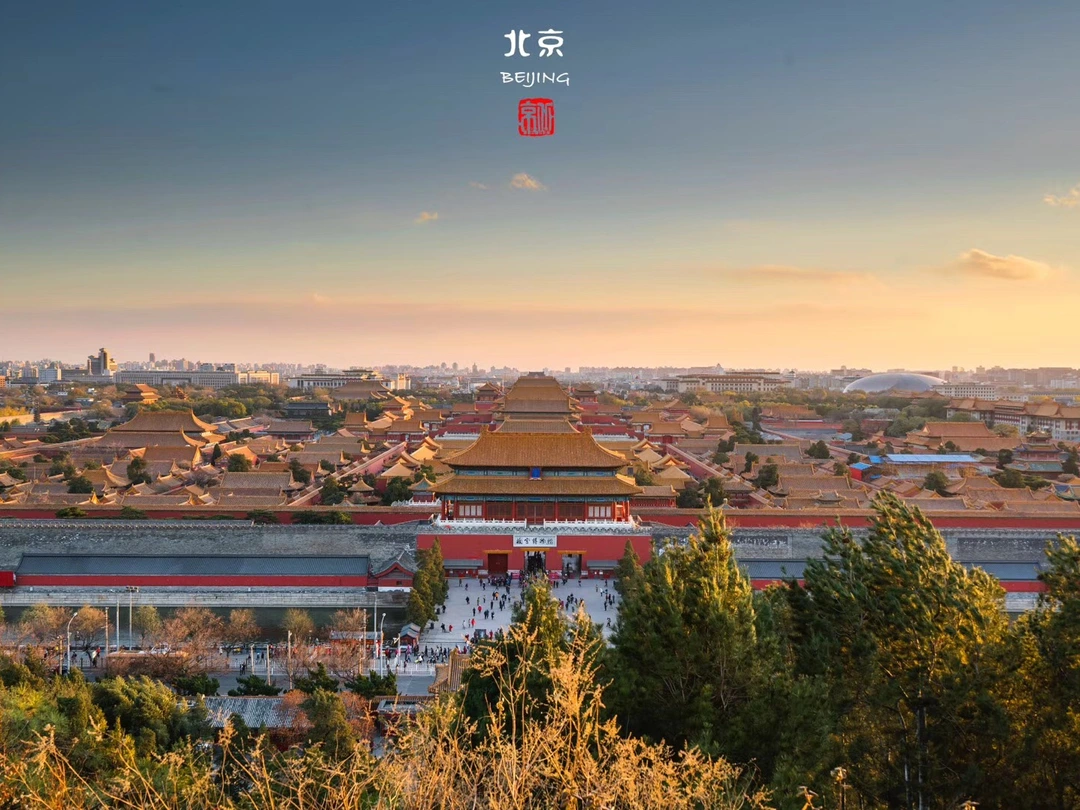
Inside and Outside the Red Walls: Where Time Meets Splendor—This Is Beijing
Meta Description: Explore Beijing's timeless beauty through a personal journey from Jingshan Park to Nanluoguxiang. Discover iconic landmarks, local secrets, and photography tips in this SEO-optimized guide to China's capital. On Thanksgiving Day 2017, I returned to Beijing after four years abroad. A professor of…
Continue reading...
The Ultimate Guide to the Forbidden City: Unlocking 600 Years of Imperial Splendor
Here is the SEO-optimized and rewritten article based on your source material. It is structured to target high-intent keywords, improve readability, and drive user engagement. SEO Title: The Ultimate Guide to the Forbidden City: Unlocking 600 Years of Imperial Splendor (2025 Visitor Tips) Meta Description:…
Continue reading...
The Ming Dynasty from Start to Finish: A Journey Through Every Imperial Tomb of the Ming Thirteen Tombs
Meta Description: Explore the complete history of the Ming Dynasty through its imperial tombs. Discover 13 Ming emperors' final resting places at Changping District, Beijing—from Yongle's grand Changling to the mysteries of blank steles. Plan your visit today. In the northwestern outskirts of Beijing, at…
Continue reading...